
Diving at Punta Penne (Italy)
Punta Penne offers divers a remarkable glimpse into the Adriatic's intricate underwater ecosystem, particularly appealing to those seeking encounters with diverse bottom dwellers. Its wall habitat provides shelter for species like moray eels and conger eels, creating opportunities for observing their behavior. You might spot various nudibranchs along the rock faces, adding vibrant color to the dive. The site's unique structure supports a varied marine community.
Tonight's objective overview for Punta Penne shows an air temperature of 24°C. The measured surface conditions include wave heights around 0.2 m. This environmental data is logged for the close of the day.
Dive Site Location & Key Facts
Dive Site Overview
This site unfolds as a diverse underwater landscape, accommodating various dive approaches. For those making a shore entry, the dive commences over a shallow seabed, roughly 4-6 meters (13-20 feet) deep, which then gradually slopes downwards.
This gentle descent serves as an excellent warm-up, allowing divers to refine buoyancy before reaching the main event. This shallow area smoothly transitions into a prominent wall structure, which continues its impressive drop to depths between 13-16 meters (43-52 feet). Divers arriving by boat, however, typically enter directly onto this substantial wall, immediately immersing them in its rich features and bypassing the initial shallower transit.
Beyond the base of the wall, the seabed continues its gradual descent, ultimately reaching a maximum recorded depth of 24 meters / 78 feet. This deeper zone is characterized by its rugged topography, featuring numerous scattered, large rock blocks.
These formations create an intricate network of natural shelters and crevices, serving as ideal habitats for a variety of fish species. Here, one frequently observes schools of banded saraghi, major saraghi, and corvine seeking refuge or foraging among the rocks.
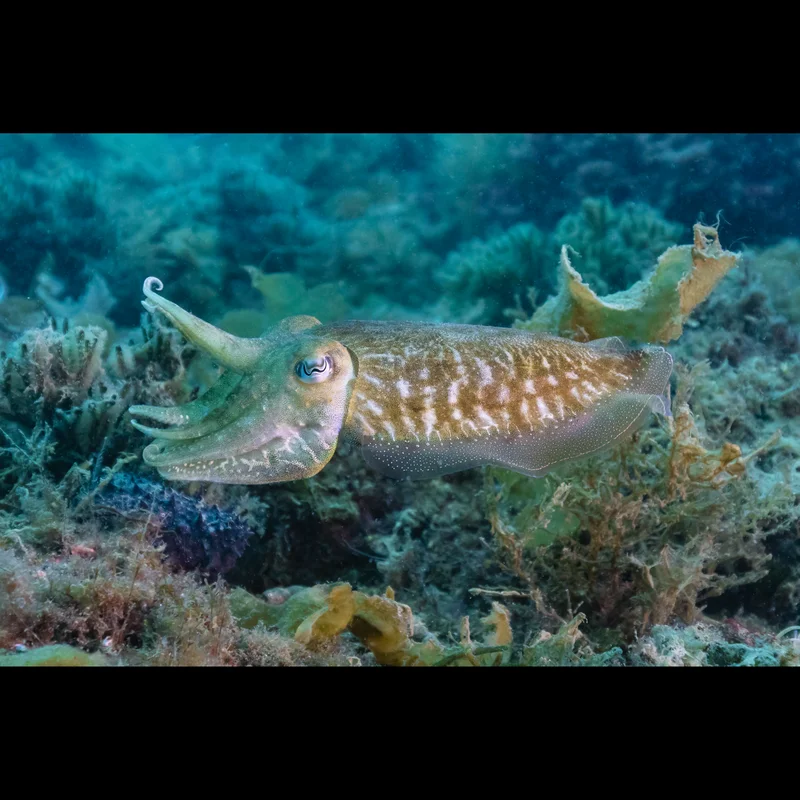
Interspersed throughout these deeper sections are small, distinct sand quarries. These sandy pockets are particularly interesting for spotting good-sized mullets actively sifting through the substrate, and they are also known havens for cuttlefish, adding further diversity to the site's benthic community.
Conditions are Excellent
07:00 - 14:00
Optimal conditions expected
Current conditions near Punta Penne show 24° air, 27° sea temperature, 0.2 m waves, and 17 km/h wind. Forecast data is refreshed regularly to ensure accuracy.
Best Time to Dive
Optimal conditions for visiting Punta Penne generally align from late spring through early autumn, providing favorable dive experiences. While the summer months of July and August bring warmer air temperatures averaging 27-28°C / 81-82°F and increased activity, the quieter periods of late spring (May-June) or early autumn (September-October) offer a more serene atmosphere. During these transitional months, air temperatures typically range from 19-24°C / 66-75°F, coupled with reduced rainfall (around 0.8-1.5 mm / 0.03-0.06 inches per month) compared to the winter, which can see up to 3 mm / 0.12 inches. Dive scores consistently rate as 'Good' for most of the year, though January presents a 'Moderate' rating, indicating less predictable conditions.
PEAK SEASON SCORE
Scores combine air & water temps, waves, wind & rainfall for overall conditions.
BEST MONTHS TO DIVE
Monthly records compiled from satellite and marine observation nodes over the last 3 years. Data provided by Open-Meteo and MET Norway.
Dive Experience & Conditions
Diving here involves flexible access points, catering to both shore and boat entries. Shore dives commence in a relatively shallow area, around 4-6 meters, allowing for a gentle descent as the seabed gradually slopes towards the main wall. This initial phase provides a calm introduction, suitable for buoyancy adjustment. From a boat, however, divers are typically positioned directly at the wall, immediately immersing them in the primary features of the dive. The salt water generally offers clear visibility, though conditions can vary. Surface conditions are often favorable, with average wave heights typically under 1 meter / 3 feet for much of the year, contributing to a smoother entry and exit experience.
Dive Difficulty & Safety Guidelines
While Punta Penne doesn't present unique, consistently reported hazards, responsible diving practices remain essential for a safe experience. Divers should ensure they are appropriately certified, with PADI Open Water Diver and PADI Advanced Open Water Diver recommended for exploring the site's full range of depths and features. Always dive within your training limits and plan your dive, including gas management and decompression limits, in accordance with your dive computer.
Paying attention to local weather forecasts and sea conditions is prudent, as these can influence visibility and currents, though strong currents are not consistently reported. Maintaining situational awareness, especially near the wall, will help prevent accidental impacts with the environment or other divers.
Recommended Equipment
- Dive Computer
- DSMB
This gear list is based on verified equipment signals for Punta Penne, Italy. Always confirm final gear choices with your dive operator, guide, or liveaboard.
Recommended Dive Suit
In these water temperatures, 2-3mm shorty or light wetsuit is a common choice for recreational diving. Longer dive profiles can make thermal protection more important than short exploratory dives.
Conditions at Punta Penne currently place the water temperature near 27°C (81°F). Surface air temperatures are resting at 24°C (75°F).
Temperatures look set to gradually increase over the next several days. A warming trend is expected over the next few days.
Due to technical issues with our weather providers, live updates are temporarily delayed. The data above reflects the conditions at the time of the last successful fetch.
Emergency & Medical Support
Essential information to help you plan your dive trip to Punta Penne.

Hyperbaric chambers are a critical part of dive safety infrastructure. Availability varies significantly by region, and not all dive areas have immediate access.
Before diving, it's recommended to:
- confirm nearest medical facilities
- check emergency procedures with local dive operators
- ensure dive insurance covers evacuation if required
Divers Alert Network
Diving emergency assistance available through DAN Europe.
+39 0642115685- 24/7 emergency hotline
- Diving medical assistance
- Evacuation coordination
Emergency contacts are provided for reference. Always verify local emergency services before diving.
Closest Listed Hyperbaric Chambers
Showing listed hyperbaric chamber facilities within 200 km of this dive site.
Distances are approximate straight-line distances and may not reflect emergency travel time.
Hyperbaric Chamber - Lecce
Lecce, Italy•Approx. 42 km straight-line
Hyperbaric Chamber - Lecce
Information is provided for reference and planning purposes only. Dive Navigator does not verify operational status, staffing, availability, or quality of care at listed facilities. In an emergency, contact local emergency services, DAN, your dive operator, or the chamber directly. Do not travel to a facility without calling ahead.
Centro Ospedaliero Militare - Servizio di Medicina Iperbarica
24/7 ListedICU CapableTaranto, Italy•Approx. 63 km straight-line
Centro Ospedaliero Militare - Servizio di Medicina Iperbarica
24/7 ListedICU CapableInformation is provided for reference and planning purposes only. Dive Navigator does not verify operational status, staffing, availability, or quality of care at listed facilities. In an emergency, contact local emergency services, DAN, your dive operator, or the chamber directly. Do not travel to a facility without calling ahead.
Ospedale San Paolo
24/7 ListedICU CapableBari, Italy•Approx. 109 km straight-line
Ospedale San Paolo
24/7 ListedICU CapableInformation is provided for reference and planning purposes only. Dive Navigator does not verify operational status, staffing, availability, or quality of care at listed facilities. In an emergency, contact local emergency services, DAN, your dive operator, or the chamber directly. Do not travel to a facility without calling ahead.
Marine Life at Punta Penne
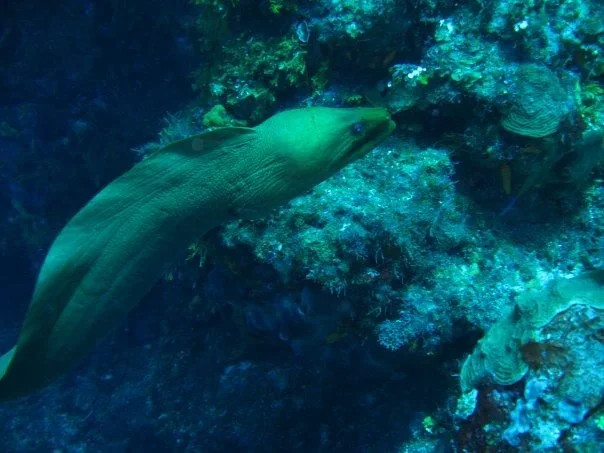
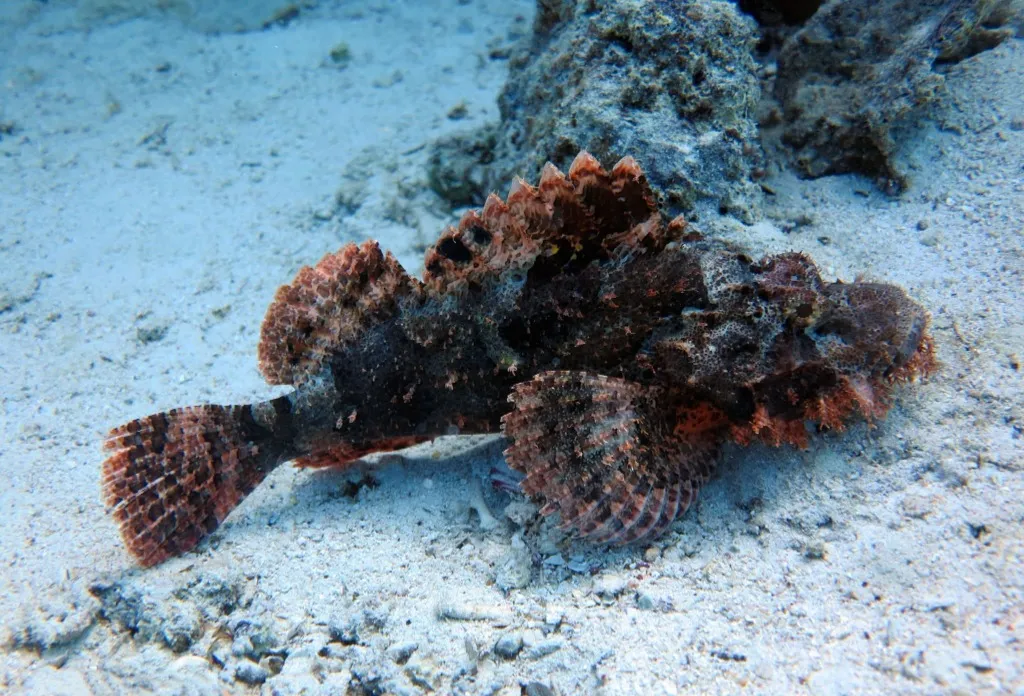
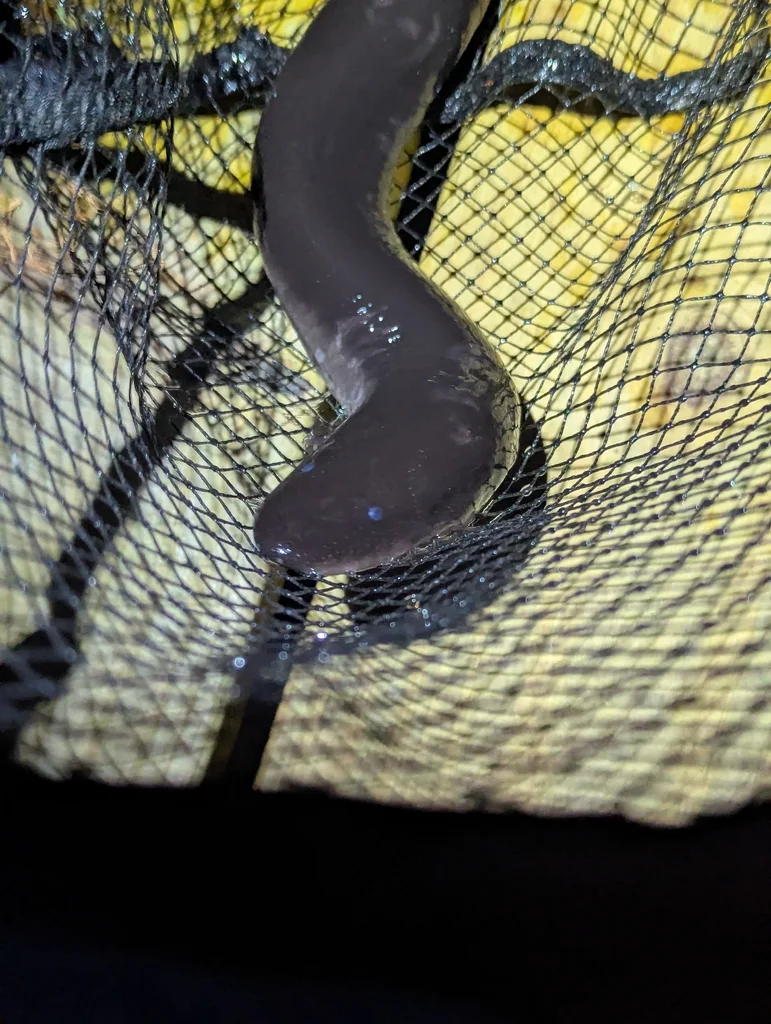
The waters surrounding Punta Penne are home to a diverse array of marine life, making each dive a discovery. Along the wall and within its crevices, you'll frequently encounter moray eels and conger eels, often observed peeking from their rocky hideouts.
The walls also host various nudibranchs, adding small, colorful details to the environment. In the deeper sections where large rock blocks create a labyrinth, species such as banded saraghi, major saraghi, and corvine find refuge.
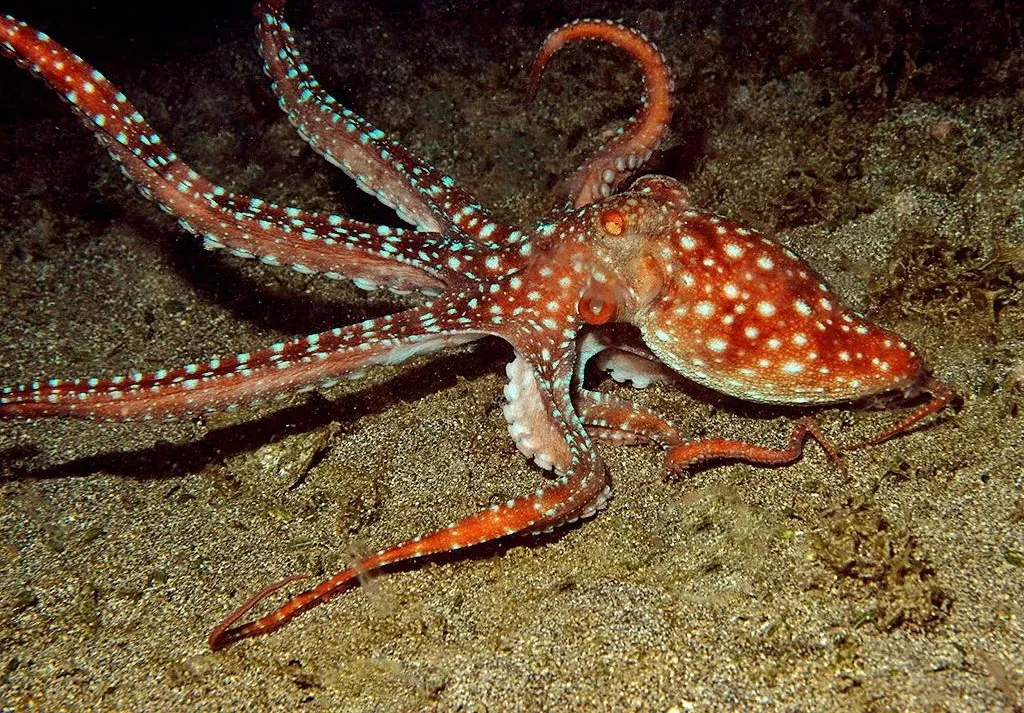
Moving into the sandy patches, particularly the small quarries, it's possible to spot mullets and cuttlefish, the latter being especially interesting during their reproduction periods. Keep an eye out for octopuses as well, which are known to hatch in this area, offering a rare behavioral spectacle.
Dive Sites Near Punta Penne
View all dive sites in ItalyDiscover more underwater gems in this area.
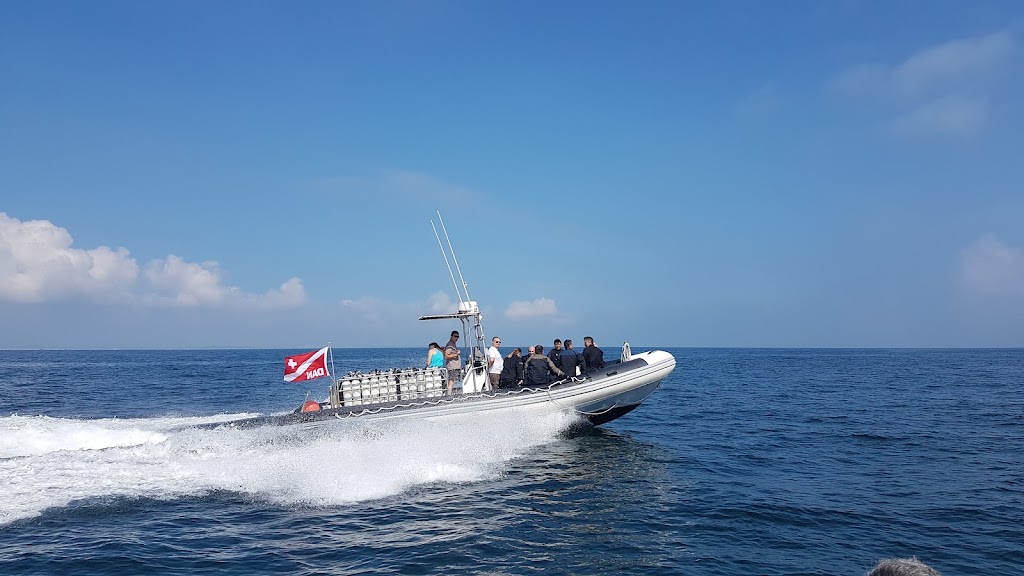
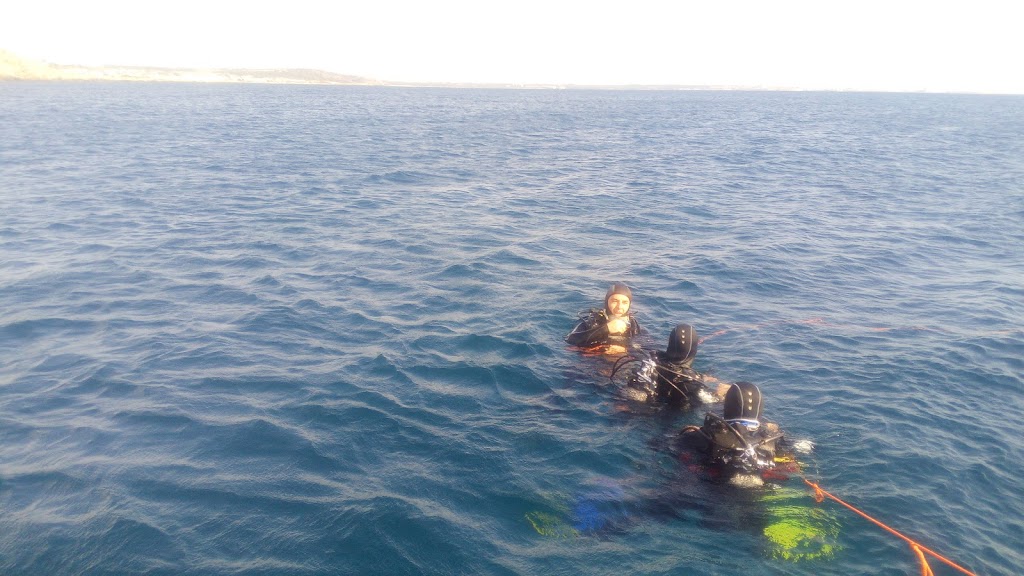
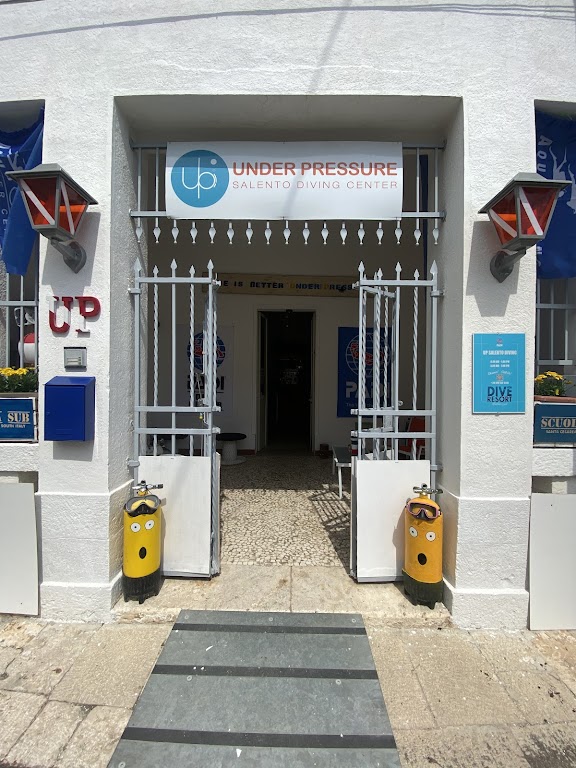
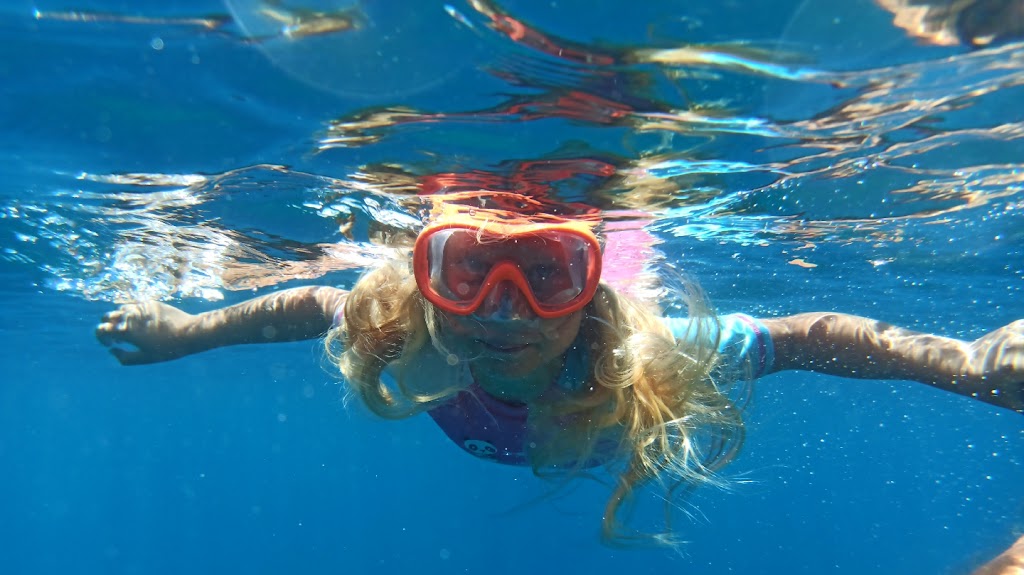
Dive Centers Near Punta Penne
Today: 08:30 - 19:00
Nearest Airports
Nearest airports to help plan travel to this dive area.
Search Flights
Check available flights and routes on Expedia, using the nearby airports listed in this section.
Search Flights on ExpediaFrequently Asked Questions
What is the maximum depth at Punta Penne?
The maximum depth recorded at Punta Penne is 24 meters / 78 feet, primarily found in the sloping seabed areas beyond the main wall. The wall itself typically goes down to 13-16 meters.
What certifications are recommended for diving here?
PADI Open Water Diver certification is suitable for exploring the shallower parts of the site. For deeper sections and to fully appreciate the wall and sloping seabed to maximum depth, a PADI Advanced Open Water Diver certification is recommended.
Can I dive at Punta Penne from shore?
Yes, Punta Penne can be accessed both from land and by boat. Shore entries typically begin in a shallow area around 4-6 meters deep, gradually leading to the main wall.
What marine life is commonly seen?
Divers frequently observe moray eels, conger eels, nudibranchs, and octopuses along the wall. Deeper sections are home to banded saraghi, major saraghi, corvine, mullets, and cuttlefish.
What are the general water conditions like?
The water at Punta Penne is saltwater, and while specific temperature data isn't consistently reported, the area generally experiences good dive conditions for most of the year. Visibility can vary, but is often clear, with moderate waves.
Is Punta Penne part of a protected area?
Yes, Spiaggia di Punta Penna, where the dive site is located, is part of the Punta Aderci Nature Reserve. This protected status helps preserve the unique flora and fauna of the area, both above and below the water.
Planning to dive Punta Penne?
Send one inquiry and receive offers directly from the best verified local dive operators.
Conditions are Excellent
07:00 - 14:00
Optimal conditions expected
Current conditions near Punta Penne show 24° air, 27° sea temperature, 0.2 m waves, and 17 km/h wind. Forecast data is refreshed regularly to ensure accuracy.