
Diving at Katori Maru (Malaysia)
Exploring the remnants of the Katori Maru presents a compelling challenge for wreck enthusiasts. Once a Japanese ocean liner requisitioned as a troopship, its wartime demise off Sarawak's coast left a significant underwater footprint. Though salvage operations in 2016 removed much of its structure, the remaining bow section still offers a poignant historical encounter. Divers navigate the echoes of its past, engaging with its story as an artificial reef.
Evening condition tracking at Katori Maru features an air temperature of 28.5°C. We have recorded wave heights measuring 0.4 m during this period. These figures outline the environmental parameters currently present.
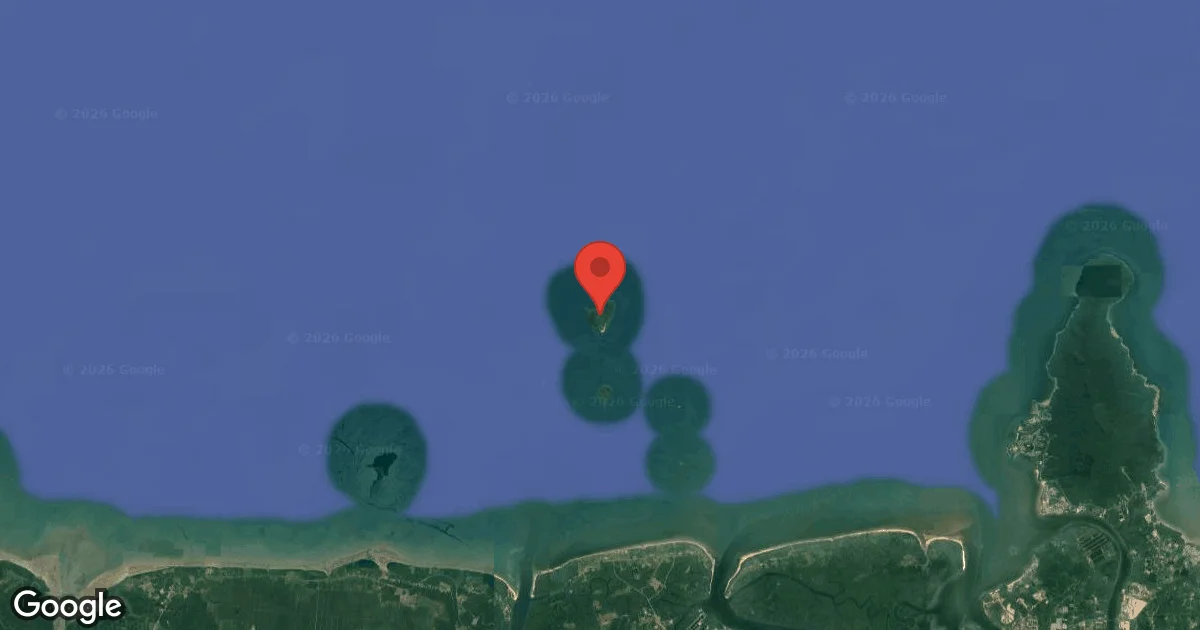
Dive Site Location & Key Facts
Dive Site Overview
This historic wreck, the Katori Maru, met its end on December 23, 1941, sinking after a torpedo strike from the Dutch submarine HNLMS K XIV. Once a significant Japanese ocean liner and later a troop transport, its remains now rest at a maximum depth of approximately 22 m (72 ft).
The deck structure lies shallower, around 12 m (39 ft) from the surface, creating a multi-level dive opportunity. While the wreck was discovered in 2003 and initially documented as largely intact and stretching 150 meters, extensive salvage operations in 2016 removed much of the main hull for scrap metal. What remains today is primarily the substantial bow section, standing upright and offering a compelling dive.
This forward part provides shelter and habitat for a variety of marine species, transforming the wartime relic into an active artificial reef. Divers exploring the site near Kuching can engage with its dramatic past while observing its ongoing ecological role, navigating the structural remnants that testify to its historical significance and its evolution beneath the waves.
Conditions are Excellent
07:00 - 14:00
Optimal conditions expected
Current conditions near Katori Maru show 29° air, 31° sea temperature, 0.5 m waves, and 15 km/h wind. Forecast data is refreshed regularly to ensure accuracy.
Best Time to Dive
Achieving optimal visibility and calm conditions for diving the Katori Maru generally occurs from April through September. This period aligns with the site's most favorable dive scores. In April, air temperatures average around 28°C (82°F) with minimal rain, improving through July when air temperatures reach approximately 28.5°C (83°F) and rain is at its lowest at 2.6 mm. Wave heights are also consistently lower during these months, typically below 0.5 meters (1.6 ft) from May to September. While October and November still offer good conditions, with air temperatures around 28°C (82°F) and 27.5°C (82°F) respectively, increasing wave heights may begin to impact overall dive comfort and visibility.
PEAK SEASON SCORE
Scores combine air & water temps, waves, wind & rainfall for overall conditions.
BEST MONTHS TO DIVE
Monthly records compiled from satellite and marine observation nodes over the last 3 years. Data provided by Open-Meteo and MET Norway.
Dive Experience & Conditions
The underwater environment around the Katori Maru varies, presenting visibility typically ranging from 8 to 20 meters. Water temperatures are consistently warm, averaging around 31°C (88°F), making for comfortable extended bottom times. The wreck site features a multi-level dive, with the remaining bow structure largely upright. Currents here can influence marine life behavior; sea bass, for instance, are sometimes observed swimming against the moving current as they feed. Divers can explore the structural intricacies that remain, navigating around the once-massive vessel's forward section and its surrounding debris field, all while experiencing a relatively mild current that often attracts pelagic species.
Dive Difficulty & Safety Guidelines
Navigating this historical wreck demands adherence to sound diving practices and respect for its delicate state. While specific hazards like strong currents are not consistently reported for Katori Maru itself, divers should always be prepared for variable conditions. PADI Advanced Open Water Diver certification is recommended due to the wreck's depth and the potential for complex navigation.
Historically, the site faced issues with artifact removal and littering; however, volunteer efforts have worked to clean fishing nets and other debris, which were once hazards to marine life. Divers should prioritize buoyancy control to avoid damaging the remaining structure and to prevent stirring up sediment, which can reduce visibility for others.
Recommended Equipment
Overhead / entanglement risk. Wreck penetration requires proper training.
- Dive Computer
- DSMB
- Primary & Backup Lights
- Wreck Reel
- Cutting Tool
This gear list is based on verified equipment signals for Katori Maru, Malaysia. Always confirm final gear choices with your dive operator, guide, or liveaboard.
Recommended Dive Suit
Forecast models show minimal temperature variation in the coming days.
Some divers prefer slightly warmer exposure protection simply for additional comfort.
Dive skin or rash guard usually works well for maintaining comfort during standard dive profiles in these conditions. The latest environmental readings for Katori Maru suggest water temperatures around 31°C (87°F). Surface air temperatures are resting at 29°C (84°F).
Emergency & Medical Support
Essential information to help you plan your dive trip to Katori Maru.

Hyperbaric chambers are a critical part of dive safety infrastructure. Availability varies significantly by region, and not all dive areas have immediate access.
Before diving, it's recommended to:
- confirm nearest medical facilities
- check emergency procedures with local dive operators
- ensure dive insurance covers evacuation if required
Divers Alert Network
Diving emergency assistance available through DAN World.
+1-919-684-9111- 24/7 emergency hotline
- Diving medical assistance
- Evacuation coordination
Emergency contacts are provided for reference. Always verify local emergency services before diving.
Marine Life at Katori Maru
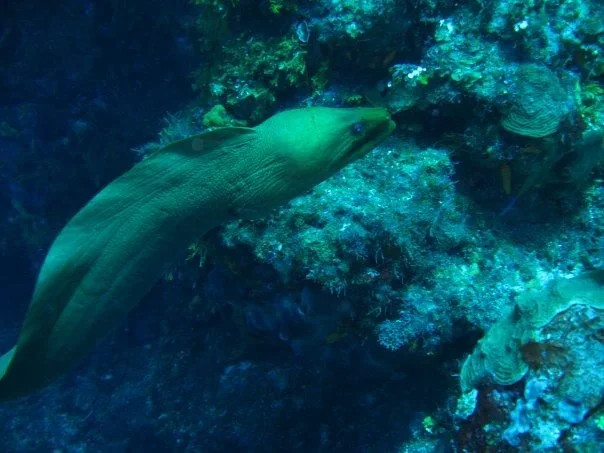
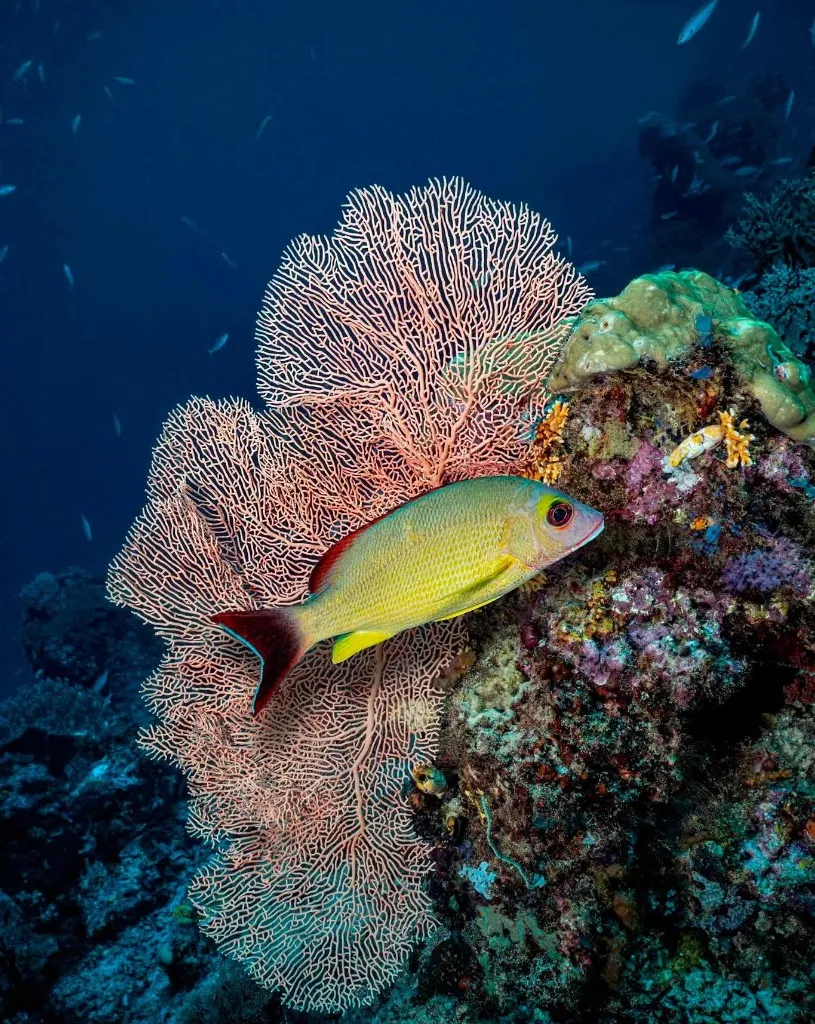
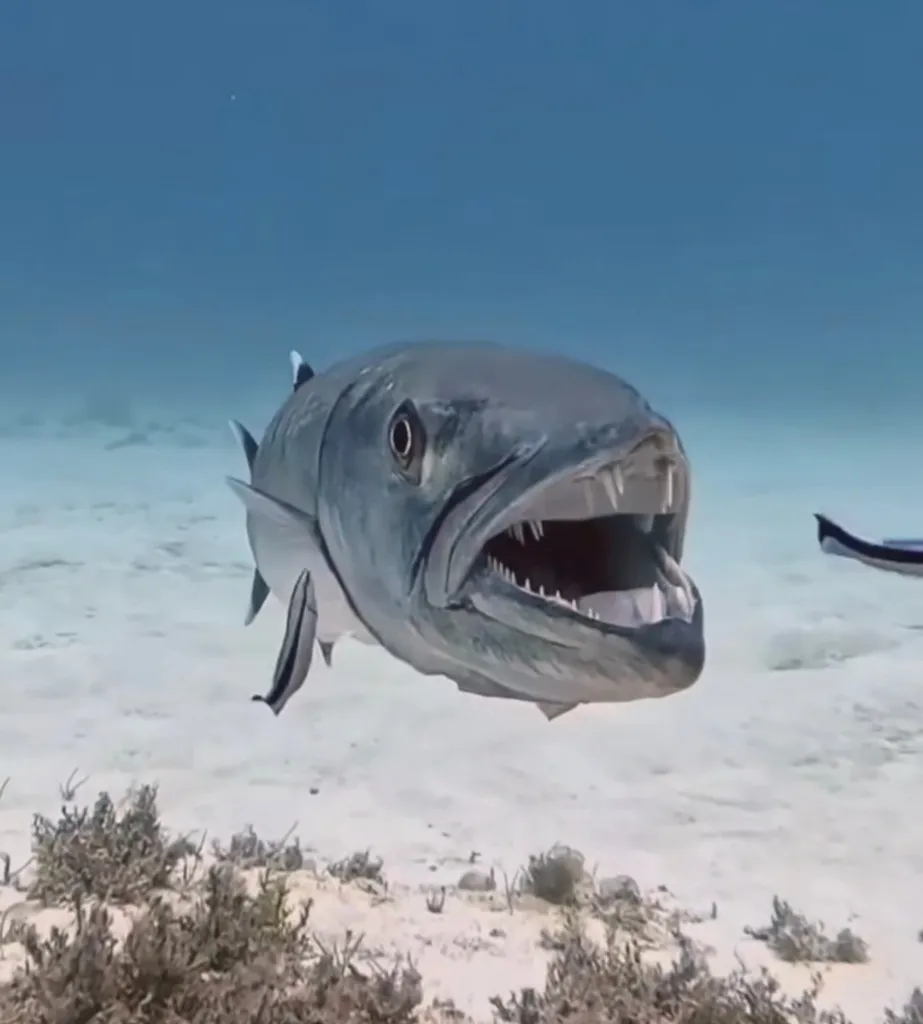
An array of marine species has claimed the Katori Maru as an artificial reef. Divers often encounter barracuda and jacks patrolling the outer parts of the wreck, with snappers and giant groupers preferring the deeper sections near the seabed.
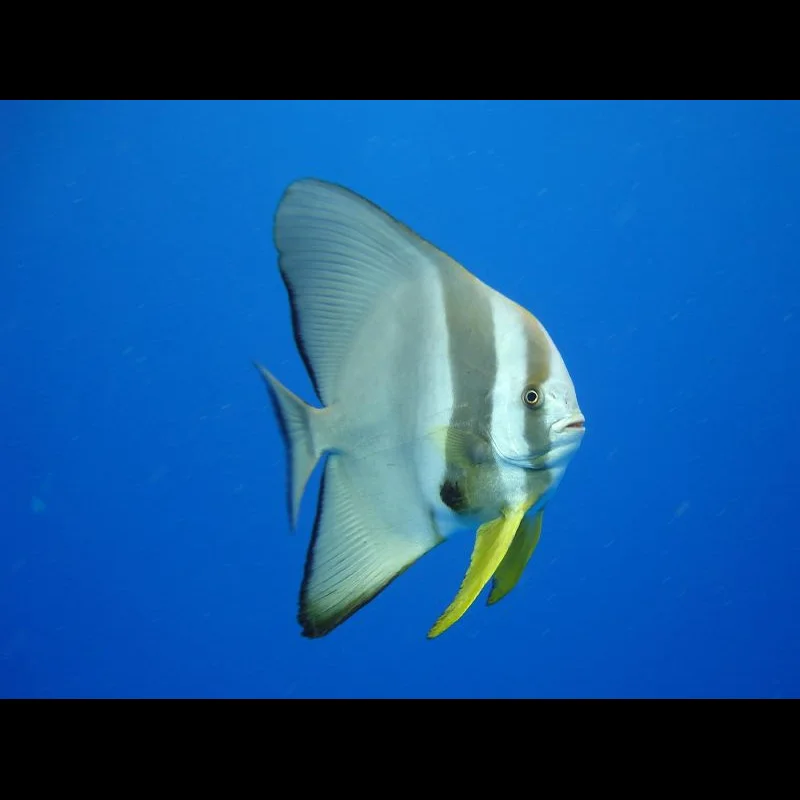
Moray eels are commonly seen within the structure, while schools of fusiliers often stream past, and chromis dart around the edges. Teira batfish are known for their inquisitive nature, sometimes accompanying divers throughout their exploration.
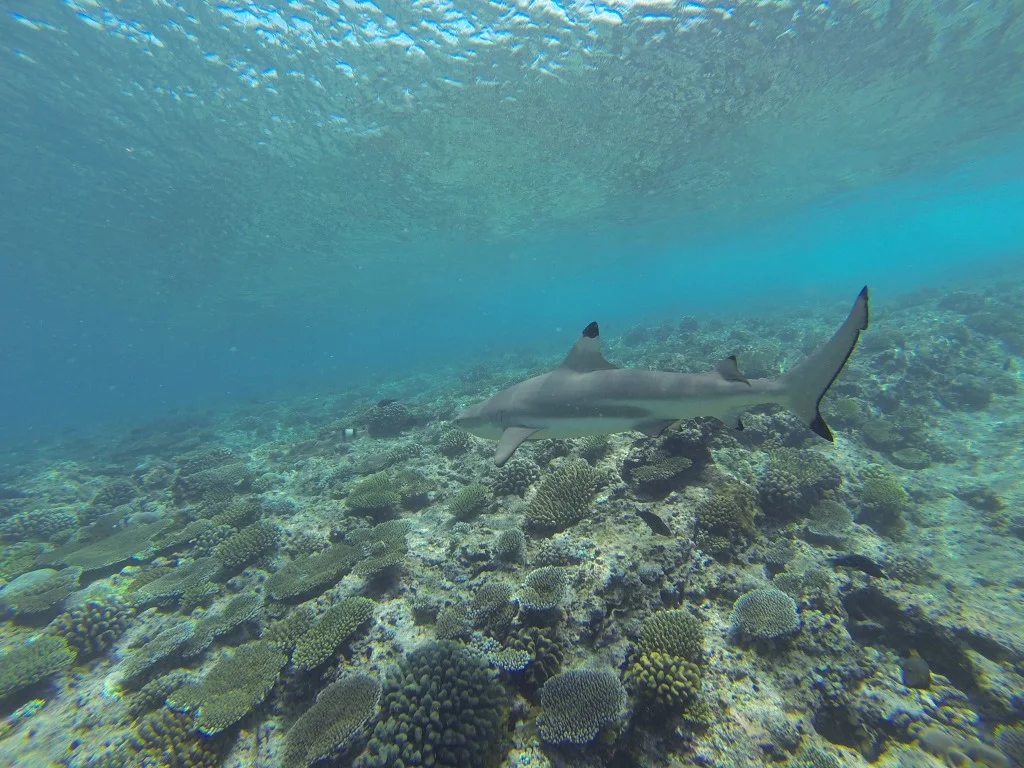
Sharks are also occasional visitors, further enhancing the dynamic marine interactions at this historical site.
Dive Sites Near Katori Maru
View all dive sites in MalaysiaDiscover more underwater gems in this area.
Dive Centers Near Katori Maru
Nearest Airports
Nearest airports to help plan travel to this dive area.
Search Flights
Check available flights and routes on Expedia, using the nearby airports listed in this section.
Search Flights on ExpediaFrequently Asked Questions
What kind of vessel was the Katori Maru?
The Katori Maru was originally a Japanese ocean liner built in 1912-13. During World War Two, the Imperial Japanese Navy requisitioned her as a troopship before her sinking in 1941.
What is the maximum dive depth at Katori Maru?
The Katori Maru wreck lies at a maximum depth of approximately 22 m (72 ft). Portions of the deck are shallower, around 12 m (39 ft).
What marine life can be observed at the Katori Maru?
The wreck attracts a variety of marine life, including barracuda, giant groupers, moray eels, and teira batfish. Divers also frequently spot sharks, yellowtail snapper, jacks, and schools of fusiliers and chromis.
When is the best time to dive the Katori Maru?
The optimal dive season for Katori Maru runs from April to September. During these months, conditions generally feature higher visibility, lower rainfall, and calmer waves.
What are the typical water temperature and visibility?
The water temperature at Katori Maru averages around 31°C (88°F). Visibility typically ranges from 8 to 20 meters, depending on local conditions.
What certification is recommended for diving Katori Maru?
A PADI Advanced Open Water Diver certification is recommended for exploring the Katori Maru. This helps ensure divers have the skills for wreck navigation and multi-level diving.
What remains of the Katori Maru wreck today?
Following salvage operations in 2016 for scrap metal, primarily the bow section of the Katori Maru remains. This substantial portion continues to serve as an artificial reef.
Planning to dive Katori Maru?
Send one inquiry and receive offers directly from the best verified local dive operators.
Conditions are Excellent
07:00 - 14:00
Optimal conditions expected
Current conditions near Katori Maru show 29° air, 31° sea temperature, 0.5 m waves, and 15 km/h wind. Forecast data is refreshed regularly to ensure accuracy.