
Diving at Mataking Wreck Post (Malaysia)
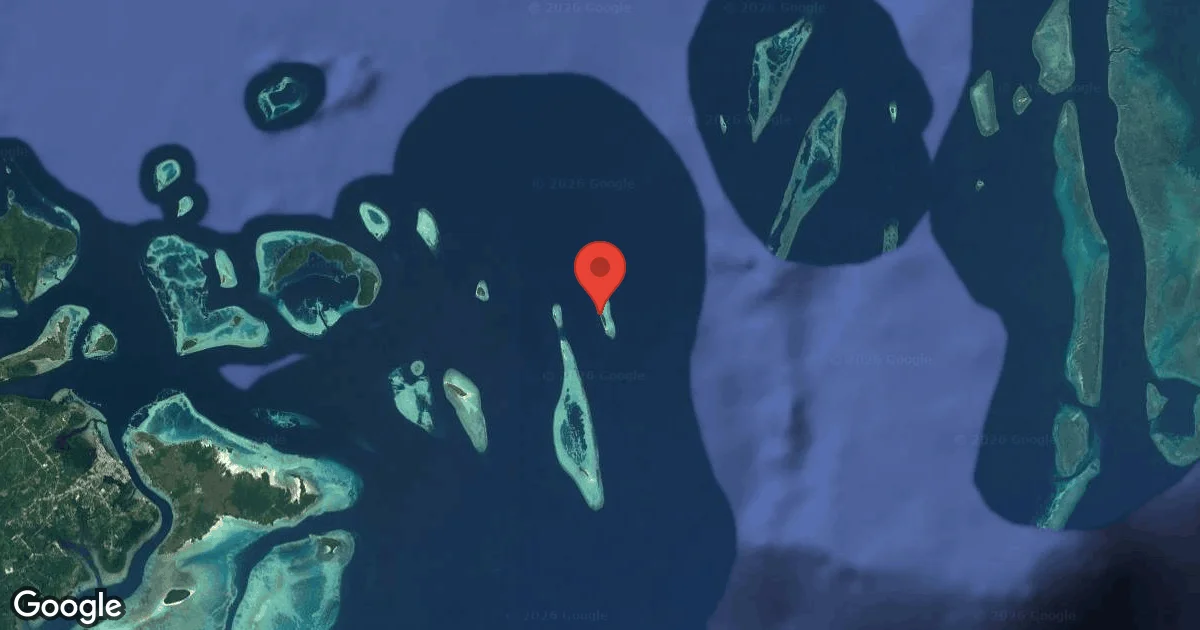
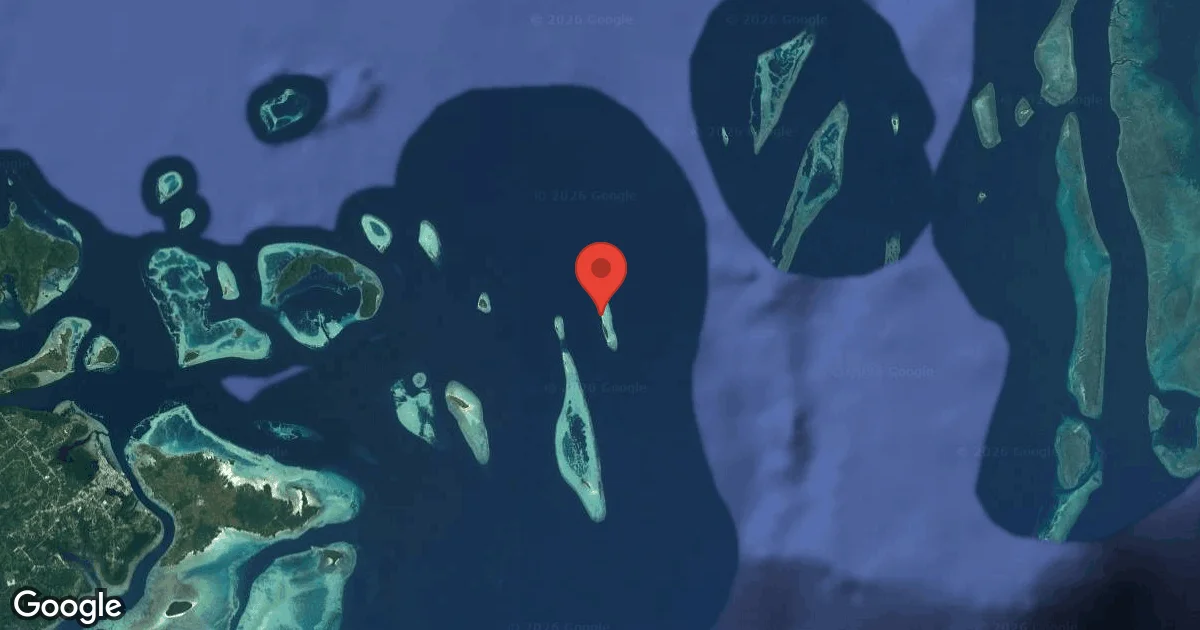
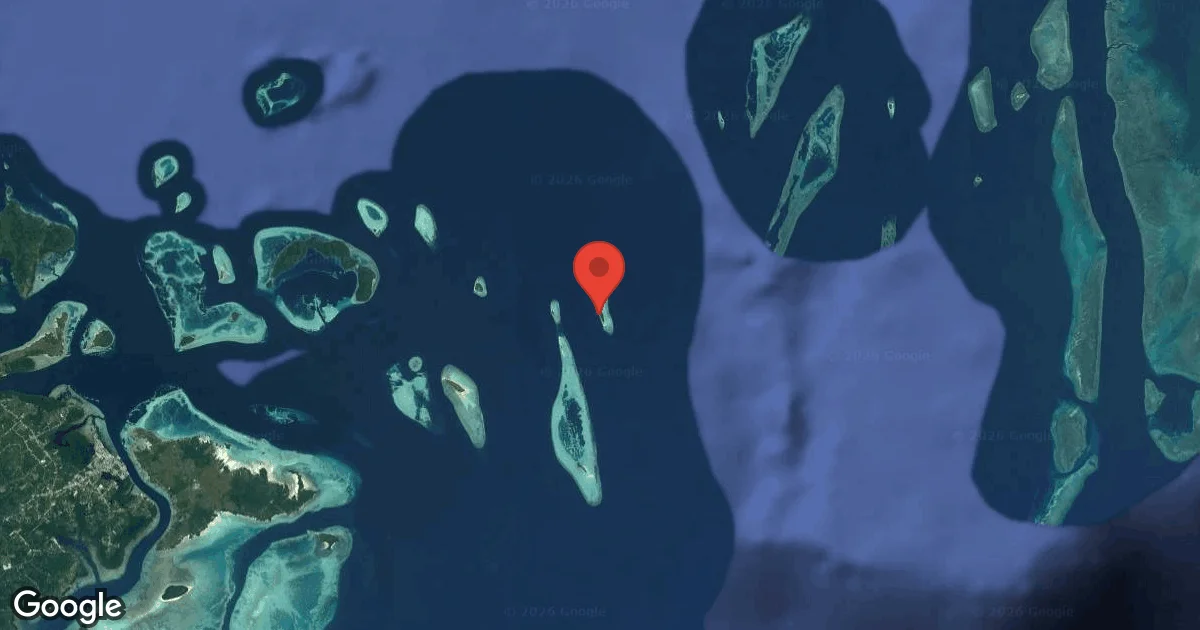
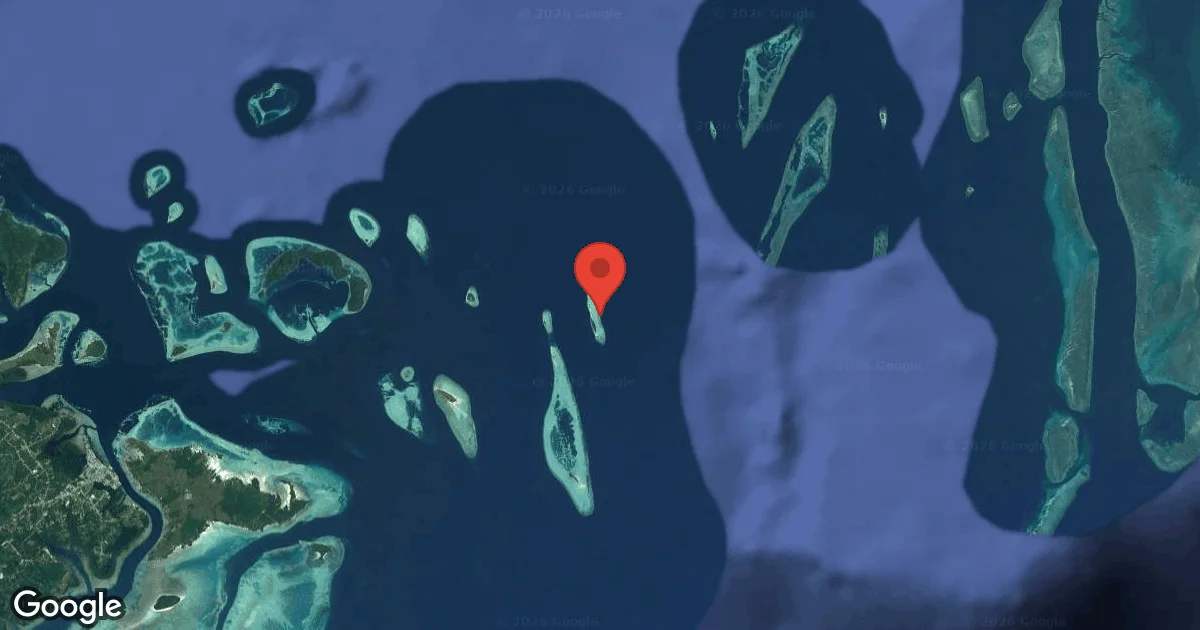
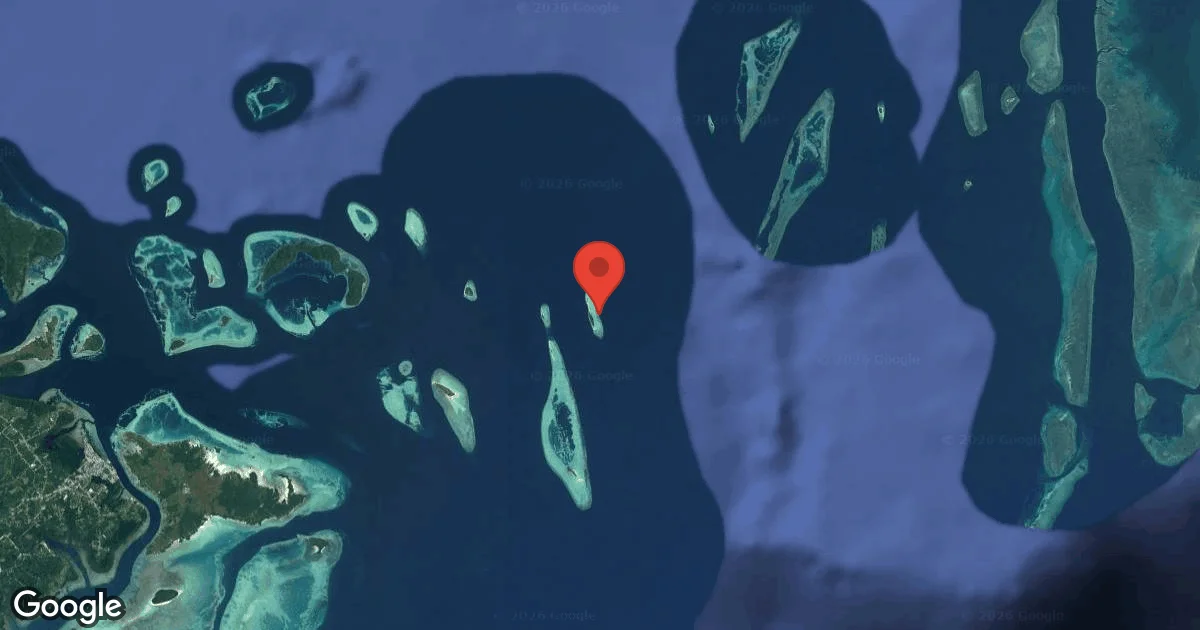
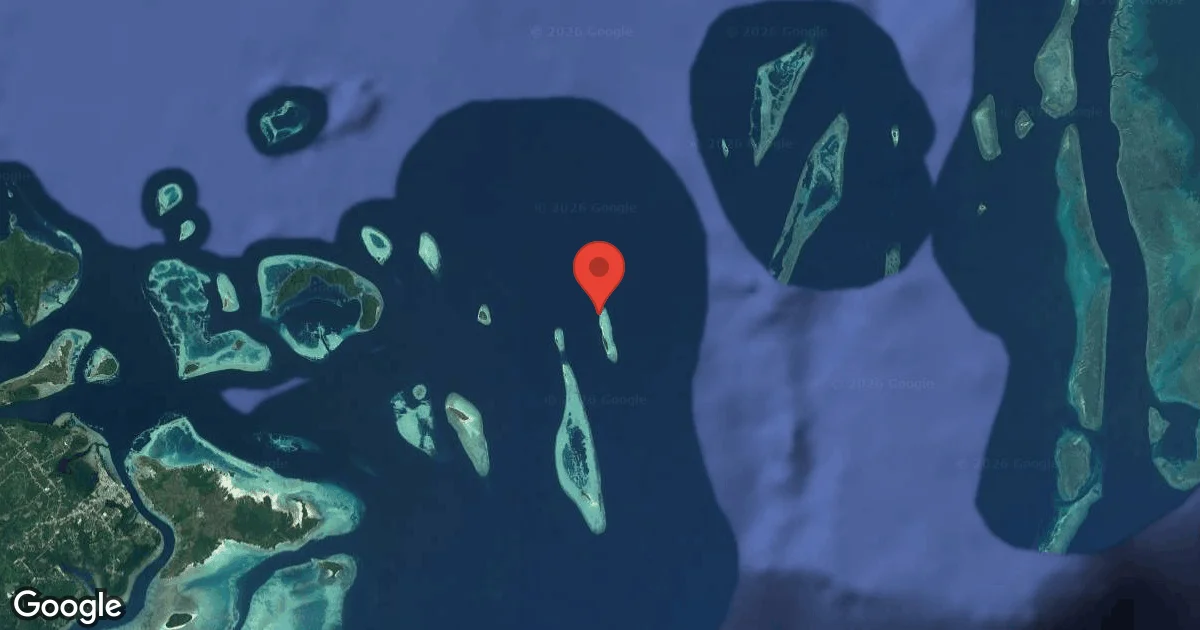
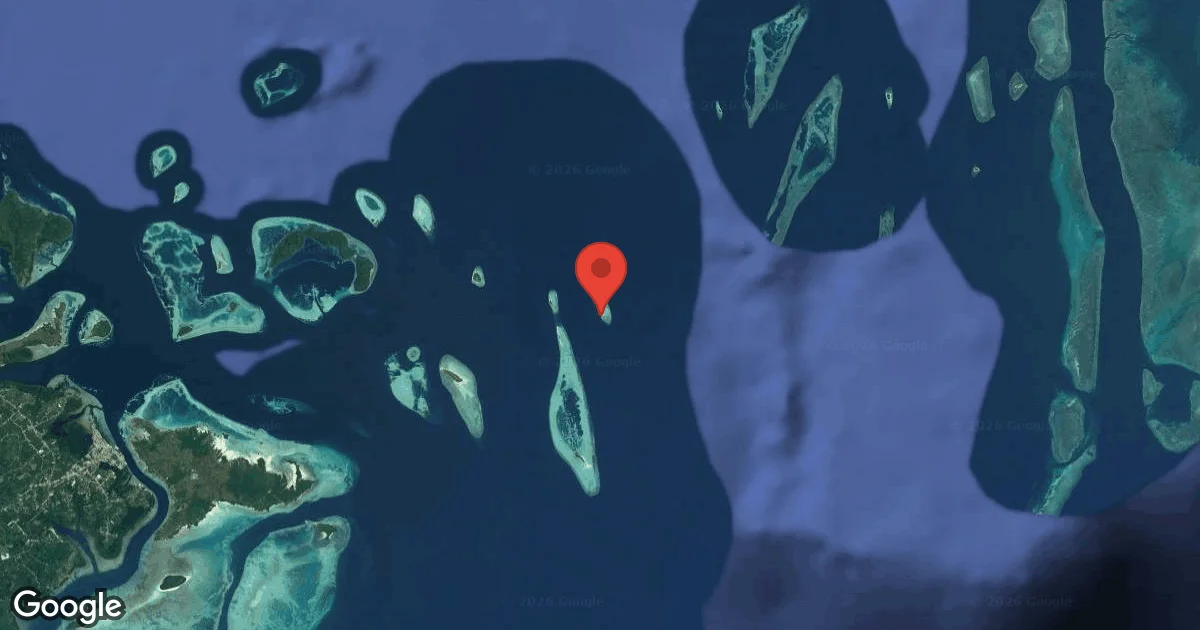
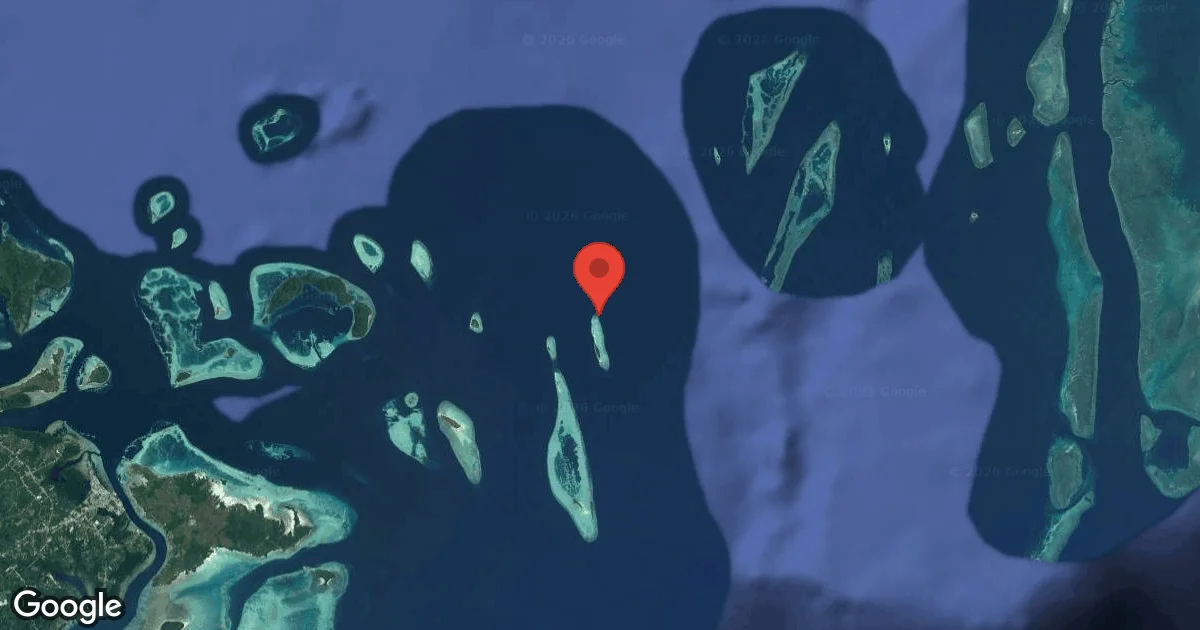
Mataking Wreck Post is a dive site off Mataking Island, 39 km from Semporna, Malaysia. A 40-foot (12m) cargo ship, the Mataking 1, serves as the central feature, scuttled to create an artificial reef. A unique aspect is Malaysia's first underwater post box, affixed to the wreck's wheel. It's an accessible wreck dive, with the main structure resting between 21 and 27 m (69-89 ft) depth.
As evening covers Mataking Wreck Post, the local air temperature is measured at 26°C. The current wave height at the surface is recorded at 0.5 m. These late-day readings characterize the surface conditions for the night.
Dive Site Location & Key Facts
Dive Site Overview
Malaysia's first underwater post box sets Mataking Wreck Post apart, inviting divers to send postcards from the deep. Approximately 39 kilometers from Semporna, a submerged cargo ship, the Mataking 1, provides a compelling structure for exploration.
Sunk purposefully as an artificial reef, a 40-foot (12m) vessel attracts a considerable variety of marine life. Divers descend to discover the wreck's integrity, with its central structure settled in the 21 to 27 m (69-89 ft) depth range. Strong currents are characteristic here, often bringing in larger pelagic species, which adds an exciting dynamic to the dive.
Clear blue water enhances observations of its details and resident inhabitants. Exploring the hull, divers encounter sections encrusted with corals and sponges, serving as shelter for smaller reef fish and a hunting ground for predators.
Main deck and wheelhouse areas offer interesting swim-throughs and photographic opportunities, particularly around the unique post box feature. Blending environmental purpose with a touch of novelty, the site appeals to those seeking both ecological interest and a memorable, interactive element underwater.
Overall, a combination of historical intrigue and vibrant marine interaction defines the experience.
Conditions are Good
Optimal conditions expected
Current conditions near Mataking Wreck Post show 26° air, 30° sea temperature, 0.5 m waves, and 23 km/h wind. Forecast data is refreshed regularly to ensure accuracy.
Best Time to Dive
Planning a dive at Mataking Wreck Post involves considering seasonal conditions to maximize enjoyment. Optimal months, offering "Excellent" dive scores, typically run from April to June, then again from August to November. During these periods, air temperatures average between 28-28.5°C (82-83°F), contributing to comfortable topside conditions. Rainfall tends to be lower in April and May, with averages around 4.5-5.5 mm, which usually corresponds to more stable weather. Water temperatures are consistently warm, aligning with the tropical climate. While diving is possible year-round, months like January, February, March, July, September, and December are rated "Good," experiencing slightly higher rainfall averages, such as 5.5-6.9 mm, and slightly stronger winds. For the most favorable combination of weather and water clarity, targeting the "Excellent" scored months is advisable.
PEAK SEASON SCORE
Scores combine air & water temps, waves, wind & rainfall for overall conditions.
BEST MONTHS TO DIVE
Monthly records compiled from satellite and marine observation nodes over the last 3 years. Data provided by Open-Meteo and MET Norway.
Dive Experience & Conditions
Descending onto the Mataking Wreck Post, divers immediately feel the presence of its resident currents. These strong flows are a defining feature, often sweeping through the wreck and bringing nutrients that attract larger marine life. Clarity of the blue water here provides excellent viewing, allowing for detailed observation of the Mataking 1 cargo ship. Wreckage sprawls across the sandy bottom, with its deepest parts touching down around 27 meters. Explorers navigate the structure's perimeter, observing the gradual transformation from intact metal to coral-encrusted habitat. Close to the wheel, an underwater post box presents a tangible, interactive focal point. Visibility often extends beyond 20m (65 ft), enhancing views of both the wreck and its surrounding ecosystem. Diving here offers a dynamic environment where divers need to be mindful of their buoyancy and position relative to the current, ensuring a controlled and engaging exploration of the artificial reef.
Dive Difficulty & Safety Guidelines
Navigating Mataking Wreck Post requires careful dive planning and adherence to safety protocols, particularly due to the strong currents. Divers should assess current strength before entering the water and plan their dive profile accordingly, potentially utilizing negative entry techniques. Maintaining excellent buoyancy control is crucial to avoid contact with the wreck or seabed, protecting both the diver and the fragile marine ecosystem.
Wreck structure should be respected as a historic site and a habitat; divers must refrain from disturbing marine life or removing any artifacts. Due to the deeper sections of the wreck and the potential for currents to increase air consumption, proper air management is essential.
Always dive within your certification limits and consider diving with experienced local guides familiar with the site's specific conditions.
Recommended Equipment
Overhead / entanglement risk. Wreck penetration requires proper training.
- Dive Computer
- Primary & Backup Lights
- Wreck Reel
- Cutting Tool
This gear list is based on verified equipment signals for Mataking Wreck Post, Malaysia. Always confirm final gear choices with your dive operator, guide, or liveaboard.
Recommended Dive Suit
Current diving conditions indicate water temperatures around 30°C (86°F) at Mataking Wreck Post. Surface air temperatures are resting at 26°C (79°F).
Forecasts suggest rising temperatures later this week. A warming trend is expected over the next few days.
In water temperatures like these, dive skin or rash guard typically offers sufficient warmth for most recreational dives. A hood or vest is suggested for sensitive divers due to surface winds. Some divers naturally tolerate cooler water better than others.
Emergency & Medical Support
Essential information to help you plan your dive trip to Mataking Wreck Post.

Hyperbaric chambers are a critical part of dive safety infrastructure. Availability varies significantly by region, and not all dive areas have immediate access.
Before diving, it's recommended to:
- confirm nearest medical facilities
- check emergency procedures with local dive operators
- ensure dive insurance covers evacuation if required
Divers Alert Network
Diving emergency assistance available through DAN World.
+1-919-684-9111- 24/7 emergency hotline
- Diving medical assistance
- Evacuation coordination
Emergency contacts are provided for reference. Always verify local emergency services before diving.
Marine Life at Mataking Wreck Post
Mataking 1 wreck has become a vital habitat, drawing a diverse array of marine species. Divers frequently observe large schools of harlequin sweetlips congregating over shallower sections of the wreck.
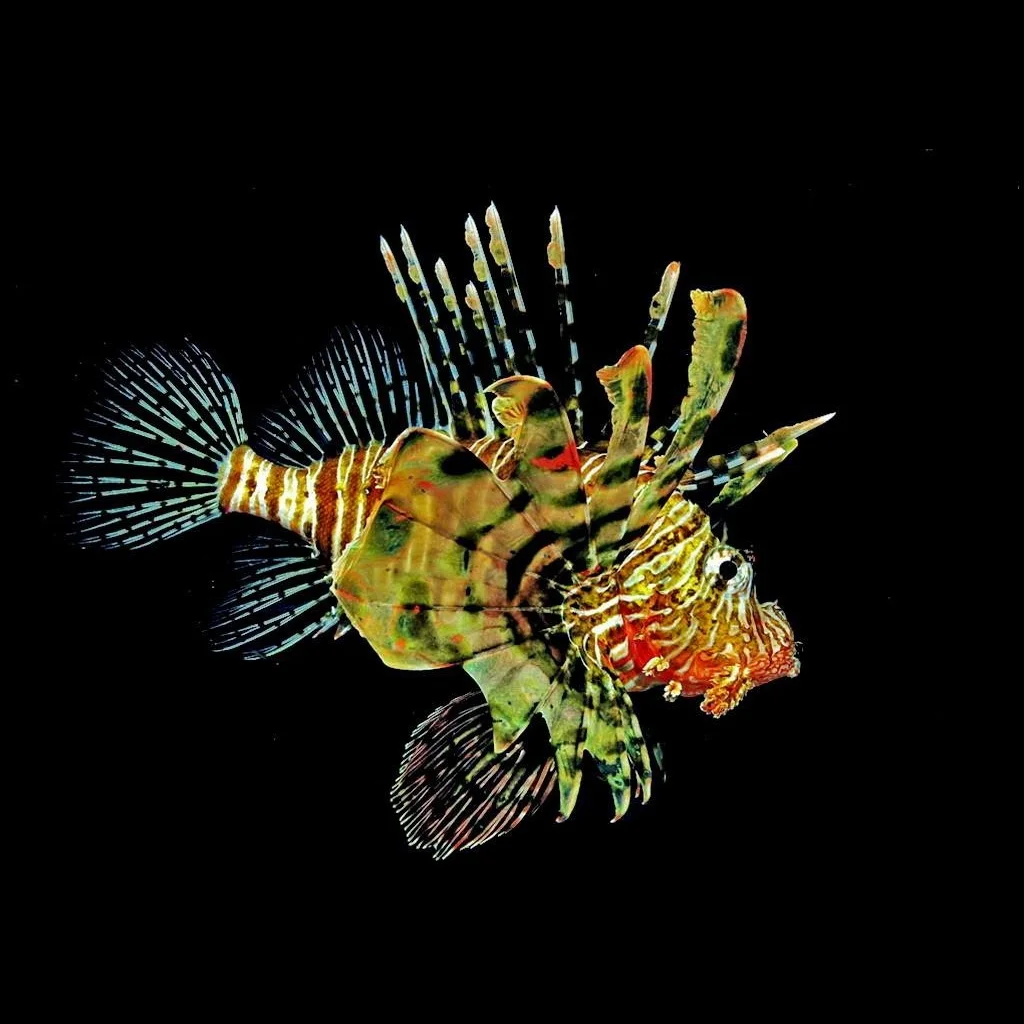
Deeper parts of the structure, particularly the lower hull, provide shelter for big lionfish and well-camouflaged crocodile fish. Giant puffer fish are often spotted methodically patrolling the site.
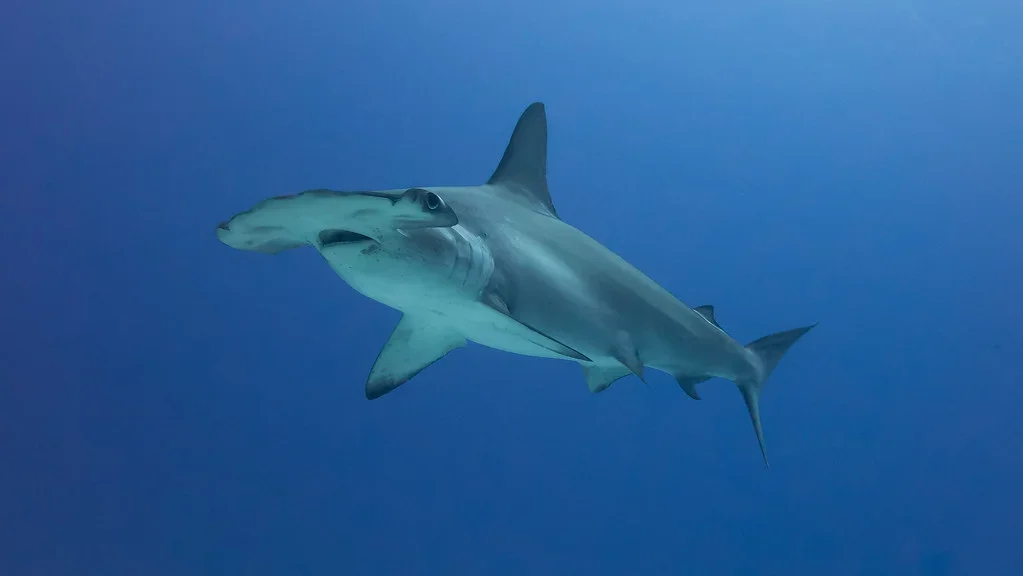
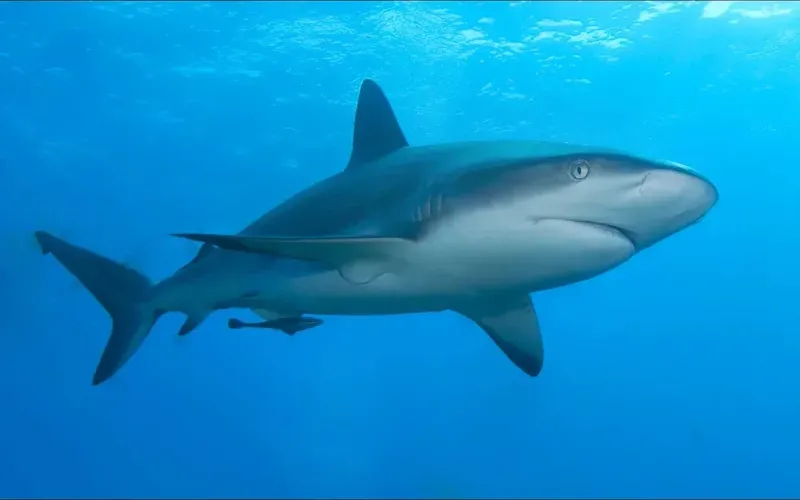
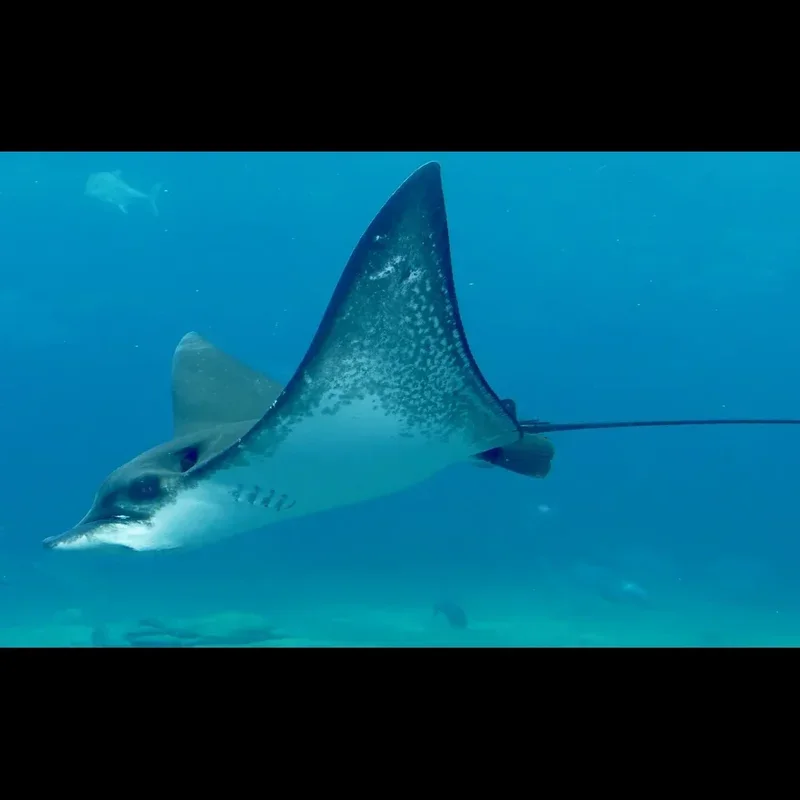
For those watchful in the blue water, encounters with larger pelagic species are a strong possibility; eagle rays, mantas, hammerhead sharks, and grey reef sharks are periodically seen here, drawn in by the currents.

Dive Sites Near Mataking Wreck Post
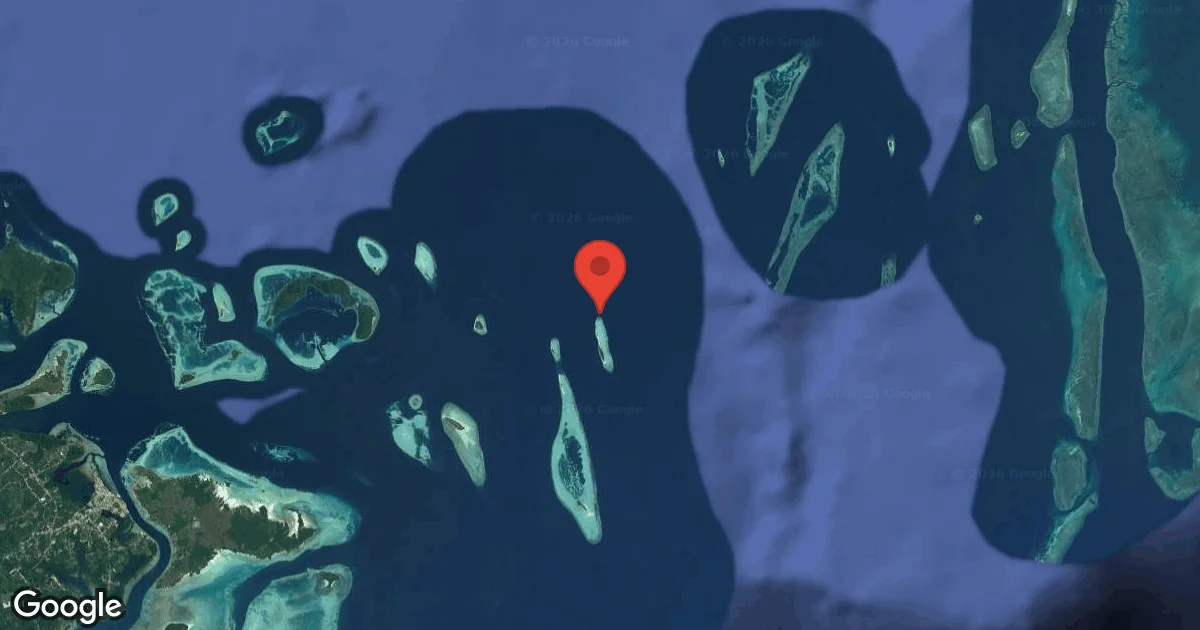
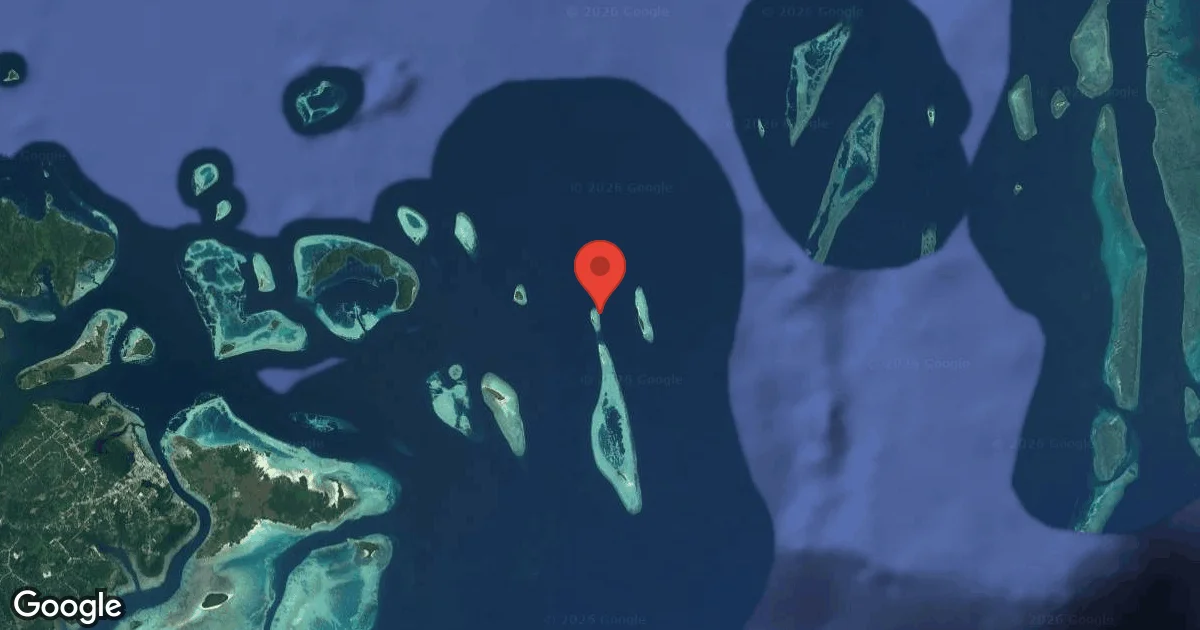
View all dive sites in MalaysiaDiscover more underwater gems in this area.
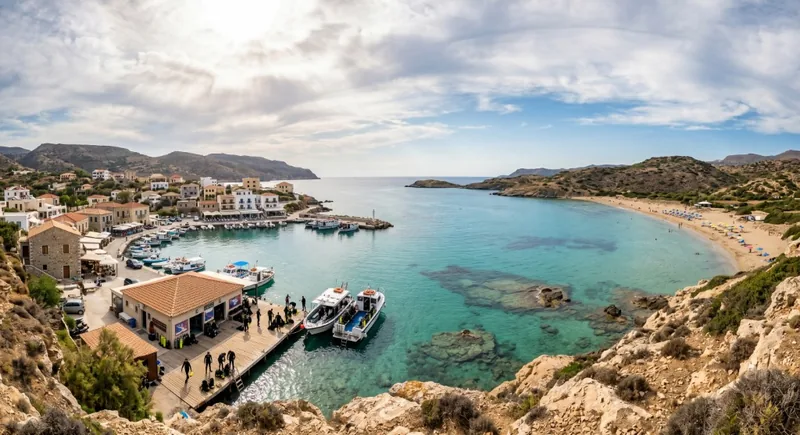
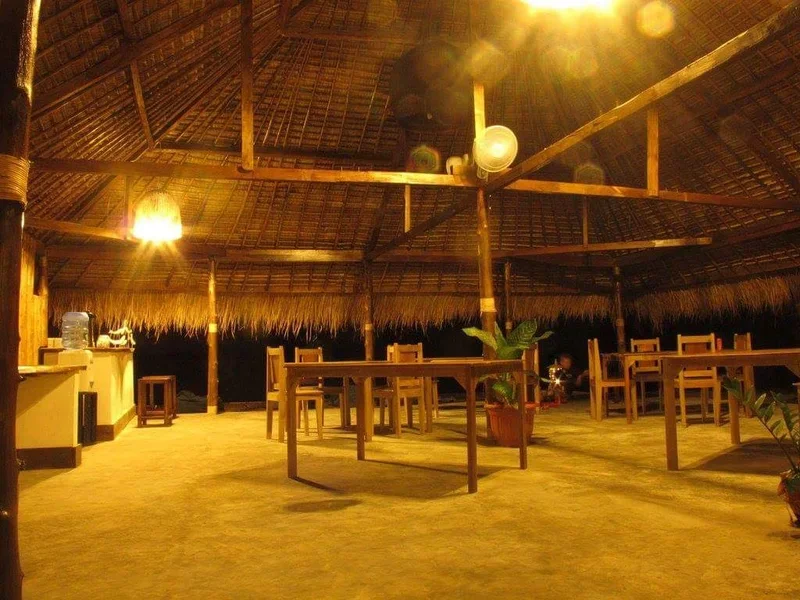
Dive Centers Near Mataking Wreck Post
Nearest Airports
Nearest airports to help plan travel to this dive area.
Search Flights
Check available flights and routes on Expedia, using the nearby airports listed in this section.
Search Flights on ExpediaFrequently Asked Questions
What is the main draw of Mataking Wreck Post?
Mataking Wreck Post's main draw is the Mataking 1 cargo ship, hosting Malaysia's first underwater post box. Divers can mail special waterproof postcards directly from the seafloor. Additionally, strong currents here attract pelagic species.
What depths does the Mataking Wreck Post reach?
Mataking 1 cargo ship rests with its main structure between 21 to 27 m (69-89 ft) depth. Shallower sections of the wreck are home to schooling fish, while deeper parts attract larger inhabitants.
Are there strong currents at this dive site?
Yes, strong currents are a characteristic feature of Mataking Wreck Post. Such currents play a significant role in bringing nutrients and attracting the larger pelagic marine life often seen at the site.
What marine life can be seen around the wreck?
Divers can expect to see a variety of marine life including large lionfish, crocodile fish, and giant puffer fish on the wreck itself. Schools of harlequin sweetlips are also common, and larger pelagics like eagle rays, mantas, hammerhead sharks, and grey reef sharks may pass by in the currents.
Is the underwater post box still functional?
Yes, the underwater post box at Mataking Wreck Post is indeed functional. Divers can purchase special waterproof postcards at Mataking Island and mail them from the wreck. These postcards are then retrieved and sent to their intended recipients.
What is the best time of year to dive here?
Optimal diving conditions for Mataking Wreck Post are typically from April to June and then from August to November. During these months, air temperatures are comfortable and rainfall averages are lower, contributing to better overall dive experiences.
Is this site suitable for beginner divers?
Due to the presence of strong currents and the wreck's depth, Mataking Wreck Post is generally recommended for certified divers with some experience. Divers should be comfortable with currents and maintain good buoyancy control to safely explore the site.
Planning to dive Mataking Wreck Post?
Send one inquiry and receive offers directly from the best verified local dive operators.
Conditions are Good
Optimal conditions expected
Current conditions near Mataking Wreck Post show 26° air, 30° sea temperature, 0.5 m waves, and 23 km/h wind. Forecast data is refreshed regularly to ensure accuracy.