
Diving at Blue Hole and Remains of Azure Window (Malta)
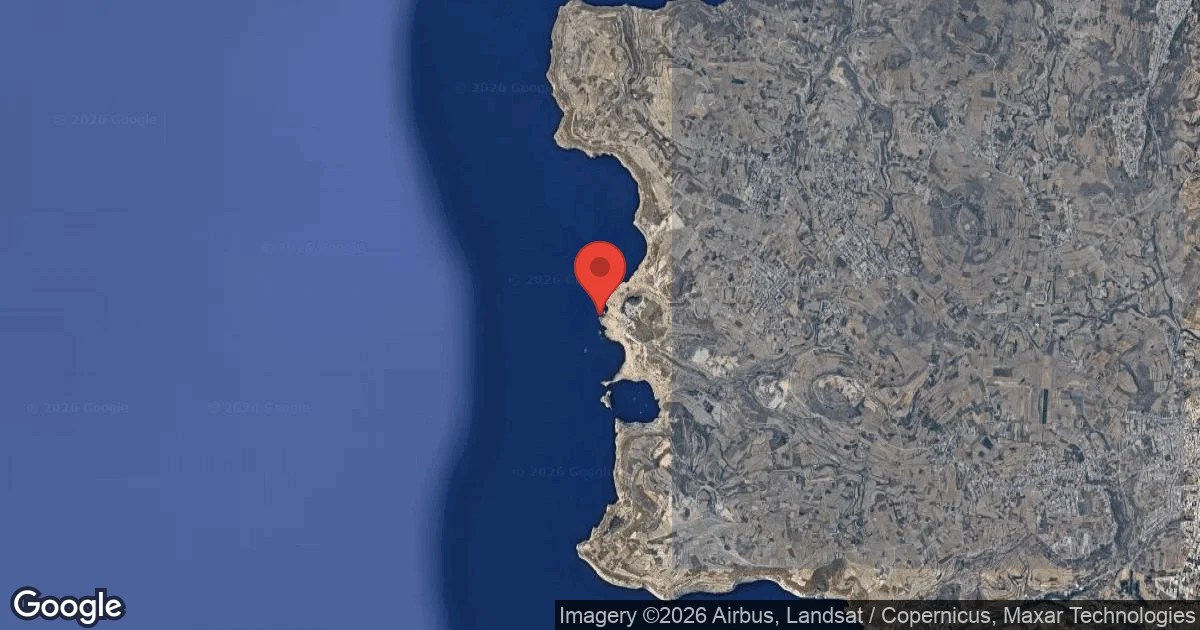
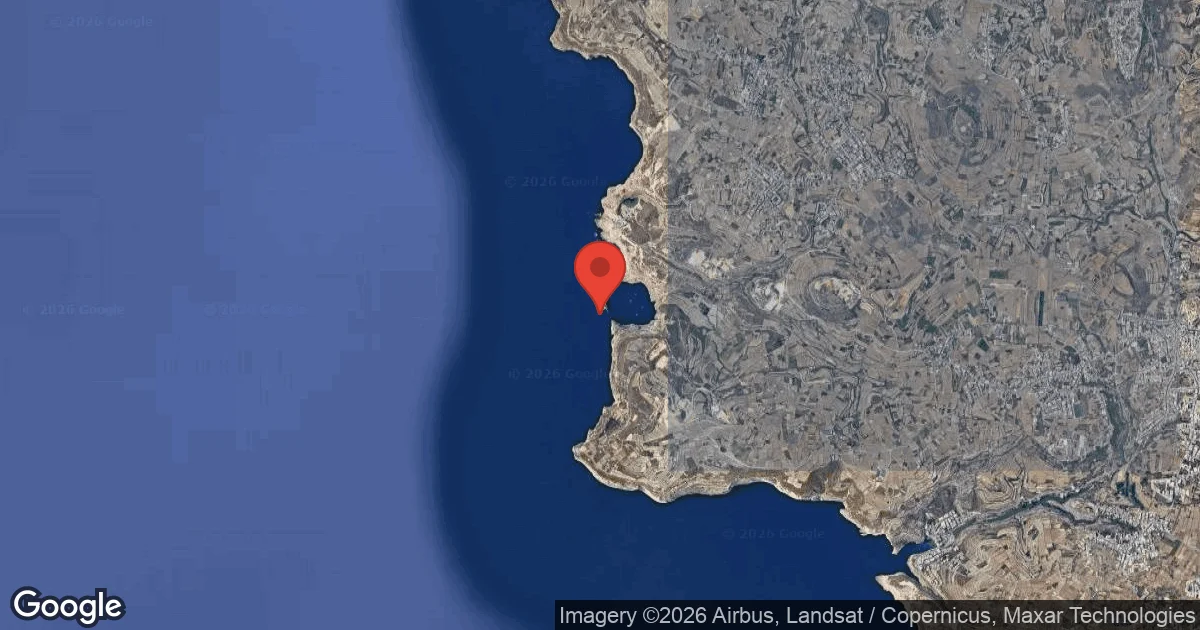
For divers seeking a distinct underwater landscape, approaching the Blue Hole and the submerged remnants of the Azure Window requires a keen eye for geological transformation. This site in Gozo, Malta, now showcases the dramatic aftermath of a natural arch's collapse, creating a unique labyrinth of boulders and swim-throughs. Planning your dive here involves understanding the various entry points and the scope of exploration available, from shallower caverns to deeper, more expansive rock fields.
As evening covers Blue Hole and Remains of Azure Window, the local air temperature is measured at 25°C. The current wave height at the surface is recorded at 0.5 m. These late-day readings characterize the surface conditions for the night.
Dive Site Location & Key Facts
Dive Site Overview
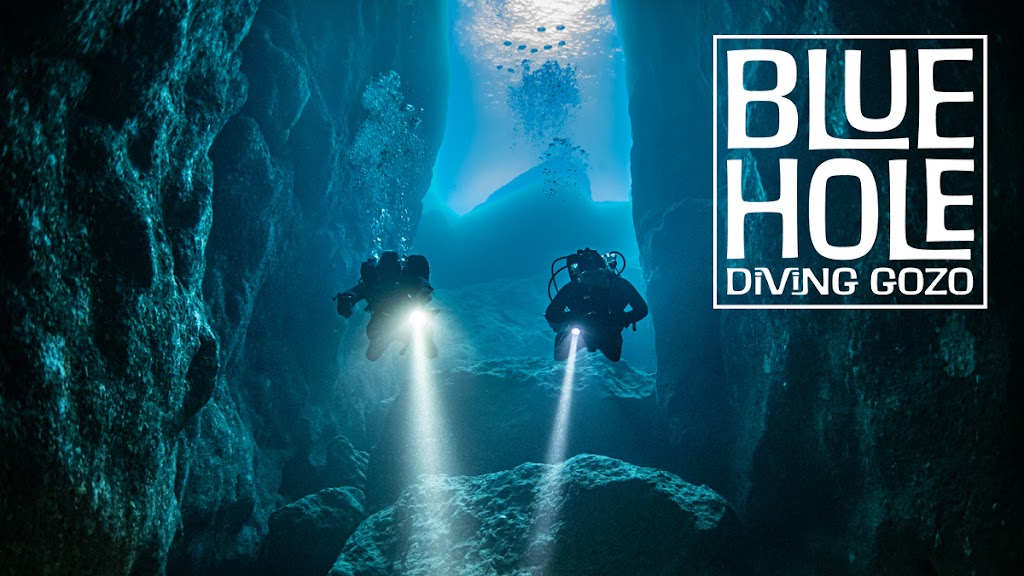
Begin your dive at the Blue Hole, a sheltered natural pool that provides an accessible entry point to a subaquatic world sculpted by time and nature. This initial entry leads divers through a chimney-like formation, opening into the clear Mediterranean Sea.
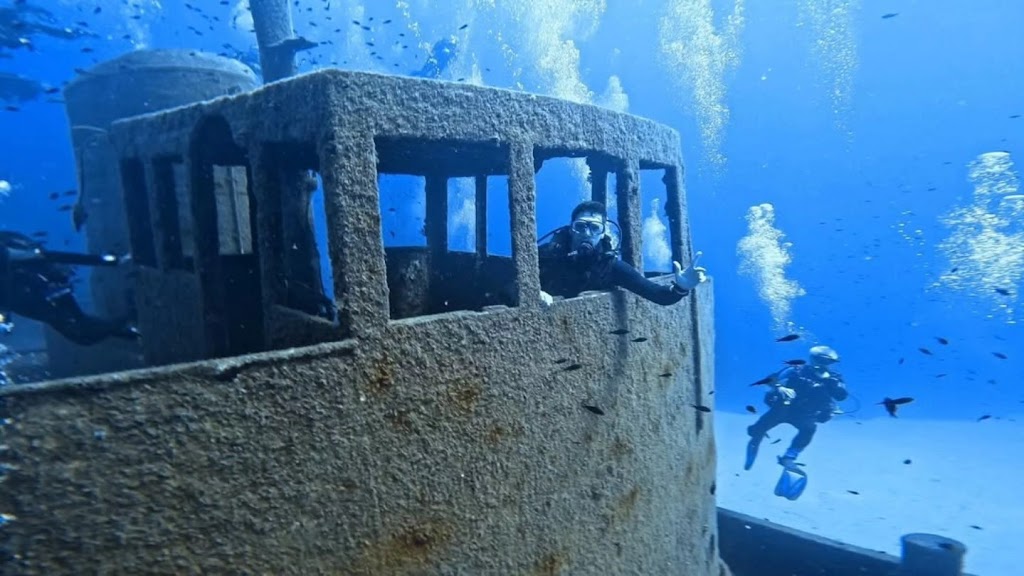
From here, one can navigate a path around the former base of the iconic Azure Window, which collapsed in 2017 due to natural erosion. The site, now colloquially known as the 'Azure Alps,' consists of massive, scattered boulders that have created an intricate system of caves, tunnels, and arches.
Recreational diving here typically involves an average depth of 15 m (50 ft) with a maximum depth within the Blue Hole structure reaching 25 m (80 ft), though the full 'Azure Alps' site extends significantly deeper, down to approximately 60 m (200 ft). This diverse topography caters to different skill levels, allowing for exploration of sun-dappled caverns or more challenging deep routes through the fallen arch remnants.
Conditions are Good
Optimal conditions expected
Current conditions near Blue Hole and Remains of Azure Window show 25° air, 28° sea temperature, 0.4 m waves, and 31 km/h wind. Forecast data is refreshed regularly to ensure accuracy.
Best Time to Dive
Optimizing your dive at the Blue Hole and Azure Window remnants hinges significantly on choosing conditions that maximize underwater visibility and comfort. The months from June through October generally offer excellent dive scores, with warmer air temperatures ranging from 23-26.5°C (73-80°F) and minimal rainfall. During this period, average wave heights are at their lowest, typically below 1 meter, and wind speeds are also reduced, creating calmer surface conditions. Visibility is generally excellent, often ranging from 20 to 30 m (65 to 100 ft), which is crucial for appreciating the site's extensive geological formations. Conversely, the winter months, from November to April, see higher wave heights, increased wind speeds, and more frequent rainfall, potentially impacting accessibility and underwater clarity. While diving is possible year-round, conditions during the summer and early autumn tend to provide the most comfortable and rewarding experience.
PEAK SEASON SCORE
Scores combine air & water temps, waves, wind & rainfall for overall conditions.
BEST MONTHS TO DIVE
Monthly records compiled from satellite and marine observation nodes over the last 3 years. Data provided by Open-Meteo and MET Norway.
Dive Experience & Conditions
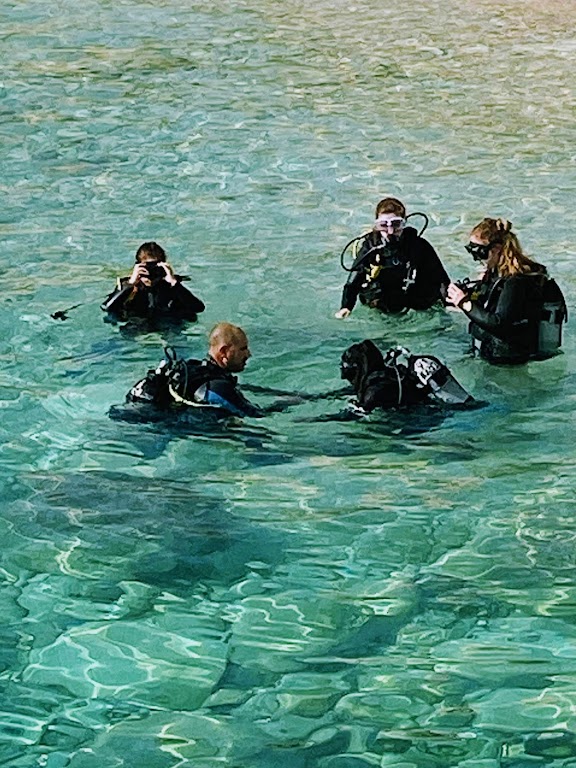
The descent into the Blue Hole begins from a tranquil natural pool, easing divers into the experience. As you drop through the opening, ambient light filters from the surface, illuminating the initial rock formations. A key feature is the Blue Hole Cave, a small cavern encountered immediately after entering the water. Beyond this, divers can explore a system of tunnels and holes formed by the dramatic collapse of the Azure Window. These 'Azure Alps' present a dynamic environment of giant boulders, creating numerous swim-throughs and varying depths. The excellent visibility, often 20-30 m (65-100 ft), allows for expansive views of these submerged rockscapes. Water temperatures vary depending on the season, though Mediterranean waters are generally mildest during late summer and early autumn. Shore access is rated as medium, requiring some negotiation of the rocky entry point, but the Blue Hole itself provides a well-sheltered pool for entry and exit.
Dive Difficulty & Safety Guidelines
Navigating the unique topography of the Blue Hole and the Azure Alps presents specific challenges and rewards for properly qualified divers. While parts of the site are suitable for Open Water Divers, the full exploration of deeper sections that extend down to 60 m (200 ft) and the intricate network of tunnels necessitates an Advanced Open Water Diver certification or equivalent experience. Divers should plan their routes carefully to avoid silting delicate areas, particularly within the smaller caves and swim-throughs.
Given the shore access, awareness of surface conditions, including wave height and wind, is important for safe entry and exit. Always dive with a buddy, adhere to no-decompression limits, and carry appropriate signaling devices.
Local dive guides are highly recommended, especially for those unfamiliar with the site's layout or the specific characteristics of Maltese diving.
Recommended Equipment
- Dive Computer
This gear list is based on verified equipment signals for Blue Hole and Remains of Azure Window, Malta. Always confirm final gear choices with your dive operator, guide, or liveaboard.
Recommended Dive Suit
Individual comfort in the water can vary significantly from diver to diver, even under the same conditions.
For most recreational dives, 2-3mm shorty or light wetsuit should provide comfortable protection. Forecast trends indicate little change in overall diving conditions during the next few days.
Divers heading to Blue Hole and Remains of Azure Window today should expect water temperatures around 28°C (83°F). Surface air temperatures are resting at 25°C (77°F).
Emergency & Medical Support
Essential information to help you plan your dive trip to Blue Hole And Remains Of Azure Window.

Hyperbaric chambers are a critical part of dive safety infrastructure. Availability varies significantly by region, and not all dive areas have immediate access.
Before diving, it's recommended to:
- confirm nearest medical facilities
- check emergency procedures with local dive operators
- ensure dive insurance covers evacuation if required
Divers Alert Network
Diving emergency assistance available through DAN Europe.
+39 0642115685- 24/7 emergency hotline
- Diving medical assistance
- Evacuation coordination
Emergency contacts are provided for reference. Always verify local emergency services before diving.
Closest Listed Hyperbaric Chambers
Showing listed hyperbaric chamber facilities within 200 km of this dive site.
Distances are approximate straight-line distances and may not reflect emergency travel time.
Gozo
24/7 ListedICU CapableVictoria, Malta•Approx. 5 km straight-line
Gozo
24/7 ListedICU CapableInformation is provided for reference and planning purposes only. Dive Navigator does not verify operational status, staffing, availability, or quality of care at listed facilities. In an emergency, contact local emergency services, DAN, your dive operator, or the chamber directly. Do not travel to a facility without calling ahead.
Hyperbaric Unit - Mater Dei Hospital
24/7 ListedICU CapableMsida, Malta•Approx. 33 km straight-line
Hyperbaric Unit - Mater Dei Hospital
24/7 ListedICU CapableInformation is provided for reference and planning purposes only. Dive Navigator does not verify operational status, staffing, availability, or quality of care at listed facilities. In an emergency, contact local emergency services, DAN, your dive operator, or the chamber directly. Do not travel to a facility without calling ahead.
Marine Life at Blue Hole and Remains of Azure Window
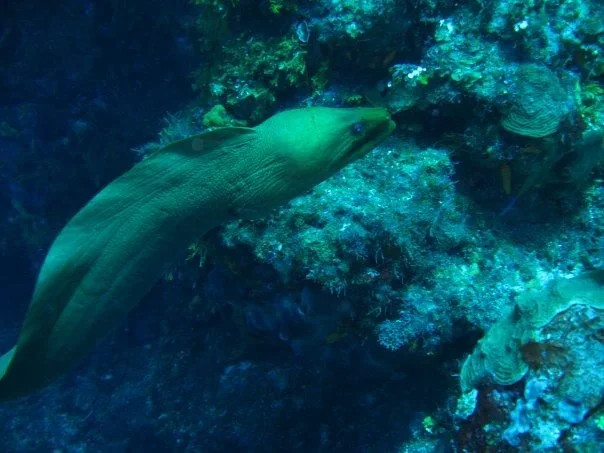
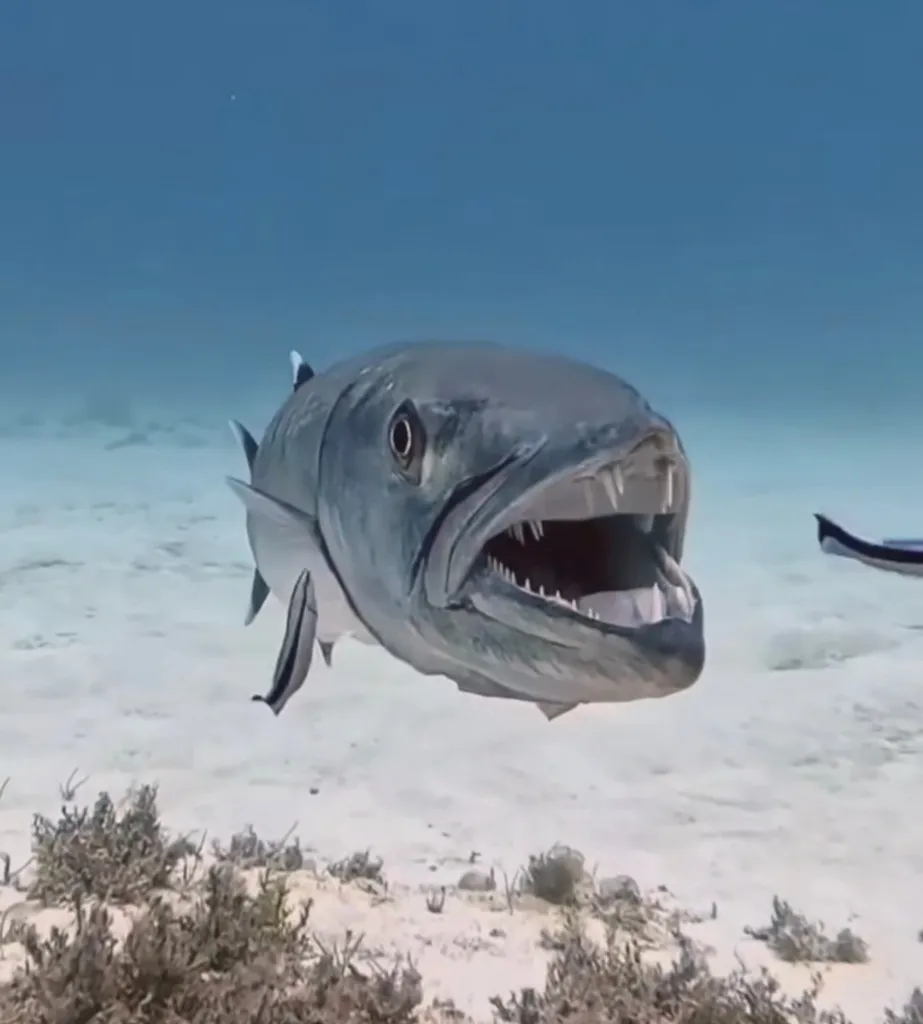
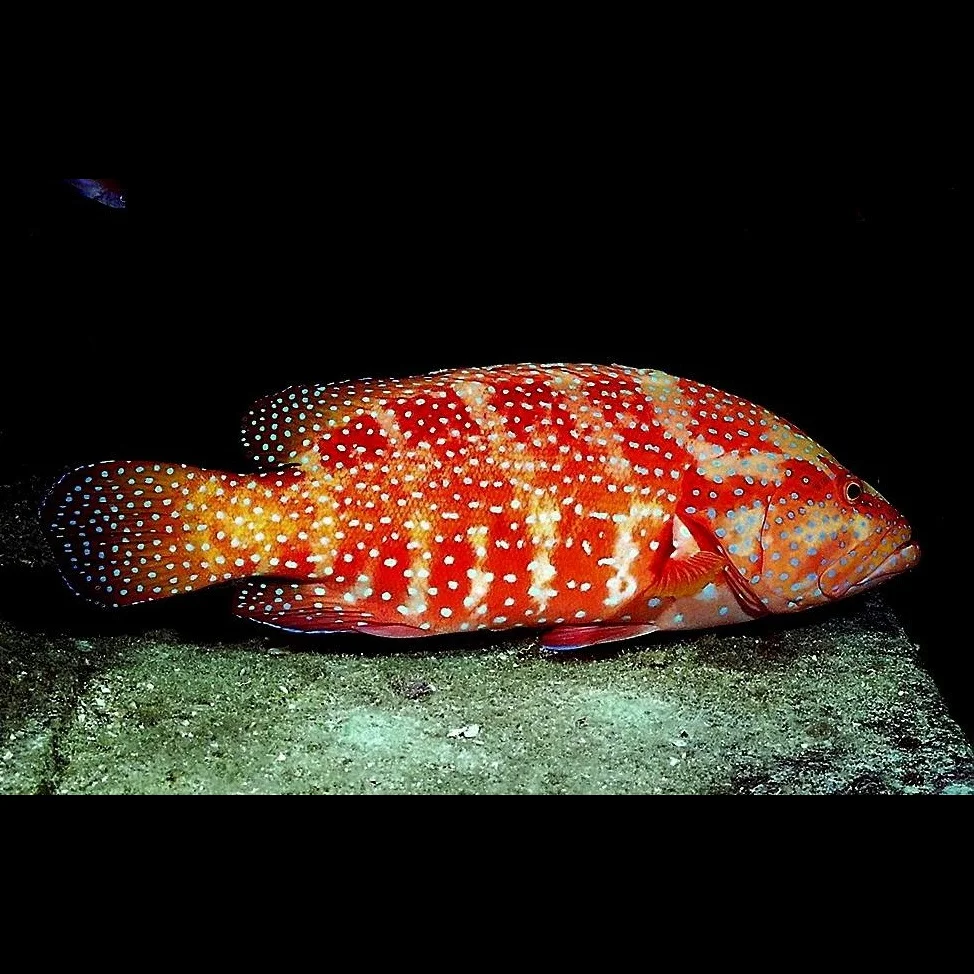
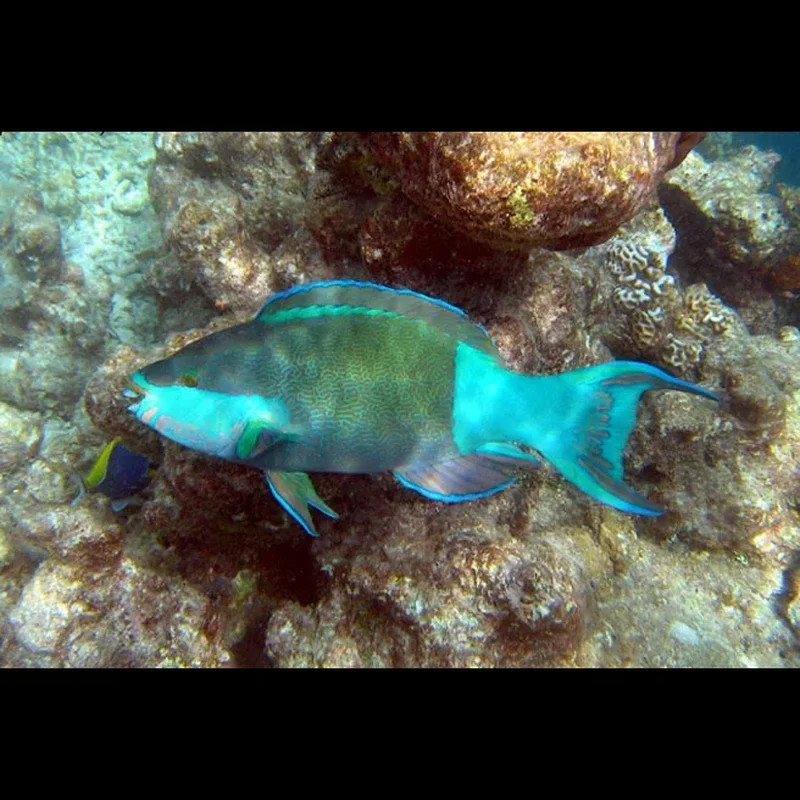
Despite the dramatic geological features, the underwater landscape here provides a habitat for diverse marine species, creating dynamic interactions within the rock formations. Divers often spot octopuses camouflaged among the crevices and groupers patrolling the larger boulder fields.
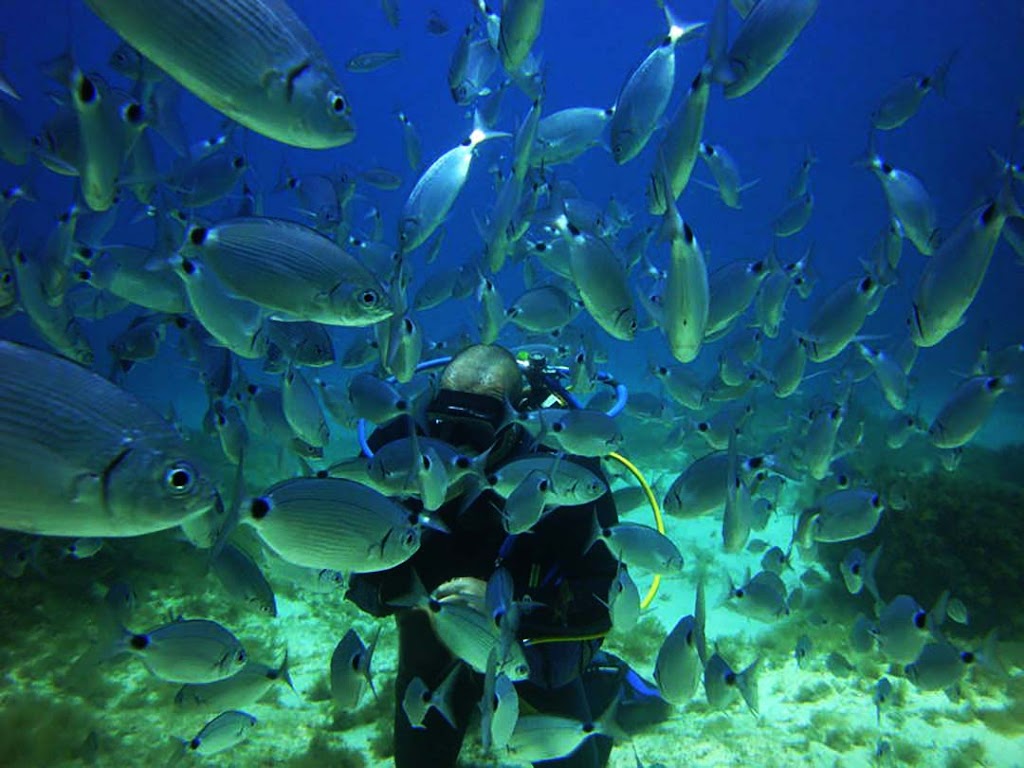
Parrotfish, with their vibrant colors, are common sightings, grazing on algae, while schools of sea breams glide through the open water sections. Moray eels can be found tucked into rocky shelters, and occasionally, barracudas are observed passing through the area.
The site's structural complexity offers refuge and hunting grounds, enhancing the biodiversity encountered during a dive.

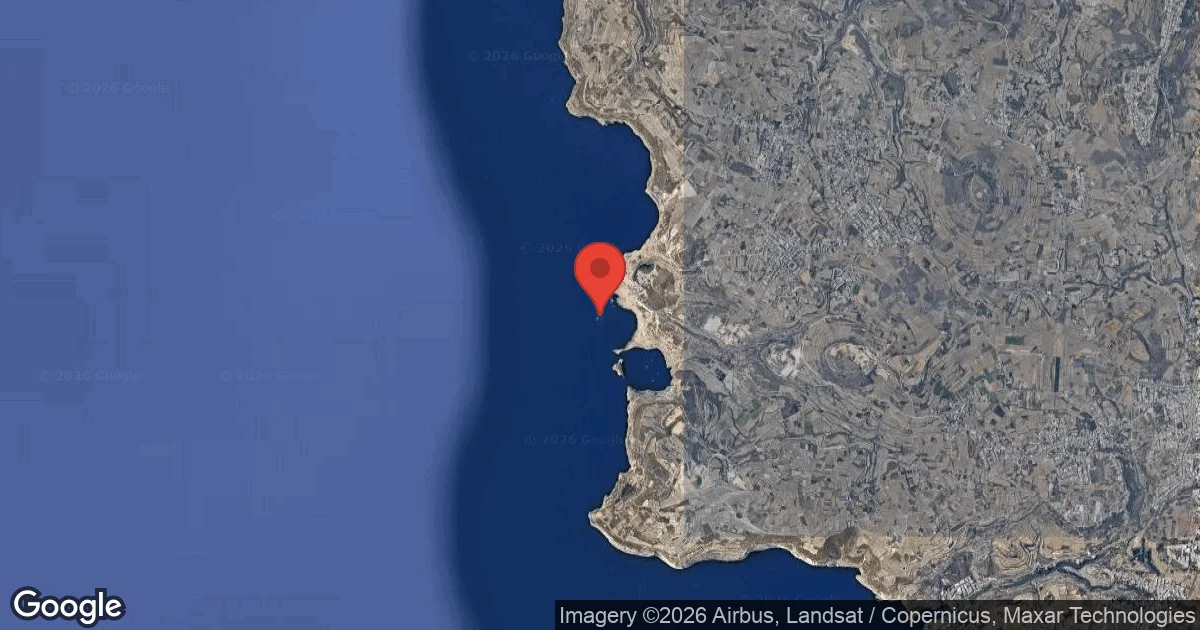
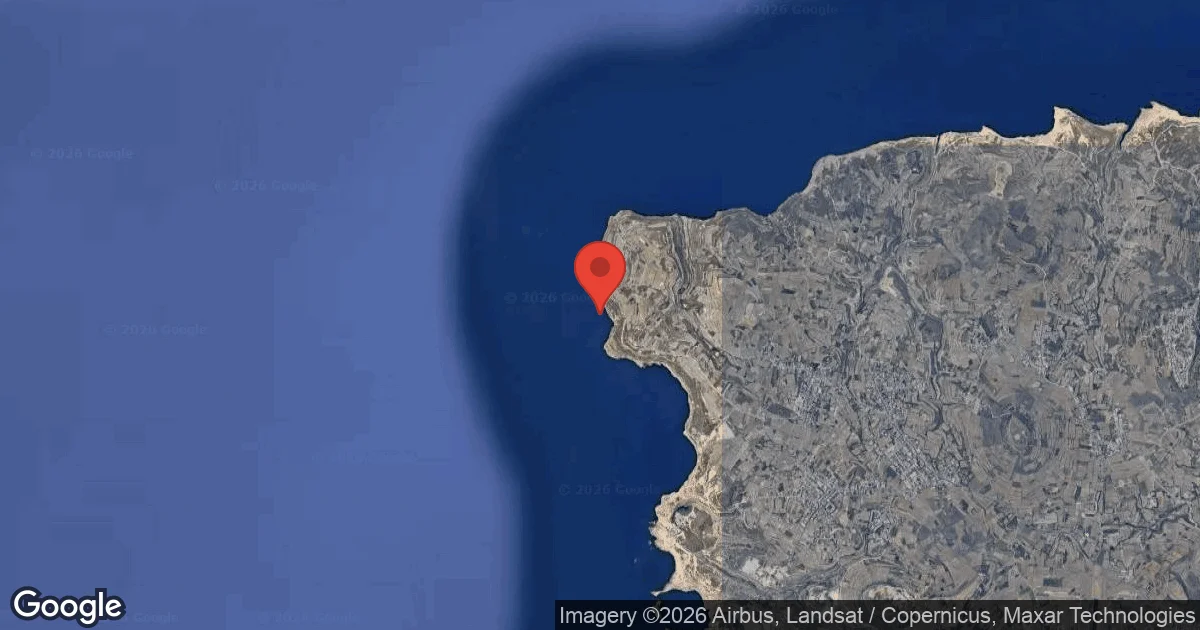
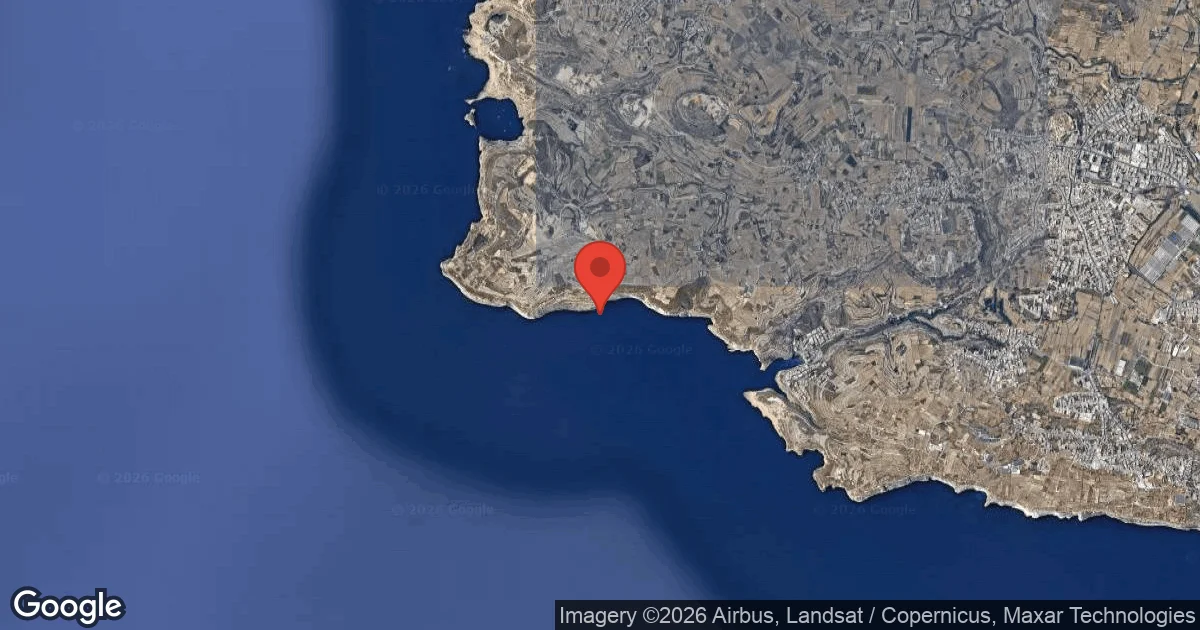
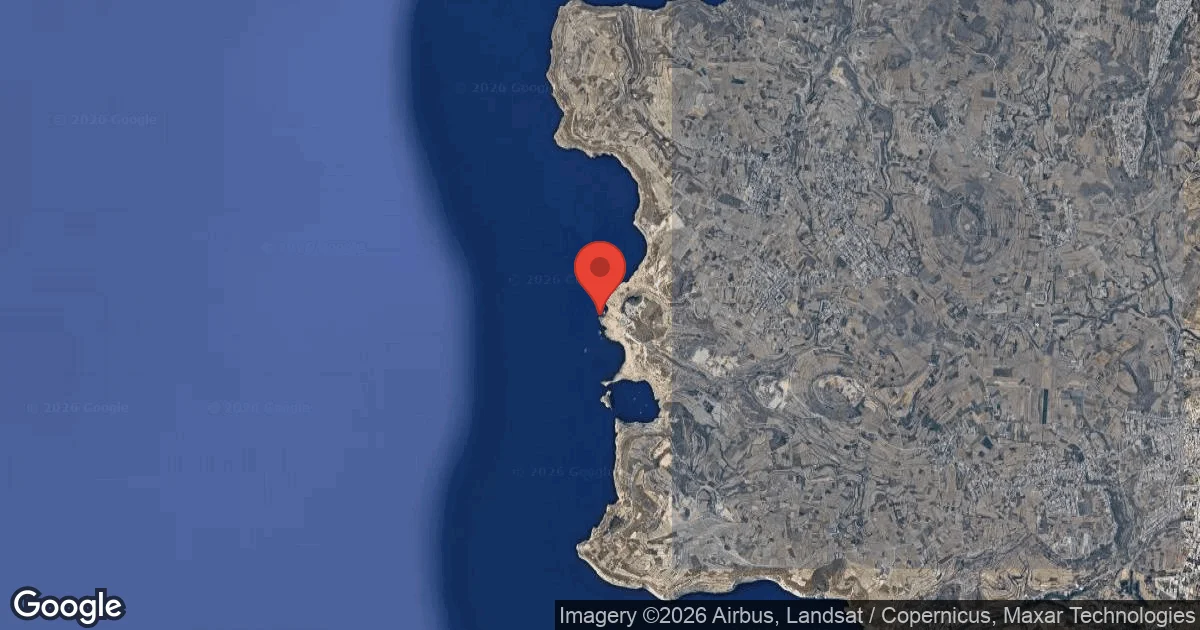
Dive Sites Near Blue Hole and Remains of Azure Window
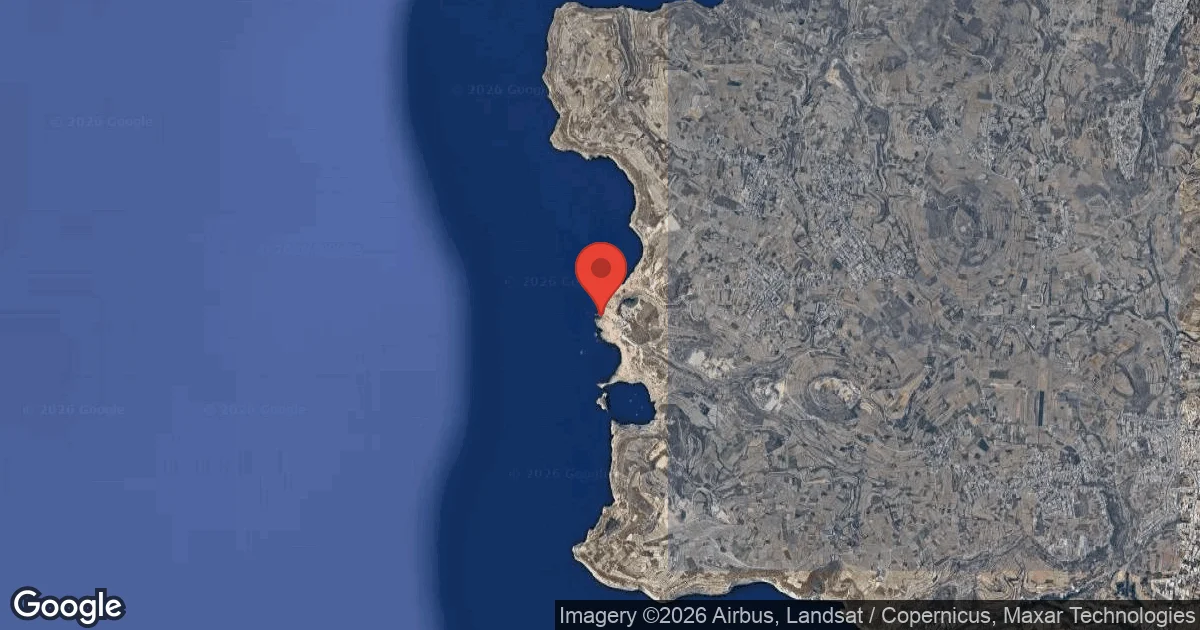
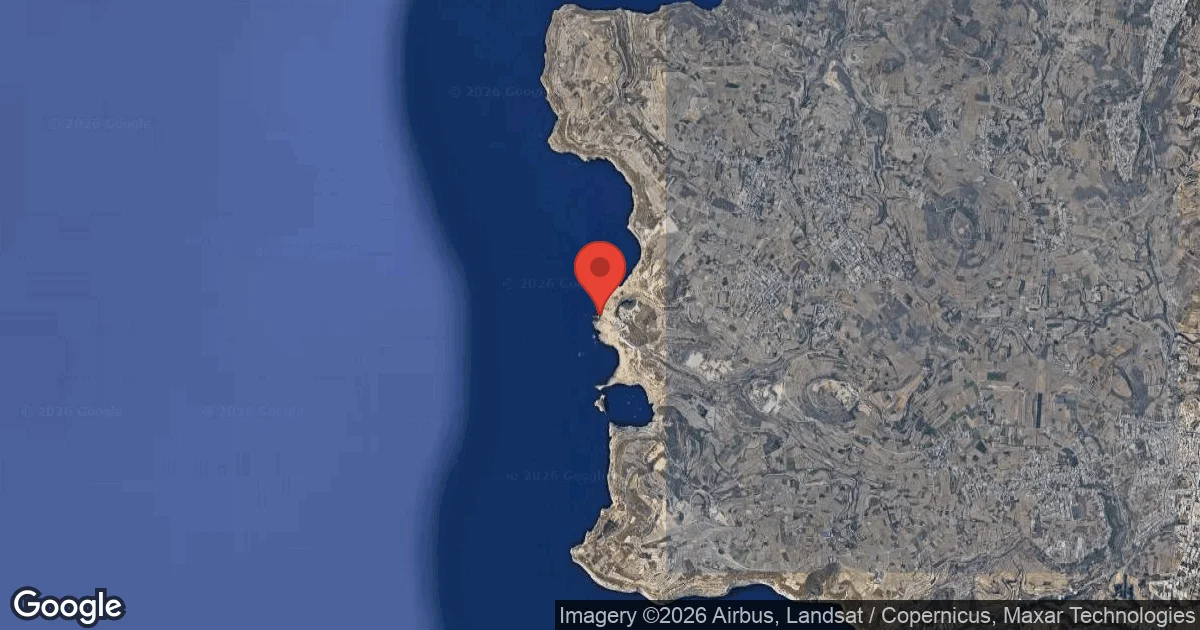
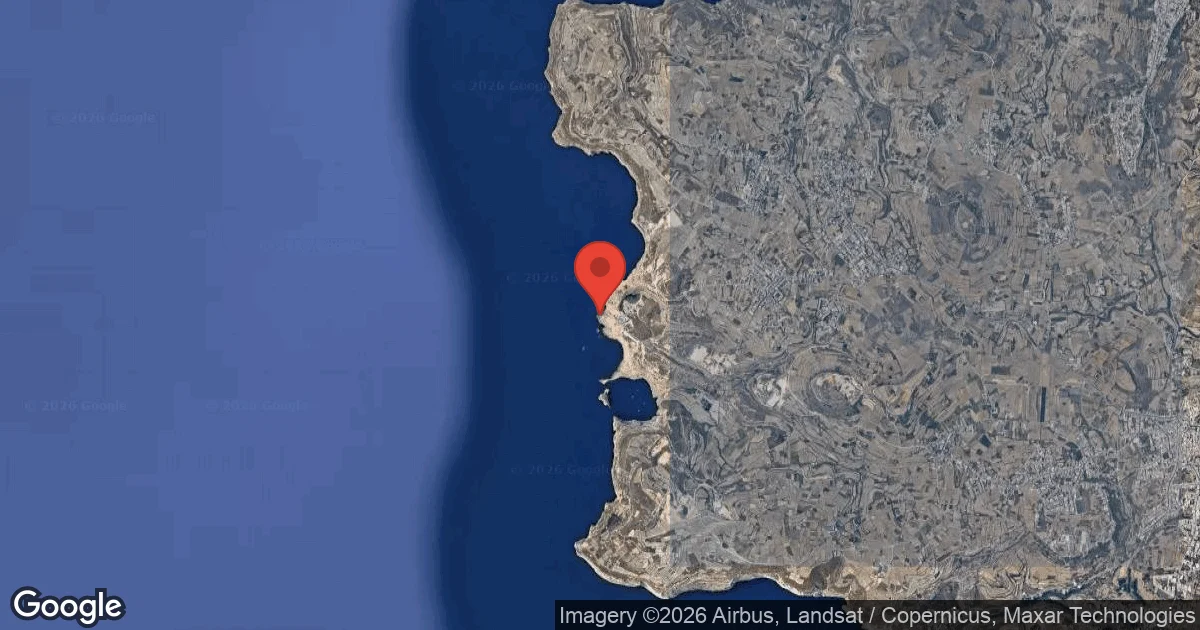
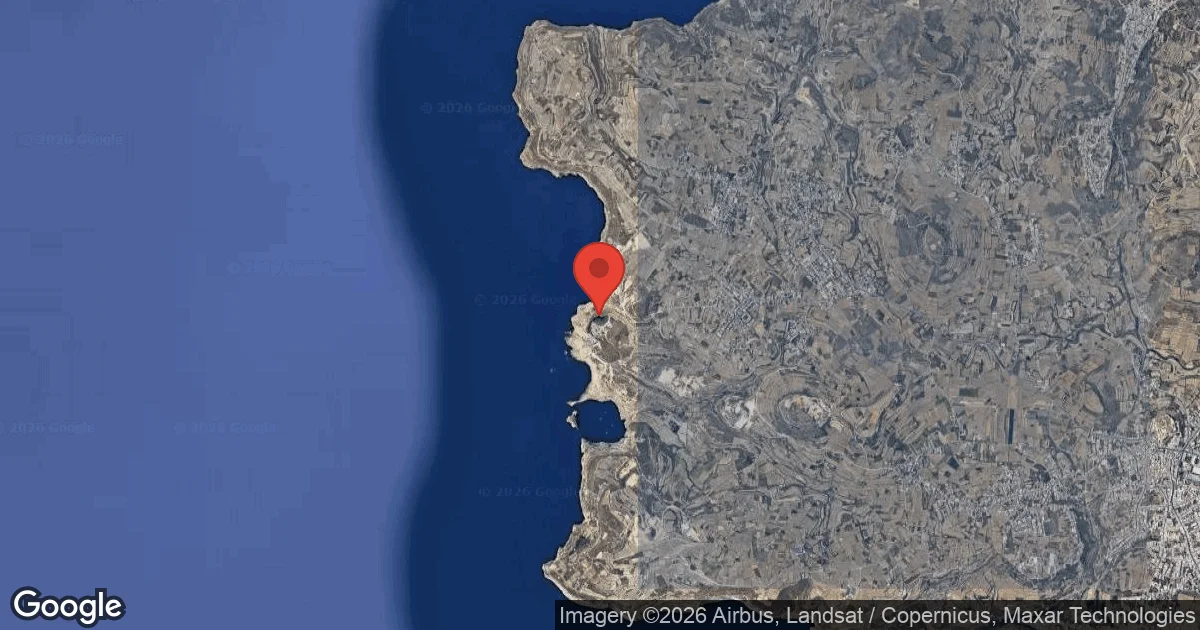
View all dive sites in MaltaDiscover more underwater gems in this area.
Dive Centers Near Blue Hole and Remains of Azure Window
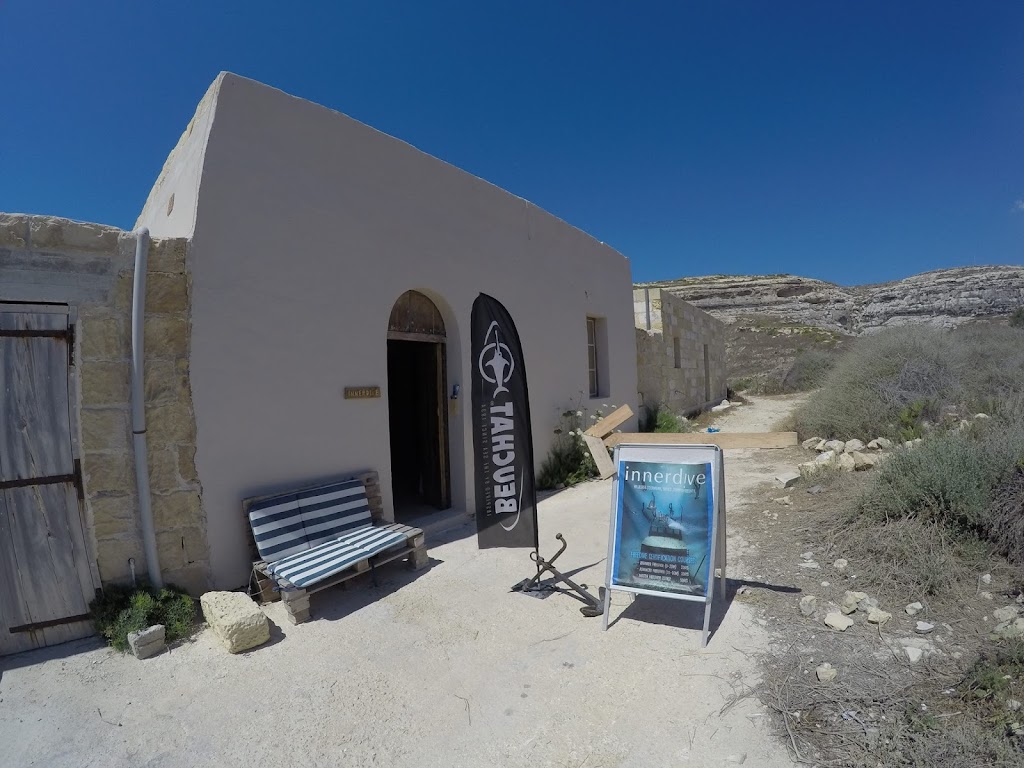
Today: 10:00 - 17:00

Nearest Airports
Nearest airports to help plan travel to this dive area.
Search Flights
Check available flights and routes on Expedia, using the nearby airports listed in this section.
Search Flights on ExpediaFrequently Asked Questions
What caused the collapse of the Azure Window?
The iconic Azure Window collapsed in March 2017. Its collapse was a result of sustained natural erosion from strong winds and heavy waves over many years, eventually weakening its geological structure beyond repair.
Is the Blue Hole a shore dive or a boat dive?
The Blue Hole in Gozo is primarily a shore dive. Divers can enter the water directly from the coastline, making it accessible for those who prefer shore-based operations and wish to explore at their own pace.
What is the typical visibility at the dive site?
Visibility at the Blue Hole and around the Azure Window remnants is generally excellent. Divers can expect clear conditions, often ranging from 20 to 30 meters (65 to 100 feet), which supports underwater photography and exploration.
What is the maximum depth divers can reach?
While the Blue Hole itself has an average depth of 15 m (50 ft) and a max depth of 25 m (80 ft), the expanded site, known as the 'Azure Alps,' includes remnants of the Azure Window that extend down to approximately 60 m (200 ft).
Are there other attractions near the Blue Hole?
Yes, the Blue Hole is situated in the Dwejra area, which offers several other attractions. Nearby sites include Dwejra Bay, Fungus Rock, and the Inland Sea, all popular for tourism and other water activities.
What type of dive qualification is needed?
Parts of the Blue Hole are suitable for Open Water Divers. However, to fully explore the deeper sections and the extensive network of tunnels and caves within the 'Azure Alps,' an Advanced Open Water Diver certification is recommended.
Planning to dive Blue Hole and Remains of Azure Window?
Send one inquiry and receive offers directly from the best verified local dive operators.
Conditions are Good
Optimal conditions expected
Current conditions near Blue Hole and Remains of Azure Window show 25° air, 28° sea temperature, 0.4 m waves, and 31 km/h wind. Forecast data is refreshed regularly to ensure accuracy.