
Diving at HMS Nasturtium (Malta)
Accessing the HMS Nasturtium presents a significant technical diving challenge off the coast of Malta. This World War I minesweeper, lost in 1916, rests at depths requiring advanced certification and precise dive planning. Divers embarking on this journey must be prepared for open sea conditions and the demanding environment of a deep wreck. It's an opportunity to connect with history in a truly immersive way.
Tonight's objective overview for HMS Nasturtium shows an air temperature of 27.5°C. The measured surface conditions include wave heights around 0.4 m. This environmental data is logged for the close of the day.
Dive Site Location & Key Facts
Dive Site Overview
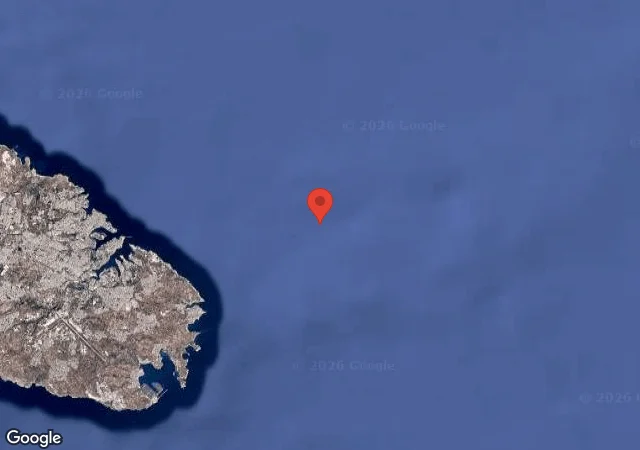
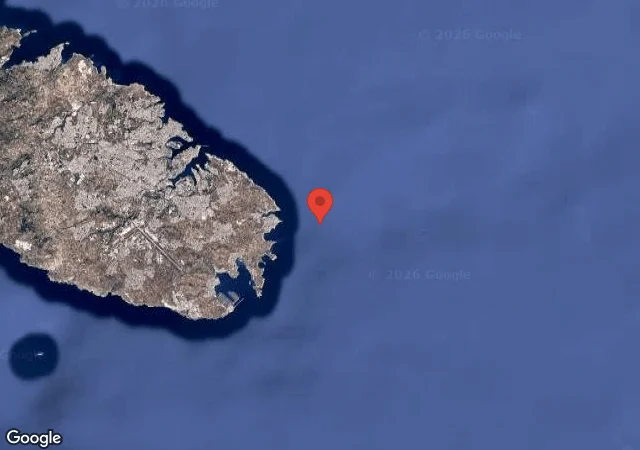
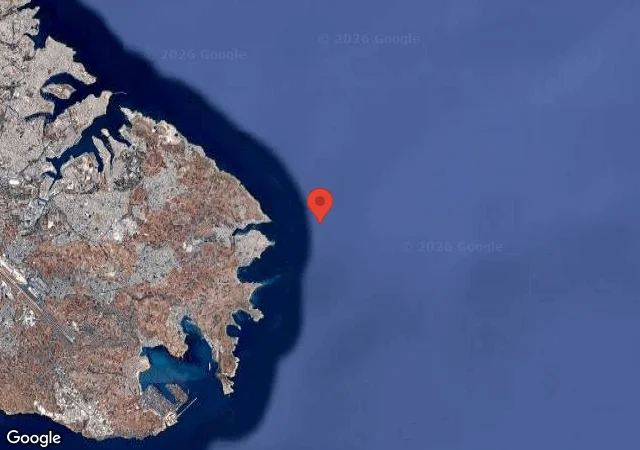
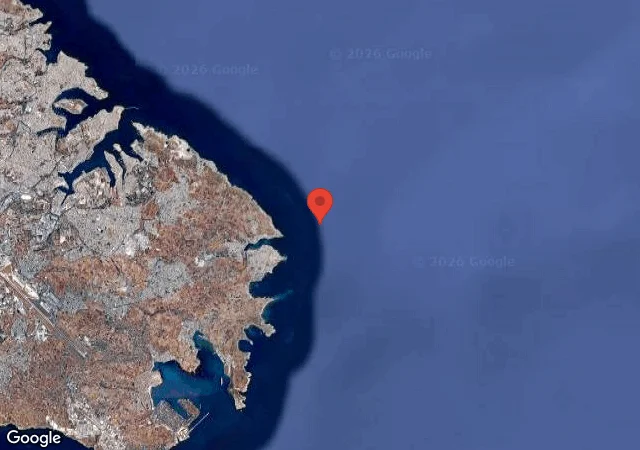
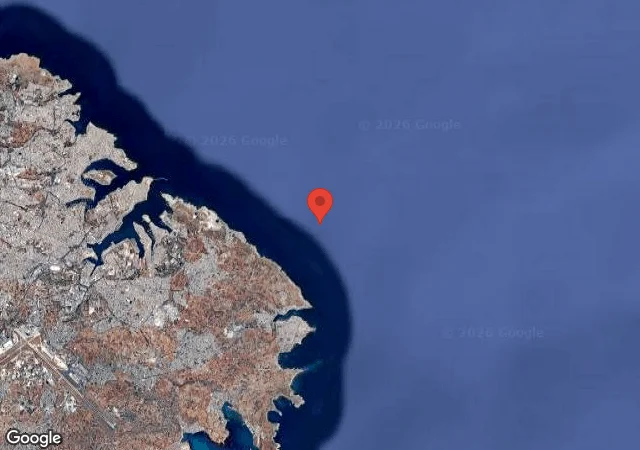
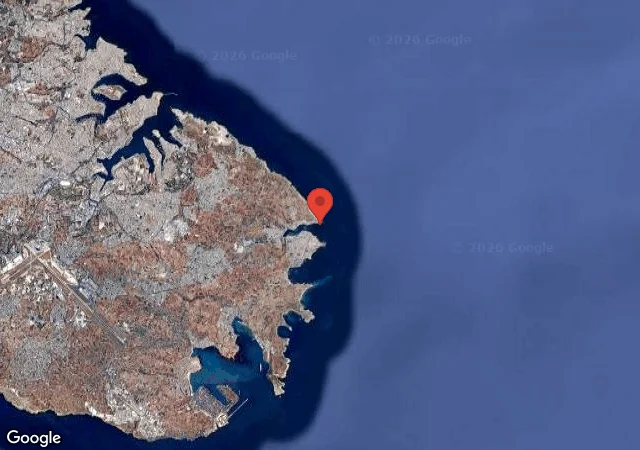
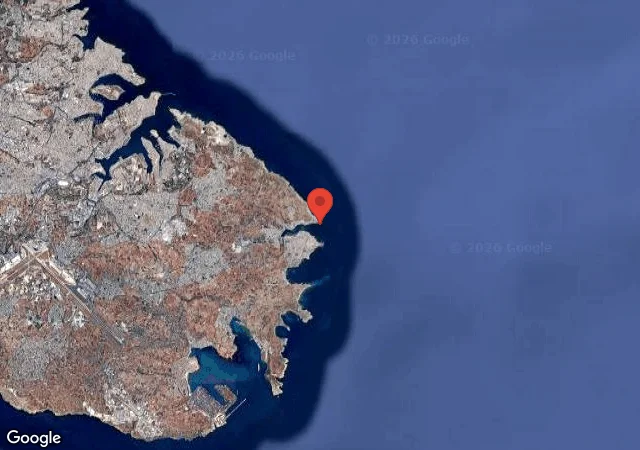
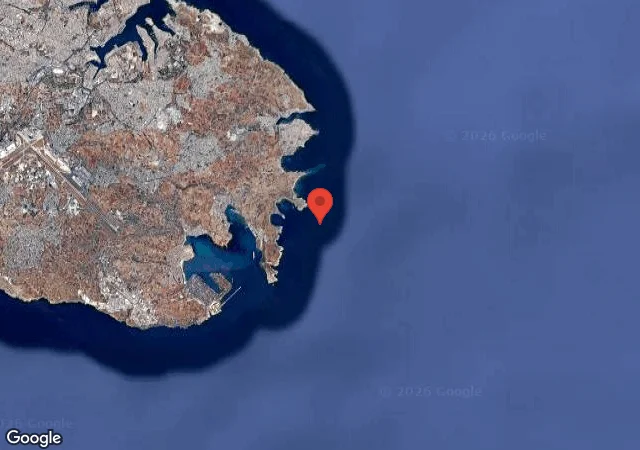
Beneath Malta's waters, the HMS Nasturtium awaits skilled technical divers as a tangible piece of World War I history. This British sloop-of-war, launched in 1915, tragically struck a German mine and sank off Grand Harbour in April 1916.
The wreck, an impressive 81 meters (266 ft) in length, lies at a maximum depth of 68 meters (223 ft). Since its opening to divers on May 1, 2019, under the management of Heritage Malta, the site demands a special permit for exploration.
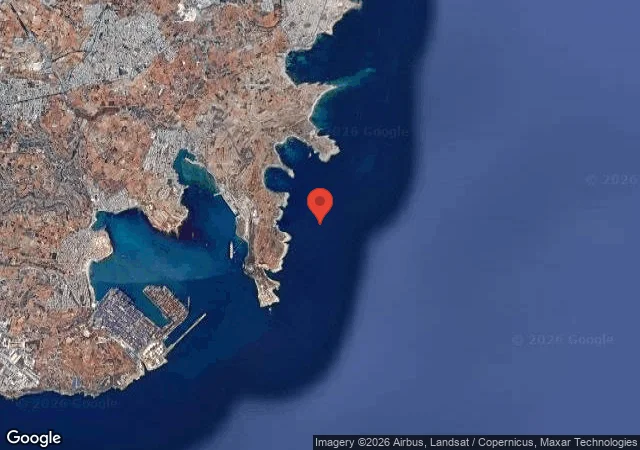
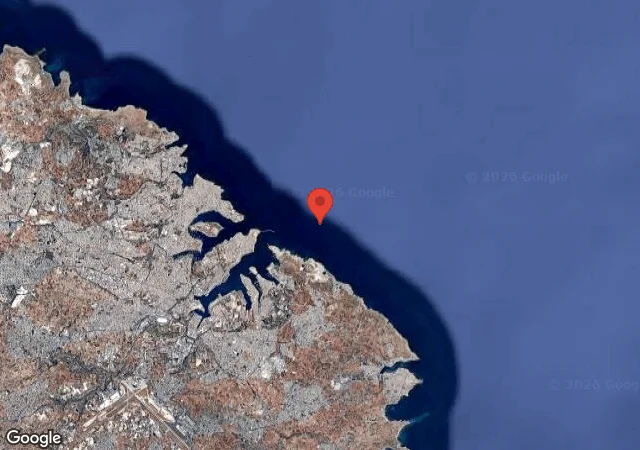
Its location, quite far offshore, necessitates boat access. Diving here offers an intimate encounter with a well-preserved vessel, its structure telling a silent story of maritime conflict.
While its popularity remains low due to the technical requirements, the site is praised for its historical significance and the colourful growth covering its surfaces.
Conditions are Excellent
07:00 - 14:00
Optimal conditions expected
Current conditions near HMS Nasturtium show 28° air, 29° sea temperature, 0.2 m waves, and 22 km/h wind. Forecast data is refreshed regularly to ensure accuracy.
Best Time to Dive
For optimal visibility at the HMS Nasturtium, planning a dive during the summer months from June through September is often most effective. During this period, average wave heights drop significantly, ranging from 0.7 to 1.0 meters, minimizing surface chop and improving underwater clarity. Air temperatures are pleasantly warm, averaging between 25°C (77°F) and 28.5°C (83°F). Rain is minimal to non-existent during these months, further contributing to stable sea conditions. As for water temperatures, specific values aren't consistently reported in available data, but they typically reflect Mediterranean seasonal patterns, peaking in late summer. March to November generally offers good dive scores, with moderate conditions reported through the winter months, when wave heights increase and air temperatures average between 14.5°C (58°F) and 19.5°C (67°F).
PEAK SEASON SCORE
Scores combine air & water temps, waves, wind & rainfall for overall conditions.
BEST MONTHS TO DIVE
Monthly records compiled from satellite and marine observation nodes over the last 3 years. Data provided by Open-Meteo and MET Norway.
Dive Experience & Conditions
Descending towards this historical vessel, divers navigate an average depth of 65 meters to reach the main structure. The entire wreck rests on a sandy bottom, an environment that often contributes to good visibility, frequently ranging between 20 and 40 meters (65-130 ft). Currents at this open sea location are noted to be medium, strong, and variable, requiring careful management throughout the dive. Given its offshore position, surface conditions can include noticeable swell and waves, influencing entry and exit procedures. Exploring the sloop's length provides ample opportunity for inspection; its structure, while deep, appears remarkably intact. This is a boat-only dive, suitable exclusively for experienced wreck divers holding technical qualifications.
Dive Difficulty & Safety Guidelines
Navigating the HMS Nasturtium wreck requires a strict adherence to safety protocols due to its advanced depth and open sea exposure. Divers must possess technical diving qualifications. A crucial requirement for this site is obtaining a special permit from Heritage Malta, as the wreck has been protected since May 1, 2019.
Being an offshore site, it's subject to potentially strong and variable currents, along with persistent swell and waves. Thorough dive planning is essential, including detailed gas management and contingency procedures.
Maintaining awareness of bottom time and decompression limits is paramount. There are no listed specific marine life hazards, but divers should always maintain respectful distances from the delicate wreck environment and its inhabitants.
Recommended Equipment
Overhead / entanglement risk. Wreck penetration requires proper training.
- Dive Computer
- Primary & Backup Lights
- Wreck Reel
- Cutting Tool
This gear list is based on verified equipment signals for HMS Nasturtium, Malta. Always confirm final gear choices with your dive operator, guide, or liveaboard.
Recommended Dive Suit
Environmental conditions are expected to remain consistent in the short-term outlook.
Even in warm destinations, extended dives can gradually draw heat away from the body.
Exposure protection such as 2-3mm shorty or light wetsuit is commonly used when diving in waters of this temperature. Divers preparing to enter the water at HMS Nasturtium will likely find temperatures around 29°C (84°F) today. Surface air temperatures are resting at 28°C (82°F).
Due to technical issues with our weather providers, data hasn't been fetched for over 48 hours. The data above reflects the conditions at the time of the last successful fetch.
Emergency & Medical Support
Essential information to help you plan your dive trip to HMS Nasturtium.

Hyperbaric chambers are a critical part of dive safety infrastructure. Availability varies significantly by region, and not all dive areas have immediate access.
Before diving, it's recommended to:
- confirm nearest medical facilities
- check emergency procedures with local dive operators
- ensure dive insurance covers evacuation if required
Divers Alert Network
Diving emergency assistance available through DAN Europe.
+39 0642115685- 24/7 emergency hotline
- Diving medical assistance
- Evacuation coordination
Emergency contacts are provided for reference. Always verify local emergency services before diving.
Closest Listed Hyperbaric Chambers
Showing listed hyperbaric chamber facilities within 200 km of this dive site.
Distances are approximate straight-line distances and may not reflect emergency travel time.
Hyperbaric Unit - Mater Dei Hospital
24/7 ListedICU CapableMsida, Malta•Approx. 16 km straight-line
Hyperbaric Unit - Mater Dei Hospital
24/7 ListedICU CapableInformation is provided for reference and planning purposes only. Dive Navigator does not verify operational status, staffing, availability, or quality of care at listed facilities. In an emergency, contact local emergency services, DAN, your dive operator, or the chamber directly. Do not travel to a facility without calling ahead.
Gozo
24/7 ListedICU CapableVictoria, Malta•Approx. 43 km straight-line
Gozo
24/7 ListedICU CapableInformation is provided for reference and planning purposes only. Dive Navigator does not verify operational status, staffing, availability, or quality of care at listed facilities. In an emergency, contact local emergency services, DAN, your dive operator, or the chamber directly. Do not travel to a facility without calling ahead.
Azienda Ospedaliera per l' Emergenza Cannizzaro
24/7 ListedICU CapableCatania, Italy•Approx. 186 km straight-line
Azienda Ospedaliera per l' Emergenza Cannizzaro
24/7 ListedICU CapableInformation is provided for reference and planning purposes only. Dive Navigator does not verify operational status, staffing, availability, or quality of care at listed facilities. In an emergency, contact local emergency services, DAN, your dive operator, or the chamber directly. Do not travel to a facility without calling ahead.
Marine Life at HMS Nasturtium
Life on the HMS Nasturtium, while deep, reveals a unique ecosystem adapting to the wreck's structure on the sandy bottom. Among the identified species, divers may encounter John dory, also known as Peter's fish, recognizable by its distinctive dark spot and flattened body.
Mediterranean cardinalfish, or king of the mullets, also inhabit the wreck, often found sheltering in its nooks and crannies. The wreck itself, aged gracefully underwater, serves as a substrate for colorful growth, providing a habitat for various smaller invertebrates and fish that thrive in this artificial reef environment.

Dive Sites Near HMS Nasturtium
View all dive sites in MaltaDiscover more underwater gems in this area.
Dive Centers Near HMS Nasturtium
Today: 08:30 - 16:30

Nearest Airports
Nearest airports to help plan travel to this dive area.
Search Flights
Check available flights and routes on Expedia, using the nearby airports listed in this section.
Search Flights on ExpediaFrequently Asked Questions
What diving qualification is required for HMS Nasturtium?
Diving the HMS Nasturtium demands a technical diving qualification. Its average depth of 65 meters and maximum depth of 68 meters fall well outside recreational limits, necessitating advanced training and experience.
Is a special permit required to dive the HMS Nasturtium?
Yes, a special permit from Heritage Malta is required. The wreck has been protected since May 1, 2019, and managing authorities enforce this requirement for access.
How long is the HMS Nasturtium wreck?
Measuring 81 meters (266 ft) in overall length, the British sloop-of-war HMS Nasturtium offers considerable exploration opportunities for technical divers.
When did HMS Nasturtium sink?
The HMS Nasturtium was sunk by a mine outside Grand Harbour in the small hours of April 28, 1916. It struck the mine on the evening of April 27, 1916, during World War I.
What kind of currents can be expected at the site?
Divers should anticipate medium, strong, and variable currents at the HMS Nasturtium. Its open sea location means conditions can change, requiring careful dive planning and execution.
What is the typical underwater visibility?
Underwater visibility at the wreck generally ranges between 20 and 40 meters. An average visibility of 30 meters is often reported, providing clear views of the deep wreck.
Planning to dive HMS Nasturtium?
Send one inquiry and receive offers directly from the best verified local dive operators.
Conditions are Excellent
07:00 - 14:00
Optimal conditions expected
Current conditions near HMS Nasturtium show 28° air, 29° sea temperature, 0.2 m waves, and 22 km/h wind. Forecast data is refreshed regularly to ensure accuracy.