
Diving at HMS Russell (Malta)
HMS Russell wreck, lying at 110-115 m / 360-377 ft in Malta, presents an expedition-level challenge for skilled technical divers. This WWI battleship, sunk by mines in 1916, offers a profound encounter with history. Its immense size and the surrounding debris field, including scattered guns, create an exceptionally atmospheric deep dive. Access requires specialized planning and a Heritage Malta permit, marking it as a truly distinctive opportunity for advanced wreck enthusiasts.
As evening covers HMS Russell, the local air temperature is measured at 26.5°C. The current wave height at the surface is recorded at 0.4 m. These late-day readings characterize the surface conditions for the night.
Dive Site Location & Key Facts
Dive Site Overview
A British Duncan-class battleship launched in 1901, HMS Russell met its end on April 27, 1916, striking two German U-73 mines outside Malta's Grand Harbour. This dramatic event led to a fire and subsequent explosion, causing the vessel to capsize and sink within approximately 20 minutes; many crew escaped, though 125 lives were lost.
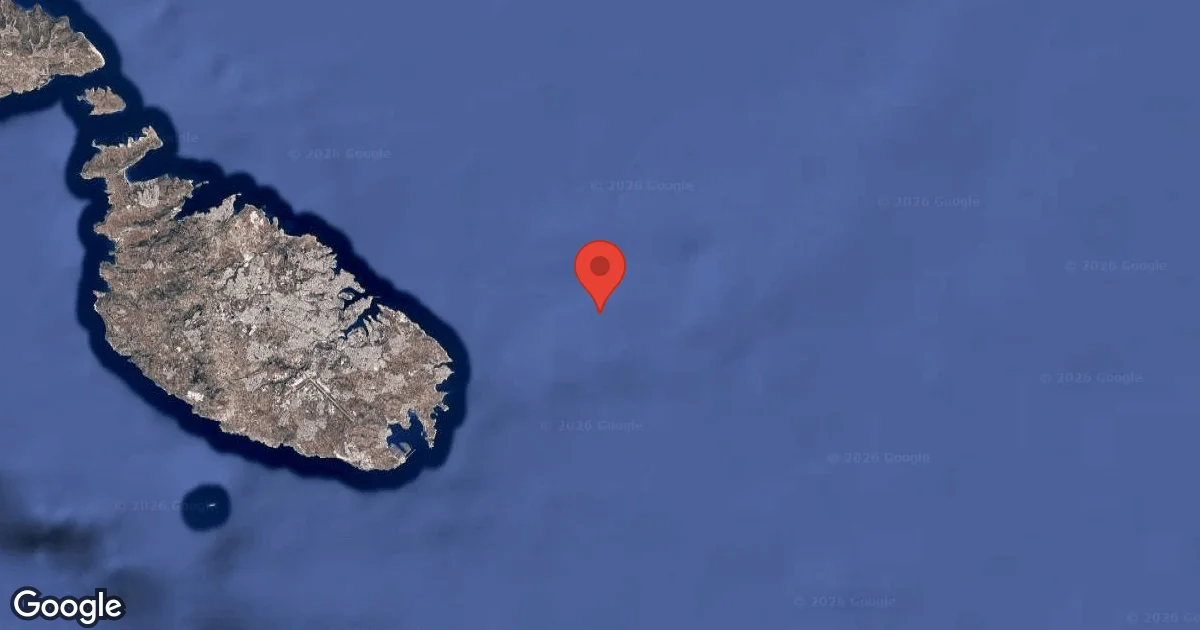
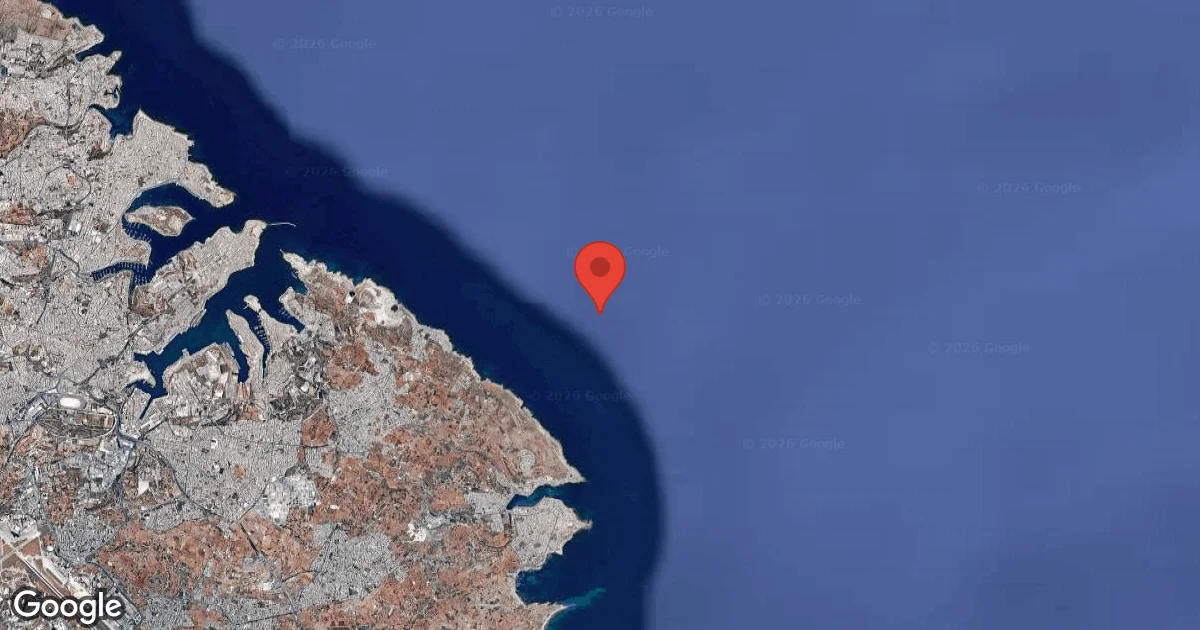
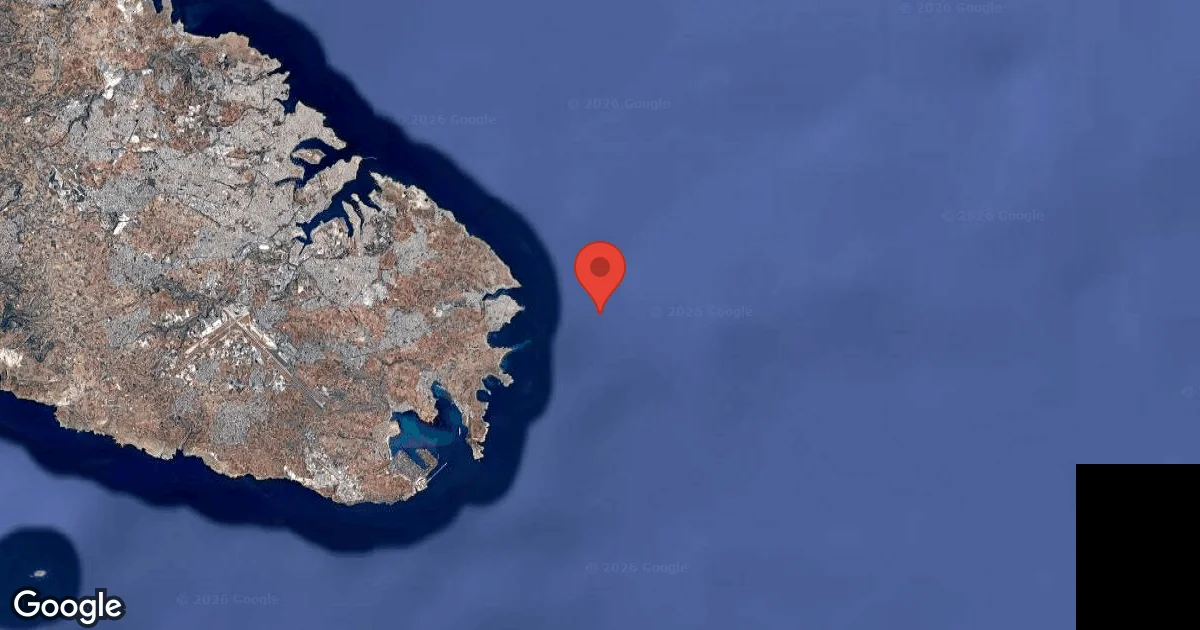
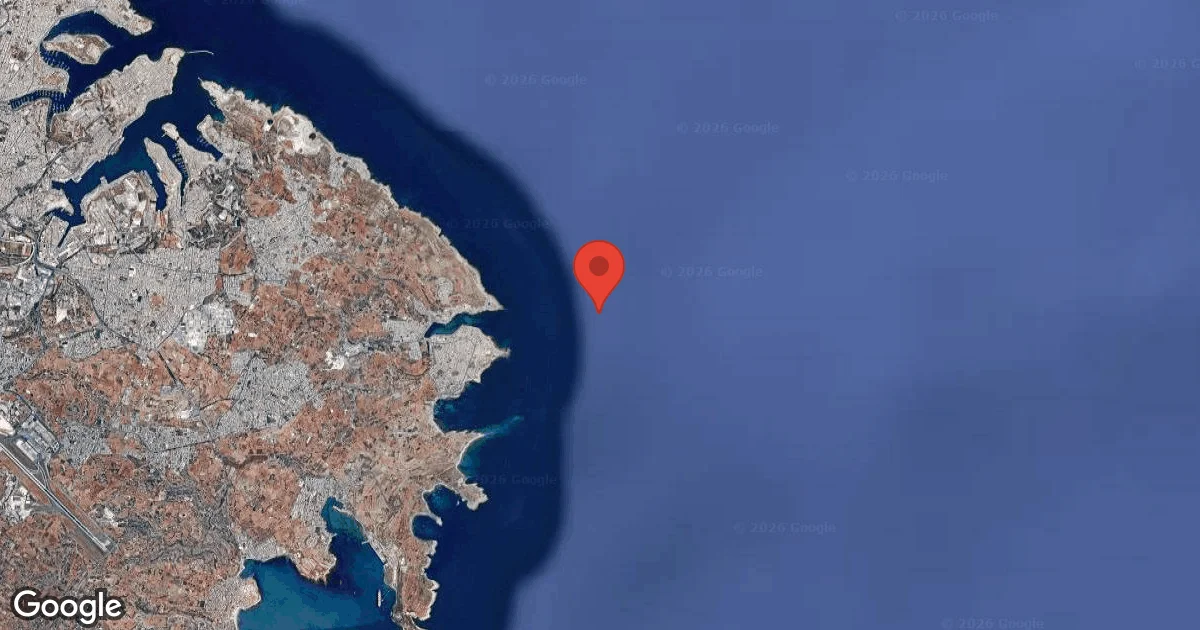
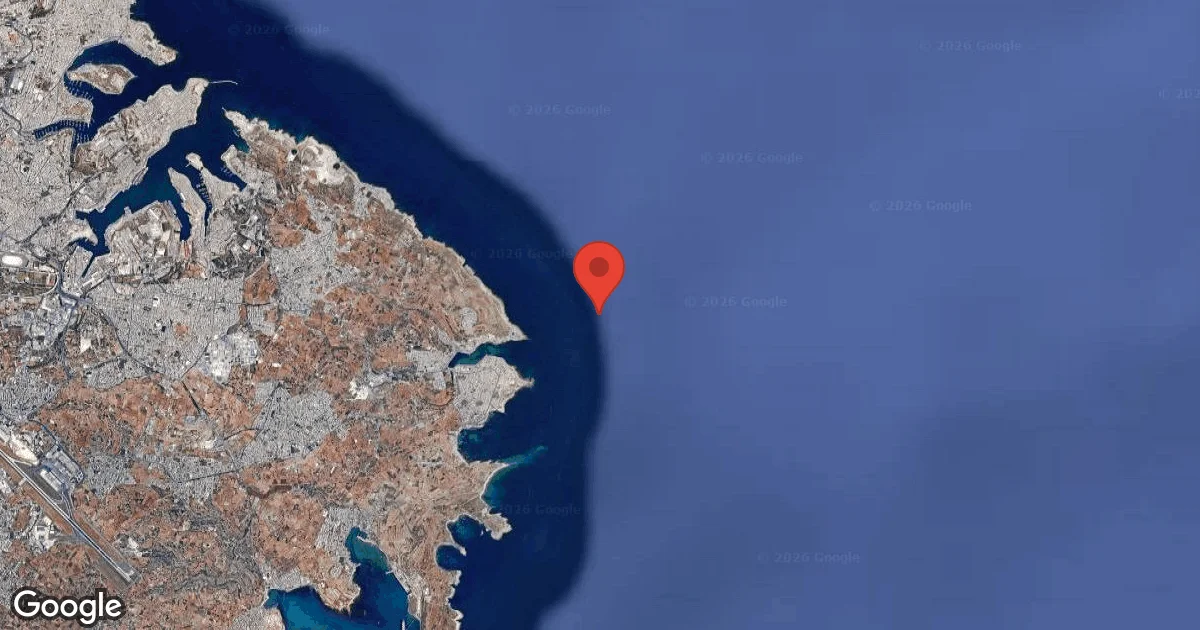
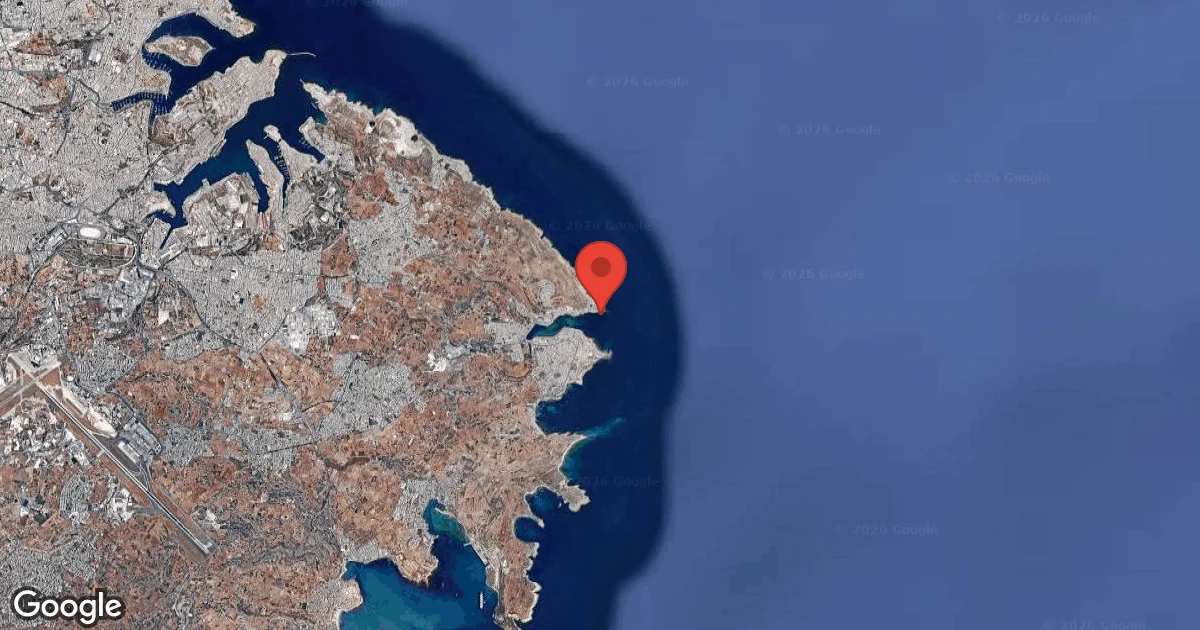
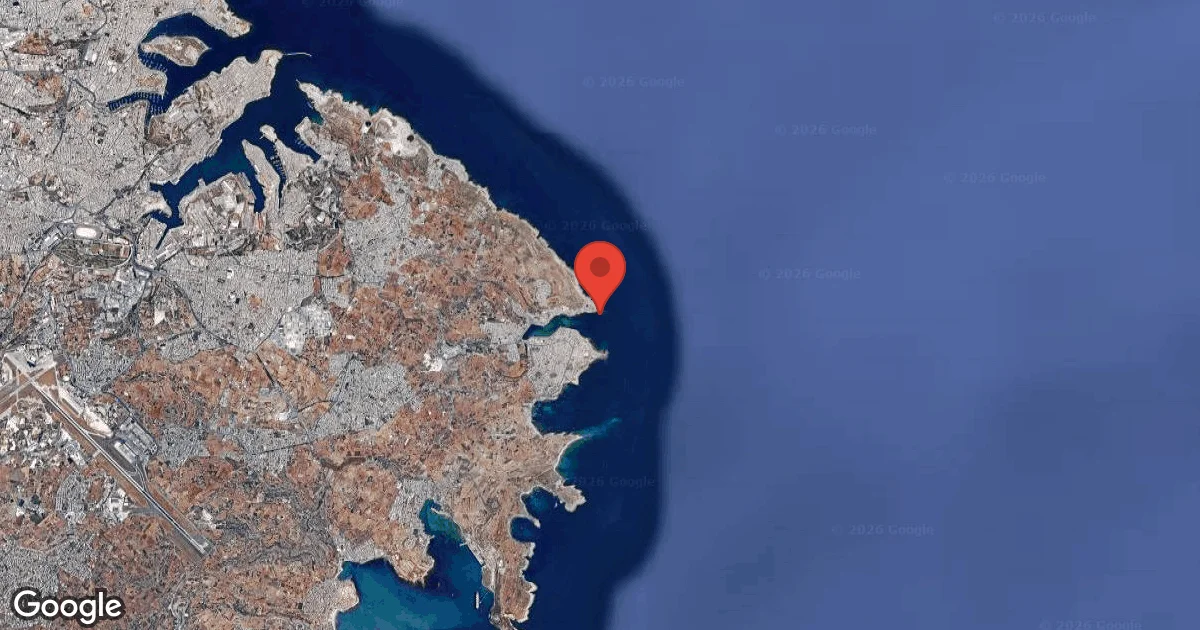
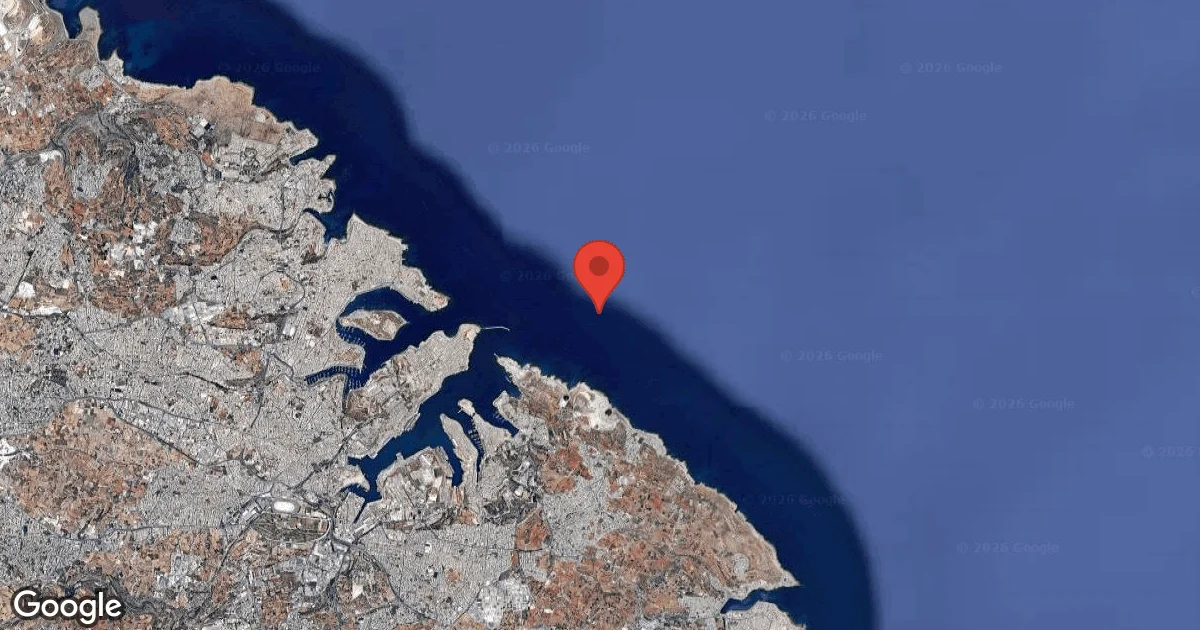
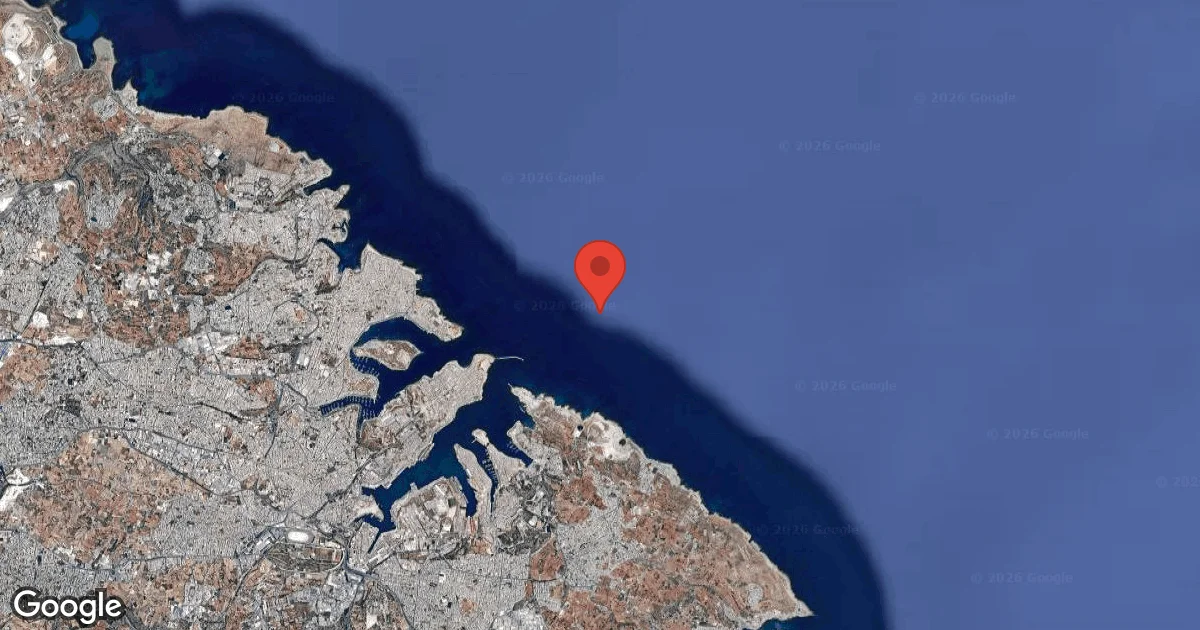
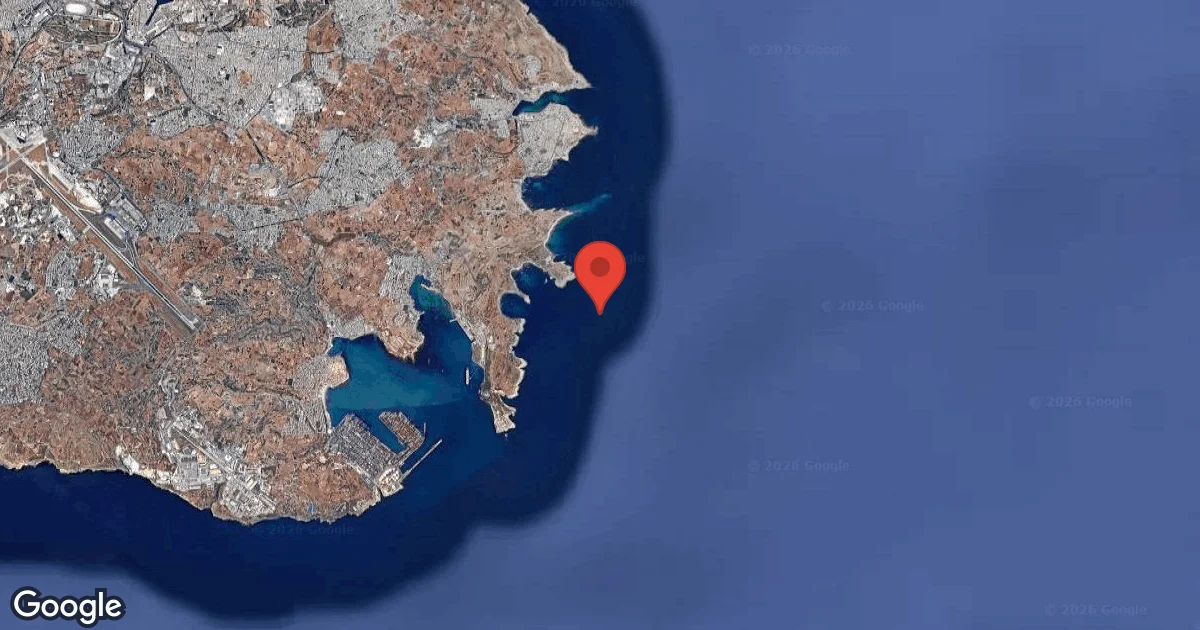
Today, a significant World War I war grave, the ship rests upside down on a sandy seabed about 6 km / 3.7 miles east of Fort St. Elmo, Valletta, at depths ranging from 110-115 m / 360-377 ft. Discovered in 2003 and opened for diving in 2019, the wreck measures 132 m / 433 ft in length, with its stern section notably missing due to mine damage. Seabed areas surrounding the battleship are extensively littered with gun cases and some of its large guns, which fell from the deck as it turned over.
Obtaining a special permit from Heritage Malta is mandatory for diving this site, underscoring its historical importance and the need for respectful exploration. It's a dive demanding significant technical trimix or CCR expertise.
Conditions are Good
Optimal conditions expected
Current conditions near HMS Russell show 26° air, 28° sea temperature, 0.4 m waves, and 24 km/h wind. Forecast data is refreshed regularly to ensure accuracy.
Best Time to Dive
Optimizing your experience at the HMS Russell hinges on calm sea conditions and favorable weather, typically found from June through October. During these months, Malta generally experiences excellent dive scores (8), with significantly reduced wave heights averaging 0.7-1.0 m / 2.3-3.3 ft, minimizing offshore currents and making boat access smoother. Air temperatures are pleasantly warm, ranging from 25-29°C / 77-84°F, and rainfall is minimal, often zero in July and August. While diving is possible outside this window, conditions become more moderate (dive scores 6-7) from March to May and November to December. In these shoulder seasons, wave heights can reach 1.2-1.5 m / 3.9-4.9 ft, and winds increase, requiring more careful planning for this remote, deep site. Avoid the winter months (January-February) when dive scores drop to moderate (6), and rougher seas are more common.
PEAK SEASON SCORE
Scores combine air & water temps, waves, wind & rainfall for overall conditions.
BEST MONTHS TO DIVE
Monthly records compiled from satellite and marine observation nodes over the last 3 years. Data provided by Open-Meteo and MET Norway.
Dive Experience & Conditions
Defining HMS Russell's dive profile is its extreme depth; the wreck rests at approximately 110-115 m / 360-377 ft on the sand, with its highest inverted hull points just a few meters shallower. This challenging environment is strictly for advanced technical trimix or closed-circuit rebreather (CCR) divers who possess extensive experience in 70-90 m / 230-295 ft+ dives, coupled with exceptional buoyancy control, gas management, and team skills. As an offshore site, potential for currents exists, which adds another layer of complexity to the dive. Water temperature, while not consistently reported for this specific depth, follows general Maltese patterns, suggesting cooler conditions at these depths compared to shallower recreational diving. Visibility is typically good, a common trait for Malta's deep wrecks, enhancing the visual impact of the massive battleship and the surrounding debris field.
Dive Difficulty & Safety Guidelines
Approaching the HMS Russell demands meticulous planning and a deep understanding of advanced technical diving protocols. Divers must obtain a special Heritage Malta permit well in advance, as this is a managed war-grave site requiring utmost respect. Given the extreme depth of 110-115 m / 360-377 ft, extended decompression obligations are inherent; conservative gas planning with multiple deco gases is critical.
Potential risks include entanglement within the wreck or its debris, significant bottom time limitations on open circuit, and the inherent challenges of deep trimix or CCR diving, such as gas narcosis management and thermal protection. Comprehensive pre-dive briefings, clear communication within the dive team, and a thorough post-dive debrief are essential for a safe and successful expedition.
Recommended Equipment
Overhead / entanglement risk. Wreck penetration requires proper training.
- Dive Computer
- Primary & Backup Lights
- Wreck Reel
- Cutting Tool
This gear list is based on verified equipment signals for HMS Russell, Malta. Always confirm final gear choices with your dive operator, guide, or liveaboard.
Recommended Dive Suit
Thermal protection such as 2-3mm shorty or light wetsuit is commonly used for water temperatures in this range.
Divers entering the water at HMS Russell today can expect temperatures near 28°C (83°F) beneath the surface. Surface air temperatures are resting at 26°C (80°F).
Current forecasts indicate relatively stable conditions for the coming days.
Emergency & Medical Support
Essential information to help you plan your dive trip to HMS Russell.

Hyperbaric chambers are a critical part of dive safety infrastructure. Availability varies significantly by region, and not all dive areas have immediate access.
Before diving, it's recommended to:
- confirm nearest medical facilities
- check emergency procedures with local dive operators
- ensure dive insurance covers evacuation if required
Divers Alert Network
Diving emergency assistance available through DAN Europe.
+39 0642115685- 24/7 emergency hotline
- Diving medical assistance
- Evacuation coordination
Emergency contacts are provided for reference. Always verify local emergency services before diving.
Closest Listed Hyperbaric Chambers
Showing listed hyperbaric chamber facilities within 200 km of this dive site.
Distances are approximate straight-line distances and may not reflect emergency travel time.
Hyperbaric Unit - Mater Dei Hospital
24/7 ListedICU CapableMsida, Malta•Approx. 15 km straight-line
Hyperbaric Unit - Mater Dei Hospital
24/7 ListedICU CapableInformation is provided for reference and planning purposes only. Dive Navigator does not verify operational status, staffing, availability, or quality of care at listed facilities. In an emergency, contact local emergency services, DAN, your dive operator, or the chamber directly. Do not travel to a facility without calling ahead.
Gozo
24/7 ListedICU CapableVictoria, Malta•Approx. 40 km straight-line
Gozo
24/7 ListedICU CapableInformation is provided for reference and planning purposes only. Dive Navigator does not verify operational status, staffing, availability, or quality of care at listed facilities. In an emergency, contact local emergency services, DAN, your dive operator, or the chamber directly. Do not travel to a facility without calling ahead.
Marine Life at HMS Russell
While the primary allure of HMS Russell is its historical significance and structural integrity as a WWI battleship, marine life has begun to colonize this deep-water artificial reef. Encrusting sponges and solitary corals gradually adorn its inverted hull and the scattered components on the sandy seabed.
Divers might observe deep-water fish species sheltering within the wreckage or patrolling its perimeter. A unique underwater landscape, defined by the immense battleship and the surrounding field of gun cases and fallen armaments, offers a distinct habitat for specific marine organisms adapted to these depths.
Dive Sites Near HMS Russell
View all dive sites in MaltaDiscover more underwater gems in this area.
Dive Centers Near HMS Russell
Today: 08:30 - 16:30

Nearest Airports
Nearest airports to help plan travel to this dive area.
Search Flights
Check available flights and routes on Expedia, using the nearby airports listed in this section.
Search Flights on ExpediaFrequently Asked Questions
What is the depth of the HMS Russell wreck?
HMS Russell rests on the seabed at approximately 110-115 m / 360-377 ft. Highest points of the upside-down hull are only a few meters shallower.
What level of diving certification is required for HMS Russell?
An expedition-level deep wreck dive. Only advanced technical trimix or high-level CCR divers with extensive experience in 70-90 m / 230-295 ft+ dives should attempt it.
Is a special permit needed to dive HMS Russell?
Yes, a special permit from Heritage Malta is mandatory to dive the HMS Russell wreck. It's a managed war-grave site, so respectful conduct and prior arrangement are essential.
What is the condition of the wreck?
A 132 m / 433 ft battleship, it lies upside down, with its stern section missing due to mine damage. Surrounding seabed areas are littered with gun cases and some of its large armaments.
When was the HMS Russell sunk and discovered?
HMS Russell sank on April 27, 1916, after striking two mines. It was discovered in July 2003 and officially opened for diving in May 2019.
Can I dive this wreck on open circuit (OC) or closed-circuit rebreather (CCR)?
Both open circuit and CCR diving are possible, though CCR is often more practical due to the extensive gas logistics required for the extreme depth and long decompression times.
What are the main risks associated with diving HMS Russell?
Primary risks include extreme depth, prolonged decompression obligations, potential for currents, and entanglement hazards within the wreck. Divers must be highly prepared for these challenges.
Planning to dive HMS Russell?
Send one inquiry and receive offers directly from the best verified local dive operators.
Conditions are Good
Optimal conditions expected
Current conditions near HMS Russell show 26° air, 28° sea temperature, 0.4 m waves, and 24 km/h wind. Forecast data is refreshed regularly to ensure accuracy.