
Diving at Blenheim Bomber (Malta)
Navigating the Blenheim Bomber wreck requires careful consideration of the strong, unpredictable currents that occasionally sweep this deep site. Lying at a maximum depth of 42 m / 138 ft, this boat-only dive is strictly for experienced divers prepared for challenging conditions. Its historical significance and depth demand respect, ensuring a focused descent and ascent. Plan your dive with precision, always accounting for dynamic underwater movement.
Evening condition tracking at Blenheim Bomber features an air temperature of 26°C. We have recorded wave heights measuring 0.5 m during this period. These figures outline the environmental parameters currently present.
Dive Site Location & Key Facts
Dive Site Overview
Unveiling the submerged remains of a Bristol Blenheim Bomber provides a poignant connection to World War II history beneath Malta's waters. This twin-engine British Royal Air Force light bomber, approximately 13 m / 43 ft long with a 17.2 m / 56 ft wingspan, was ditched on December 13, 1941, after suffering damage to its port engine during an enemy attack.
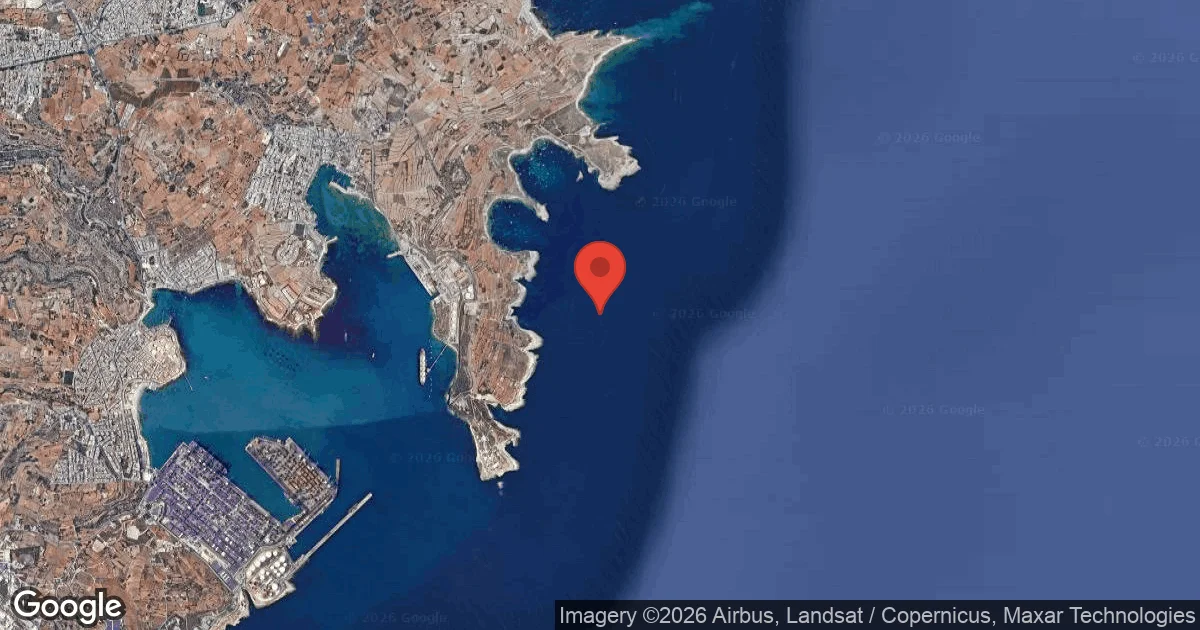
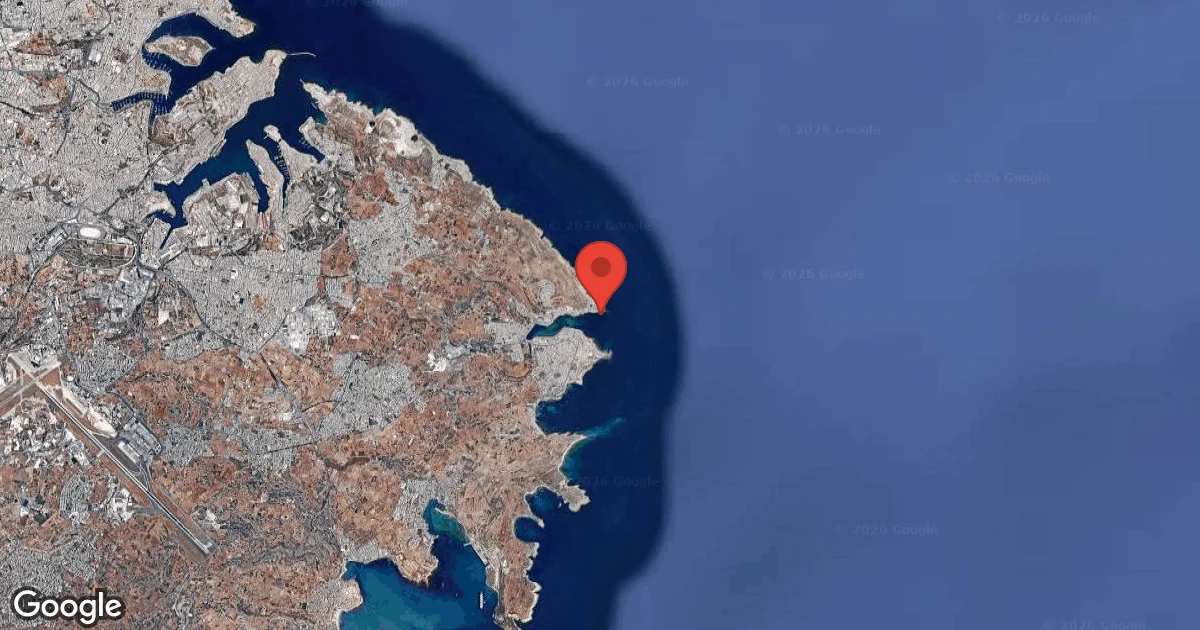
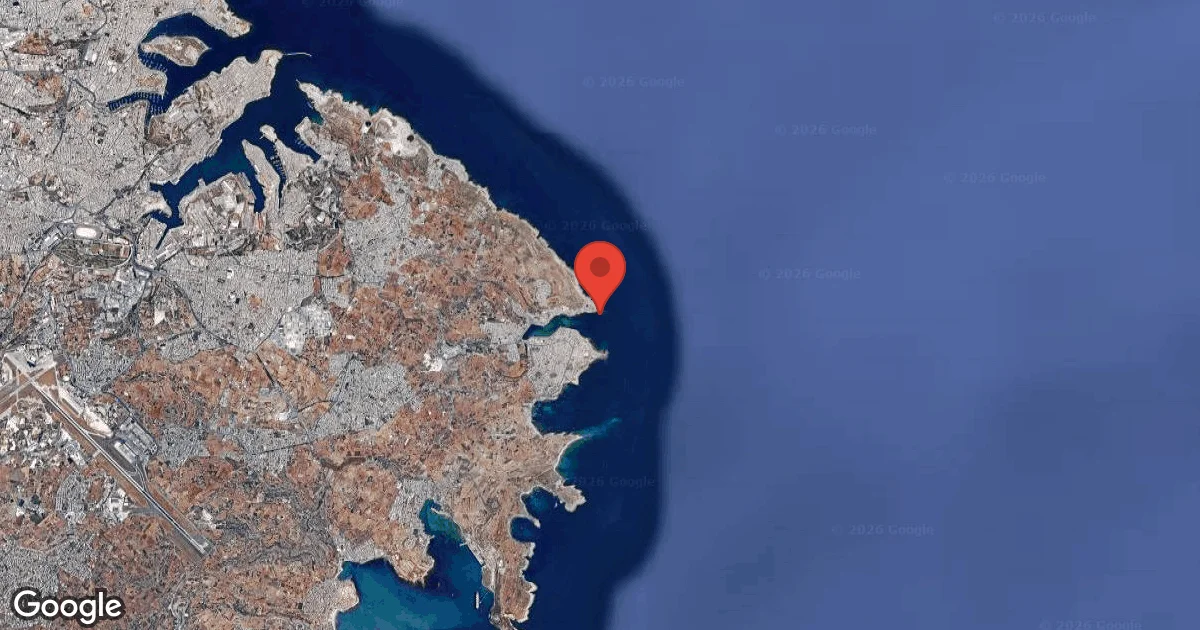
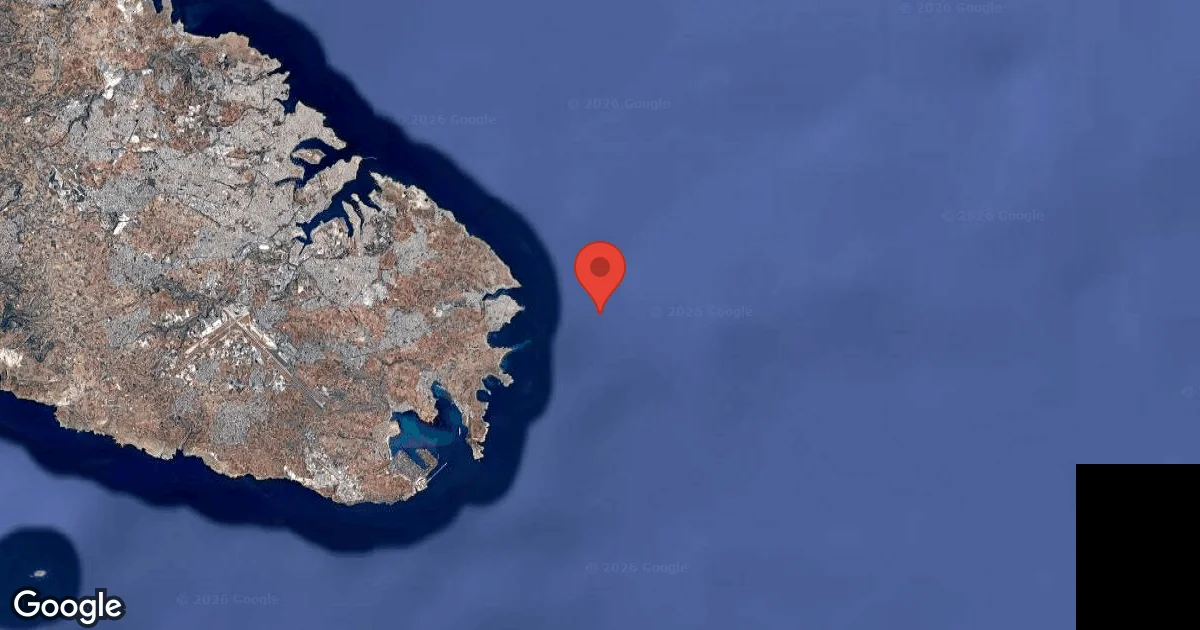
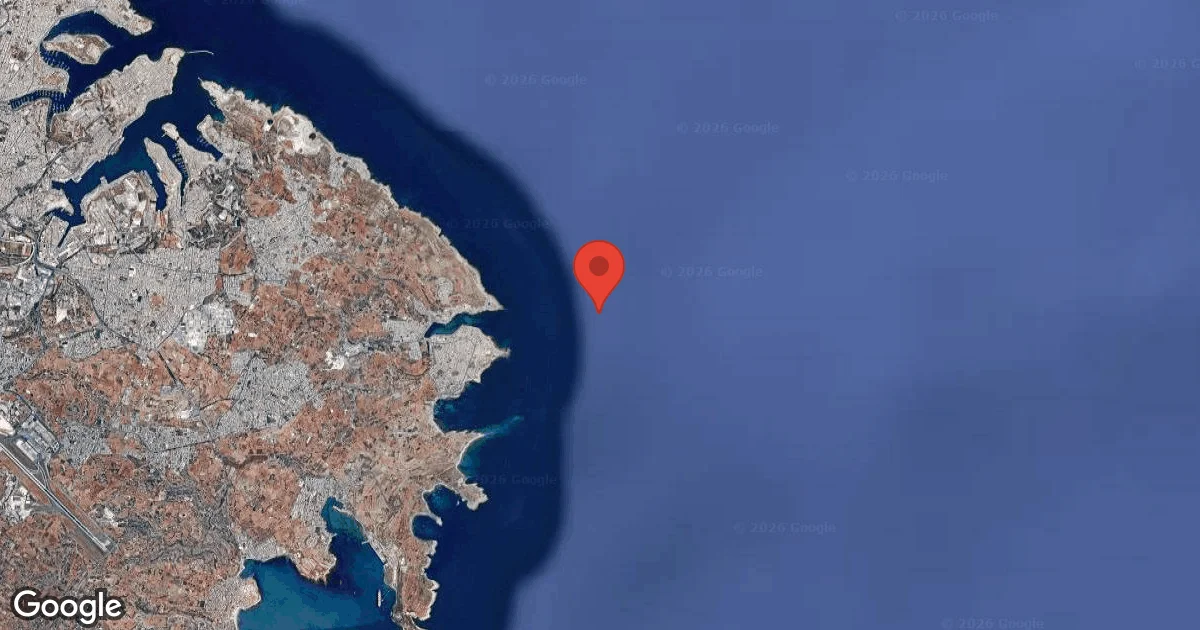
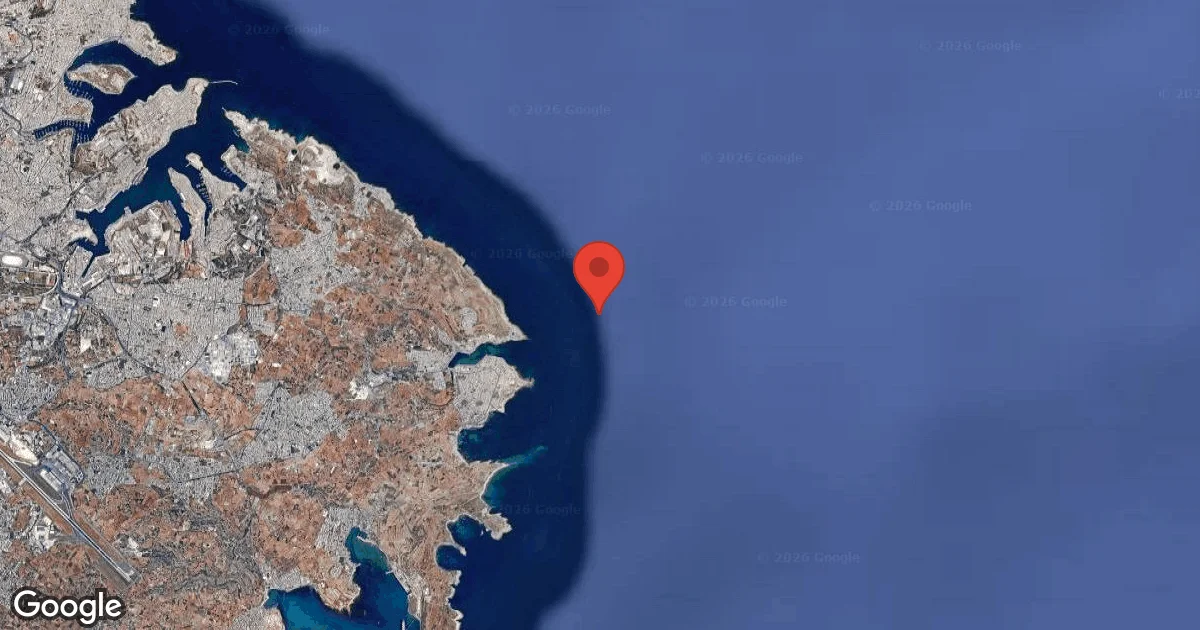
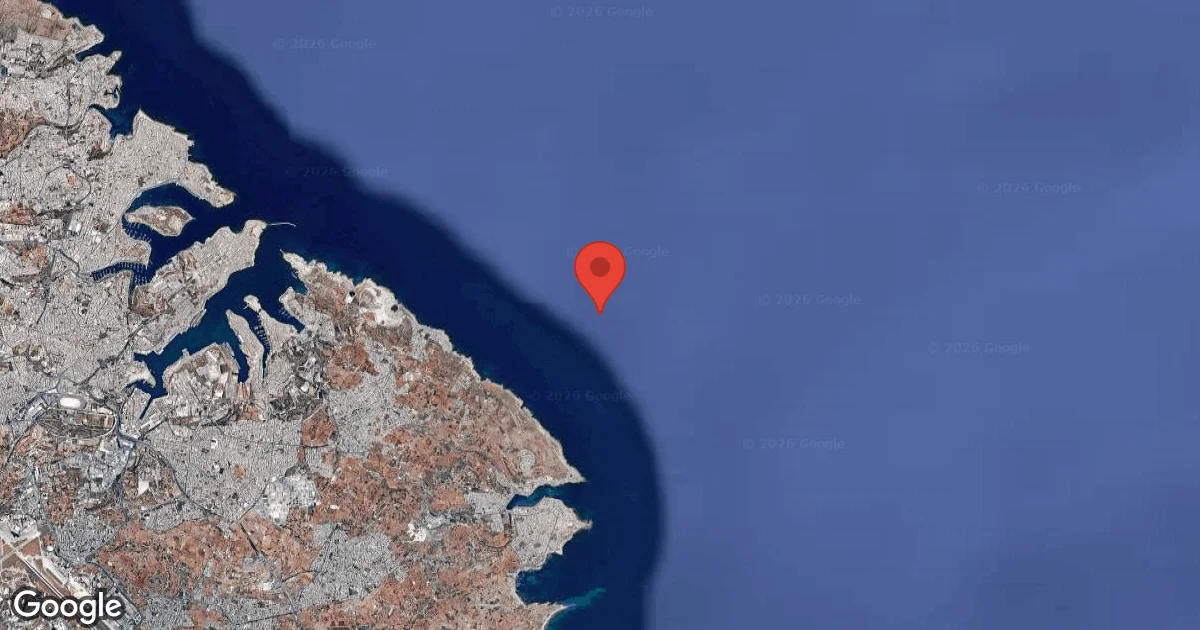
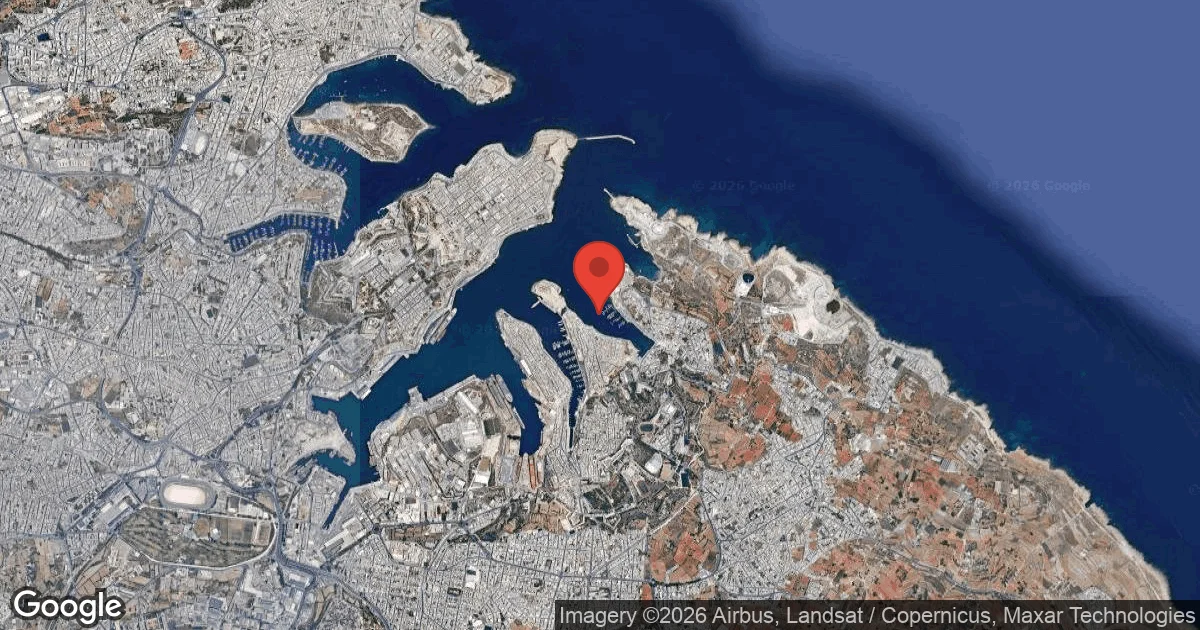
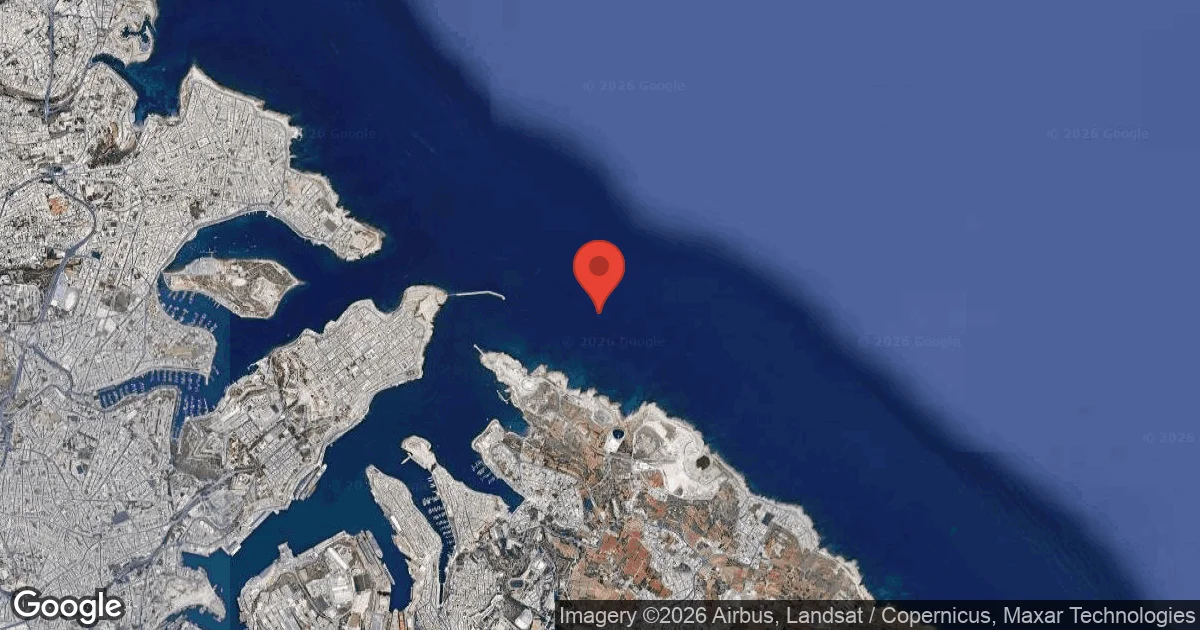
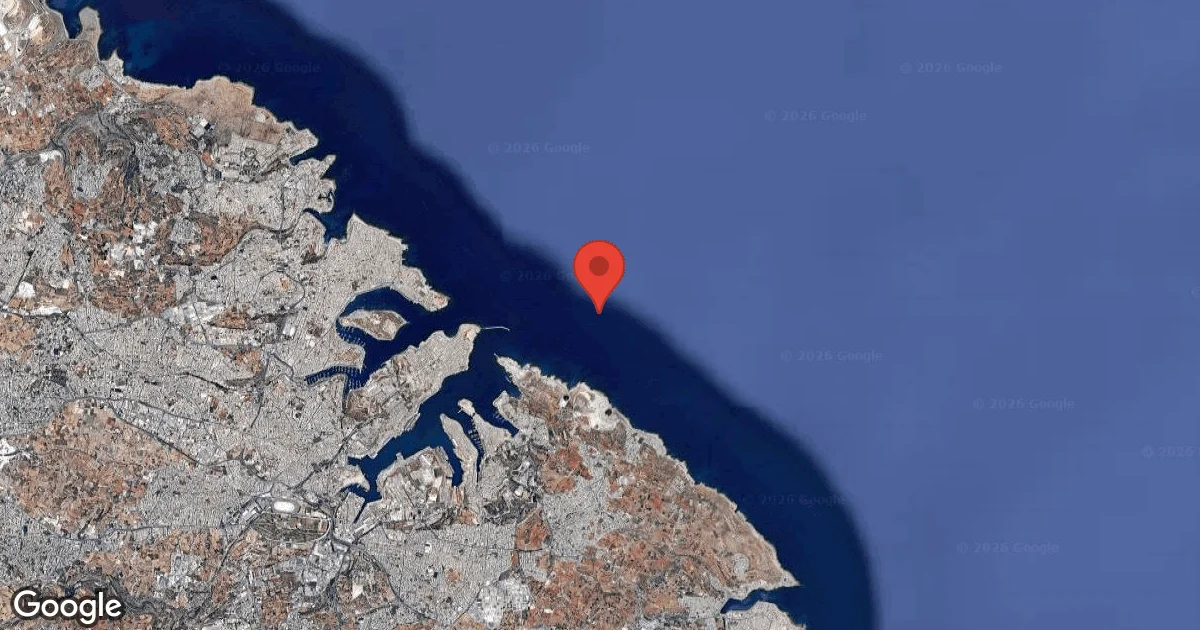
Today, the wreck rests upright on a sandy seabed at 42 m / 138 ft, around 500 m / 1640 ft off Xrobb l-Ghagin. Divers can explore its largely intact wings and radial engines, with the starboard engine still featuring a bent propeller. The fore section of the fuselage, however, separated on impact and lies a few meters away, mostly buried and inverted.
While some deterioration has occurred over the decades, the bomber's structure still offers a compelling underwater exploration for those qualified to reach its depths. Site combines historical intrigue with the natural evolution of an artificial reef.
Conditions are Good
07:00 - 14:00
Optimal conditions expected
Current conditions near Blenheim Bomber show 26° air, 29° sea temperature, 0.4 m waves, and 23 km/h wind. Forecast data is refreshed regularly to ensure accuracy.
Best Time to Dive
For the most rewarding experience at the Blenheim Bomber, planning your dive between April and November is generally recommended. During these months, conditions are typically more favorable for boat access and deep diving. Highest dive scores are observed from June through September, correlating with minimal rainfall (often 0-0.85 mm / 0-0.03 inches) and significantly reduced wave heights, averaging 0.7-0.9 m / 2.3-3.0 ft. Air temperatures during this period comfortably range from 25-29°C / 77-84°F, contributing to a more pleasant overall experience on the surface and during transit. While diving is possible outside this window, expect cooler air temperatures, higher winds, and potentially choppier seas, which could impact comfort and dive accessibility.
PEAK SEASON SCORE
Scores combine air & water temps, waves, wind & rainfall for overall conditions.
BEST MONTHS TO DIVE
Monthly records compiled from satellite and marine observation nodes over the last 3 years. Data provided by Open-Meteo and MET Norway.
Dive Experience & Conditions
Dynamic currents are a defining feature of the Blenheim Bomber dive, occasionally presenting a significant challenge. Divers must be prepared for these sometimes strong underwater movements, which can affect descent and ascent profiles. Visibility at the site can be excellent, frequently reaching up to 30 m / 100 ft, allowing clear views of the wreck and its surrounding sandy seabed. This provides ample opportunity to appreciate the bomber's detailed structure even from a distance. Lying at a maximum depth of 42 m / 138 ft, the dive requires careful attention to gas management and decompression limits. While specific water temperatures aren't consistently reported, Malta's Mediterranean waters generally offer comfortable diving conditions during peak seasons.
Dive Difficulty & Safety Guidelines
Prioritizing safety at the Blenheim Bomber means recognizing it's a deep boat dive tailored exclusively for experienced divers. Given its maximum depth of 42 m / 138 ft, proper deep diver certification and experience with extended bottom times are essential. Strong currents can develop quickly, requiring proficient buoyancy control and efficient finning techniques.
Always dive with a reliable guide familiar with the local conditions and wreck layout. Conservative dive planning, including appropriate gas mixtures and decompression procedures, is paramount.
Never attempt to penetrate the wreck due to its age and fragile state; observe from the exterior to minimize disturbance and ensure personal safety.
Recommended Equipment
Overhead / entanglement risk. Wreck penetration requires proper training.
- Dive Computer
- Primary & Backup Lights
- Wreck Reel
- Cutting Tool
This gear list is based on verified equipment signals for Blenheim Bomber, Malta. Always confirm final gear choices with your dive operator, guide, or liveaboard.
Recommended Dive Suit
Exposure protection is partly a personal preference.
2-3mm shorty or light wetsuit typically provides a reliable level of thermal protection for dives here. Weather models currently point toward consistent diving conditions over the next several days.
Water temperatures across the dive area at Blenheim Bomber are presently estimated to be around 29°C (83°F). Surface air temperatures are resting at 26°C (79°F).
Emergency & Medical Support
Essential information to help you plan your dive trip to Blenheim Bomber.

Hyperbaric chambers are a critical part of dive safety infrastructure. Availability varies significantly by region, and not all dive areas have immediate access.
Before diving, it's recommended to:
- confirm nearest medical facilities
- check emergency procedures with local dive operators
- ensure dive insurance covers evacuation if required
Divers Alert Network
Diving emergency assistance available through DAN Europe.
+39 0642115685- 24/7 emergency hotline
- Diving medical assistance
- Evacuation coordination
Emergency contacts are provided for reference. Always verify local emergency services before diving.
Closest Listed Hyperbaric Chambers
Showing listed hyperbaric chamber facilities within 200 km of this dive site.
Distances are approximate straight-line distances and may not reflect emergency travel time.
Hyperbaric Unit - Mater Dei Hospital
24/7 ListedICU CapableMsida, Malta•Approx. 10 km straight-line
Hyperbaric Unit - Mater Dei Hospital
24/7 ListedICU CapableInformation is provided for reference and planning purposes only. Dive Navigator does not verify operational status, staffing, availability, or quality of care at listed facilities. In an emergency, contact local emergency services, DAN, your dive operator, or the chamber directly. Do not travel to a facility without calling ahead.
Gozo
24/7 ListedICU CapableVictoria, Malta•Approx. 38 km straight-line
Gozo
24/7 ListedICU CapableInformation is provided for reference and planning purposes only. Dive Navigator does not verify operational status, staffing, availability, or quality of care at listed facilities. In an emergency, contact local emergency services, DAN, your dive operator, or the chamber directly. Do not travel to a facility without calling ahead.
Marine Life at Blenheim Bomber
Blenheim Bomber has transformed into a thriving substrate for various marine organisms, showcasing the resilience of underwater ecosystems. Divers often encounter beautiful soft corals and brightly colored sponges that now adorn the fuselage and wings, creating a vibrant contrast against the aged metal.
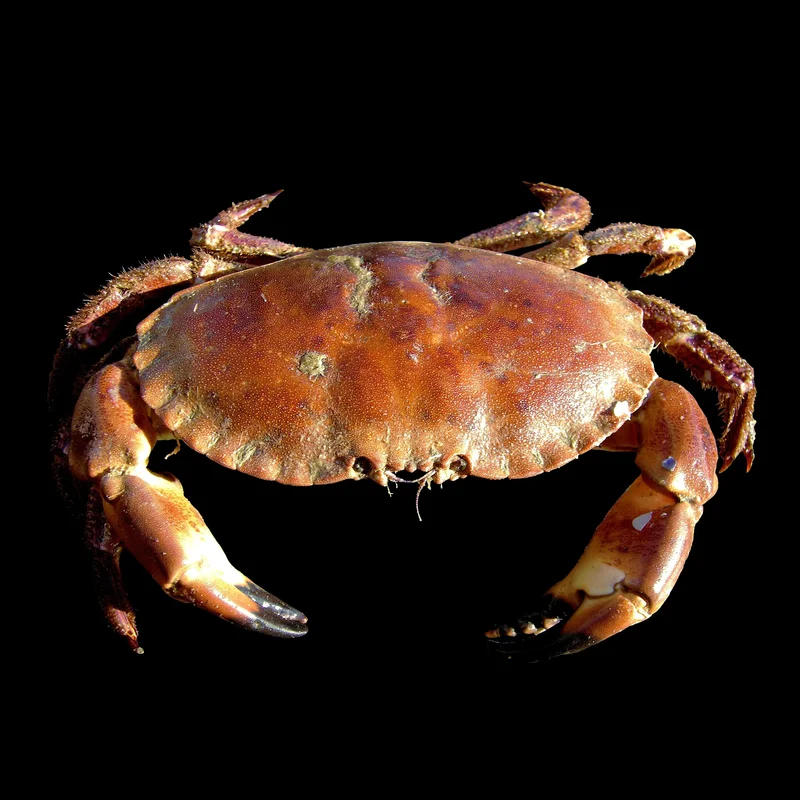
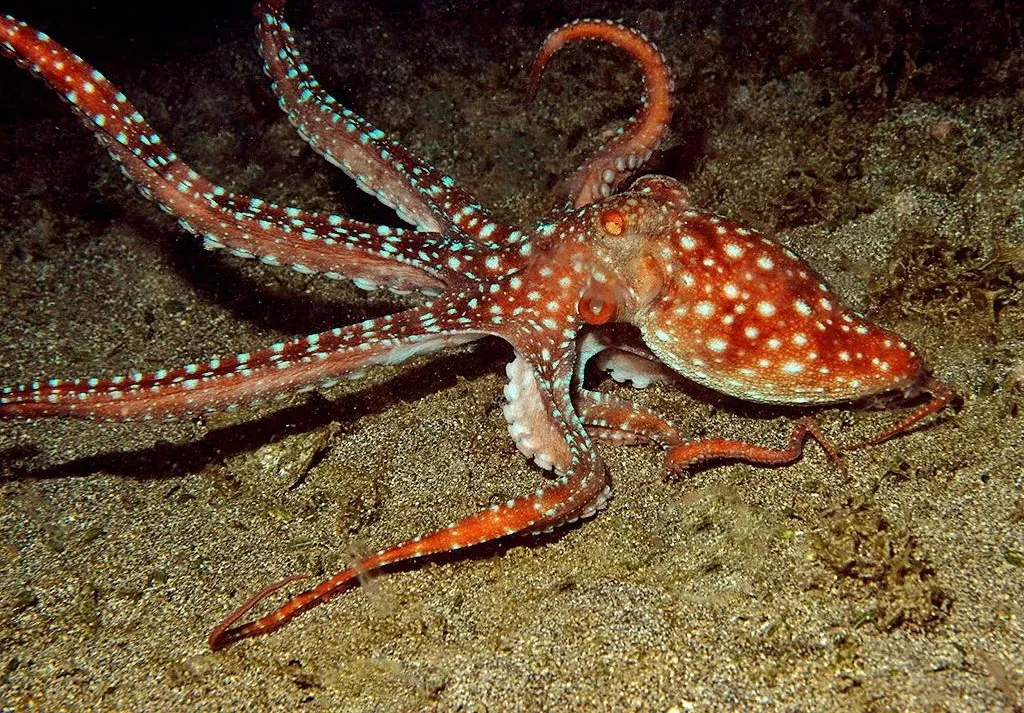
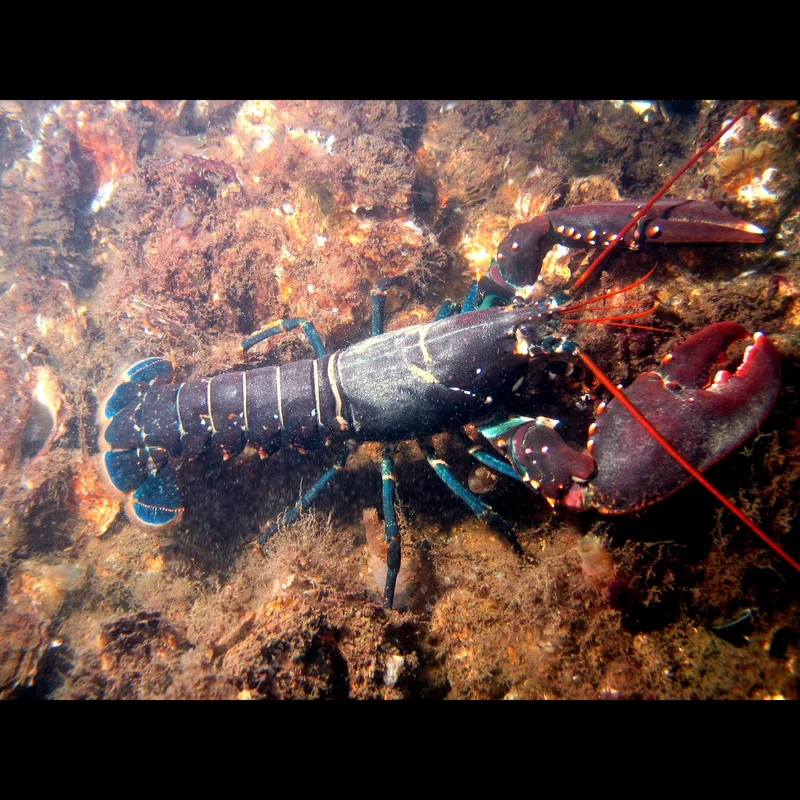
Look closely, and you might spot tube worms extending their feathery crowns, while crabs and lobsters frequently shelter within the wreck's nooks and crannies. Octopuses are also known to frequent the site, blending seamlessly with the structure as they hunt for prey.
Dive Sites Near Blenheim Bomber
View all dive sites in MaltaDiscover more underwater gems in this area.
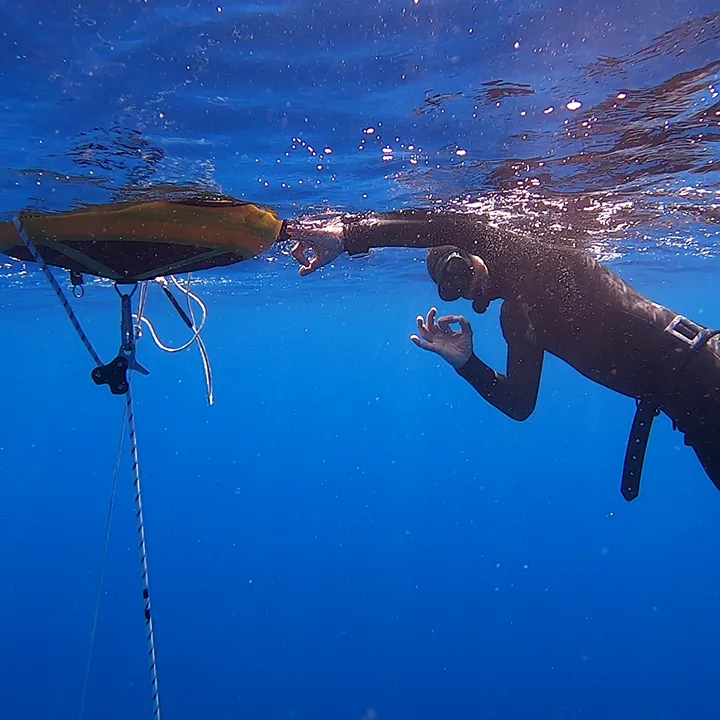
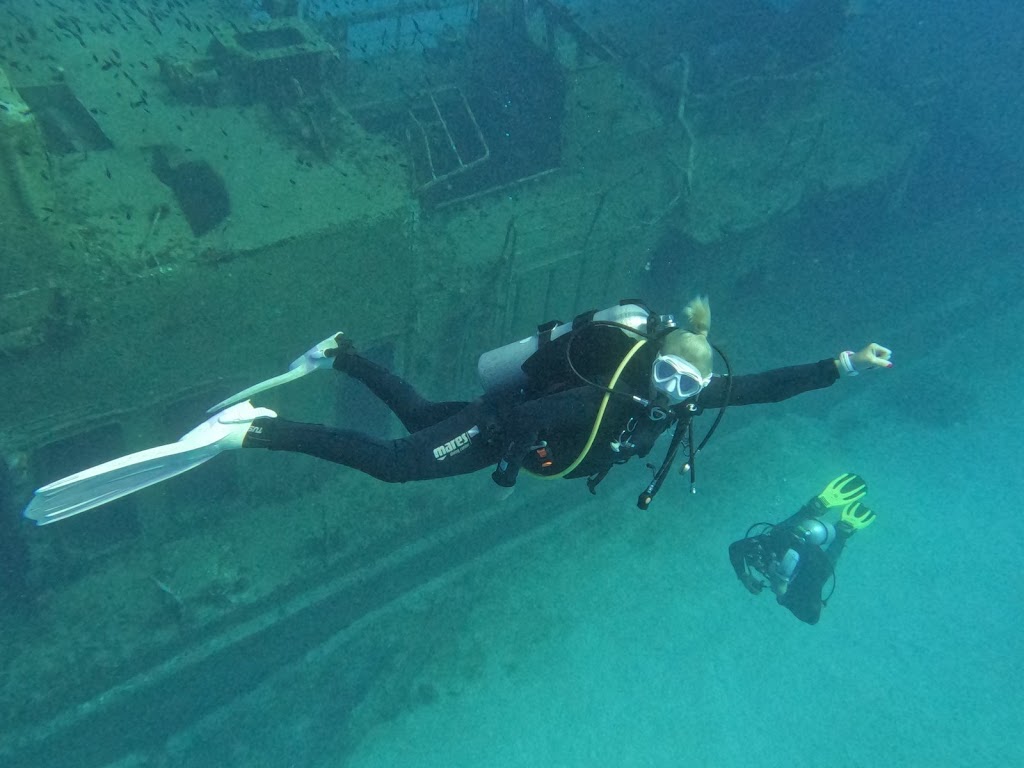
Dive Centers Near Blenheim Bomber
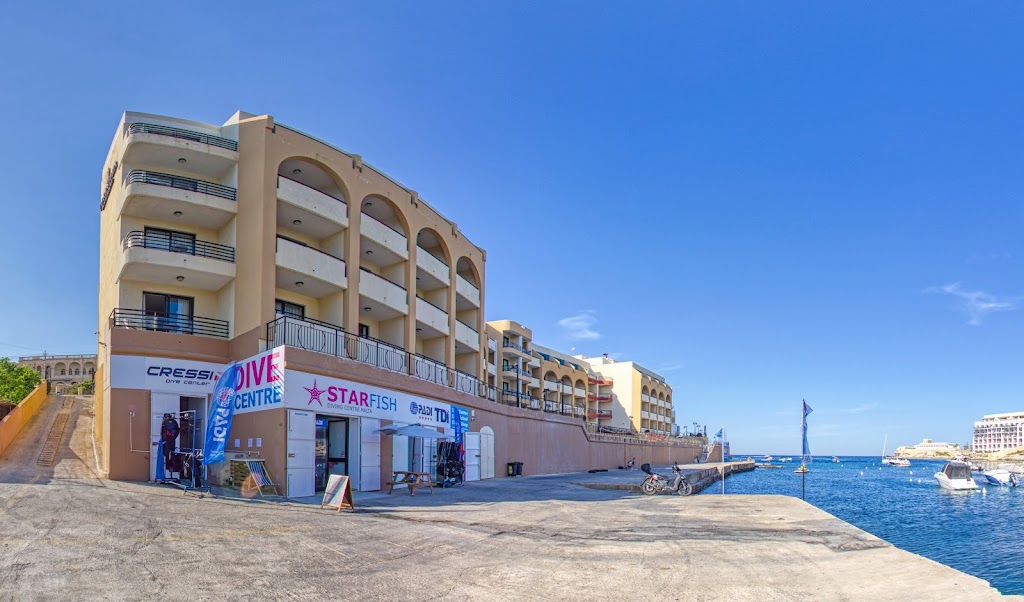
Today: 08:30 - 16:30

Nearest Airports
Nearest airports to help plan travel to this dive area.
Search Flights
Check available flights and routes on Expedia, using the nearby airports listed in this section.
Search Flights on ExpediaFrequently Asked Questions
What is the maximum depth of the Blenheim Bomber wreck?
The Blenheim Bomber lies at a maximum depth of 42 m / 138 ft. Its average depth is around 39 m / 128 ft, making it a deep dive site.
What diver qualification is needed for this site?
This dive is recommended for experienced or advanced certified divers due to its depth and the potential for strong currents. It requires proficiency in deep diving techniques and gas management.
Is the Blenheim Bomber accessible from shore?
No, the Blenheim Bomber is strictly a boat-only dive. It lies approximately 500 m / 1640 ft off Xrobb l-Ghagin on Malta's east coast.
What is the condition of the Blenheim Bomber wreck?
The bomber rests upright, with its wings and radial engines largely intact. The fore section of the fuselage separated upon impact and lies a few meters away, mostly buried and upside down.
What marine life inhabits the wreck?
The wreck hosts a variety of life including colorful soft corals and sponges. Divers may also spot tube worms, crabs, lobsters, and occasionally octopuses sheltering within its structure.
Are there strong currents at the Blenheim Bomber?
Yes, the site can experience strong currents at times. Divers should be prepared for these conditions, which can impact buoyancy and navigation.
What is the historical significance of this wreck?
The Blenheim Bomber is a World War II British aircraft that was ditched on December 13, 1941, after its port engine was damaged during an enemy attack. The crew survived the landing.
What is the typical visibility like at the site?
Visibility at the Blenheim Bomber can be very good, often extending up to 30 m / 100 ft. This allows for clear views of the wreck and its features.
Planning to dive Blenheim Bomber?
Send one inquiry and receive offers directly from the best verified local dive operators.
Conditions are Good
07:00 - 14:00
Optimal conditions expected
Current conditions near Blenheim Bomber show 26° air, 29° sea temperature, 0.4 m waves, and 23 km/h wind. Forecast data is refreshed regularly to ensure accuracy.