
Diving at Lockhead P2V Neptune Plane (Malta)
The Lockhead P2V Neptune wreck near Bahar ic-Caghaq presents an intriguing challenge for advanced divers. This boat-only dive offers a distinct opportunity to explore a historical aircraft scuttled for a 1958 movie, now resting within a recreational depth range. Its exposed location in the open sea means currents and swell can vary, adding to the dive's demands. Successfully navigating these conditions requires experience.
As evening covers Lockhead P2V Neptune Plane, the local air temperature is measured at 24.5°C. The current wave height at the surface is recorded at 0.3 m. These late-day readings characterize the surface conditions for the night.
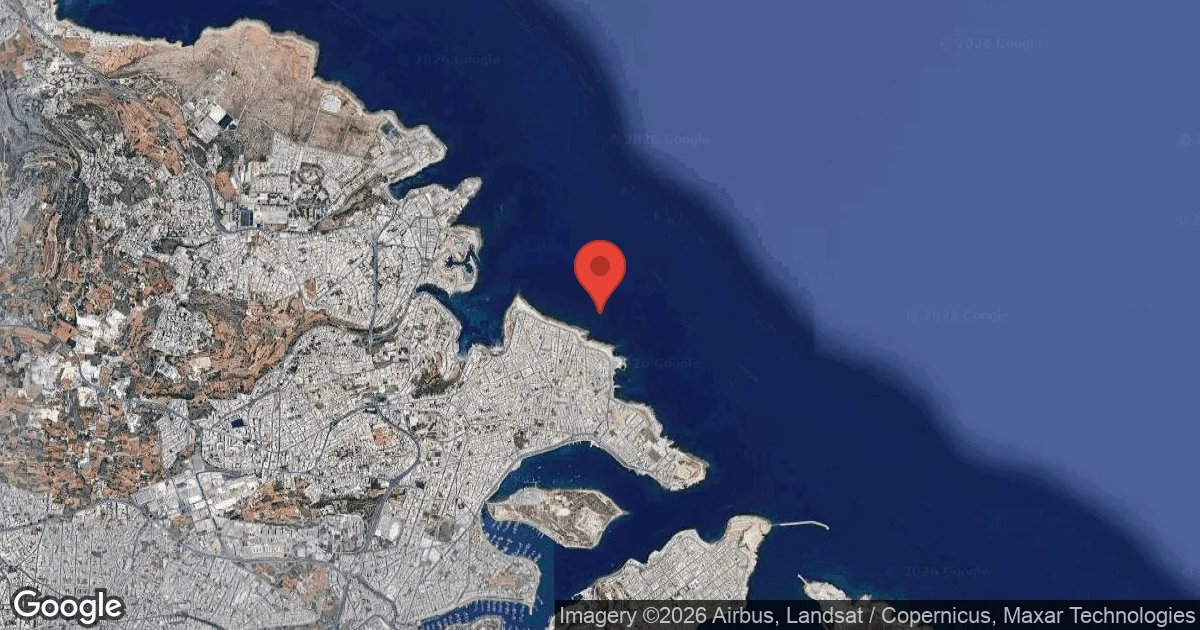
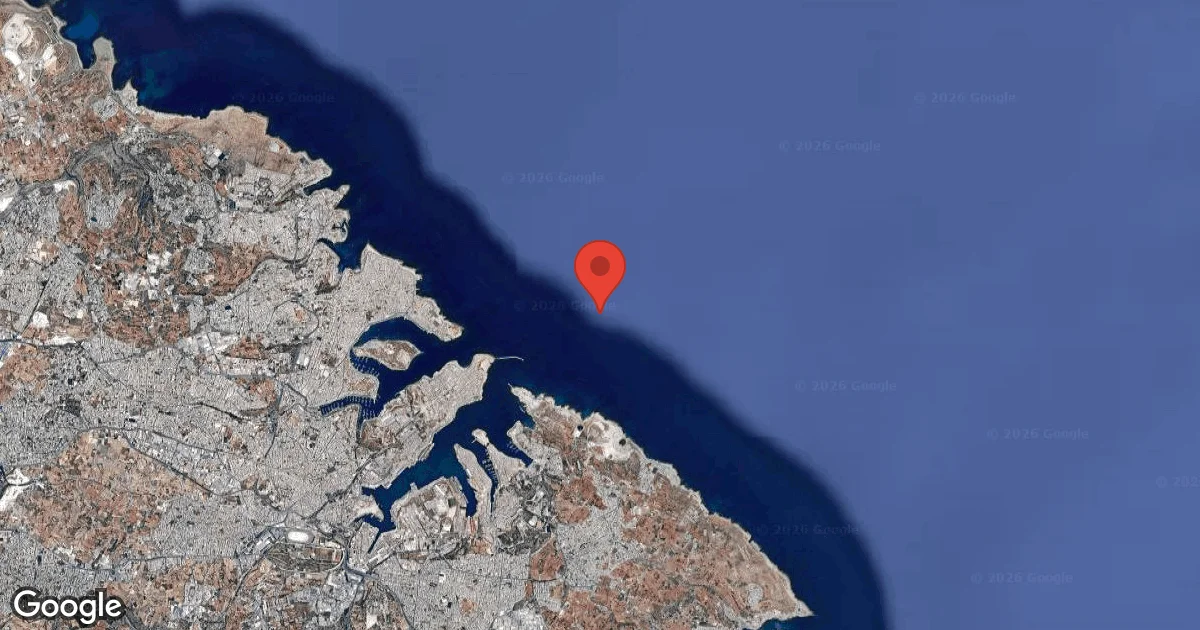
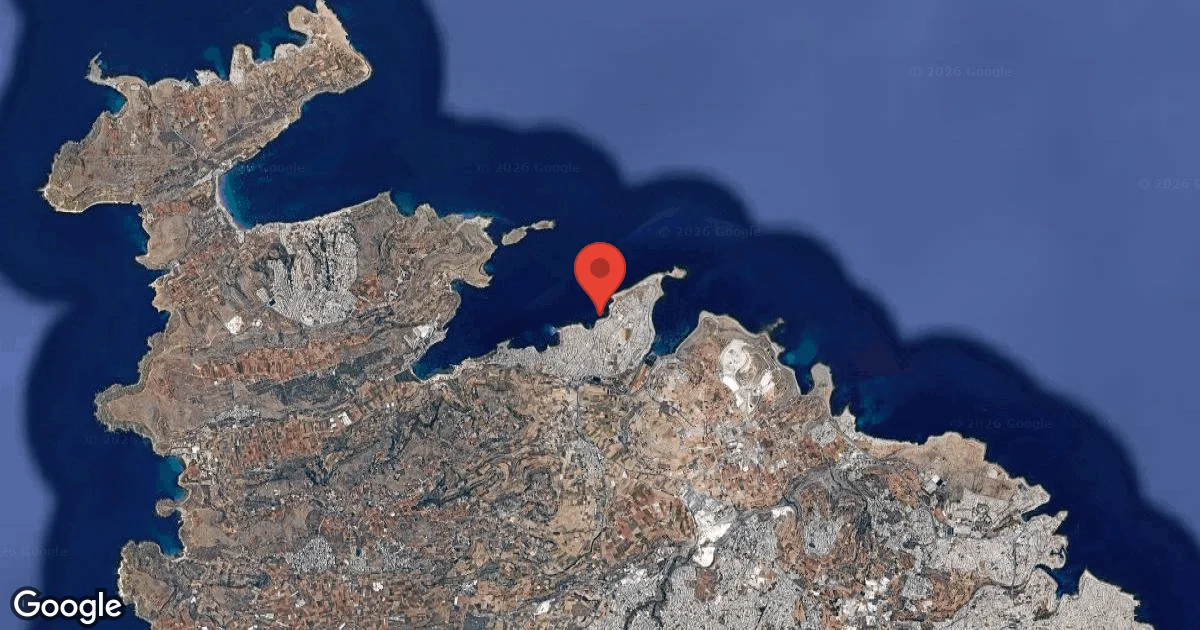
Dive Site Location & Key Facts
Dive Site Overview
A U.S. built maritime patrol aircraft, the Lockhead P2V Neptune now rests off Malta's north-east coast with a compelling history. Royal Air Force Neptune MR.1 (serial WX547) sustained irreparable damage during a routine landing at Luqa airport in January 1956.
Following the removal of salvageable parts, the plane was intentionally scuttled in the late 1950s. Its submergence served as a deliberate act for underwater scenes featured in 'The Silent Enemy' movie, released in 1958. Rediscovered in 2015, the wreck lies approximately 500 metres offshore Bahar ic-Caghaq, appealing to advanced divers.
Resting at a depth of 30-32 m (100-105 ft) on a seabed composed of fine sand and extensive Posidonia seagrass, the aircraft primarily consists of its middle fuselage section. This section is notably stripped of major internal components, revealing a skeletal structure.
Substantial wing sections are still visible, though some parts lie half-buried in the sand, with other wing pieces found scattered at some distance from the main wreckage. Accessible exclusively by boat, exploring this airplane wreck presents a distinct challenge suitable for certified advanced divers.
Conditions are Good
Optimal conditions expected
Current conditions near Lockhead P2V Neptune Plane show 25° air, 28° sea temperature, 0.3 m waves, and 18 km/h wind. Forecast data is refreshed regularly to ensure accuracy.
Best Time to Dive
Visibility is a primary consideration when planning a dive to the Lockhead P2V Neptune, often ranging between 20-40 meters, with an average of 30 meters. The best conditions for maximizing underwater clarity and overall dive comfort typically occur from June through October. During these months, wave heights are generally lower, which minimizes sediment disturbance. Air temperatures are consistently warmer in this period, ranging from 24.5°C (76°F) in June to 23°C (73°F) in October. Rainfall is also significantly reduced, with July and August recording minimal precipitation (0.002 mm and 0.13 mm respectively), contributing to clearer waters. Conversely, winter months, particularly January and February, see higher average wave heights (1.7 m and 1.5 m) and increased rainfall (2.24 mm and 1.76 mm), which can affect both underwater visibility and surface conditions. Diving during spring and late autumn can also offer good conditions, with air temperatures progressively warming up or cooling down, and moderate wave heights.
PEAK SEASON SCORE
Scores combine air & water temps, waves, wind & rainfall for overall conditions.
BEST MONTHS TO DIVE
Monthly records compiled from satellite and marine observation nodes over the last 3 years. Data provided by Open-Meteo and MET Norway.
Dive Experience & Conditions
Accessing the Lockhead P2V Neptune demands a boat dive, as it lies about 500 metres offshore in open sea. Divers typically descend via a shot line or anchor line to the wreck, finding the main section of the aircraft fuselage resting at a maximum depth of 32 m (105 ft). What remains includes part of the fuselage and significant portions of the wings; some parts are separated or partially buried in the sand and Posidonia seagrass. Currents at the site are frequently reported as medium to strong and can be quite variable, necessitating good buoyancy control and navigation skills. While not extensive, the wreck itself provides a compelling experience to explore the remaining structure, including wing stubs and engine covers. Surrounding reef structures can also be explored, adding to the dive. The depth and potential for challenging currents mean this site is specifically suited for advanced divers.
Dive Difficulty & Safety Guidelines
Diving this open sea wreck, the Lockhead P2V Neptune, requires careful attention to environmental conditions. Current, swell, and waves can be significant and variable; divers must assess these factors before and during the dive. A thorough briefing on entry and exit procedures is essential due to the boat-only access.
Given the maximum depth of 32 m (105 ft), this site is suitable for advanced divers only. Divers should maintain excellent buoyancy control to avoid disturbing the sandy and seagrass seabed, which could reduce visibility for others.
While the wreck is mostly an external exploration, any internal penetration should be avoided due to the compromised structural integrity of the fuselage. Always dive with a reliable buddy and carry appropriate safety equipment, including a surface marker buoy (SMB) for open water ascents.
Recommended Equipment
Overhead / entanglement risk. Wreck penetration requires proper training.
- Dive Computer
- Primary & Backup Lights
- Wreck Reel
- Cutting Tool
This gear list is based on verified equipment signals for Lockhead P2V Neptune Plane, Malta. Always confirm final gear choices with your dive operator, guide, or liveaboard.
Recommended Dive Suit
Divers visiting Lockhead P2V Neptune Plane today can expect water conditions around 28°C (83°F). Surface air temperatures are resting at 25°C (76°F).
For the majority of recreational dives here, 2-3mm shorty or light wetsuit should provide suitable protection.
Surface conditions are expected to warm up slightly in the coming days. A warming trend is expected over the next few days.
Emergency & Medical Support
Essential information to help you plan your dive trip to Lockhead P2V Neptune Plane.

Hyperbaric chambers are a critical part of dive safety infrastructure. Availability varies significantly by region, and not all dive areas have immediate access.
Before diving, it's recommended to:
- confirm nearest medical facilities
- check emergency procedures with local dive operators
- ensure dive insurance covers evacuation if required
Divers Alert Network
Diving emergency assistance available through DAN Europe.
+39 0642115685- 24/7 emergency hotline
- Diving medical assistance
- Evacuation coordination
Emergency contacts are provided for reference. Always verify local emergency services before diving.
Closest Listed Hyperbaric Chambers
Showing listed hyperbaric chamber facilities within 200 km of this dive site.
Distances are approximate straight-line distances and may not reflect emergency travel time.
Hyperbaric Unit - Mater Dei Hospital
24/7 ListedICU CapableMsida, Malta•Approx. 7 km straight-line
Hyperbaric Unit - Mater Dei Hospital
24/7 ListedICU CapableInformation is provided for reference and planning purposes only. Dive Navigator does not verify operational status, staffing, availability, or quality of care at listed facilities. In an emergency, contact local emergency services, DAN, your dive operator, or the chamber directly. Do not travel to a facility without calling ahead.
Gozo
24/7 ListedICU CapableVictoria, Malta•Approx. 23 km straight-line
Gozo
24/7 ListedICU CapableInformation is provided for reference and planning purposes only. Dive Navigator does not verify operational status, staffing, availability, or quality of care at listed facilities. In an emergency, contact local emergency services, DAN, your dive operator, or the chamber directly. Do not travel to a facility without calling ahead.
Marine Life at Lockhead P2V Neptune Plane
Approaching the Lockhead P2V Neptune wreck, divers may first observe the initial signs of marine growth colonizing the aircraft's structure. While specific marine life details are not consistently reported for this particular wreck, general Mediterranean reef and wreck inhabitants are expected.
Surrounding Posidonia seagrass meadows are vital ecosystems, likely sheltering smaller invertebrates and juvenile fish. Providing shelter and a hard substrate in an otherwise sandy expanse, the wreck attracts a localized community of marine organisms.
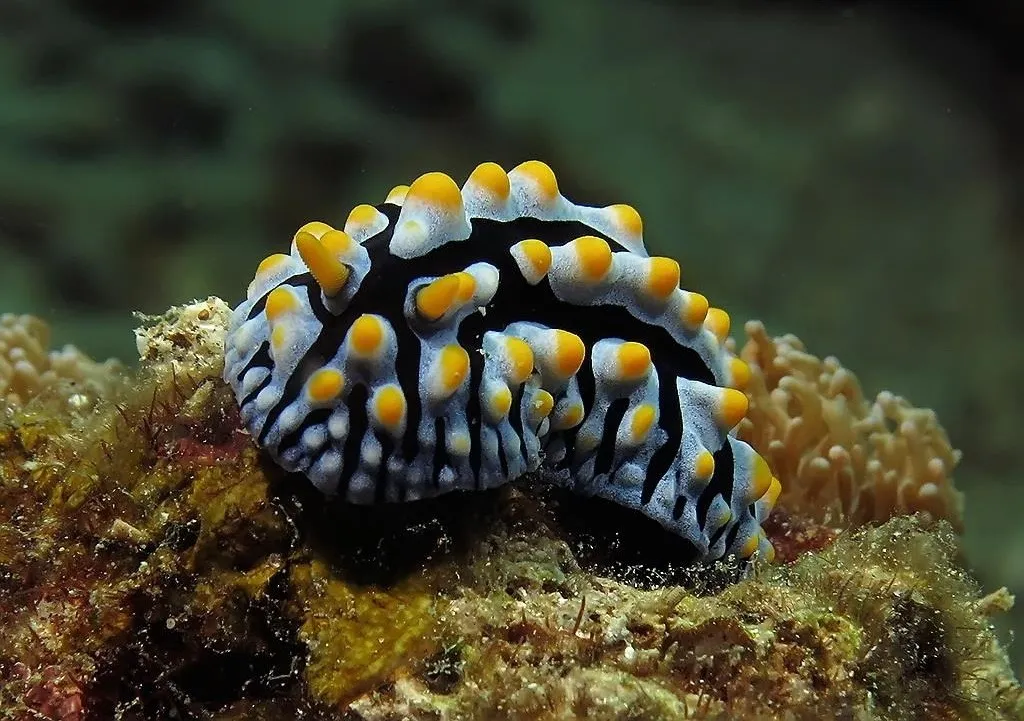
Common sightings in Malta's waters around wrecks can include various species of schooling fish, nudibranchs, and occasional larger pelagic visitors in the open water environment.

Dive Sites Near Lockhead P2V Neptune Plane
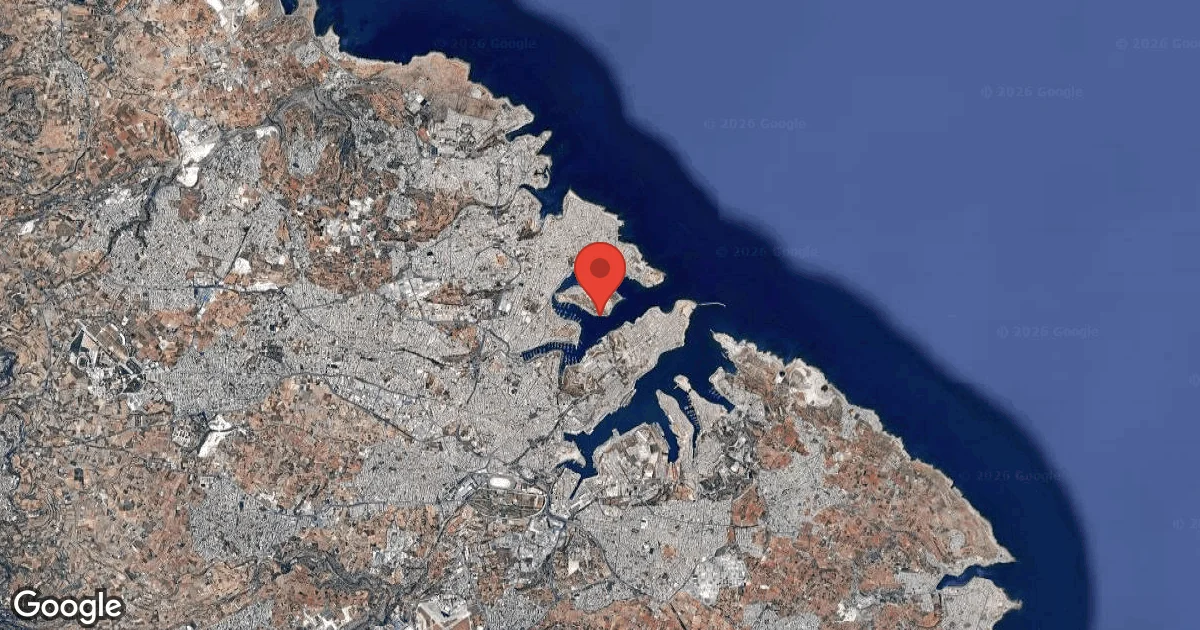
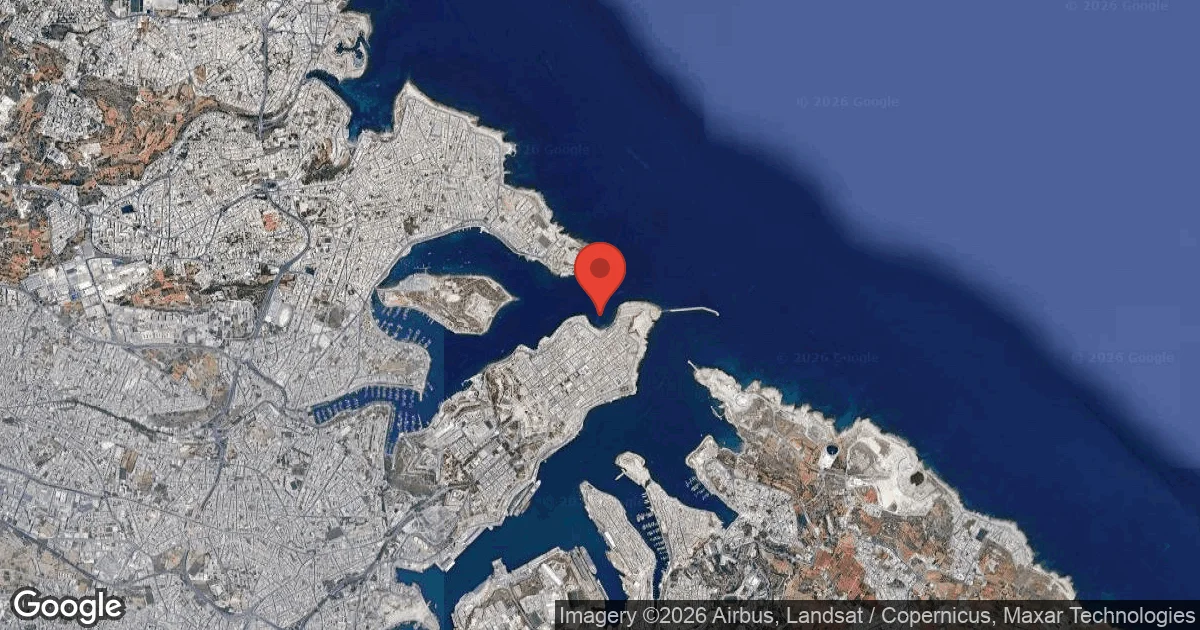
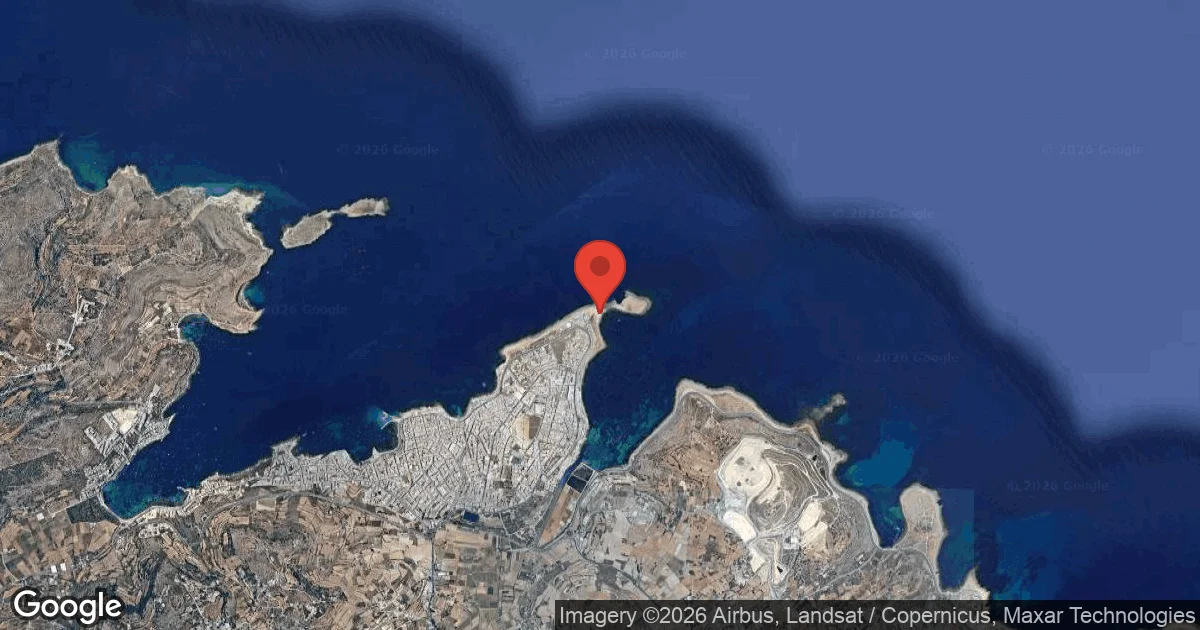
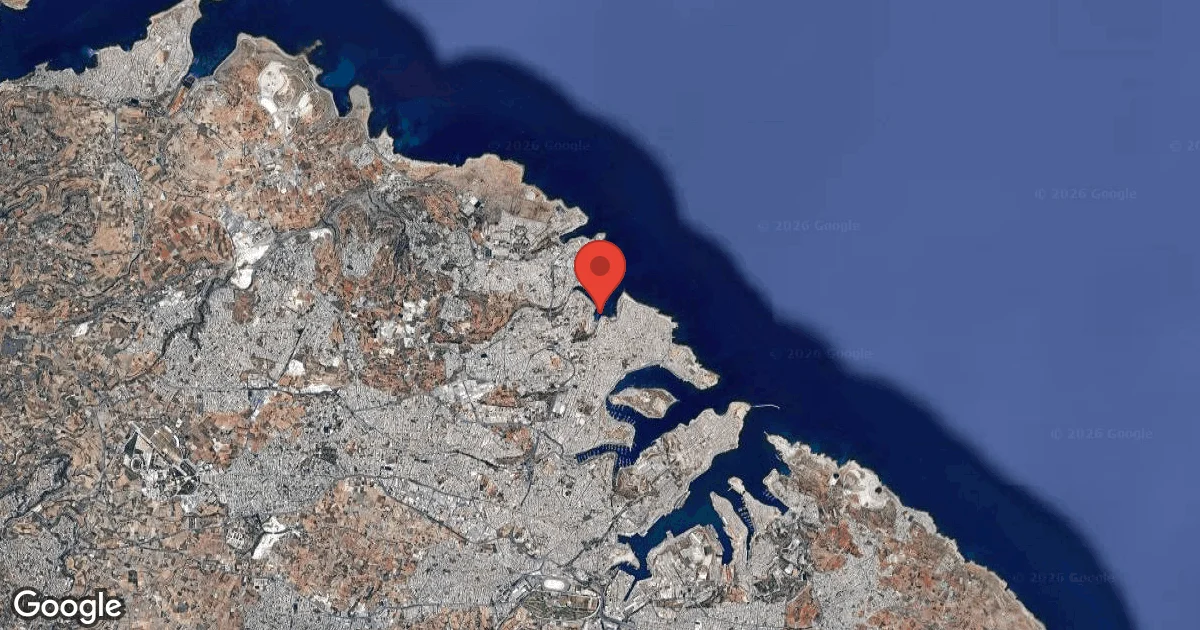
View all dive sites in MaltaDiscover more underwater gems in this area.
Dive Centers Near Lockhead P2V Neptune Plane
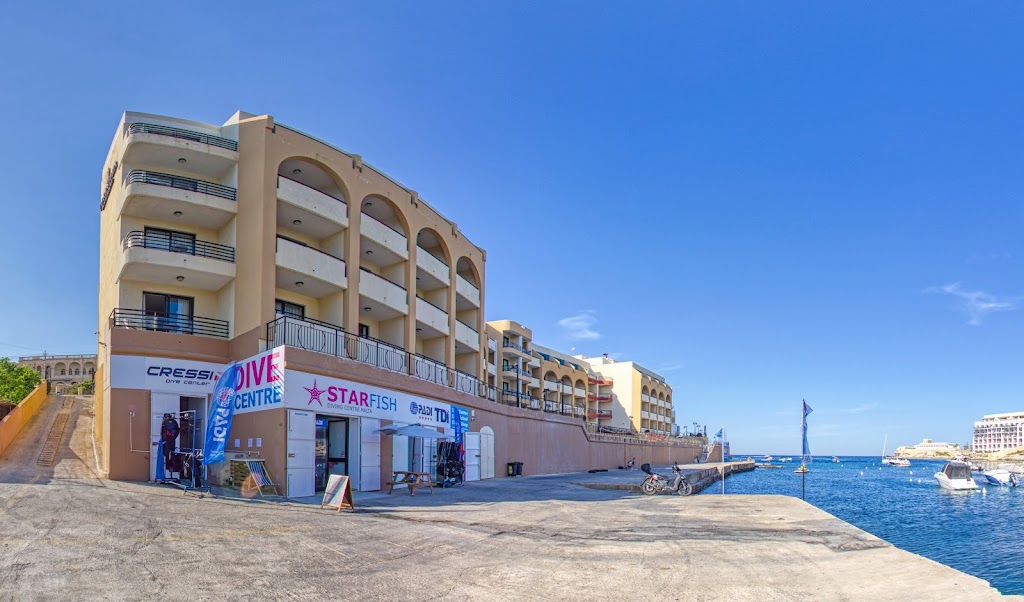
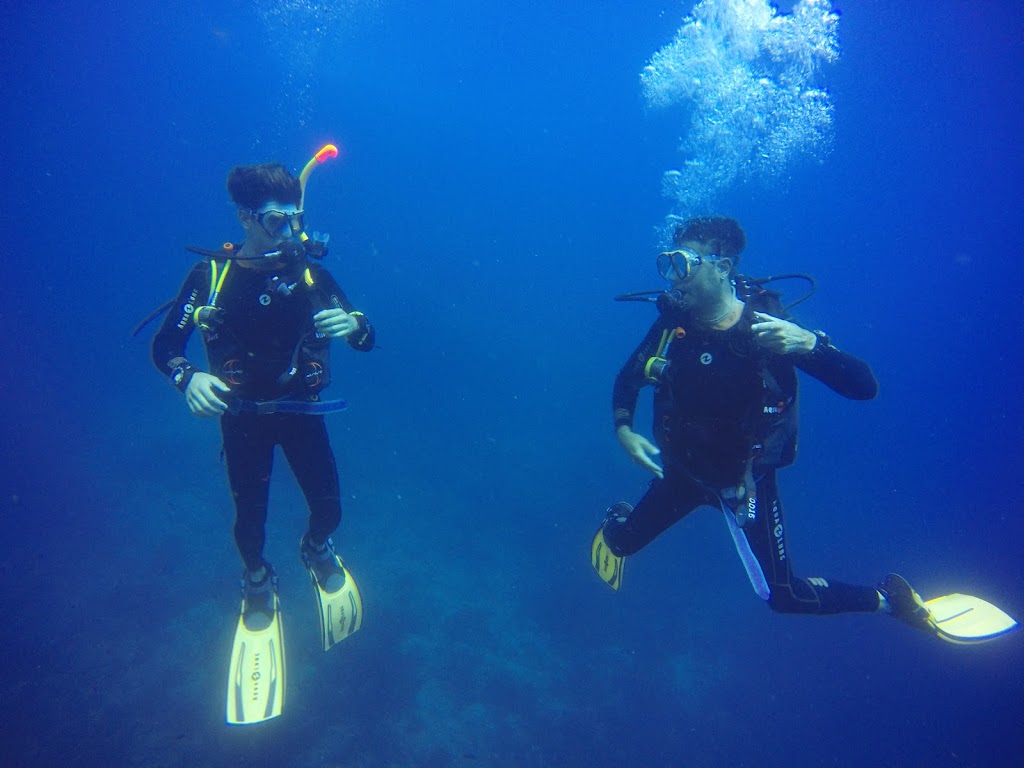
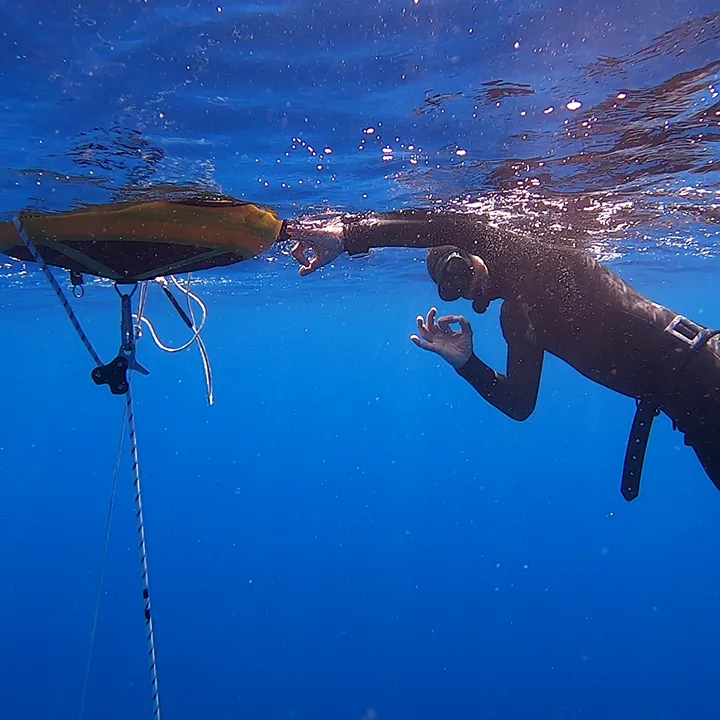
Today: 08:00 - 17:00
Nearest Airports
Nearest airports to help plan travel to this dive area.
Search Flights
Check available flights and routes on Expedia, using the nearby airports listed in this section.
Search Flights on ExpediaFrequently Asked Questions
What is the depth of the Lockheed P2V Neptune wreck?
The wreck reaches a maximum depth of 32 meters (105 ft). Its main section typically rests around 30 meters on a seabed of sand and Posidonia seagrass.
What type of dive is it?
It's primarily a boat dive focused on wreck exploration. Its open sea location, combined with potential currents, makes it suitable for advanced divers.
What condition is the plane wreck in?
Consisting of part of the fuselage and substantial wing sections, the wreck lacks major internal components. Some wing parts are partially buried in sand or separated from the main frame.
Was this plane involved in a crash?
Damaged beyond repair during a routine landing at Luqa airport in 1956, the aircraft was later scuttled for use in the 1958 movie 'The Silent Enemy'.
Is shore access available for this dive?
Located approximately 500 meters offshore, the Lockheed P2V Neptune wreck is accessible by boat only. Divers typically descend via a shot or anchor line.
What kind of currents can be expected?
Currents at the site are often reported as medium to strong and can be variable, requiring divers to be proficient in managing such conditions.
What is the typical visibility at the wreck?
Visibility can range between 20 to 40 meters, with an average of 30 meters. Conditions depend on recent weather and sea state, with clearer waters often found in summer.
What is the minimum certification required?
Due to its depth and the potential for strong currents, this dive site is recommended for advanced certified divers with experience in open water conditions.
Planning to dive Lockhead P2V Neptune Plane?
Send one inquiry and receive offers directly from the best verified local dive operators.
Conditions are Good
Optimal conditions expected
Current conditions near Lockhead P2V Neptune Plane show 25° air, 28° sea temperature, 0.3 m waves, and 18 km/h wind. Forecast data is refreshed regularly to ensure accuracy.