
Diving at Mosquito Fighter Bomber (Malta)
The Mosquito Fighter Bomber wreck presents as a scattered historical remnant, lying upside down on a sandy seabed off Malta's east coast. Visibility often allows a clear view of its substantial engines and twisted metal frame upon approach. At its maximum depth of 42 m (138 ft), the site offers a poignant glimpse into wartime aviation history.
As evening covers Mosquito Fighter Bomber, the local air temperature is measured at 25.5°C. The current wave height at the surface is recorded at 0.4 m. These late-day readings characterize the surface conditions for the night.
Dive Site Location & Key Facts
Dive Site Overview
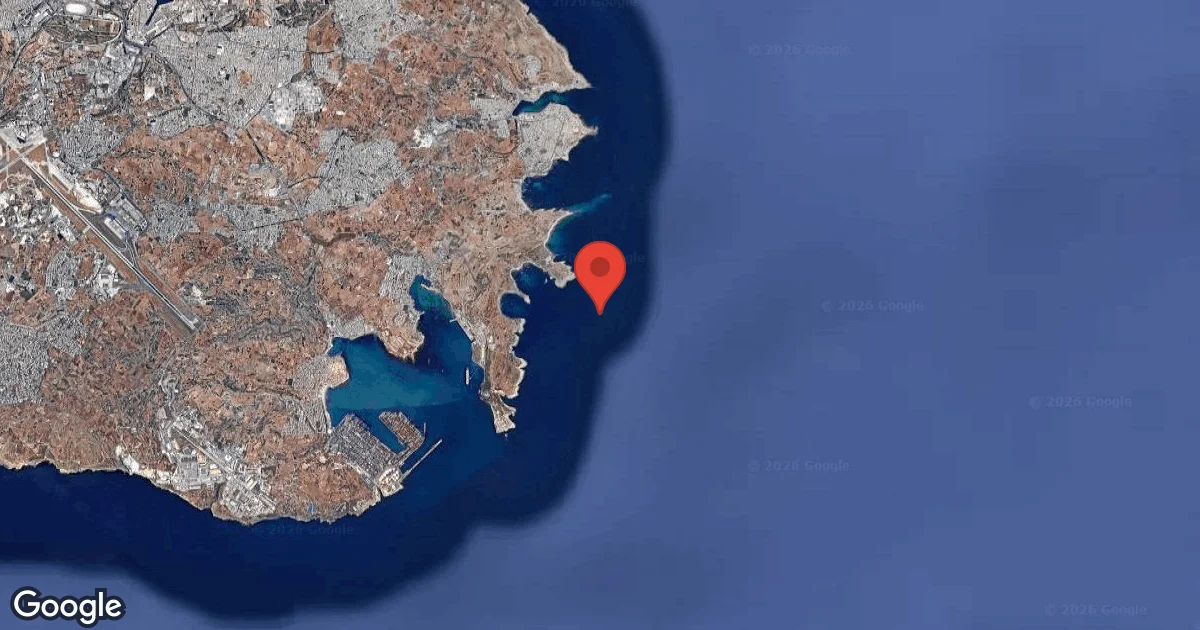
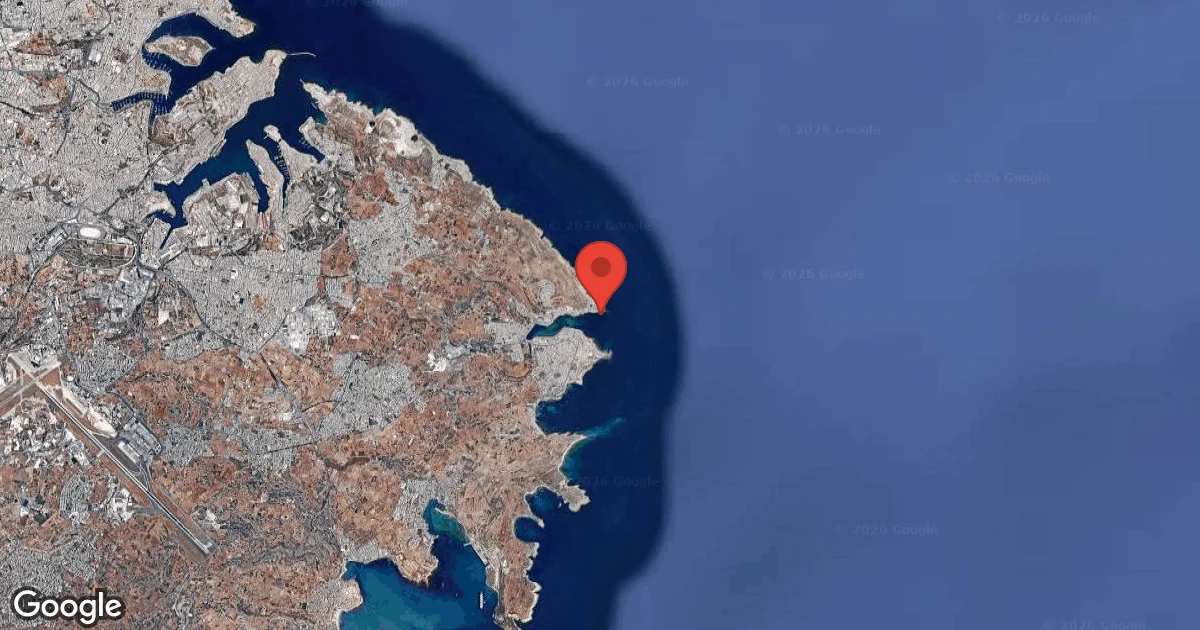
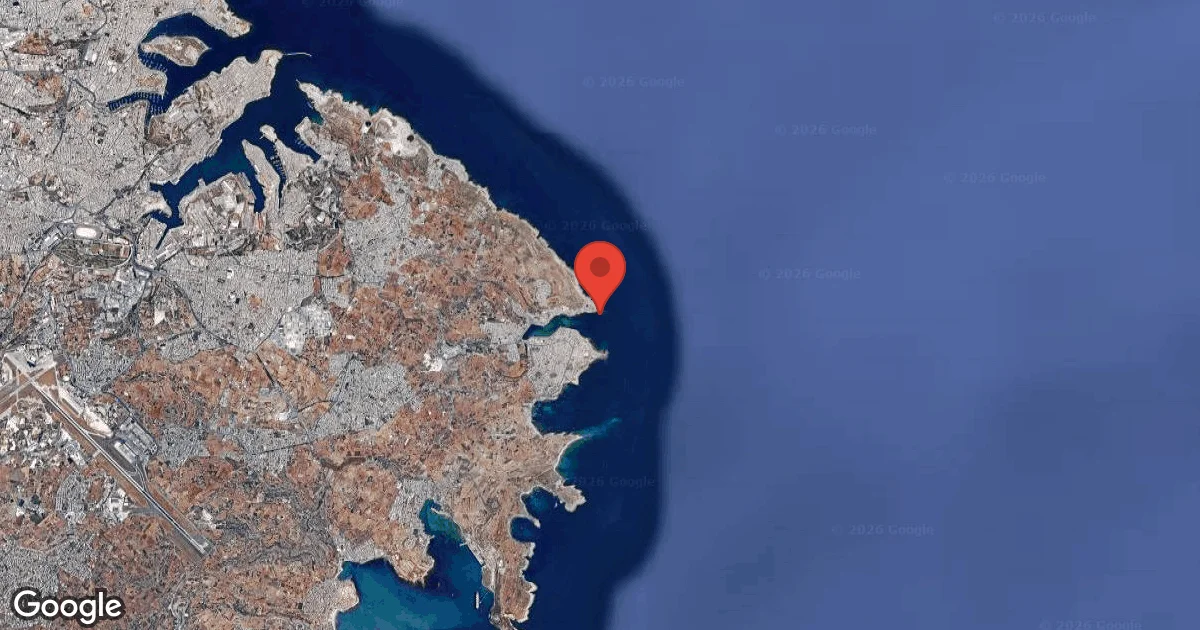
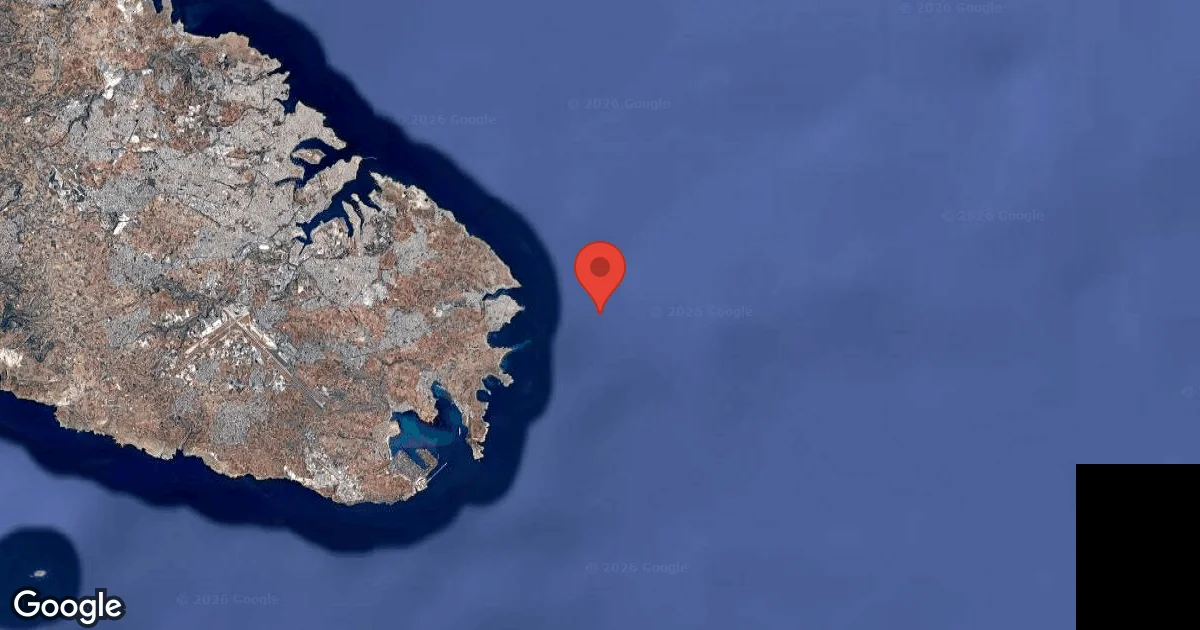
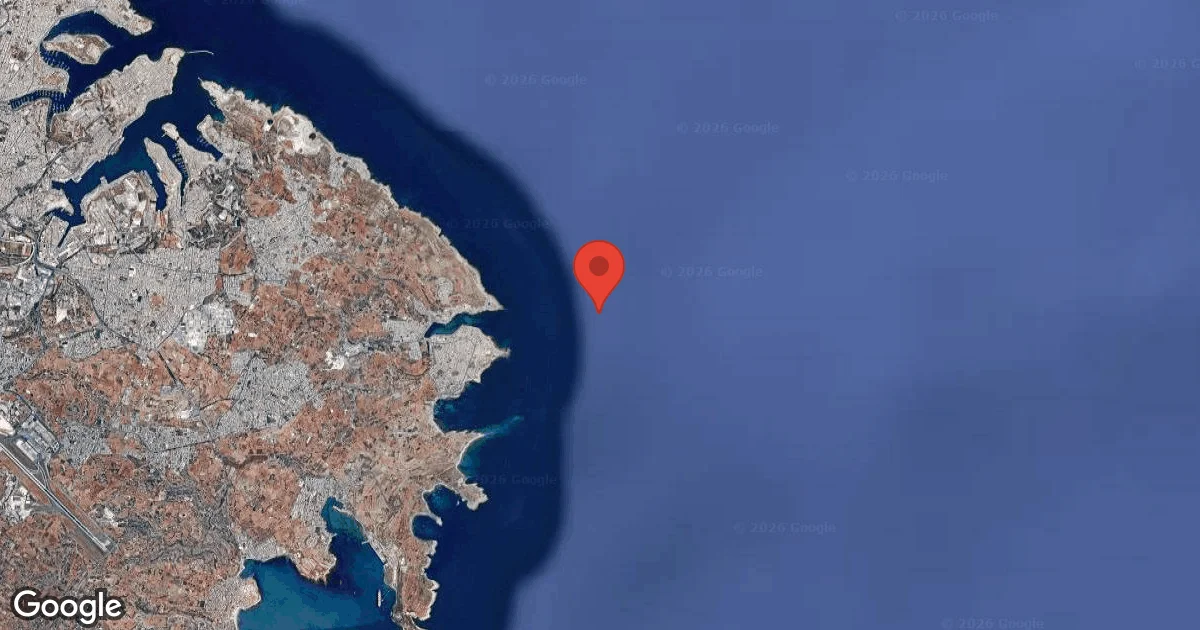
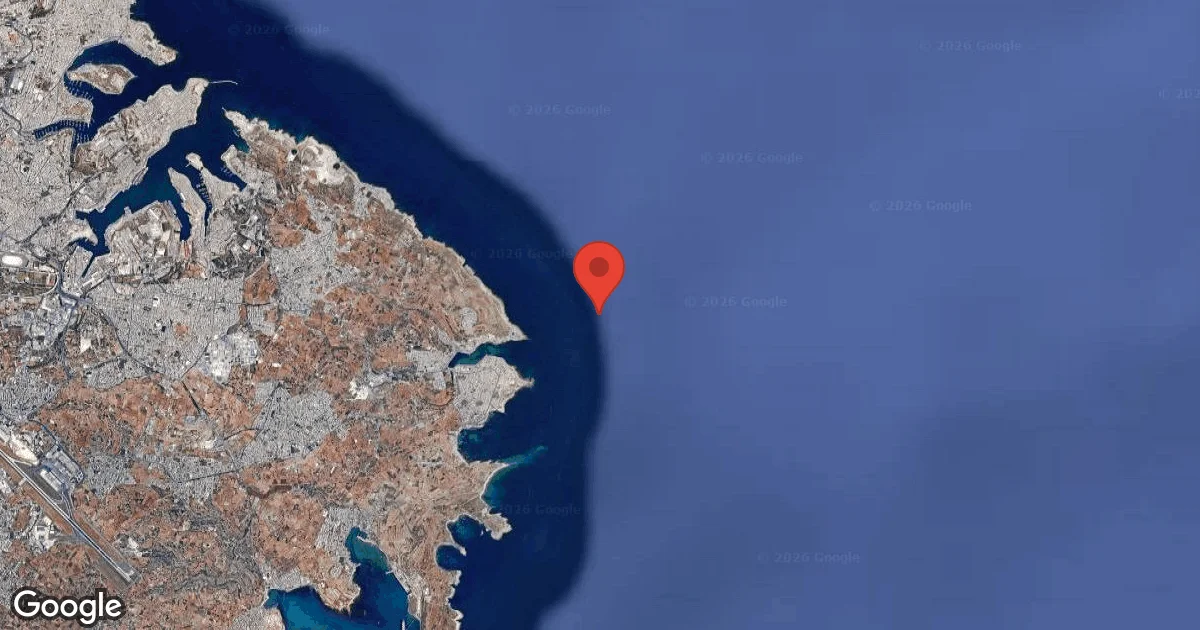
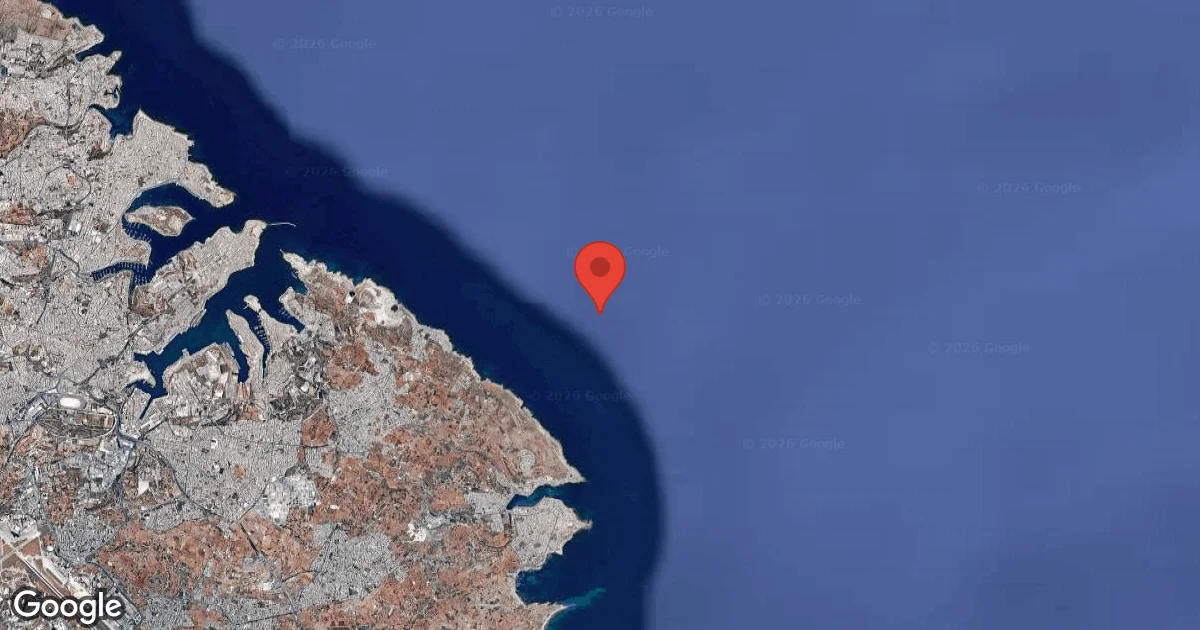
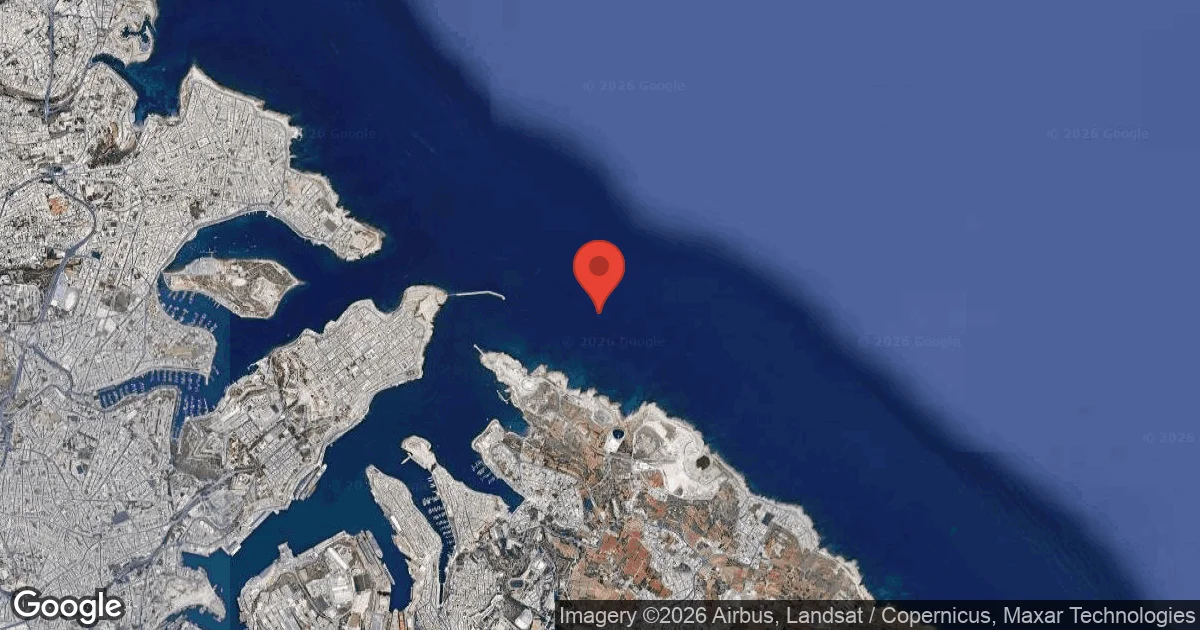
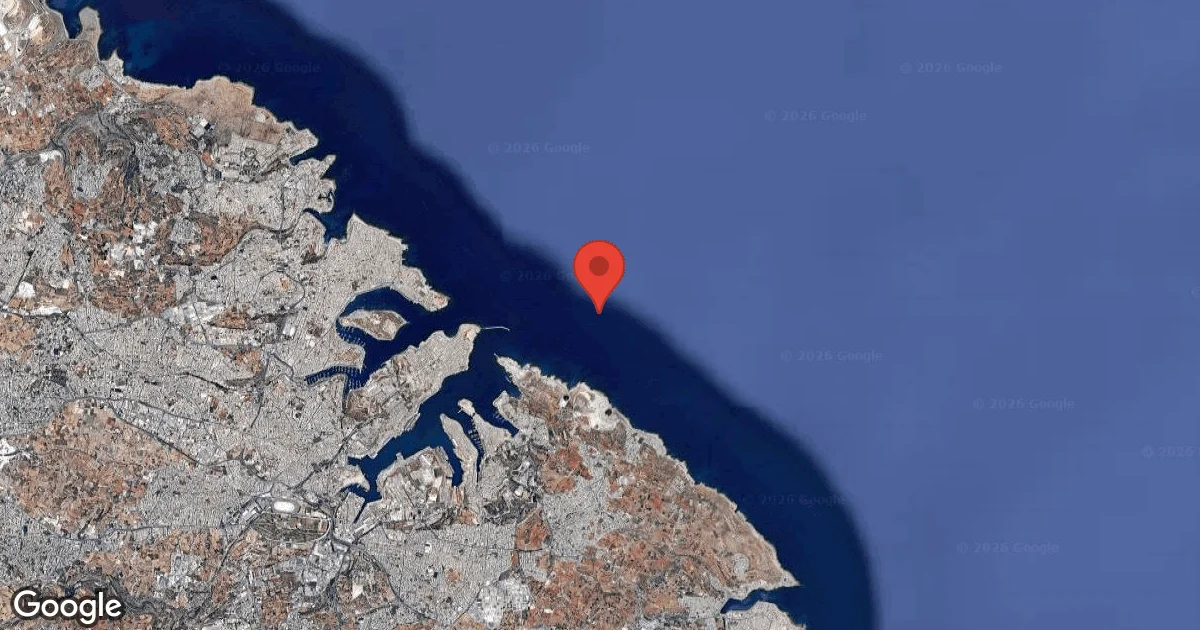
This historical de Havilland Mosquito, a British twin-engine fighter-bomber, lies approximately 500 m (1,640 ft) off Delimara Point, a result of a crash landing in 1949 after experiencing starboard engine failure during a mail run. Composed largely of wood, the aircraft's structure has significantly deteriorated over decades underwater, leaving its more robust components.
Divers will find the two engines mostly intact, with one propeller still attached to the starboard engine. A twisted metal frame, intertwined with cables, marks the main wreckage area, resting upside down amidst sand and small reefs.
The aluminium tail, while present, is largely buried in the sand a few meters from the main body. Exploring this deep boat dive requires experienced certification, as it can occasionally encounter strong currents.
Other airplane wrecks like the Bristol Blenheim Bomber are found in the vicinity, adding to Malta's rich underwater aviation history.
Conditions are Good
Optimal conditions expected
Current conditions near Mosquito Fighter Bomber show 26° air, 29° sea temperature, 0.3 m waves, and 19 km/h wind. Forecast data is refreshed regularly to ensure accuracy.
Best Time to Dive
Optimizing a dive to the Mosquito Fighter Bomber aligns with Malta's calmer, warmer months, typically from June through November, when dive scores consistently rate 'Good'. During this period, average air temperatures range from 25°C (77°F) in June to 19.5°C (67°F) in November, making surface intervals comfortable. Rainfall is minimal, often less than 1 mm, and wave heights generally settle below 1 meter (3.3 ft), contributing to more stable sea conditions and potentially better underwater visibility. Wind speeds also tend to be lower, creating a more pleasant experience for boat access. March to May and December also offer 'Good' dive scores, though with slightly cooler air temperatures and increased chance of rain.
PEAK SEASON SCORE
Scores combine air & water temps, waves, wind & rainfall for overall conditions.
BEST MONTHS TO DIVE
Monthly records compiled from satellite and marine observation nodes over the last 3 years. Data provided by Open-Meteo and MET Norway.
Dive Experience & Conditions
Descending to the Mosquito Fighter Bomber wreck, divers will quickly appreciate the challenges presented by its depth and exposure. This site sits at 40 to 42 meters (131 to 138 ft), primarily on a sandy bottom interspersed with small reef sections. Upon reaching the bottom, the wreck's inverted position becomes clear. What remains are the distinct, intact engines, one with its propeller still fixed, and a jumbled mass of metal and cables that once formed the aircraft's body. The wooden airframe has largely disintegrated, leaving no cockpit cover or intact superstructure. Divers will also observe the separated rear fuselage lying a few meters away, mostly buried. Occasional strong currents can be present, requiring divers to remain aware of their positioning and buoyancy control throughout the dive.
Dive Difficulty & Safety Guidelines
Diving the Mosquito Fighter Bomber demands advanced planning and experienced diver qualifications due to its substantial depth and potential for strong currents. Proper deep dive training and conservative no-decompression limits are essential considerations. Divers must meticulously monitor their air consumption and bottom time at 40-42 m (131-138 ft).
While exploration of the wreck is compelling, its highly decayed state, with twisted metal and remnants, means penetration is not advised and could pose significant entanglement or injury risks. Always dive with a reliable buddy, and consider specialized equipment for deep dives.
Current conditions should be assessed before entry, and dive profiles adjusted accordingly to ensure a safe ascent and decompression.
Recommended Equipment
Overhead / entanglement risk. Wreck penetration requires proper training.
- Dive Computer
- Primary & Backup Lights
- Wreck Reel
- Cutting Tool
This gear list is based on verified equipment signals for Mosquito Fighter Bomber, Malta. Always confirm final gear choices with your dive operator, guide, or liveaboard.
Recommended Dive Suit
2-3mm shorty or light wetsuit usually provides adequate warmth in water around this temperature. Those diving at Mosquito Fighter Bomber today will likely encounter water temperatures in the region of 29°C (83°F). Surface air temperatures are resting at 26°C (78°F).
Environmental conditions are expected to remain consistent in the short-term outlook.
Conditions can vary slightly across different parts of the same dive site.
Emergency & Medical Support
Essential information to help you plan your dive trip to Mosquito Fighter Bomber.

Hyperbaric chambers are a critical part of dive safety infrastructure. Availability varies significantly by region, and not all dive areas have immediate access.
Before diving, it's recommended to:
- confirm nearest medical facilities
- check emergency procedures with local dive operators
- ensure dive insurance covers evacuation if required
Divers Alert Network
Diving emergency assistance available through DAN Europe.
+39 0642115685- 24/7 emergency hotline
- Diving medical assistance
- Evacuation coordination
Emergency contacts are provided for reference. Always verify local emergency services before diving.
Closest Listed Hyperbaric Chambers
Showing listed hyperbaric chamber facilities within 200 km of this dive site.
Distances are approximate straight-line distances and may not reflect emergency travel time.
Hyperbaric Unit - Mater Dei Hospital
24/7 ListedICU CapableMsida, Malta•Approx. 9 km straight-line
Hyperbaric Unit - Mater Dei Hospital
24/7 ListedICU CapableInformation is provided for reference and planning purposes only. Dive Navigator does not verify operational status, staffing, availability, or quality of care at listed facilities. In an emergency, contact local emergency services, DAN, your dive operator, or the chamber directly. Do not travel to a facility without calling ahead.
Gozo
24/7 ListedICU CapableVictoria, Malta•Approx. 38 km straight-line
Gozo
24/7 ListedICU CapableInformation is provided for reference and planning purposes only. Dive Navigator does not verify operational status, staffing, availability, or quality of care at listed facilities. In an emergency, contact local emergency services, DAN, your dive operator, or the chamber directly. Do not travel to a facility without calling ahead.
Marine Life at Mosquito Fighter Bomber
On the sandy seabed and adjacent small reefs surrounding the Mosquito wreck, a variety of marine life establishes itself around the metal structure. While the aircraft itself is heavily deteriorated, its components serve as anchor points for small invertebrate communities.
Divers exploring the site have occasionally reported sightings of turtles around the nearby reef sections. The wreck and surrounding habitat provide shelter, attracting smaller fish species and crustaceans to this exposed deep-water location.
Dive Sites Near Mosquito Fighter Bomber
View all dive sites in MaltaDiscover more underwater gems in this area.
Dive Centers Near Mosquito Fighter Bomber
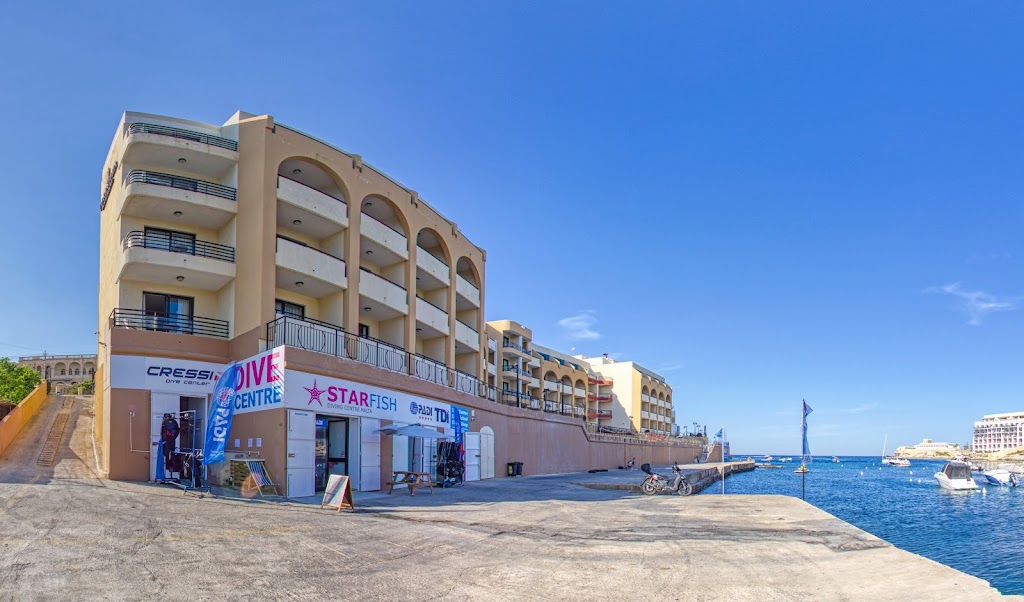
Today: 08:30 - 16:30

Nearest Airports
Nearest airports to help plan travel to this dive area.
Search Flights
Check available flights and routes on Expedia, using the nearby airports listed in this section.
Search Flights on ExpediaFrequently Asked Questions
What kind of aircraft is the Mosquito Fighter Bomber?
It's a de Havilland Mosquito, a British twin-engine, two-seat multipurpose aircraft. Originally, it was primarily utilized as a fighter-bomber during its operational years.
Where is the Mosquito Fighter Bomber wreck located?
The wreck is found approximately 500 meters (1,640 ft) off Delimara Point on Malta's east side. Resting on a sandy seabed, some small reefs surround it.
What is the maximum depth of the dive site?
Reaching a maximum depth of 42 m (138 ft), the Mosquito Fighter Bomber wreck typically sits around 40 m (131 ft) on average during a dive.
What remains of the aircraft today?
Due to its largely wooden construction, much of the plane has decayed. What remains are the two intact engines, a twisted metal frame, and various cables. The aluminum tail is mostly buried in the sand.
What diver qualification is required for this site?
Considered a deep boat dive, it's suitable only for experienced divers. The significant depth and potential for strong currents necessitate a higher skill level.
Are there strong currents at the Mosquito Fighter Bomber wreck?
Yes, divers should be prepared for sometimes strong currents at this dive site. Conditions vary, so careful planning and situational awareness are important.
Are there other airplane wrecks nearby?
Malta is home to several historical airplane wrecks. The Bristol Blenheim Bomber is another aircraft wreck located nearby, often explored by divers interested in aviation history.
Planning to dive Mosquito Fighter Bomber?
Send one inquiry and receive offers directly from the best verified local dive operators.
Conditions are Good
Optimal conditions expected
Current conditions near Mosquito Fighter Bomber show 26° air, 29° sea temperature, 0.3 m waves, and 19 km/h wind. Forecast data is refreshed regularly to ensure accuracy.