Marine Life

What Divers Should Know About Shovelnose Rays

Learn all about the Shovelnose Rays, including dynamic specs, encounter highlights, habitats, and the best dive sites to find them.

Shovelnose Rays
Scientific Name

/

Size

/

Depth

/

Habitat

/

Conservation

Not Evaluated

Danger Level

/

About the Shovelnose Rays

As divers, encountering the elegant shovelnose ray, also known as a guitarfish, is always a treat. These fascinating cartilaginous fish possess a body form that is truly intermediate, displaying characteristics of both sharks and rays. You'll notice their elongated bodies and flattened heads, often triangular in shape, which transition into small, ray-like 'wings' or pectoral fins, before finishing with a distinct shark-like tail. Like many of their ray relatives, they are ovoviviparous, with embryos developing within eggs inside the mother until ready to hatch.

These bottom feeders prefer to bury themselves stealthily in sand or mud, making them masters of camouflage as they hunt for worms, crabs, and clams. Their preference for shallow, silty bottoms means you'll typically find them closer to coastlines, beaches, or even in estuaries, especially in tropical, subtropical, and warm temperate waters globally. For those diving in the Maldives, particularly the Northern Atolls, your chances of a close encounter are notably higher; Maroshi Thila near Shaviyani Atoll is a renowned hotspot for observing these intriguing rays.

Where You Can See Shovelnose Rays

Detailed regional distribution data for Shovelnose Rays is not available yet. This species may still appear on related dive site pages when local sightings or habitat information are available.

Dive Sites with Shovelnose Rays

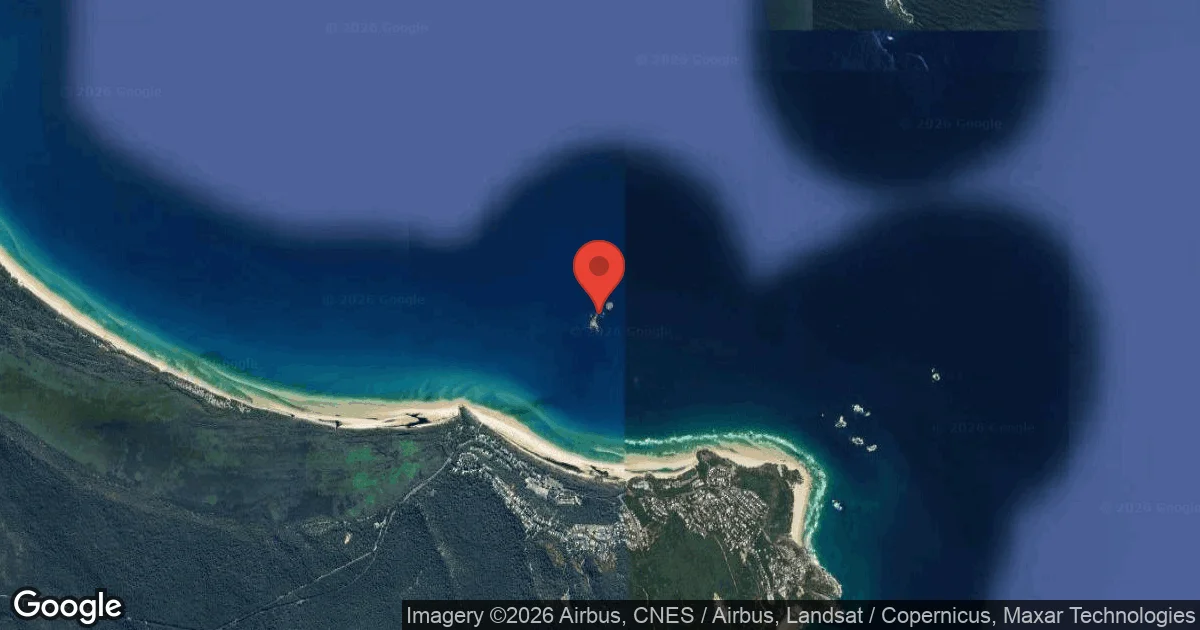
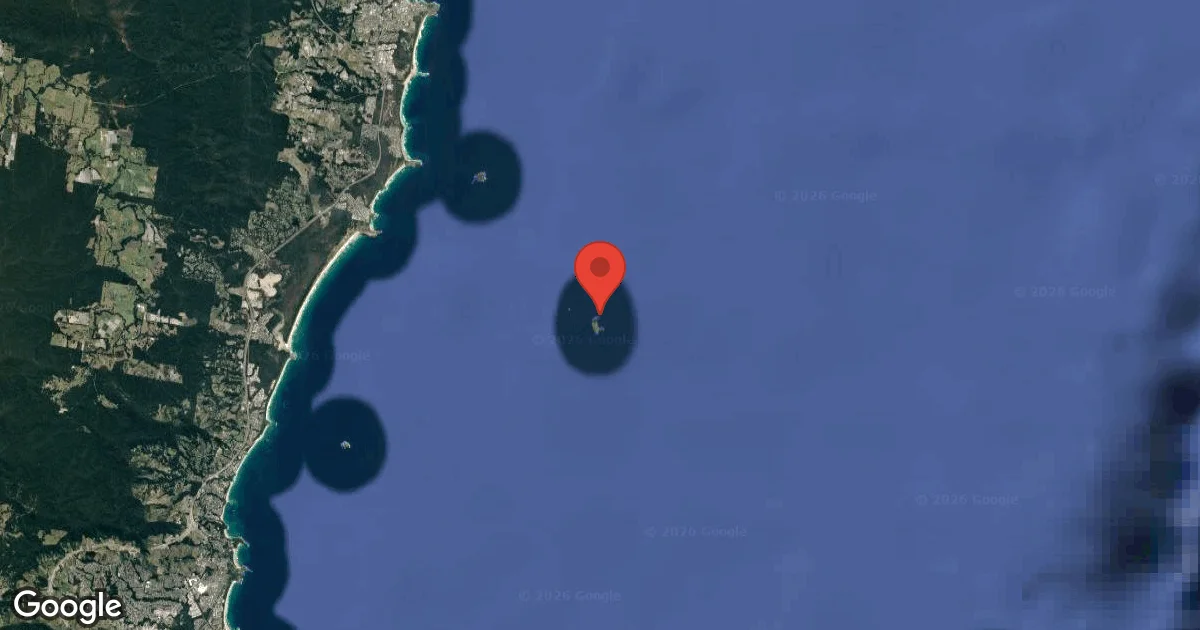
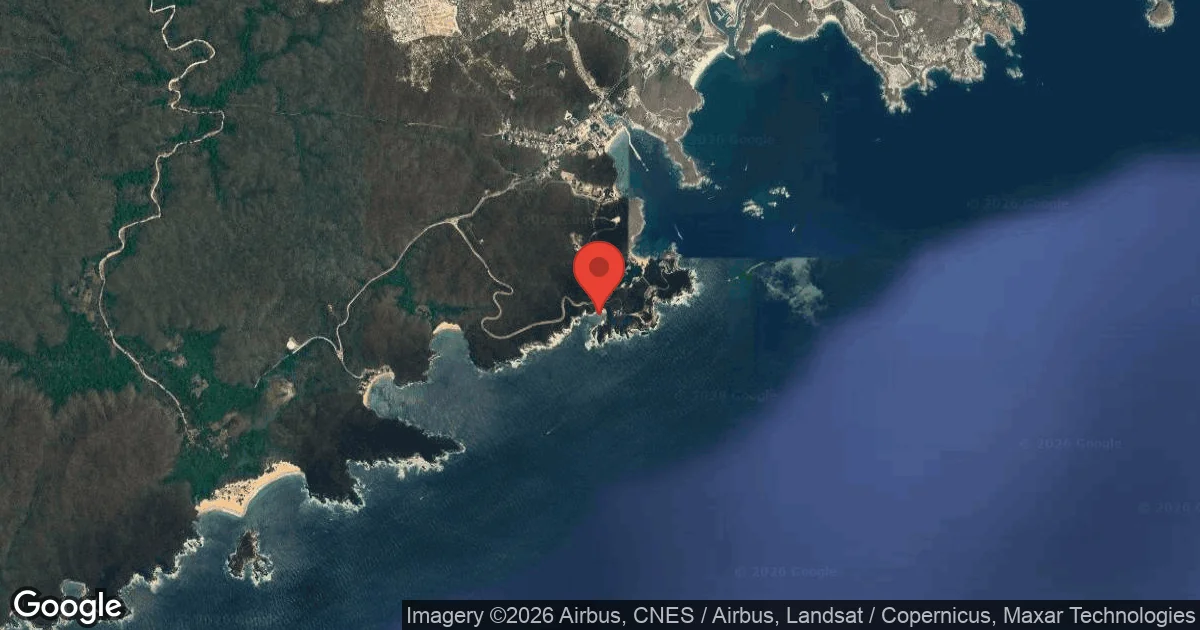
Discover 4 breathtaking locations where you can encounter this species.
Related Marine Life

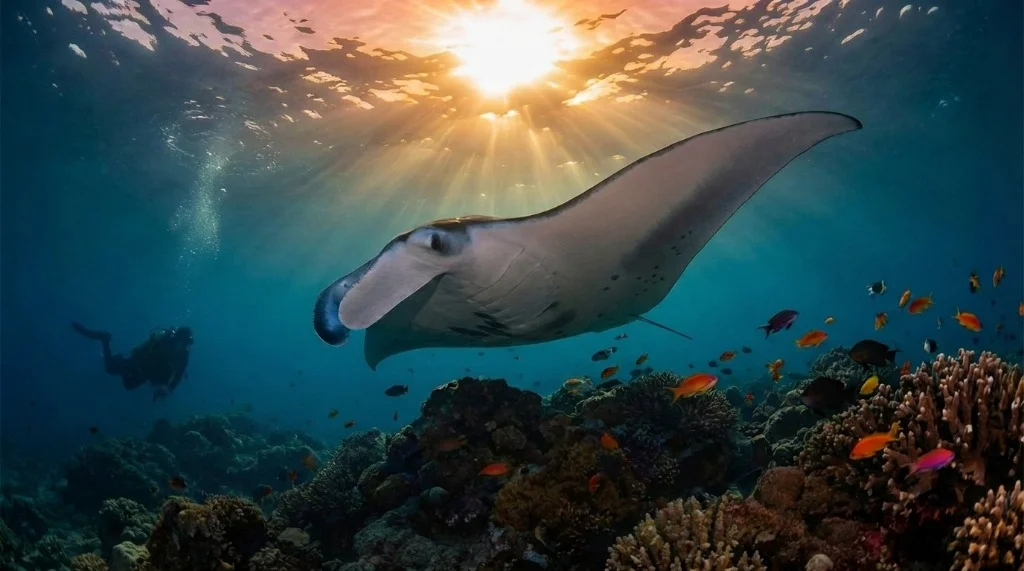
Explore other incredible species you can encounter on your diving adventures.