
Diving at Wonderland (New Zealand)
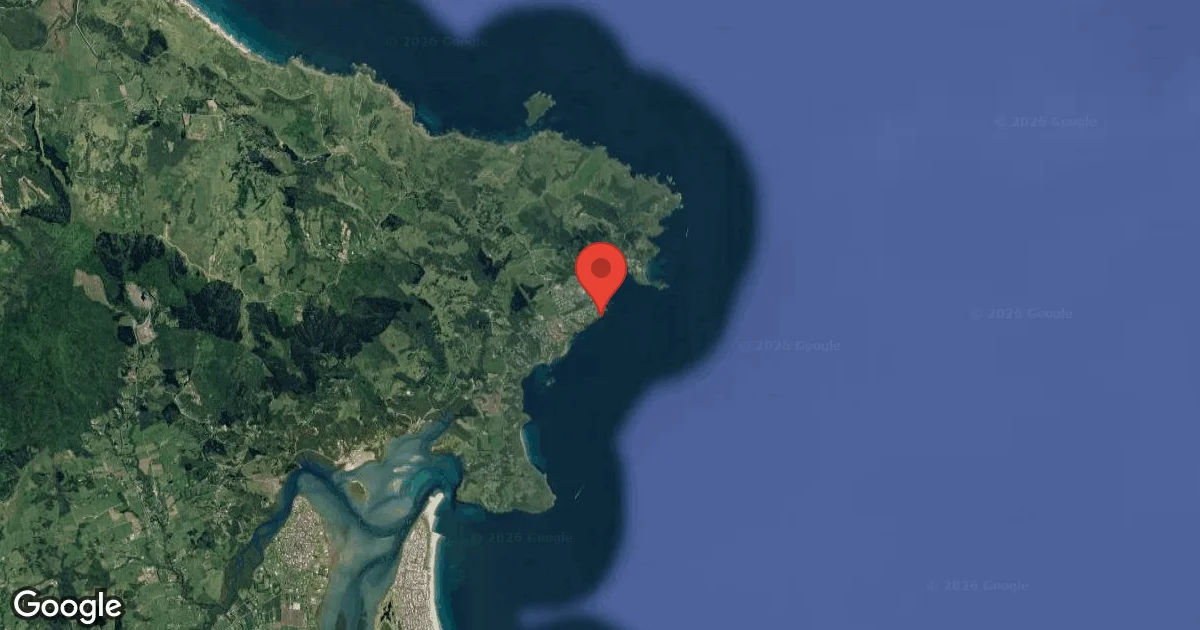
Wonderland, found off Auckland's North Island coast, serves as an accessible New Zealand diving destination. Currently, it attracts divers keen on exploring its diverse shoreline and reef structures. Its accessibility makes it a popular spot for local and visiting divers. Expect a vibrant underwater environment, reflecting the dynamic marine ecosystems prevalent in this part of the Pacific. Local dive shops regularly visit this site for guided excursions.
Evening condition tracking at Wonderland features an air temperature of 15.5°C. We have recorded wave heights measuring 0.9 m during this period. These figures outline the environmental parameters currently present.
Dive Site Location & Key Facts
Dive Site Overview
For decades, New Zealand's underwater landscapes have drawn explorers, revealing diverse formations. While specific historical details for Wonderland are limited, the region's geological past, including seismic activity, significantly shapes its underwater topography.
Much of New Zealand’s underwater terrain, such as in areas like Kaikoura, has seen significant changes from earthquakes, forcing bedrock upwards and creating new reef structures. Wonderland presents a series of reefs accessible via a shore entry. The surrounding North Island waters historically support a rich array of marine life, adapting to both natural processes and the consistent influx of ocean currents.
This site's development as a dive location parallels the growing appreciation for New Zealand's temperate water environments. Divers often find limestone reefs and vibrant kelp forests in comparable locations.
It's a prime example of an easily reachable site offering a genuine taste of the region's underwater character. Throughout the years, such sites have evolved into vital habitats, supporting intricate invertebrate communities and larger pelagic species.
Conditions are Moderate
High Wind Advisory (46km/h). Unsafe surface.
Current conditions near Wonderland show 16° air, 16° sea temperature, 0.9 m waves, and 46 km/h wind. Forecast data is refreshed regularly to ensure accuracy.
Best Time to Dive
Ideal diving conditions at Wonderland generally align with New Zealand's warmer months, typically from January through March. During this period, average air temperatures hover between 18°C (64°F) and 20°C (68°F), contributing to more comfortable surface conditions. Rainfall is notably lower, often less than 5mm (0.2 inches) per month, which typically translates to better visibility. Wave heights also tend to be calmer, averaging around 0.7-0.8 meters (2.3-2.6 ft). As the year progresses into April and May, conditions shift; air temperatures gradually decrease to 15°C (59°F), and wave heights can increase to over 1.2 meters (4 ft), potentially making beach entry more challenging. While water temperature data isn't consistently reported for this specific site, it generally mirrors seasonal air temperature trends, being warmer in summer. Divers seeking the most agreeable weather and sea states should target the late summer and early autumn months.
PEAK SEASON SCORE
Scores combine air & water temps, waves, wind & rainfall for overall conditions.
BEST MONTHS TO DIVE
Monthly records compiled from satellite and marine observation nodes over the last 3 years. Data provided by Open-Meteo and MET Norway.
Dive Experience & Conditions
Descending into Wonderland provides an immediate sense of exploration amidst its varied reef structures. Expect the water to feel refreshing, with visibility varying depending on recent weather and current activity. Movement through the kelp forests creates a swaying sensation, as the large fronds gently move with the ocean's rhythm. You might encounter vibrant encrusting sponges and intricate invertebrates vying for space on the rocky reefs. Many areas offer depths suitable for recreational divers, typically extending into the shallower sections but potentially reaching around 10-15 meters (33-50 ft) in certain spots. Current is generally mild, making for relaxed navigation among the formations. Shore entry often involves a short swim to reach the main dive areas. These submerged environments are dynamic, reflecting the persistent ocean influence on the New Zealand coastline.
Dive Difficulty & Safety Guidelines
Before entering the water at Wonderland, carefully assess local conditions. Always review tide charts and weather forecasts, as even moderate wave heights can affect beach entry and exit. Maintaining proper buoyancy control is crucial, especially when navigating delicate reef structures and kelp forests to avoid damage.
Diving with a reliable buddy is essential, and ensure both divers are equipped for the prevailing conditions. Given the potential for larger marine life, maintaining a respectful distance from all animals is a core principle.
Familiarize yourself with emergency procedures and local contacts. Always stay within your certification limits and be mindful of your air consumption throughout the dive.
Recommended Equipment
- Dive Computer
This gear list is based on verified equipment signals for Wonderland, New Zealand. Always confirm final gear choices with your dive operator, guide, or liveaboard.
Recommended Dive Suit
The latest conditions reported around Wonderland place the water temperature close to 16°C (60°F). Surface air temperatures are resting at 16°C (60°F).
5-7mm wetsuit is generally considered suitable for water temperatures like this. A thermal robe or jacket is recommended between dives.
Forecasts suggest a slight cooling pattern in the days ahead. Cooler days are ahead; you might want a warmer option for later in the week. Some divers prefer carrying a slightly thicker suit as a backup.
Emergency & Medical Support
Essential information to help you plan your dive trip to Wonderland.

Hyperbaric chambers are a critical part of dive safety infrastructure. Availability varies significantly by region, and not all dive areas have immediate access.
Before diving, it's recommended to:
- confirm nearest medical facilities
- check emergency procedures with local dive operators
- ensure dive insurance covers evacuation if required
Divers Alert Network
Diving emergency assistance available through DAN World.
+1-919-684-9111- 24/7 emergency hotline
- Diving medical assistance
- Evacuation coordination
Emergency contacts are provided for reference. Always verify local emergency services before diving.
Marine Life at Wonderland
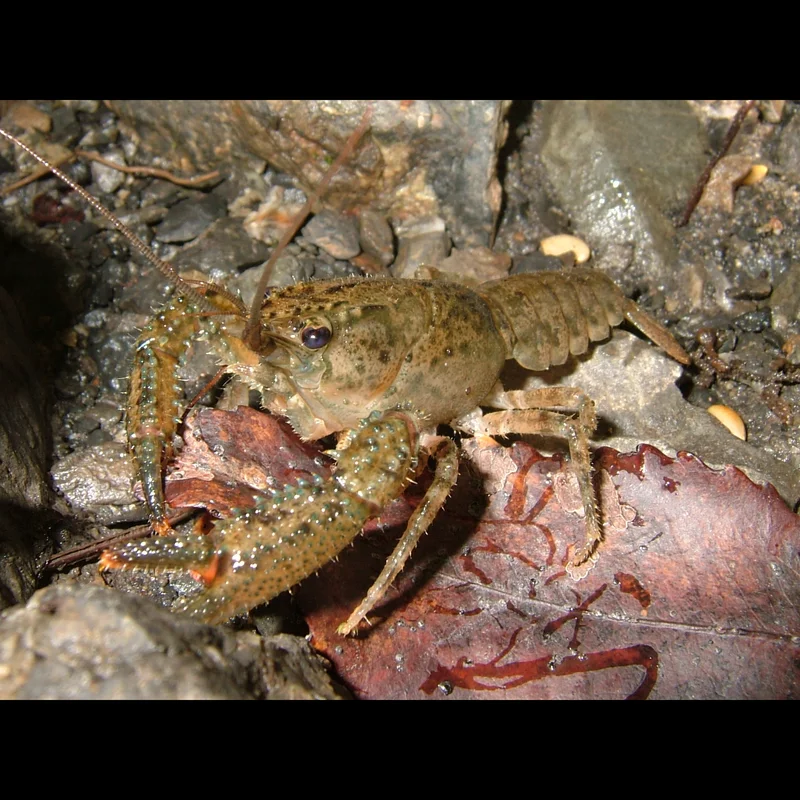
Upon entry, divers are often captivated by the immediate presence of a diverse invertebrate community. Look closely for octopus and crayfish tucked into crevices or among the limestone reefs.
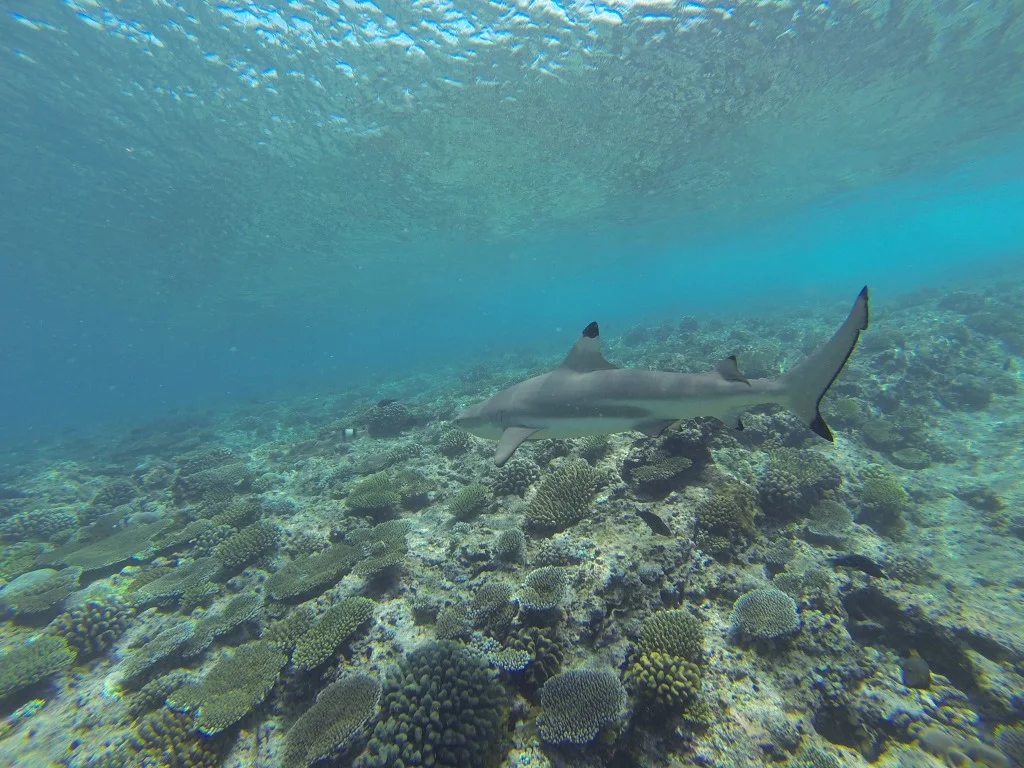
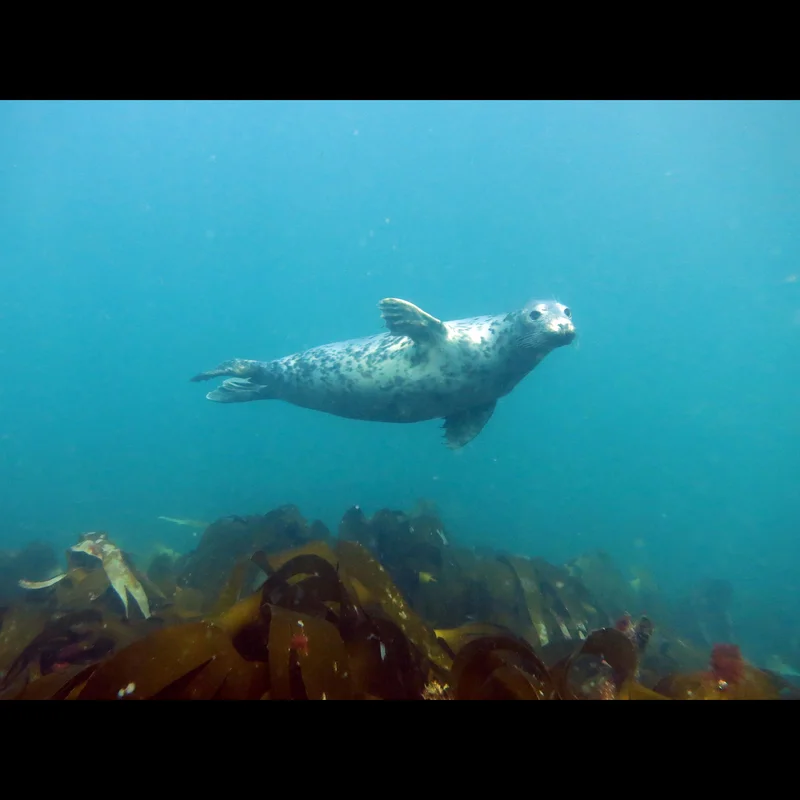
Schools of reef fish navigate the swaying kelp forests, a characteristic feature of New Zealand's underwater world. Larger marine animals are frequent visitors to the Auckland coastline; expect to observe various shark species, playful dolphins, and occasionally even whales passing through the area. Sightings of seals are also common, adding to the dynamic underwater ecosystem.
Dive Sites Near Wonderland
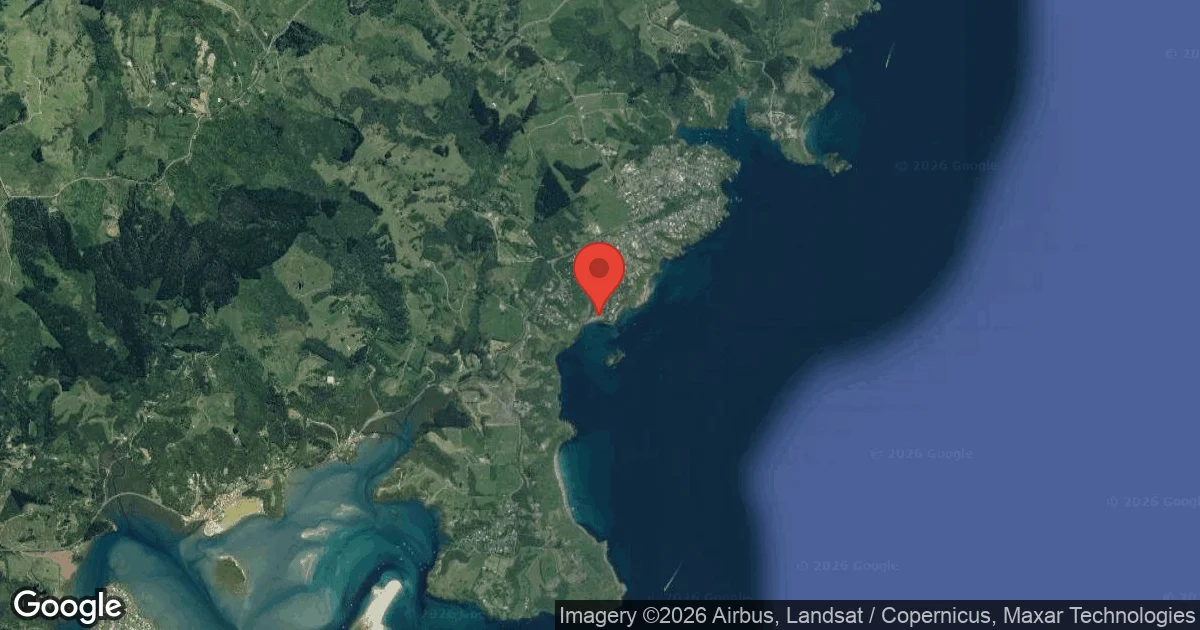
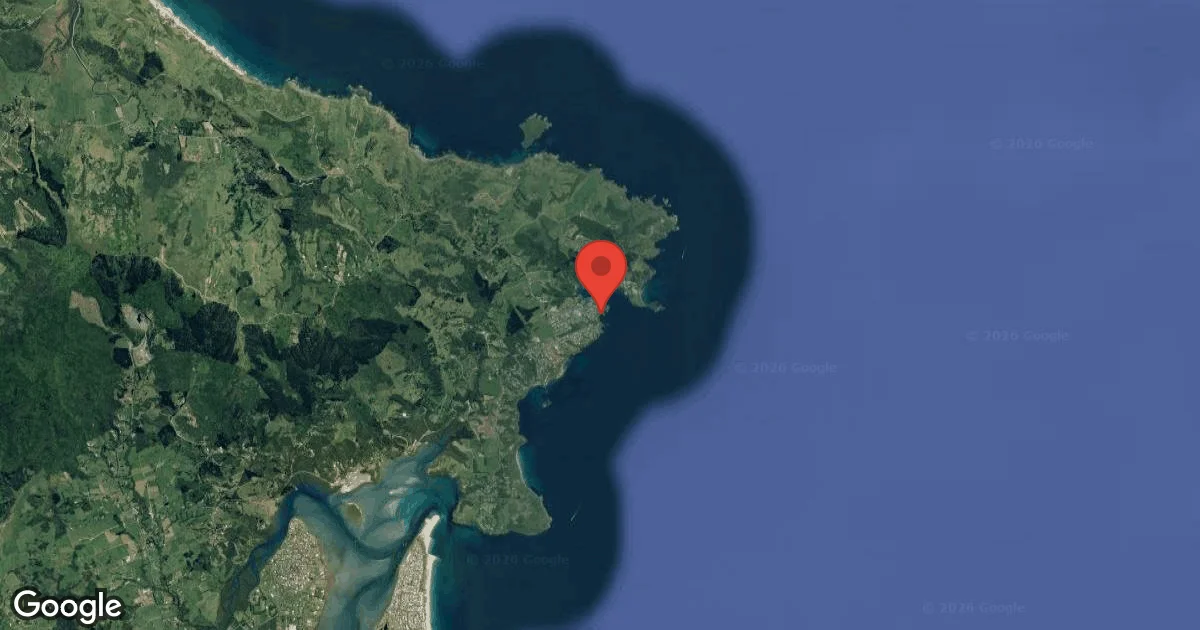
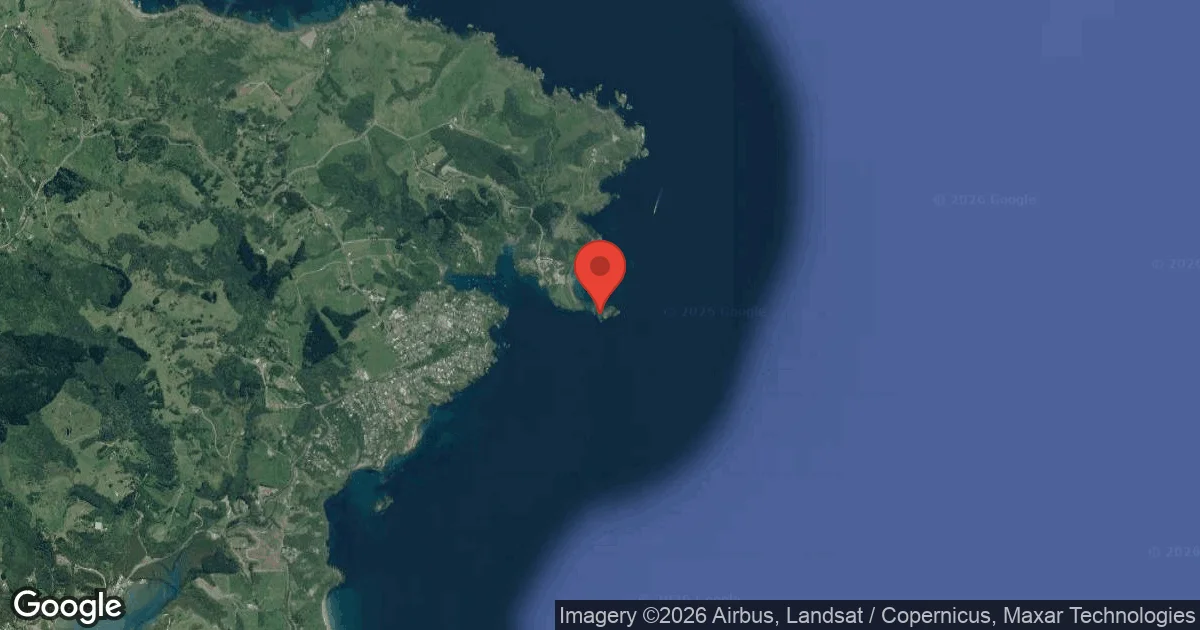
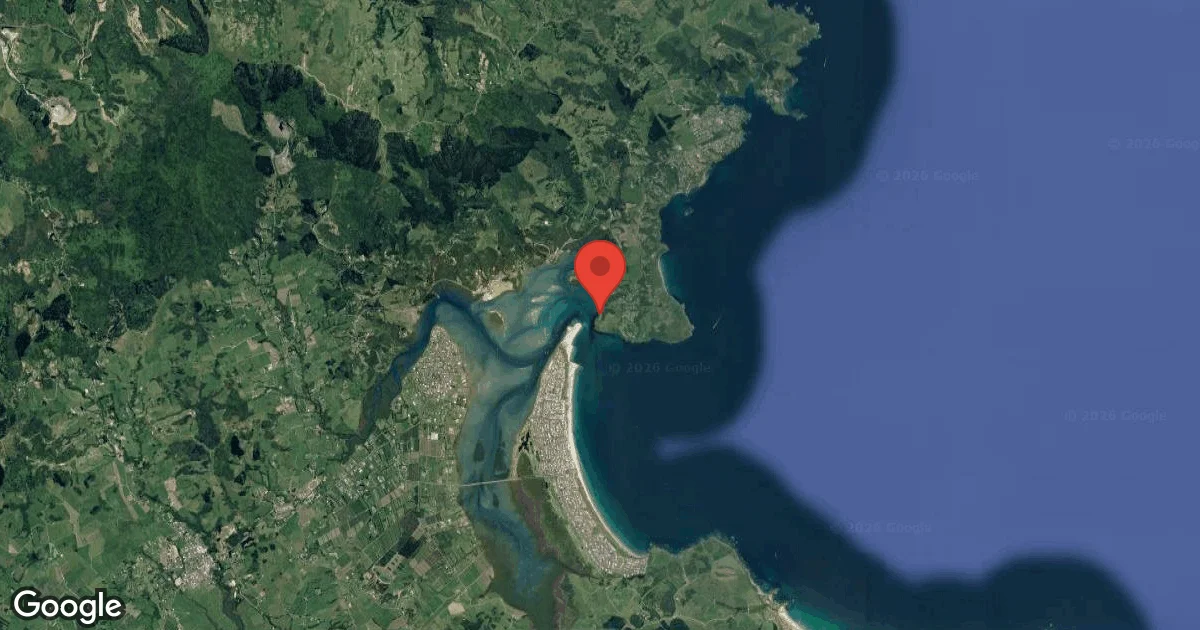
View all dive sites in New ZealandDiscover more underwater gems in this area.
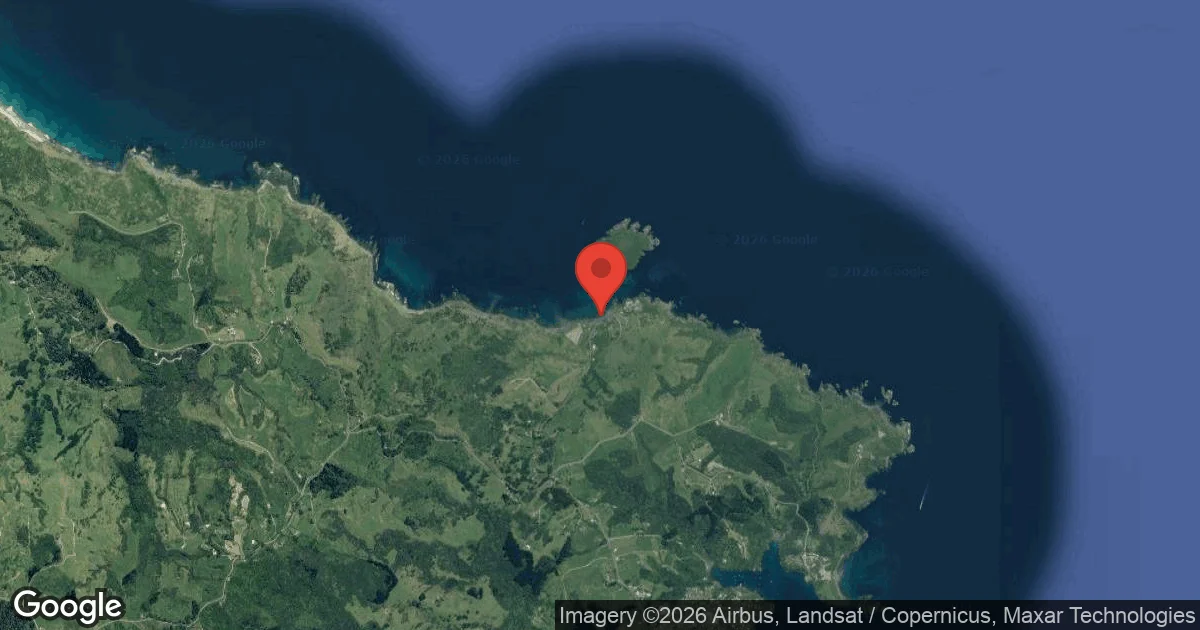
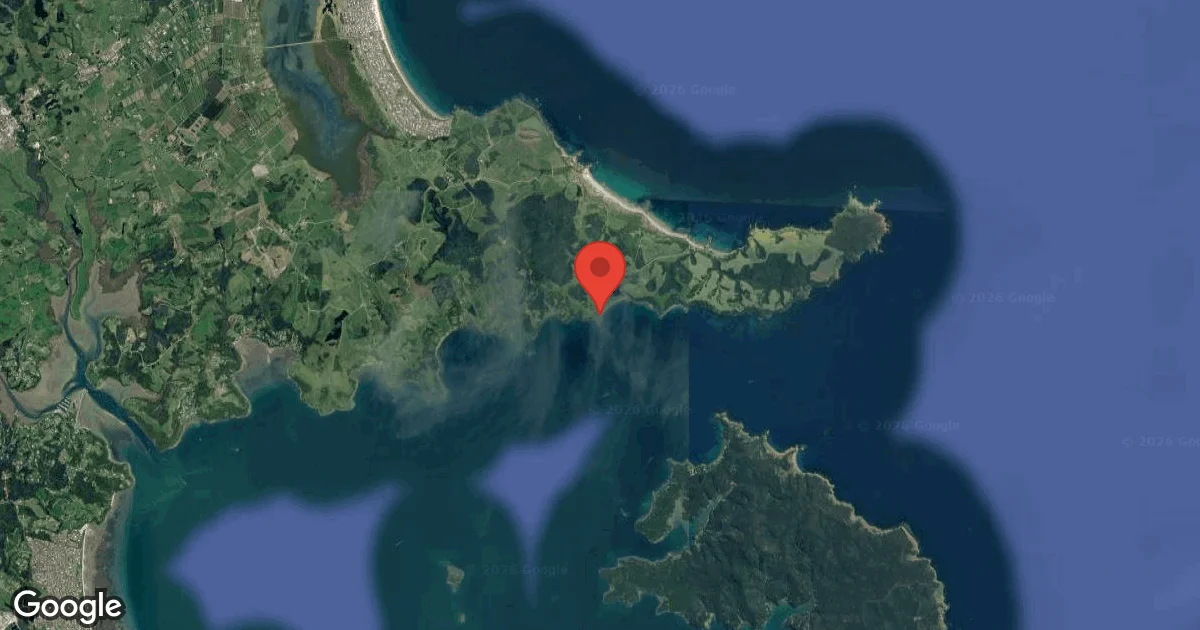
Dive Centers Near Wonderland
Today: 08:30 - 16:00
Nearest Airports
Nearest airports to help plan travel to this dive area.
Search Flights
Check available flights and routes on Expedia, using the nearby airports listed in this section.
Search Flights on ExpediaFrequently Asked Questions
What type of dive site is Wonderland?
Wonderland is primarily a reef site, well-accessed from shore. Divers can expect to explore diverse reef structures, including limestone formations, and extensive kelp forests. Its accessible nature makes it a popular spot for various diving experiences.
Are there any significant depth variations at Wonderland?
Depths at Wonderland are suitable for recreational divers. While many areas remain shallower, some sections can reach a maximum depth of around 10-15 meters (33-50 ft). It accommodates a range of experience levels within standard recreational limits.
What's the best way to access Wonderland?
Access to Wonderland is typically via a shore entry. From the shore, it's usually a short swim to reach the main reef and kelp forest areas. Local dive operators often coordinate trips to this site.
Is Wonderland suitable for beginner divers?
Yes, Wonderland can be suitable for beginner divers due to its accessible shore entry and moderate depths. Divers should always be comfortable with their skills and dive with a qualified buddy, especially when navigating kelp.
What kind of visibility can I expect?
Visibility at Wonderland varies, influenced by recent weather, rainfall, and ocean currents. It's advisable to check local conditions on the day of your dive to get the most accurate expectation.
Are there currents to be aware of?
Currents at Wonderland are generally reported as mild. However, conditions can change, so always be aware of potential shifts in current strength, particularly around reef structures and during tidal changes.
What marine life might I see?
Divers at Wonderland frequently encounter octopus, crayfish, and various reef fish within the kelp forests and on the reefs. Larger marine animals like sharks, dolphins, seals, and occasional whales are also observed in the broader Auckland coastal waters.
What are the air temperatures like during peak dive season?
During the peak dive season from January to March, average air temperatures at Wonderland typically range between 18°C (64°F) and 20°C (68°F). These warmer temperatures contribute to comfortable conditions on the surface.
Planning to dive Wonderland?
Send one inquiry and receive offers directly from the best verified local dive operators.
Conditions are Moderate
High Wind Advisory (46km/h). Unsafe surface.
Current conditions near Wonderland show 16° air, 16° sea temperature, 0.9 m waves, and 46 km/h wind. Forecast data is refreshed regularly to ensure accuracy.