
Diving at Penguin Point (New Zealand)
Penguin Point in New Zealand presents a rewarding dive experience, attracting many despite its demanding entry and exit points. This site, celebrated for its vibrant marine encounters, descends from shallow waters to depths beyond 25m (82 ft) along the coast. Divers here anticipate a journey through varied depths, making the effort to access this location worthwhile for the underwater rewards.
Evening condition tracking at Penguin Point features an air temperature of 12.5°C. We have recorded wave heights measuring 0.8 m during this period. These figures outline the environmental parameters currently present.
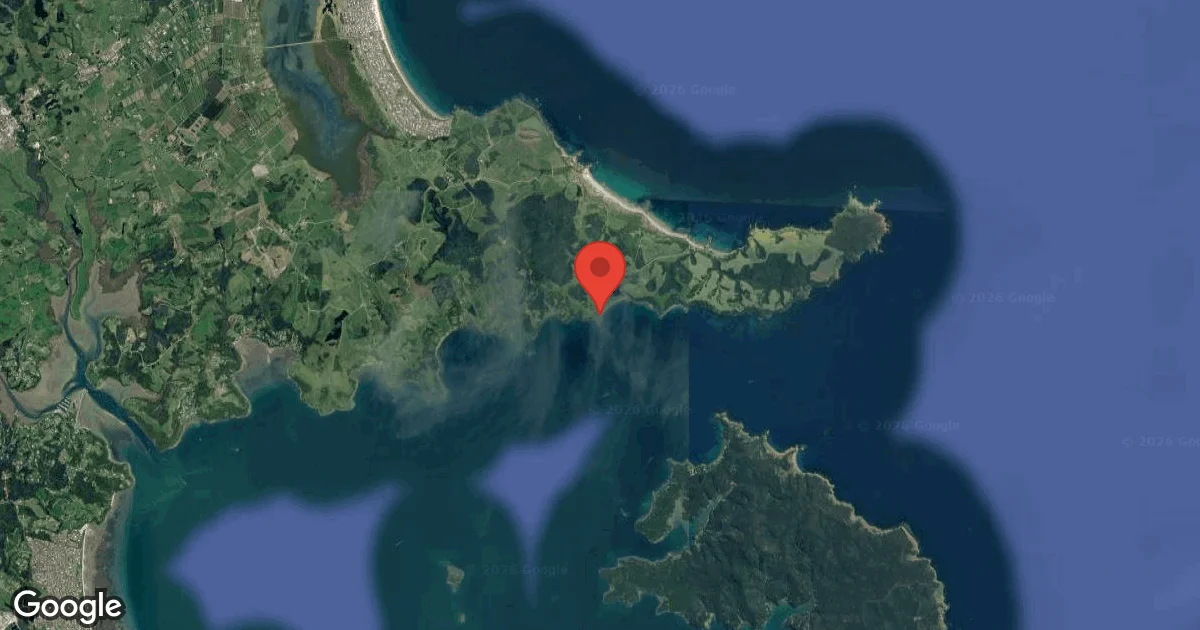
Dive Site Location & Key Facts
Dive Site Overview
Penguin Point’s underwater landscape starts near the shoreline, presenting a dynamic slope that extends from just a couple of meters in the shallows to beyond 25m (82 ft) further offshore. This gradual descent offers a versatile diving experience, accommodating various certification levels.
The terrain itself likely comprises a mix of bouldery reef structures, typical of the region, eventually transitioning to a sandy bottom at its maximum depth. Exploring the reef here means navigating along a varied contour, where marine life finds refuge among the rocks and where the sand line marks the deeper recreational limits. While some areas in the broader region feature steep bommies or distinct kelp and sponge gardens, Penguin Point is primarily characterized by its consistent, seaward slope, allowing for progressive exploration.
Accessing this site often involves a shore entry, requiring divers to manage a reportedly difficult entry and exit, which might entail uneven terrain or shore break depending on daily conditions. Successfully navigating these shore conditions sets the stage for a rewarding exploration of the depths, where the underwater world unfolds across a diverse seabed, rewarding careful buoyancy control and an appreciation for gradient changes.
Its profile allows for extended bottom times in shallower areas or deeper excursions for those appropriately certified.
Conditions are Moderate
High Wind Advisory (46km/h). Unsafe surface.
Current conditions near Penguin Point show 13° air, 16° sea temperature, 0.9 m waves, and 46 km/h wind. Forecast data is refreshed regularly to ensure accuracy.
Best Time to Dive
Optimizing visibility conditions at Penguin Point often aligns with periods of lower wind and calmer seas. Historical climate data indicates better dive scores, typically rated "Good," between January and March, and then again from July to December, with February and August often showing the highest scores. During these months, average wave heights are generally below 1 meter (3.3 ft), suggesting more settled conditions conducive to clearer water. Air temperatures range from approximately 12°C (54°F) in August to nearly 20°C (68°F) in February, influencing comfort both in and out of the water. While specific water temperature readings are not consistently reported for this site, divers should anticipate cooler Southern Hemisphere waters. Periods with higher average rainfall, such as April with around 6.6mm (0.26 inches), or increased wind speeds, particularly in September and October averaging over 26 km/h (16 mph), can lead to reduced visibility and choppier surface conditions, making the challenging entry and exit even more demanding. Planning a dive for days with minimal swell and wind will generally yield the most rewarding experience.
PEAK SEASON SCORE
Scores combine air & water temps, waves, wind & rainfall for overall conditions.
BEST MONTHS TO DIVE
Monthly records compiled from satellite and marine observation nodes over the last 3 years. Data provided by Open-Meteo and MET Norway.
Dive Experience & Conditions
Beginning the descent at Penguin Point, divers transition from the challenging beach entry into an underwater world defined by a consistent slope. In the shallows, the visibility can vary significantly depending on recent weather and surge, but as one moves deeper, conditions often stabilize. The site descends from a few meters down to depths exceeding 25m (82 ft). Navigating this profile requires attentive depth management, especially as the bouldery reef gives way to a sandy environment in the deeper sections. While strong currents aren't explicitly reported as a primary feature of Penguin Point itself, local conditions can change rapidly; nearby sites like Flat Rock and Leigh Reef suggest currents can be unexpected and changeable in the general region. Divers should remain aware of potential water movement. The overall feel here is one of gradual exploration, offering different vistas as depth increases, from the more illuminated upper reef to the quieter, deeper sand flats.
Dive Difficulty & Safety Guidelines
The primary safety consideration at Penguin Point is its difficult entry and exit, requiring divers to carefully assess conditions before entering the water. Stronger swells or high winds can make shore access particularly challenging, increasing the risk of slips or falls on uneven terrain. Always check local forecasts and observe surface conditions rigorously.
When diving the sloping reef, meticulous buoyancy control becomes essential to avoid uncontrolled ascents or descents, especially as the depth drops to beyond 25m (82 ft). While specific current warnings for Penguin Point are limited, the wider New Zealand diving environment often experiences variable currents; divers should stay vigilant for any unexpected water movement and plan their dive to account for potential drift.
Maintaining situational awareness of your surroundings and dive buddy is crucial. Always dive within your certification limits and consider diving with experienced local guides who understand the site's nuances.
Recommended Equipment
- Dive Computer
This gear list is based on verified equipment signals for Penguin Point, New Zealand. Always confirm final gear choices with your dive operator, guide, or liveaboard.
Recommended Dive Suit
Experienced divers often bring flexible gear options.
Environmental readings suggest that the waters surrounding Penguin Point are about 16°C (60°F) at the moment. Surface air temperatures are resting at 13°C (55°F). Divers who spend longer periods underwater often choose 5-7mm wetsuit. A hood or vest is suggested for sensitive divers due to surface winds. A thermal robe or jacket is recommended between dives.
Current forecasts indicate relatively stable conditions for the coming days.
Emergency & Medical Support
Essential information to help you plan your dive trip to Penguin Point.

Hyperbaric chambers are a critical part of dive safety infrastructure. Availability varies significantly by region, and not all dive areas have immediate access.
Before diving, it's recommended to:
- confirm nearest medical facilities
- check emergency procedures with local dive operators
- ensure dive insurance covers evacuation if required
Divers Alert Network
Diving emergency assistance available through DAN World.
+1-919-684-9111- 24/7 emergency hotline
- Diving medical assistance
- Evacuation coordination
Emergency contacts are provided for reference. Always verify local emergency services before diving.
Marine Life at Penguin Point
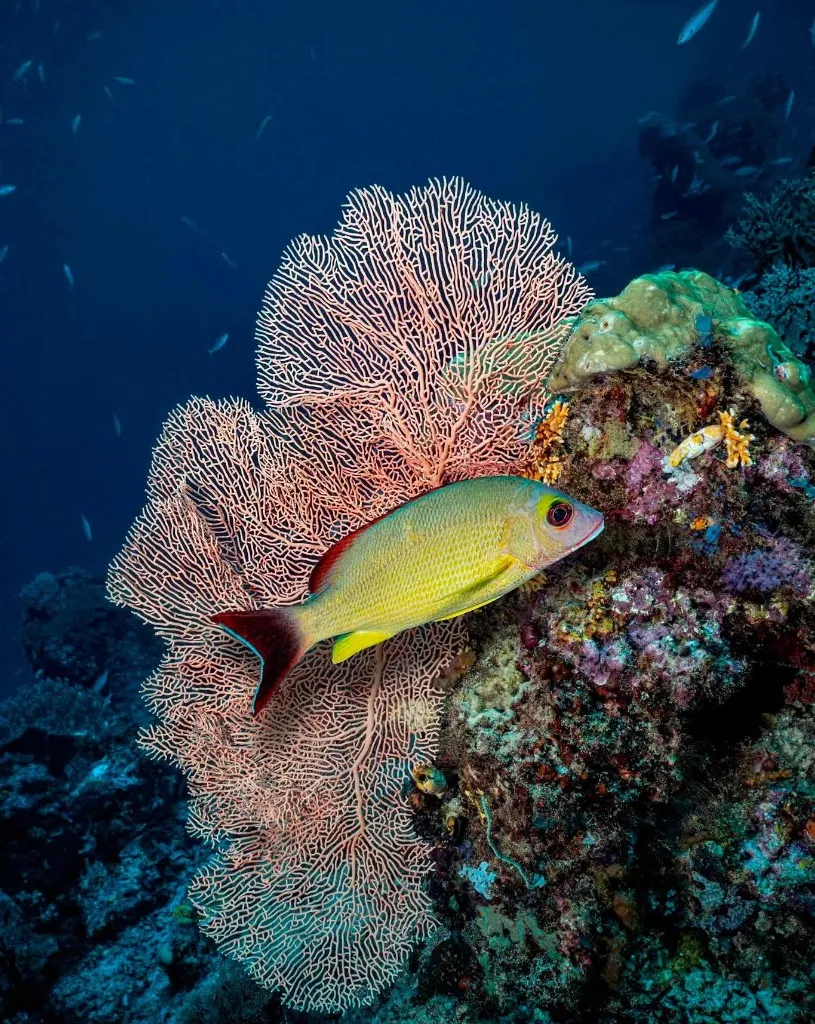
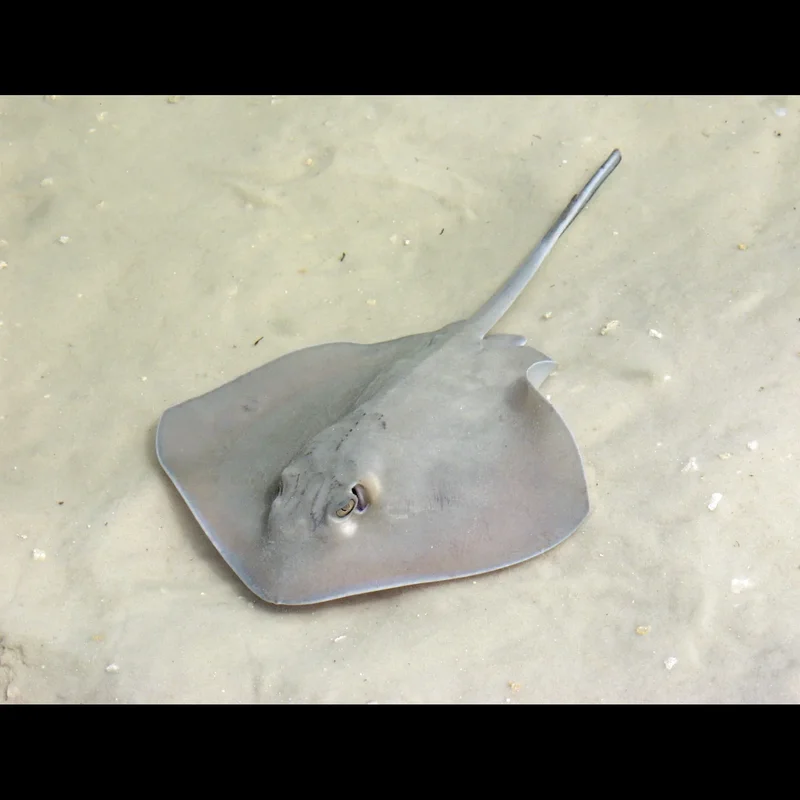
As the sloping reef descends at Penguin Point, divers often encounter a diverse array of marine species against the varied underwater landscape. In the bouldery sections of the reef, look for large Sting Rays and Eagle Rays gracefully moving over the seabed.
Octopus are also commonly sighted, often camouflaged among the rocks. Further down towards the sandy bottom, Snapper and Kingfish can be observed, alongside schooling Blue Maomao.
Wrasse, Goat Fish, and Leather Jackets frequent both the reef structure and its periphery, contributing to the site's vibrant ecosystem. The structural variety of the site, from shallow rocks to deeper sands, provides varied habitats for these species.


Dive Sites Near Penguin Point
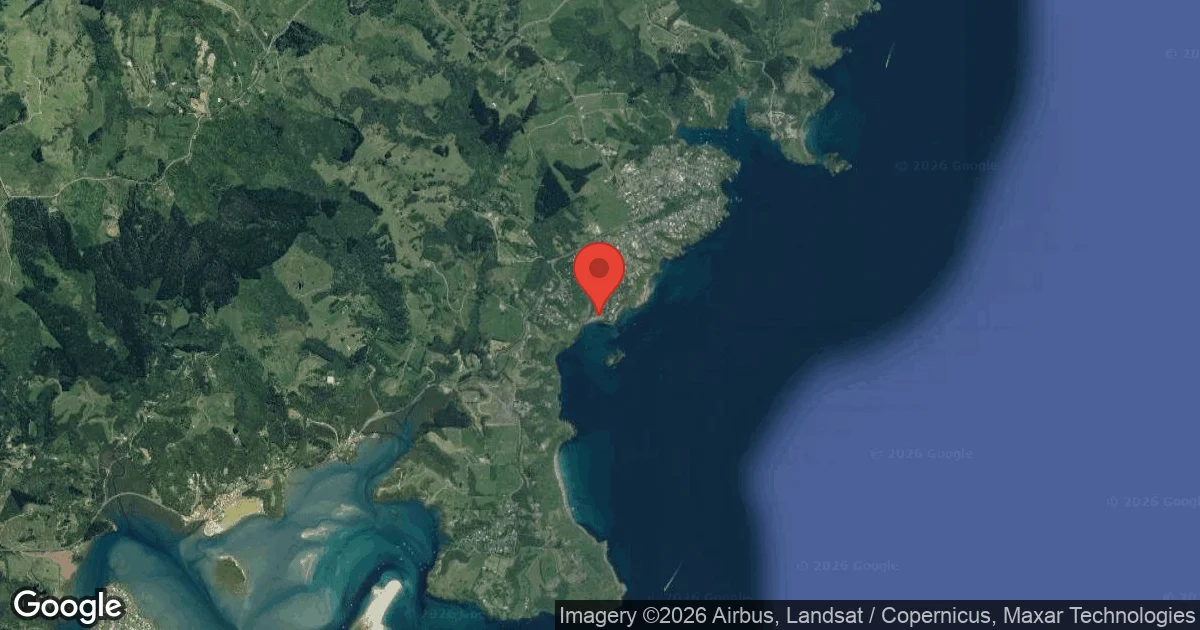
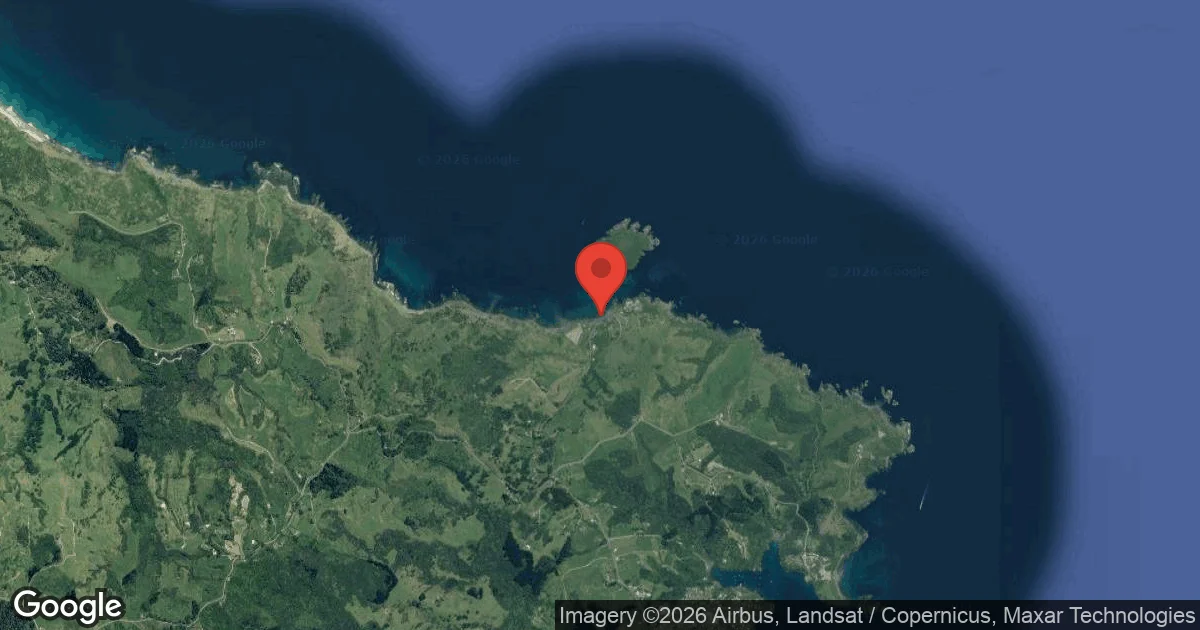
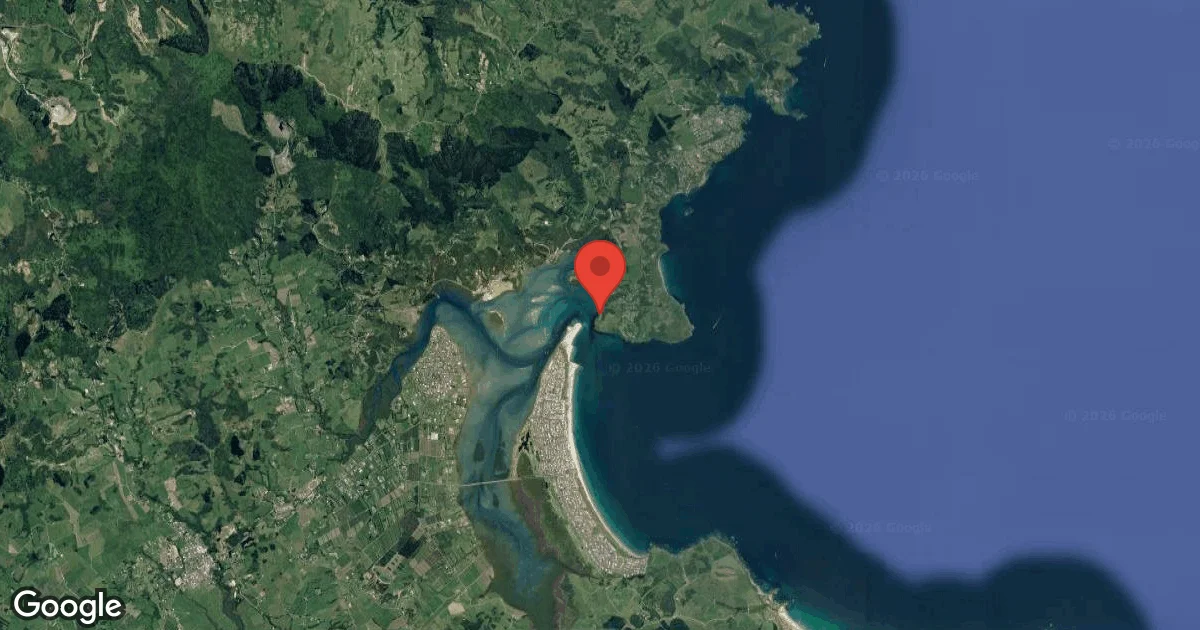
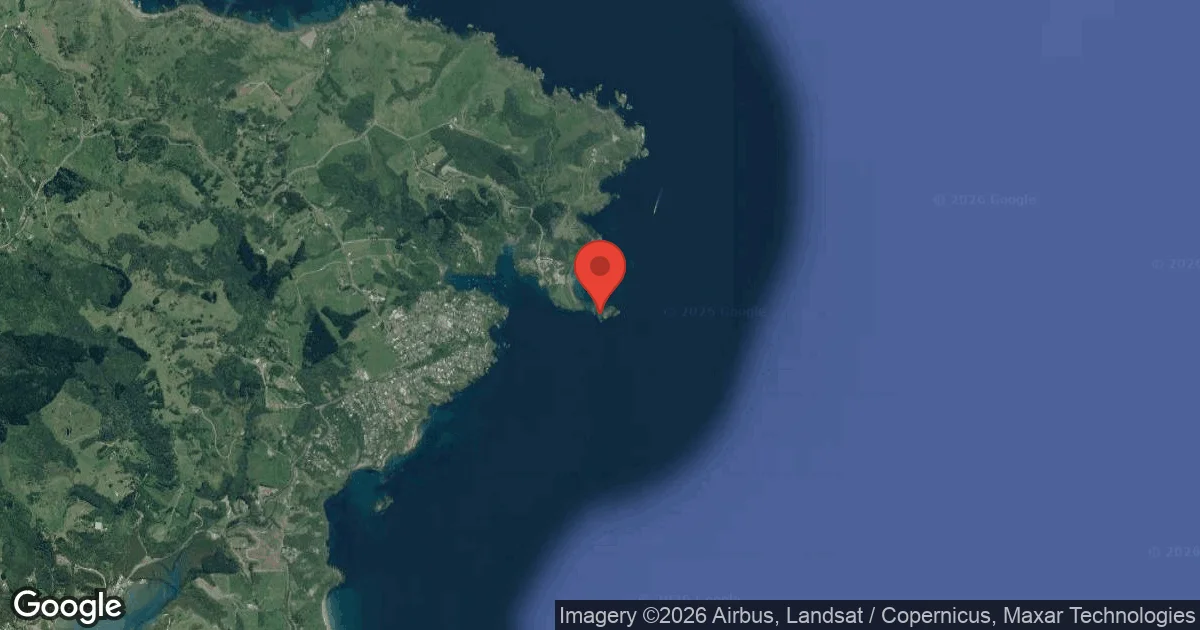
View all dive sites in New ZealandDiscover more underwater gems in this area.
Dive Centers Near Penguin Point
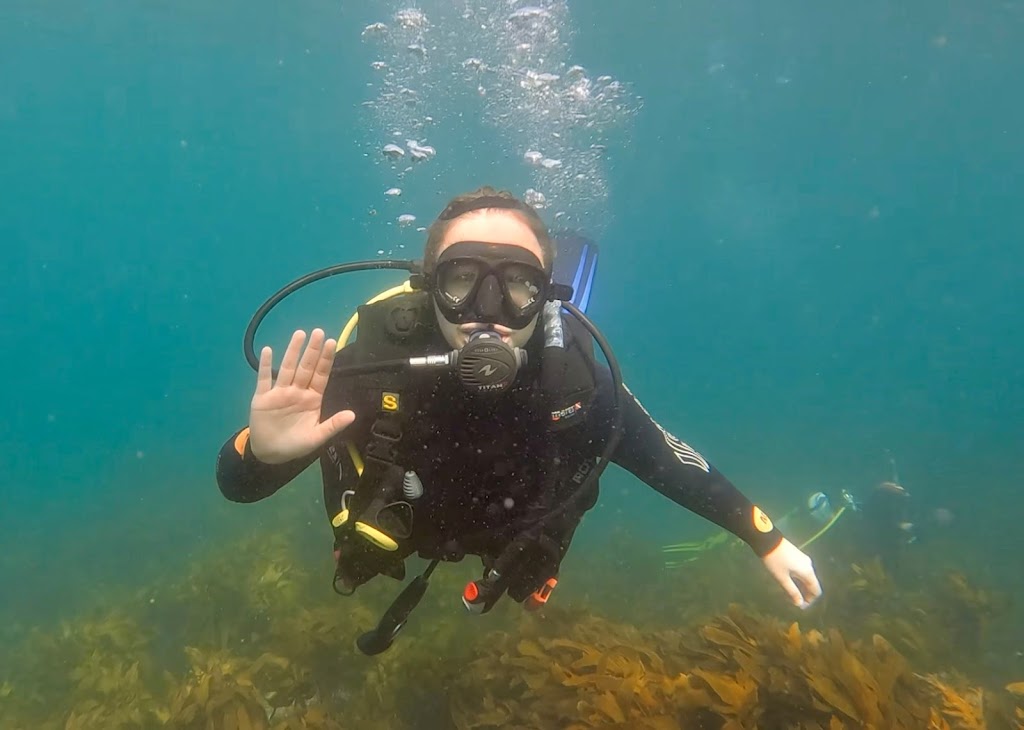
Today: 08:30 - 16:00
Nearest Airports
Nearest airports to help plan travel to this dive area.
Search Flights
Check available flights and routes on Expedia, using the nearby airports listed in this section.
Search Flights on ExpediaFrequently Asked Questions
What is the maximum depth at Penguin Point?
Penguin Point offers a significant depth range, sloping from just a few meters near the coast to its maximum recreational limits. This allows for both shallower recreational dives and deeper explorations, depending on certification.
Is Penguin Point suitable for beginner divers?
While the site offers varied depths, its reported difficult entry and exit make it less ideal for absolute beginners. Divers with some experience managing shore entries will find it more approachable.
What are the entry and exit conditions like?
Entry and exit at Penguin Point are described as challenging, often requires managing a difficult shore environment. Divers should be prepared for potentially uneven terrain or swell, requiring careful planning and execution.
What kind of marine life can I expect to see?
Divers at Penguin Point can anticipate seeing large Sting Rays and Eagle Rays, Octopus, Snapper, and Kingfish. Schooling Blue Maomao, Wrasse, Goat Fish, and Leather Jackets are also commonly observed throughout the reef.
Are there currents at Penguin Point?
Specific current information for Penguin Point is limited, but the general region can experience variable conditions. Divers should remain aware of potential water movement and consider local advice.
What is the typical water temperature?
Specific water temperature data for Penguin Point is not consistently reported. Divers should prepare for the generally cooler waters of New Zealand, with thermal protection being a key consideration.
Planning to dive Penguin Point?
Send one inquiry and receive offers directly from the best verified local dive operators.
Conditions are Moderate
High Wind Advisory (46km/h). Unsafe surface.
Current conditions near Penguin Point show 13° air, 16° sea temperature, 0.9 m waves, and 46 km/h wind. Forecast data is refreshed regularly to ensure accuracy.