
Diving at Ti Point (New Zealand)
Ti Point stands out as an accessible entry point for divers in New Zealand, particularly valued for its user-friendly shore access and tranquil conditions. Often celebrated as an ideal location for novice divers, its concrete ramp and wharf streamline the process of entering and exiting the water. This site provides a comfortable setting for exploration, making it a favored spot for initial open water experiences.
Evening condition tracking at Ti Point features an air temperature of 15°C. We have recorded wave heights measuring 0.9 m during this period. These figures outline the environmental parameters currently present.
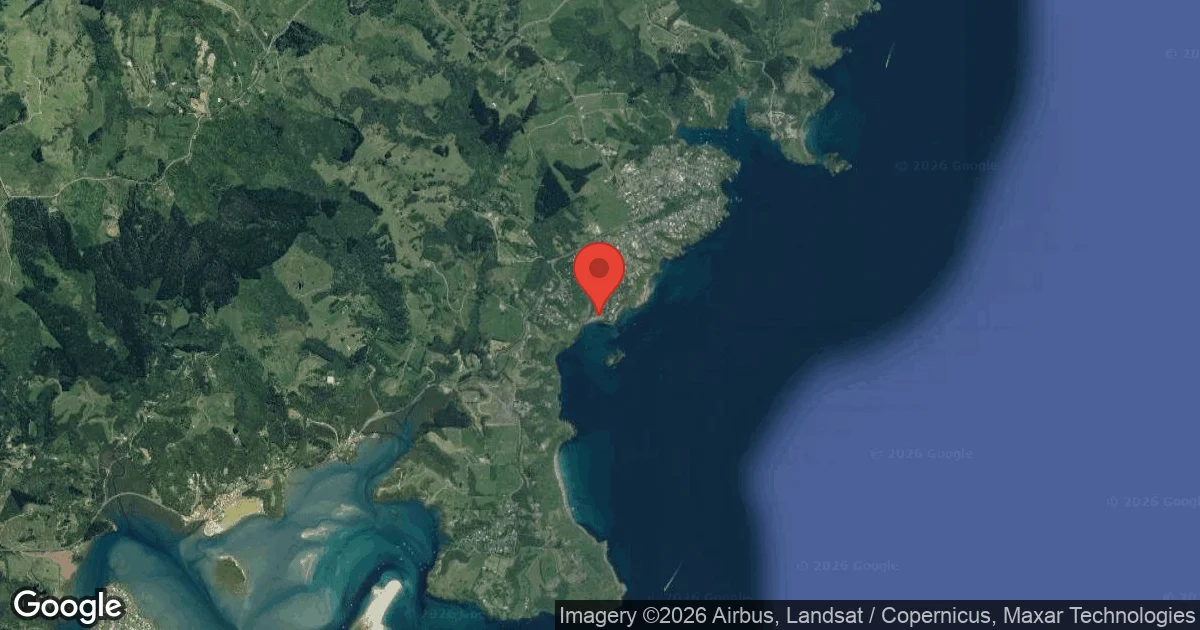
Dive Site Location & Key Facts
Dive Site Overview
Centered around its concrete wharf and accessible ramp, Ti Point provides straightforward entry and exit points for divers. This reputation as a beginner-friendly site stems from its relatively calm conditions and ease of access directly from shore.
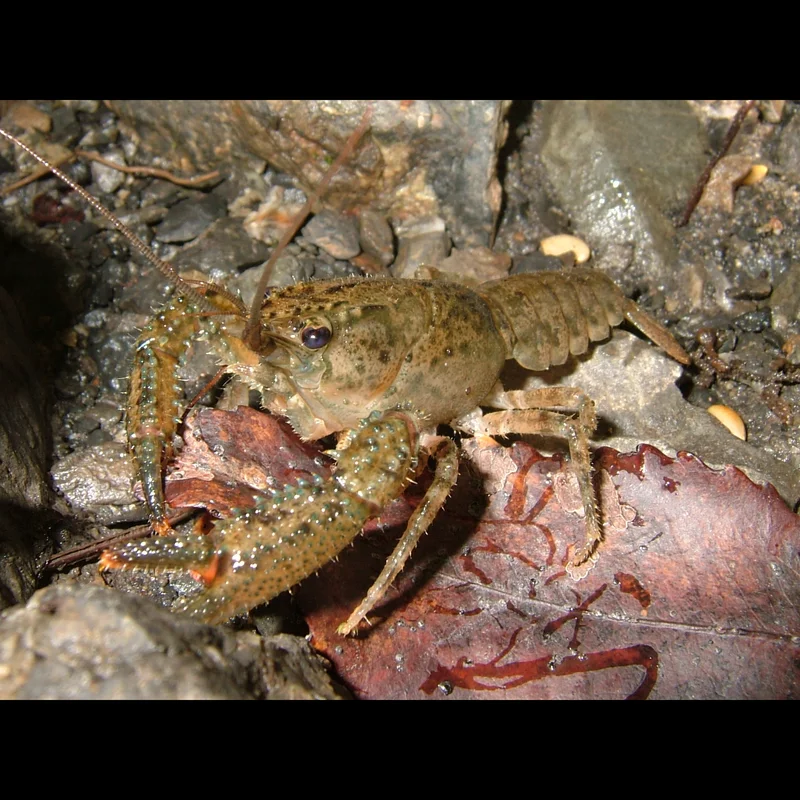
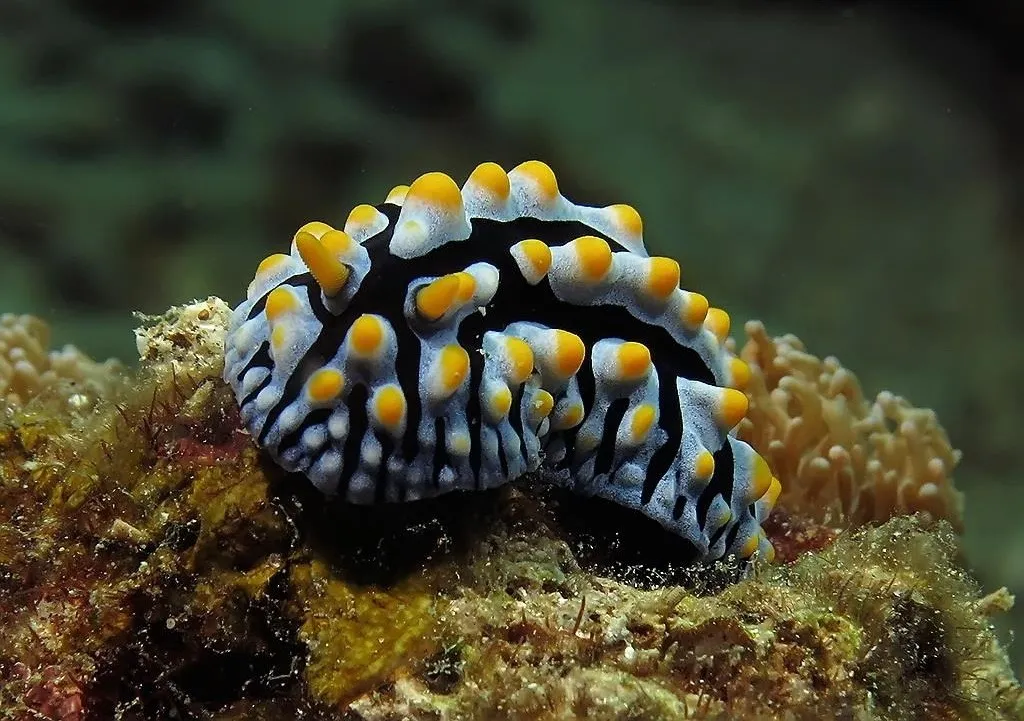
Descending into the waters reveals a diverse underwater landscape, where divers can explore colorful walls adorned with sponges and hydroids. Nudibranchs are also present, adding small, vibrant details to the marine environment. Crayfish often seek shelter beneath the rocky structures, offering a rewarding sight for observant divers.
Over the sandy areas, scallops can be found, contributing to the varied bottom terrain. Rays are also known to glide across the seabed, searching for food.
During warmer summer months, larger pelagic species such as kingfish and schools of kahawai may be observed, particularly further from the immediate shore structures. While the exact maximum depth isn't consistently reported for Ti Point itself, nearby recreational sites suggest depths within the 5-25 meter (16-82 ft) range.
The site serves well for photography, spearfishing, and crayfish hunting, provided divers remain mindful of varying currents and boat traffic.
Conditions are Moderate
High Wind Advisory (47km/h). Unsafe surface.
Current conditions near Ti Point show 15° air, 16° sea temperature, 0.9 m waves, and 47 km/h wind. Forecast data is refreshed regularly to ensure accuracy.
Best Time to Dive
Optimal diving conditions at Ti Point typically align with warmer air temperatures and generally calmer seas, usually found from January through March. During these months, air temperatures average between 17.5°C (64°F) in March and 19.5°C (67°F) in February, contributing to a more comfortable overall dive experience. Rainfall tends to be lower, ranging from 1.79 mm in February to 4.83 mm in January, further enhancing surface conditions. While water temperature data isn't consistently available, these periods generally correspond to the warmest water. Even through the cooler, wetter months like April, May, and June, conditions can be moderate, with July and August often seeing a return to 'Good' dive scores despite lower air temperatures averaging around 12°C (54°F) to 11.5°C (53°F). Wind speeds are consistently present throughout the year, typically ranging from 19-26 km/h (12-16 mph), so planning dives for calm days with minimal wind is advisable regardless of the season.
PEAK SEASON SCORE
Scores combine air & water temps, waves, wind & rainfall for overall conditions.
BEST MONTHS TO DIVE
Monthly records compiled from satellite and marine observation nodes over the last 3 years. Data provided by Open-Meteo and MET Norway.
Dive Experience & Conditions
Entering the water at Ti Point is generally straightforward, facilitated by a concrete ramp and a wharf designed for easy access, making it a comfortable experience for beginners. Once submerged, divers navigate through a reef environment characterized by bouldery sections and areas of sandy bottom. Visibility at the site can vary depending on recent weather patterns and tidal movements, but clear days typically offer reasonable underwater views. Current conditions are generally reported as light to none in the immediate vicinity of the wharf, contributing to the site's beginner-friendly reputation. Those venturing further or engaging in activities like spearfishing, though, should be aware that stronger currents can sometimes be encountered, especially away from the sheltered areas or during tidal changes. The maximum depth encountered during a typical recreational dive here is within standard limits, often exploring sections down to 25 m (82 ft), with shallower areas for less experienced divers.
Dive Difficulty & Safety Guidelines
Prioritizing safety at Ti Point means maintaining constant awareness of boat traffic, particularly near the wharf and in transit lanes. Recreational boats frequently use the area, necessitating the use of a dive flag and careful surface watch before and after dives. Although the immediate area around the wharf often exhibits minimal current, divers intending to explore further afield, or those engaged in spearfishing, should anticipate the potential for stronger, more variable currents.
Planning dives for slack tide is a prudent measure to mitigate current exposure. Since this is considered a beginner site, maintaining proper buoyancy control and staying within established recreational depth limits are essential.
Divers should also ensure they are adequately equipped for the temperate New Zealand waters to prevent hypothermia, as water temperatures are not consistently reported but generally cooler than tropical regions.
Recommended Equipment
Current and surface separation risk. Local briefing strongly recommended.
- Dive Computer
- DSMB
- Reel / Spool
This gear list is based on verified equipment signals for Ti Point, New Zealand. Always confirm final gear choices with your dive operator, guide, or liveaboard.
Recommended Dive Suit
Subtle variations in currents or depth can sometimes influence perceived water temperature.
5-7mm wetsuit tends to perform well in water temperatures like those currently observed here. Strong winds are present; please take strong precautions against rapid cooling during surface intervals. A thermal robe or jacket is recommended between dives. Forecasts suggest a slight cooling pattern in the days ahead. Cooler days are ahead; you might want a warmer option for later in the week. Carrying a secondary suit is common practice among experienced divers.
Water temperatures across the dive area at Ti Point are presently estimated to be around 16°C (60°F). Surface air temperatures are resting at 15°C (59°F).
Emergency & Medical Support
Essential information to help you plan your dive trip to Ti Point.

Hyperbaric chambers are a critical part of dive safety infrastructure. Availability varies significantly by region, and not all dive areas have immediate access.
Before diving, it's recommended to:
- confirm nearest medical facilities
- check emergency procedures with local dive operators
- ensure dive insurance covers evacuation if required
Divers Alert Network
Diving emergency assistance available through DAN World.
+1-919-684-9111- 24/7 emergency hotline
- Diving medical assistance
- Evacuation coordination
Emergency contacts are provided for reference. Always verify local emergency services before diving.
Marine Life at Ti Point
Life beneath the surface at Ti Point reveals a varied ecosystem. Divers often encounter colorful walls of sponges and hydroids, providing habitat for a few nudibranchs.
Crayfish are commonly observed taking refuge under rocks. Over the sandy expanses, sightings of scallops are possible.
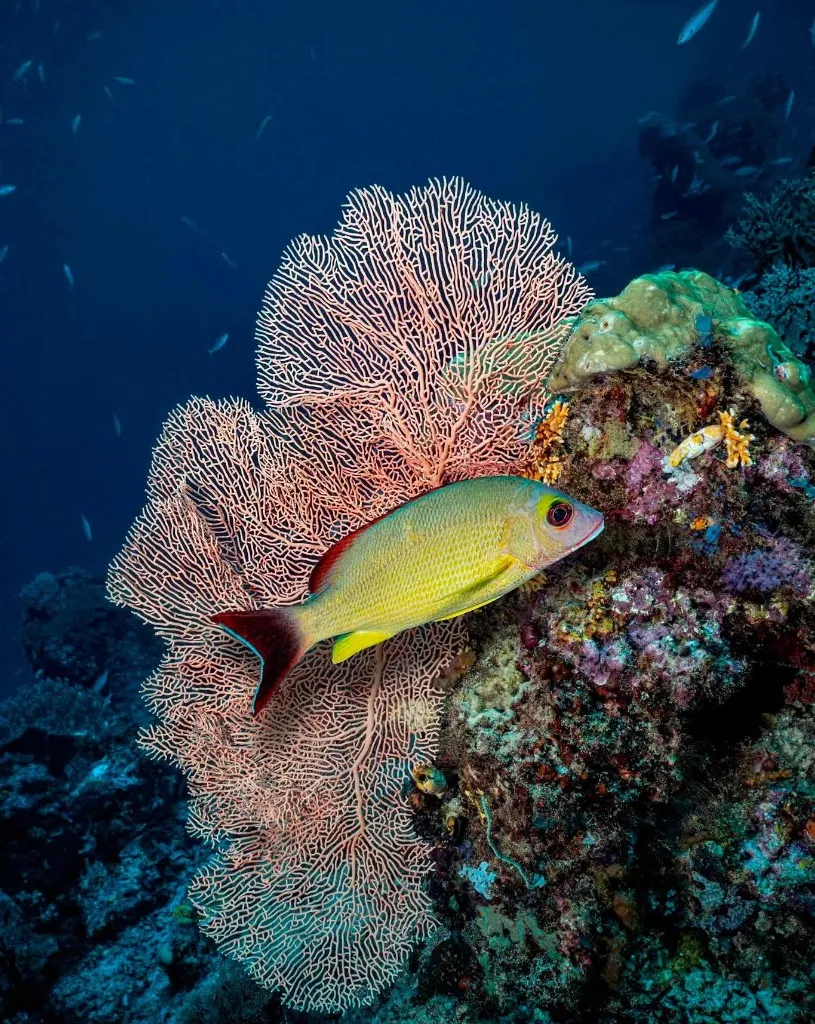
Rays gracefully glide across the bottom, searching for meals. Schools of blue maomao and kahawai are frequent, while snapper and John Dory can also be found. During the summer, larger kingfish may pass through the area.
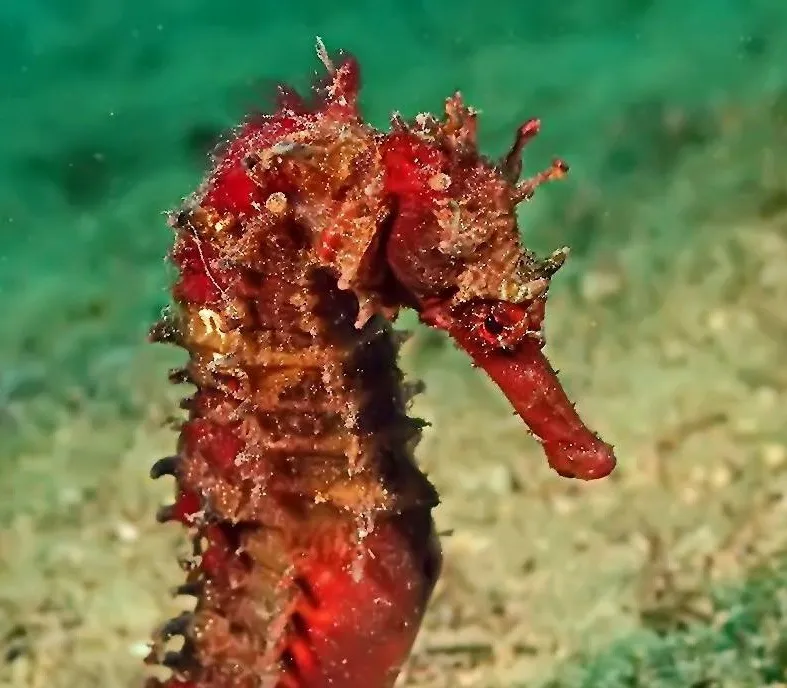
Keep an eye out for stargazers hidden in the sand and, notably, seahorses, which have been reported in the vicinity.

Dive Sites Near Ti Point
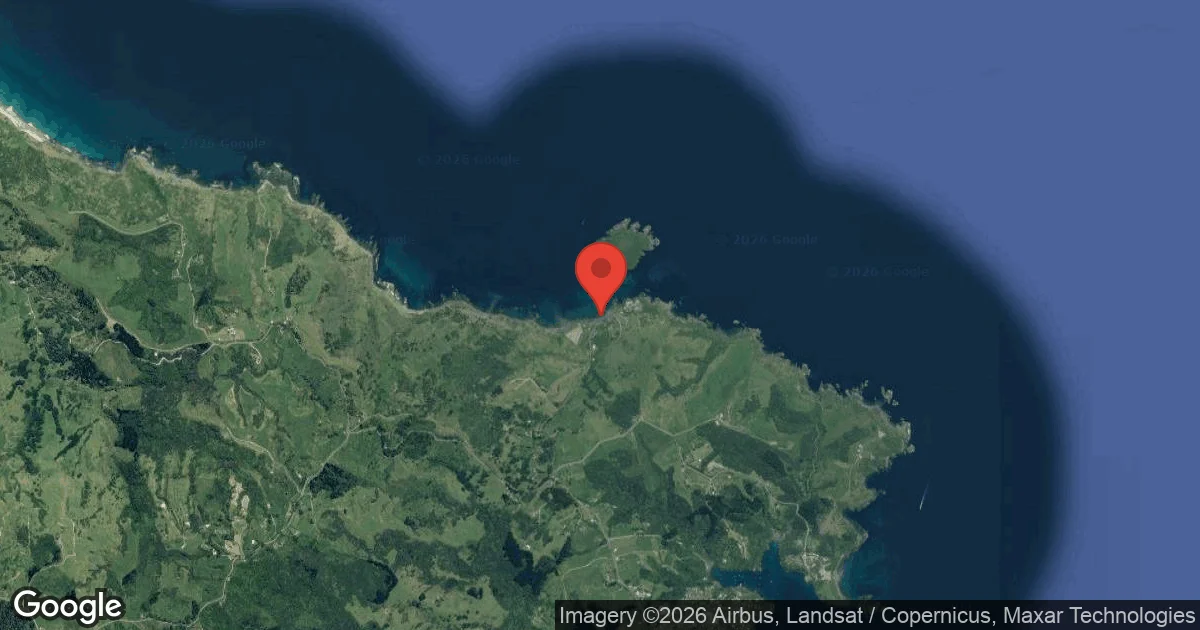
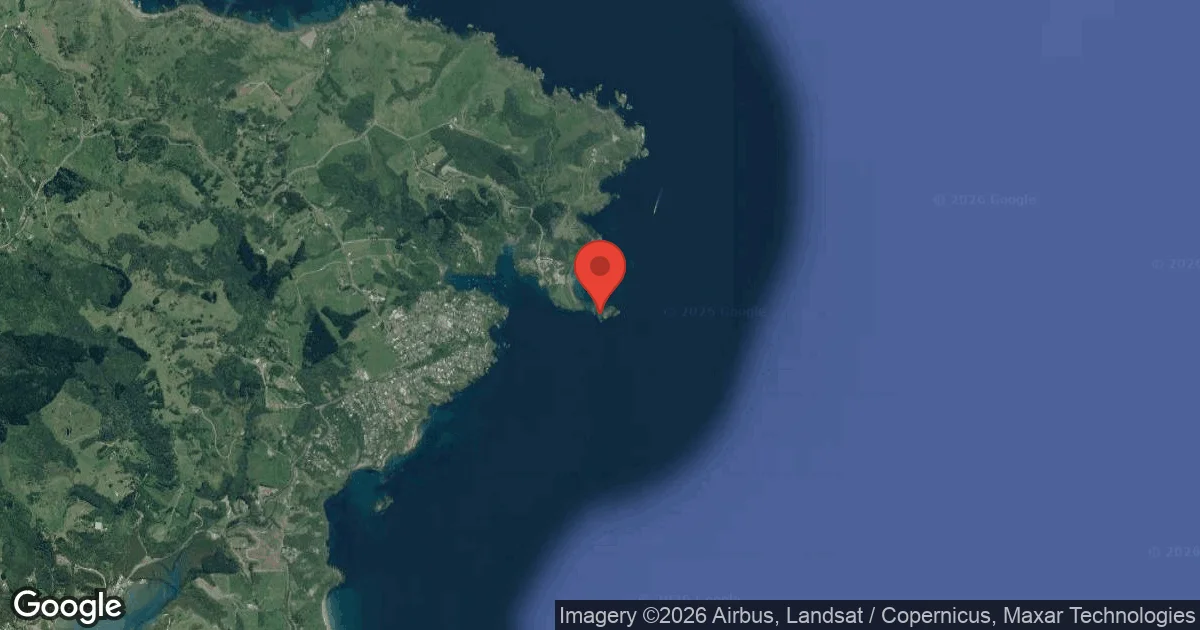
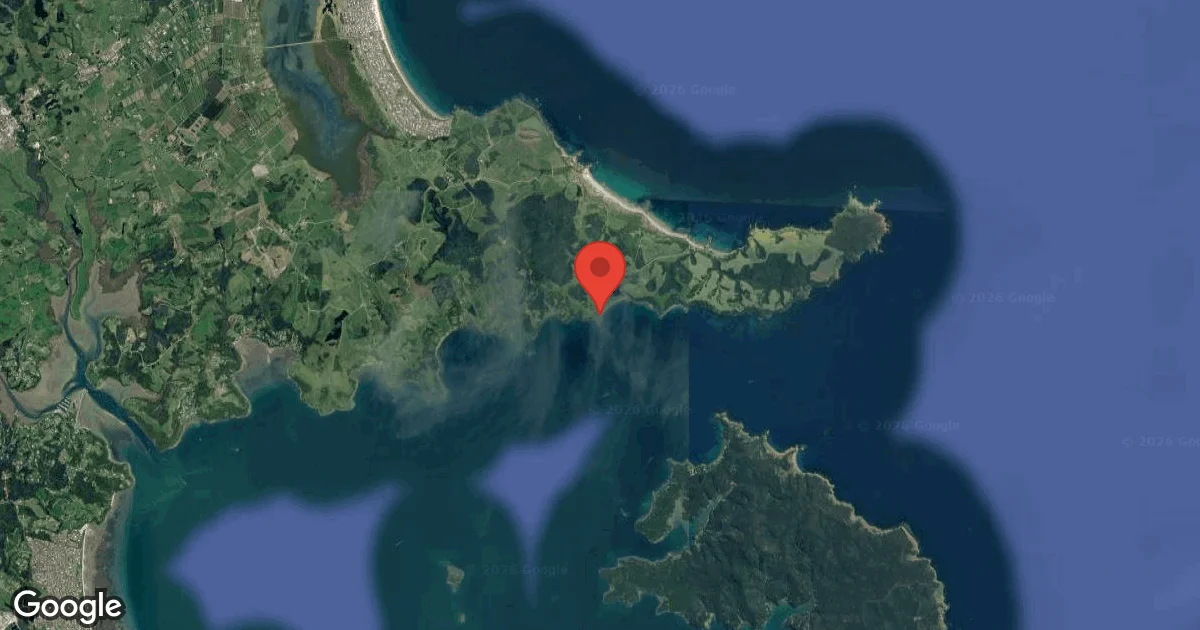
View all dive sites in New ZealandDiscover more underwater gems in this area.
Dive Centers Near Ti Point
Today: 08:30 - 16:00
Nearest Airports
Nearest airports to help plan travel to this dive area.
Search Flights
Check available flights and routes on Expedia, using the nearby airports listed in this section.
Search Flights on ExpediaFrequently Asked Questions
Is Ti Point suitable for beginner divers?
Yes, Ti Point is widely regarded as an excellent site for beginners due to its easy shore access via a concrete ramp and wharf. Conditions are generally calm near the entry point, offering a comfortable environment for learning.
What kind of marine life can I expect to see?
Divers often encounter colorful sponges, hydroids, nudibranchs, and crayfish under rocks. The site also hosts rays, scallops over sandy areas, and various fish like snapper, John Dory, kahawai, and sometimes kingfish, with seahorses also reported.
What are the typical dive depths at Ti Point?
While exact consistent data for Ti Point specifically is limited, the site offers a recreational depth range. Divers can explore shallower sections, with depths generally reaching up to 25 meters (82 ft) in deeper areas.
Are there strong currents at this dive site?
The immediate area around the wharf is typically reported as having light to no current. However, conditions can vary, and stronger currents might be encountered further from shore or during tidal changes, especially for spearfishing activities.
What about boat traffic at Ti Point?
Boat traffic is a known consideration, particularly near the wharf and in surrounding waterways. Divers should always deploy a dive flag and maintain awareness of surface vessels to ensure safety.
What is the best time of year to dive Ti Point?
The warmer summer months from January to March generally offer the most comfortable conditions with higher air temperatures and lower rainfall. However, good dive scores are also reported in cooler months like July and August.
Planning to dive Ti Point?
Send one inquiry and receive offers directly from the best verified local dive operators.
Conditions are Moderate
High Wind Advisory (47km/h). Unsafe surface.
Current conditions near Ti Point show 15° air, 16° sea temperature, 0.9 m waves, and 47 km/h wind. Forecast data is refreshed regularly to ensure accuracy.