
Diving at Goat Island (New Zealand)
Goat Island offers an accessible entry point for divers of all experience levels to explore New Zealand's pioneering marine protected area. Located just 1.5 hours from Auckland, this site is ideal for beginners and certified divers seeking a rich, yet manageable, underwater adventure. Its status as the country's first marine reserve ensures a vibrant environment for learning and discovery.
As evening covers Goat Island, the local air temperature is measured at 13°C. The current wave height at the surface is recorded at 0.9 m. These late-day readings characterize the surface conditions for the night.
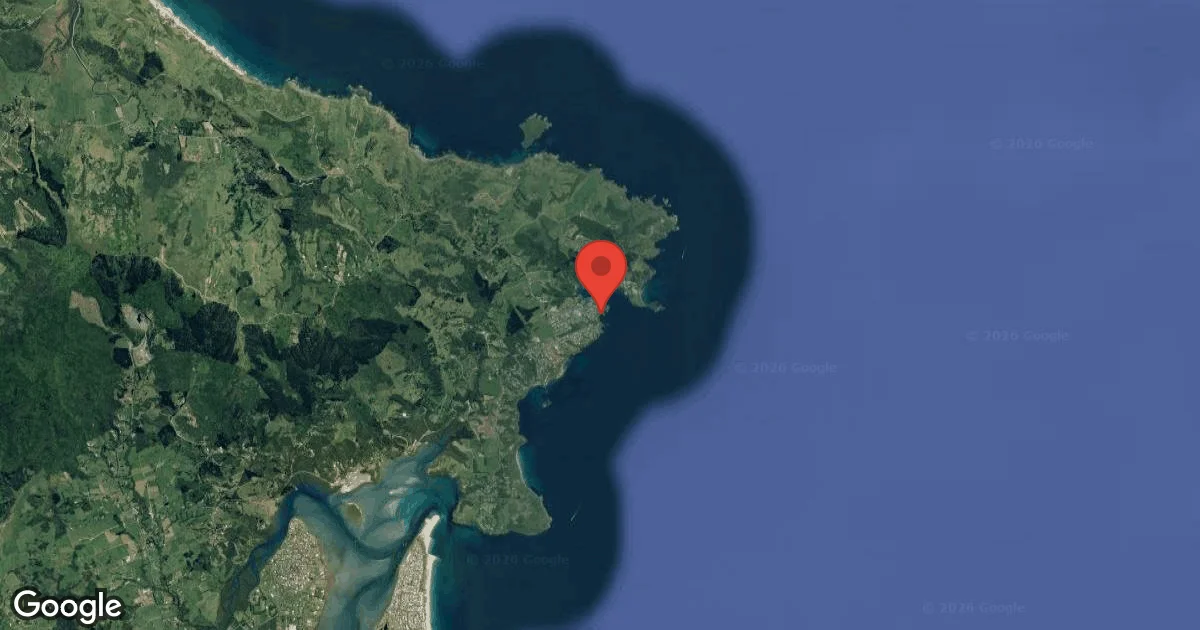
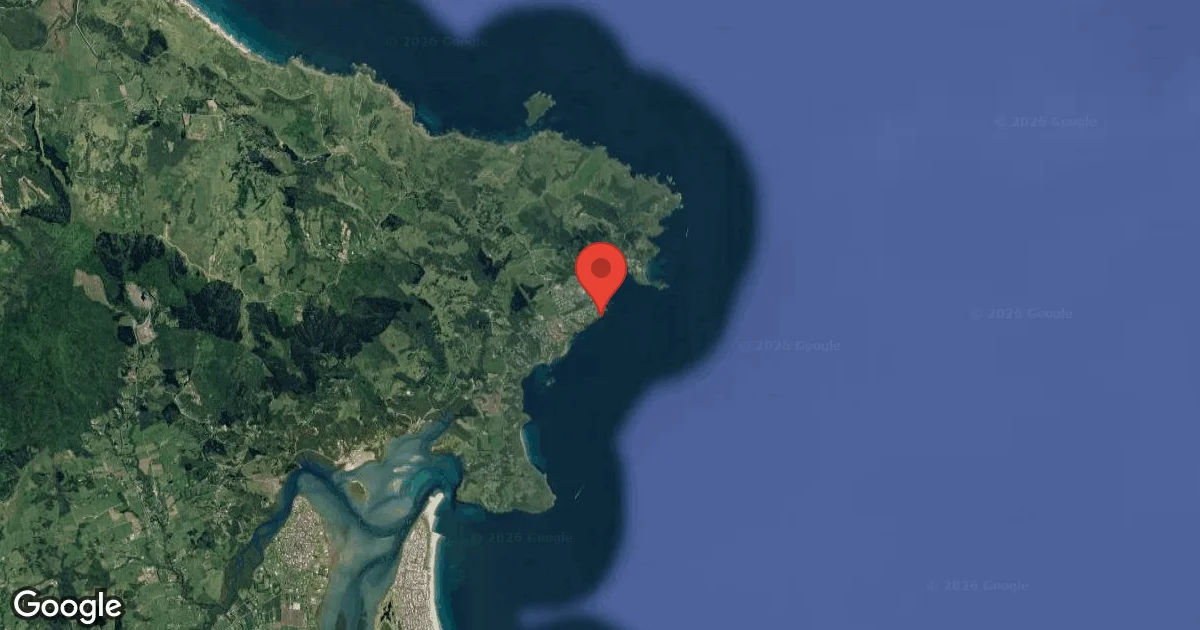
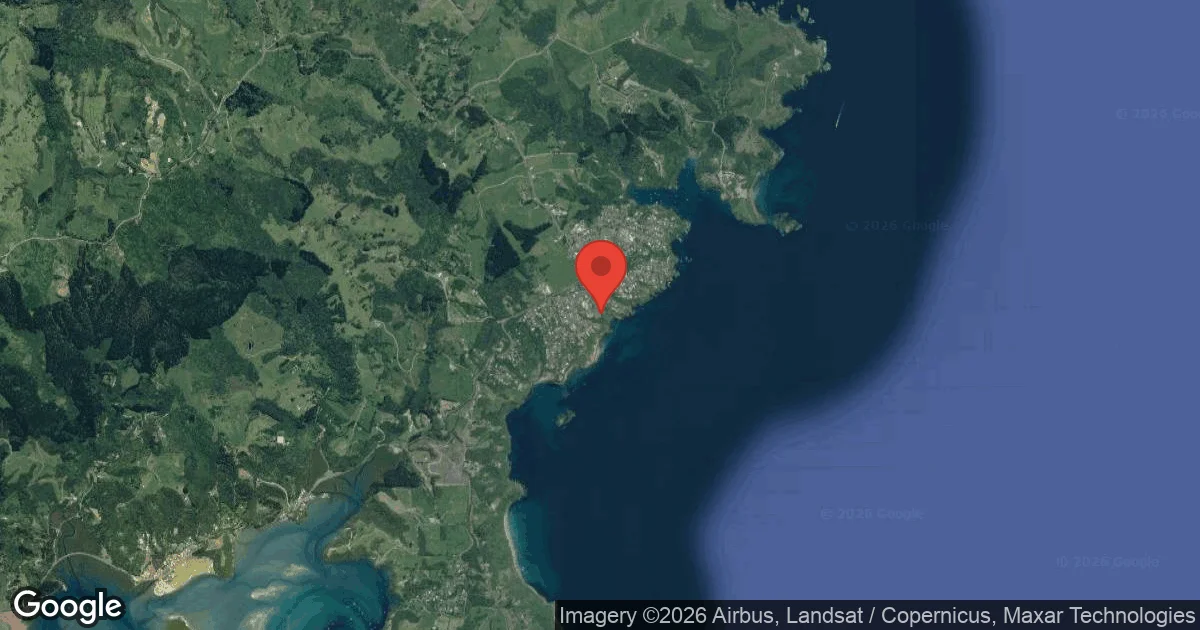
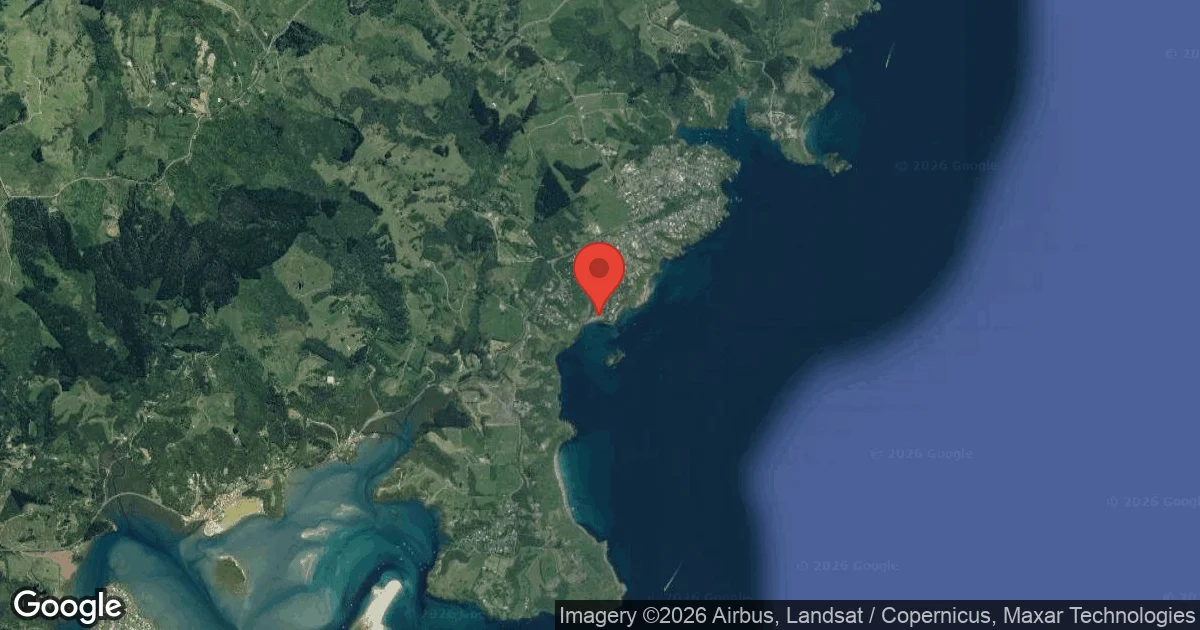
Dive Site Location & Key Facts
Dive Site Overview
New Zealand’s first marine reserve, Goat Island was officially opened in 1977, setting a crucial precedent for marine conservation in the region. Culturally significant to the local Māori tribe, Ngāti Manuhiri, the area holds a deep connection to their ancestral waka, Moe Karaka.
Divers here can expect a varied experience, as dive sites are thoughtfully chosen based on prevailing weather conditions and the group's skill level. This flexibility allows for exploration of diverse underwater landscapes, from the exposed side featuring a notable drop-off that reveals deeper reef structures, to the more sheltered eastern flank of the island, characterized by shallower kelp beds and rocky outcrops.
Many find this an excellent location for skill refreshers, offering a safe environment to practice buoyancy and navigation. For those new to diving, it provides a perfect introduction to the underwater world, with guided experiences enhancing comfort. A full day charter often includes two dives, with essential gear rental typically included.
Conditions are Moderate
High Wind Advisory (48km/h). Unsafe surface.
Current conditions near Goat Island show 13° air, 15° sea temperature, 0.9 m waves, and 48 km/h wind. Forecast data is refreshed regularly to ensure accuracy.
Best Time to Dive
Optimal diving conditions generally prevail during New Zealand's warmer months, typically from January through March, where air temperatures average around 18-20°C (64-68°F). During this period, wave heights tend to be lower, contributing to better visibility and a more comfortable diving experience. Rainfall is also comparatively low, averaging 1.8-4.8 mm. While water temperatures aren't consistently reported, they generally follow air temperature trends, reaching their warmest in late summer. Winter months, particularly August, see cooler air temperatures of about 12°C (54°F), which may impact dive comfort. Overall, the summer season often delivers the best dive scores, though good conditions can extend into autumn and spring.
PEAK SEASON SCORE
Scores combine air & water temps, waves, wind & rainfall for overall conditions.
BEST MONTHS TO DIVE
Monthly records compiled from satellite and marine observation nodes over the last 3 years. Data provided by Open-Meteo and MET Norway.
Dive Experience & Conditions
Descending into Goat Island's waters, divers encounter a diverse underwater topography. The exposed side features a distinct drop-off, presenting varied marine habitats to explore. Along the more sheltered eastern side, the environment tends to be calmer, ideal for observing marine life in a relaxed setting. Water temperatures are typically cooler than tropical regions, ranging approximately from 14-22°C (57-72°F) depending on the season, with the warmest conditions in late summer. Visibility is generally good, allowing clear views of the abundant aquatic inhabitants. Diving to recreational depths, usually within 30 m (100 ft), offers ample opportunity to appreciate the reserve's protected ecosystem.
Dive Difficulty & Safety Guidelines
Approaching a dive at Goat Island necessitates adherence to specific safety protocols, primarily due to its status as a marine reserve. All diving activities, whether from shore or by boat, are typically guided by experienced professionals who prioritize diver safety and environmental protection. Site selection is always dictated by current weather conditions, ensuring the safest possible outing for all participants.
As a 'no-take' marine reserve, removal of any marine life or objects is strictly prohibited. Divers are encouraged to consider a refresher course if they haven't been in the water recently, especially given the varying conditions inherent to open ocean diving.
Recommended Equipment
- Dive Computer
This gear list is based on verified equipment signals for Goat Island, New Zealand. Always confirm final gear choices with your dive operator, guide, or liveaboard.
Recommended Dive Suit
Conditions in the coming days are expected to stay within a similar temperature range.
Many experienced divers would consider 5-7mm wetsuit an appropriate choice here. Consider warmer surface protection (like a boat coat) due to brisk winds. A thermal robe or jacket is recommended between dives.
Recent environmental data from Goat Island indicates water temperatures near 15°C (60°F). Surface air temperatures are resting at 13°C (55°F).
Due to technical issues with our weather providers, live updates are temporarily delayed. The data above reflects the conditions at the time of the last successful fetch.
Emergency & Medical Support
Essential information to help you plan your dive trip to Goat Island.

Hyperbaric chambers are a critical part of dive safety infrastructure. Availability varies significantly by region, and not all dive areas have immediate access.
Before diving, it's recommended to:
- confirm nearest medical facilities
- check emergency procedures with local dive operators
- ensure dive insurance covers evacuation if required
Divers Alert Network
Diving emergency assistance available through DAN World.
+1-919-684-9111- 24/7 emergency hotline
- Diving medical assistance
- Evacuation coordination
Emergency contacts are provided for reference. Always verify local emergency services before diving.
Marine Life at Goat Island
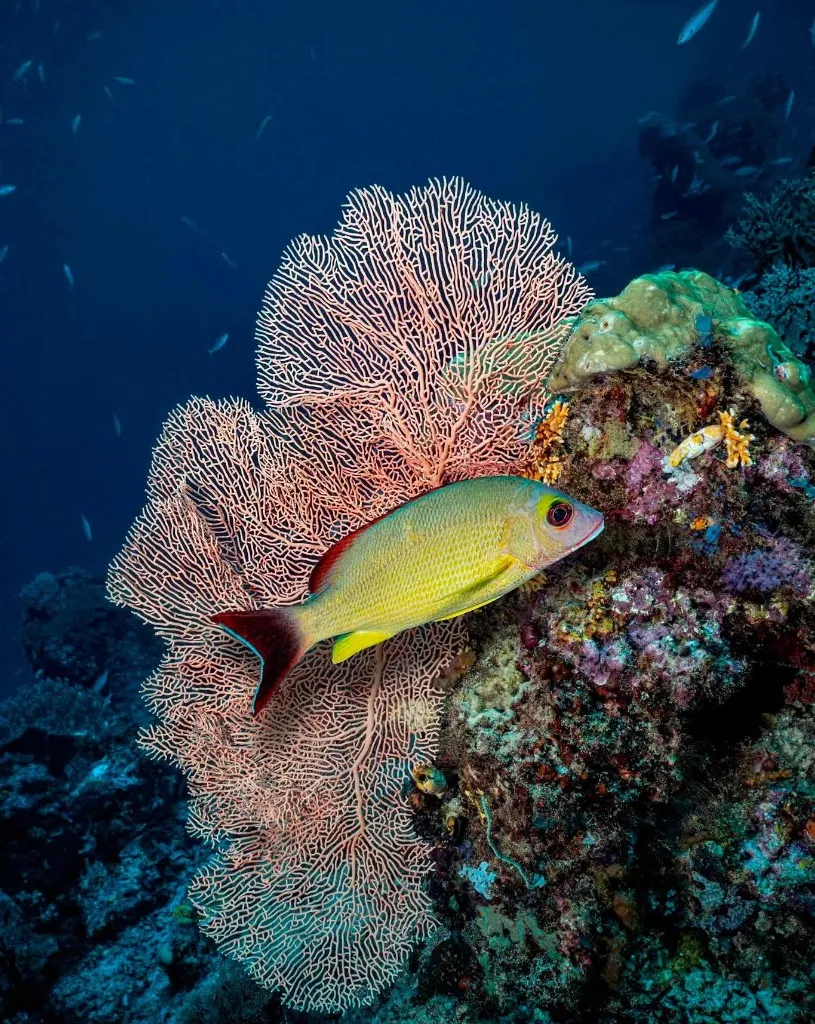
Entering the reserve, you're immediately struck by the abundance of fish life, a direct result of its protected status. Encounters with large snapper and schools of vibrant blue maomao are common observations, often approaching divers with curiosity.
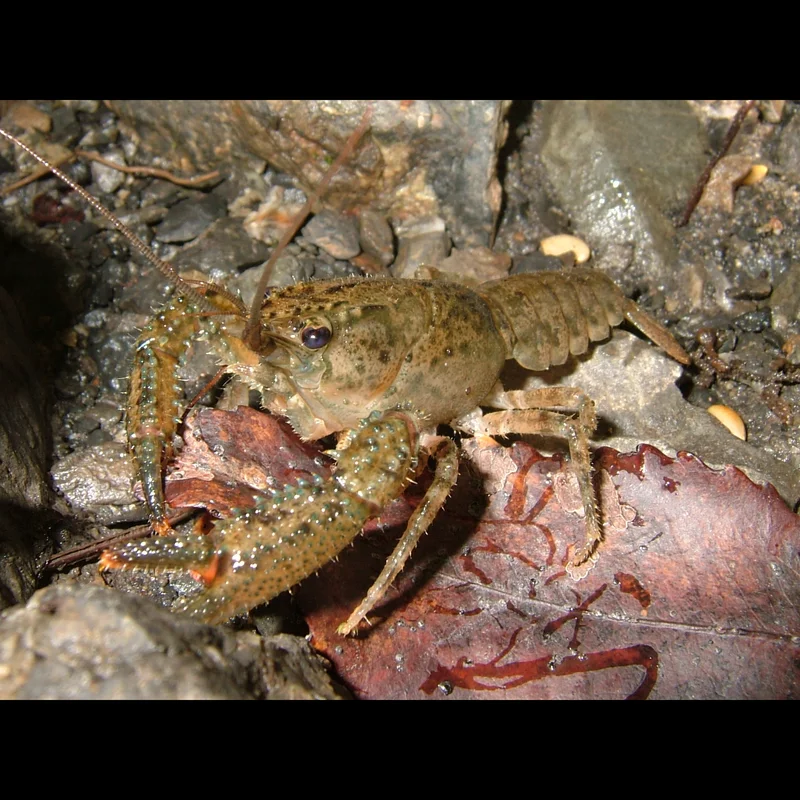
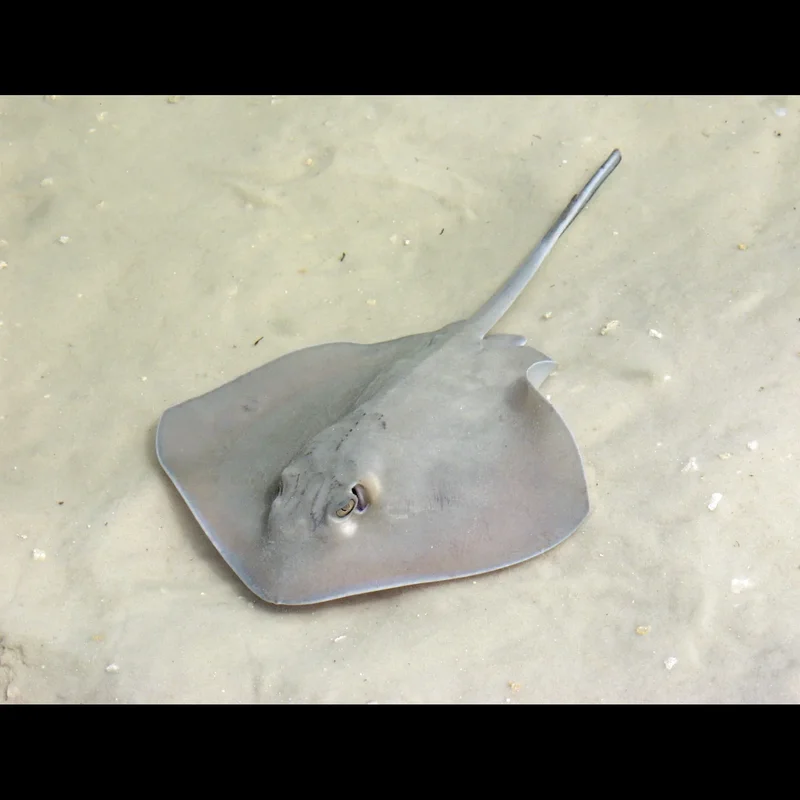
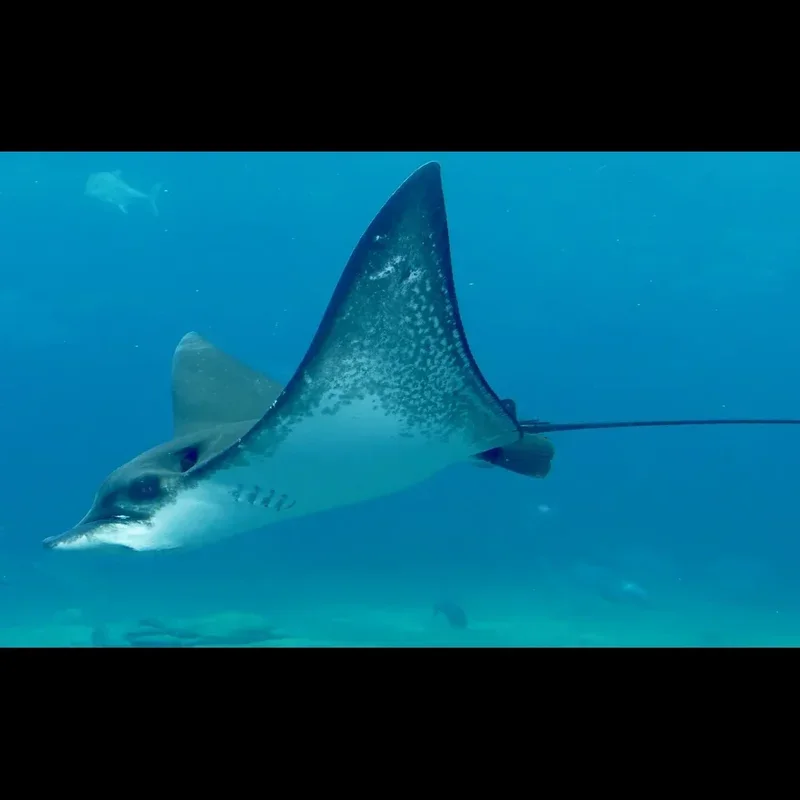
Crayfish frequently appear in sheltered spots, seemingly unafraid within the marine haven. Keep an eye out for rays, including eagle rays and stingrays, gracefully patrolling the seafloor.
Even octopus can sometimes be spotted, blending skillfully with the surrounding rock formations and contributing to the rich biodiversity of this coastal marine ecosystem.
Dive Sites Near Goat Island
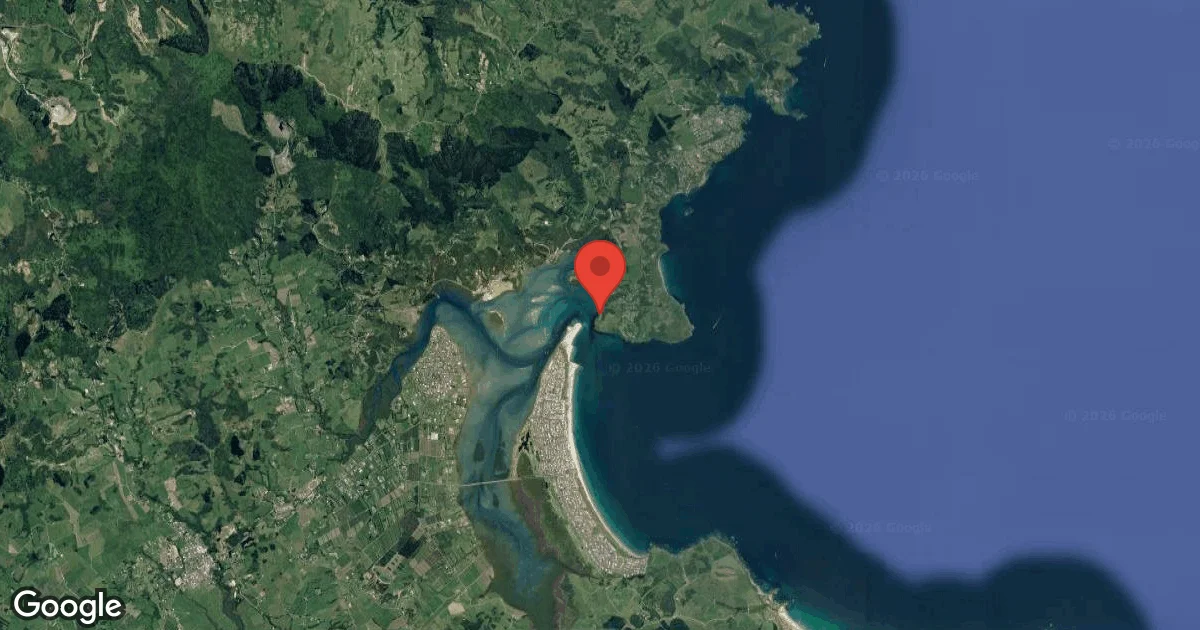
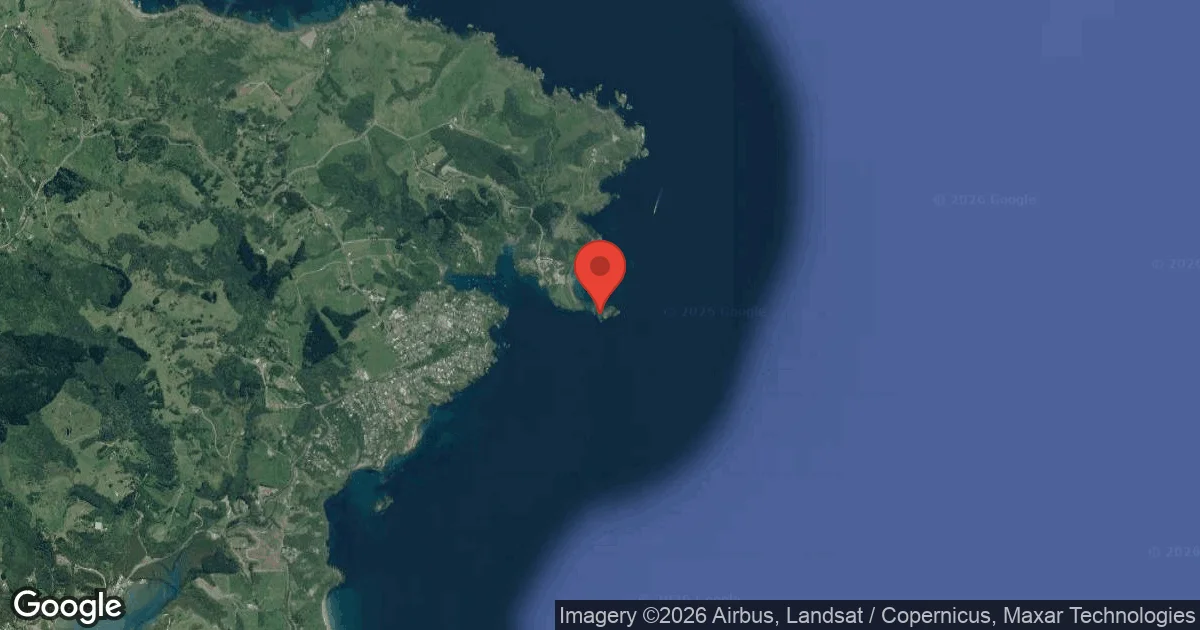
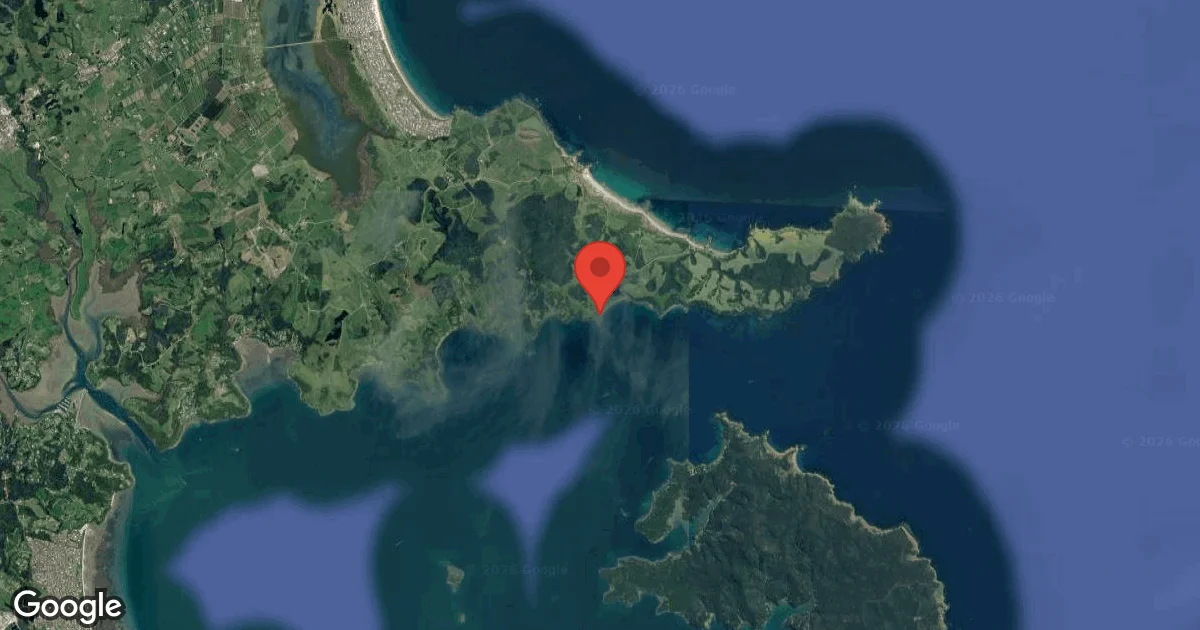
View all dive sites in New ZealandDiscover more underwater gems in this area.
Dive Centers Near Goat Island
Today: 08:30 - 16:00
Nearest Airports
Nearest airports to help plan travel to this dive area.
Search Flights
Check available flights and routes on Expedia, using the nearby airports listed in this section.
Search Flights on ExpediaFrequently Asked Questions
Are there shore diving opportunities at Goat Island?
Yes, shore diving is possible, particularly from the main beach within the reserve. It offers an accessible entry point for independent divers. Conditions vary, so checking local reports before entering is important.
What is the typical water temperature range?
Water temperatures at Goat Island typically range from 14-22°C (57-72°F) throughout the year. The warmest conditions are generally encountered during the late summer months. Thermal protection appropriate for these temperatures is recommended.
Can I see sharks at Goat Island?
While a wide variety of marine life inhabits the reserve, encounters with large predatory sharks are uncommon. You might observe smaller, harmless species such as wobbegong sharks or dogfish, especially in deeper or more secluded areas.
What kind of visibility can I expect?
Visibility at Goat Island is generally good, but it varies significantly with weather and recent rainfall. On calm days, visibility can extend well over 10 meters (33 ft). Strong winds or heavy rain can reduce underwater clarity.
Is spearfishing or fishing allowed in the marine reserve?
No, Goat Island is a 'no-take' marine reserve. All forms of fishing, spearfishing, and removal of any marine life or objects are strictly prohibited. The reserve status is precisely why marine life is so abundant here.
Planning to dive Goat Island?
Send one inquiry and receive offers directly from the best verified local dive operators.
Conditions are Moderate
High Wind Advisory (48km/h). Unsafe surface.
Current conditions near Goat Island show 13° air, 15° sea temperature, 0.9 m waves, and 48 km/h wind. Forecast data is refreshed regularly to ensure accuracy.