
Diving at Jicaron and Jicarita (Panama)
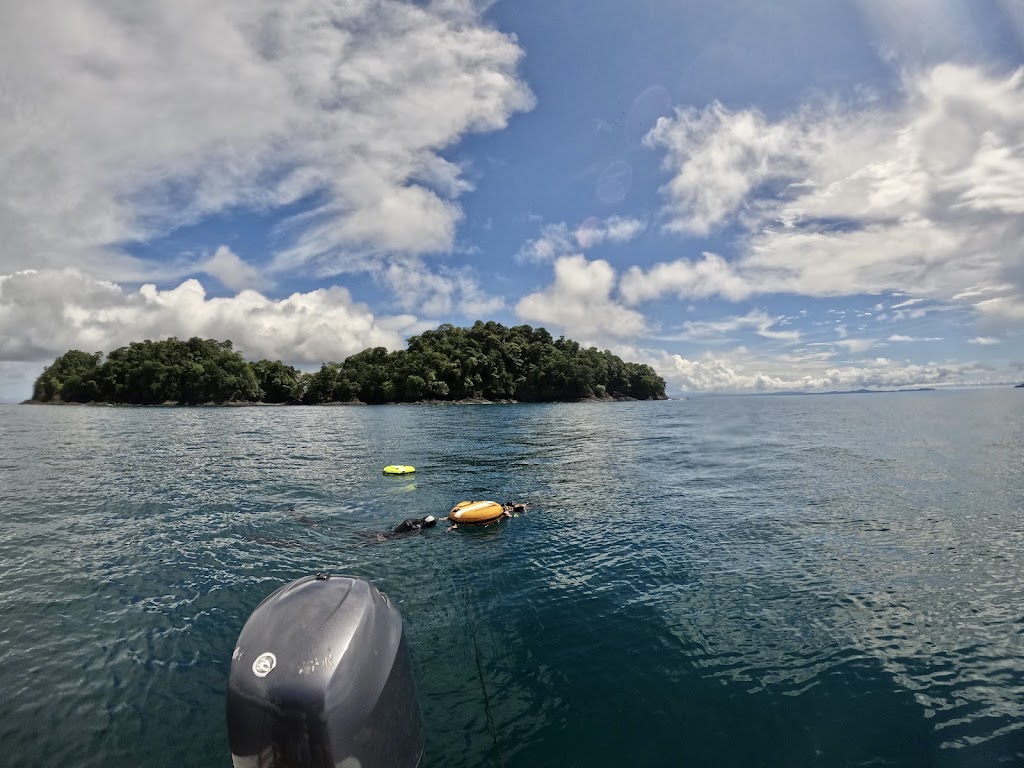
Reaching Jicaron and Jicarita typically involves a dedicated boat trip, often spanning multiple days, from Santa Catalina. These islands lie on the steep drop-off of the Pacific Ocean, where the seabed plunges thousands of meters deep. Such a journey offers a preview of dive sites mostly characterized by deeper profiles, catering to experienced divers seeking remote and nutrient-rich waters.
Tonight's objective overview for Jicaron and Jicarita shows an air temperature of 28°C. The measured surface conditions include wave heights around 1.3 m. This environmental data is logged for the close of the day.
Dive Site Location & Key Facts
Dive Site Overview
Jicaron and Jicarita are integral to Coiba National Park, a UNESCO World Heritage Site since 2005 and a national park since 1992, providing a critical protective zone. This region acts as the northern pillar of the vast Eastern Pacific Marine Corridor, frequently referred to as The Shark Triangle, serving as a vital thoroughfare for migrating megafauna.
Here, the profound depths of the Pacific encounter the shallower underwater formations around the islands. These convergence points foster significant upwellings, enriching the waters and cultivating a thriving marine ecosystem. Panama further solidified its commitment to conservation by expanding its protection zone by 62,000 km2 in June 2021, creating a continuous corridor linked to Colombia's Malpelo Protection Area.
Diving in this dynamic environment means exploring an area central to one of the planet's most productive marine habitats, supporting exceptional biodiversity. The volcanic rock formations and surrounding reef systems of these islands create varied underwater topographies, from steep walls to current-swept pinnacles, defining the experience. Expect energetic conditions.
Conditions are Moderate
Optimal conditions expected
Current conditions near Jicaron and Jicarita show 28° air, 30° sea temperature, 1.4 m waves, and 24 km/h wind. Forecast data is refreshed regularly to ensure accuracy.
Best Time to Dive
Planning your dive to Jicaron and Jicarita is best aligned with the drier, calmer months, which generally offer more favorable conditions for remote travel. Dive scores indicate 'Good' conditions in January, March, April, and December. During these periods, average rainfall is notably lower, ranging from approximately 2.1 mm (March) to 7.3 mm (December). Air temperatures remain consistently warm, hovering between 27°C (81°F) in December and 28°C (82°F) in March, ensuring comfortable surface intervals. The months from May through November tend to have 'Moderate' dive scores, marked by increased rainfall, which can reach up to 18.7 mm in November, potentially impacting sea conditions and visibility.
PEAK SEASON SCORE
Scores combine air & water temps, waves, wind & rainfall for overall conditions.
BEST MONTHS TO DIVE
Monthly records compiled from satellite and marine observation nodes over the last 3 years. Data provided by Open-Meteo and MET Norway.
Dive Experience & Conditions
Current dynamics are a defining feature when diving at sites near Jicaron and Jicarita. Locations such as 'La Catedral' and 'La Lavadora' are particularly known for their strong currents, often necessitating drift diving techniques. Divers frequently report feeling the 'washing machine' effect, where powerful water movement can create an exhilarating, yet challenging, experience. The islands are subject to large swells, particularly along Jicaron's rocky shorelines, which contribute to the energetic underwater environment. Water temperatures are not consistently reported for this specific site, but typically vary depending on seasonal upwellings of deep seawater, which also contribute to the abundant marine life.
Dive Difficulty & Safety Guidelines
Approaching dive sites around Jicaron and Jicarita demands a high level of diver skill and preparedness. These locations, characterized by deep ocean drop-offs and significant currents, are best suited for experienced divers comfortable with advanced conditions. It's advisable to undertake these dives as part of special trips with local guides, who possess invaluable knowledge of the prevailing currents and site specifics.
Given the remote nature of these islands, often requiring multi-day excursions from Santa Catalina, dive planning must account for logistical challenges and self-sufficiency. Always prioritize safety briefings and ensure your equipment is well-maintained for challenging dives.
Recommended Equipment
- Dive Computer
This gear list is based on verified equipment signals for Jicaron and Jicarita, Panama. Always confirm final gear choices with your dive operator, guide, or liveaboard.
Recommended Dive Suit
Thermal protection such as dive skin or rash guard is commonly used for water temperatures in this range. A hood or vest is suggested for sensitive divers due to surface winds.
Current readings at Jicaron and Jicarita show water temperatures near 30°C (86°F). Surface air temperatures are resting at 28°C (83°F).
Current forecasts indicate relatively stable conditions for the coming days.
Emergency & Medical Support
Essential information to help you plan your dive trip to Jicaron and Jicarita.

Hyperbaric chambers are a critical part of dive safety infrastructure. Availability varies significantly by region, and not all dive areas have immediate access.
Before diving, it's recommended to:
- confirm nearest medical facilities
- check emergency procedures with local dive operators
- ensure dive insurance covers evacuation if required
Divers Alert Network
Diving emergency assistance available through DAN World.
+1-919-684-9111- 24/7 emergency hotline
- Diving medical assistance
- Evacuation coordination
Emergency contacts are provided for reference. Always verify local emergency services before diving.
Marine Life at Jicaron and Jicarita
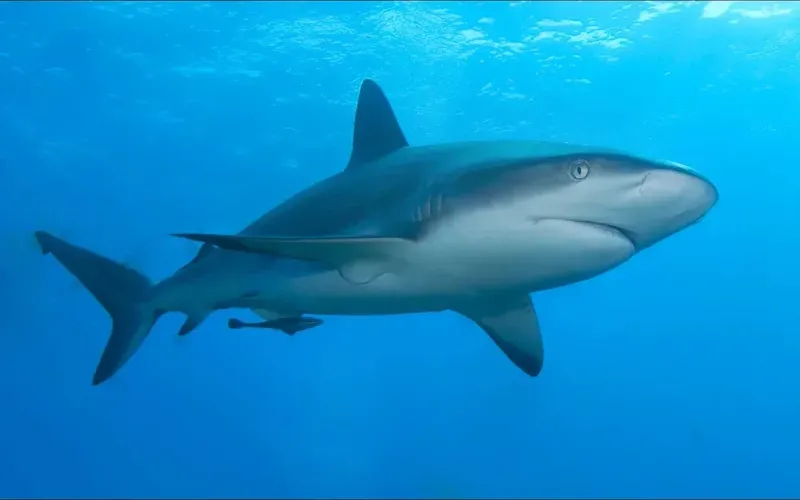
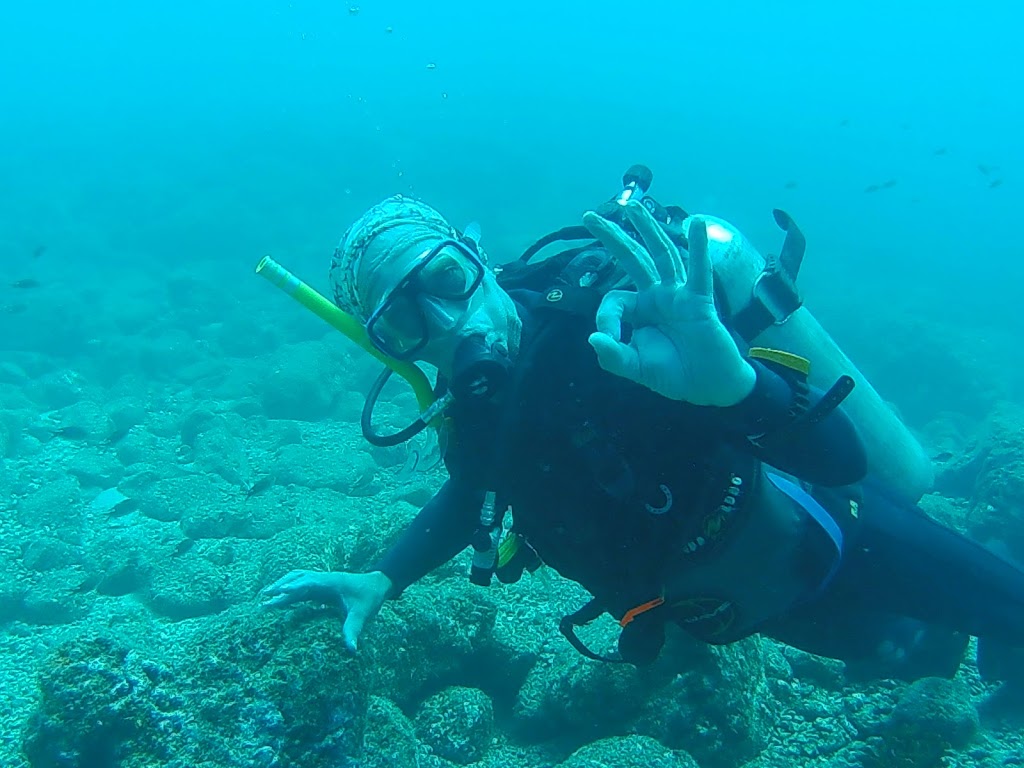
Diving around Jicaron and Jicarita provides remarkable opportunities to observe a diverse range of marine life, particularly large pelagic species attracted to the nutrient-rich waters. Encounters with sharks, including white tip reef sharks and occasional hammerheads, are possible.
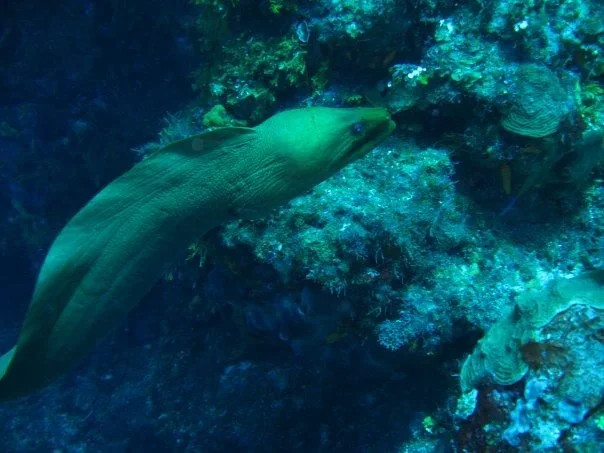
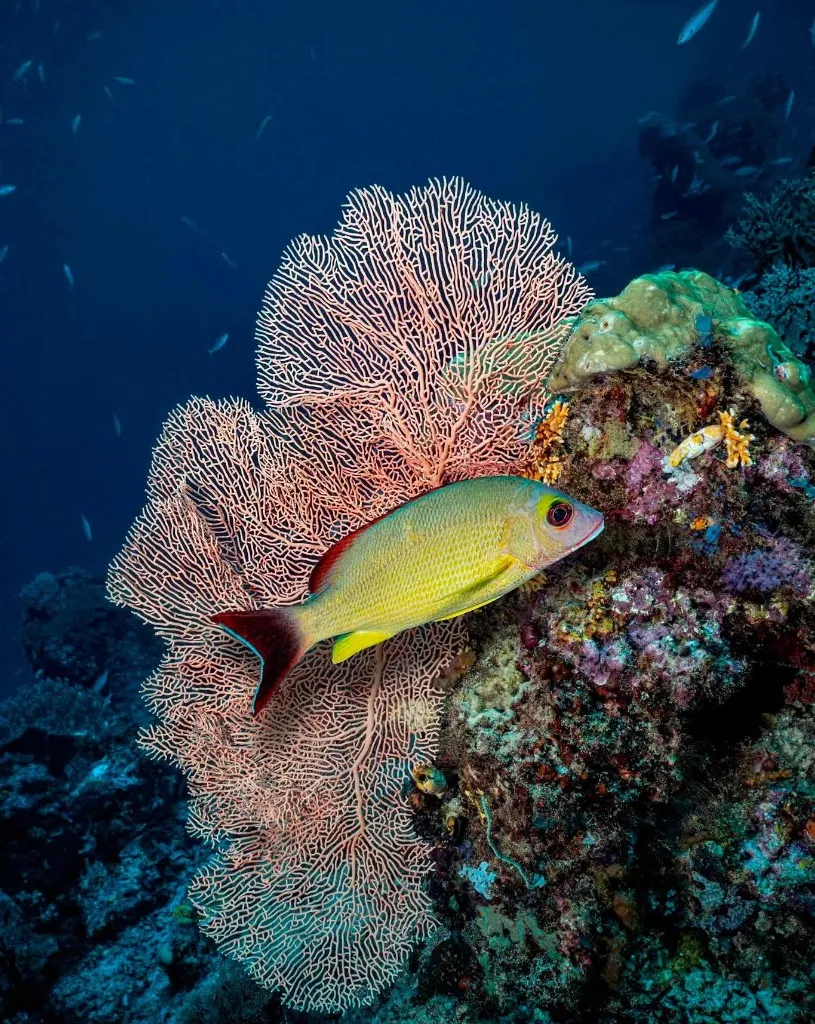
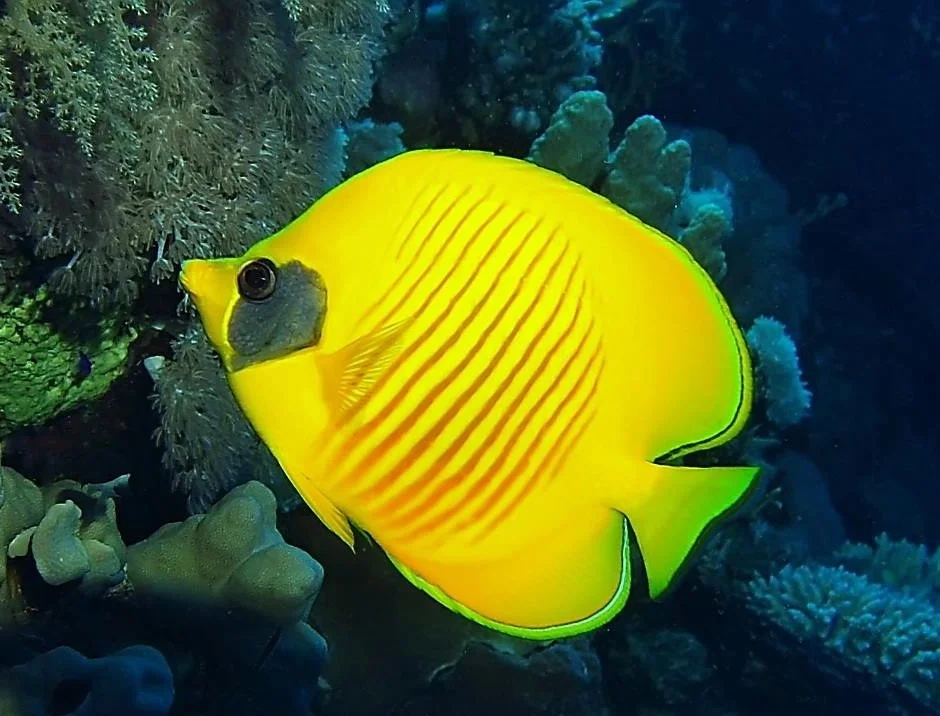
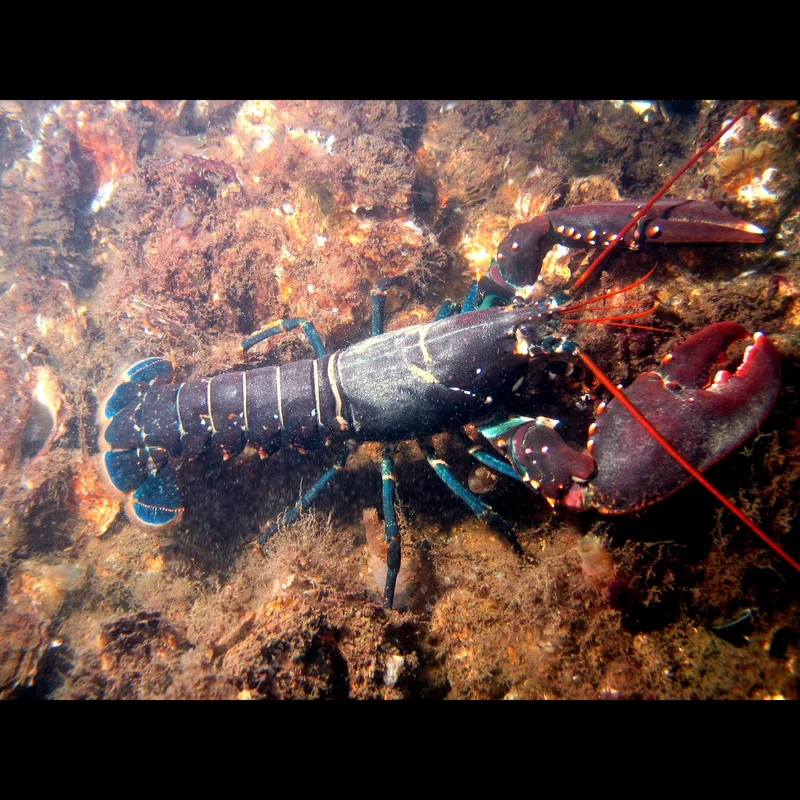
Divers frequently observe large schools of predatory fish such as tuna, jacks, snappers, and barracudas, along with spade fish. The vibrant reef life also includes moray eels, butterflyfish, angelfish, surgeonfish, frogfish, pufferfish, blennies, and lobsters.
On the surface, sightings of spinner and spotted dolphins, orcas, humpback, and pilot whales are not uncommon, especially as they utilize these transcontinental routes for hunting and travel.
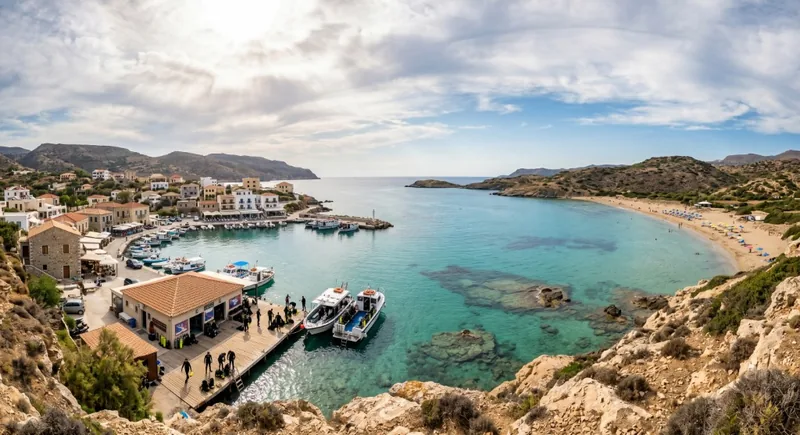
Dive Centers Near Jicaron and Jicarita
Today: 07:00 - 18:00
Nearest Airports
Nearest airports to help plan travel to this dive area.
Search Flights
Check available flights and routes on Expedia, using the nearby airports listed in this section.
Search Flights on ExpediaFrequently Asked Questions
How do I get to Jicaron and Jicarita?
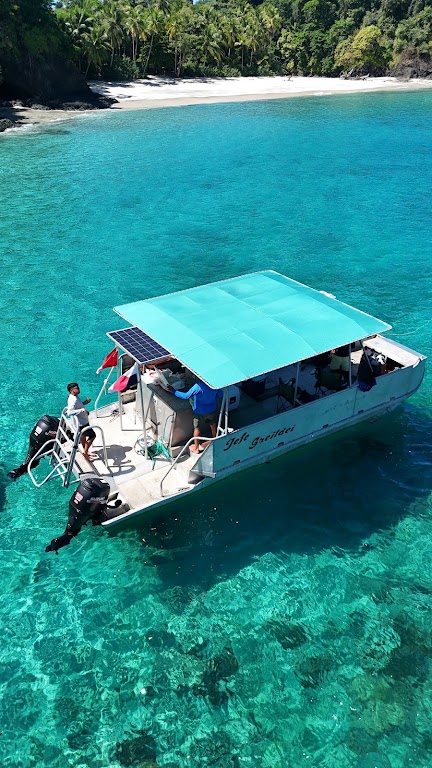
Access to Jicaron and Jicarita typically begins with a boat trip from Santa Catalina, Panama. These trips are often special excursions, sometimes requiring multi-day journeys due to the islands' remote location within Coiba National Park.
What skill level is required for diving at these sites?
Diving at Jicaron and Jicarita is generally recommended for experienced divers. The sites frequently feature deep profiles, strong currents, and dynamic conditions that require advanced diving skills and comfort.
What marine life can I expect to see?
Expect a rich diversity of marine life, particularly large pelagic species like various sharks, rays, and schooling predators such as tuna and jacks. You may also observe colorful reef fish, moray eels, and crustaceans. Surface sightings of dolphins and whales are possible.
Are there strong currents at Jicaron and Jicarita?
Yes, several dive sites around Jicaron and Jicarita, notably 'La Catedral' and 'La Lavadora,' are known for strong currents. These conditions often lead to exciting drift dives and can create a 'washing machine' effect.
When is the best time to dive Jicaron and Jicarita?
The best time to dive is generally during the drier months from January to April and in December. These periods offer lower rainfall, stable air temperatures, and more favorable surface conditions, leading to better overall dive scores.
Can I do night dives around Jicaron and Jicarita?
While night dives are possible within Coiba National Park, they are more commonly conducted closer to the main Coiba Island. Specific night diving opportunities directly at Jicaron or Jicarita are less consistently reported and may depend on individual trip arrangements.
What are some notable dive sites in the area?
Two prominent dive sites mentioned are 'La Catedral' and 'La Lavadora.' Both are recognized for their dramatic volcanic rock formations and challenging, current-driven dive experiences.
Planning to dive Jicaron and Jicarita?
Send one inquiry and receive offers directly from the best verified local dive operators.
Conditions are Moderate
Optimal conditions expected
Current conditions near Jicaron and Jicarita show 28° air, 30° sea temperature, 1.4 m waves, and 24 km/h wind. Forecast data is refreshed regularly to ensure accuracy.