
Diving at Planet Rock (Papua New Guinea)
Planet Rock emerges dramatically from 600 m (2,000 ft) of oceanic depth, culminating in a shallow pinnacle just 4-5 m (13-16 ft) below the surface. This unique underwater mountain acts as a natural magnet, funneling nutrient-rich currents and drawing in a remarkable concentration of pelagic fish and apex predators. Situated approximately 3 km (2 miles) offshore from Madang, it's a site defined by its sheer geological grandeur and the vibrant ecosystem it supports.
Evening condition tracking at Planet Rock features an air temperature of 24.5°C. We have recorded wave heights measuring 0.7 m during this period. These figures outline the environmental parameters currently present.
Dive Site Location & Key Facts
Dive Site Overview
Planet Rock's sheer scale, a massive sea mount rising from depths exceeding 600 m (2,000 ft) to its apex at 4-5 m (13-16 ft), immediately sets it apart. This site functions as an extraordinary focal point for marine activity, especially where strong ocean currents sweep across its shallow top.
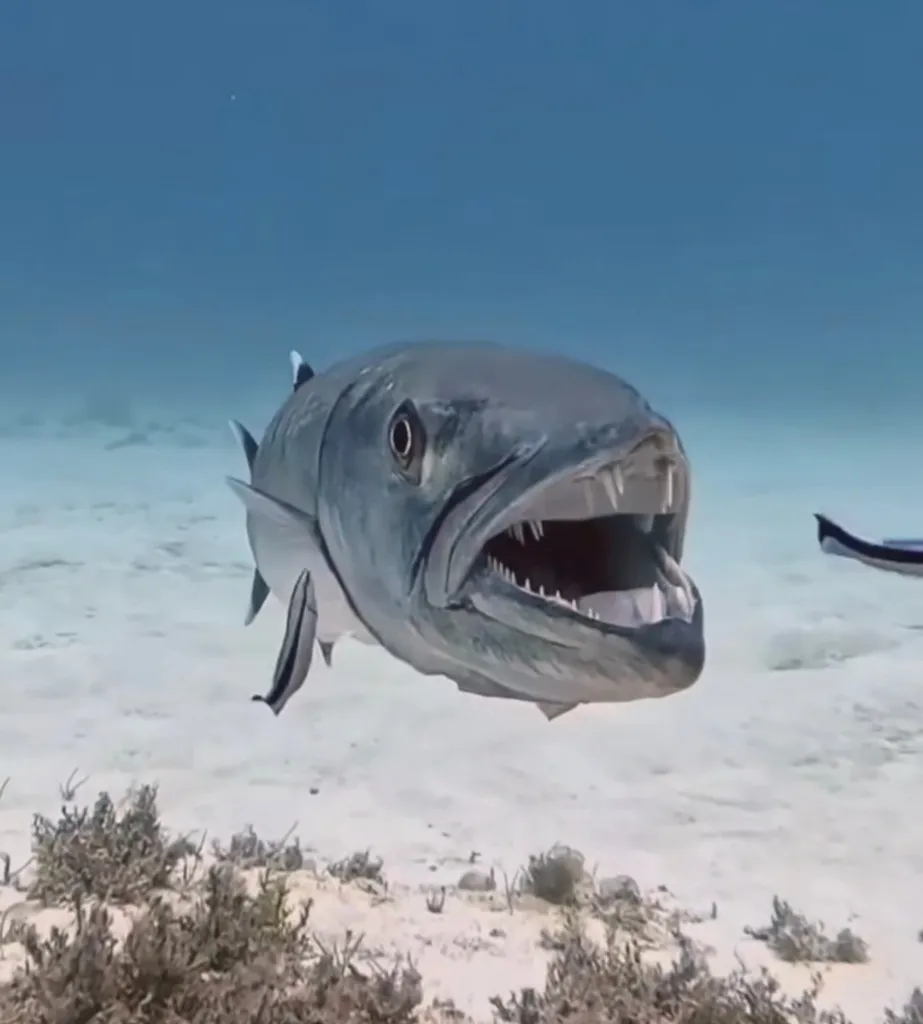
These currents act as a conveyor belt, delivering nutrients that sustain a thriving ecosystem. Divers can circumnavigate the pinnacle in about an hour, but observations often demand attention outward, towards the open blue. You'll encounter dense schools of barracuda, trevally, and mackerel.
Tuna, rainbow runners, and various batfish also frequent the area. Hard corals covering the shallower sections are notably vibrant, buzzing with smaller reef fish, creating a stark contrast to the larger drama unfolding in the blue.
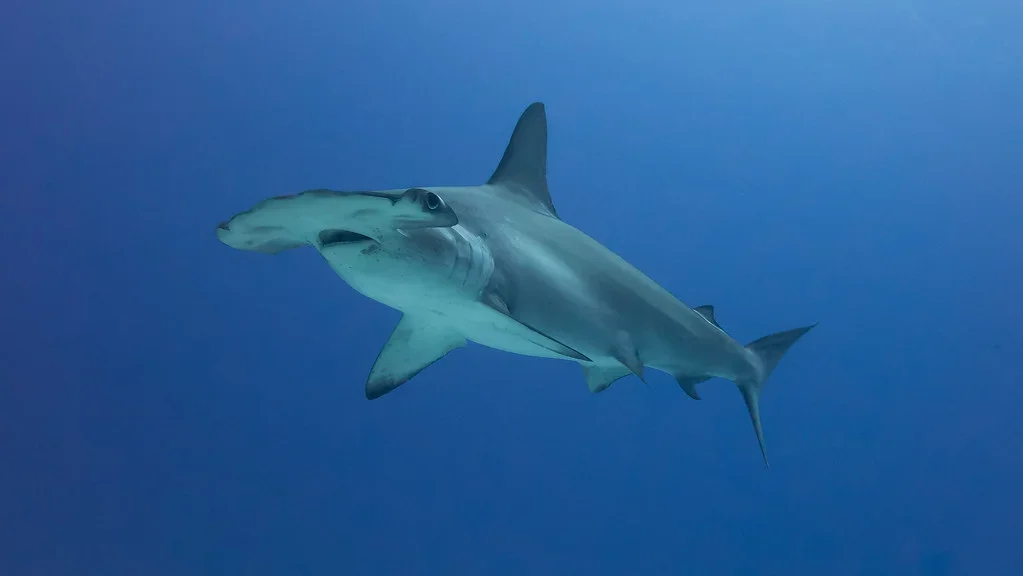
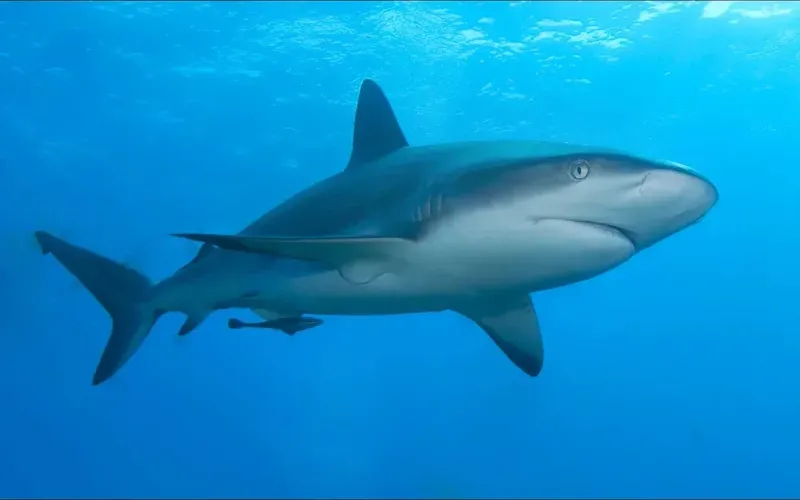
Keep an eye out for impressive Queensland gropers, though they tend to be cautious. This site is particularly known for its shark population; grey reef sharks are commonly observed patrolling, and there's a good chance of encountering scalloped hammerheads in deeper waters.
Silvertip sharks and even tiger sharks have been reported, confirming its reputation as a significant pelagic hotspot.
Conditions are Excellent
07:00 - 14:00
Optimal conditions expected
Current conditions near Planet Rock show 24° air, 28° sea temperature, 0.9 m waves, and 11 km/h wind. Forecast data is refreshed regularly to ensure accuracy.
Best Time to Dive
Optimal diving conditions at Planet Rock are often experienced during January, October, and November, months typically rated as 'Excellent' for diving. Throughout these periods, the air temperature consistently averages around 26.5°C (80°F). Rain levels are generally lower in the latter half of the year, particularly from July through September, though the site remains accessible and provides good diving opportunities for much of the year, with most months receiving a 'Good' rating. While water temperature data isn't consistently reported, the tropical climate suggests warm conditions year-round. Divers should be aware that strong currents, characteristic of this offshore location, can occasionally render Planet Rock inaccessible. It's advisable to check local conditions and forecasts prior to planning your visit, as accessibility is highly dependent on daily current behavior.
PEAK SEASON SCORE
Scores combine air & water temps, waves, wind & rainfall for overall conditions.
BEST MONTHS TO DIVE
Monthly records compiled from satellite and marine observation nodes over the last 3 years. Data provided by Open-Meteo and MET Norway.
Dive Experience & Conditions
The currents define the dive experience at Planet Rock. These strong ocean currents surge around the sea mount, particularly noticeable at its apex, creating a dynamic environment that attracts pelagic life. Divers often feel like they're entering an active food chain, observing an agitation among schooling fish as larger predators approach. Navigating the reef requires attentiveness to these shifting water movements. Visibility varies but can often be excellent, although particulate matter from the currents might influence clarity at times. Descending from the surface, you'll find the top of the pinnacle at a recreational depth range, allowing for ample bottom time. Water temperatures are typically warm, as expected in this tropical region. Despite the currents, an hour-long dive is feasible, allowing for a complete circuit of the pinnacle while always scanning the blue for passing marine life. Intermediate diver level is recommended due to these conditions.
Dive Difficulty & Safety Guidelines
Diving Planet Rock demands respect for its unique conditions; it's an offshore site known for strong, unpredictable currents. An expert tip for this location is to ensure your buoyancy control is precise and your comfort with drift diving is high. This isn't a site for novice divers; an intermediate certification level is generally recommended.
Always dive with an experienced local guide familiar with the specific current patterns around the sea mount. Maintaining situational awareness is paramount.
Keep an eye on your dive buddy and stay close to the group, especially when currents are active. Due to its exposure, the site isn't always accessible, so thorough pre-dive planning, including checking marine forecasts and confirming with your dive operator, is essential for a safe and rewarding experience.
Plan your gas management carefully, especially if currents are strong, as more effort might be required.
Recommended Equipment
- Dive Computer
- DSMB
This gear list is based on verified equipment signals for Planet Rock, Papua New Guinea. Always confirm final gear choices with your dive operator, guide, or liveaboard.
Recommended Dive Suit
Experienced divers often bring flexible gear options.
Environmental readings suggest that the waters surrounding Planet Rock are about 28°C (82°F) at the moment. Surface air temperatures are resting at 24°C (76°F). Divers who spend longer periods underwater often choose 2-3mm shorty or light wetsuit.
Current forecasts indicate relatively stable conditions for the coming days.
Due to technical issues with our weather providers, data hasn't been fetched for over 48 hours. The data above reflects the conditions at the time of the last successful fetch.
Emergency & Medical Support
Essential information to help you plan your dive trip to Planet Rock.

Hyperbaric chambers are a critical part of dive safety infrastructure. Availability varies significantly by region, and not all dive areas have immediate access.
Before diving, it's recommended to:
- confirm nearest medical facilities
- check emergency procedures with local dive operators
- ensure dive insurance covers evacuation if required
Divers Alert Network
Diving emergency assistance available through DAN World.
+1-919-684-9111- 24/7 emergency hotline
- Diving medical assistance
- Evacuation coordination
Emergency contacts are provided for reference. Always verify local emergency services before diving.
Marine Life at Planet Rock
Upon entering the water at Planet Rock, divers immediately sense the energetic marine activity. Schools of bluefin trevally and jacks glide through the currents, their sudden darting movements often signaling the presence of larger predators.
Tuna are frequently observed, alongside massive schools of barracuda and mackerel, creating an impressive spectacle. The site is a major draw for sharks, with grey reef sharks commonly patrolling the depths.
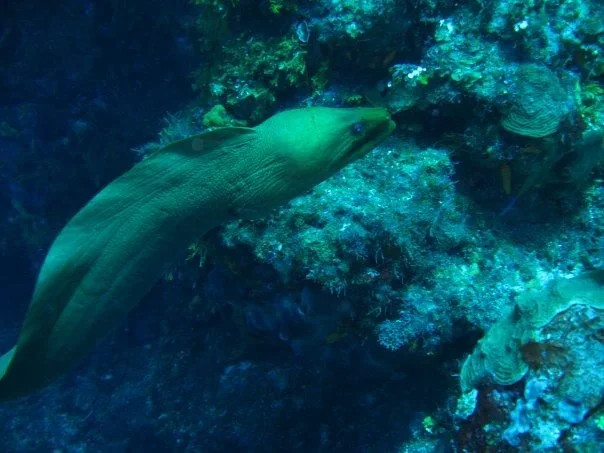
Fortunate divers have good chances of encountering hammerhead sharks, especially scalloped hammerheads in deeper sections. Silvertip sharks and even the occasional tiger shark add to the apex predator roster. On the pinnacle itself, look for aggressive triggerfish and the agate-eyed moray eels peering from crevices.

Dive Centers Near Planet Rock
No Dive Centers Local To Planet Rock
Are you a dive center visiting this location? Get listed to reach divers.
Nearest Airports
Nearest airports to help plan travel to this dive area.
Search Flights
Check available flights and routes on Expedia, using the nearby airports listed in this section.
Search Flights on ExpediaFrequently Asked Questions
Is Planet Rock suitable for beginner divers?
Planet Rock is generally recommended for intermediate to advanced divers. The site is characterized by strong currents and an offshore location, which requires good buoyancy control and comfort with drift diving techniques.
What types of marine life can I expect to see?
Expect a high concentration of pelagic fish, including large schools of barracuda, trevally, and tuna. It's a prime location for shark encounters, with grey reef, silvertip, and scalloped hammerhead sharks frequently sighted. You might even spot a tiger shark.
How strong are the currents at Planet Rock?
Currents at Planet Rock can be very strong, sweeping across the sea mount. These currents are a key feature, attracting the abundant marine life, but they necessitate careful dive planning and experienced guidance.
What is the maximum dive depth at Planet Rock?
The pinnacle itself rises to 4-5 m (13-16 ft) below the surface. Recreational dives typically explore down to around 36 m (100 ft) along the deeper sections surrounding the mount, though the seamount plunges to 600m.
How far offshore is Planet Rock from Madang?
Planet Rock is located approximately 3 km (2 miles) offshore from Madang. Dive operators from the Madang Resort Hotel can reach the site in about 15 minutes by boat, depending on sea conditions.
Can I dive Planet Rock all year round?
While diving is possible most of the year, optimal conditions are often found in January, October, and November. However, due to strong currents, the site is not always accessible, so checking daily conditions is crucial.
Is photography good at Planet Rock?
Yes, Planet Rock offers excellent opportunities for wide-angle photography due to the large schools of pelagic fish and frequent shark encounters. Be prepared for potentially strong currents when handling your camera.
Planning to dive Planet Rock?
Send one inquiry and receive offers directly from the best verified local dive operators.
Conditions are Excellent
07:00 - 14:00
Optimal conditions expected
Current conditions near Planet Rock show 24° air, 28° sea temperature, 0.9 m waves, and 11 km/h wind. Forecast data is refreshed regularly to ensure accuracy.