
Diving at Olympia Maru (Philippines)
Encountering the Olympia Maru wreck often provides good visibility, typically ranging from 10 to 20 meters (33 to 66 ft). Divers can anticipate medium currents while exploring this historical site. This dive is generally considered suitable for advanced divers, reaching a maximum depth of 30 m (100 ft). Its location in Coron Bay ensures access by banca boat, offering a direct route to an intriguing underwater experience.
Tonight's objective overview for Olympia Maru shows an air temperature of 28°C. The measured surface conditions include wave heights around 0.2 m. This environmental data is logged for the close of the day.
Dive Site Location & Key Facts
Dive Site Overview
The Olympia Maru, a former Japanese supply ship, offers a compelling historical context for wreck divers. Sunk on September 24, 1944, during a US air attack, this vessel, originally named Tangat Maru, measured 122 meters (400 ft) long and displaced 5612 tons.
Today, it rests upright on the seabed in Coron Bay, near Busuanga Island in Palawan. Its main deck lies between 18 m and 24 m (59 ft and 79 ft), making it an accessible wreck for exploration. Many cargo rooms are open for penetration, requiring at least two dives to fully explore.
The intact nature of the ship, alongside opportunities to swim through the propeller shaft for experienced divers, underscores its appeal. Divers can also observe a vibrant overlay of hard and soft corals, along with various sponges, transforming this wartime relic into a flourishing artificial reef.
Conditions are Good
Optimal conditions expected
Current conditions near Olympia Maru show 28° air, 30° sea temperature, 0.2 m waves, and 21 km/h wind. Forecast data is refreshed regularly to ensure accuracy.
Best Time to Dive
Planning an Olympia Maru dive provides options year-round, as the site remains accessible throughout the seasons. The periods from January to May and October to December consistently offer excellent dive conditions, characterized by lower rainfall and more stable weather. During these months, average air temperatures range from 27°C to 29.5°C (81-85°F). Rainfall significantly decreases, with monthly averages often below 6 mm (0.24 inches). Even during the ‘Good’ dive score months from June to September, conditions remain favorable. Air temperatures hover around 27°C to 27.5°C (81-82°F) in these months, though rainfall is higher, averaging between 10-15 mm (0.4-0.6 inches). Wave heights generally remain manageable, typically under 0.5 meters (1.6 ft), contributing to a comfortable overall experience.
PEAK SEASON SCORE
Scores combine air & water temps, waves, wind & rainfall for overall conditions.
BEST MONTHS TO DIVE
Monthly records compiled from satellite and marine observation nodes over the last 3 years. Data provided by Open-Meteo and MET Norway.
Dive Experience & Conditions
Typically, good visibility defines diving at the Olympia Maru, often extending 10 to 20 meters (33 to 66 ft). Clear conditions aid navigation of the extensive wreck structure. Medium currents are common, compelling divers to be aware of their positioning, particularly near deeper sections. Maximum depth reaches 30 m (100 ft), yet shallower areas remain easily accessible on the main deck. Water temperature data lacks consistent reporting; however, warm tropical air temperatures, generally above 27°C (81°F), indicate comfortable underwater conditions. Heavy encrustation blankets the ship, creating an intricate tapestry of hard and soft corals and sponges. Abundant marine growth attracts diverse species, enriching every dive. Open cargo holds accommodate entry-level wreck diving, but complex penetrations, such as through the propeller shaft, are strictly for experienced, certified divers.
Dive Difficulty & Safety Guidelines
For navigating the Olympia Maru, divers require a minimum of Advanced Open Water certification, along with at least nine logged dives. This site presents opportunities for wreck penetration, which necessitates specific training and experience beyond basic certification. Complex areas, like the propeller shaft, should only be attempted by divers with specialized wreck penetration training.
Dive operators typically maintain a low diver-to-guide ratio, often a maximum of four divers per guide, to ensure safety and provide adequate supervision. Adhering to responsible diving practices, such as maintaining proper buoyancy and avoiding contact with the wreck or marine life, is essential.
There are no site-specific hazards consistently reported beyond those inherent to wreck diving, which include potential overhead environments and entanglement risks.
Recommended Equipment
Deep dive hazard. Increased narcosis and gas consumption risk.
Overhead / entanglement risk. Wreck penetration requires proper training.
- Dive Computer
- DSMB
- Primary & Backup Lights
- Wreck Reel
- Cutting Tool
This gear list is based on verified equipment signals for Olympia Maru, Philippines. Always confirm final gear choices with your dive operator, guide, or liveaboard.
Recommended Dive Suit
Thermal protection such as dive skin or rash guard is commonly used for water temperatures in this range. A hood or vest is suggested for sensitive divers due to surface winds.
Current readings at Olympia Maru show water temperatures near 30°C (86°F). Surface air temperatures are resting at 28°C (82°F).
Current forecasts indicate relatively stable conditions for the coming days.
Emergency & Medical Support
Essential information to help you plan your dive trip to Olympia Maru.

Hyperbaric chambers are a critical part of dive safety infrastructure. Availability varies significantly by region, and not all dive areas have immediate access.
Before diving, it's recommended to:
- confirm nearest medical facilities
- check emergency procedures with local dive operators
- ensure dive insurance covers evacuation if required
Divers Alert Network
Diving emergency assistance available through DAN World.
+1-919-684-9111- 24/7 emergency hotline
- Diving medical assistance
- Evacuation coordination
Emergency contacts are provided for reference. Always verify local emergency services before diving.
Marine Life at Olympia Maru
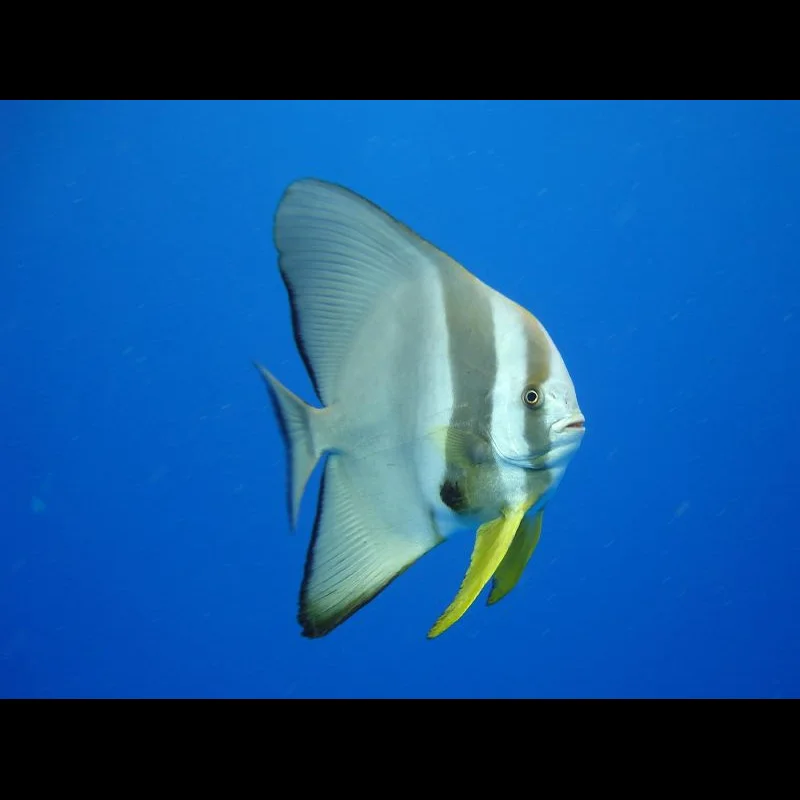
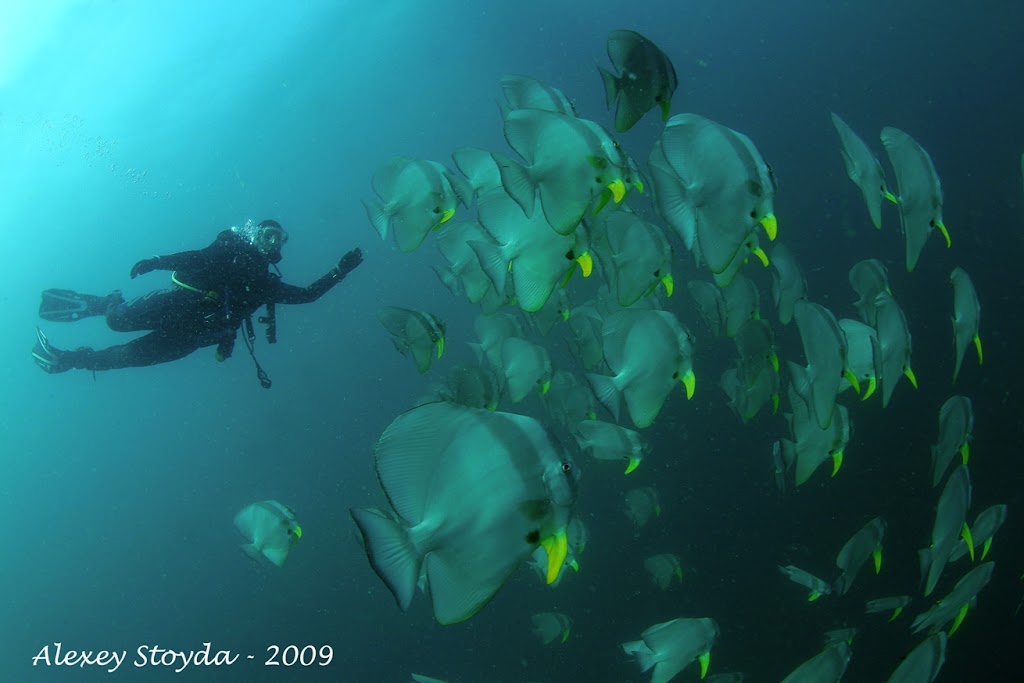
The Olympia Maru's structure provides an ideal habitat, teeming with diverse marine species amidst its coral-covered surfaces. Observing the wreck, divers frequently encounter schools of batfish, gracefully circling the ship's outline.
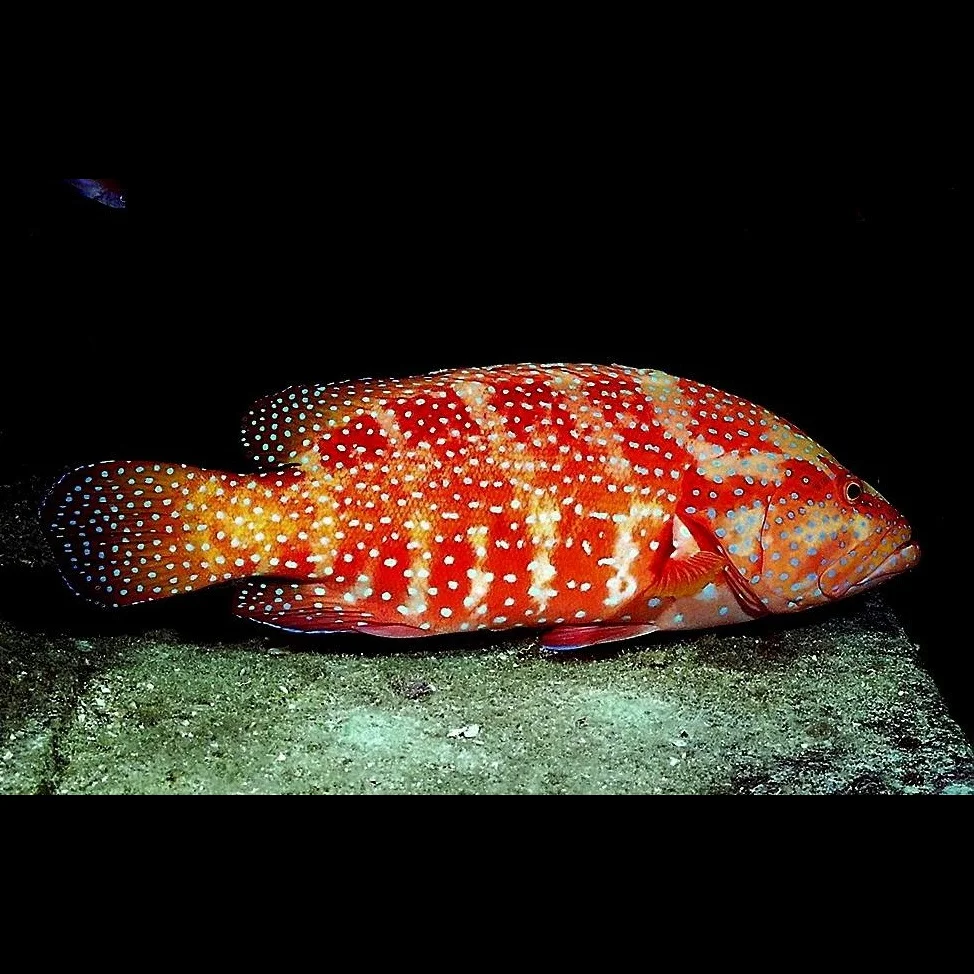
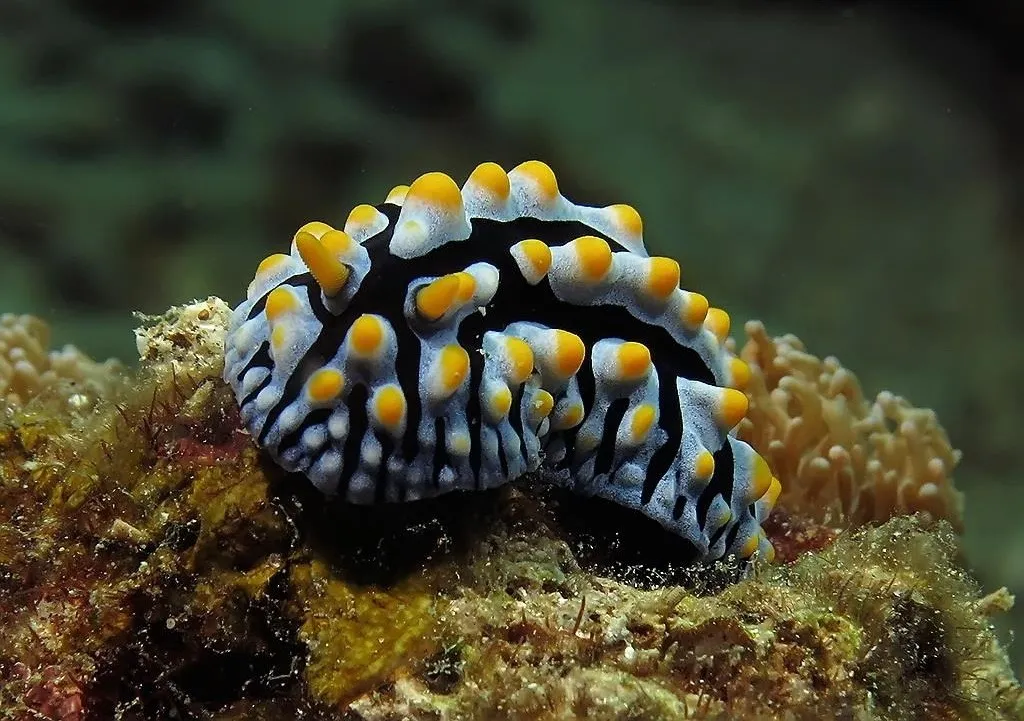
Lionfish are common, often found camouflaged among the corals, alongside various grouper species. Nudibranchs in striking colors dot the wreck, showcasing the vibrant macro life.
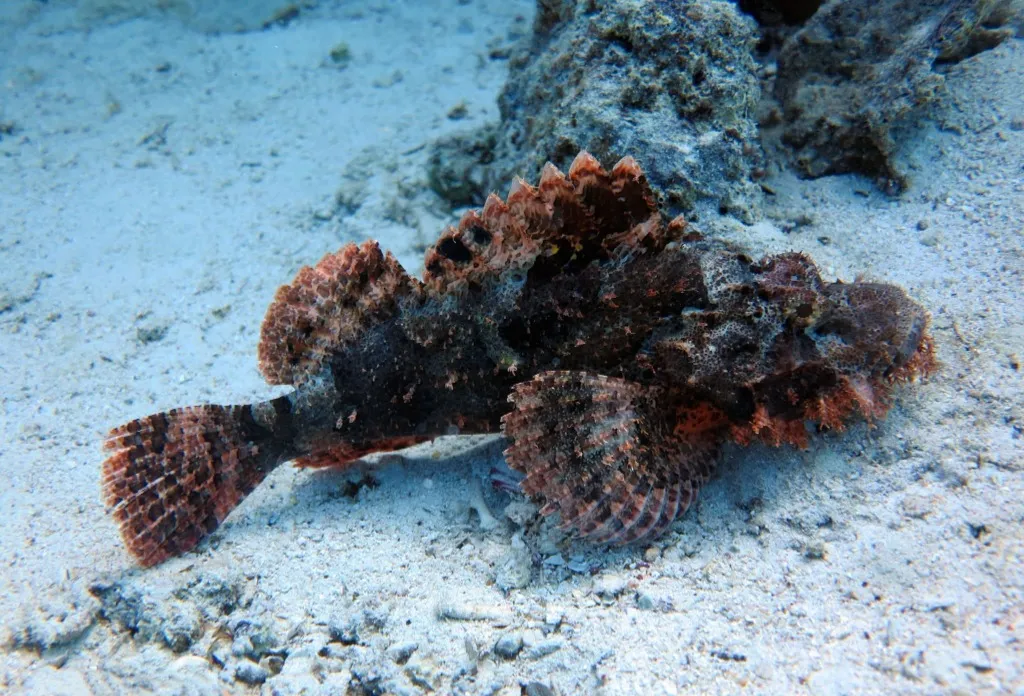
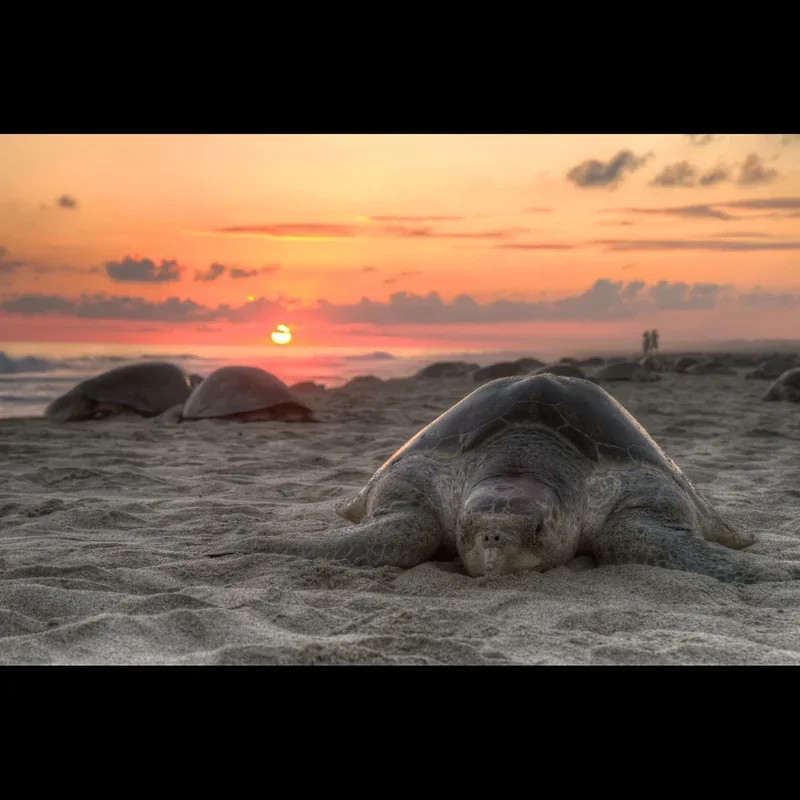
Pufferfish are also a frequent sight, often seen around the shipwreck’s exterior. Scorpionfish demonstrate their mastery of disguise, while large sea turtles occasionally rest on the deeper sections, adding to the allure of this historical site.
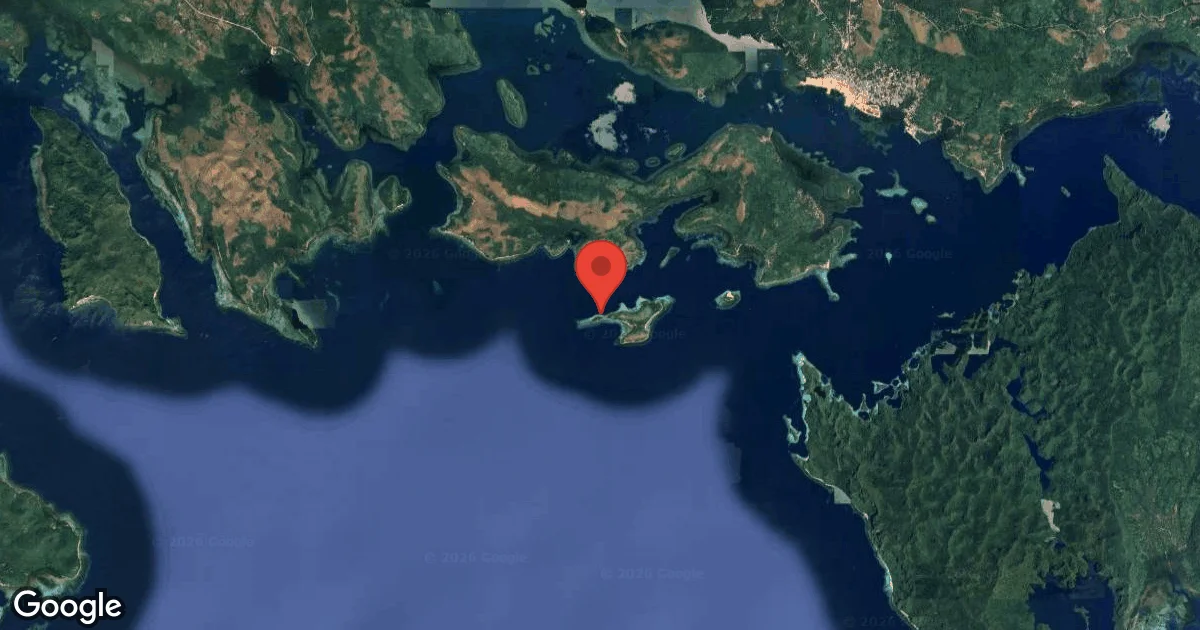
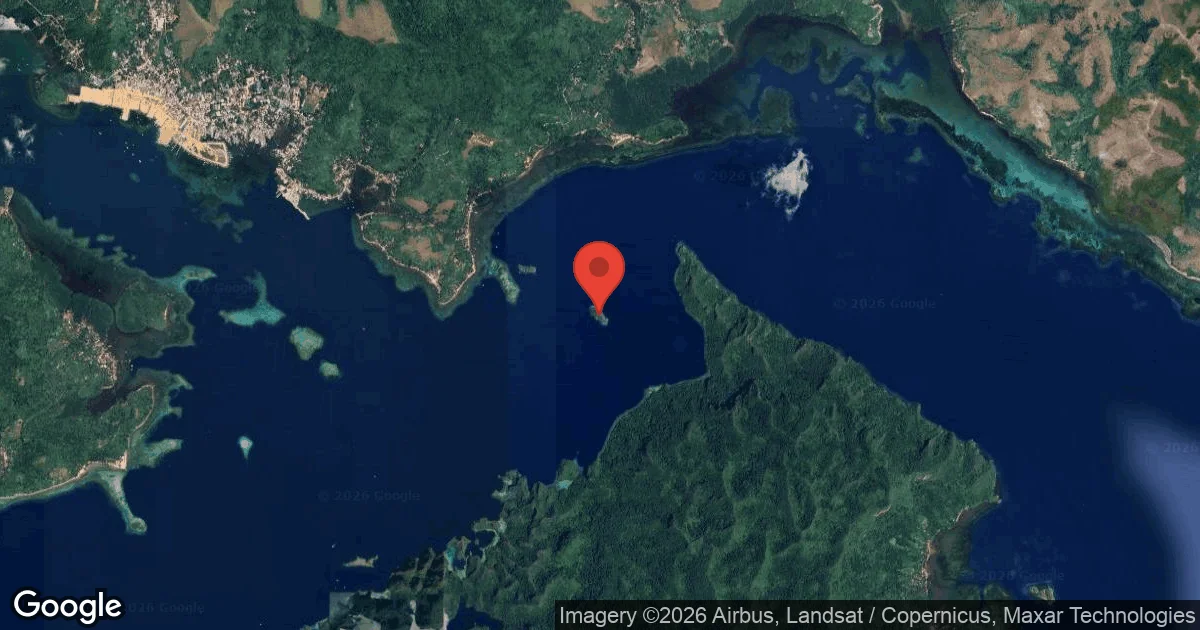
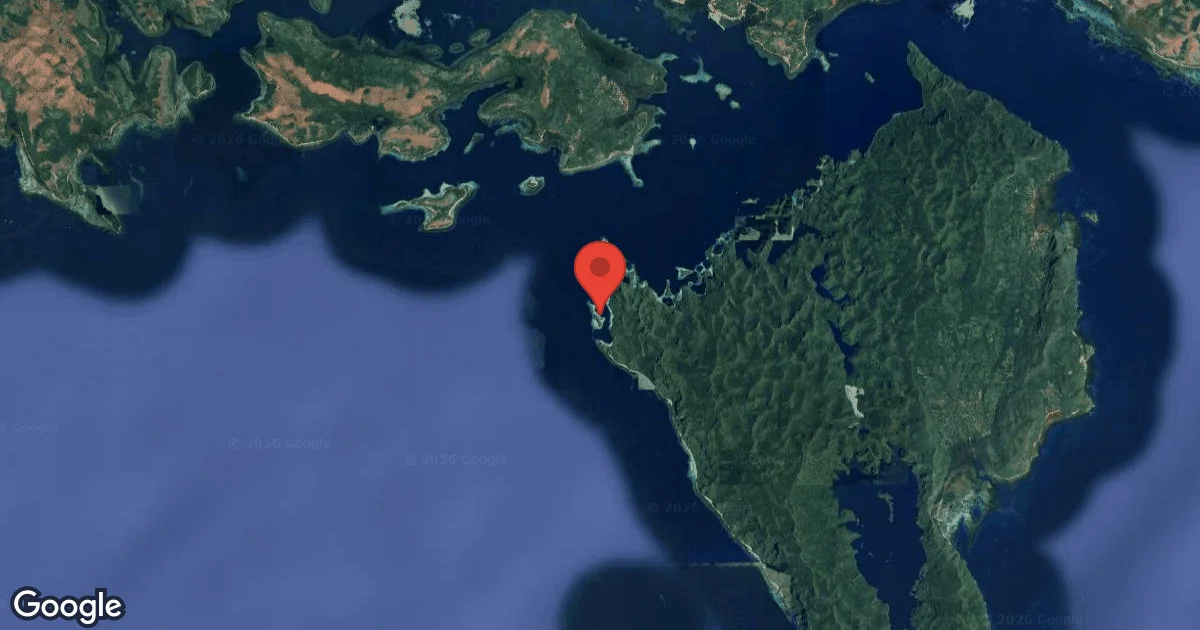
Dive Sites Near Olympia Maru
View all dive sites in PhilippinesDiscover more underwater gems in this area.
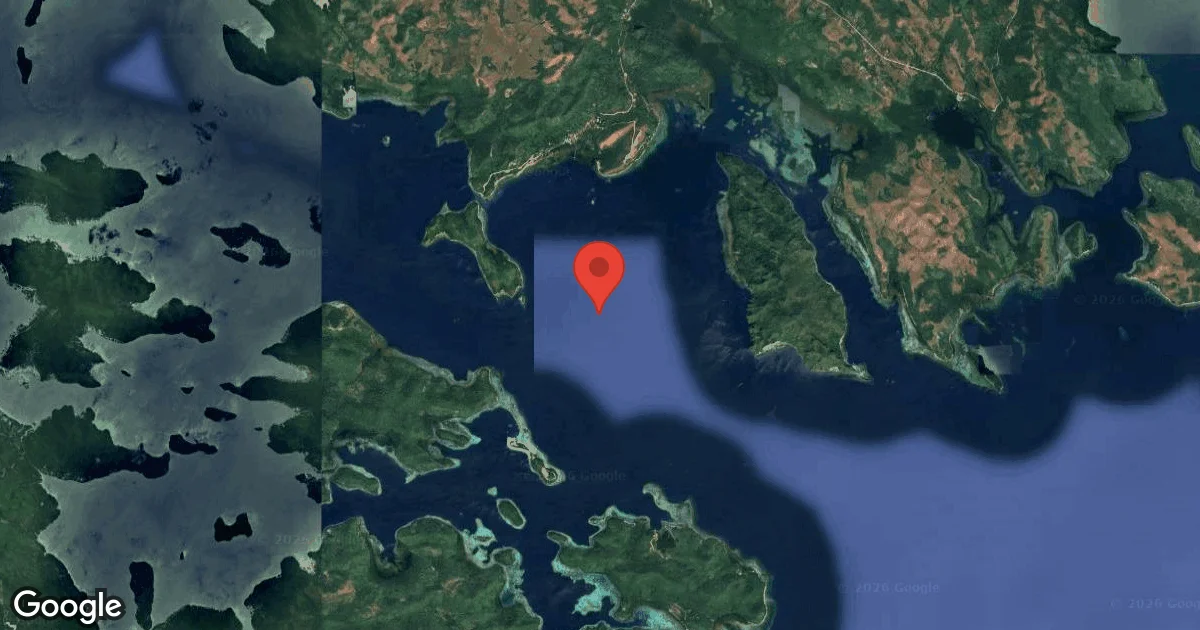
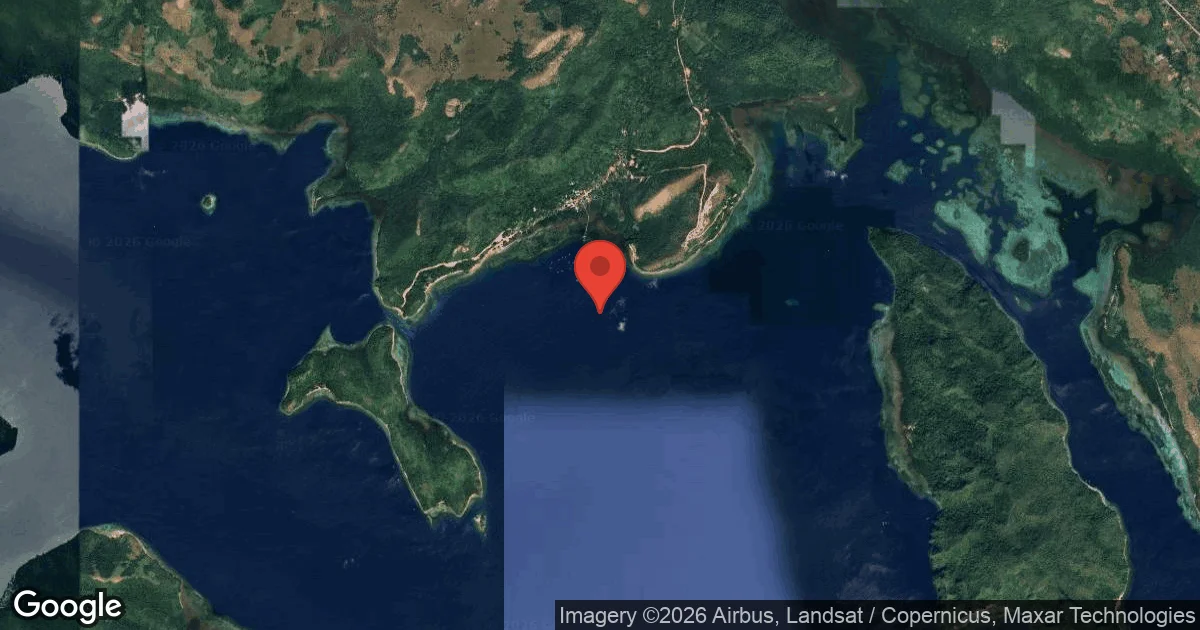
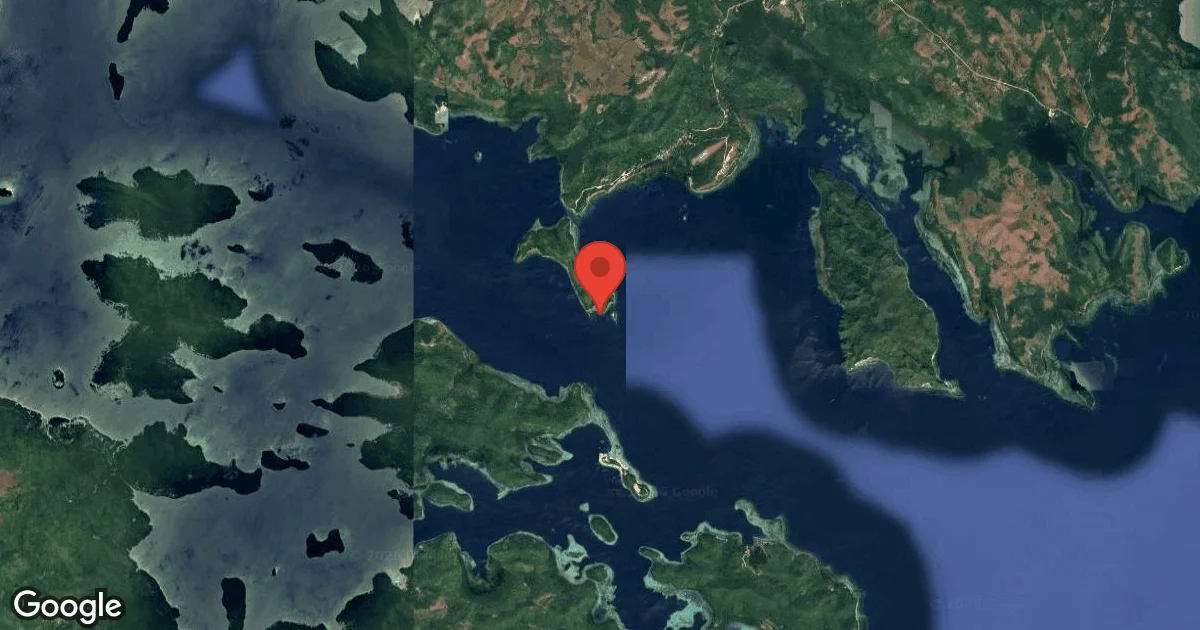
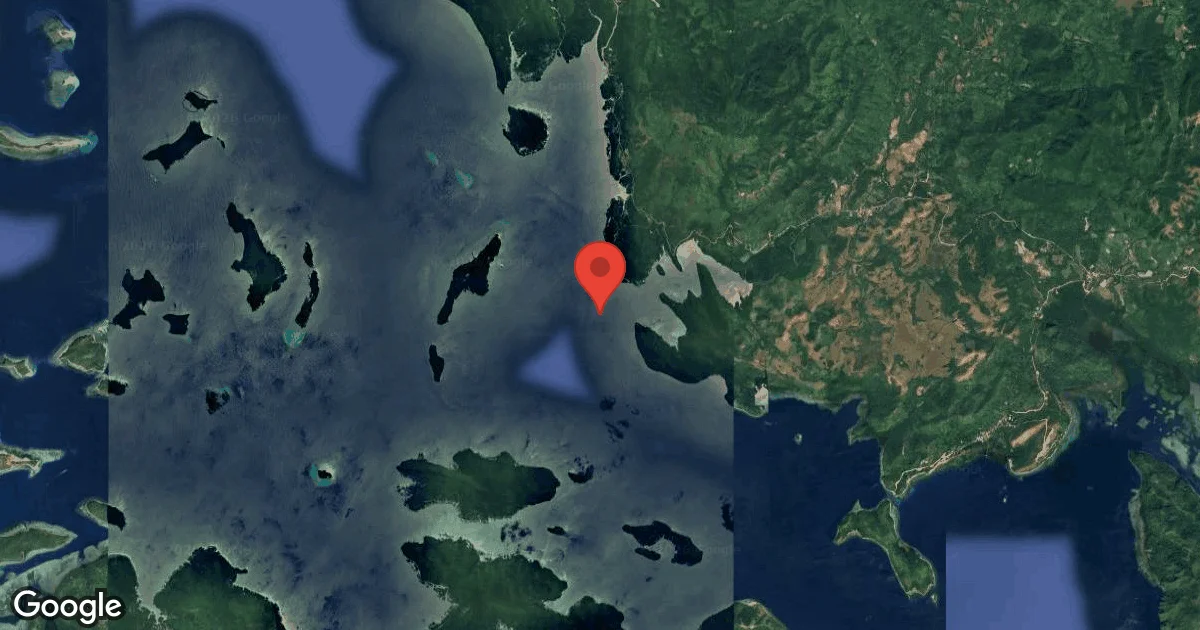
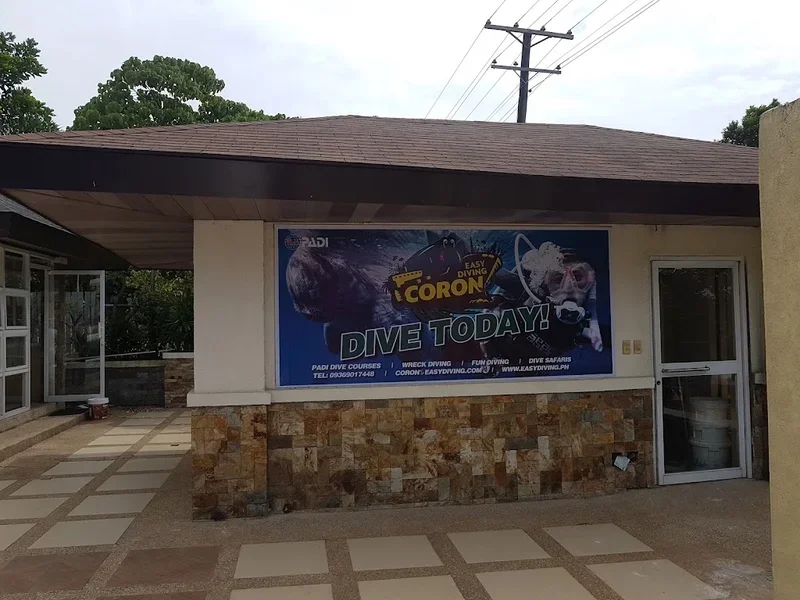
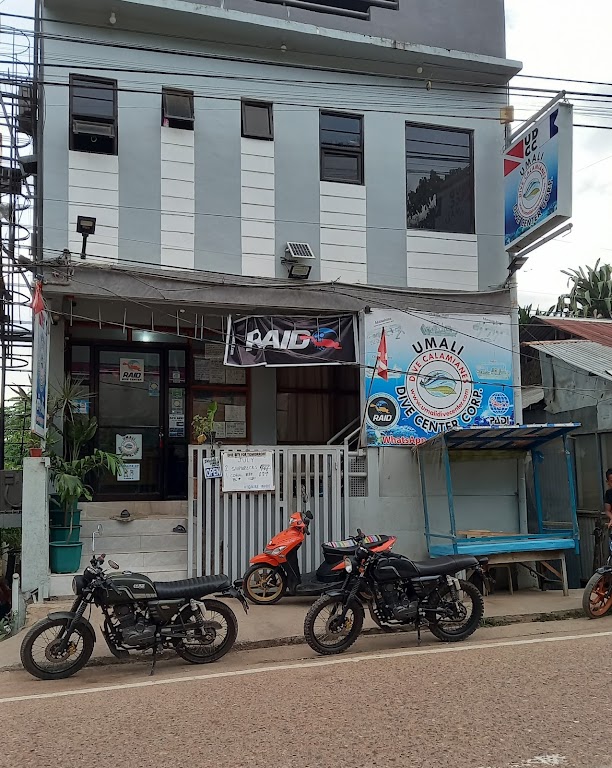
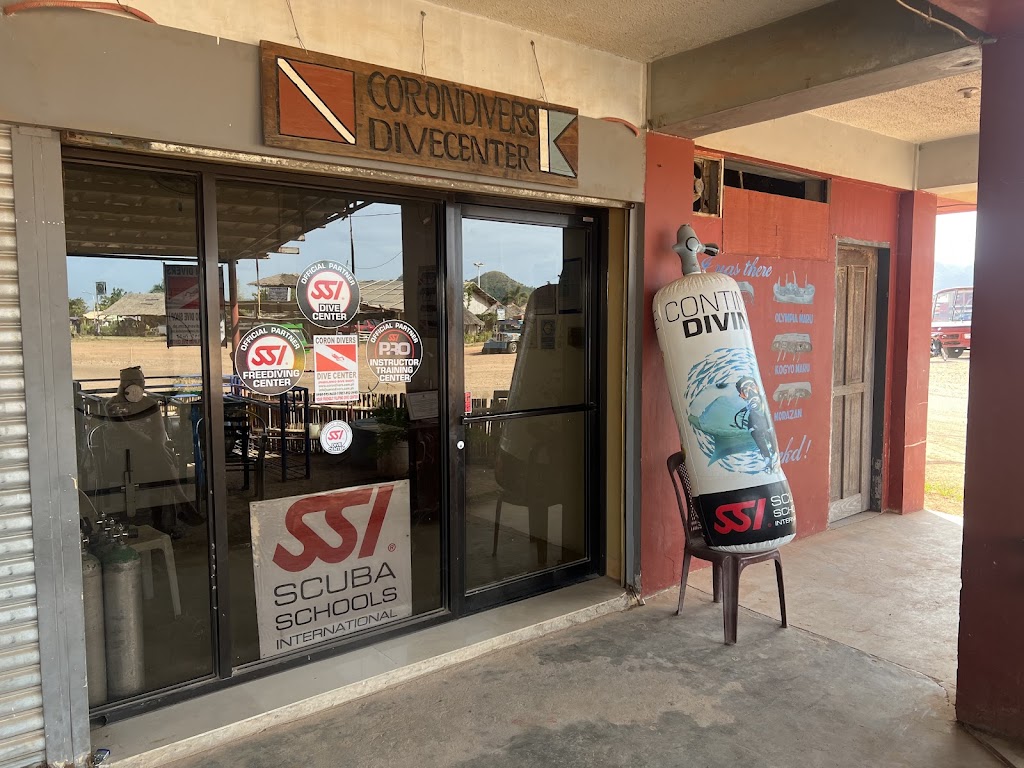
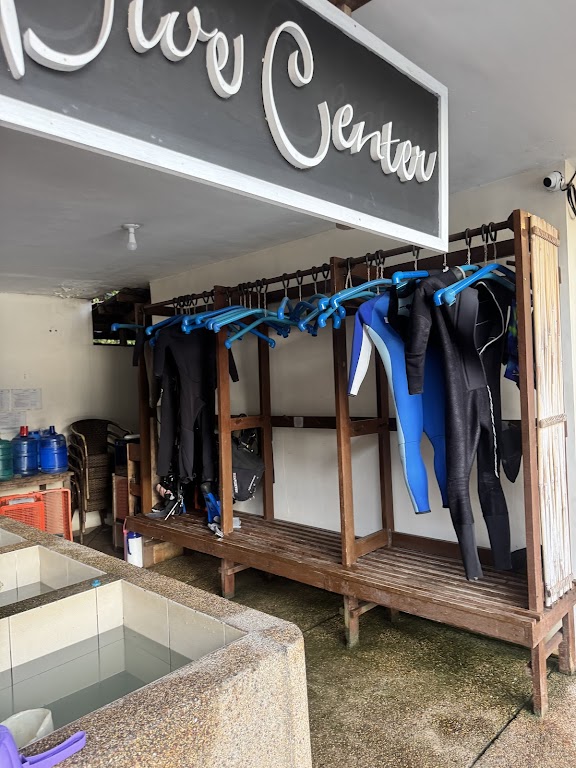
Dive Centers Near Olympia Maru
Today: 08:00 - 17:00
Nearest Airports
Nearest airports to help plan travel to this dive area.
Search Flights
Check available flights and routes on Expedia, using the nearby airports listed in this section.
Search Flights on ExpediaFrequently Asked Questions
What is the maximum depth of the dive site?
The Olympia Maru sits within recreational depth limits. Shallower sections of the main deck are easily accessible for exploration.
What kind of visibility can be expected?
Visibility at the wreck typically ranges from 10 to 20 meters (33 to 66 ft). This generally provides good views of the extensive structure.
Are there strong currents at the Olympia Maru?
Medium currents are common at this site. Divers should remain aware of their positioning, especially in deeper areas.
Is wreck penetration possible on this dive?
Yes, open cargo holds permit entry-level penetration. More complex routes, like the propeller shaft, demand specific wreck penetration training and experience.
When is the best time of year to dive the Olympia Maru?
The periods from January to May and October to December consistently offer excellent conditions. However, the site is accessible for diving year-round.
What marine life can be observed around the wreck?
Divers often see schools of batfish, lionfish, various grouper species, and colorful nudibranchs. Pufferfish and scorpionfish are also frequently present.
Planning to dive Olympia Maru?
Send one inquiry and receive offers directly from the best verified local dive operators.
Conditions are Good
Optimal conditions expected
Current conditions near Olympia Maru show 28° air, 30° sea temperature, 0.2 m waves, and 21 km/h wind. Forecast data is refreshed regularly to ensure accuracy.