
Diving at Kogyo Maru (Philippines)
Descending onto the Kogyo Maru, a massive Japanese freighter, its immense structure immediately dominates the view. Lying on its starboard side at 34 m (110 ft) in Coron Bay, the scale of this World War II relic is striking. Visible from the deck, its anti-aircraft guns hint at a tumultuous past, while the cargo holds reveal an unexpected array of construction materials. Corals have begun to reclaim its surfaces, creating a vibrant, artificial reef.
Tonight's objective overview for Kogyo Maru shows an air temperature of 28°C. The measured surface conditions include wave heights around 0.2 m. This environmental data is logged for the close of the day.
Dive Site Location & Key Facts
Dive Site Overview
Kogyo Maru, a 158 m (518 ft) long Japanese freighter, met its fate in 1944 during World War II, sunk by US planes in Coron Bay, Philippines. Submerged on its starboard side at a maximum depth of 34 m (110 ft), this significant wreck stands as a poignant testament to the conflict.
Its six cargo holds provide fascinating penetration opportunities, still containing original freight intended for airfield construction. Divers can explore items like large cement bags and even a remarkably intact bulldozer within the second hold. Anti-aircraft guns remain visible on deck, adding to the site's historical gravity.
Engine room and bridge areas also permit exploration for those with appropriate wreck diving experience. Decades have seen hard and soft corals encrust the metal hull, transforming the warship into a thriving artificial reef.
Situated near other notable wrecks like the Irako Maru and Olympia Maru, it's a key part of Coron's wreck diving circuit. Reaching this site typically involves a 15-minute speedboat ride from Coron resorts, making it readily accessible.
Conditions are Good
Optimal conditions expected
Current conditions near Kogyo Maru show 28° air, 30° sea temperature, 0.2 m waves, and 19 km/h wind. Forecast data is refreshed regularly to ensure accuracy.
Best Time to Dive
Divers generally find excellent conditions for exploring the Kogyo Maru from January through May and again from November to December. During these months, average air temperatures remain comfortably warm, ranging from 27-29°C (81-84°F), while rainfall is notably lower, averaging between 2-6.6 mm. This often translates to calmer surface conditions and clearer underwater visibility. Even during the 'good' season from June to October, diving is still possible. Air temperatures hold steady, typically between 27-27.5°C (81-82°F), but rain becomes more frequent, with averages climbing to 10-17.5 mm. Wave heights can also be slightly higher during this period, potentially affecting boat rides and surface conditions. Planning your visit during the drier periods can enhance the overall experience, especially for those seeking optimal visibility and less chance of weather-related disruptions.
PEAK SEASON SCORE
Scores combine air & water temps, waves, wind & rainfall for overall conditions.
BEST MONTHS TO DIVE
Monthly records compiled from satellite and marine observation nodes over the last 3 years. Data provided by Open-Meteo and MET Norway.
Dive Experience & Conditions
As you descend towards the Kogyo Maru, the freighter's outline gradually sharpens, revealing its immense form lying on its starboard side. Visibility often ranges from 10 to 20 meters, though conditions vary with weather and currents. Moderate currents around the wreck mean divers need to stay aware of their positioning, especially near exposed sections. Recreational divers explore this site within typical recreational depth limits, with the deepest point around 34 meters. Cargo holds are a primary draw; exploring the second hold, with its bulldozer and cement bags, truly feels like stepping back in time. Its structure provides ample opportunities for easy penetration, making it an excellent site for those gaining wreck experience. Throughout a dive, expect significant coral growth — both hard and soft varieties — transforming the ship's metal into a diverse living habitat.
Dive Difficulty & Safety Guidelines
Given its significant depth, diving the Kogyo Maru is best suited for advanced certified divers. While the open cargo holds allow for relatively straightforward penetration, entry into darker areas or the engine room requires proper training and experience in wreck diving. Always ensure you have adequate lighting and follow appropriate safety protocols when entering overhead environments.
Bottom time at these deeper sections is limited, making diligent gas management and adherence to no-decompression limits crucial. Planning your dive with conservative profiles is advisable.
Variable visibility can impact navigation within and around the wreck, so maintaining situational awareness and staying close to your buddy or guide is important. Respect the historical significance of the site; avoid disturbing the wreck or its artifacts.
Recommended Equipment
Deep dive hazard. Increased narcosis and gas consumption risk.
Overhead / entanglement risk. Wreck penetration requires proper training.
- Dive Computer
- DSMB
- Primary & Backup Lights
- Wreck Reel
- Cutting Tool
This gear list is based on verified equipment signals for Kogyo Maru, Philippines. Always confirm final gear choices with your dive operator, guide, or liveaboard.
Recommended Dive Suit
Forecast conditions over the next few days suggest temperatures will remain relatively stable.
Two divers in the same water temperature may experience very different comfort levels.
Many divers find that dive skin or rash guard offers the right level of insulation for conditions like these. Divers preparing to enter the water at Kogyo Maru will likely find temperatures around 30°C (86°F) today. Surface air temperatures are resting at 28°C (83°F).
Emergency & Medical Support
Essential information to help you plan your dive trip to Kogyo Maru.

Hyperbaric chambers are a critical part of dive safety infrastructure. Availability varies significantly by region, and not all dive areas have immediate access.
Before diving, it's recommended to:
- confirm nearest medical facilities
- check emergency procedures with local dive operators
- ensure dive insurance covers evacuation if required
Divers Alert Network
Diving emergency assistance available through DAN World.
+1-919-684-9111- 24/7 emergency hotline
- Diving medical assistance
- Evacuation coordination
Emergency contacts are provided for reference. Always verify local emergency services before diving.
Marine Life at Kogyo Maru
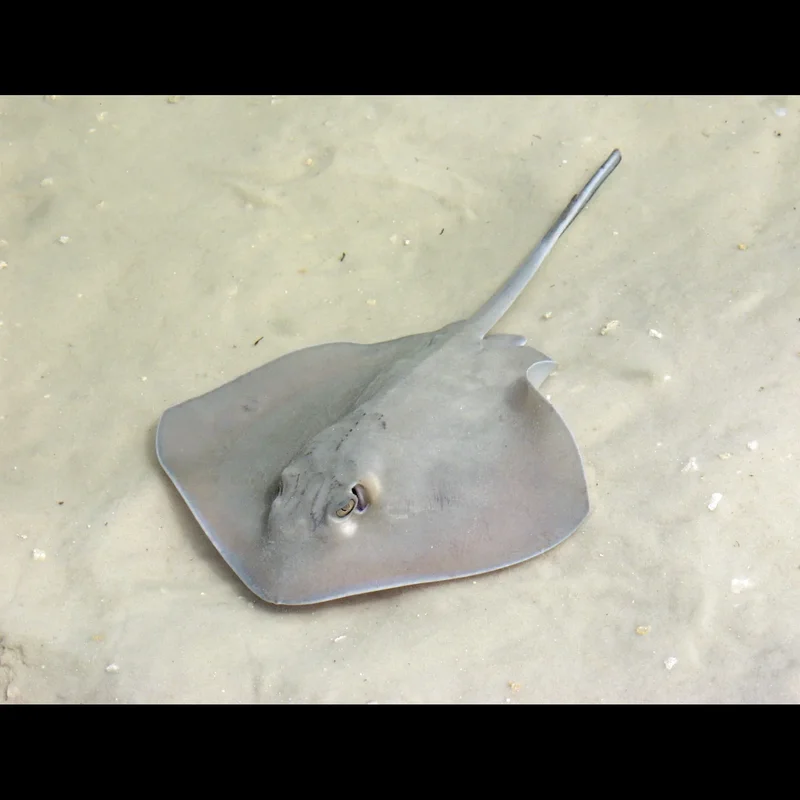
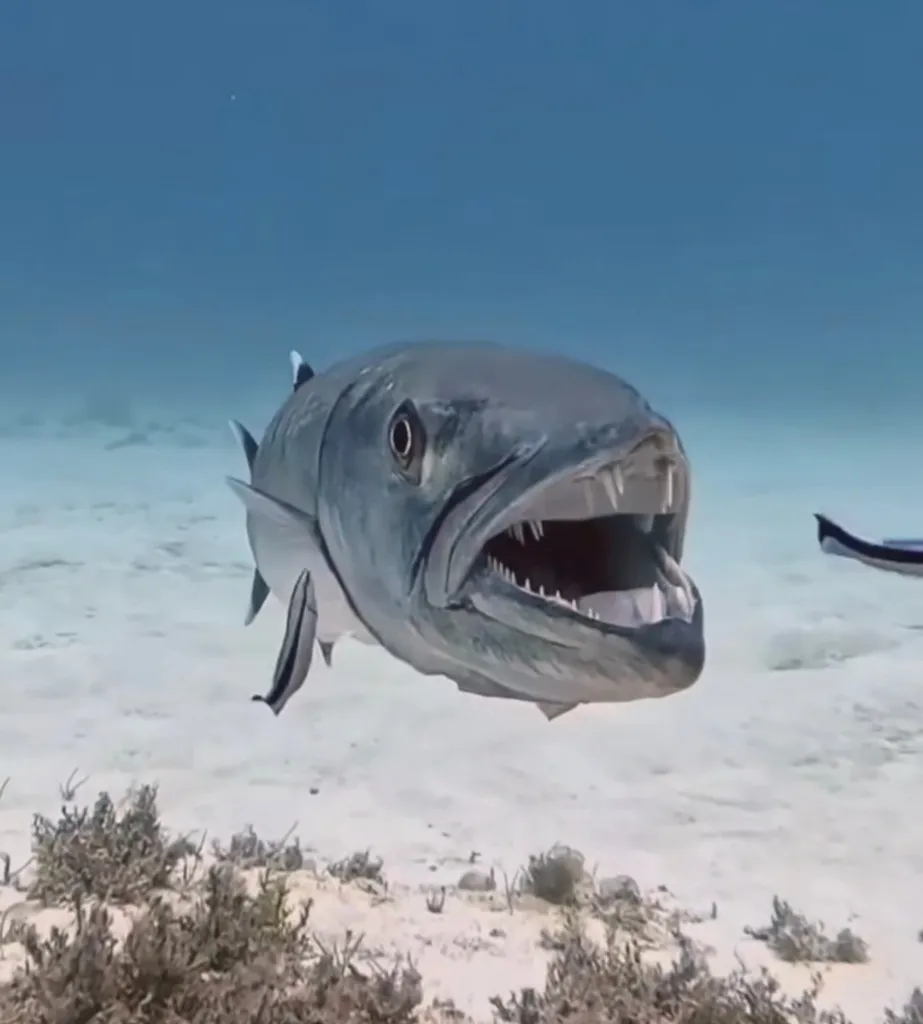
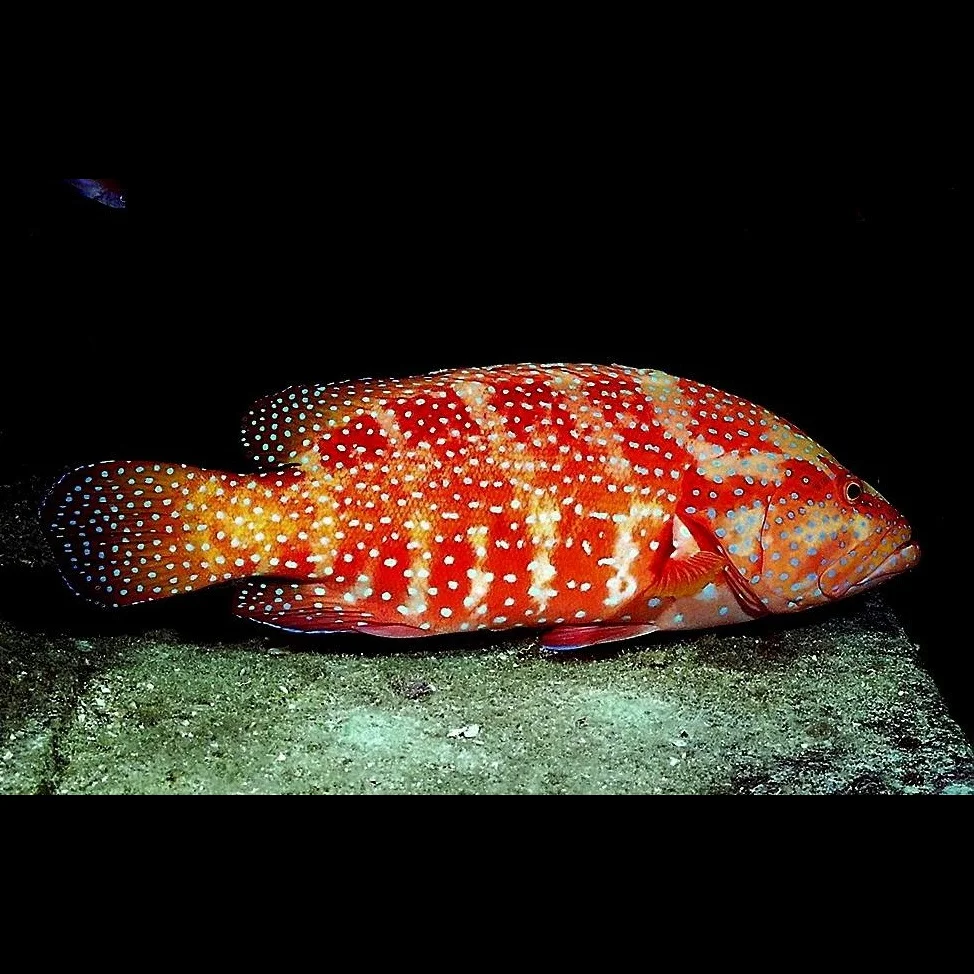
The Kogyo Maru has evolved into a vibrant habitat, attracting a diverse range of marine life that thrives amidst its coral-encrusted structure. Around the wreck, divers often encounter schools of barracudas, groupers, and various reef fish.
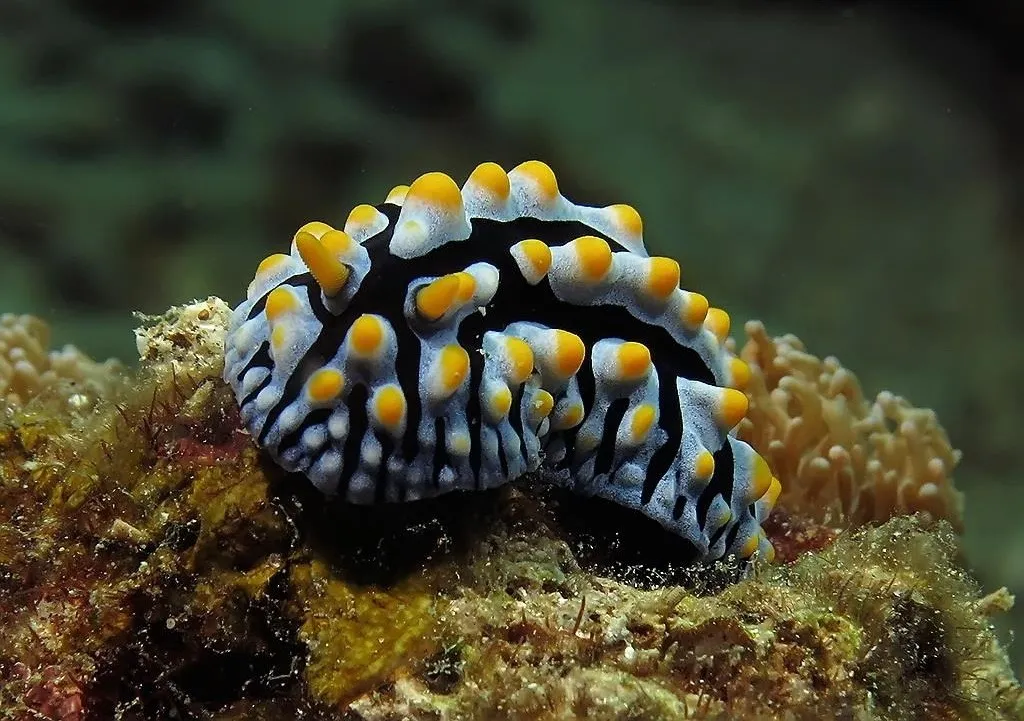
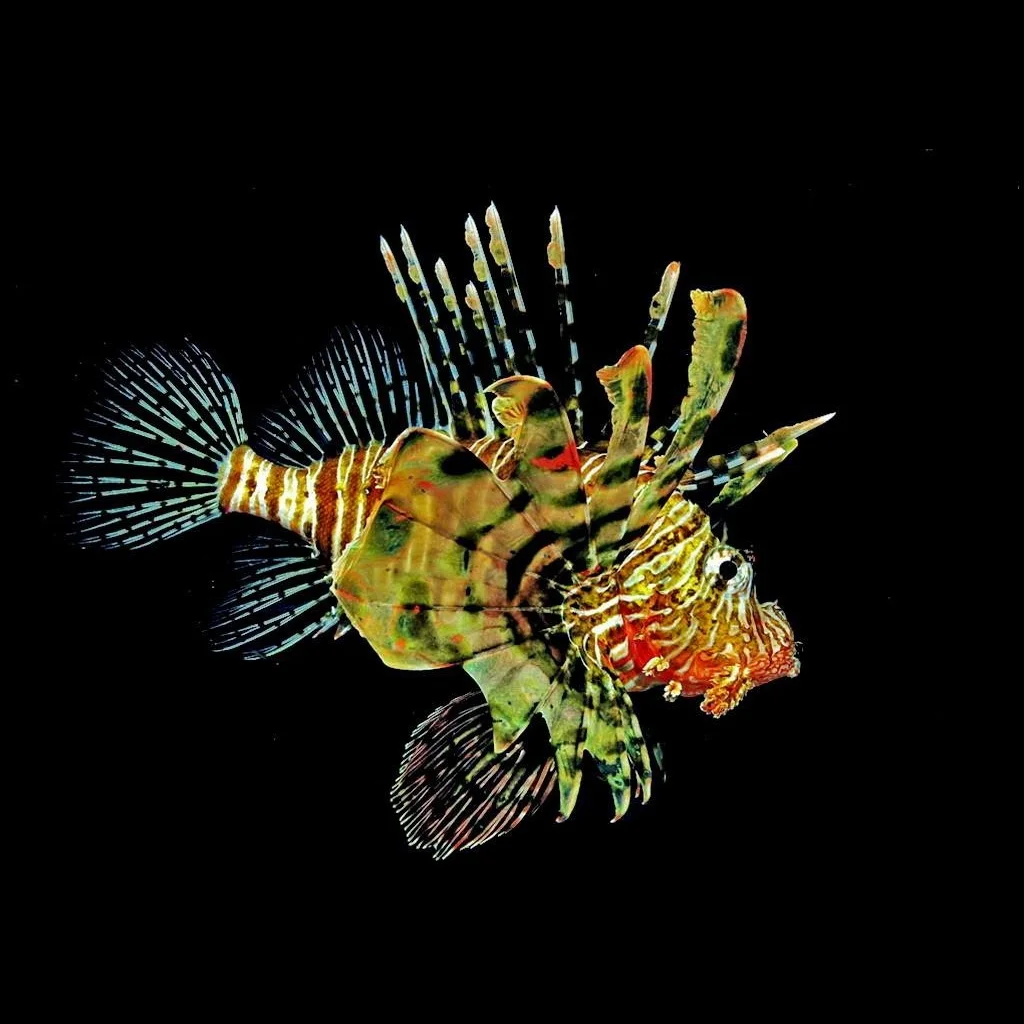
Patches of soft corals and sponges cover much of the wreck, creating shelter and feeding grounds. While navigating the holds, keep an eye out for smaller inhabitants like nudibranchs or lionfish tucked into crevices.
Occasionally, stingrays can be spotted on the sandy bottom surrounding the wreck, particularly in calmer conditions. This former freighter acts as a focal point for the local ecosystem, showcasing how life reclaims and transforms sunken structures.
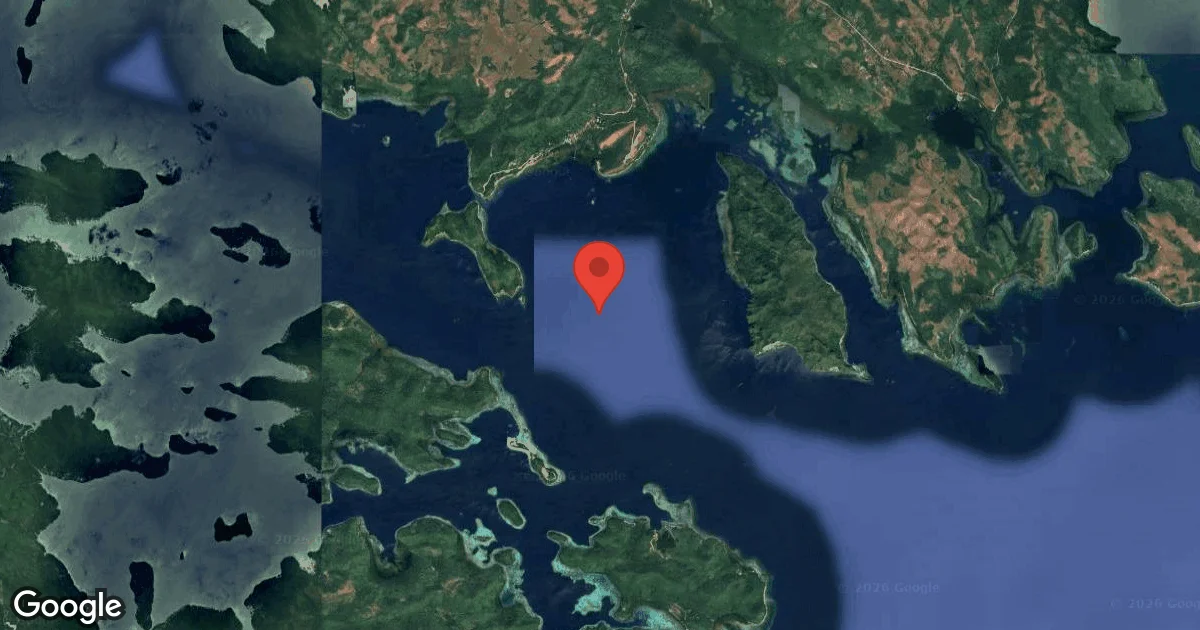
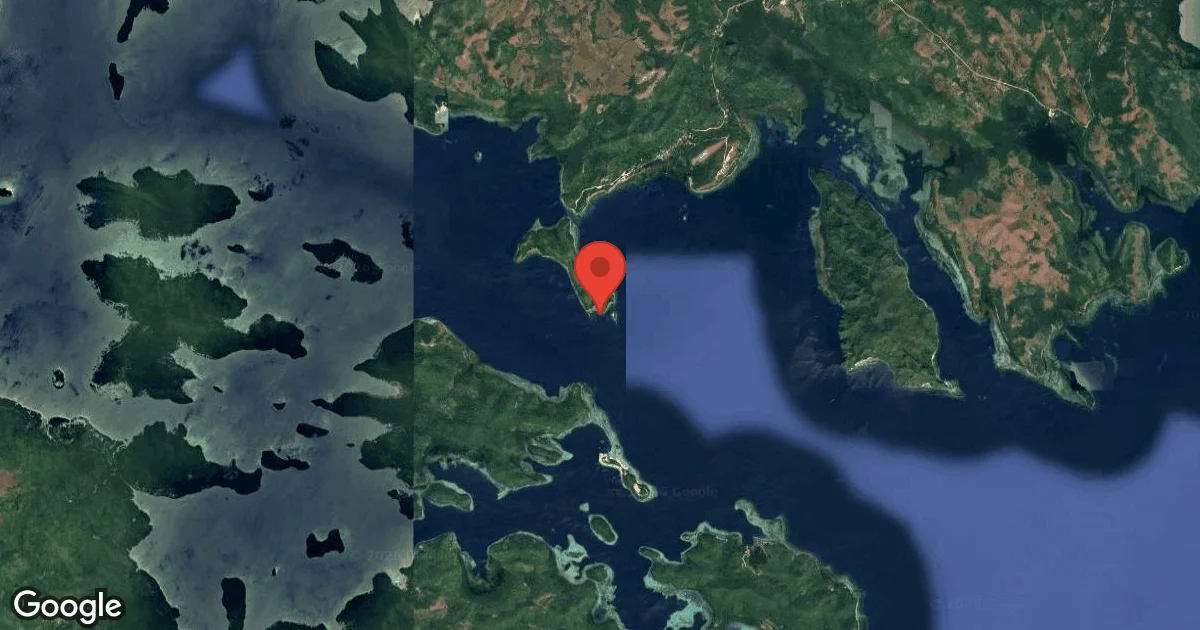
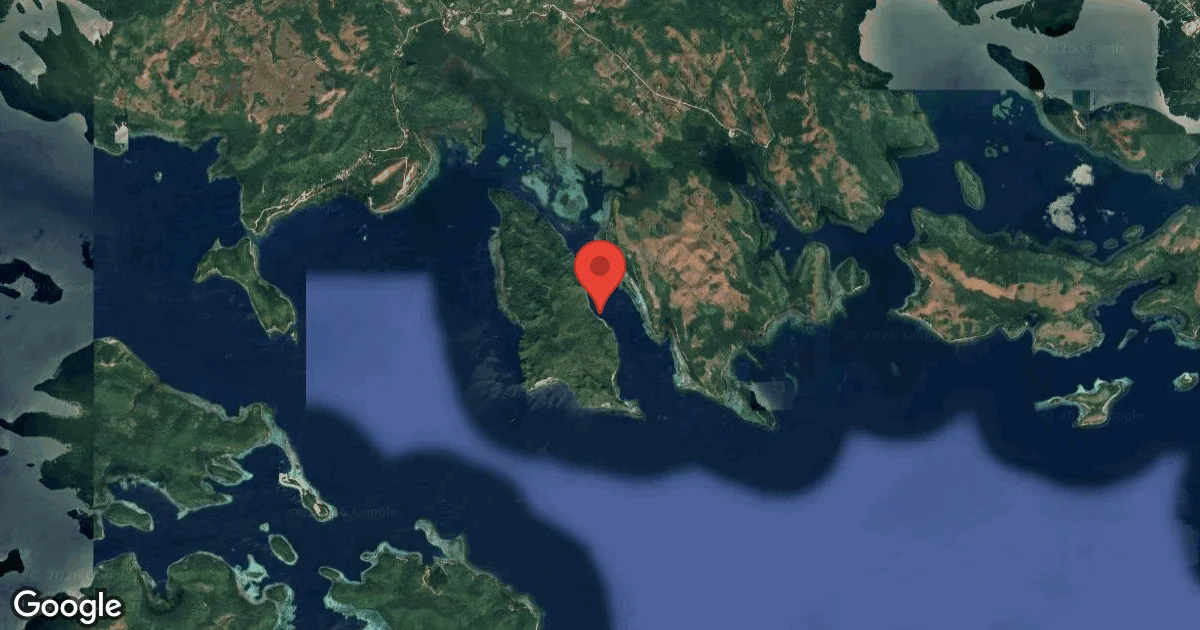
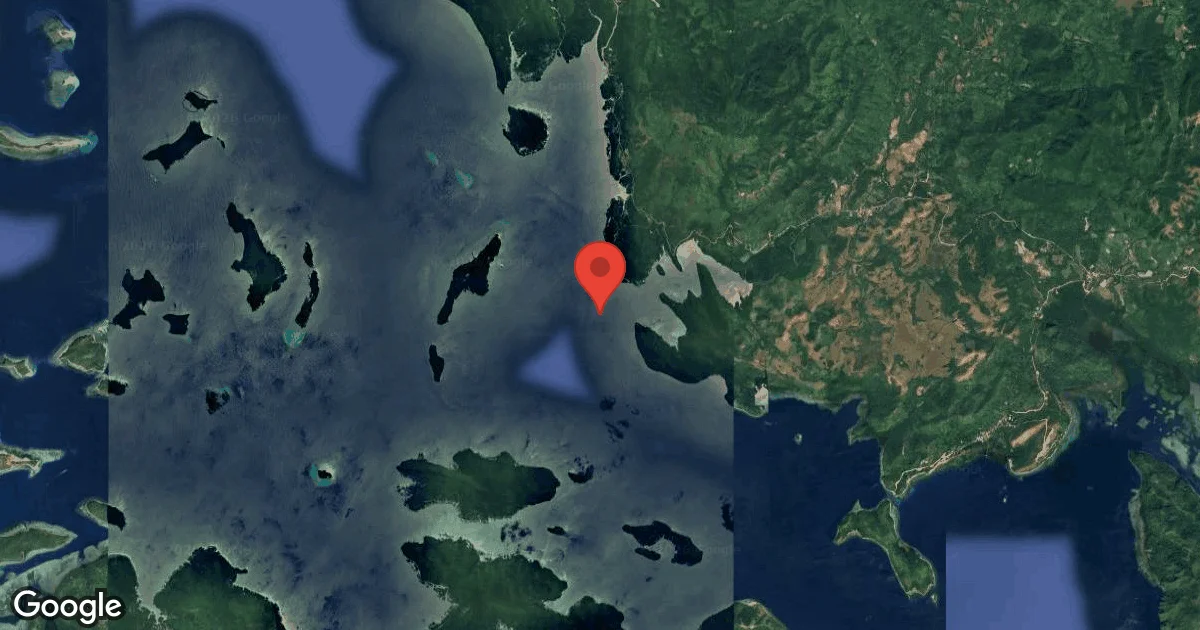
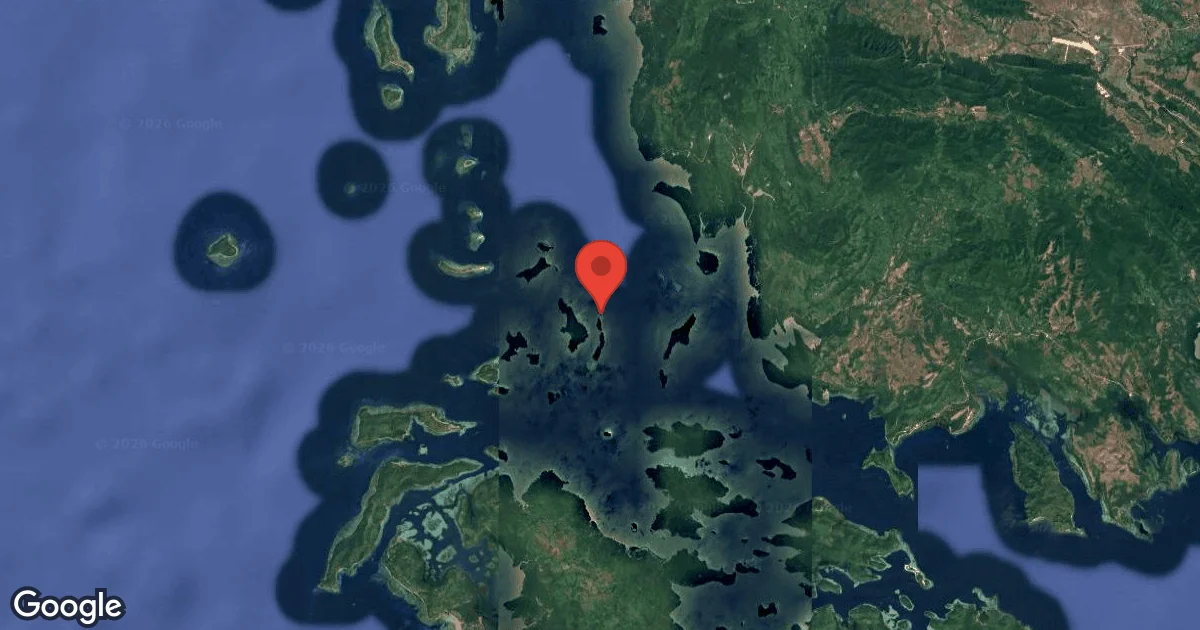
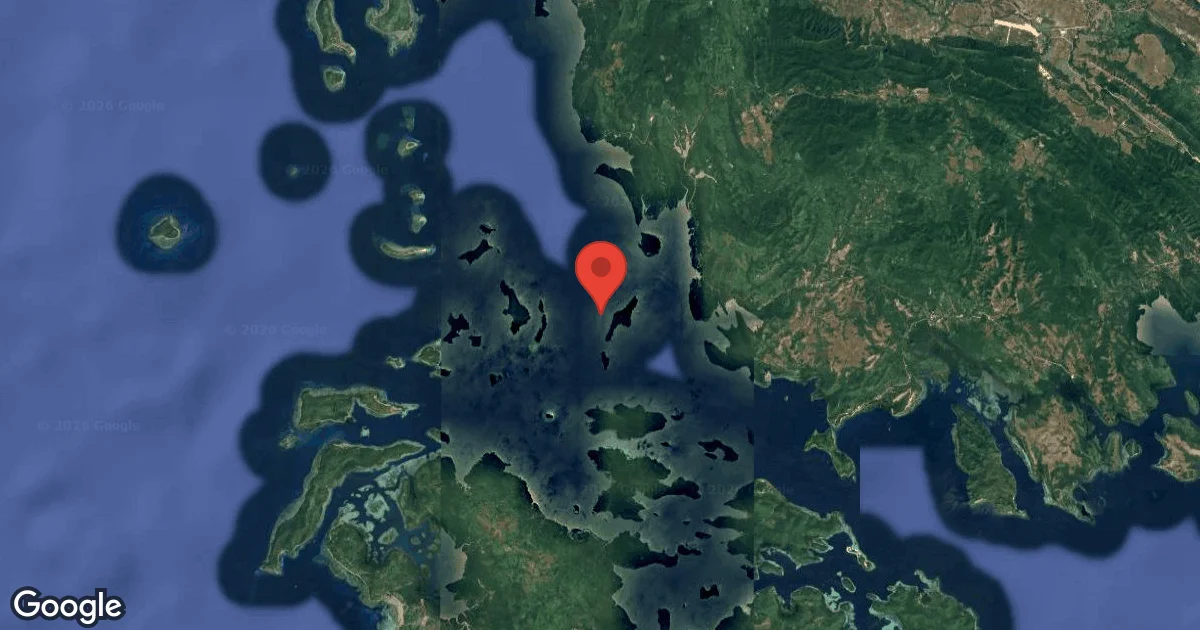
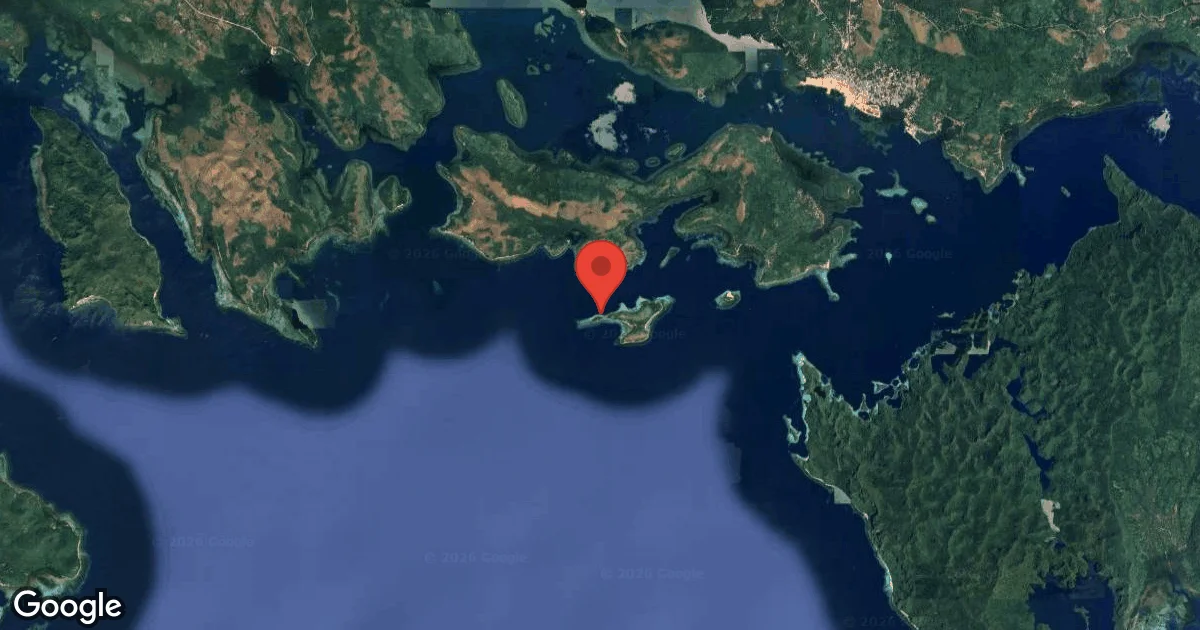
Dive Sites Near Kogyo Maru
View all dive sites in PhilippinesDiscover more underwater gems in this area.
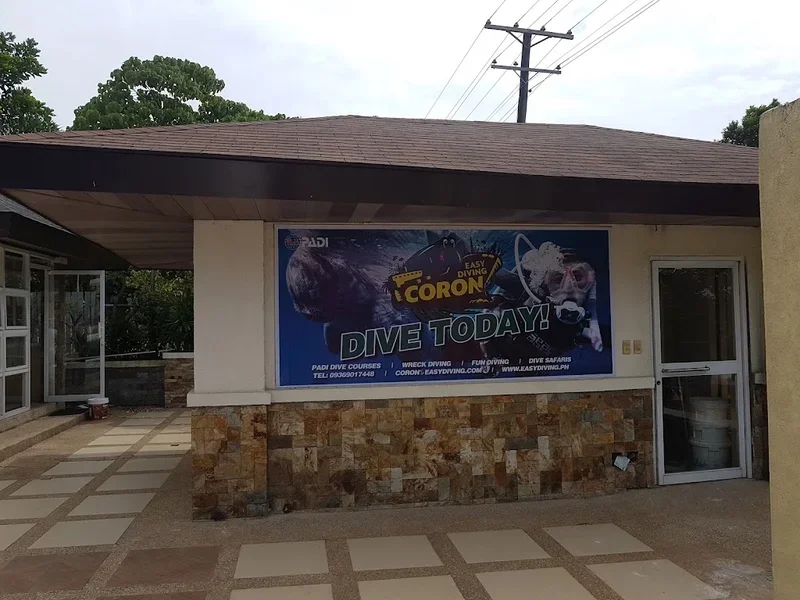
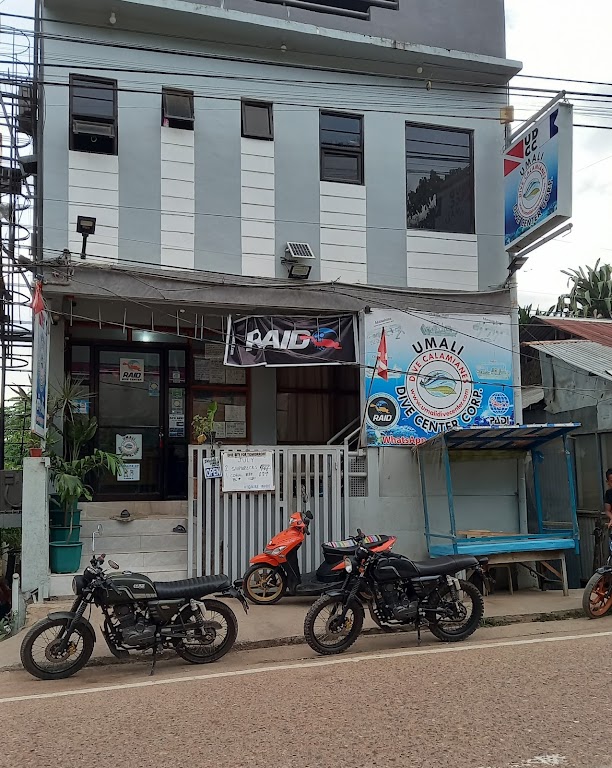
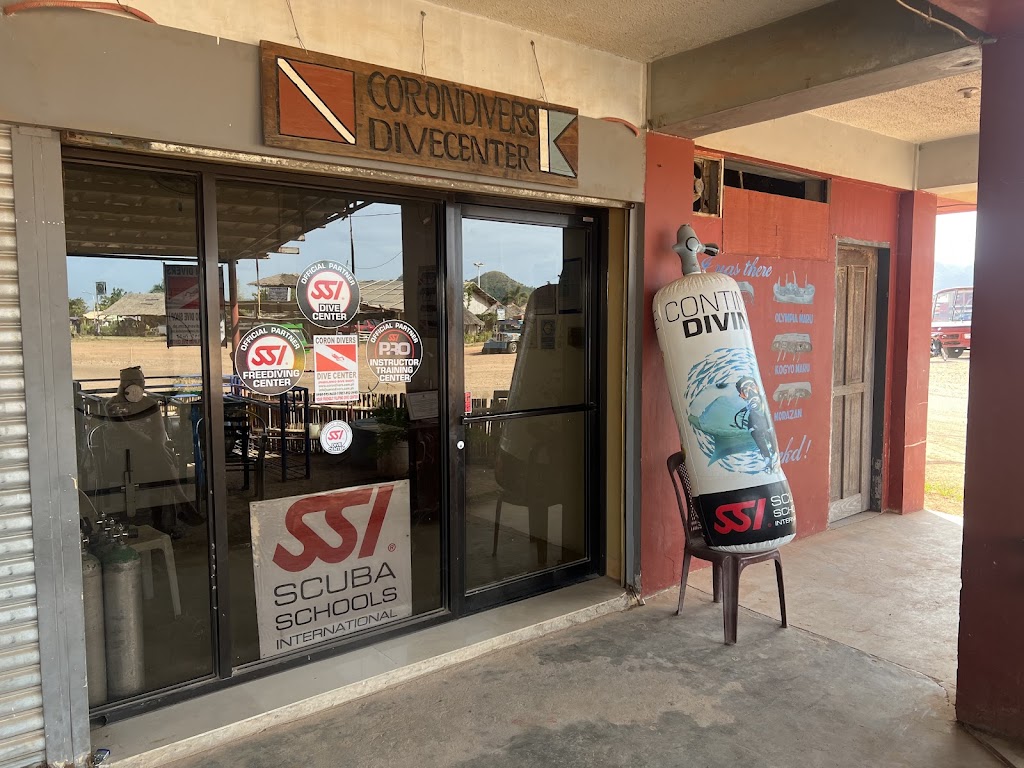
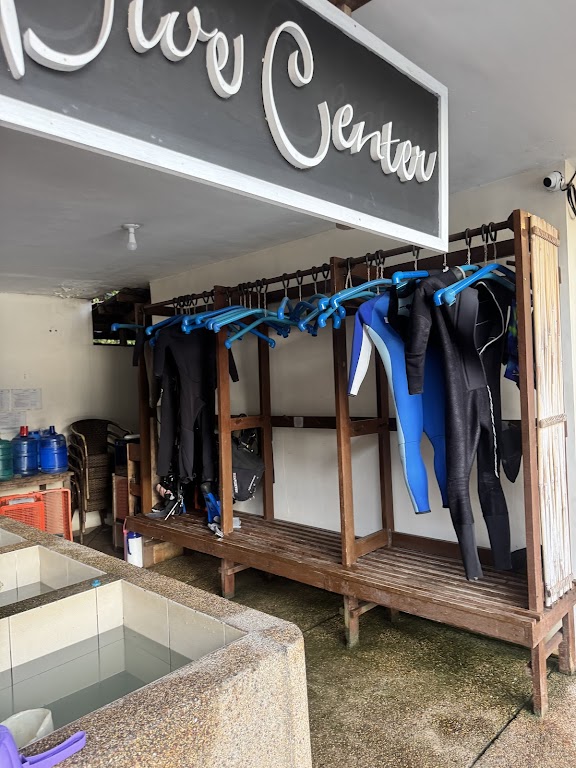
Dive Centers Near Kogyo Maru
Today: 08:00 - 17:00

Nearest Airports
Nearest airports to help plan travel to this dive area.
Search Flights
Check available flights and routes on Expedia, using the nearby airports listed in this section.
Search Flights on ExpediaFrequently Asked Questions
What is the Kogyo Maru?
This is a Japanese freighter approximately 158 meters long, sunk during World War II in 1944. It still carries its original cargo, including cement bags and a bulldozer, found within its holds.
How deep is the Kogyo Maru wreck?
The wreck rests on its starboard side at a maximum depth of about 34 meters. Shallower sections, like parts of the deck, are accessible within standard recreational dive limits.
Is the Kogyo Maru suitable for beginner wreck divers?
Yes, it's considered approachable for advanced certified divers new to wreck penetration. Its open cargo holds offer straightforward entry, providing a good introduction to overhead environments.
What cargo can be seen inside the wreck?
Divers can observe original construction materials, such as cement bags, various machinery, and a prominent bulldozer, still preserved within the cargo areas.
What is the typical visibility at the site?
Visibility around the Kogyo Maru usually ranges from 10 to 20 meters. Conditions can fluctuate based on recent weather and currents, but are generally good.
Are there currents at the Kogyo Maru?
Moderate currents are possible at the site. Divers should monitor conditions and plan their dive accordingly, particularly when navigating around or inside the wreck structure.
How do I reach the Kogyo Maru wreck?
Accessed by boat, it's typically a 15-minute speedboat ride from resorts in Coron, Busuanga Island. Local dive operators regularly organize trips to this and other nearby wrecks.
Planning to dive Kogyo Maru?
Send one inquiry and receive offers directly from the best verified local dive operators.
Conditions are Good
Optimal conditions expected
Current conditions near Kogyo Maru show 28° air, 30° sea temperature, 0.2 m waves, and 19 km/h wind. Forecast data is refreshed regularly to ensure accuracy.