
Diving at Ekkai Maru Aka Morazan (Philippines)
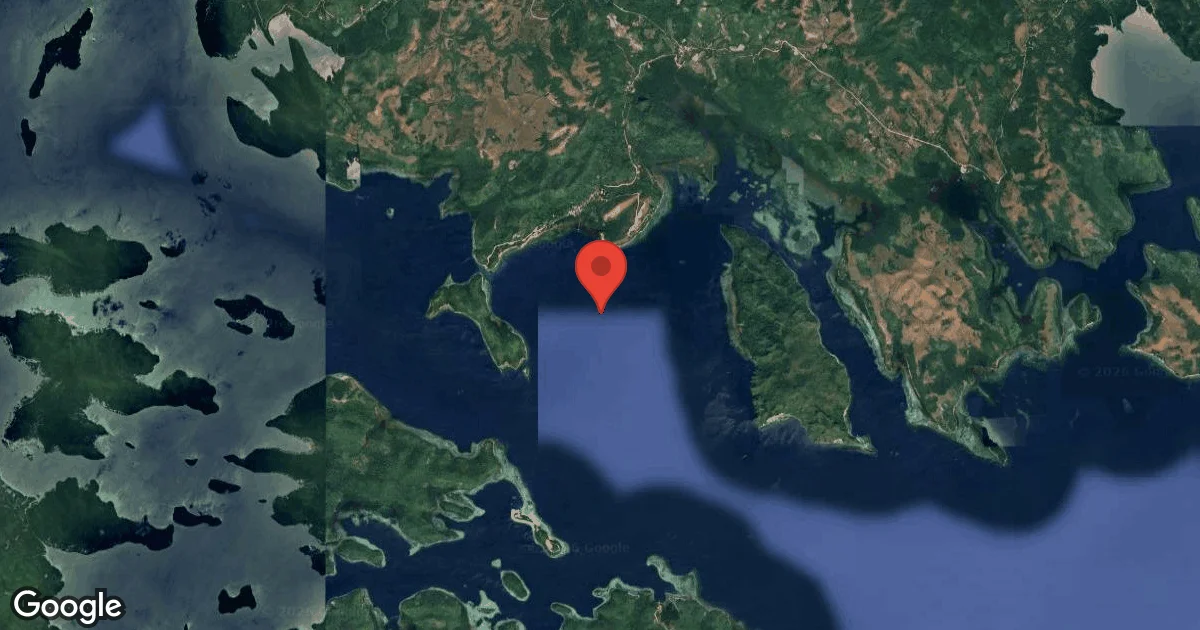
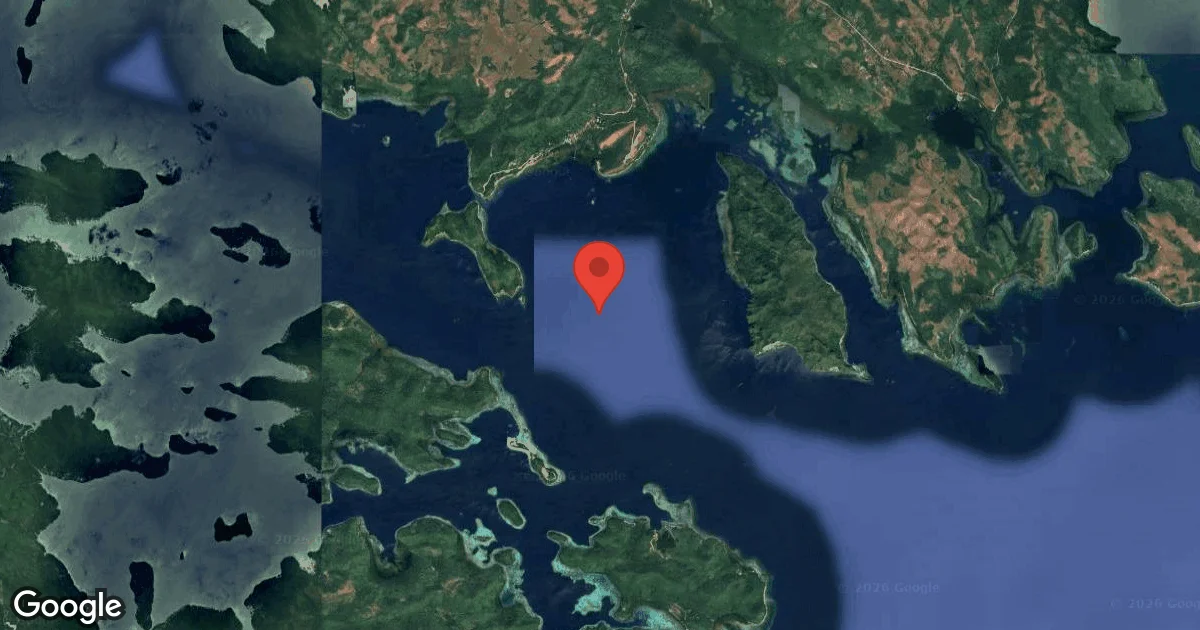
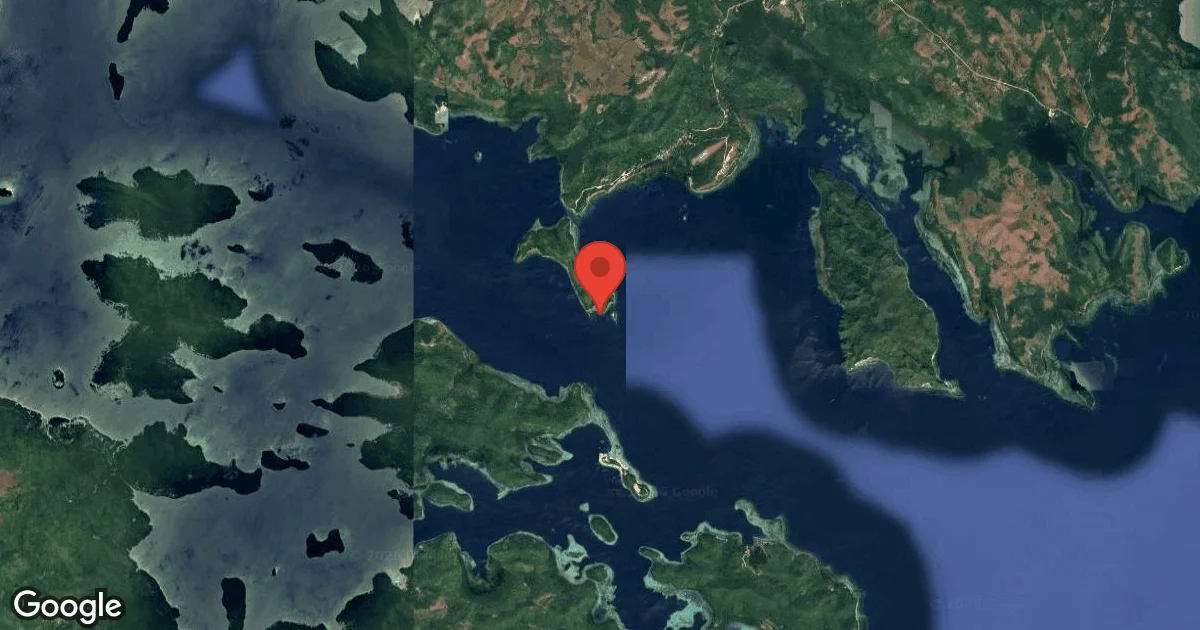
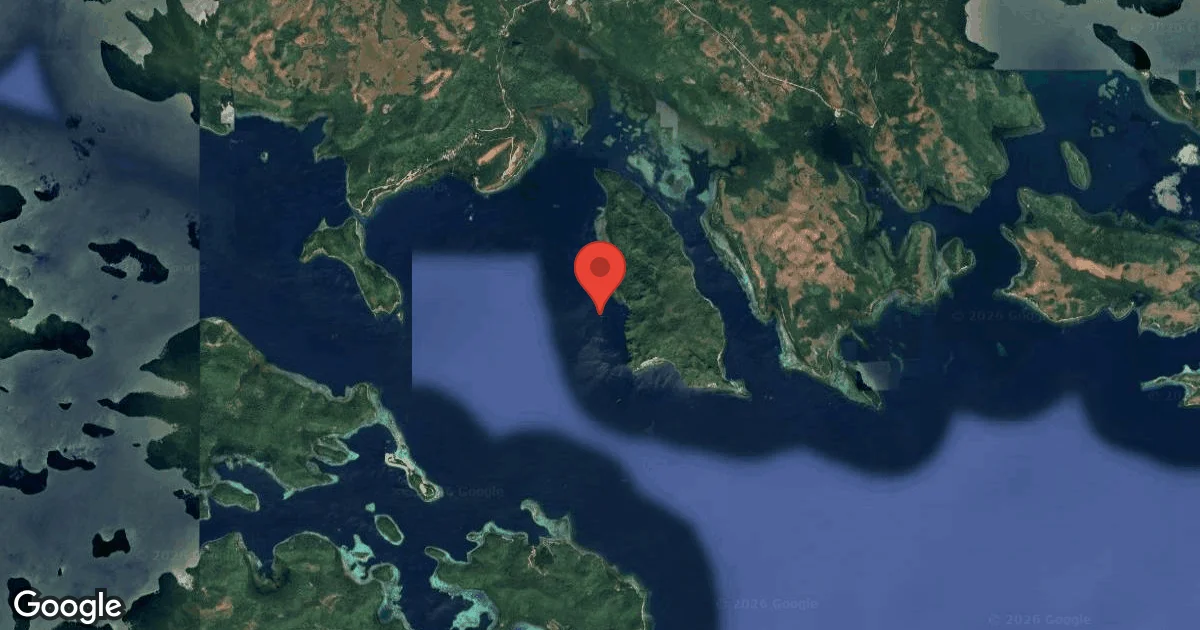
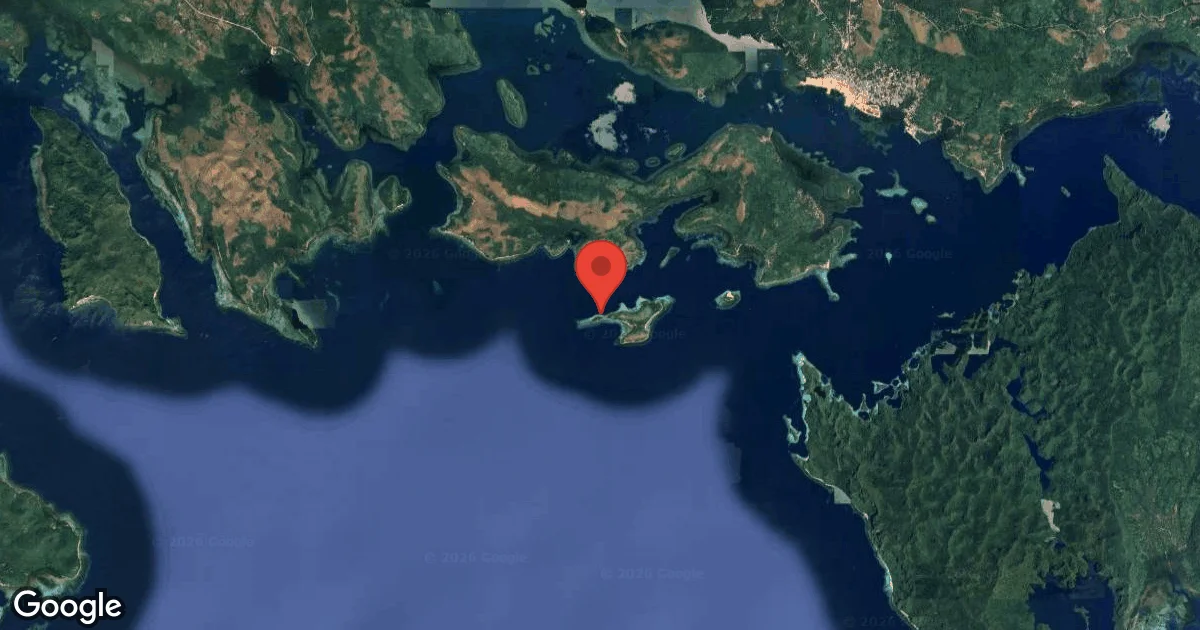
Ekkai Maru, also identified as the Morazan, presents a compelling WWII shipwreck dive within Coron, Philippines. Situated on the north-eastern side of Lusong Island, this site plunges divers into a historical immersion. Its layout and accessibility make it a focal point for those exploring the wartime legacy beneath Palawan's waters.
Evening condition tracking at Ekkai Maru Aka Morazan features an air temperature of 26°C. We have recorded wave heights measuring 0.2 m during this period. These figures outline the environmental parameters currently present.
Dive Site Location & Key Facts
Dive Site Overview
Exploring the Ekkai Maru provides a tangible journey into World War II history, as this freighter now thrives as a vibrant artificial reef. Though once a source of identity confusion among divers, the wreck is confirmed to be the former SS Manco and SS Morazan.
Sunk during an intense air attack on September 24, 1944, it currently rests on its starboard side at 25 m (82 ft) of water. Its depth and position create an intriguing dive profile, particularly with the ship's distinctive list. Sections like the spacious rear hold are readily explorable, accessed via a doorway located near the stern, leading into what was once a bustling cargo area.
Observation reveals specific historical details, such as the clearly visible 'CEI SH' letters on the stern, indicating its former home port of La Ceiba, Spanish Honduras. This impressive structure, a large freighter, steadily transformed over decades, now supporting a rich ecosystem.
Wreck exploration invites careful observation and offers limited penetration opportunities, appealing to certified divers keen on both historical context and marine life interactions. Good underwater visibility is generally observed, though conditions can fluctuate with weather patterns. Such a presence provides a unique educational experience beneath the waves.
Conditions are Good
Optimal conditions expected
Current conditions near Ekkai Maru Aka Morazan show 26° air, 30° sea temperature, 0.2 m waves, and 19 km/h wind. Forecast data is refreshed regularly to ensure accuracy.
Best Time to Dive
Optimizing your dive experience at Ekkai Maru is best achieved during the dry season, running from approximately December through May. During these months, air temperatures consistently range between 27°C and 29.5°C (80-84.7°F), providing comfortable surface conditions. Rainfall is minimal, often below 6.7 mm (0.26 inches), contributing to generally good underwater visibility. While specific water temperature data isn't consistently reported, the tropical climate indicates reliably warm conditions suitable for diving year-round. Conversely, the rainy season, peaking from July to September, sees increased precipitation, potentially impacting visibility, though dive scores remain good.
PEAK SEASON SCORE
Scores combine air & water temps, waves, wind & rainfall for overall conditions.
BEST MONTHS TO DIVE
Monthly records compiled from satellite and marine observation nodes over the last 3 years. Data provided by Open-Meteo and MET Norway.
Dive Experience & Conditions
Navigating the Ekkai Maru presents a dynamic wreck dive, with its main structure resting on its starboard side. The port side, a canvas of hard corals, lies at a shallower depth of 12 to 16 m (39-52 ft), making it accessible for recreational limits. During a typical dive, descent often begins near the stern, allowing for an inspection of features like the rudder and prop shaft hole. The ship's cargo rooms and engine room offer relatively straightforward penetration opportunities for appropriately certified divers, revealing intricate internal structures. Between 10 am and 2 pm on a sunny day, shafts of sunlight pierce through holes in the port side, creating a unique cathedral-like effect within the cargo holds. Currents here are generally mild, but can vary.
Dive Difficulty & Safety Guidelines
Approaching the Ekkai Maru requires adherence to specific safety protocols, notably due to its nature as a WWII wreck. A minimum certification of Advanced Open Water is mandated for this dive.
Furthermore, to undertake penetrations into the ship's cargo rooms and engine room, a Wreck Diver certification is essential. Expert dive leadership is crucial, especially when exploring interior sections where limited visibility or potential silting can occur.
Always maintain neutral buoyancy to protect the delicate coral growth and prevent disturbing sediment. It's important to carry a reliable flashlight, even during daylight hours, for exploring darker internal areas and identifying features.
Recommended Equipment
Overhead / entanglement risk. Wreck penetration requires proper training.
- Dive Computer
- DSMB
- Primary & Backup Lights
- Wreck Reel
- Cutting Tool
This gear list is based on verified equipment signals for Ekkai Maru Aka Morazan, Philippines. Always confirm final gear choices with your dive operator, guide, or liveaboard.
Recommended Dive Suit
Individual comfort in the water can vary significantly from diver to diver, even under the same conditions.
For most recreational dives, dive skin or rash guard should provide comfortable protection. A hood or vest is suggested for sensitive divers due to surface winds. Forecast trends indicate little change in overall diving conditions during the next few days.
Water temperatures across the dive area at Ekkai Maru Aka Morazan are presently estimated to be around 30°C (86°F). Surface air temperatures are resting at 26°C (79°F).
Emergency & Medical Support
Essential information to help you plan your dive trip to Ekkai Maru aka Morazan.

Hyperbaric chambers are a critical part of dive safety infrastructure. Availability varies significantly by region, and not all dive areas have immediate access.
Before diving, it's recommended to:
- confirm nearest medical facilities
- check emergency procedures with local dive operators
- ensure dive insurance covers evacuation if required
Divers Alert Network
Diving emergency assistance available through DAN World.
+1-919-684-9111- 24/7 emergency hotline
- Diving medical assistance
- Evacuation coordination
Emergency contacts are provided for reference. Always verify local emergency services before diving.
Marine Life at Ekkai Maru Aka Morazan
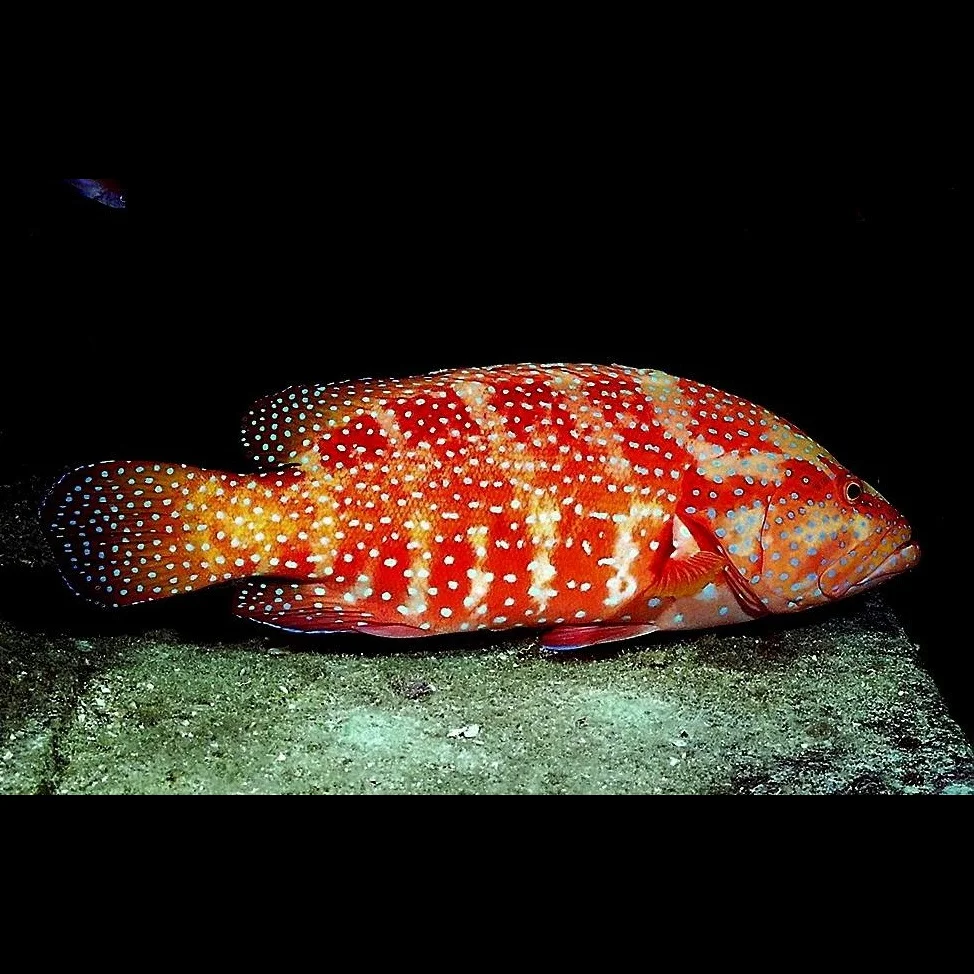
The Ekkai Maru's transformation into an artificial reef attracts a diverse array of marine life. Groupers are frequently observed patrolling the wreck's structure, while sweetlips often congregate in sheltered areas.
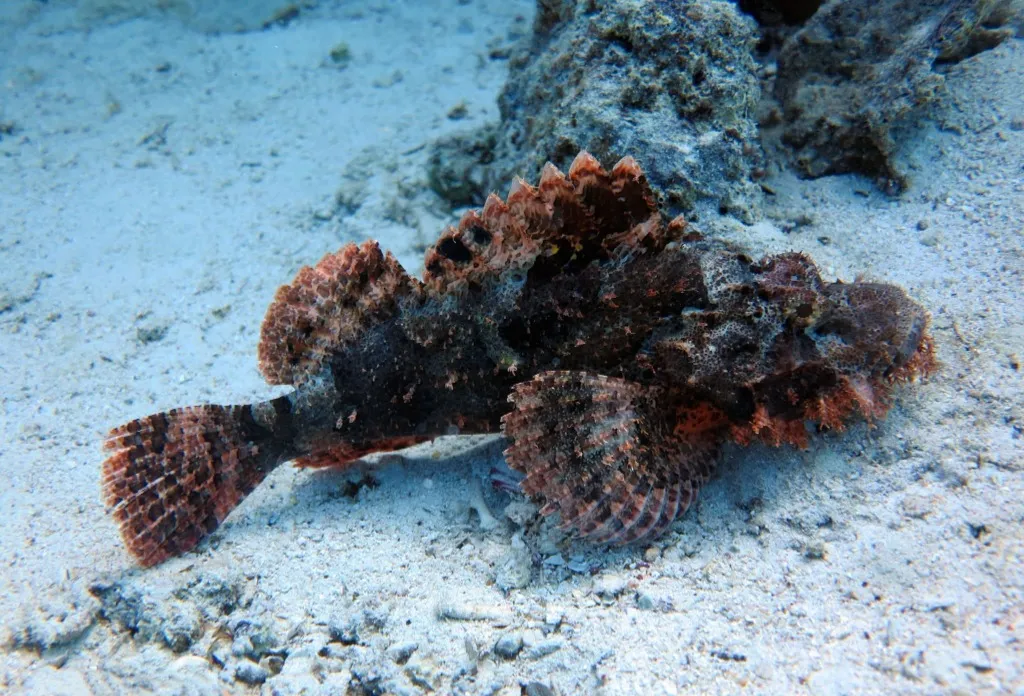
Divers should keep an eye out for occasionally seen turtles and sea snakes gliding around the coral-encrusted hull. Many scorpionfish blend seamlessly with the wreck, requiring a keen eye to spot them.
The vibrant hard corals covering the port side contribute significantly to the site's ecological richness, providing shelter and feeding grounds for various tropical fish.

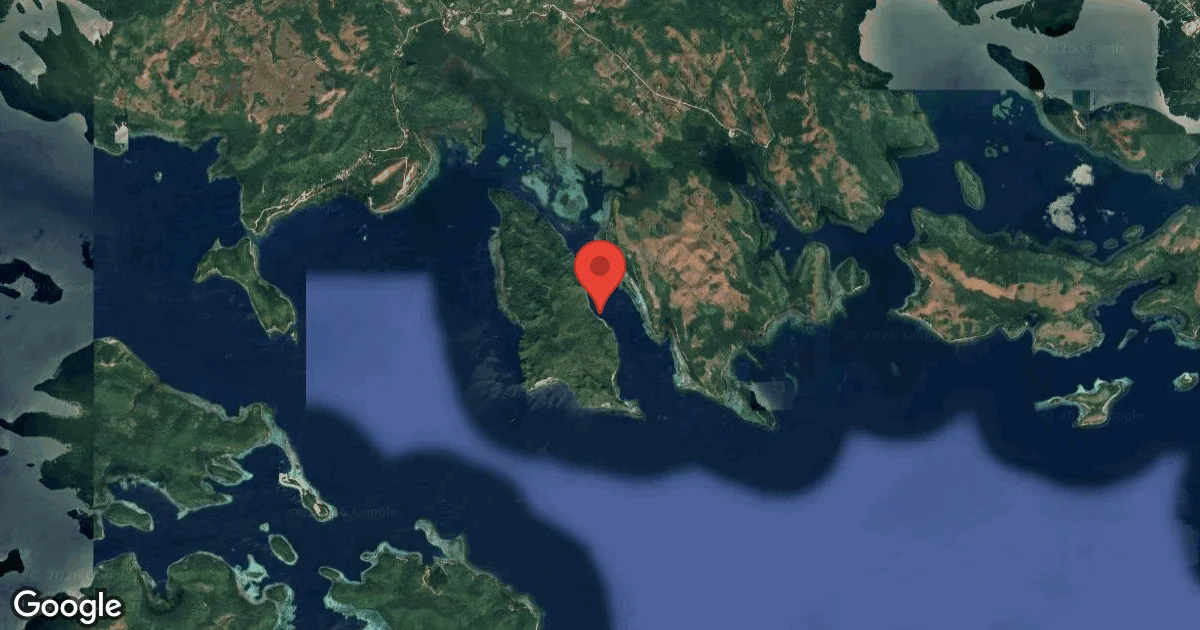
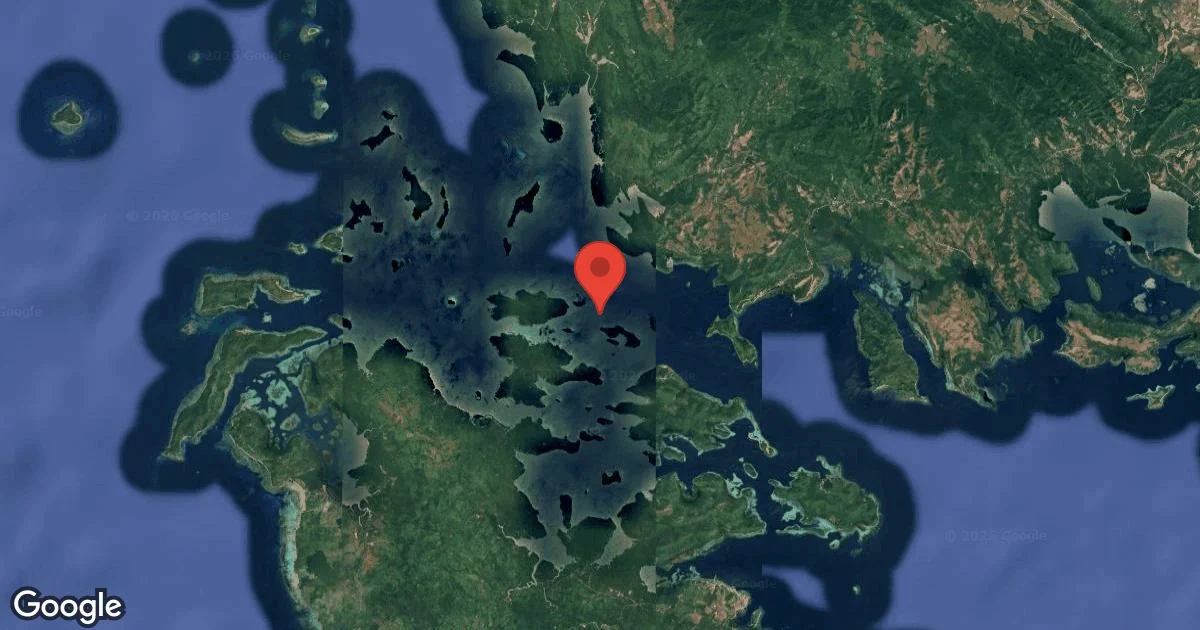
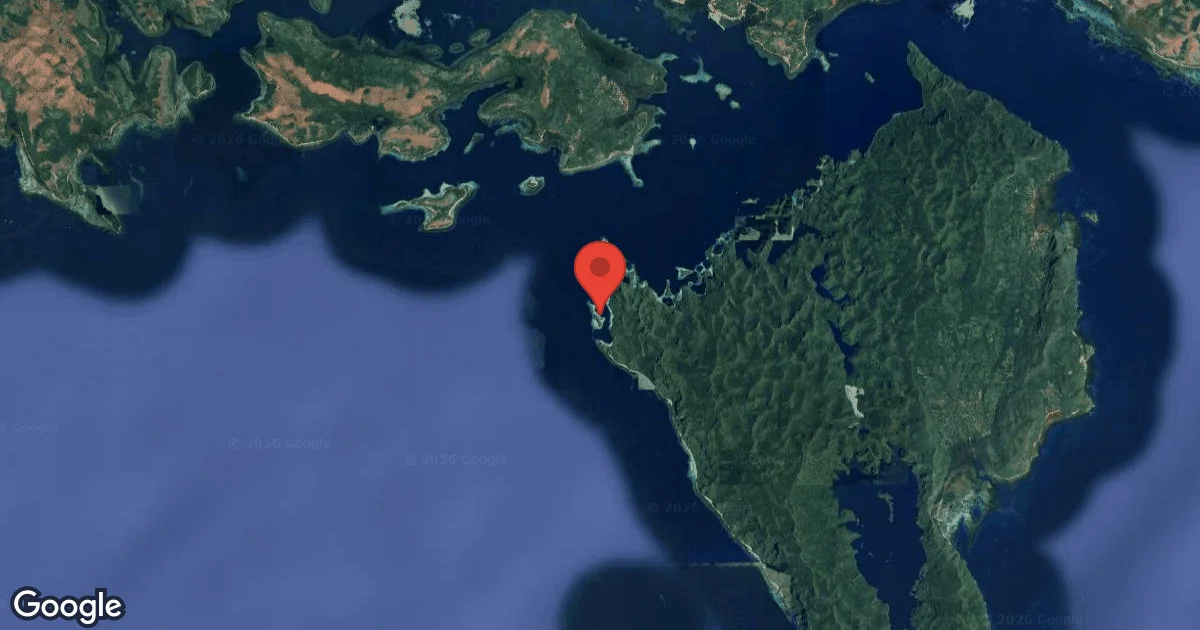
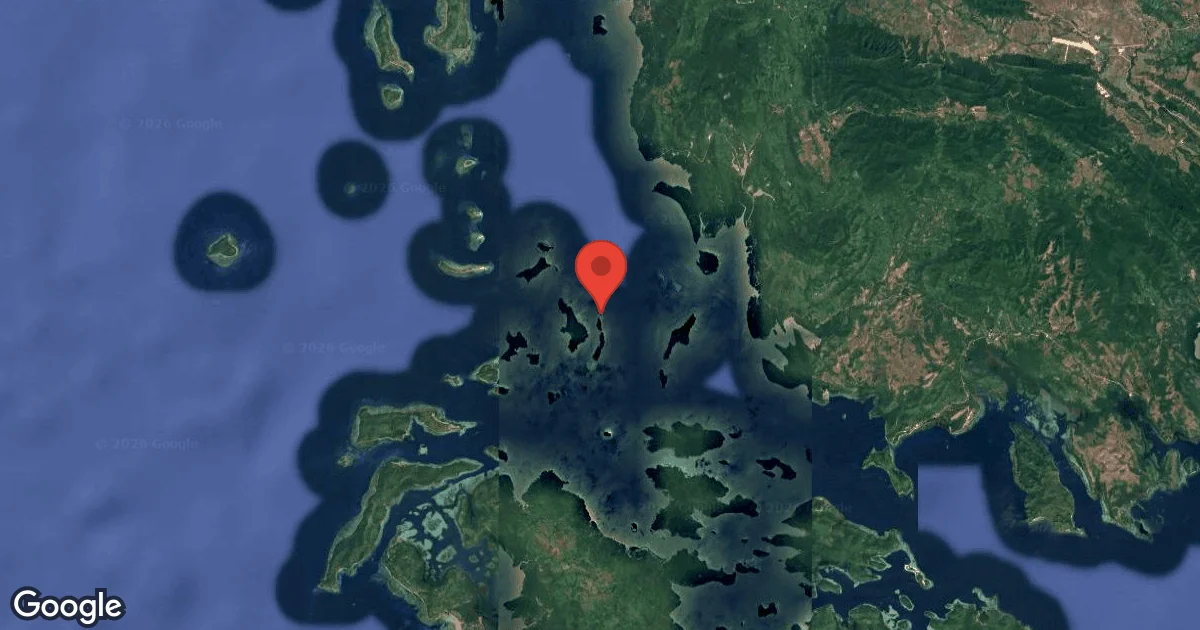
Dive Sites Near Ekkai Maru Aka Morazan
View all dive sites in PhilippinesDiscover more underwater gems in this area.
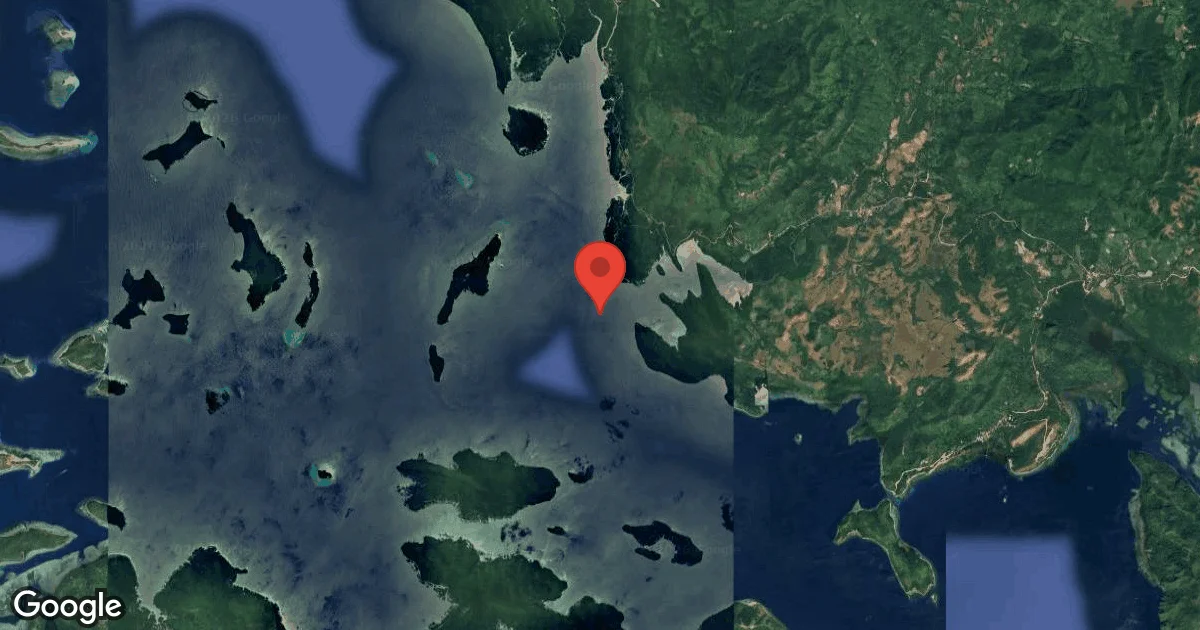
Dive Centers Near Ekkai Maru Aka Morazan
Today: 08:00 - 17:00
Nearest Airports
Nearest airports to help plan travel to this dive area.
Search Flights
Check available flights and routes on Expedia, using the nearby airports listed in this section.
Search Flights on ExpediaFrequently Asked Questions
What certification level is required to dive the Ekkai Maru?
Divers must possess a minimum of Advanced Open Water certification to participate in dives at the Ekkai Maru. For any penetration into the wreck's interior, a specialized Wreck Diver certification is required.
What is the maximum depth of the Ekkai Maru wreck?
The Ekkai Maru rests on its starboard side in approximately 25 m (82 ft) of water. Shallower sections, particularly the port side, are found between 12 to 16 m (39-52 ft).
Can I penetrate the Ekkai Maru wreck?
Yes, the Ekkai Maru offers opportunities for penetration into its cargo rooms and engine room. However, this is strictly recommended only for divers holding a Wreck Diver certification due to the inherent risks.
What marine life can be seen at the Ekkai Maru?
The wreck is home to groupers, sweetlips, and various tropical fish. Occasionally, divers may also spot turtles and sea snakes. Scorpionfish are also common around the structure.
Is the Ekkai Maru its original name?
The wreck is officially identified as the Ekkai Maru, which was formerly known as the SS Morazan (and SS Manco). Its identity was a source of confusion among divers for some time after its discovery.
What is the best time of day to dive this wreck for photography?
Between 10 am and 2 pm on a sunny day provides the best lighting for photography inside the cargo holds. Sunbeams often create a 'cathedral-like effect' as they penetrate the wreck.
Planning to dive Ekkai Maru Aka Morazan?
Send one inquiry and receive offers directly from the best verified local dive operators.
Conditions are Good
Optimal conditions expected
Current conditions near Ekkai Maru Aka Morazan show 26° air, 30° sea temperature, 0.2 m waves, and 19 km/h wind. Forecast data is refreshed regularly to ensure accuracy.