
Diving at Teru Kaze Maru (Philippines)
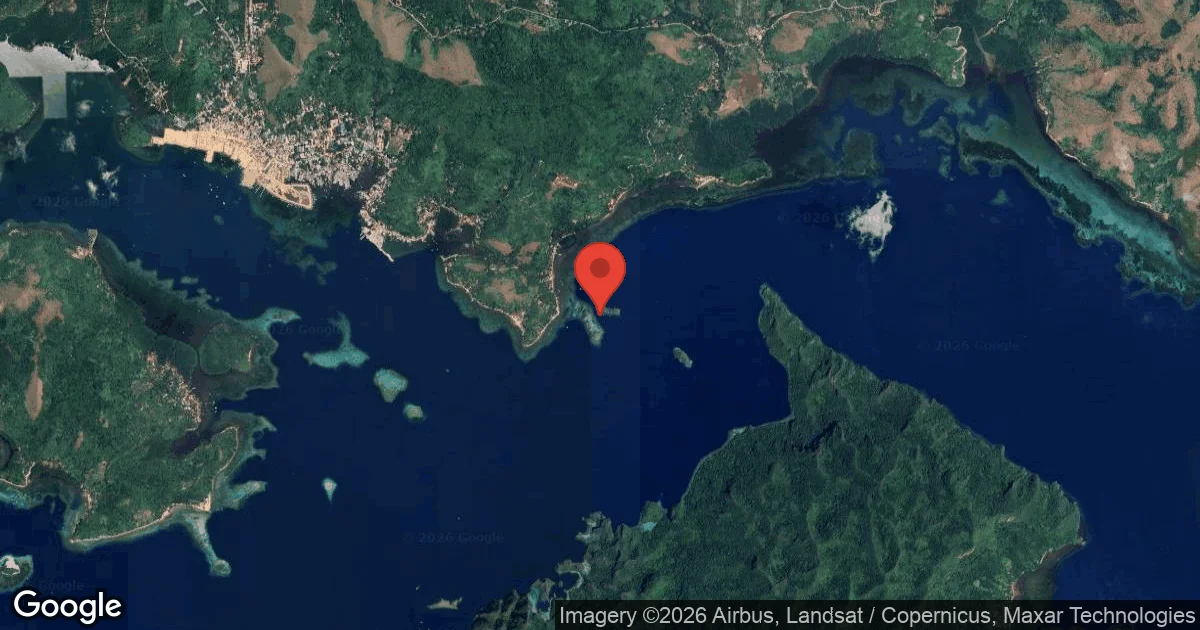
The Teru Kaze Maru, a Japanese patrol boat sunk in 1944, rests on a sandy bottom just off Tangat Island in Coron, Philippines. This wreck presents an approachable structure for divers, with its bow starting at a shallow 4 meters / 13 feet and gradually descending to a maximum depth of 20 meters / 66 feet. Its relatively intact condition invites exploration, featuring a few small holds for brief penetration opportunities.
Evening condition tracking at Teru Kaze Maru features an air temperature of 27°C. We have recorded wave heights measuring 0.2 m during this period. These figures outline the environmental parameters currently present.
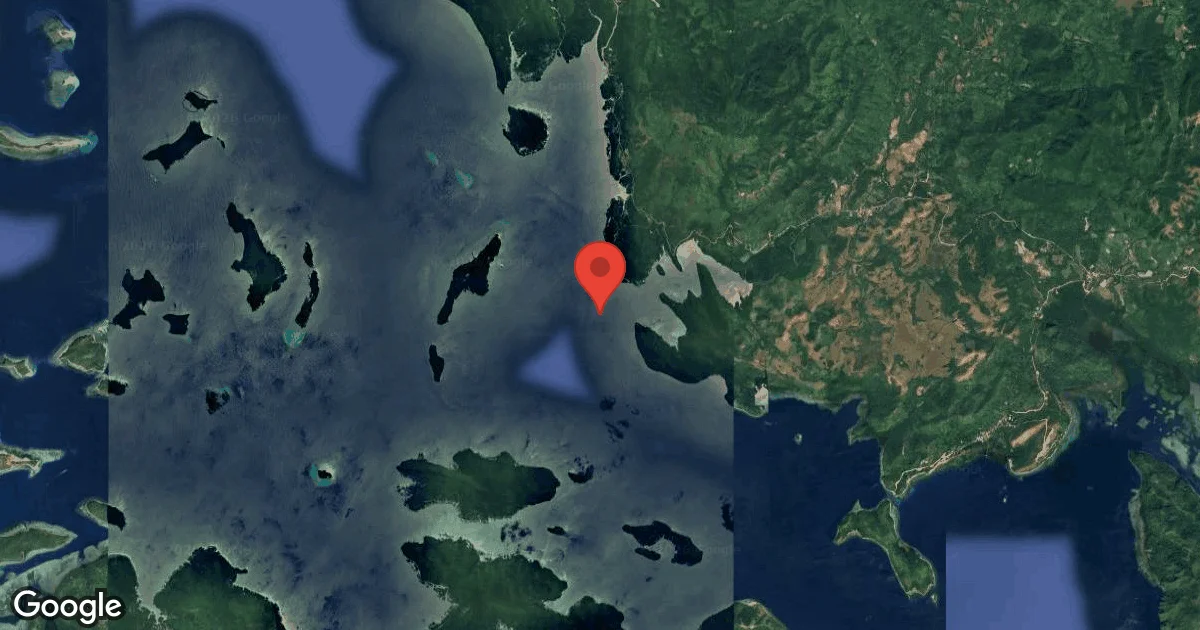
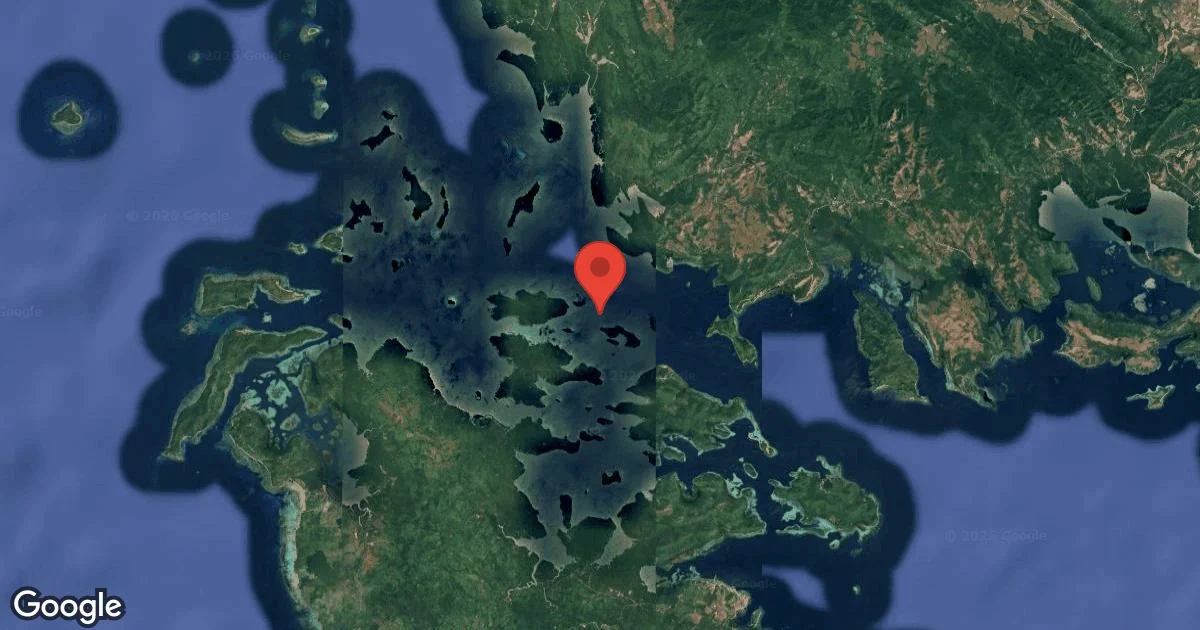
Dive Site Location & Key Facts
Dive Site Overview
Initially operating as a 35-meter-long Japanese submarine hunter, the Teru Kaze Maru met its fate on September 24, 1944. Sunk during a US air raid near Sangat Island, it now rests on the east side of Tangat Island, offering a compelling dive site.
The historical significance of this wreck lies in its direct connection to World War II naval operations in the region, serving as a tangible window into maritime history and the vessels used during that era. Its relatively shallow position on a sandy seabed makes it approachable, with the bow beginning in just 4 meters and extending to a maximum depth of 20 meters. Divers can navigate along its length, observing the structure of a wartime patrol boat that remains largely intact.
Often chosen as a final dive of the day, it provides a relaxing yet engaging experience, suitable for certified divers looking to combine history with a pleasant underwater exploration.
Conditions are Good
Optimal conditions expected
Current conditions near Teru Kaze Maru show 27° air, 30° sea temperature, 0.2 m waves, and 18 km/h wind. Forecast data is refreshed regularly to ensure accuracy.
Best Time to Dive
Diving the Teru Kaze Maru is excellent for much of the year, particularly during the months of January through May and October through December. These periods typically offer optimal diving conditions, characterized by stable weather and calm seas. During these months, air temperatures average between 27°C and 29.5°C / 85°F and 85°F, complemented by minimal rainfall, which ranges from 1.2 mm to 5.8 mm. Such conditions often lead to improved underwater visibility and a more comfortable overall experience. Conditions remain favorable from June to September; however, these months see higher average rainfall, reaching up to 15.7 mm in September. While the increased precipitation might affect visibility occasionally, air temperatures generally hover around 27.5°C / 82°F, maintaining consistently warm water for diving.
PEAK SEASON SCORE
Scores combine air & water temps, waves, wind & rainfall for overall conditions.
BEST MONTHS TO DIVE
Monthly records compiled from satellite and marine observation nodes over the last 3 years. Data provided by Open-Meteo and MET Norway.
Dive Experience & Conditions
Accessing the Teru Kaze Maru is possible via boat or shore entry from Tangat Island, providing flexible options for divers. The site is characterized by saltwater conditions and generally calm waves, which are typically less than 0.5 meters / 1.6 feet, contributing to a tranquil underwater environment. Given its relatively shallow depth profile, reaching a maximum of 20 meters, this wreck is considered suitable for PADI Open Water Divers and those gaining experience in wreck diving. Water temperatures are not consistently reported but generally align with the warm tropical climate of the Philippines, ensuring comfortable dives year-round. Visibility varies depending on local currents and recent weather events but is often good over the sandy bottom and around the wreck structure, allowing for clear views of the vessel and its resident marine life. Currents around the wreck are typically mild, making for an enjoyable and manageable dive.
Dive Difficulty & Safety Guidelines
Diving the Teru Kaze Maru requires adherence to standard safe diving practices appropriate for any wreck site. Divers should maintain strong buoyancy control, especially when navigating close to the structure or considering any of the small holds for brief penetration opportunities. It's crucial to remain aware of depth and bottom time, and to plan dives within no-decompression limits.
As with any submerged artificial structure, entanglement hazards can be present from loose debris or fishing lines, though no specific, pervasive hazards are consistently reported for this particular wreck. Carrying a cutting tool and a dive light is always a prudent measure for wreck explorations.
Consulting with local dive professionals familiar with current site conditions, potential currents, and specific points of interest before entry is strongly recommended to ensure a safe and enjoyable dive experience for all participants.
Recommended Equipment
Overhead / entanglement risk. Wreck penetration requires proper training.
- Dive Computer
- DSMB
- Primary & Backup Lights
- Wreck Reel
- Cutting Tool
This gear list is based on verified equipment signals for Teru Kaze Maru, Philippines. Always confirm final gear choices with your dive operator, guide, or liveaboard.
Recommended Dive Suit
The latest conditions reported around Teru Kaze Maru place the water temperature close to 30°C (85°F). Surface air temperatures are resting at 27°C (81°F).
Dive skin or rash guard is generally considered suitable for water temperatures like this. A hood or vest is suggested for sensitive divers due to surface winds.
Forecast trends indicate similar diving conditions over the next few days.
Emergency & Medical Support
Essential information to help you plan your dive trip to Teru Kaze Maru.

Hyperbaric chambers are a critical part of dive safety infrastructure. Availability varies significantly by region, and not all dive areas have immediate access.
Before diving, it's recommended to:
- confirm nearest medical facilities
- check emergency procedures with local dive operators
- ensure dive insurance covers evacuation if required
Divers Alert Network
Diving emergency assistance available through DAN World.
+1-919-684-9111- 24/7 emergency hotline
- Diving medical assistance
- Evacuation coordination
Emergency contacts are provided for reference. Always verify local emergency services before diving.
Marine Life at Teru Kaze Maru
The environment around the Teru Kaze Maru, with its sandy bottom and proximity to reef areas, acts as a draw for various smaller marine species. Divers frequently observe macro critters camouflaged among the wreck's structure.
Mandarin fish sightings are a notable highlight, often found in sheltered spots. While larger pelagics like sharks or turtles might be encountered in the broader ocean surrounding the wreck, the primary focus here is on the intricate life inhabiting the wreck itself.
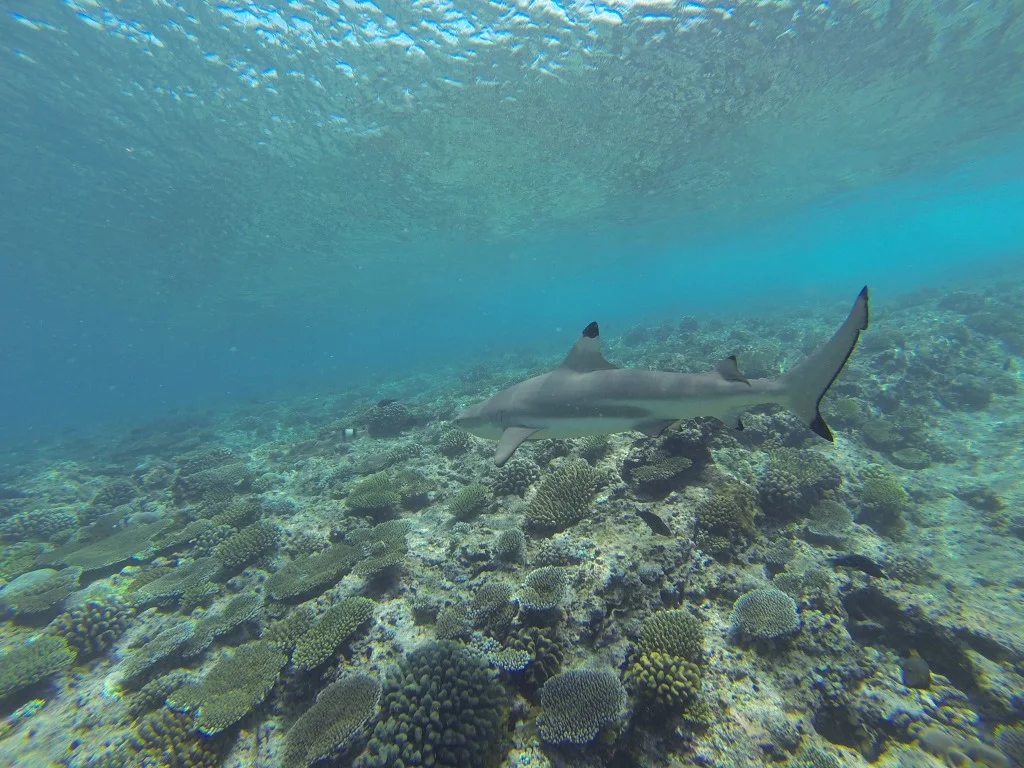
Dive Sites Near Teru Kaze Maru
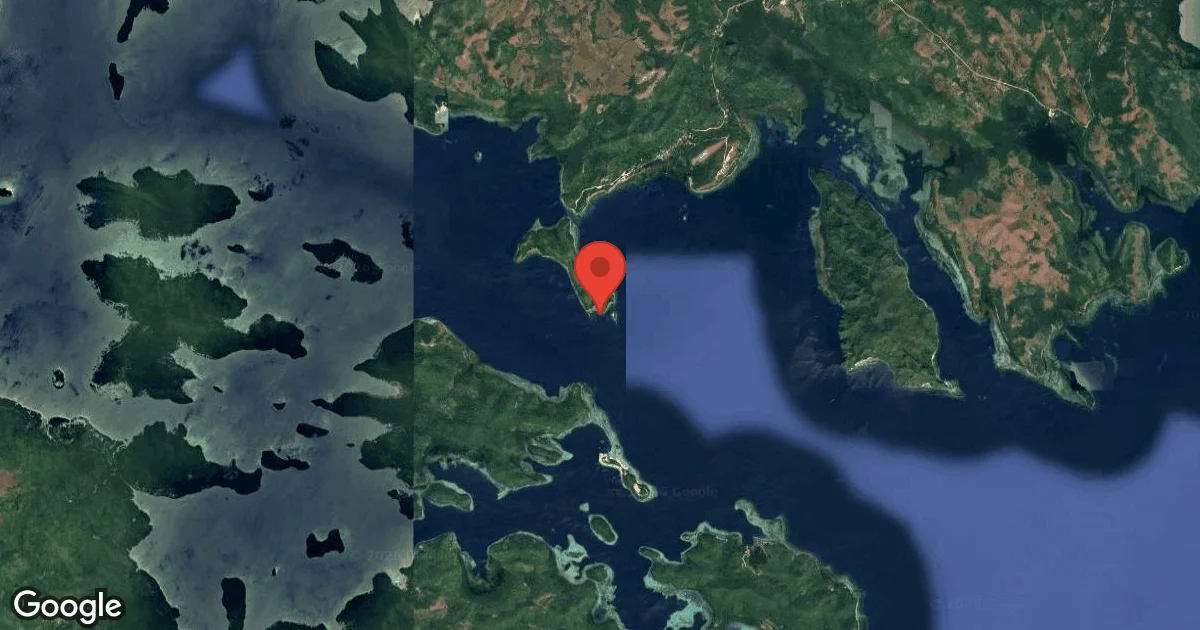
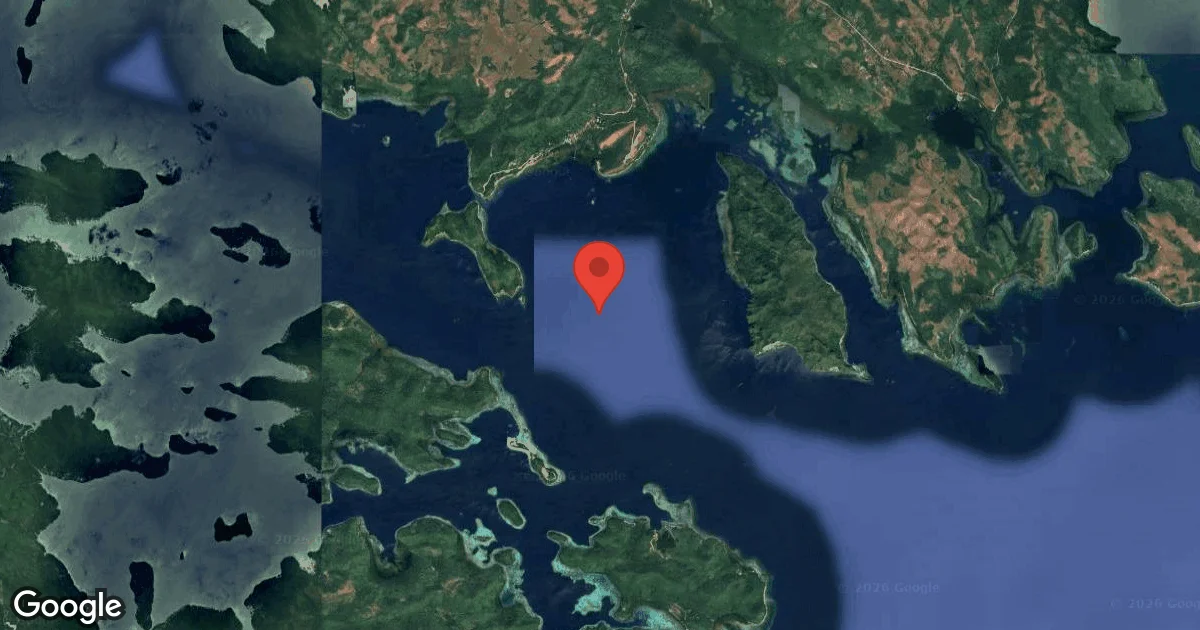
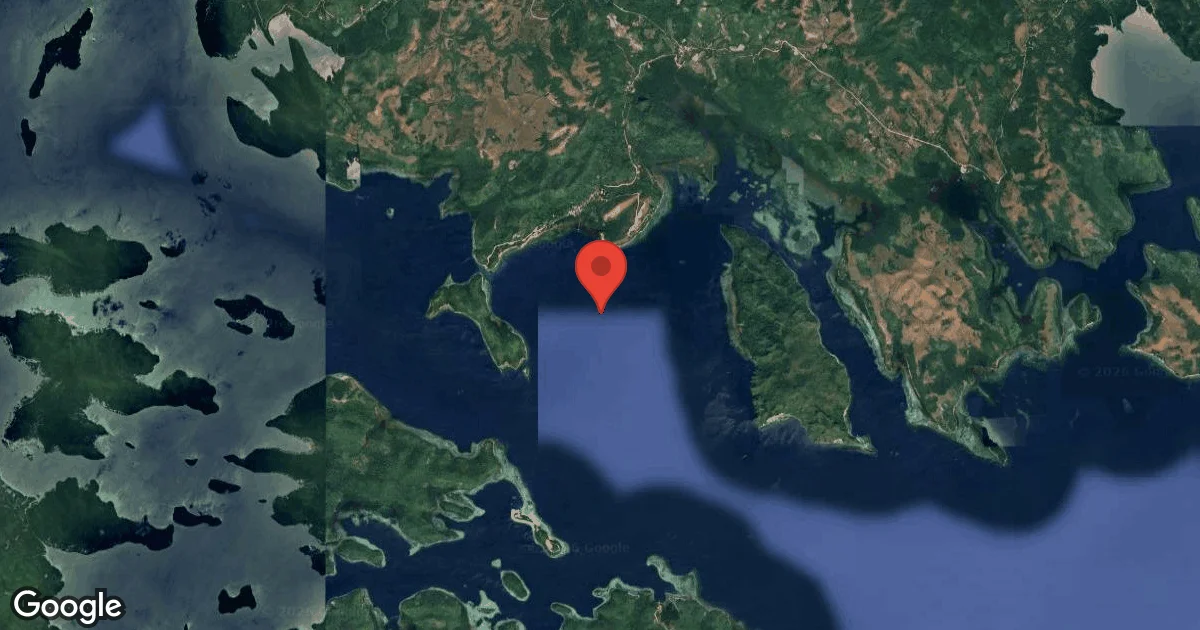
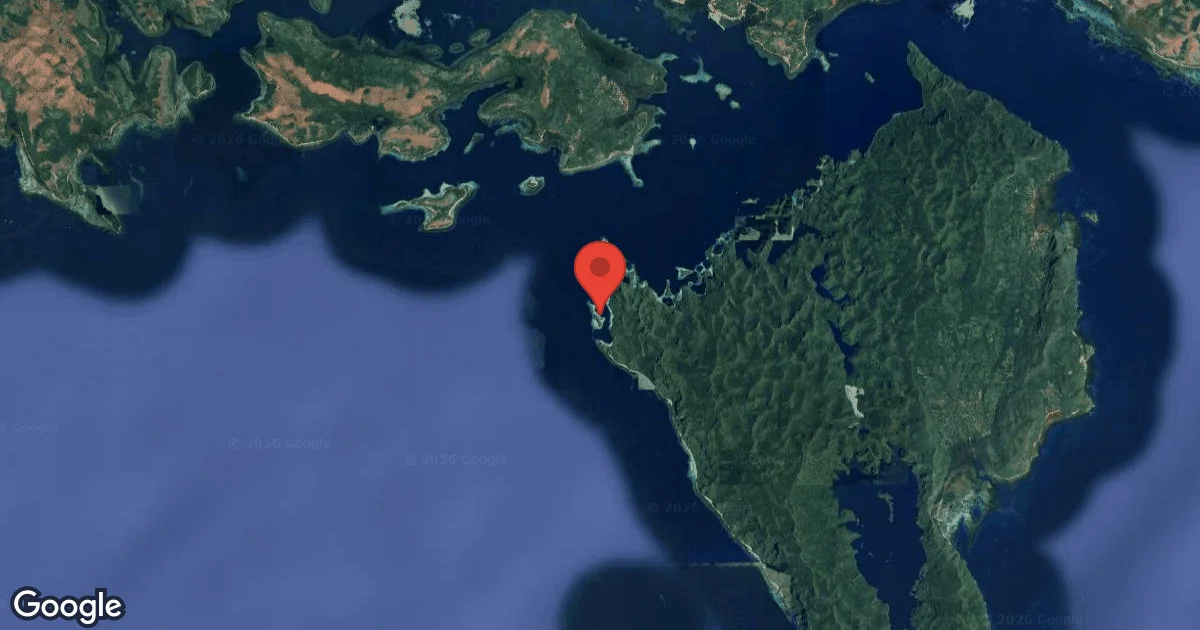
View all dive sites in PhilippinesDiscover more underwater gems in this area.
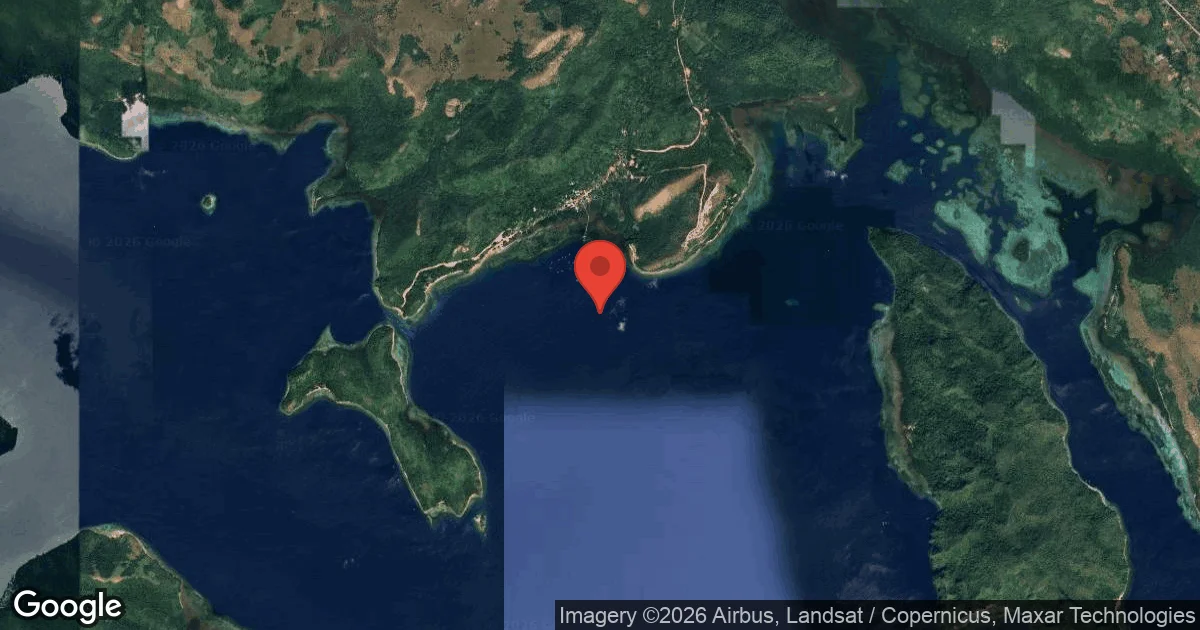
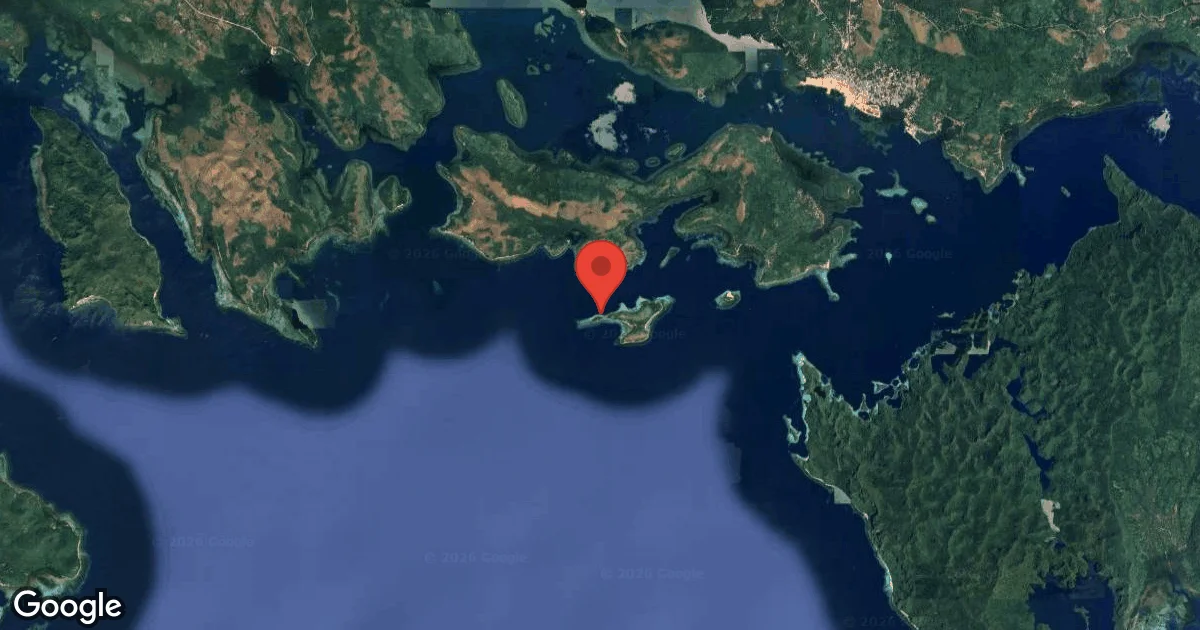
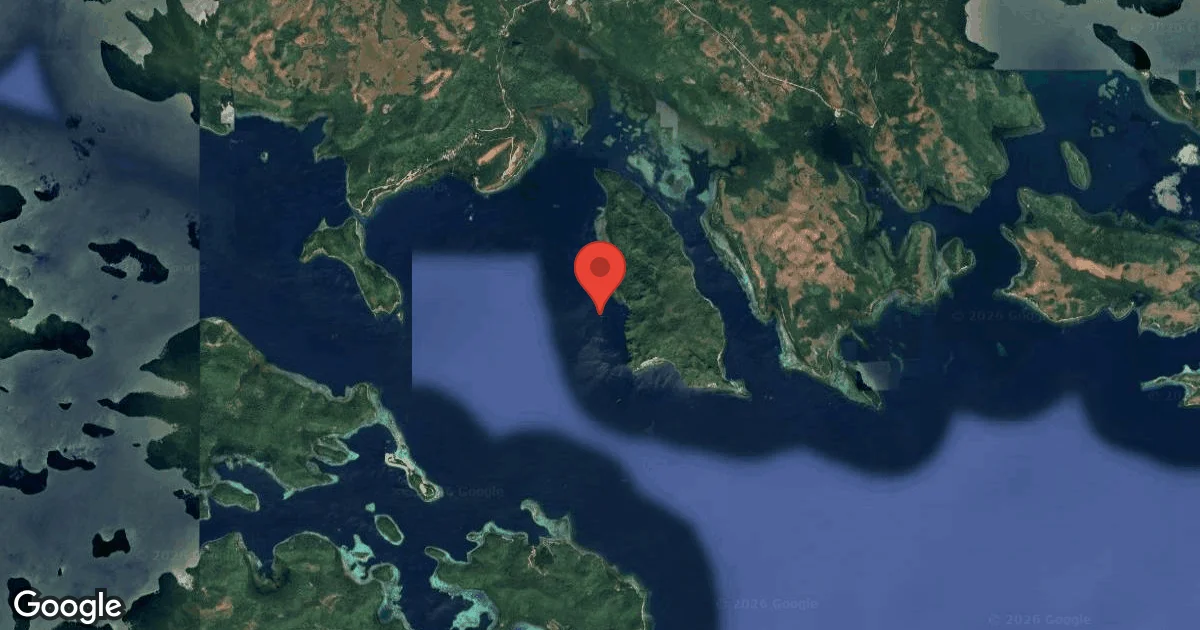
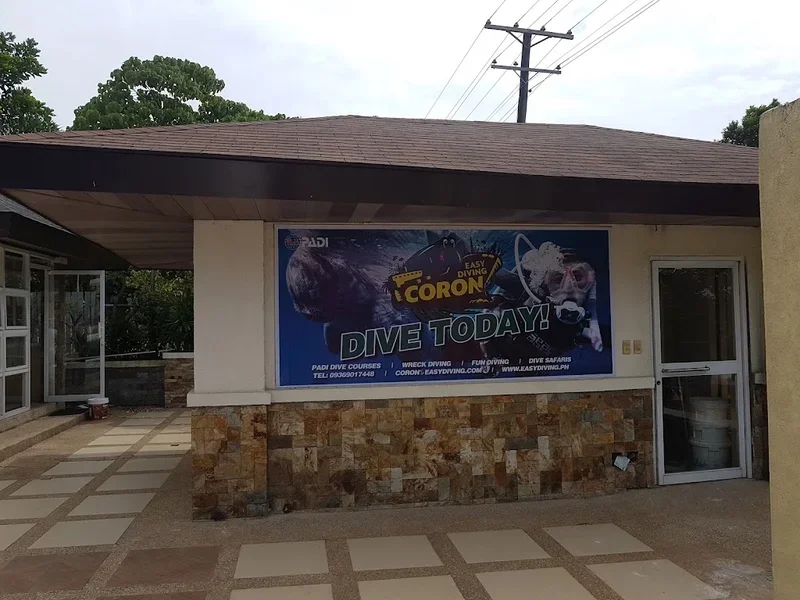
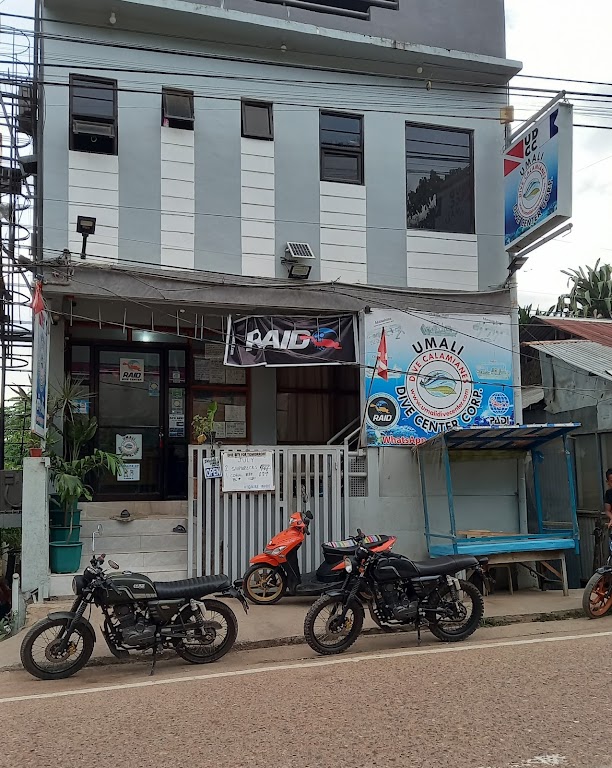
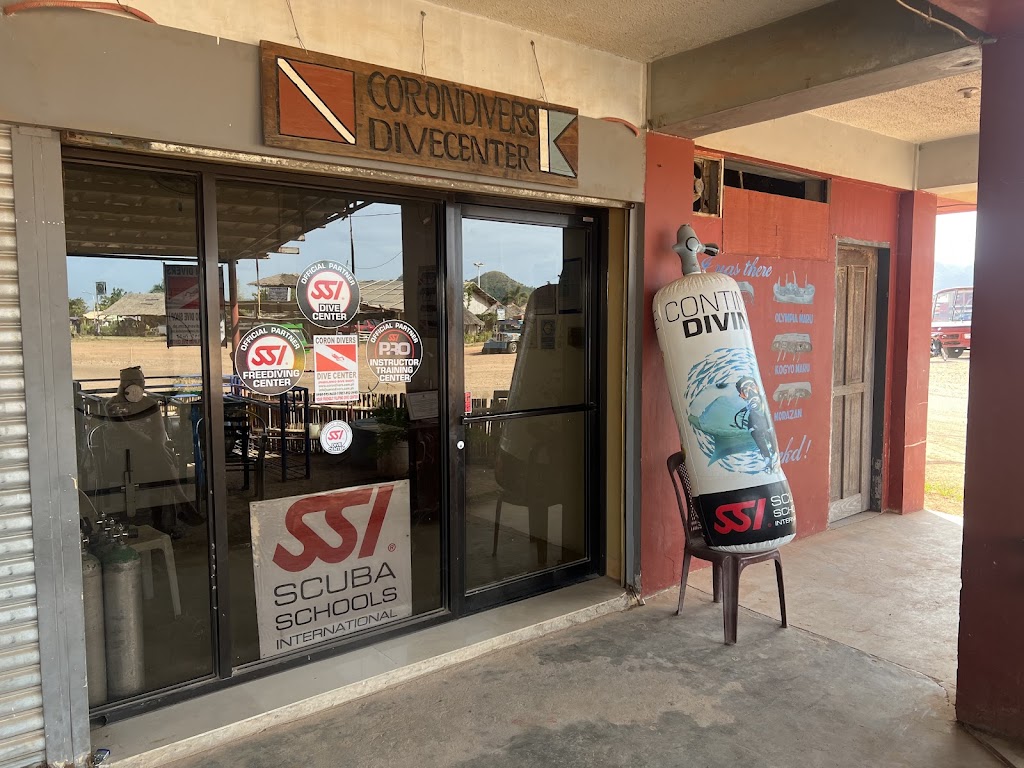
Dive Centers Near Teru Kaze Maru
Today: 08:00 - 17:00
Nearest Airports
Nearest airports to help plan travel to this dive area.
Search Flights
Check available flights and routes on Expedia, using the nearby airports listed in this section.
Search Flights on ExpediaFrequently Asked Questions
What is the maximum depth of the Teru Kaze Maru wreck?
The wreck's bow starts around 4 meters and descends to a maximum depth of 20 meters. This makes it accessible for various certification levels.
What kind of dive experience can I expect at Teru Kaze Maru?
This site offers a relatively easy wreck dive, suitable for Open Water Divers. You'll explore a mostly intact patrol boat, with opportunities for observing macro marine life and possibly brief penetration into small holds.
Is Teru Kaze Maru suitable for beginners?
Teru Kaze Maru can suit certified recreational divers when the dive stays outside penetration and conditions are calm. Its shallow sections make the wreck approachable, but any overhead or interior exploration should be avoided without proper wreck training.
What marine life is commonly seen around the wreck?
Divers often find various macro critters dwelling on the wreck. Mandarin fish sightings are frequent, adding a splash of color to the dive. The sandy bottom also hosts unique small invertebrates.
Are there any specific hazards to be aware of at this dive site?
No specific major hazards are consistently reported for Teru Kaze Maru. Standard wreck diving safety precautions, such as maintaining buoyancy control and being aware of entanglement points in confined spaces, are always advisable.
Can I penetrate the wreck?
The wreck is relatively intact and features a few small holds that allow for brief penetration. Divers should only attempt penetration if properly trained and equipped for such maneuvers.
Planning to dive Teru Kaze Maru?
Send one inquiry and receive offers directly from the best verified local dive operators.
Conditions are Good
Optimal conditions expected
Current conditions near Teru Kaze Maru show 27° air, 30° sea temperature, 0.2 m waves, and 18 km/h wind. Forecast data is refreshed regularly to ensure accuracy.