
Diving at Pindawon Wall (Philippines)
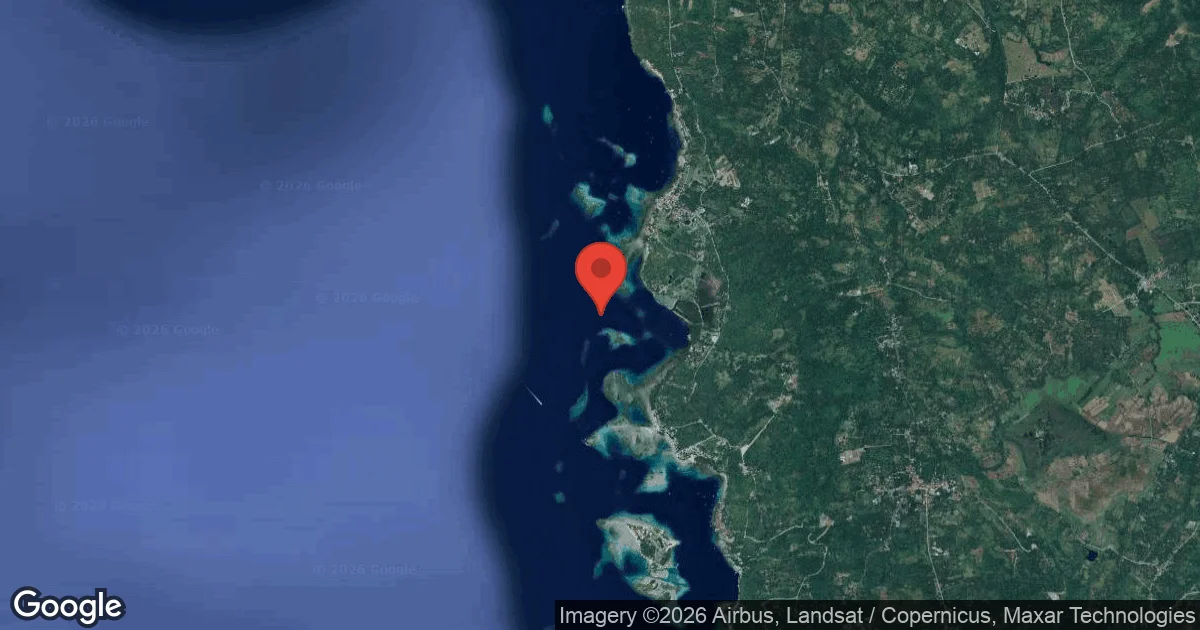
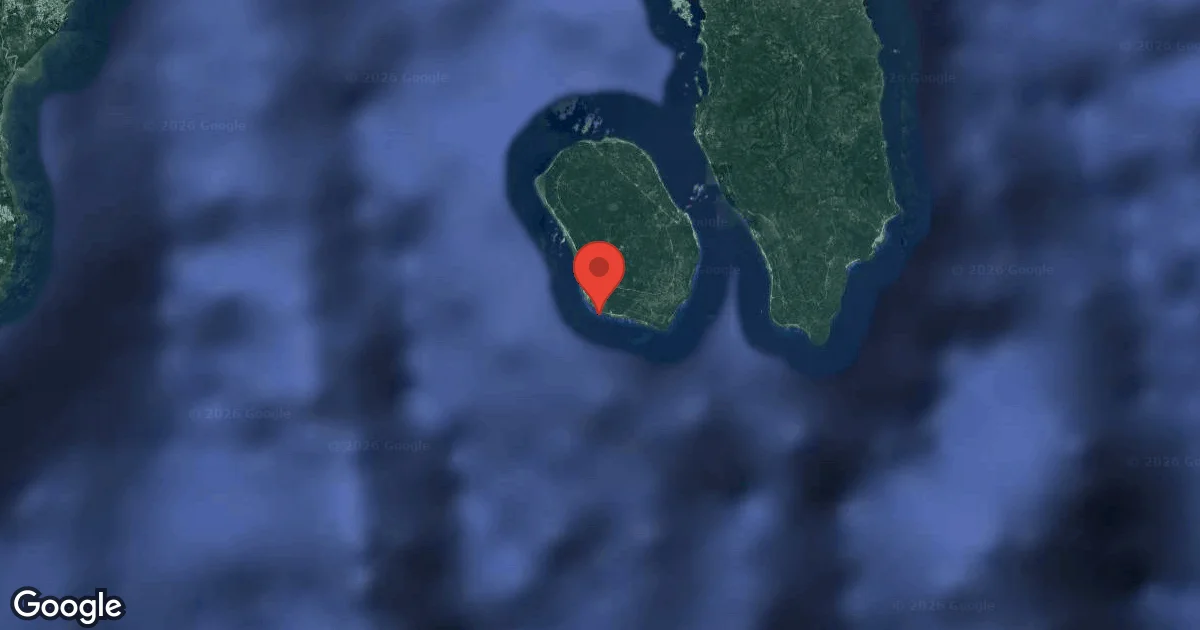
Pindawon Wall beckons advanced divers with a dramatic descent into a vibrant underwater world. Found off Samal Island, Davao, Mindanao, Philippines, this site challenges with its deep wall and often-present currents. Here, the reef unfolds with a profusion of colorful corals and sponges, inviting exploration into its many nooks and crannies. Expect rewarding encounters with diverse marine life against a stunning backdrop, an experience tailored for those seeking both beauty and a test of skill.
Tonight's objective overview for Pindawon Wall shows an air temperature of 28°C. The measured surface conditions include wave heights around 0.8 m. This environmental data is logged for the close of the day.
Dive Site Location & Key Facts
Dive Site Overview
Pindawon Wall plunges to a maximum depth of 40 m (131 ft), establishing itself as a substantial vertical reef. Divers follow its deep underwater wall, densely covered in vibrant corals and sponges.
A rich structure features numerous nooks and crannies, providing shelter and hunting grounds for various species. Its topography shifts from shallower, reef-top areas to the sheer drop-off, offering different perspectives throughout the dive. Visibility is generally good, often ranging from 20 to 40 m (66 to 131 ft), allowing the full scale of the wall to be appreciated.
Navigating the wall requires attention to buoyancy and current awareness, as conditions can vary significantly. Such a dive demands an advanced certification due to its depth and potential for strong currents.
Exploring deeper sections reveals larger gorgonian fans and barrel sponges, while shallower parts host dense patches of hard corals. This dynamic site rewards methodical exploration.
Conditions are Good
Optimal conditions expected
Current conditions near Pindawon Wall show 28° air, 30° sea temperature, 0.7 m waves, and 33 km/h wind. Forecast data is refreshed regularly to ensure accuracy.
Best Time to Dive
Diving Pindawon Wall presents excellent conditions for much of the year, though nuances in weather patterns can shape the experience. February through June, and August through December, consistently show high dive scores, often rating "Excellent." During these periods, average air temperatures hover comfortably around 26-28°C (79-82°F), with minimal rainfall, typically ranging from 2.7 to 6.8 mm. Minimal rainfall contributes to generally calmer seas and favorable visibility. Contrastingly, while July and January maintain "Good" dive scores, they exhibit slightly higher average wave heights, around 0.3 to 0.5 m, and wind speeds that can reach up to 20 km/h (12 mph). Elevated wave heights and wind speeds might translate to choppier surface conditions or stronger underwater currents. March and April stand out for the lowest average rainfall and notably calm wave conditions, often below 0.2 m, making them particularly appealing for those seeking pristine surface conditions and potentially clearer waters. Consistent warmth ensures comfortable diving throughout the year, with water temperatures ranging 26-31°C (79-88°F).
PEAK SEASON SCORE
Scores combine air & water temps, waves, wind & rainfall for overall conditions.
BEST MONTHS TO DIVE
Monthly records compiled from satellite and marine observation nodes over the last 3 years. Data provided by Open-Meteo and MET Norway.
Dive Experience & Conditions
Descending Pindawon Wall, divers often feel a distinct sense of scale, as the deep reef drops away into the blue. The water temperature is consistently warm, typically ranging from 26° to 31°C (79° to 88°F), making a wetsuit optional for some, though a 3mm shorty is comfortable for most. Visibility here can be impressive, often between 20 to 40 m (66 to 131 ft), revealing the intricate textures of the wall from a distance. However, conditions are variable; strong currents are frequently reported, particularly along the wall's face. These currents can sweep divers along, making it crucial to monitor one's position and air consumption. This dynamic flow often brings in nutrients, contributing to the abundant marine life. Buoyancy control becomes paramount in these conditions, allowing divers to maintain proximity to the wall's features without damaging delicate corals.
Dive Difficulty & Safety Guidelines
Navigating Pindawon Wall requires careful attention to potential hazards, primarily the strong currents that are a known characteristic of the site. Divers should be experienced in drift diving techniques and comfortable managing their position in moving water. Planning dives with an experienced local guide is highly recommended; their knowledge of current patterns can significantly enhance safety and enjoyment.
Due to the maximum depth of 40 m (131 ft), this site is suitable for advanced certified divers. It's essential to monitor no-decompression limits closely and ascent rates, especially after deeper explorations.
Always carry a surface marker buoy (SMB) and know how to deploy it, as strong currents might necessitate an open-water ascent away from the boat. Maintaining well-maintained dive gear ensures reliability throughout the dive.
Recommended Equipment
Deep dive hazard. Increased narcosis and gas consumption risk.
- Dive Computer
- DSMB
- Primary & Backup Lights
- Hard-soled Dive Boots
This gear list is based on verified equipment signals for Pindawon Wall, Philippines. Always confirm final gear choices with your dive operator, guide, or liveaboard.
Recommended Dive Suit
For relaxed exploration dives, dive skin or rash guard generally provides adequate warmth. Water conditions at Pindawon Wall are currently measured at approximately 30°C (85°F). Surface air temperatures are resting at 28°C (83°F).
Forecast trends indicate similar diving conditions over the next few days.
A diver's personal tolerance to cold water can play a large role in suit selection.
Due to technical issues with our weather providers, live updates are temporarily delayed. The data above reflects the conditions at the time of the last successful fetch.
Emergency & Medical Support
Essential information to help you plan your dive trip to Pindawon Wall.

Hyperbaric chambers are a critical part of dive safety infrastructure. Availability varies significantly by region, and not all dive areas have immediate access.
Before diving, it's recommended to:
- confirm nearest medical facilities
- check emergency procedures with local dive operators
- ensure dive insurance covers evacuation if required
Divers Alert Network
Diving emergency assistance available through DAN World.
+1-919-684-9111- 24/7 emergency hotline
- Diving medical assistance
- Evacuation coordination
Emergency contacts are provided for reference. Always verify local emergency services before diving.
Marine Life at Pindawon Wall
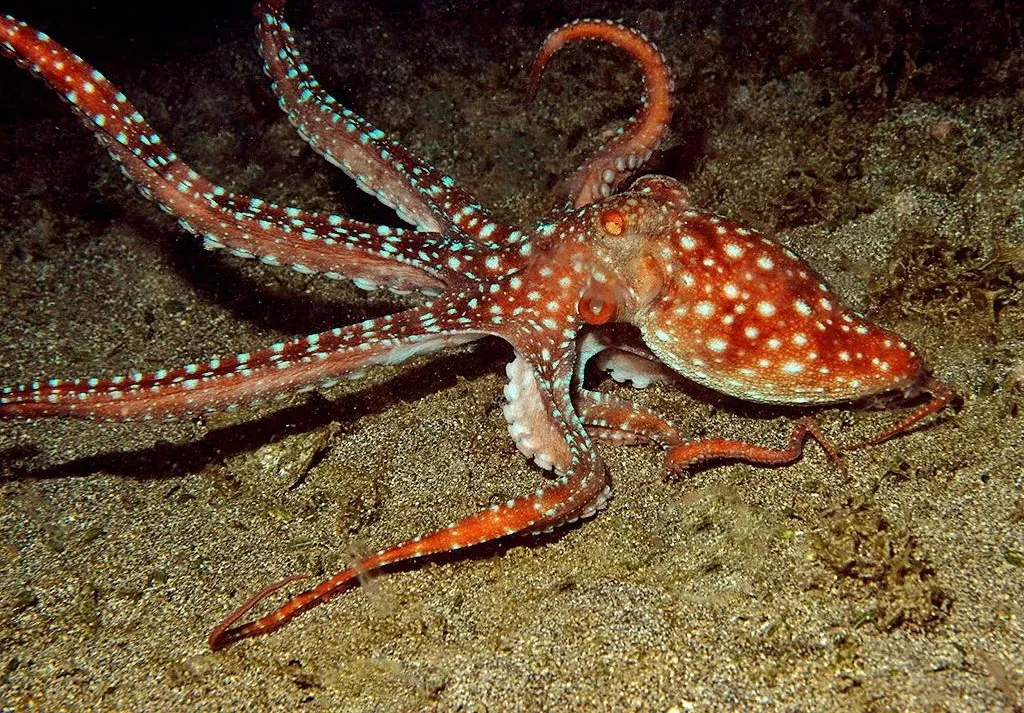
As divers approach Pindawon Wall, the sheer density of colorful corals and sponges immediately stands out, blanketing the deep underwater wall. Within the many cracks and crevices, octopuses often reveal themselves, blending subtly with the reef.
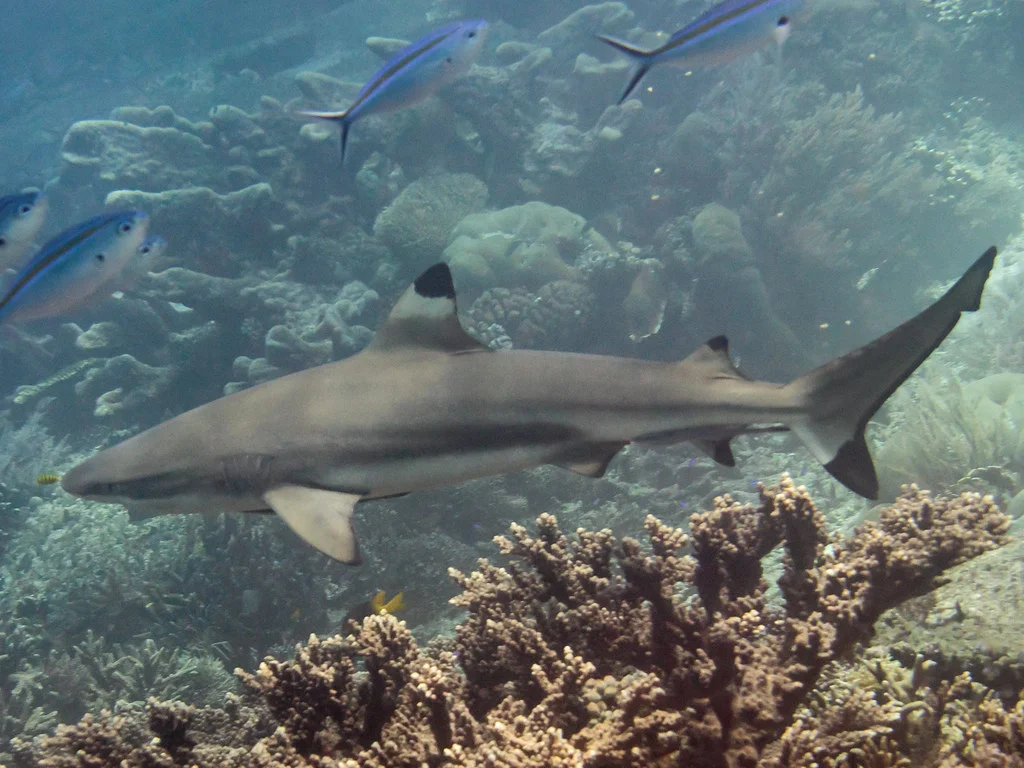
Schools of fish regularly move along the wall, providing dynamic visual displays. Keep an eye out for reef sharks patrolling the deeper sections; Blacktip reef sharks are noted to frequent the area.
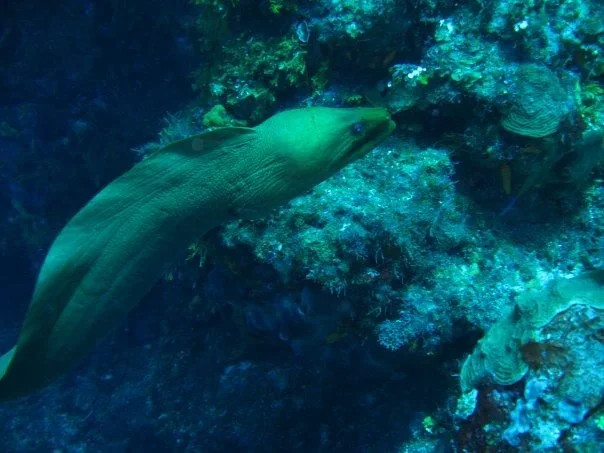
Moray eels are also often spotted peering from their hiding spots among the coral formations. The active currents contribute to a rich ecosystem, allowing for sightings of a diverse array of smaller reef inhabitants interacting with the vibrant backdrop.

Dive Sites Near Pindawon Wall
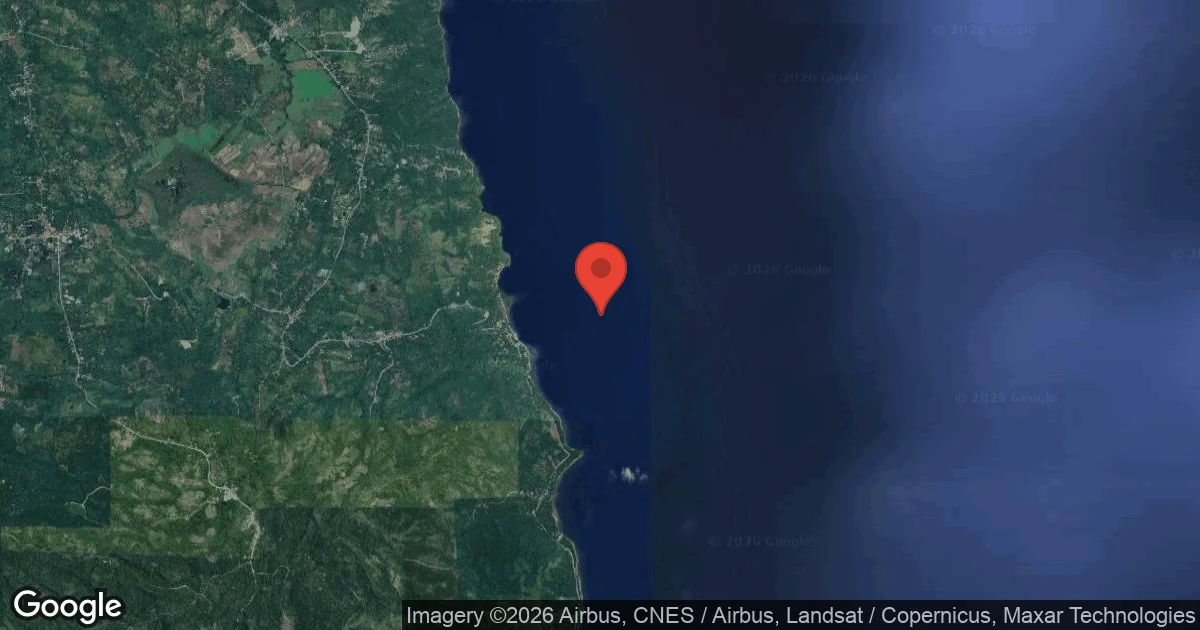
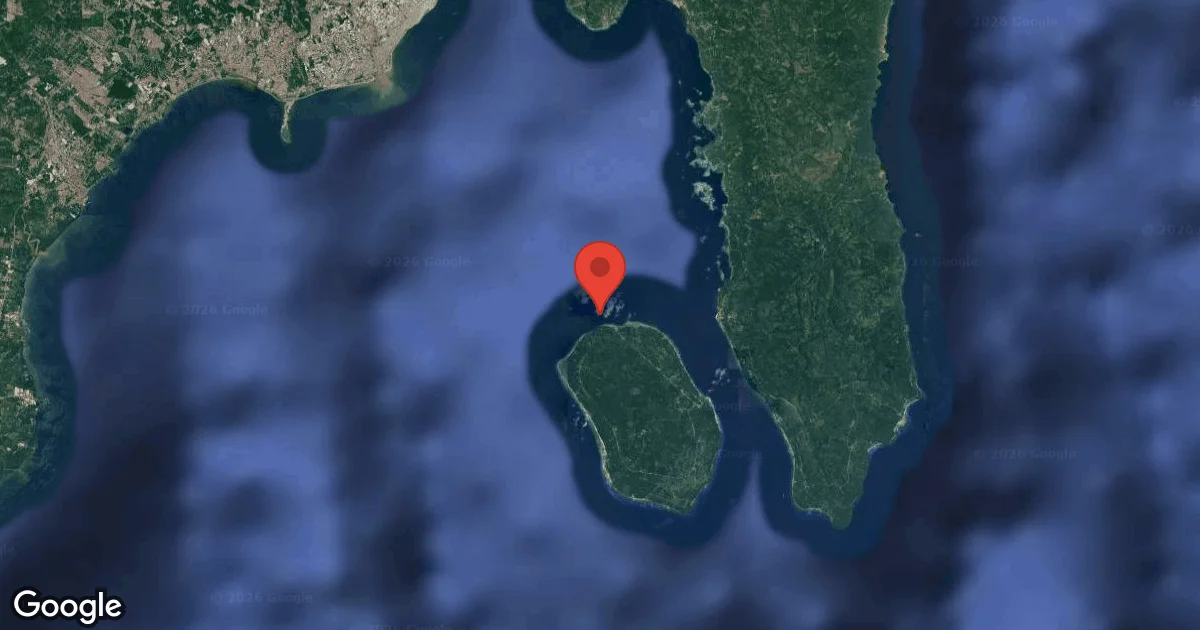
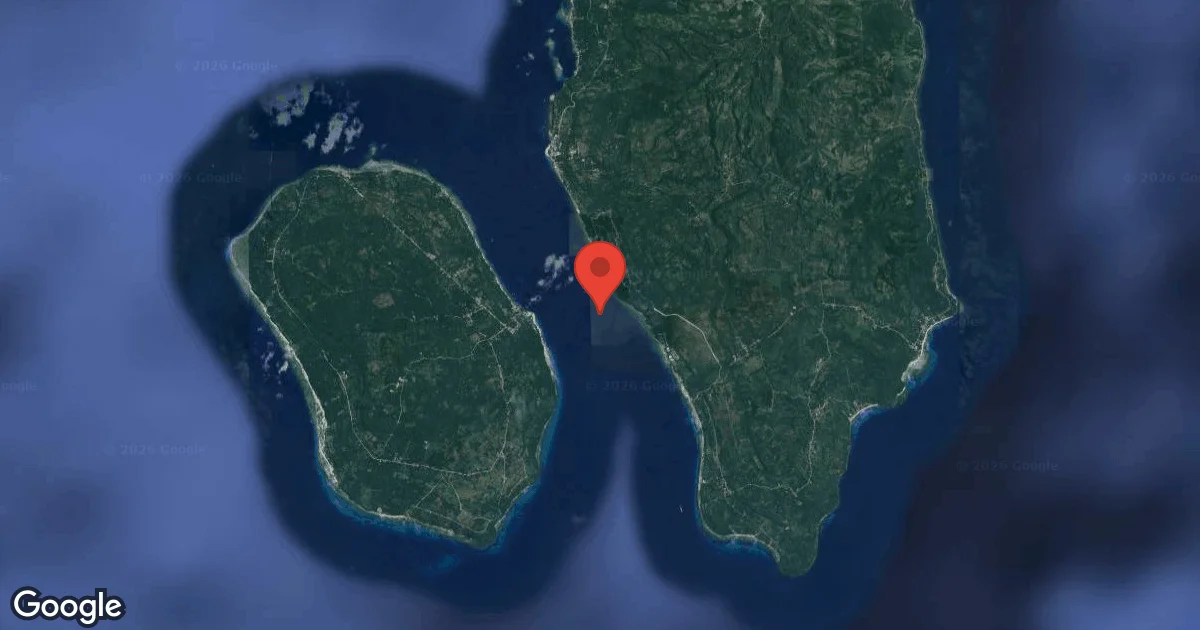
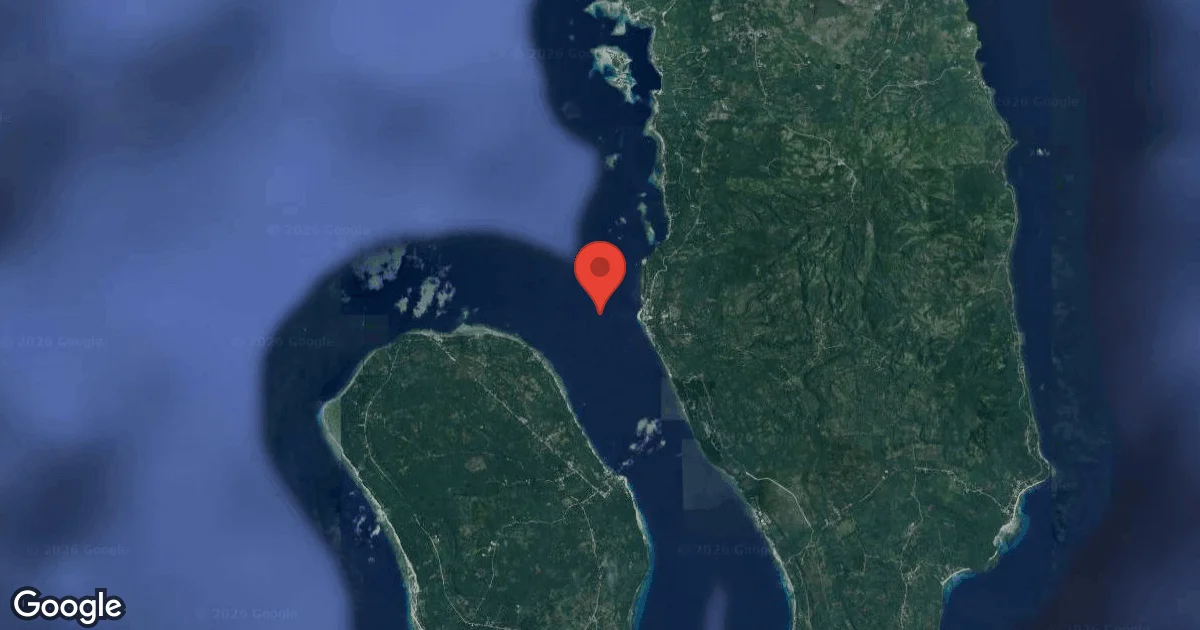
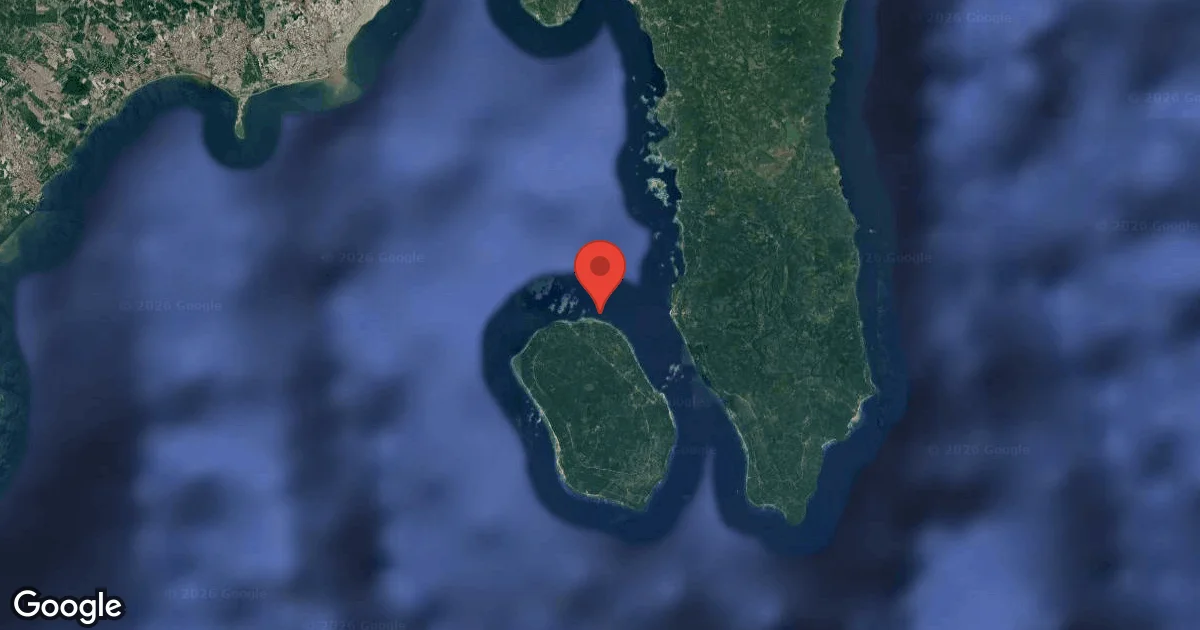
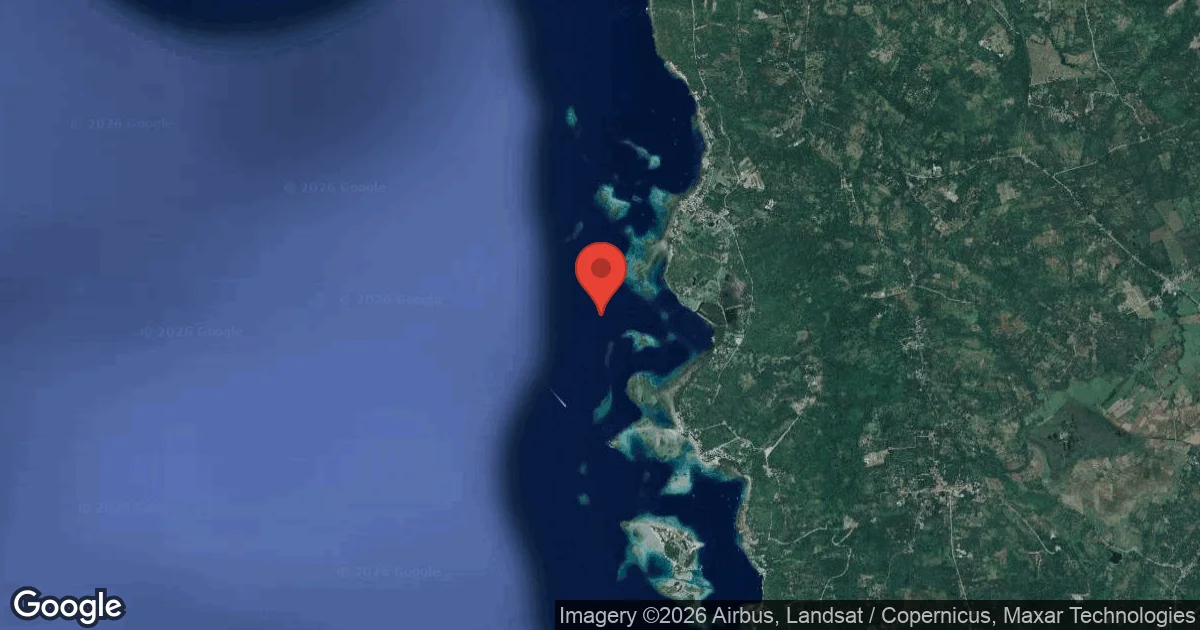
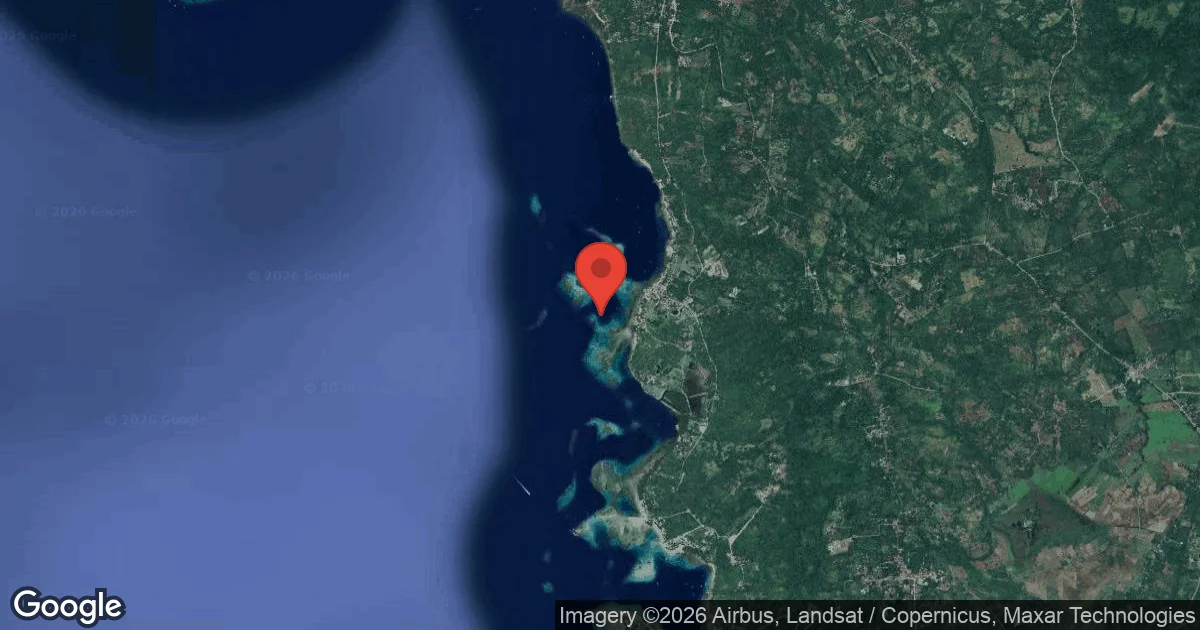
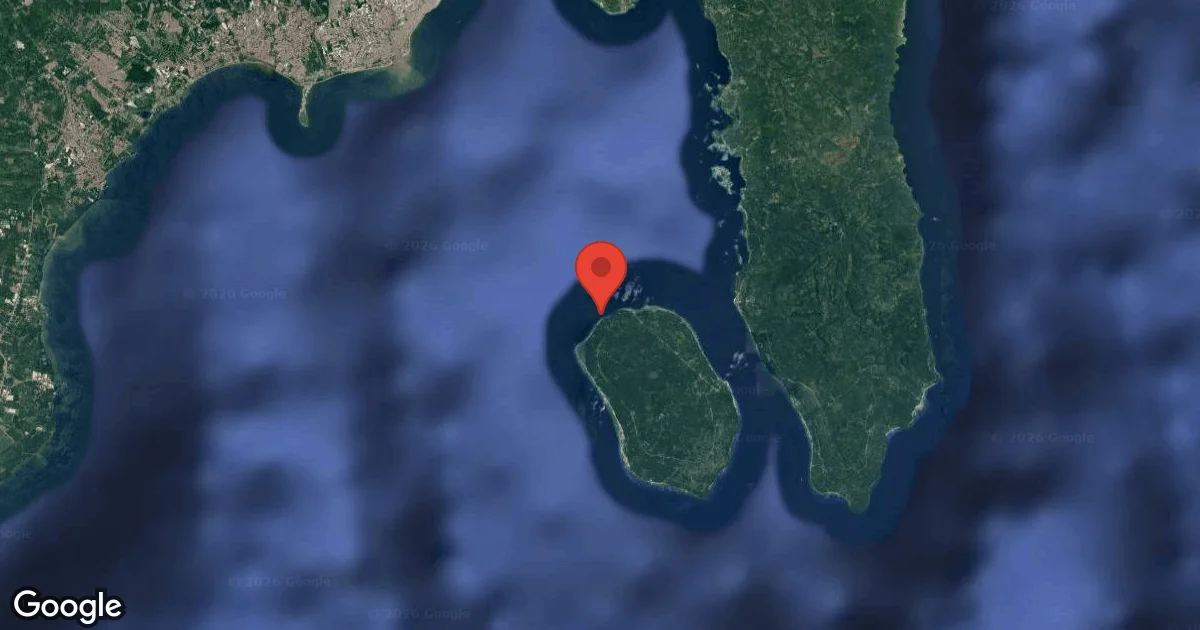
View all dive sites in PhilippinesDiscover more underwater gems in this area.
Dive Centers Near Pindawon Wall
No Dive Centers Local To Pindawon Wall
Are you a dive center visiting this location? Get listed to reach divers.
Nearest Airports
Nearest airports to help plan travel to this dive area.
Search Flights
Check available flights and routes on Expedia, using the nearby airports listed in this section.
Search Flights on ExpediaFrequently Asked Questions
What is the maximum depth at Pindawon Wall?
Pindawon Wall reaches a maximum depth of 40 m (131 ft). This depth range caters primarily to advanced divers capable of managing deeper profiles and bottom times.
Is Pindawon Wall suitable for beginner divers?
No, Pindawon Wall is not recommended for beginner divers. Its substantial depth and the potential for strong currents make it better suited for advanced certified divers.
Are there strong currents at Pindawon Wall?
Yes, strong currents are a common feature at Pindawon Wall. Divers should be comfortable with drift diving techniques and consider diving with an experienced local guide to navigate these conditions safely.
What kind of marine life can I expect to see?
Divers often encounter a variety of marine life including reef sharks, such as blacktips, and octopuses nestled in the wall's features. Large schools of fish are also a frequent sight, alongside vibrant corals and sponges covering the wall.
How do I get to Pindawon Wall?
Pindawon Wall is located in Samal Island, Davao, Mindanao, Philippines. It is accessible by boat, typically arranged through local dive operators in the region.
What is the water temperature like at Pindawon Wall?
Water temperatures at Pindawon Wall remain consistently warm throughout the year. They generally range from 26° to 31°C (79° to 88°F), making for comfortable diving conditions.
Planning to dive Pindawon Wall?
Send one inquiry and receive offers directly from the best verified local dive operators.
Conditions are Good
Optimal conditions expected
Current conditions near Pindawon Wall show 28° air, 30° sea temperature, 0.7 m waves, and 33 km/h wind. Forecast data is refreshed regularly to ensure accuracy.