
Diving at 4 Mile Reef (South Africa)
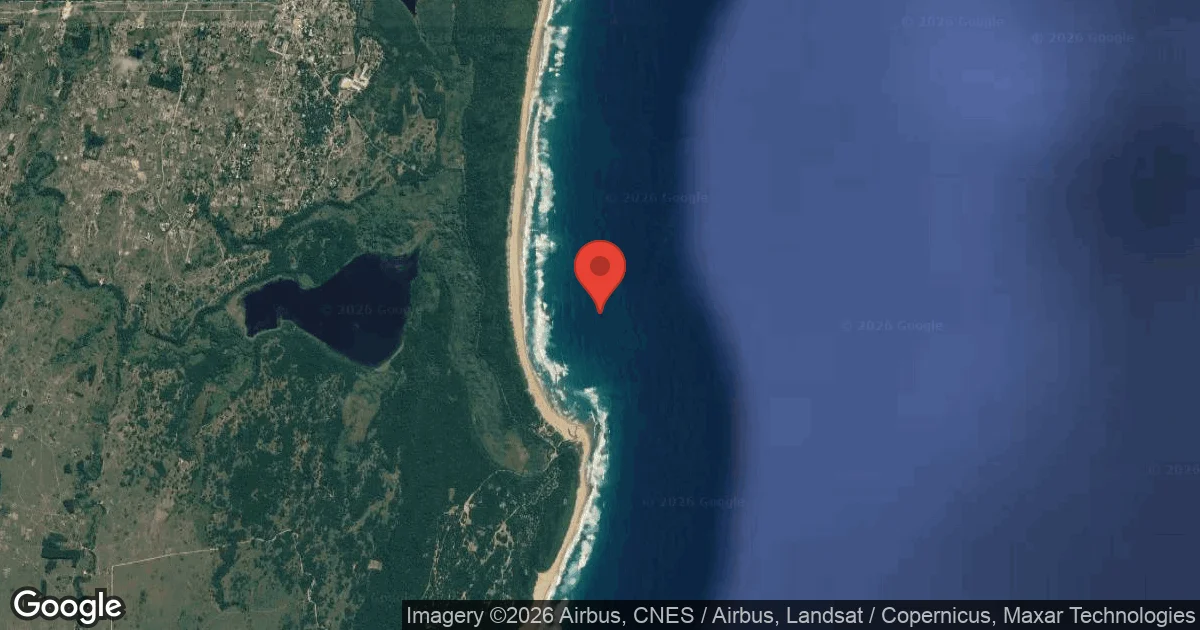
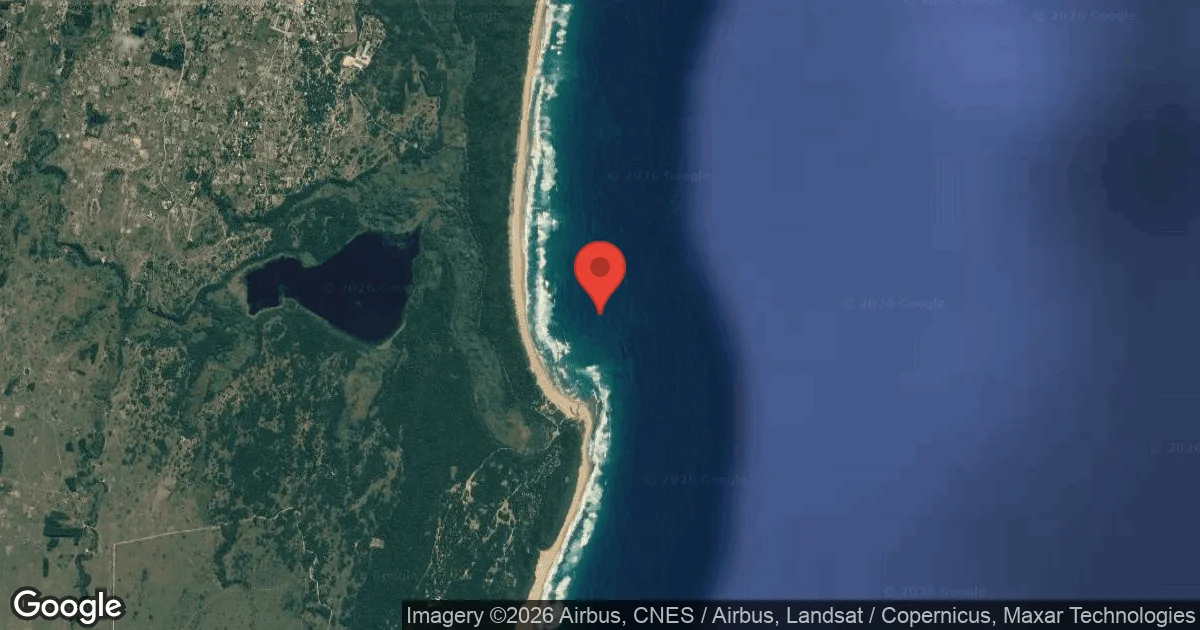
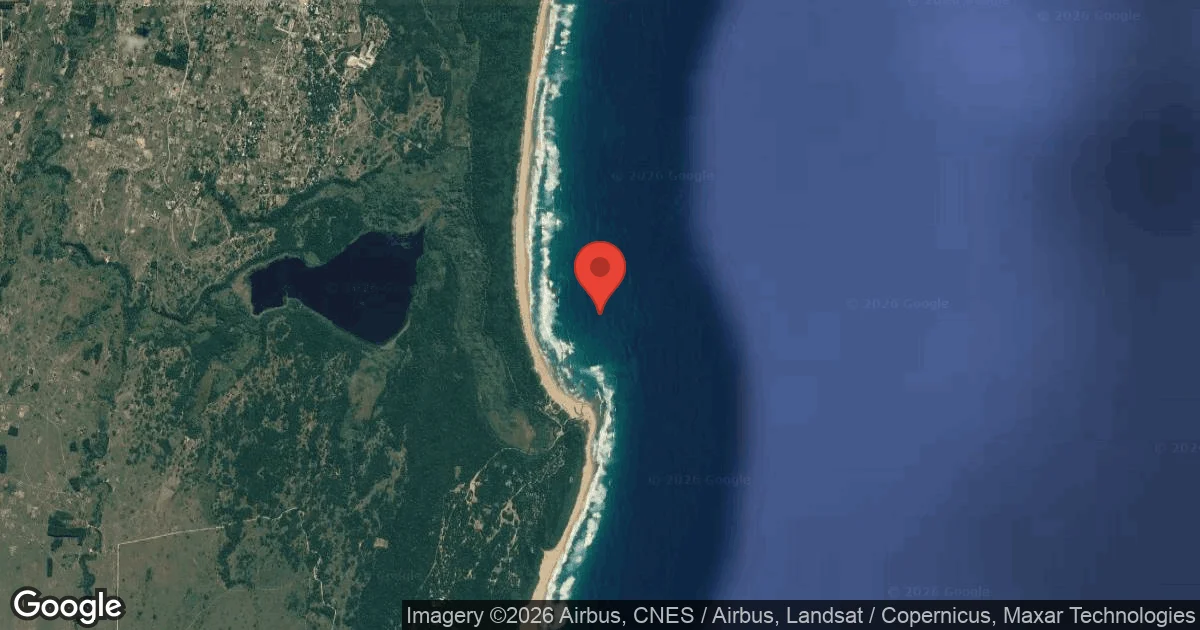
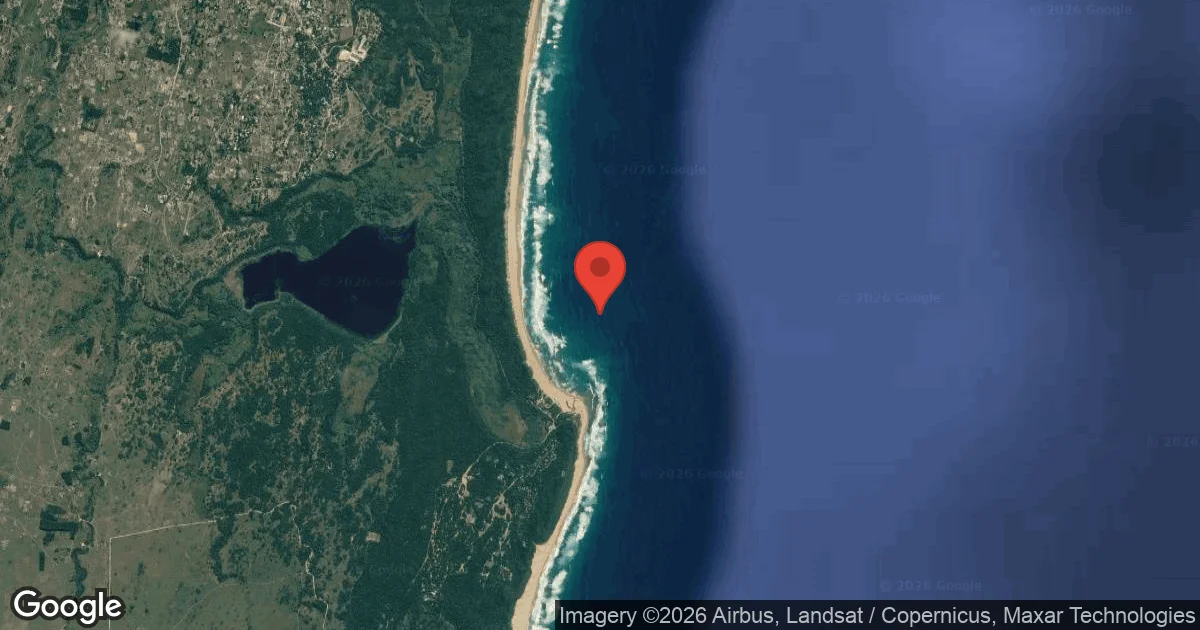
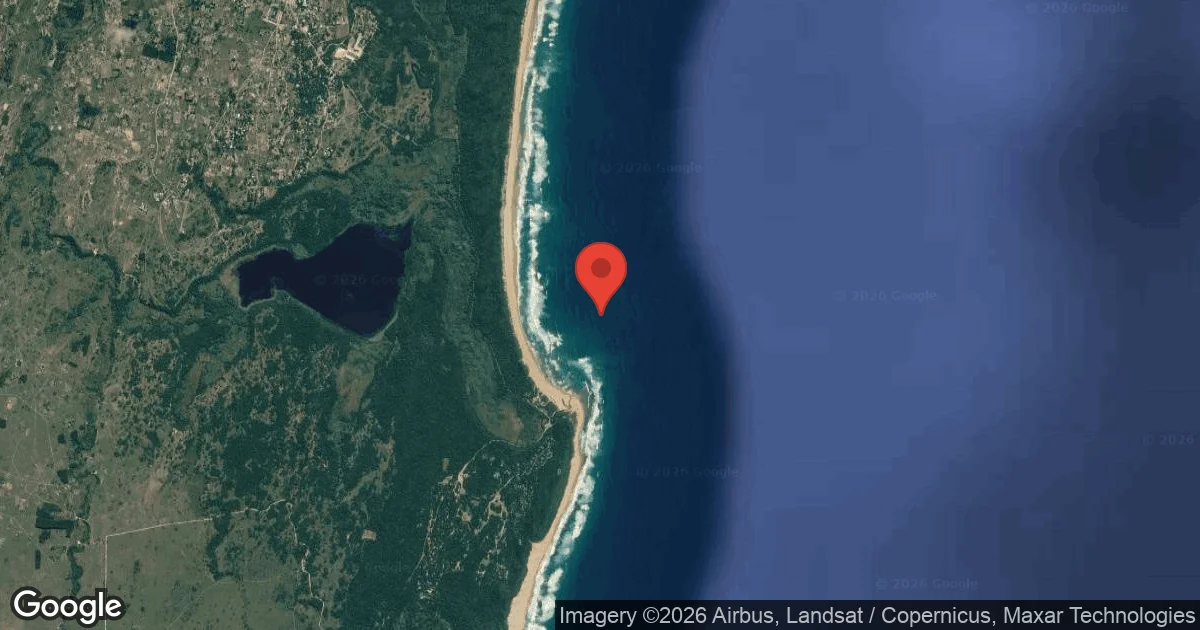
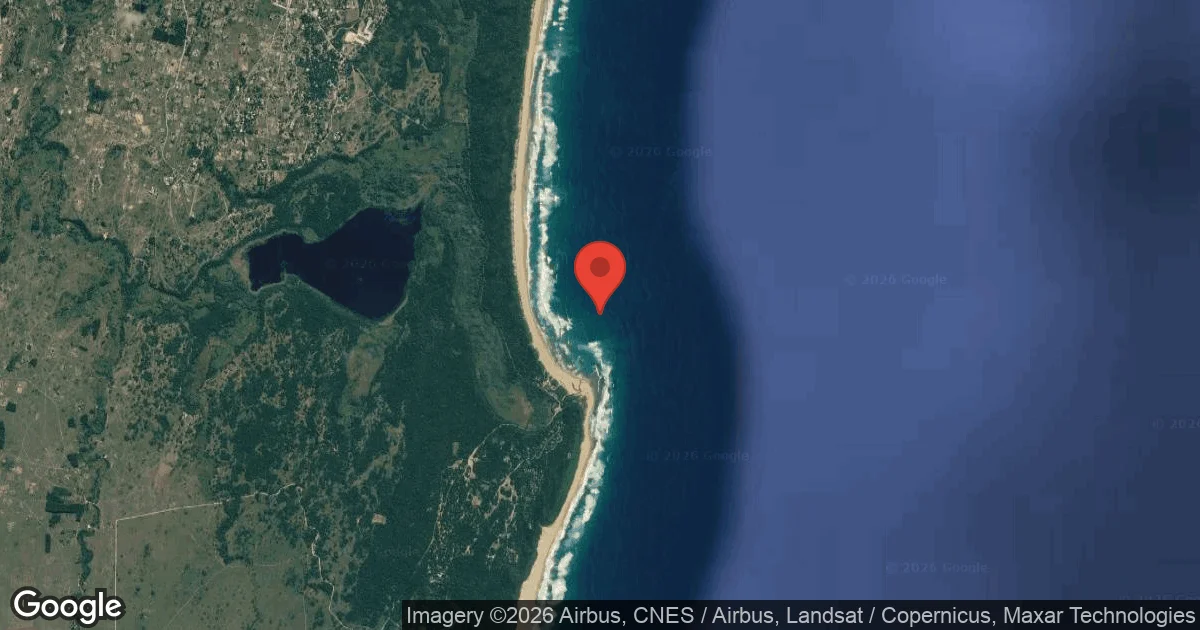
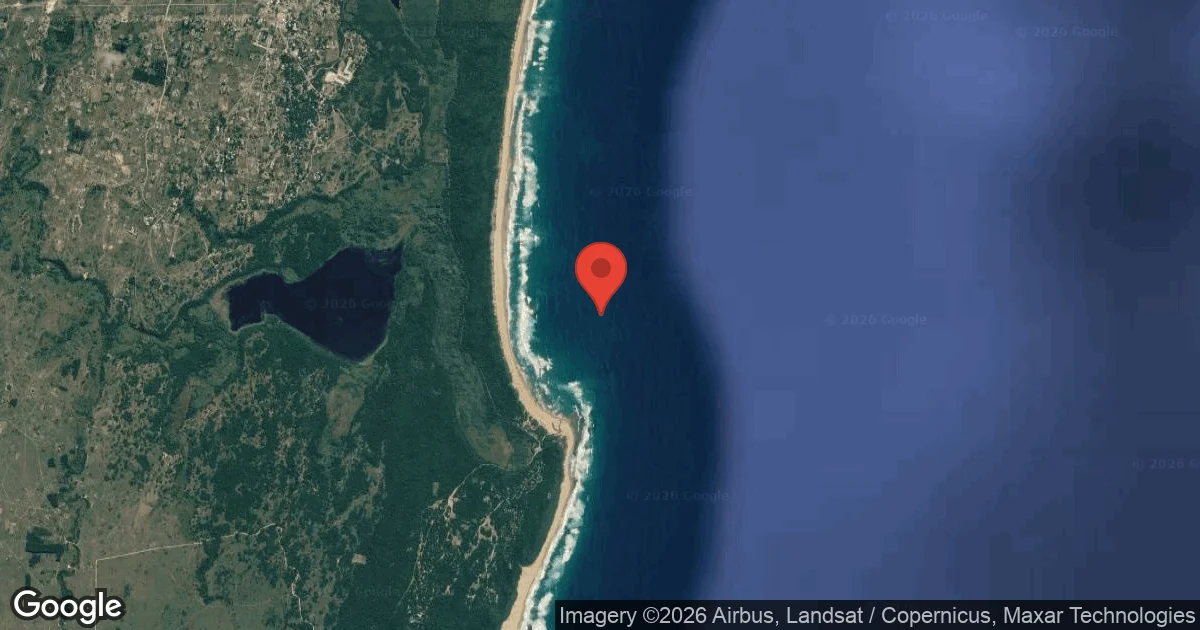
Stretching perpendicularly from the shoreline, 4 Mile Reef presents a significant underwater topography. Divers encounter a large wall structure, interspersed with distinct sand patches, intricate canyons, and winding gullies. Numerous bommies rise from the seafloor, contributing to the site's varied landscape. Extensive coral plates cover much of the reef, providing a rich, complex environment for exploration in Sodwana Bay.
Starting the day at 4 Mile Reef, the ambient air temperature is recorded at 18.5°C. Ongoing monitoring shows wave heights measuring 2.8 m. This data represents the current surface conditions for early activities.
Dive Site Location & Key Facts
Dive Site Overview
Exploring 4 Mile Reef offers a dynamic underwater experience, commencing with a characteristic launch through the surf common to Sodwana Bay. This site distinguishes itself with a topography of substantial walls, alongside diverse sand patches, deep canyons, and intriguing gullies.
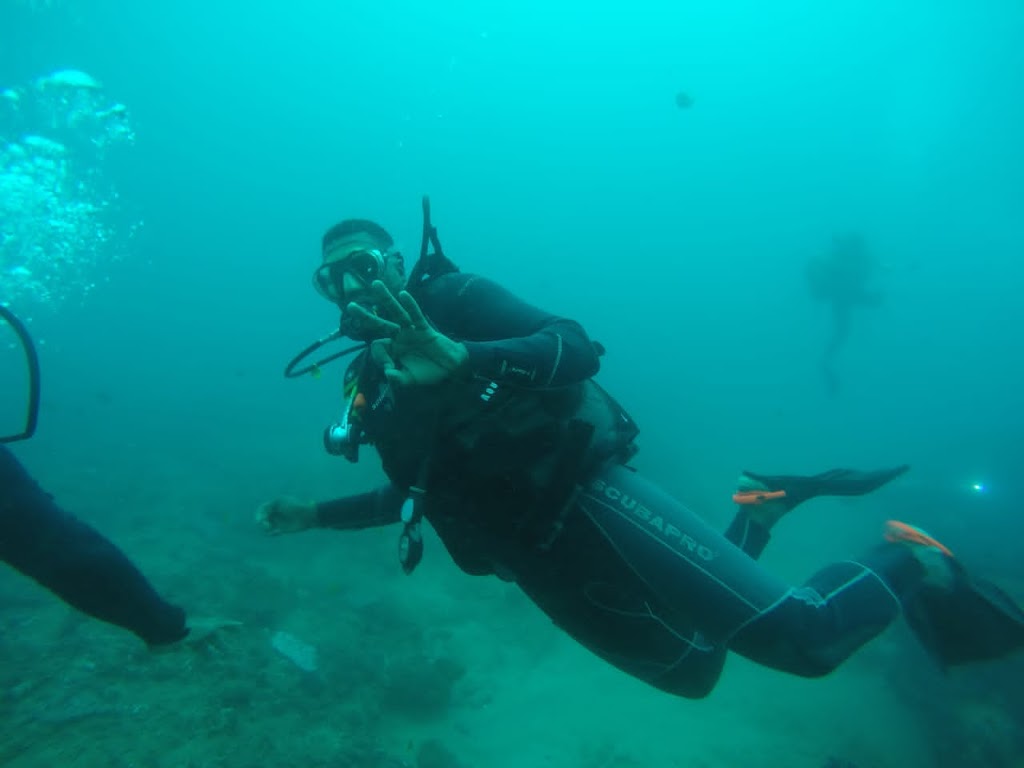
Descending reveals numerous bommies, all blanketed by extensive coral plates. These reefs, formed from fossilized sand dunes, represent the world’s most southerly coral reefs, sustained by nutrient-rich waters from deep-sea upwellings near the coastline.
Such conditions cultivate a vibrant habitat, attracting diverse marine life. While no explicit maximum depth is consistently reported for 4 Mile, dives typically remain within recreational limits, allowing ample time to explore its varied formations.
Visitors should prepare for boat-accessed dives that provide direct entry to this expansive and biologically active reef system.
Conditions are Moderate
High Swell Advisory. Not recommended.
Current conditions near 4 Mile Reef show 19° air, 23° sea temperature, 3.2 m waves, and 22 km/h wind. Forecast data is refreshed regularly to ensure accuracy.
Best Time to Dive
Diving conditions at 4 Mile Reef vary throughout the year, with optimal periods influenced by regional climate patterns. The warmest months for air temperature generally span from December to March, averaging between 25-26°C (77-79°F), though this period can also see increased rain, particularly in January. Conversely, cooler air temperatures prevail from June to August, averaging around 19-20.5°C (66-69°F), often coinciding with drier conditions. Water temperatures across Sodwana Bay reefs typically range from 21-27°C (70-81°F), offering comfortable diving for much of the year. Wave heights can be higher during the spring and autumn months, potentially affecting surface conditions and boat launches, which average 2.1-2.2 meters (7-7.2 feet) from March through October. Plan for generally moderate dive scores throughout the year, with April and March sometimes rated lower due to wave conditions.
PEAK SEASON SCORE
Scores combine air & water temps, waves, wind & rainfall for overall conditions.
BEST MONTHS TO DIVE
Monthly records compiled from satellite and marine observation nodes over the last 3 years. Data provided by Open-Meteo and MET Norway.
Dive Experience & Conditions
The initial boat journey for a dive at 4 Mile Reef navigates through the waves, characteristic of Sodwana Bay's ocean entries. Once underwater, divers are immersed in a complex environment defined by large walls, expansive sand patches, and a network of canyons and gullies. Water here is saline, as expected, and visibility can vary, often ranging from 5-12 m (16-40 ft) across the bay's reefs depending on current and weather. During the dive, you'll observe dense coverings of pristine hard and soft tropical corals, thriving on the upwelling of nutrient-rich waters. The reef's structure, with its bommies and large coral plates, creates varied current patterns. While specific depths aren't universally documented for every section of 4 Mile, its wall formations suggest deeper sections are present, alongside shallower areas, accommodating divers within recreational limits.
Dive Difficulty & Safety Guidelines
Diving at 4 Mile Reef necessitates adherence to standard safety practices, beginning with the boat's entry through the surf. This unique launch method requires attentive listening to your dive crew's briefing and precise execution to ensure a smooth transition to open water. Underwater, understanding local currents, which can vary across the reef's walls, canyons, and gullies, is important.
Always dive within your certification limits and plan your gas consumption carefully, especially when exploring deeper sections or covering longer distances across the reef. Staying aware of your surroundings helps prevent accidental contact with marine life or delicate coral structures.
It's prudent to carry a surface marker buoy (SMB) and know how to deploy it, especially given the dynamic ocean environment and boat traffic in the area.
Recommended Equipment
- Dive Computer
- DSMB
This gear list is based on verified equipment signals for 4 Mile Reef, South Africa. Always confirm final gear choices with your dive operator, guide, or liveaboard.
Recommended Dive Suit
A warming trend is expected over the next few days. A warming trend is expected over the next few days.
Some divers prefer slightly warmer exposure protection simply for additional comfort.
3-5mm wetsuit usually works well for maintaining comfort during standard dive profiles in these conditions. A hood or vest is suggested for sensitive divers due to surface winds. Surface intervals may feel cooler. Divers preparing to enter the water at 4 Mile Reef will likely find temperatures around 23°C (73°F) today. Surface air temperatures are resting at 19°C (66°F).
Emergency & Medical Support
Essential information to help you plan your dive trip to 4 Mile Reef.

Hyperbaric chambers are a critical part of dive safety infrastructure. Availability varies significantly by region, and not all dive areas have immediate access.
Before diving, it's recommended to:
- confirm nearest medical facilities
- check emergency procedures with local dive operators
- ensure dive insurance covers evacuation if required
Divers Alert Network
Diving emergency assistance available through DAN Southern Africa.
+27828106010- 24/7 emergency hotline
- Diving medical assistance
- Evacuation coordination
Emergency contacts are provided for reference. Always verify local emergency services before diving.
Marine Life at 4 Mile Reef
4 Mile Reef is frequently visited by Bluefin King Fish, often observed hunting across its coral plates and reef structures. Divers here may also encounter various turtles, firefish, and different ray species.
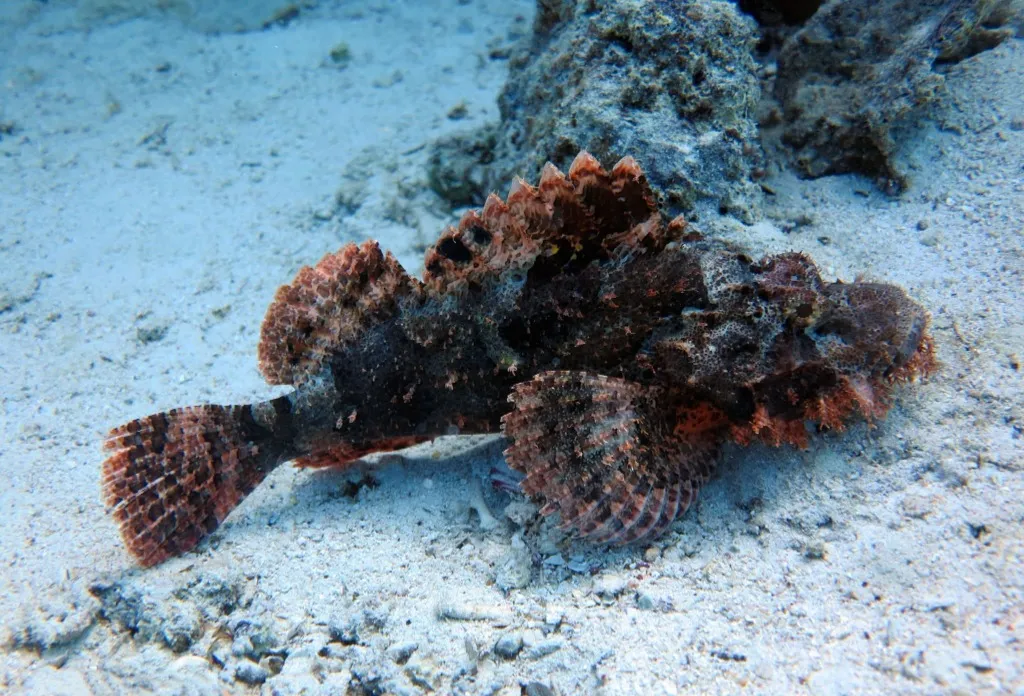
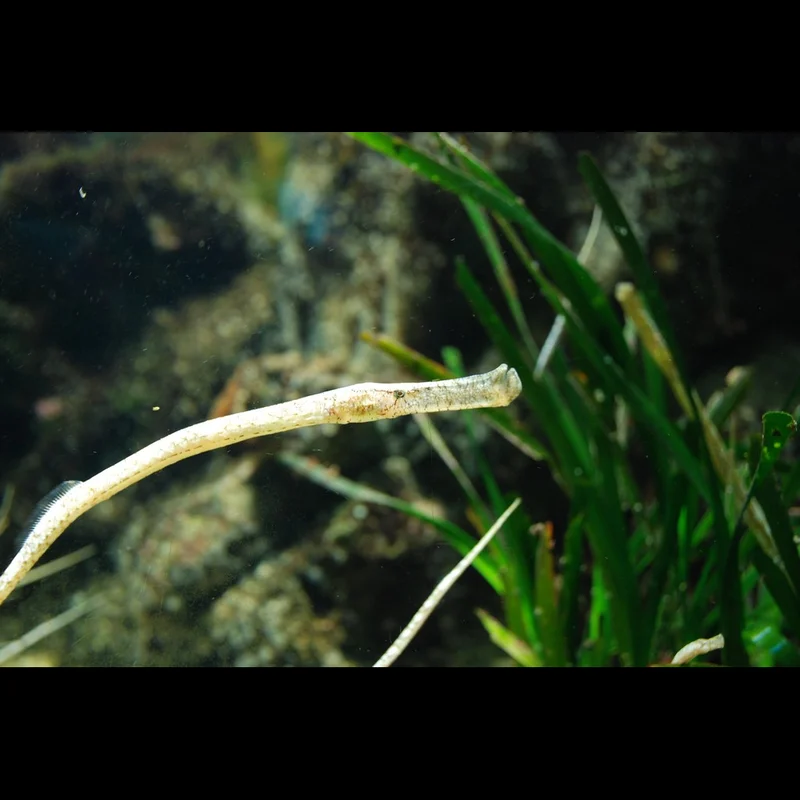
Giant sand sharks are part of the larger predatory fish community. The reef supports an array of smaller, unique creatures, including paperfish, pipefish, and scorpion fish, which blend into the coral and sponge environments.
During the warmer summer months, from December to March, pregnant sand tiger sharks, grey nurse sharks, and spotted ragged-tooth sharks are known to frequent the Sodwana Bay reefs to gestate.

Dive Sites Near 4 Mile Reef
View all dive sites in South AfricaDiscover more underwater gems in this area.
Dive Centers Near 4 Mile Reef
Today: 07:00 - 18:00

Nearest Airports
Nearest airports to help plan travel to this dive area.
Search Flights
Check available flights and routes on Expedia, using the nearby airports listed in this section.
Search Flights on ExpediaFrequently Asked Questions
How do divers access 4 Mile Reef?
Access to 4 Mile Reef is typically via boat. Dive operations in Sodwana Bay usually involve pushing semi-inflatable boats from the shore through the surf, a common and exciting local practice.
What is the typical water temperature at 4 Mile Reef?
Water temperatures around Sodwana Bay reefs, including 4 Mile, generally range between 21-27°C (70-81°F). These temperatures can fluctuate based on the season and specific ocean conditions.
What kind of reef formations can be seen at 4 Mile Reef?
The reef features a large wall, along with sand patches, intricate canyons, winding gullies, and numerous bommies. It's covered extensively with large coral plates, creating a diverse and interesting topography.
Is 4 Mile Reef suitable for beginners?
While Sodwana Bay offers sites for various skill levels, 4 Mile Reef, with its walls and potentially varying currents, might be better suited for certified divers with some experience, especially considering the entry method through waves. Shallower parts may accommodate less experienced divers, but deeper sections require appropriate training.
What marine life is commonly sighted at 4 Mile Reef?
Common sightings include Bluefin King Fish, various turtles, game fish, firefish, rays, and giant sand sharks. Smaller, camouflaged species like paperfish, pipefish, and scorpion fish are also present.
What are the best months for diving 4 Mile Reef?
While diving is possible year-round, conditions can vary. The summer months from December to March offer warmer air temperatures and the chance to see pregnant sand tiger sharks, though rain can be higher. Moderate dive scores are common across many months, but spring and autumn can experience higher wave activity.
Are there any specific safety considerations for diving here?
Divers should be comfortable with the characteristic boat entry through the surf and be aware of potential currents around the reef's varied topography. Carrying a surface marker buoy (SMB) is always a good practice in this dynamic ocean environment. Always follow your dive guide's instructions.
Planning to dive 4 Mile Reef?
Send one inquiry and receive offers directly from the best verified local dive operators.
Conditions are Moderate
High Swell Advisory. Not recommended.
Current conditions near 4 Mile Reef show 19° air, 23° sea temperature, 3.2 m waves, and 22 km/h wind. Forecast data is refreshed regularly to ensure accuracy.