
Diving at Friskies Pinnacle (South Africa)
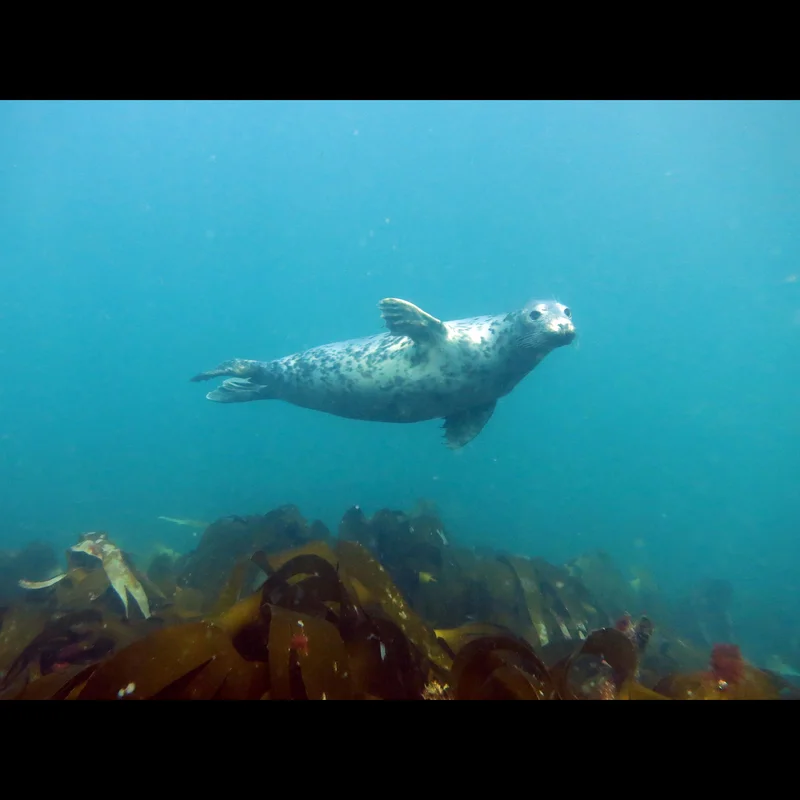
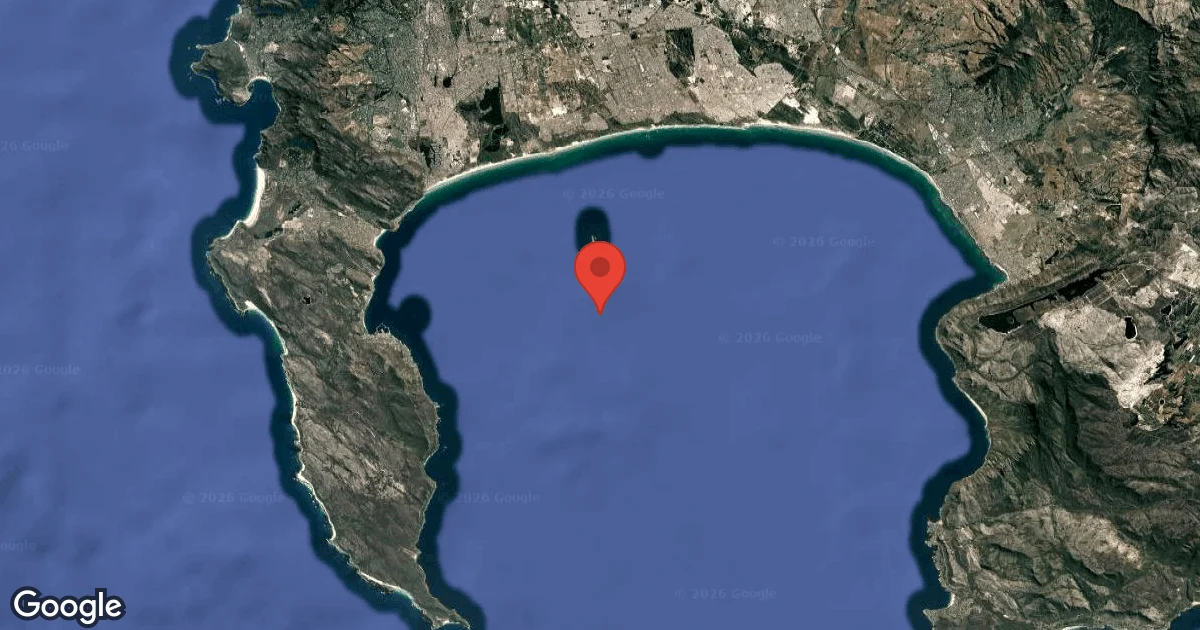
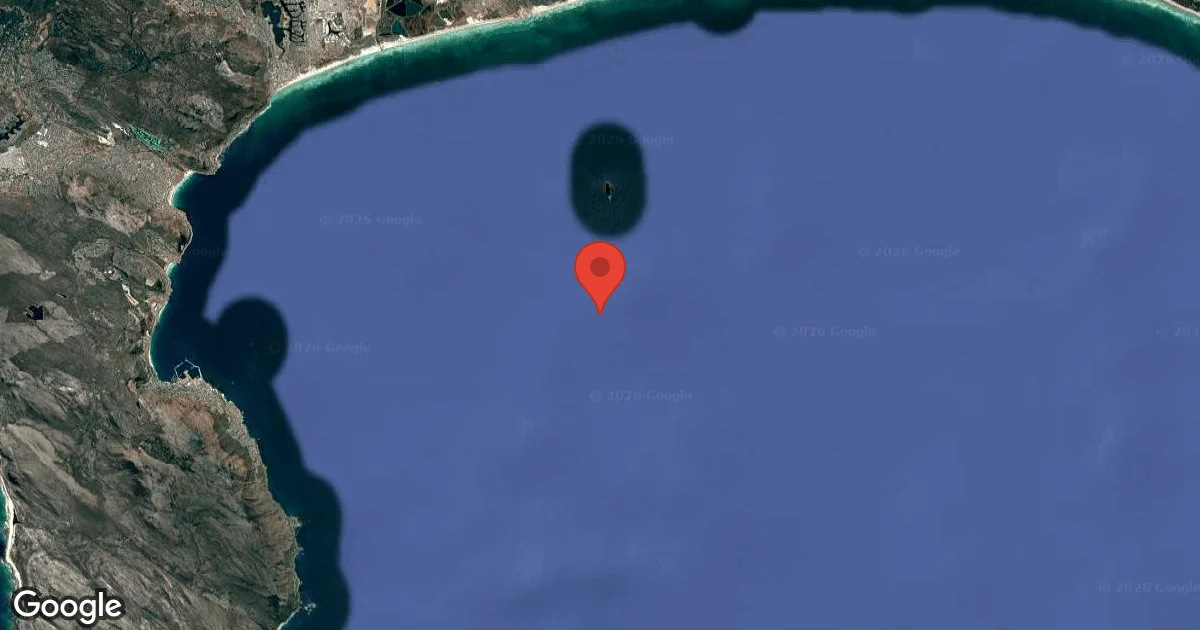
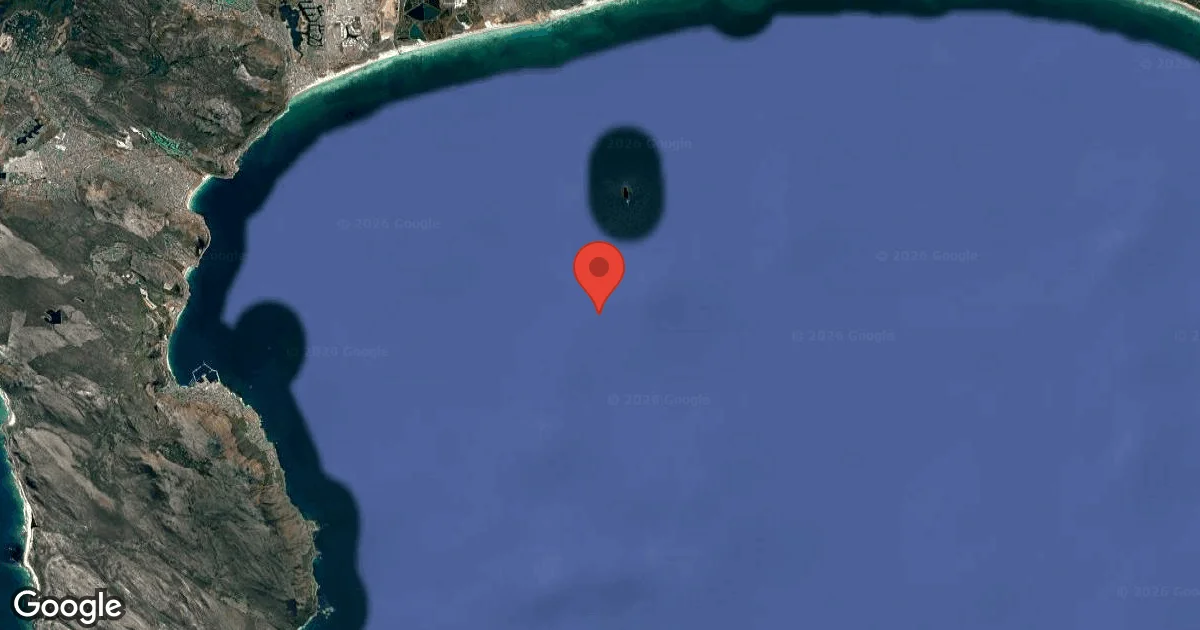
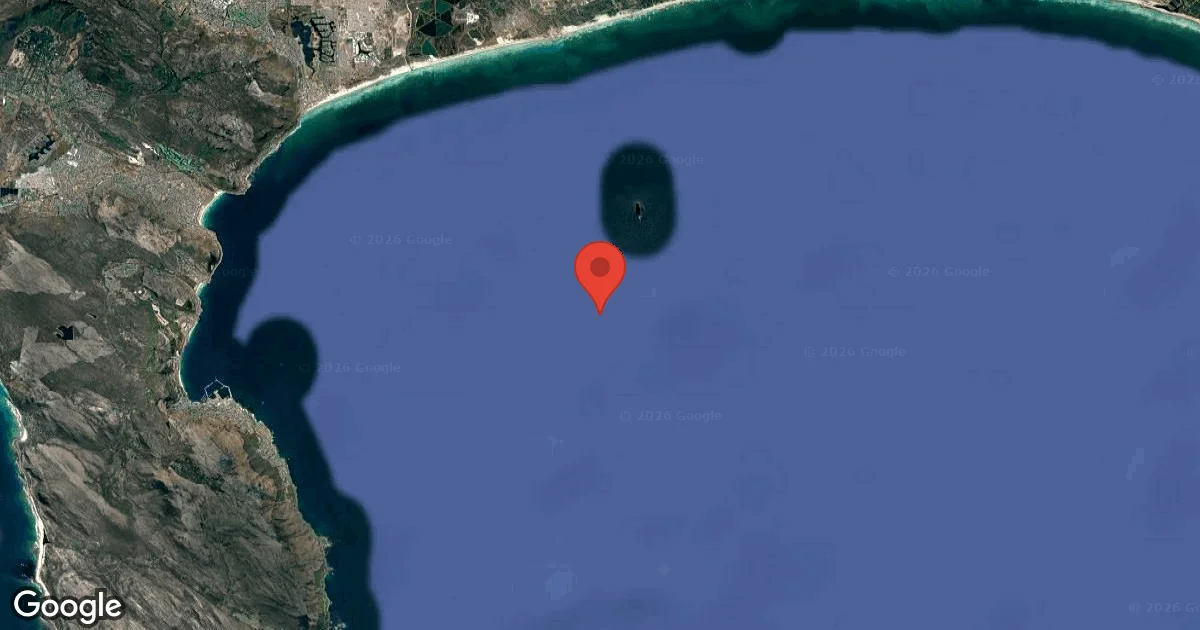
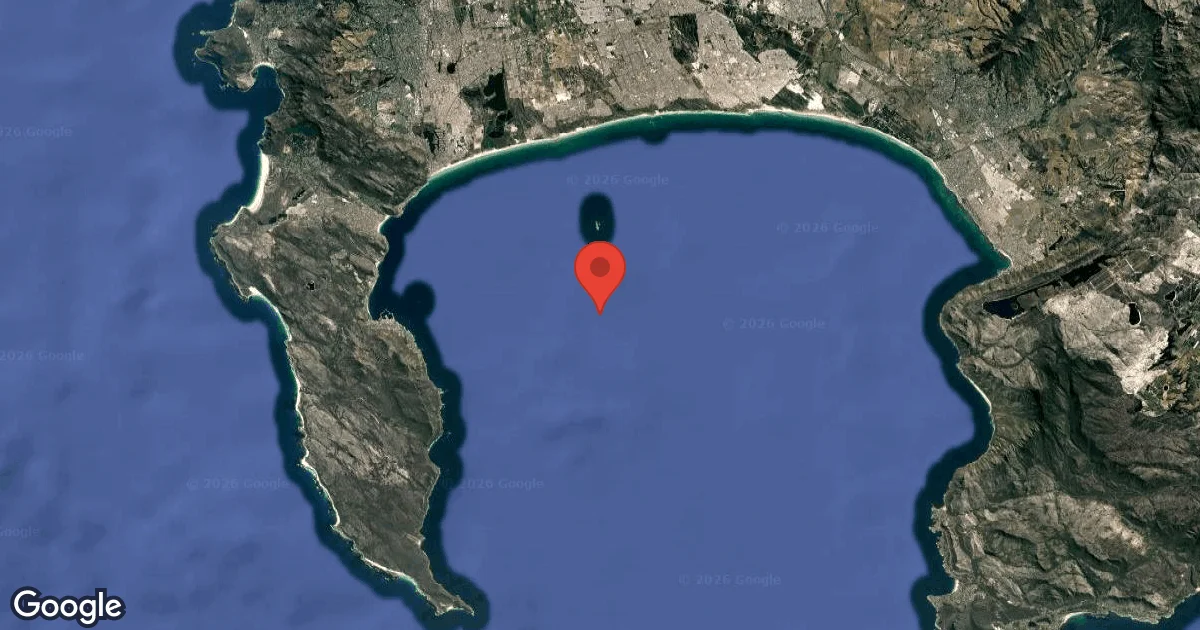
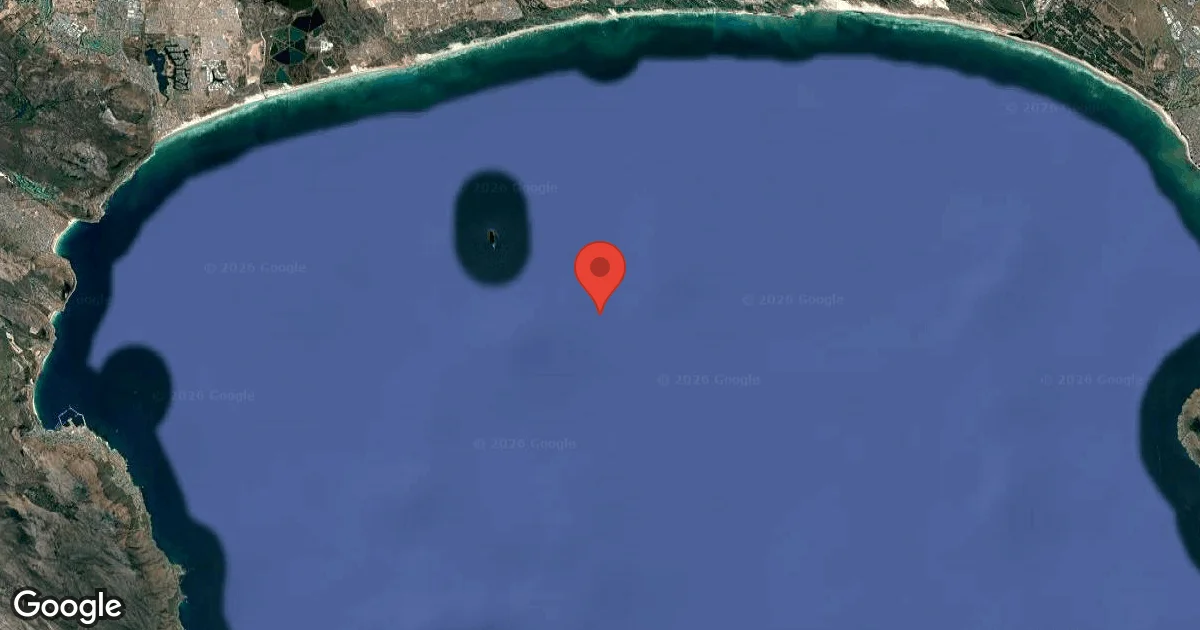
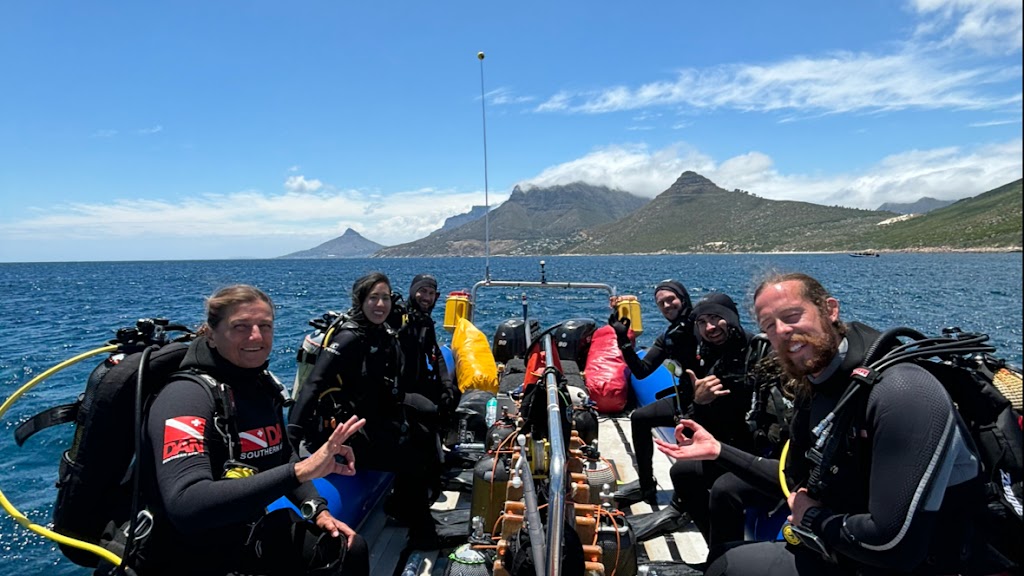
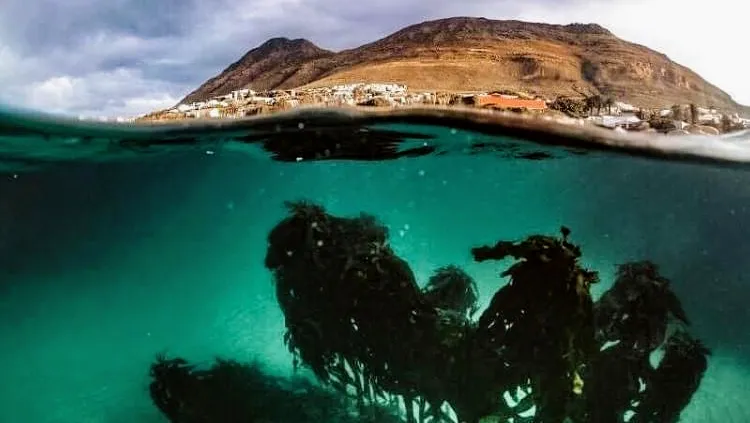
A frisky young seal gave Friskies Pinnacle its memorable name during the first recorded dive trip, creating a lasting narrative for this captivating site. This offshore rocky reef is one of two pinnacles, alongside North Friskies, that collectively dot the Roman Rock area of Simon's Bay in False Bay, South Africa. It’s a short boat ride from Long Beach or the False Bay Yacht Club slipway, positioning it as an accessible, yet exposed, diving destination.
Tonight's objective overview for Friskies Pinnacle shows an air temperature of 14°C. The measured surface conditions include wave heights around 1.9 m. This environmental data is logged for the close of the day.
Dive Site Location & Key Facts
Dive Site Overview
Friskies Pinnacle offers a distinct diving experience as a compact offshore reef, situated within a broader cluster near the Roman Rock lighthouse. This particular site comprises a fairly steep pinnacle that rises approximately 10 m (33 ft) above the surrounding sand, with numerous boulders of varying sizes scattered around its base.
A short distance to the north-east, North Friskies Pinnacle presents a slightly deeper and lower reef extension. Friskies Pinnacle reaches a maximum depth of about 23 m (75 ft), while its top lies at approximately 12 m (39 ft); average dives here typically run around 18 m (59 ft). North Friskies Pinnacle, a distinct formation, can extend down to 26 m (85 ft) onto the sand.
The entire area is designated a Marine Protected Area, requiring divers to secure a permit before any visit. Geologically, Pre-Cambrian granite corestone of the Peninsula pluton forms the primary structure, providing a rugged, ancient backdrop for marine exploration.
Ample opportunities exist for macro photography, making it particularly appealing for underwater imaging enthusiasts keen on capturing small details.
Conditions are Poor
High Swell Advisory. Not recommended.
Current conditions near Friskies Pinnacle show 14° air, 13° sea temperature, 2.0 m waves, and 51 km/h wind. Forecast data is refreshed regularly to ensure accuracy.
Best Time to Dive
Planning a dive at Friskies Pinnacle is best approached by considering the prevailing surface conditions, which are often calmer during specific months. The period between January and April, along with November and December, generally shows moderate dive scores, indicating more favorable conditions. During these months, air temperatures typically range from 16°C (61°F) in April to 19.5°C (67°F) in January and February. Rain is minimal, with averages often below 1 mm, though wave heights can still average around 1.9 m (6.2 ft). Wind speeds remain consistently high, often exceeding 39 km/h (24 mph) year-round. Conversely, the colder, wetter winter months from May to October usually present poorer dive scores, with higher wave heights and increased rainfall, potentially making boat travel to the exposed pinnacle less comfortable. While diving is possible year-round, conditions vary depending on the specific weather patterns.
PEAK SEASON SCORE
Scores combine air & water temps, waves, wind & rainfall for overall conditions.
BEST MONTHS TO DIVE
Monthly records compiled from satellite and marine observation nodes over the last 3 years. Data provided by Open-Meteo and MET Norway.
Dive Experience & Conditions
Current dynamics at Friskies Pinnacle are heavily influenced by its exposed position. Winds from all directions can often whip the surface into a significant chop. Such surface agitation may make the boat trip to and from the site quite uncomfortable and wet; it can also challenge boat crew in keeping track of divers. Despite potentially rough surface conditions, the water column a few meters below the waves can remain notably calm and pleasant. Visibility on site is not consistently reported as a fixed value, but often mirrors conditions observed at the nearby Castor Rock reef. Its topography includes a central pinnacle structure surrounded by large boulders, with a scattered reef extension leading to North Friskies. Divers find diverse exploration possible, whether navigating the pinnacle itself or exploring the surrounding rocky terrain.
Dive Difficulty & Safety Guidelines
Diving at Friskies Pinnacle requires careful attention to safety protocols, particularly due to its exposed nature and designation as a Marine Protected Area. All divers must obtain the necessary permit before entering the water. Given the potential for choppy surface conditions, especially when winds are strong, using a DSMB (Delayed Surface Marker Buoy) is highly recommended if you plan to surface away from the shotline.
This practice enhances surface visibility for the boat crew and other maritime traffic. While the site is generally within recreational dive limits, understanding your personal limits and skill level is crucial, as challenging surface conditions can add complexity to entries and exits.
Divers should prioritize situational awareness, especially regarding weather changes that can affect sea state rapidly.
Recommended Equipment
- Dive Computer
This gear list is based on verified equipment signals for Friskies Pinnacle, South Africa. Always confirm final gear choices with your dive operator, guide, or liveaboard.
Recommended Dive Suit
With water temperatures around 13°C (55°F), many divers find a 7mm wetsuit or semidry provides comfortable protection.
Being prepared with flexible exposure options is a common approach among experienced divers.
Surface conditions are expected to warm up slightly in the coming days. A warming trend is expected over the next few days.
Emergency & Medical Support
Essential information to help you plan your dive trip to Friskies Pinnacle.

Hyperbaric chambers are a critical part of dive safety infrastructure. Availability varies significantly by region, and not all dive areas have immediate access.
Before diving, it's recommended to:
- confirm nearest medical facilities
- check emergency procedures with local dive operators
- ensure dive insurance covers evacuation if required
Divers Alert Network
Diving emergency assistance available through DAN Southern Africa.
+27828106010- 24/7 emergency hotline
- Diving medical assistance
- Evacuation coordination
Emergency contacts are provided for reference. Always verify local emergency services before diving.
Marine Life at Friskies Pinnacle
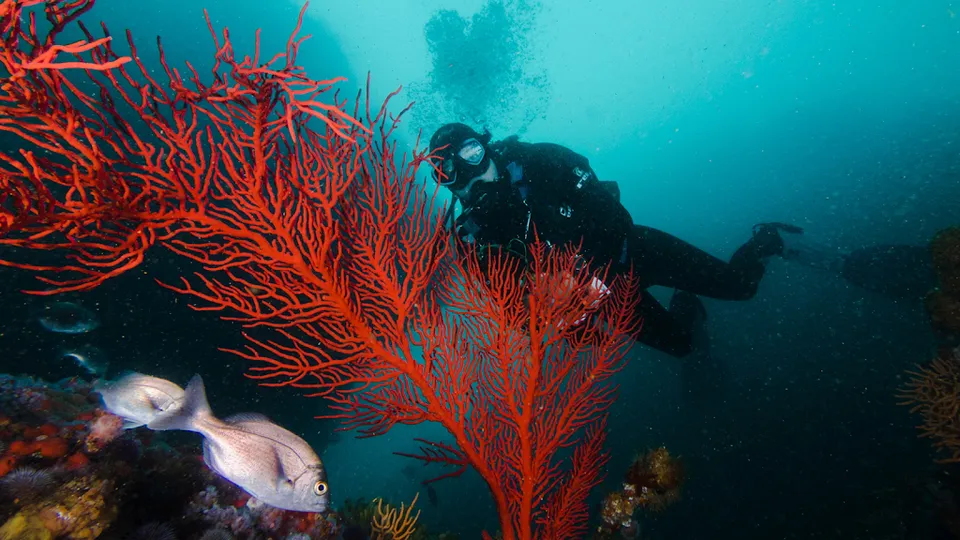
Friskies Pinnacle's vibrant ecosystem showcases a range of interesting marine life, making it a compelling spot for observational diving. Shallow sections of the reef are characterized by the presence of large red-bait pods, which provide shelter and food for various species.
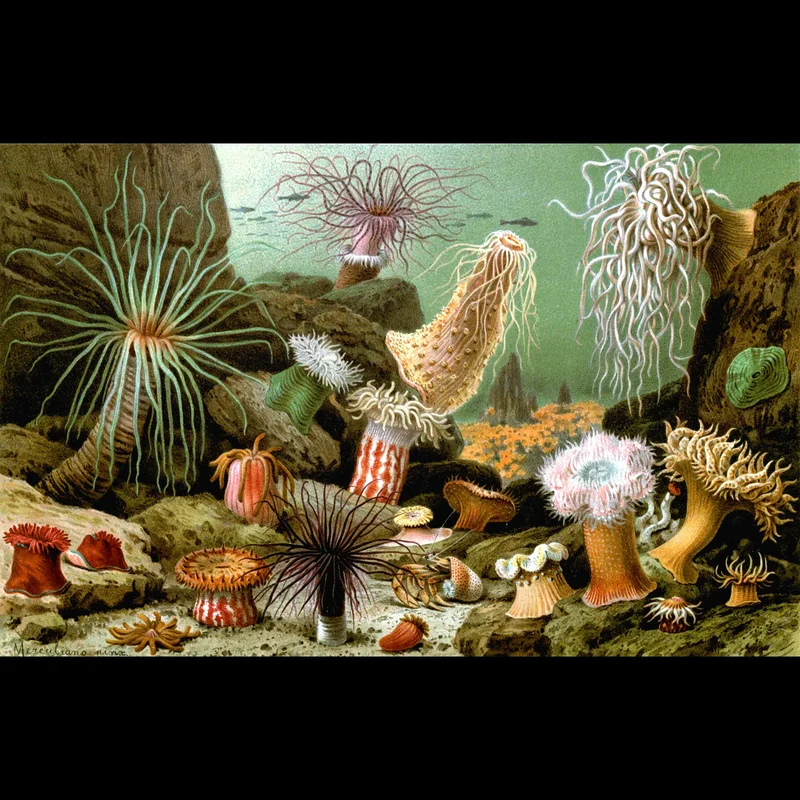
Across the pinnacle, large numbers of strawberry anemones create striking bursts of color against the rocky substrate. Site history even notes an encounter with a playful young seal, which inspired its name.
While not guaranteed on every dive, encounters with seals and other local fauna contribute to the dynamic feel of the reef. Its compact structure and diverse invertebrate life also make Friskies Pinnacle a favorable location for macro photography.
Dive Sites Near Friskies Pinnacle
View all dive sites in South AfricaDiscover more underwater gems in this area.
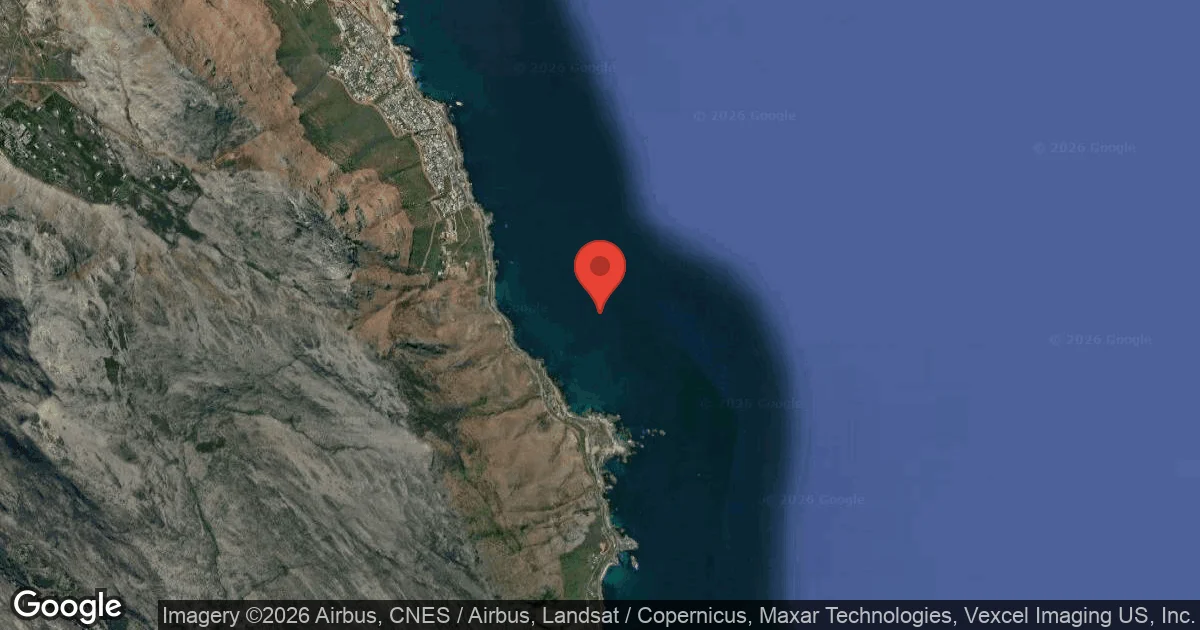
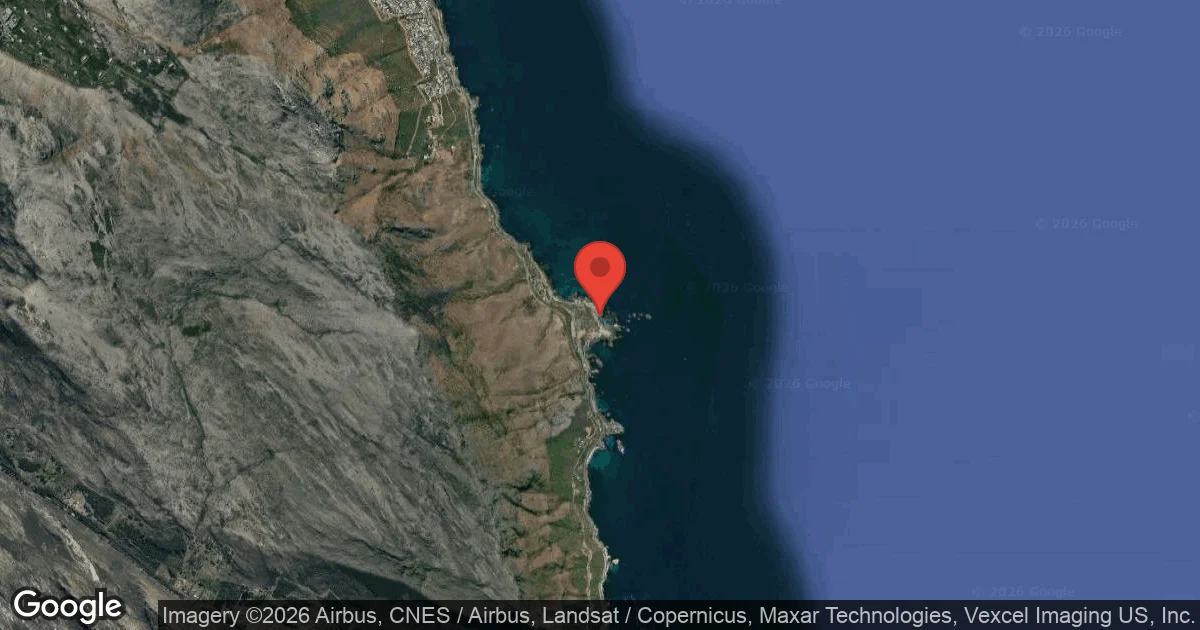
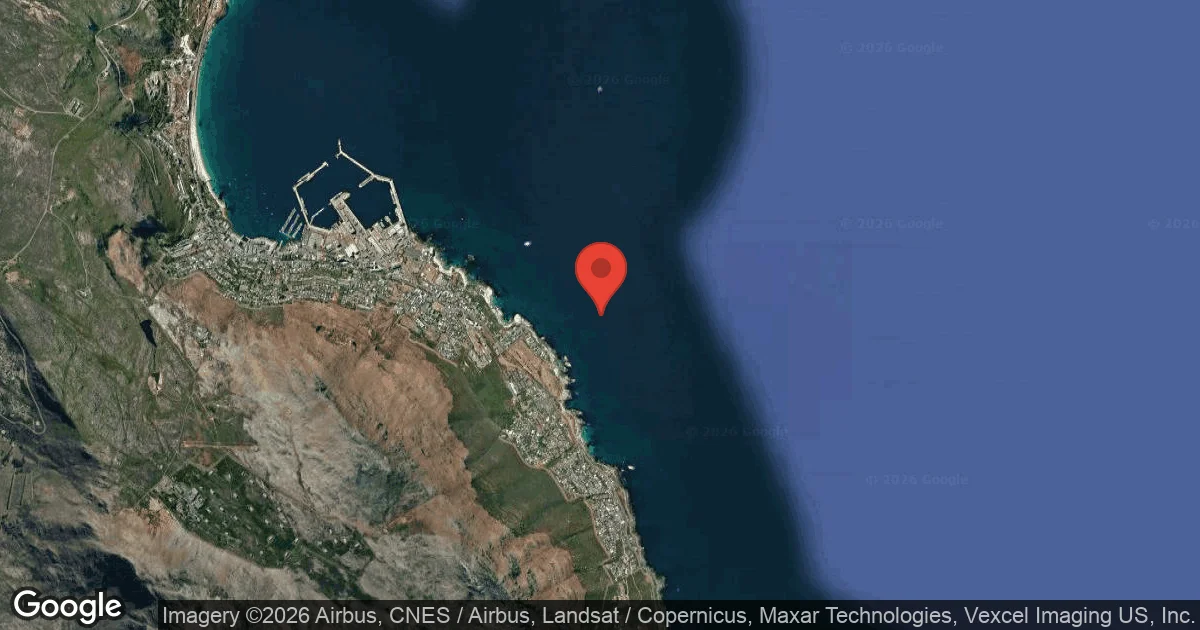
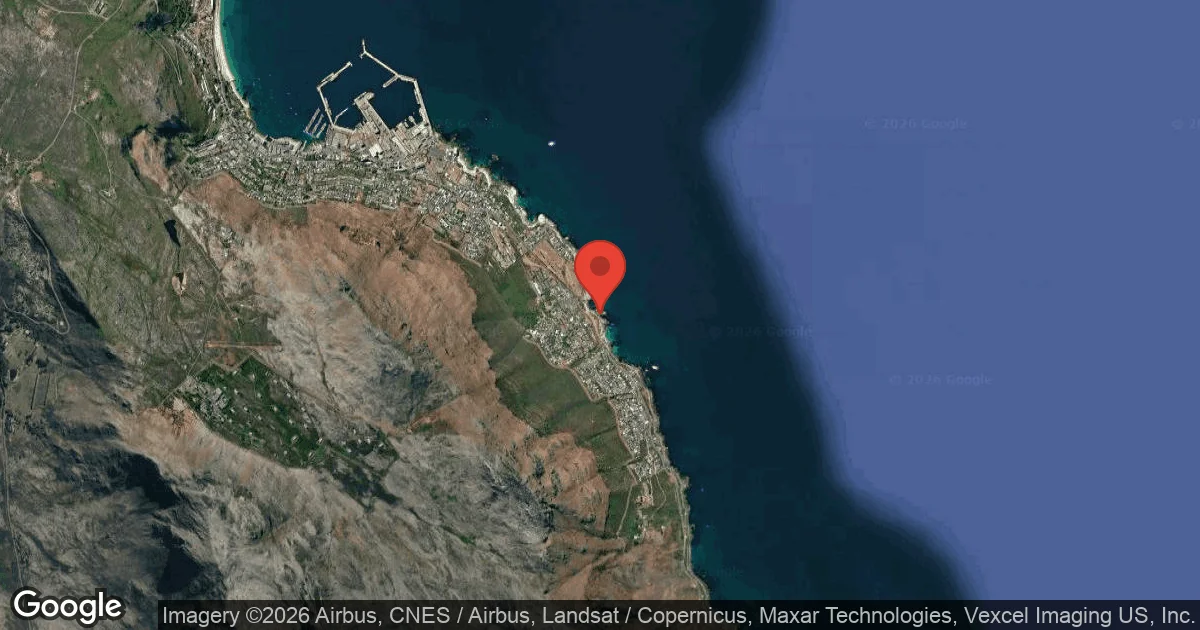
Dive Centers Near Friskies Pinnacle
Today: 08:00 - 16:30

Nearest Airports
Nearest airports to help plan travel to this dive area.
Search Flights
Check available flights and routes on Expedia, using the nearby airports listed in this section.
Search Flights on ExpediaFrequently Asked Questions
What is the maximum depth at Friskies Pinnacle?
Friskies Pinnacle itself reaches about 23 m (75 ft) max depth. North Friskies Pinnacle can extend slightly deeper, down to 26 m (85 ft) on the sand.
Is a permit required to dive at Friskies Pinnacle?
Yes, Friskies Pinnacle is located within a Marine Protected Area. Divers must obtain the necessary permit before entering the water.
How are the currents and surface conditions typically at Friskies Pinnacle?
Its exposed position means the site often experiences winds from all directions, leading to significant surface chop. While the surface can be rough, water column below may remain notably calm.
What kind of marine life can be seen there?
Divers often observe large red-bait pods and numerous strawberry anemones. Encounters with local fauna, including seals, are possible, adding to the site's dynamic character.
What is the visibility like at Friskies Pinnacle?
Visibility is not consistently reported for this site. It typically mirrors conditions observed at the nearby Castor Rock reef, varying with prevailing weather patterns.
Is Friskies Pinnacle suitable for beginner divers?
The site is within recreational dive limits, but challenging surface conditions due to wind and chop can complicate entries and exits. Divers should have experience with exposed conditions and boat diving.
Why is it called Friskies Pinnacle?
Its name originated from an encounter during the first recorded dive trip, where a frisky young seal playfully interacted with the divers. This memorable event inspired the site's lasting narrative.
Planning to dive Friskies Pinnacle?
Send one inquiry and receive offers directly from the best verified local dive operators.
Conditions are Poor
High Swell Advisory. Not recommended.
Current conditions near Friskies Pinnacle show 14° air, 13° sea temperature, 2.0 m waves, and 51 km/h wind. Forecast data is refreshed regularly to ensure accuracy.