
Diving at SAS Fleur Wreck (South Africa)
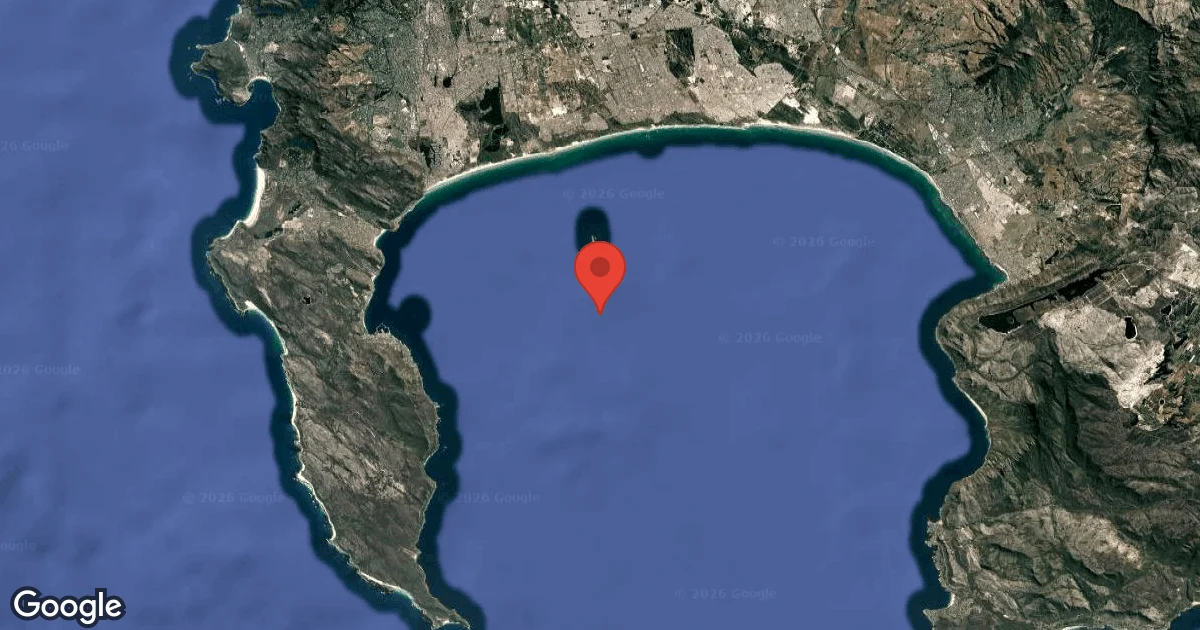
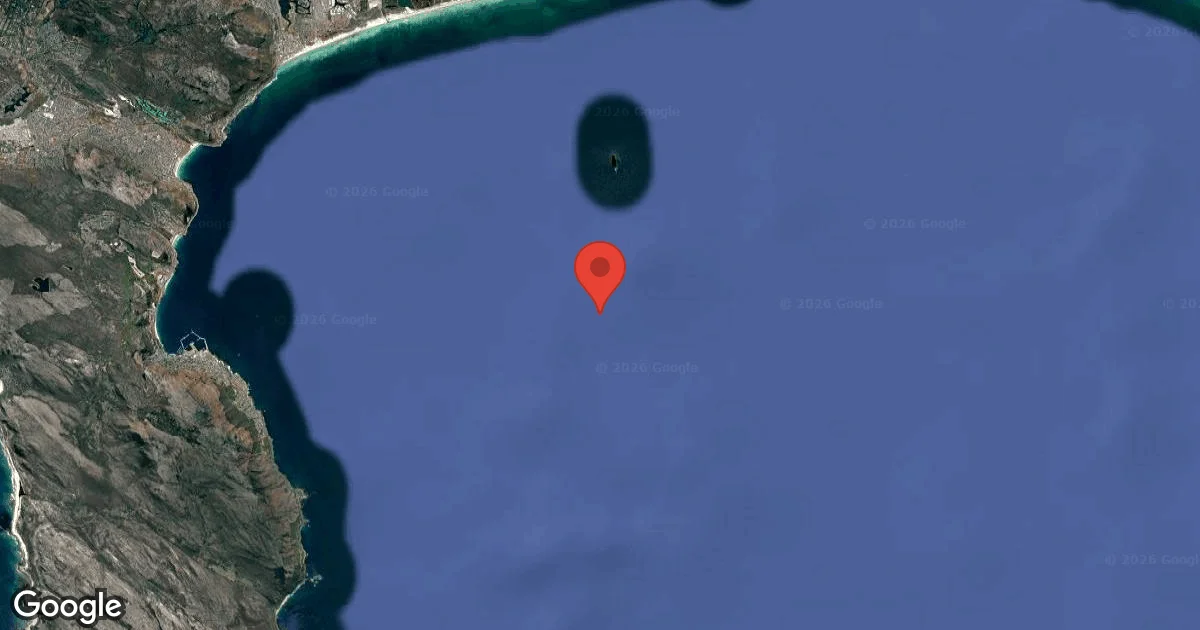
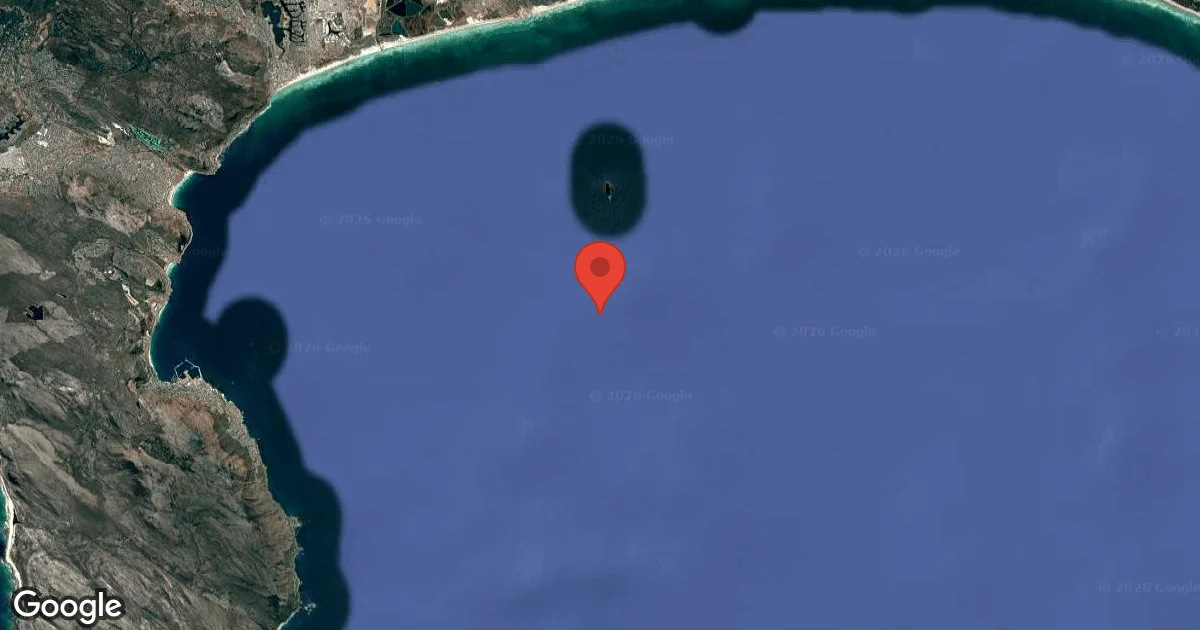
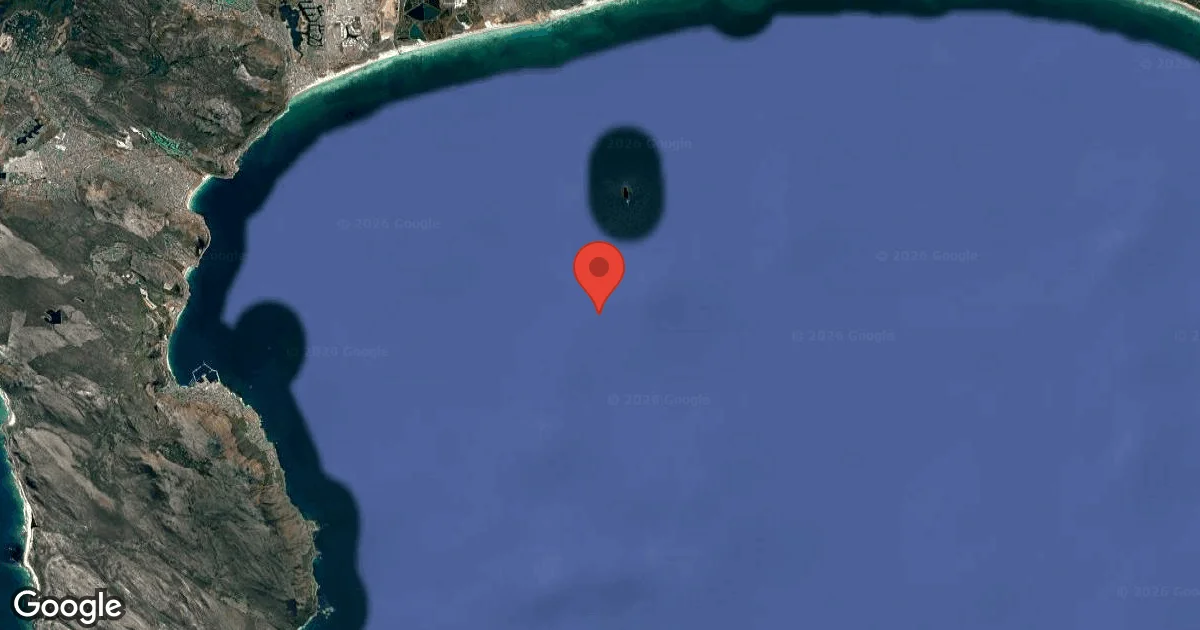
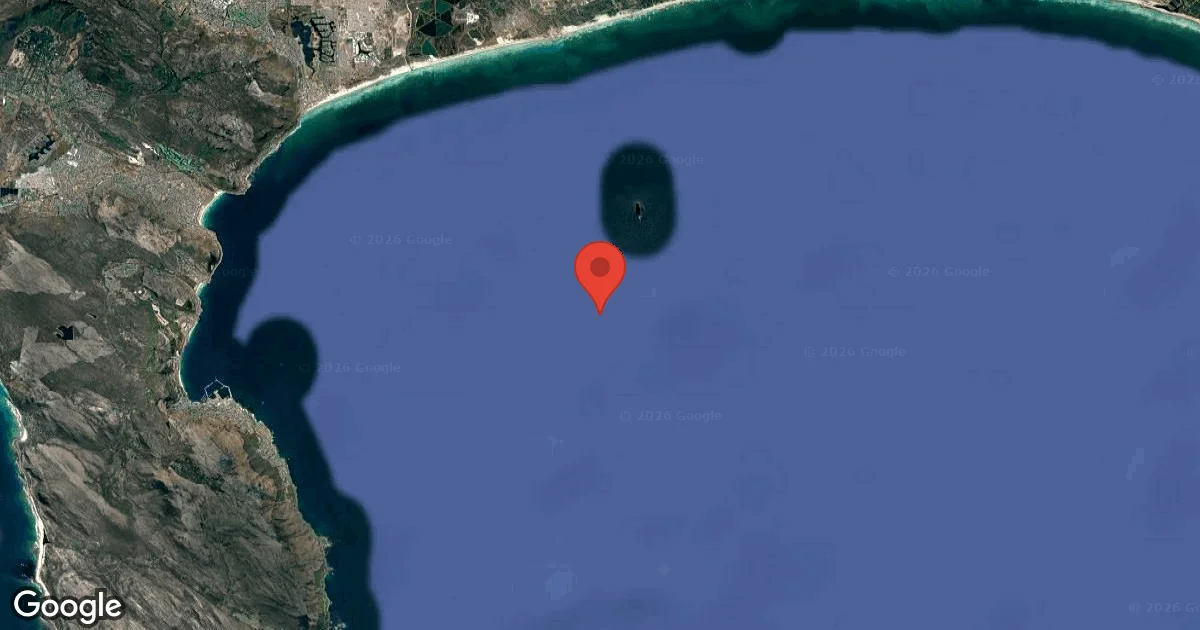
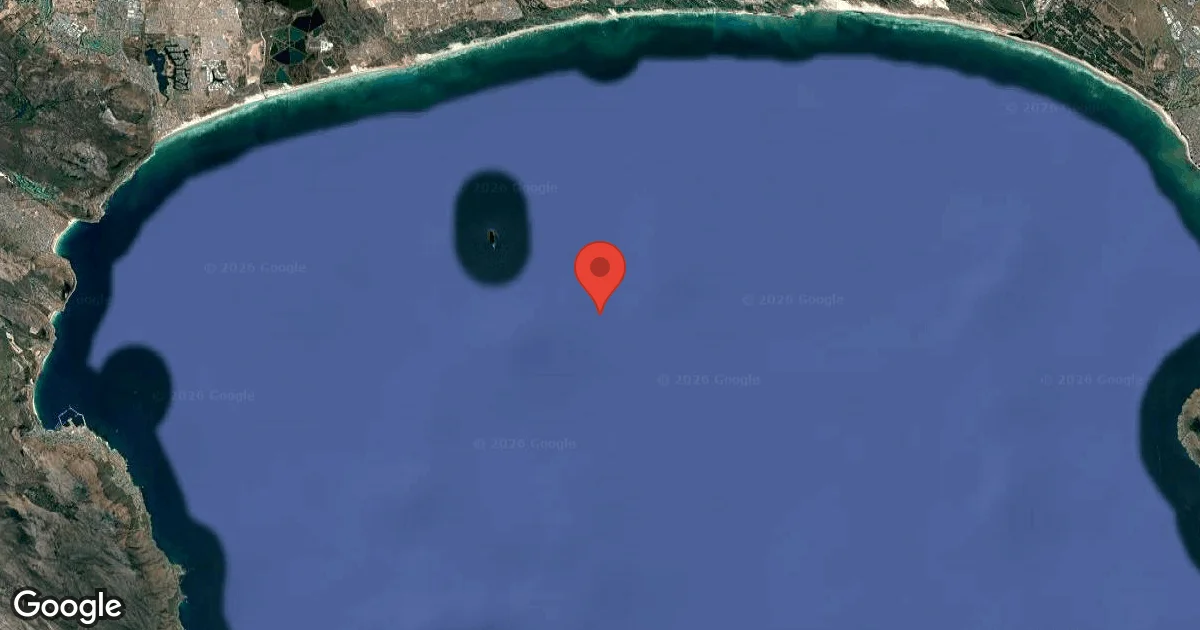
Once a vigilant boom defence vessel, the SAS Fleur now rests silently on the seabed, a stark contrast to its active service days. Scuttled south of Seal Island in False Bay on April 5, 1966, this former HMS Barbrake offers a significant deep wreck experience off the coast of Cape Town, South Africa. Its presence as a submerged artificial reef invites divers to explore a piece of naval history.
As evening covers SAS Fleur Wreck, the local air temperature is measured at 15.5°C. The current wave height at the surface is recorded at 2 m. These late-day readings characterize the surface conditions for the night.
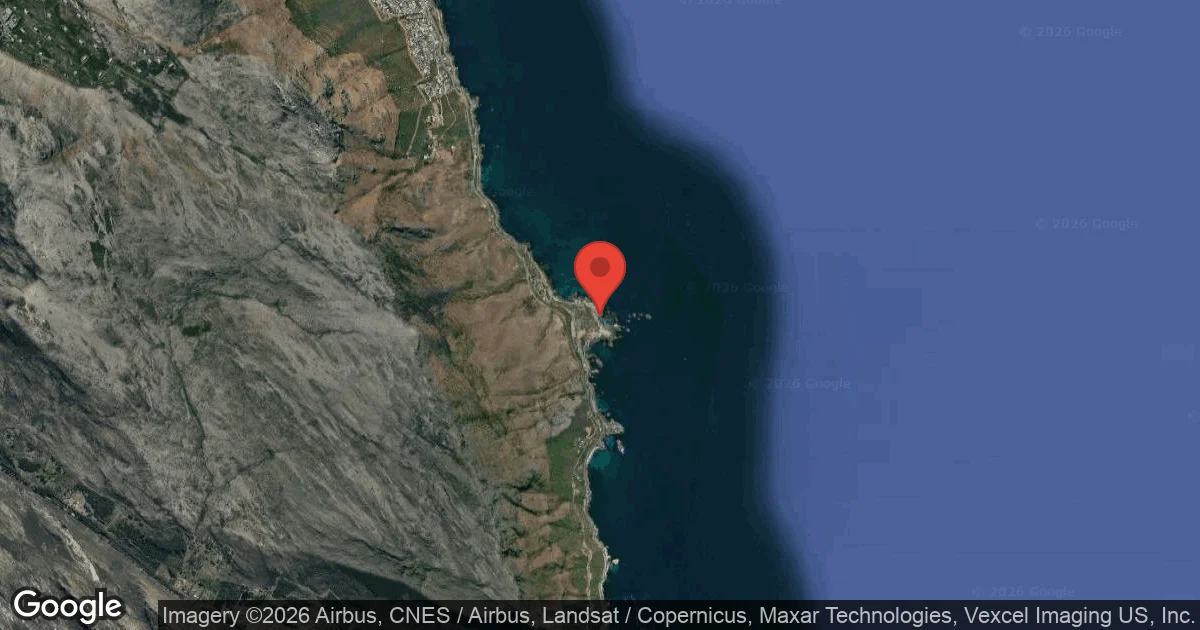
Dive Site Location & Key Facts
Dive Site Overview
Resting on a sandy bottom within False Bay's central expanse, the SAS Fleur wreck presents a substantial structure for exploration. Once a 'Bar' class boom defence vessel, this submerged ship measures 53 meters in length with a 10-meter beam, originally displacing 750 tonnes.
Its form now constitutes a significant deep wreck site. Highest points of the superstructure generally sit around 33 meters below the surface. The main deck typically lies at 35 meters.
Maximum depth, where the wreck meets the sand, extends to 41 or 42 meters (135-138 ft). This depth range positions the Fleur within advanced recreational or technical diving profiles.
A clear understanding of the Fleur's original scale can be gained by visiting its preserved sister ship, the SAS Somerset, at the V&A Waterfront. Exploring this deep wreck demands comprehensive dive planning, a thorough grasp of its layout, and appropriate advanced certifications to safely engage with its historical features.
Divers must prepare for navigating various sections, from open deck areas to more intact parts of its superstructure, all within a challenging deep-water environment.
Conditions are Poor
High Swell Advisory. Not recommended.
Current conditions near SAS Fleur Wreck show 15° air, 13° sea temperature, 2.1 m waves, and 49 km/h wind. Forecast data is refreshed regularly to ensure accuracy.
Best Time to Dive
Diving conditions at the SAS Fleur Wreck are consistently rated as challenging throughout the year, with average monthly dive scores indicating 'Poor' conditions due to significant wave action and wind speeds. Wave heights range from approximately 2.0 to 2.6 meters (6.6 to 8.5 feet), while wind speeds often exceed 32 km/h (20 mph), sometimes reaching over 40 km/h (25 mph). Air temperatures offer some variation, with cooler averages of around 14-15°C (57-59°F) during the winter months of July and August, warming to 17-19.5°C (63-67°F) in summer (November-February). Rain is generally minimal, though winter months like June and July see slightly higher precipitation, averaging 3.9-4.9 mm. Given the prevailing ocean conditions, successful dives depend heavily on short windows of calmer weather rather than specific seasonal trends, making flexible scheduling crucial for planning a trip.
PEAK SEASON SCORE
Scores combine air & water temps, waves, wind & rainfall for overall conditions.
BEST MONTHS TO DIVE
Monthly records compiled from satellite and marine observation nodes over the last 3 years. Data provided by Open-Meteo and MET Norway.
Dive Experience & Conditions
Divers approaching the SAS Fleur will find a deep wreck in an exposed position, demanding sound boat diving skills. The wreck sits in approximately 40-42 m (131-138 ft) of water on a sandy bottom, requiring careful attention to bottom time and decompression limits. While specific water temperature data is not consistently reported, local conditions in False Bay can vary significantly. Visibility at the site is dynamic; on good days, conditions may allow for extended viewing of the wreck, with one recorded dive noting 12 meters (39 feet) of visibility. However, strong currents, surge, and swell can quickly reduce visibility and make conditions challenging. Navigating the wreck's exterior offers diverse points of interest, from the main deck to the superstructure, providing a tangible experience of its naval history.
Dive Difficulty & Safety Guidelines
Diving the SAS Fleur Wreck, due to its depth, inherently carries risks such as nitrogen narcosis and potential decompression sickness. Divers must possess appropriate deep diving certifications and maintain strict adherence to dive tables or computer limits. Entanglement in parts of the wreck, while exploring its structure, is a consideration, requiring careful buoyancy control and awareness.
Planning for potential out-of-air scenarios and understanding personal limits is crucial, particularly in a deep environment. Seasickness can be a factor given the exposed location in False Bay and potentially choppy surface conditions.
The site is not within a Marine Protected Area, so no special permits are typically required beyond standard diving certifications.
Recommended Equipment
Overhead / entanglement risk. Wreck penetration requires proper training.
- Dive Computer
- Primary & Backup Lights
- Wreck Reel
- Cutting Tool
This gear list is based on verified equipment signals for SAS Fleur Wreck, South Africa. Always confirm final gear choices with your dive operator, guide, or liveaboard.
Recommended Dive Suit
7mm wetsuit or semidry is widely used for recreational dives in waters of this temperature. Strong winds are present; please take strong precautions against rapid cooling during surface intervals. A thermal robe or jacket is recommended between dives. Those diving at SAS Fleur Wreck today will likely encounter water temperatures in the region of 13°C (56°F). Surface air temperatures are resting at 15°C (60°F).
Forecasts suggest rising temperatures later this week. A warming trend is expected over the next few days.
Water temperatures can occasionally shift throughout the day depending on currents and depth layers.
Emergency & Medical Support
Essential information to help you plan your dive trip to SAS Fleur Wreck.

Hyperbaric chambers are a critical part of dive safety infrastructure. Availability varies significantly by region, and not all dive areas have immediate access.
Before diving, it's recommended to:
- confirm nearest medical facilities
- check emergency procedures with local dive operators
- ensure dive insurance covers evacuation if required
Divers Alert Network
Diving emergency assistance available through DAN Southern Africa.
+27828106010- 24/7 emergency hotline
- Diving medical assistance
- Evacuation coordination
Emergency contacts are provided for reference. Always verify local emergency services before diving.
Marine Life at SAS Fleur Wreck
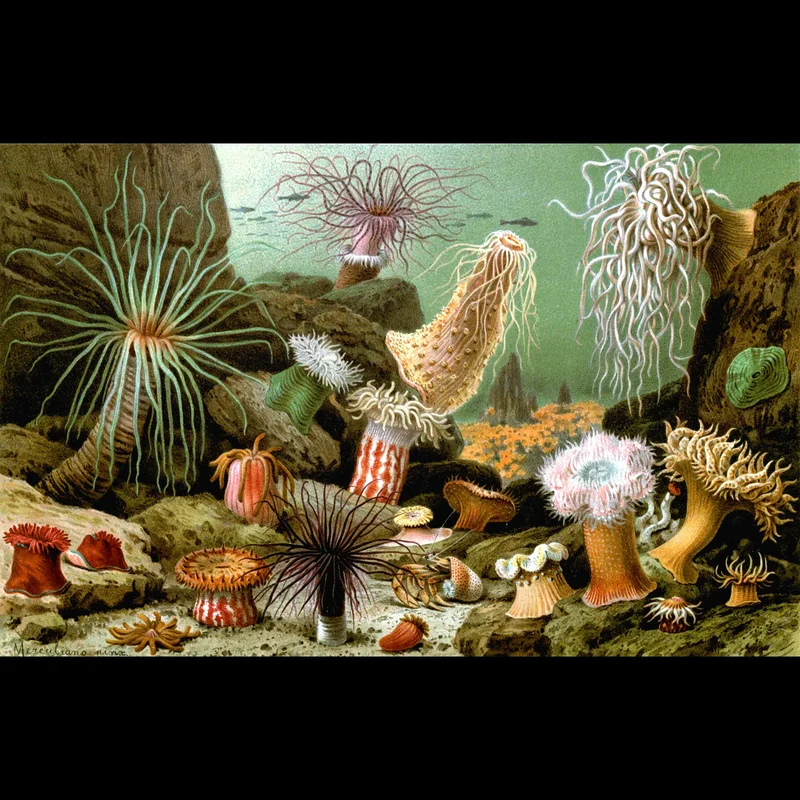
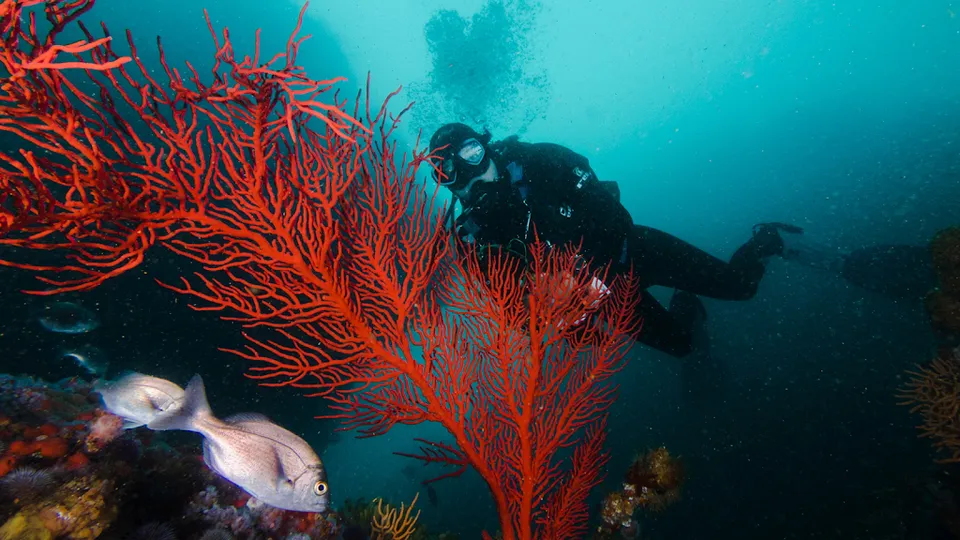
Around the SAS Fleur Wreck, the ecosystem has adapted to the artificial reef structure. Strawberry anemones often dot the wreck's surfaces, adding splashes of color to the metallic remains.
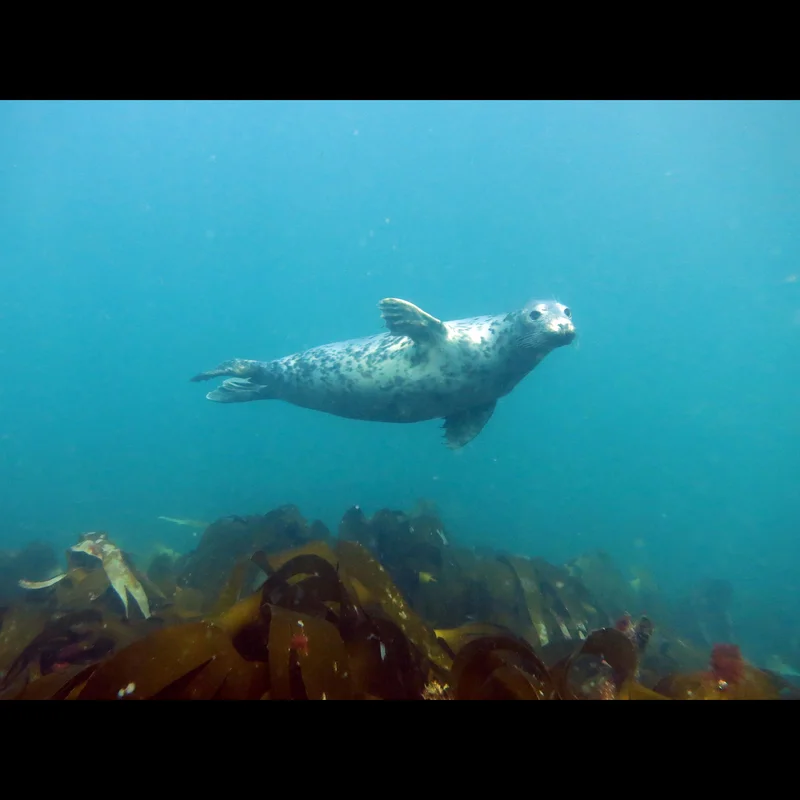
Scaly dogwhelks can be observed, slowly navigating the wreck. Occasionally, divers may encounter playful seals, known to visit the area around Seal Island.
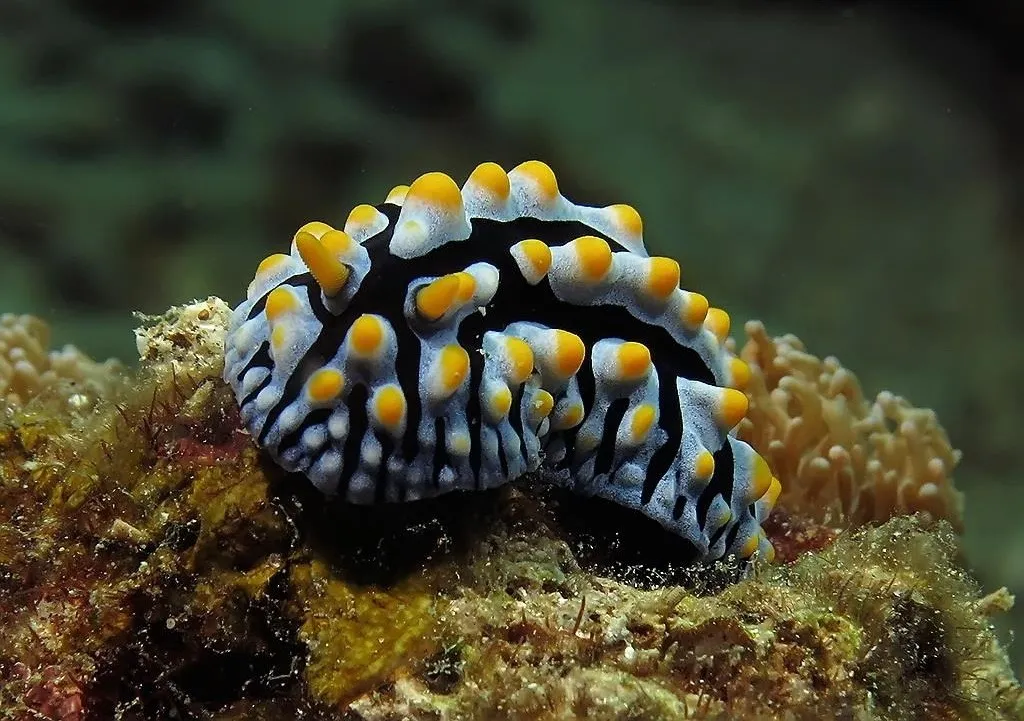
Nudibranchs, jellyfish, starfish, and urchins are also part of the diverse invertebrate life. While not consistently reported as teeming with a high volume of fish, the wreck does host various species, offering glimpses of marine activity against the historical backdrop.

Dive Sites Near SAS Fleur Wreck
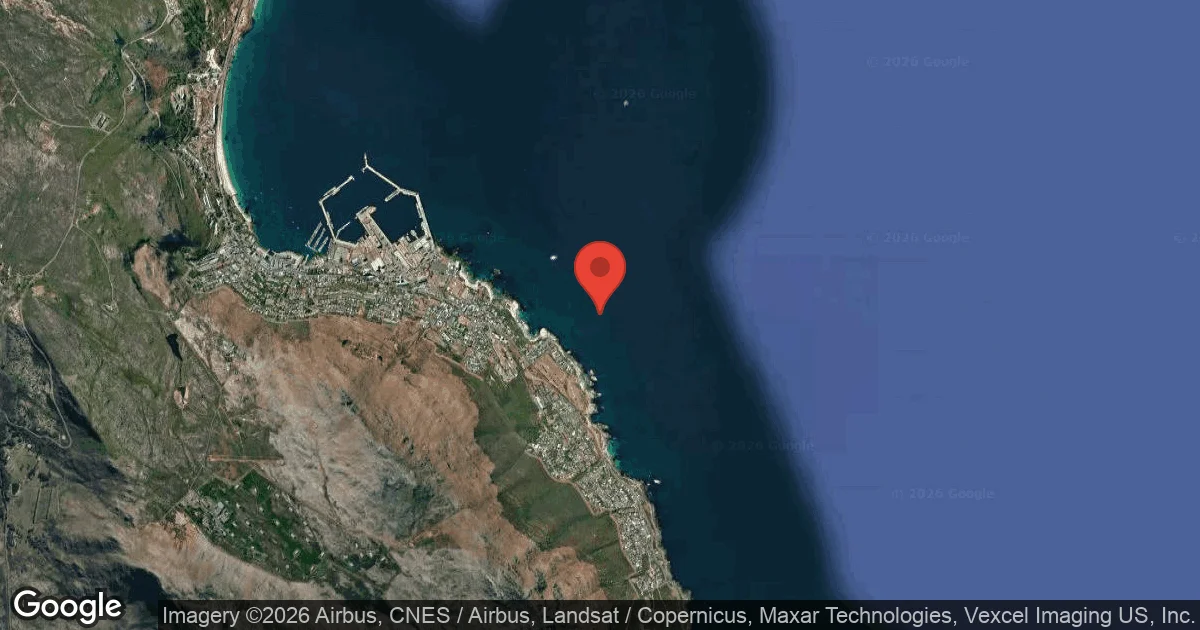
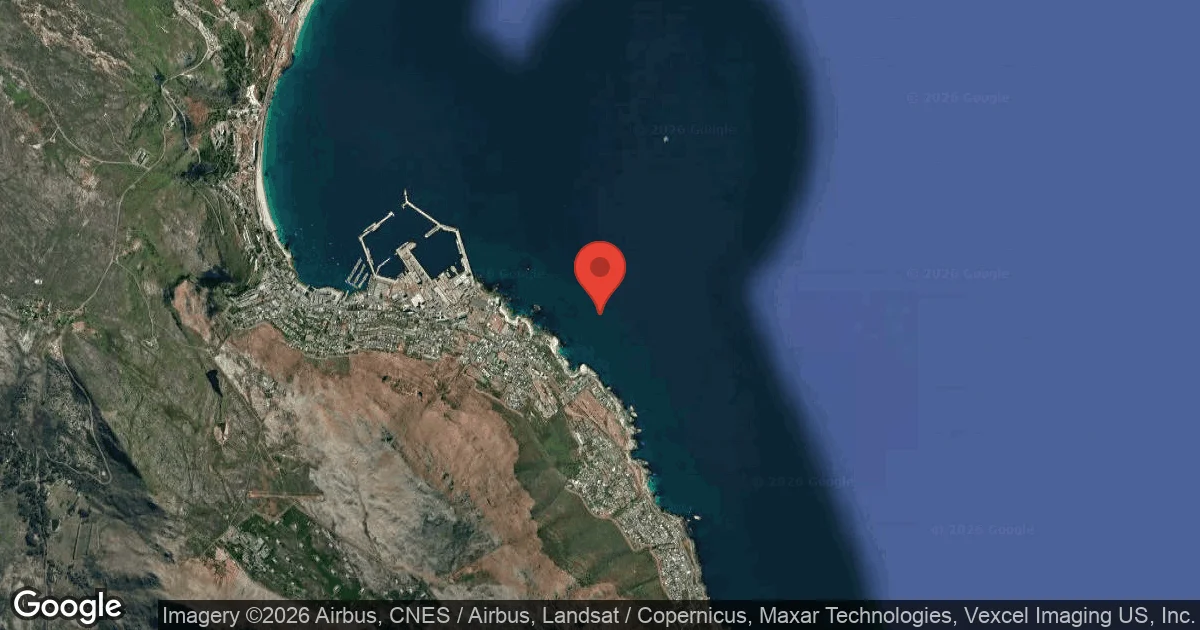
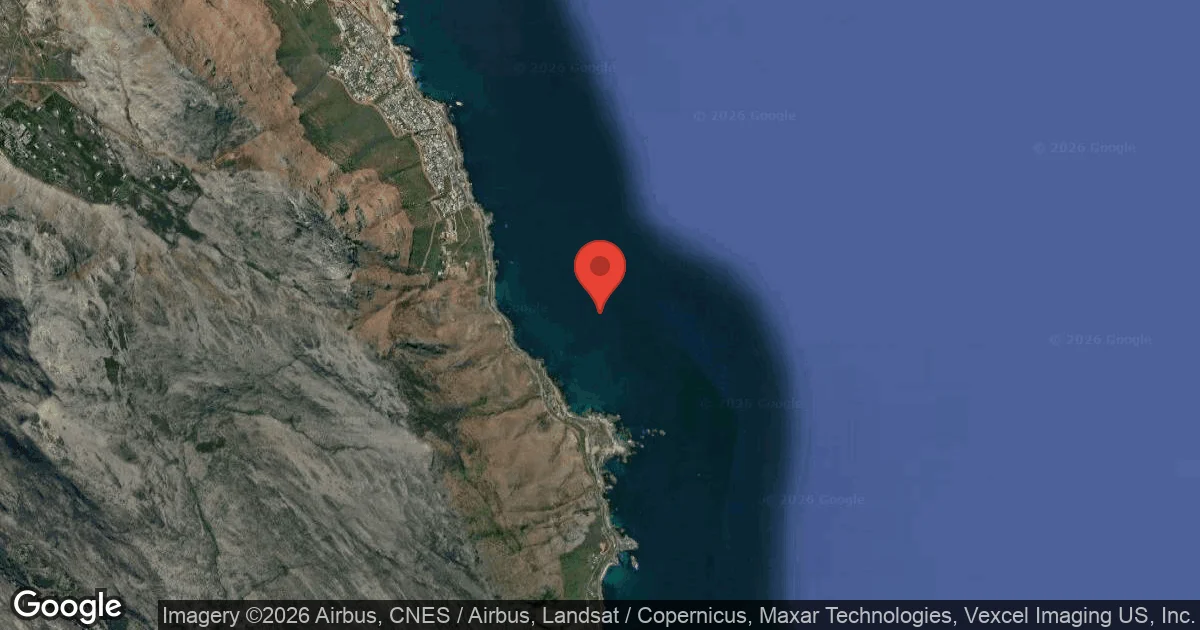
View all dive sites in South AfricaDiscover more underwater gems in this area.
Dive Centers Near SAS Fleur Wreck
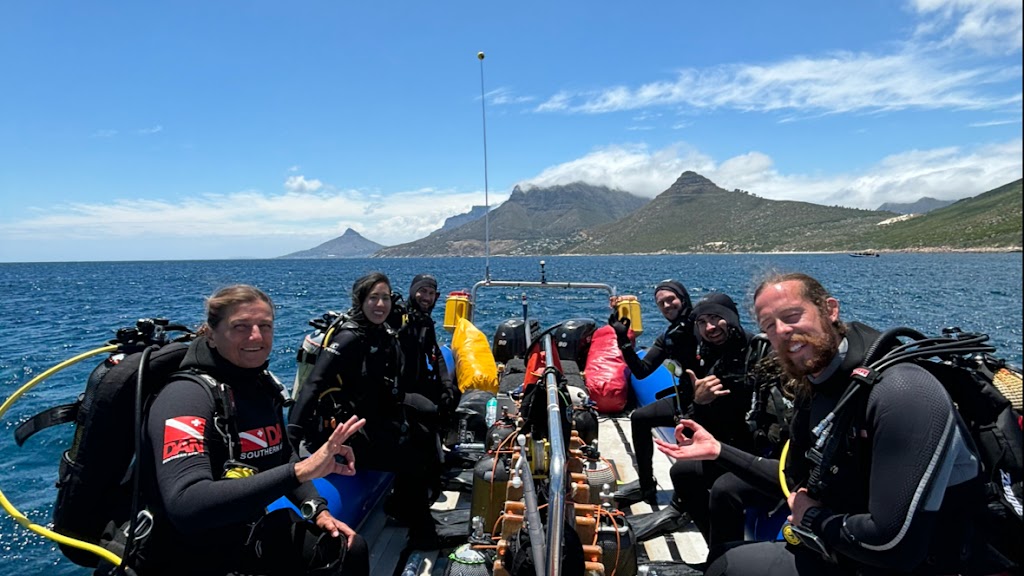
Today: 08:00 - 16:30
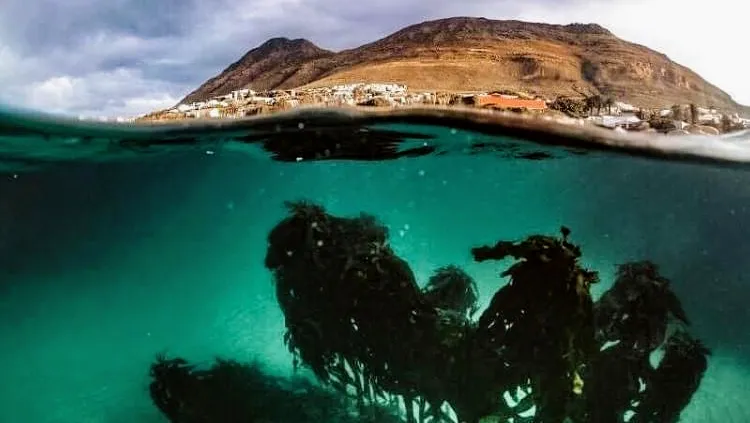
Nearest Airports
Nearest airports to help plan travel to this dive area.
Search Flights
Check available flights and routes on Expedia, using the nearby airports listed in this section.
Search Flights on ExpediaFrequently Asked Questions
What kind of vessel was the SAS Fleur?
Originally HMS Barbrake, the SAS Fleur operated as a 'Bar' class boom defence vessel. Its primary role involved deploying and maintaining defensive booms, frequently used to protect harbors during wartime operations.
When and where was the SAS Fleur scuttled?
Scuttled intentionally on April 5, 1966, the vessel rests south of Seal Island in False Bay's central part. This position places it off the coast of Cape Town.
What is the typical depth range for diving the SAS Fleur?
On its sandy bottom, the SAS Fleur reaches maximum depths of 41 to 42 meters (135-138 ft), offering a significant deep dive. The main deck typically sits around 35 meters. Highest points of the superstructure rise to approximately 33 meters from the surface.
Is the SAS Fleur Wreck suitable for all certified divers?
Not suitable for all certified divers, its depth and challenging conditions mean the SAS Fleur is primarily for certified deep divers. Wreck diving experience is highly recommended, alongside specific training in deep and wreck specialties.
What is the visibility generally like at the wreck site?
Visibility at the SAS Fleur Wreck varies, influenced by dynamic local conditions. On good days, conditions may allow for extended viewing, with reports of up to 12 meters. However, strong currents, surge, and swell can quickly reduce visibility, making conditions challenging.
Are there any specific marine life highlights to look for?
Divers can spot strawberry anemones, scaly dogwhelks, nudibranchs, and occasional seals. While fish populations fluctuate, the wreck supports various invertebrates like jellyfish, starfish, and urchins.
Is wreck penetration possible on the SAS Fleur?
While the site is noted for wreck diving, any penetration should only be attempted by divers with advanced wreck penetration training. Appropriate safety equipment is also essential for such activities.
Planning to dive SAS Fleur Wreck?
Send one inquiry and receive offers directly from the best verified local dive operators.
Conditions are Poor
High Swell Advisory. Not recommended.
Current conditions near SAS Fleur Wreck show 15° air, 13° sea temperature, 2.1 m waves, and 49 km/h wind. Forecast data is refreshed regularly to ensure accuracy.