
Diving at Livingstone (South Africa)
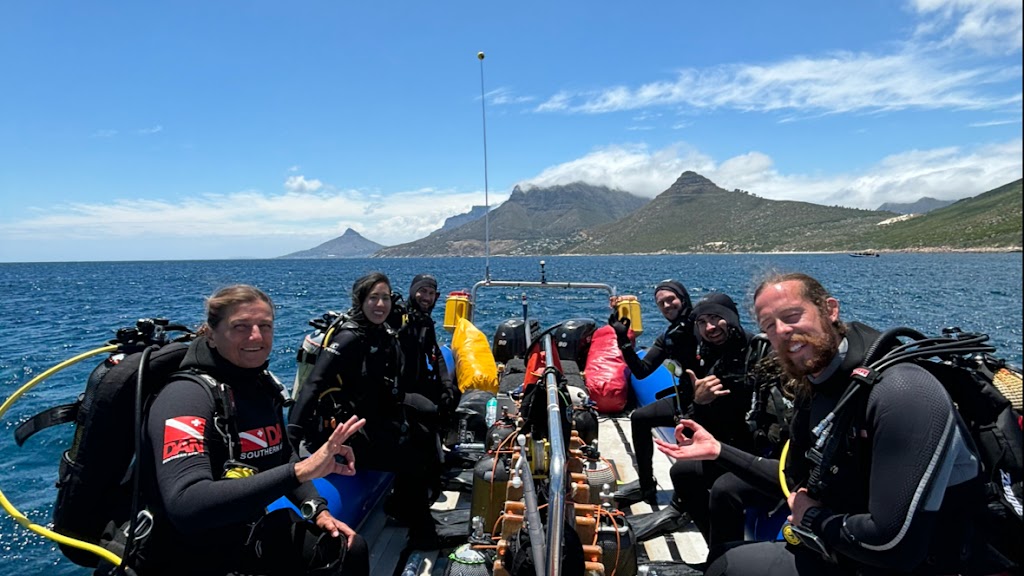
Accessing Livingstone Reef in False Bay requires boat transport and familiarity with its offshore characteristics. Operating within the Boulders Restricted Zone of the Table Mountain National Park MPA, this site mandates a permit. Its complex topography and depth profile, reaching around 23 m (75 ft), necessitate appropriate diver certification. Prepare for a rewarding exploration of a corestone reef, valued for its intricate structure rather than its accessibility.
Tonight's objective overview for Livingstone shows an air temperature of 12.5°C. The measured surface conditions include wave heights around 2.3 m. This environmental data is logged for the close of the day.
Dive Site Location & Key Facts
Dive Site Overview
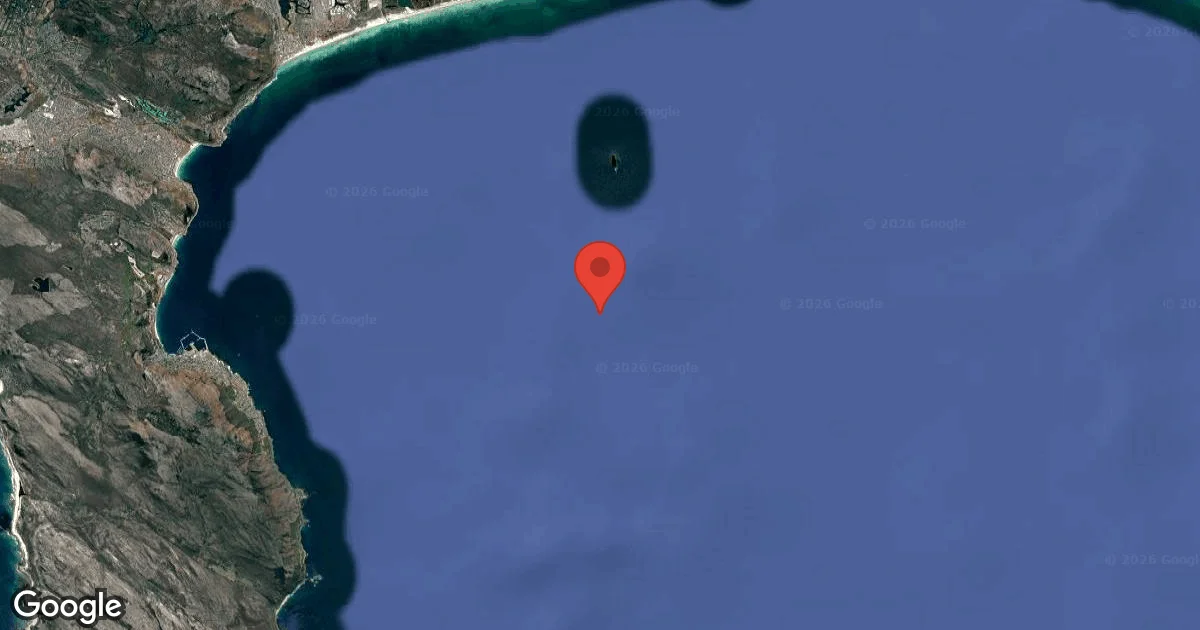
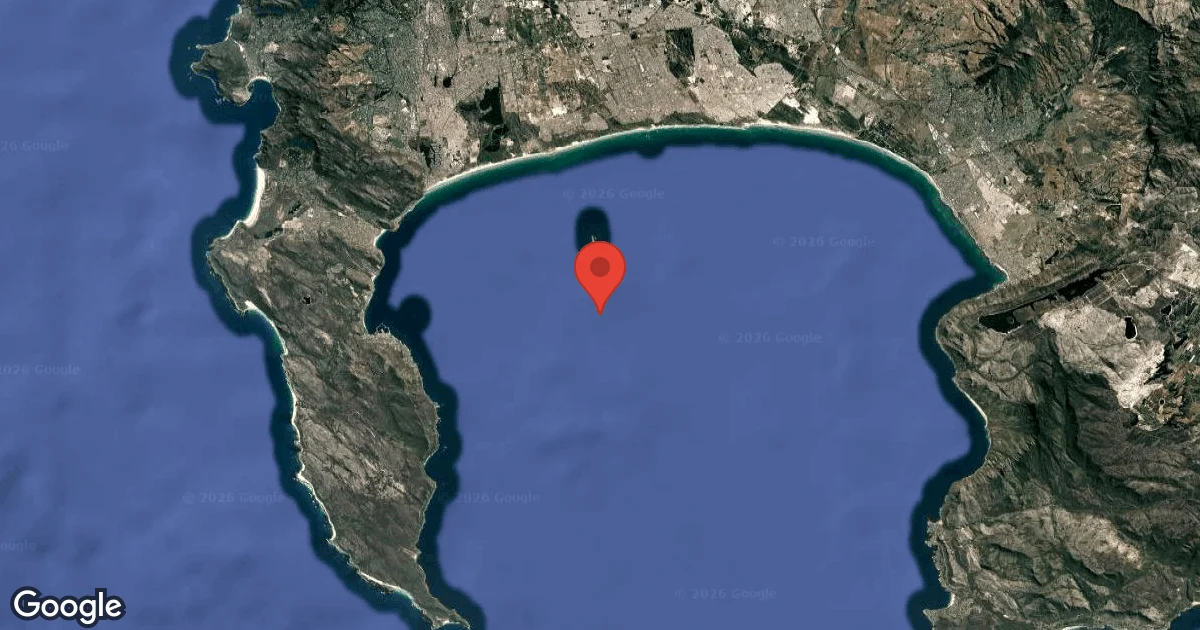
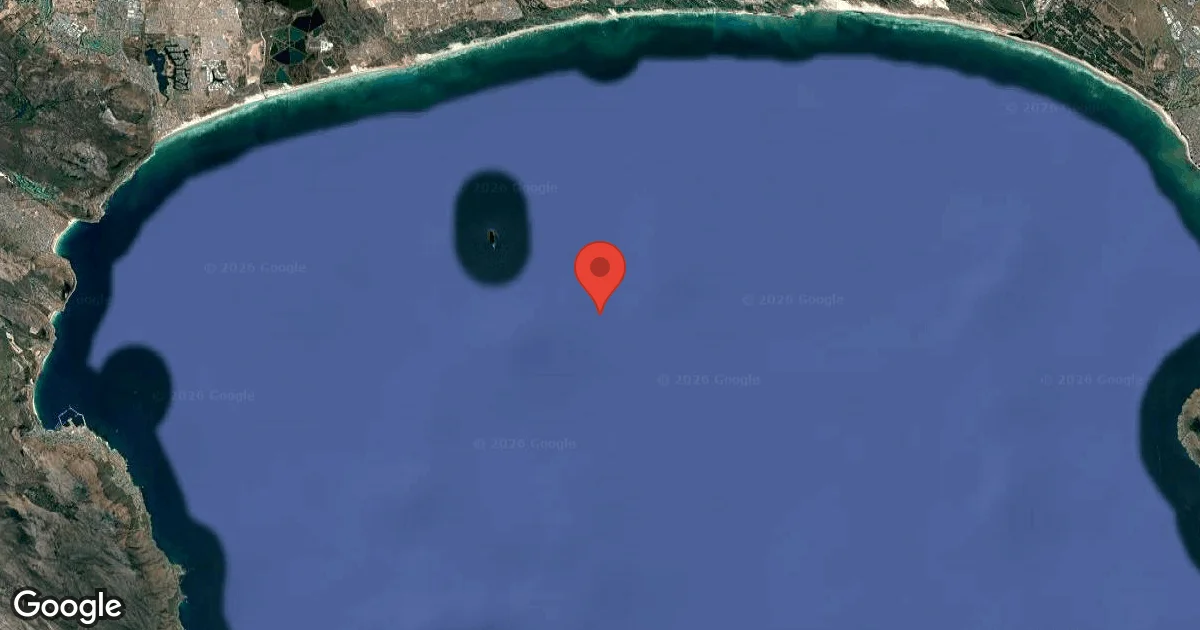
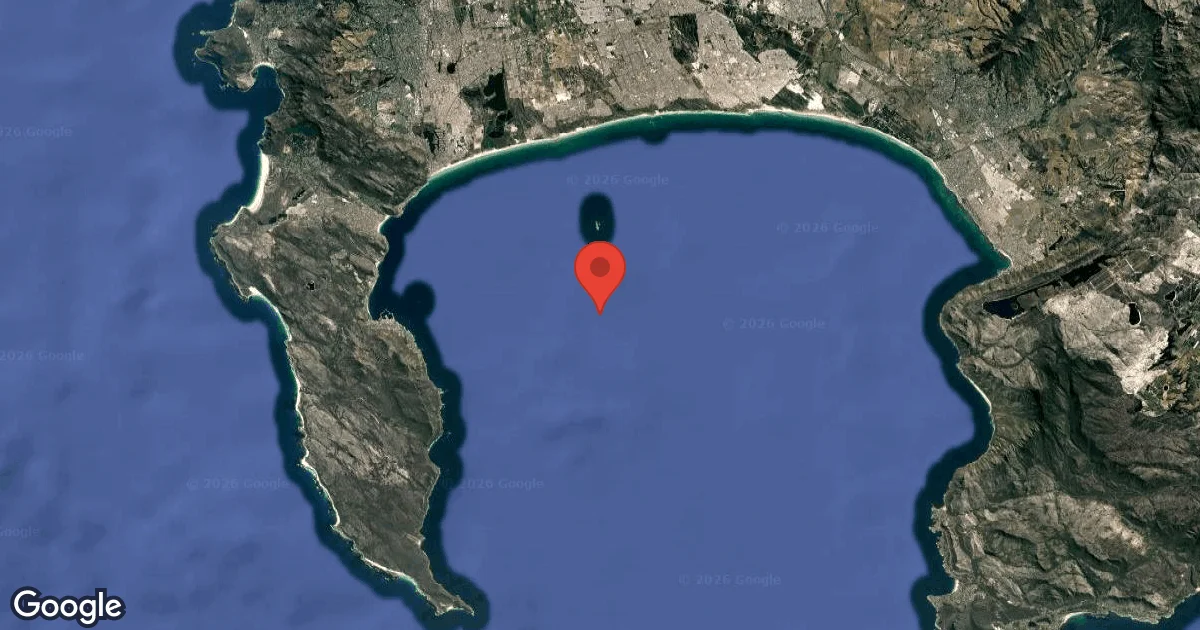
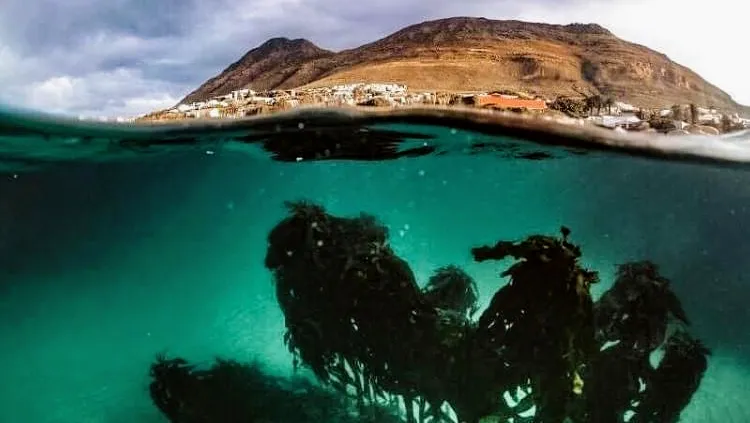
Livingstone Reef, a site in Simon's Bay, False Bay, was discovered accidentally by a diver. This offshore rocky reef is characterized by a prominent western pinnacle and another large outcrop to the east, creating an intriguing underwater landscape.
The western pinnacle is a compact formation of large clustered rocks, featuring crevices, gaps, and small overhangs. Its highest point rises to about 14 meters, while the surrounding low reef generally sits between 18 and 21 meters. Sand bottom extends to a maximum depth of approximately 23 m (75 ft).
Extending for an estimated 220 m (722 ft) and about 30 m (98 ft) wide near the main pinnacle, the reef offers extensive areas to explore. To the south-east, the terrain becomes more rugged with low ridges and boulders.
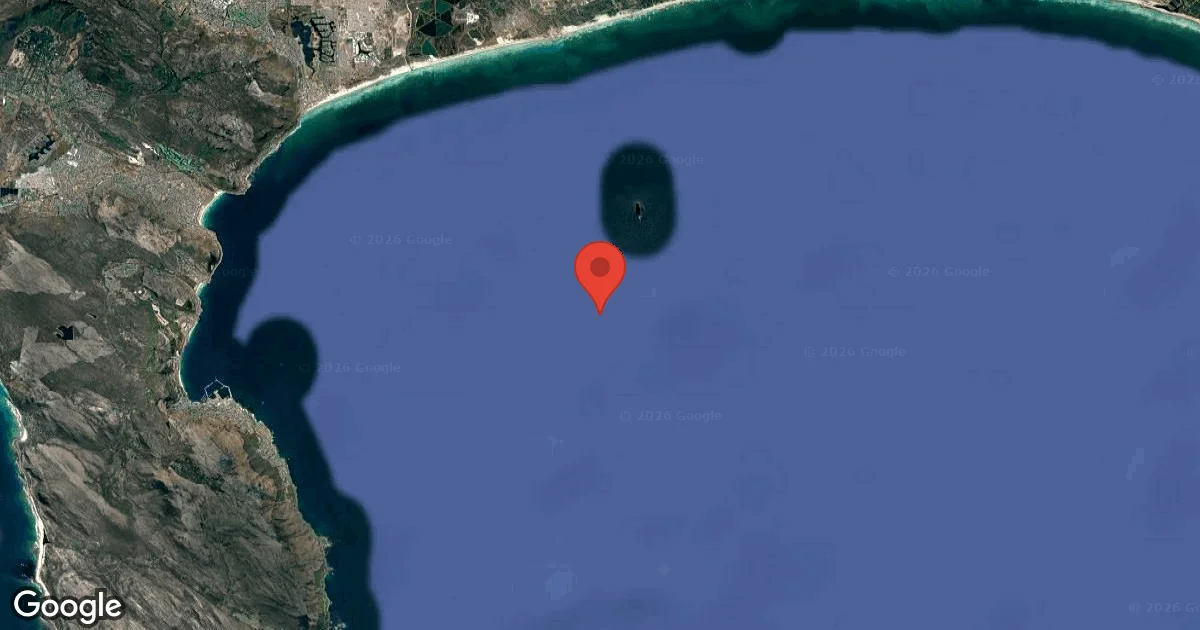
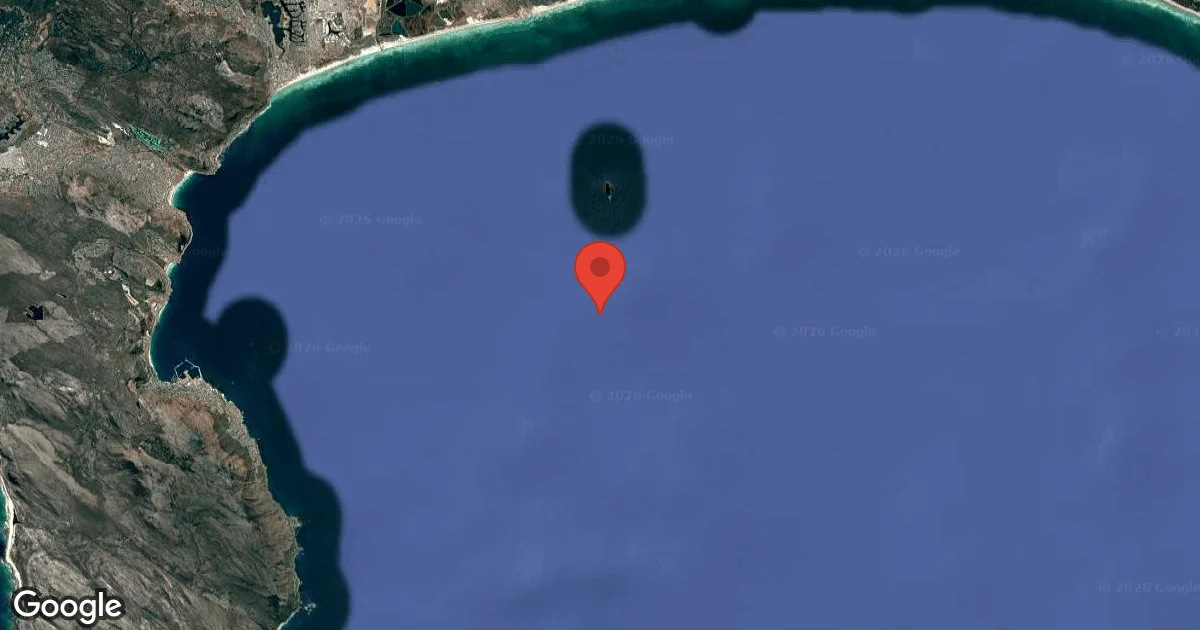
Diving here reveals a typical medium-depth False Bay invertebrate cover, including numerous gorgonian sea fans. Given its offshore position, about 6.1 km (3.8 miles) from Miller's Point slipway, access is strictly by boat.
A dive here is appropriate for those comfortable with deeper recreational limits, as much of the site lies beyond entry-level depths.
Conditions are Poor
High Swell Advisory. Not recommended.
Current conditions near Livingstone show 13° air, 12° sea temperature, 2.2 m waves, and 48 km/h wind. Forecast data is refreshed regularly to ensure accuracy.
Best Time to Dive
Optimal dive conditions at Livingstone Reef are often linked to periods of stable weather, favoring clearer visibility. While specific water temperature data isn't consistently reported, air temperatures indicate warmer conditions from November to April, averaging between 17°C (63°F) in October and 21.5°C (71°F) in February. During these months, rainfall is generally lower, typically below 0.5 mm (0.02 inches) from October to December and 0.8 mm (0.03 inches) in March, which might correlate with less sediment run-off and improved underwater clarity. The winter months, particularly June and July, show higher average rainfall at 3.8-4.1 mm (0.15-0.16 inches) and cooler air temperatures ranging from 12°C (54°F) to 13.5°C (56°F). Such conditions can lead to reduced visibility and choppier surface conditions, potentially making boat access and diving less appealing. Moderate dive scores are reported for most months outside peak winter. Planning dives during periods of settled weather and lower precipitation generally offers better chances for favorable visibility, enhancing the exploration of the reef's intricate topography.
PEAK SEASON SCORE
Scores combine air & water temps, waves, wind & rainfall for overall conditions.
BEST MONTHS TO DIVE
Monthly records compiled from satellite and marine observation nodes over the last 3 years. Data provided by Open-Meteo and MET Norway.
Dive Experience & Conditions
Livingstone Reef's depth profile caters to certified divers comfortable with intermediate to advanced recreational limits. Its highest pinnacle crests at approximately 14 meters, offering a focal point for initial exploration. Moving away, the surrounding low reef typically ranges between 18 and 21 meters. The sand bottom extends to a max depth of around 23 m (75 ft). While no special skills beyond appropriate depth certification are mandatory, the ability to deploy a DSMB is highly recommended for safety and boat recovery. Conditions can vary, but the site's offshore nature means currents and surge should always be considered. Expect typical False Bay invertebrate cover, suggesting a generally temperate marine environment. Rugged terrain includes deep gullies, crevices, and some overhangs, providing plenty of navigational interest. This site encourages thorough exploration of its unique rock formations and the diverse life nestled within its crevices.
Dive Difficulty & Safety Guidelines
Diving Livingstone Reef requires adherence to specific guidelines to ensure a safe experience. As the site is entirely within the Boulders Restricted Zone of the Table Mountain National Park MPA, obtaining a permit is mandatory before any dive. No site-specific hazards are explicitly reported, but divers should always be prepared for general open water conditions common in False Bay.
Most of the site extends beyond entry-level depths; therefore, certification appropriate to the maximum depth of around 23 meters is expected. Deploying a DSMB is strongly recommended to signal your position to the surface vessel, particularly given its offshore location.
Always dive with a buddy and conduct thorough pre-dive checks. Respect the marine protected area rules by observing local flora and fauna without interference. Local boat operators can provide current conditions and guidance.
Recommended Equipment
- Dive Computer
This gear list is based on verified equipment signals for Livingstone, South Africa. Always confirm final gear choices with your dive operator, guide, or liveaboard.
Recommended Dive Suit
Thermal protection such as 7mm wetsuit or semidry is commonly used for water temperatures in this range. Consider warmer surface protection (like a boat coat) due to brisk winds. A thermal robe or jacket is recommended between dives.
Current readings at Livingstone show water temperatures near 12°C (54°F). Surface air temperatures are resting at 13°C (55°F).
Environmental models indicate a modest warming trend ahead. A warming trend is expected over the next few days.
Due to technical issues with our weather providers, data hasn't been fetched for over 48 hours. The data above reflects the conditions at the time of the last successful fetch.
Emergency & Medical Support
Essential information to help you plan your dive trip to Livingstone.

Hyperbaric chambers are a critical part of dive safety infrastructure. Availability varies significantly by region, and not all dive areas have immediate access.
Before diving, it's recommended to:
- confirm nearest medical facilities
- check emergency procedures with local dive operators
- ensure dive insurance covers evacuation if required
Divers Alert Network
Diving emergency assistance available through DAN Southern Africa.
+27828106010- 24/7 emergency hotline
- Diving medical assistance
- Evacuation coordination
Emergency contacts are provided for reference. Always verify local emergency services before diving.
Marine Life at Livingstone
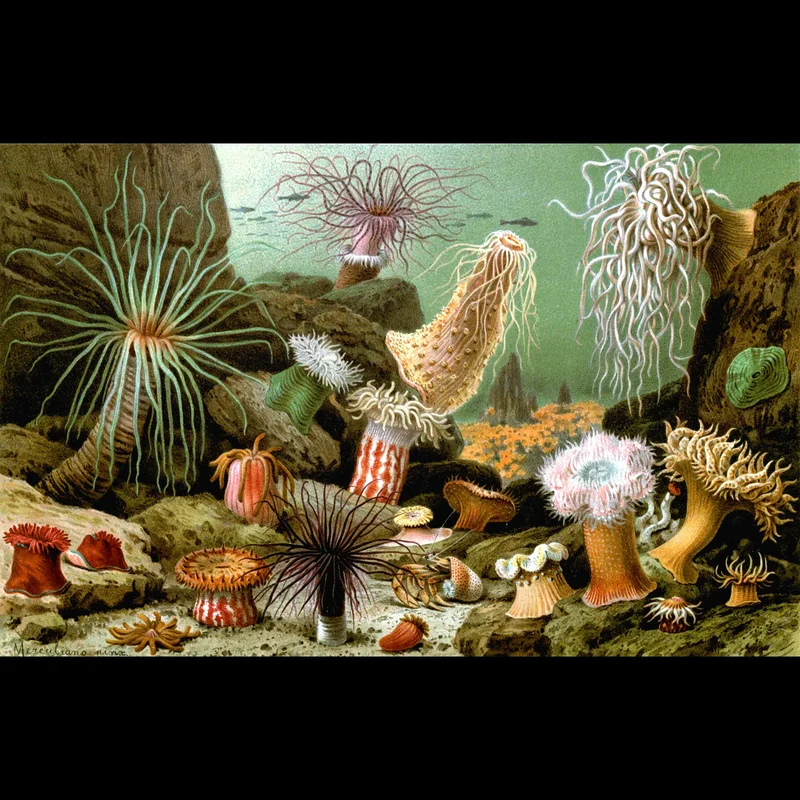
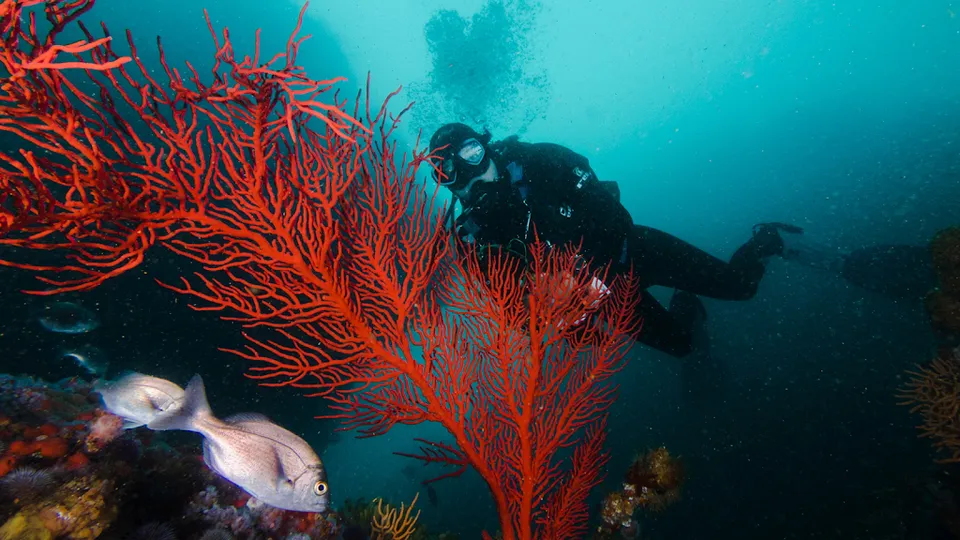
The immediate visual impact at Livingstone Reef is the vibrant invertebrate cover blanketing the rock formations. Large numbers of gorgonian sea fans sway in the currents, alongside various anemones, soft corals, and arborescent hydroids.
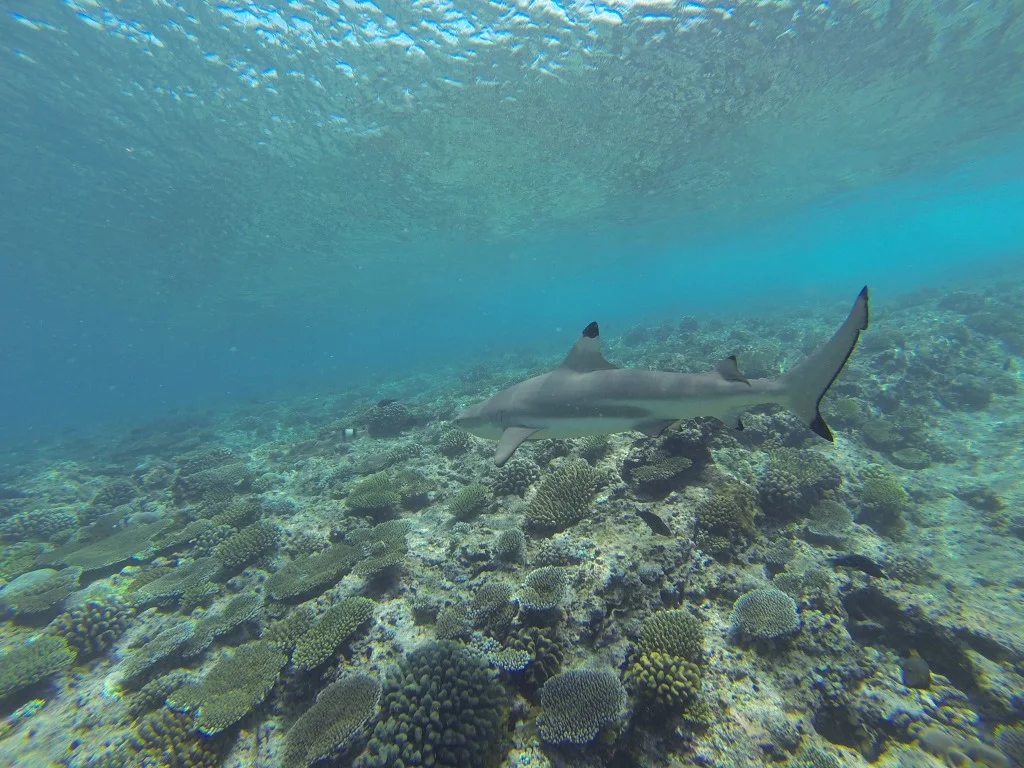
You'll spot bryozoans, feather stars, and sea cucumbers adorning the reef. Fish species include Bank steenbras, Redfingers, and Two-tone fingerfin.
Hottentot, Chubby clingfish, and Klipfish are commonly observed, often tucked into the crevices. Keep an eye out for various shy-sharks. On the sandy patches, look for grey starfish like Callopatiria formosa and the occasional Chubby clingfish (Apletodon pellegrini). Macro photography opportunities abound due to the density of sessile invertebrates.

Dive Sites Near Livingstone
View all dive sites in South AfricaDiscover more underwater gems in this area.
Dive Centers Near Livingstone
Today: 08:00 - 16:30

Nearest Airports
Nearest airports to help plan travel to this dive area.
Search Flights
Check available flights and routes on Expedia, using the nearby airports listed in this section.
Search Flights on ExpediaFrequently Asked Questions
What is the maximum depth at Livingstone Reef?
The maximum depth recorded at Livingstone Reef is approximately 23 m (75 ft) on the sand. Its highest pinnacle rises to about 14 meters.
Is a permit required to dive Livingstone Reef?
Yes, Livingstone Reef lies within the Boulders Restricted Zone of the Table Mountain National Park MPA. A permit is mandatory for diving at this site.
How far offshore is Livingstone Reef?
Livingstone Reef is an offshore site, approximately 6.1 km (3.8 miles) from Miller's Point slipway. It is not accessible by swimming from shore.
What kind of marine life can be seen?
Divers can expect to see a rich invertebrate cover, including gorgonian sea fans, anemones, and soft corals. Fish such as Bank steenbras, Redfingers, and various shy-sharks are also present.
Are there any special skills needed?
No special skills are explicitly required beyond appropriate certification for the depth. However, the ability to deploy a DSMB is highly recommended for diver safety.
What is the best way to access the dive site?
Access to Livingstone Reef is exclusively by boat due to its offshore location. Local dive operators typically arrange boat trips from nearby slipways like Miller's Point.
Planning to dive Livingstone?
Send one inquiry and receive offers directly from the best verified local dive operators.
Conditions are Poor
High Swell Advisory. Not recommended.
Current conditions near Livingstone show 13° air, 12° sea temperature, 2.2 m waves, and 48 km/h wind. Forecast data is refreshed regularly to ensure accuracy.