
Diving at Castor Rock (South Africa)
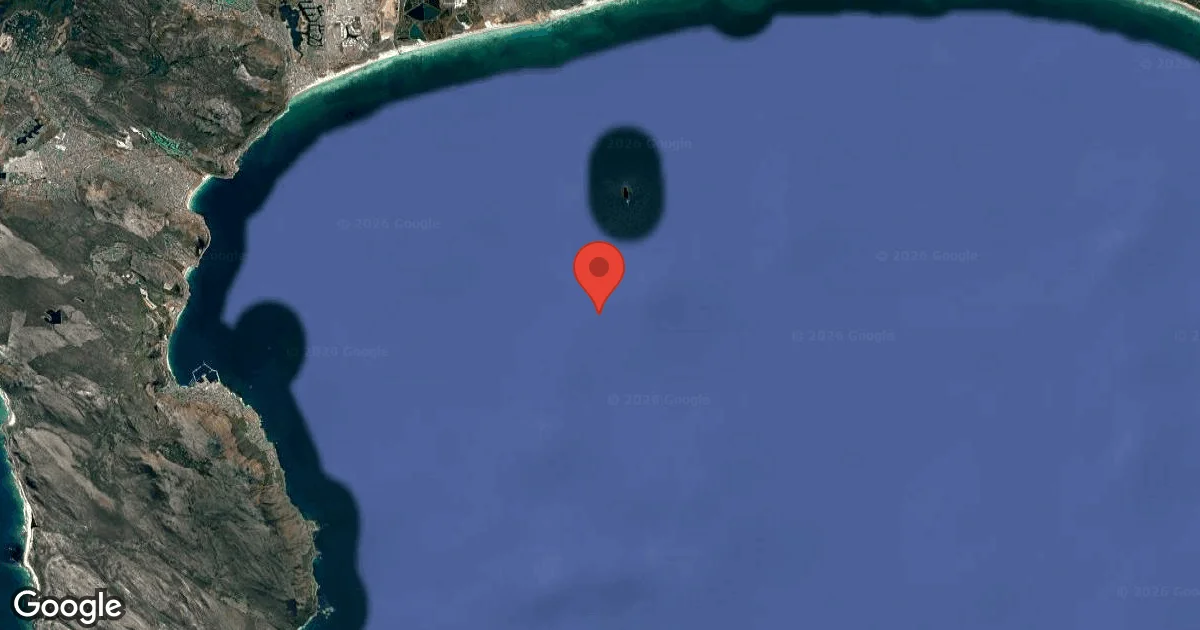
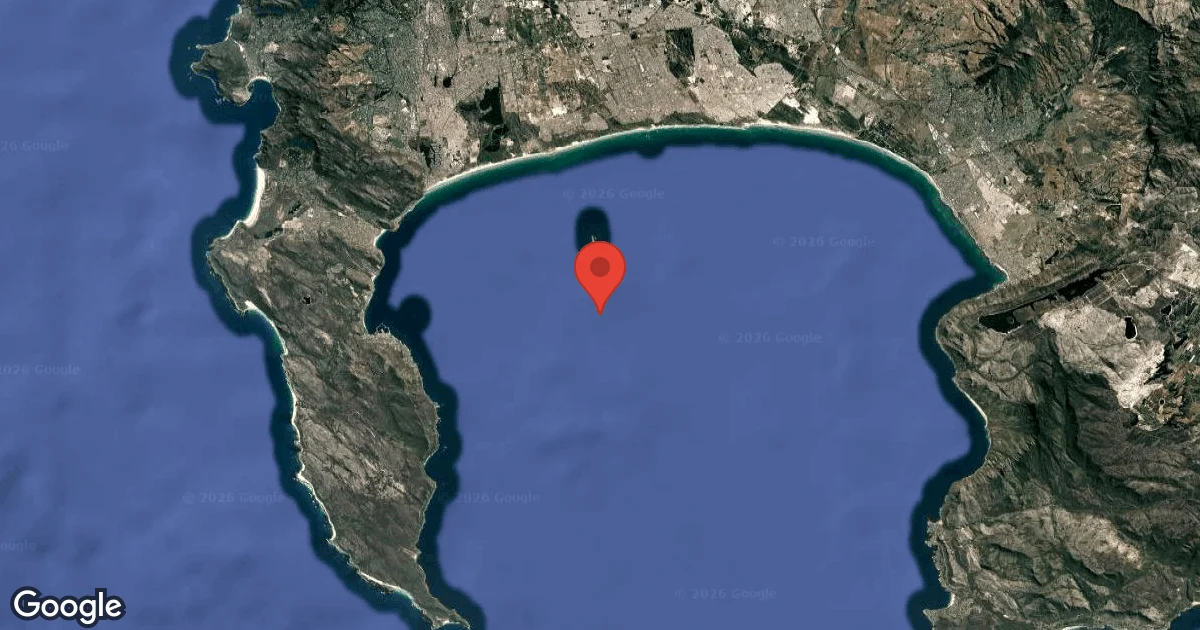
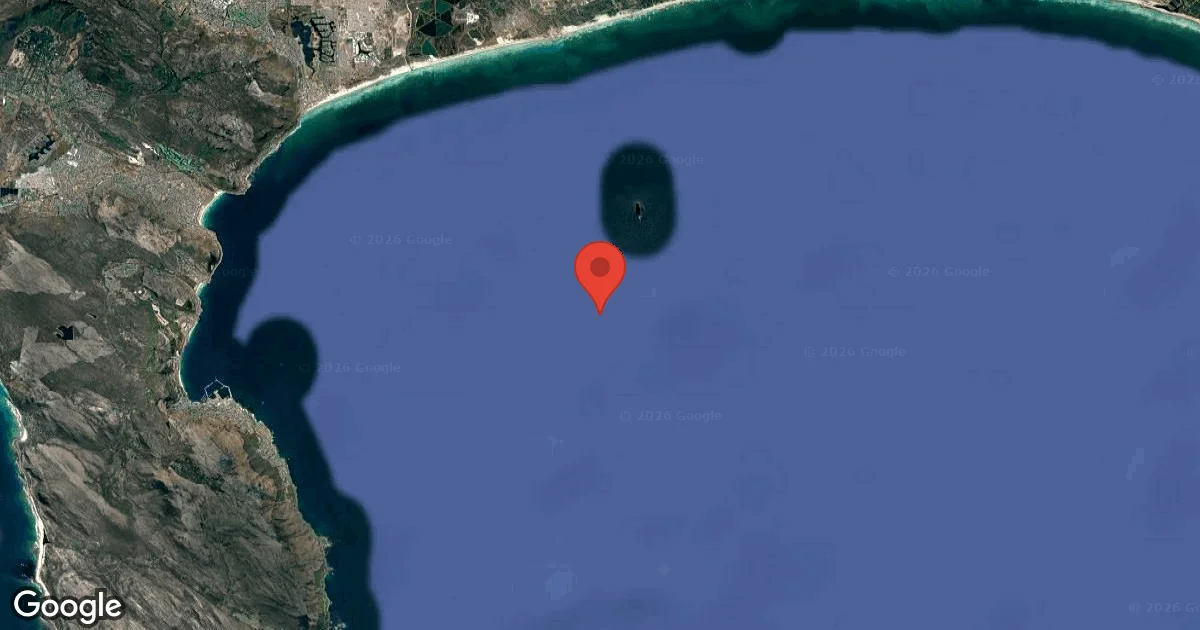
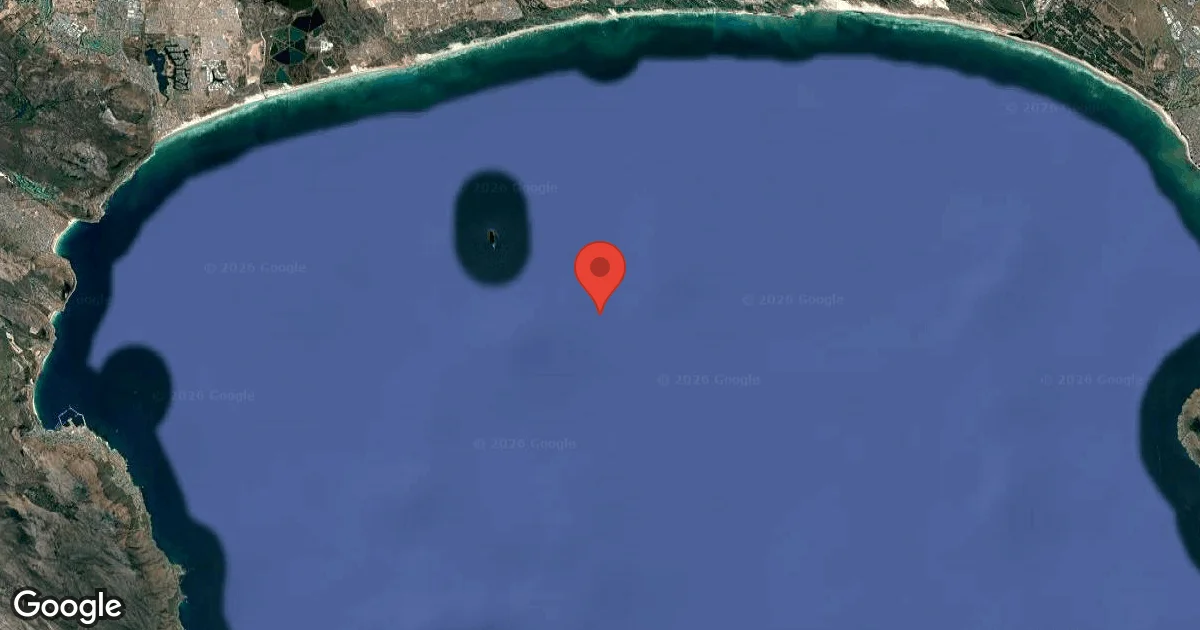
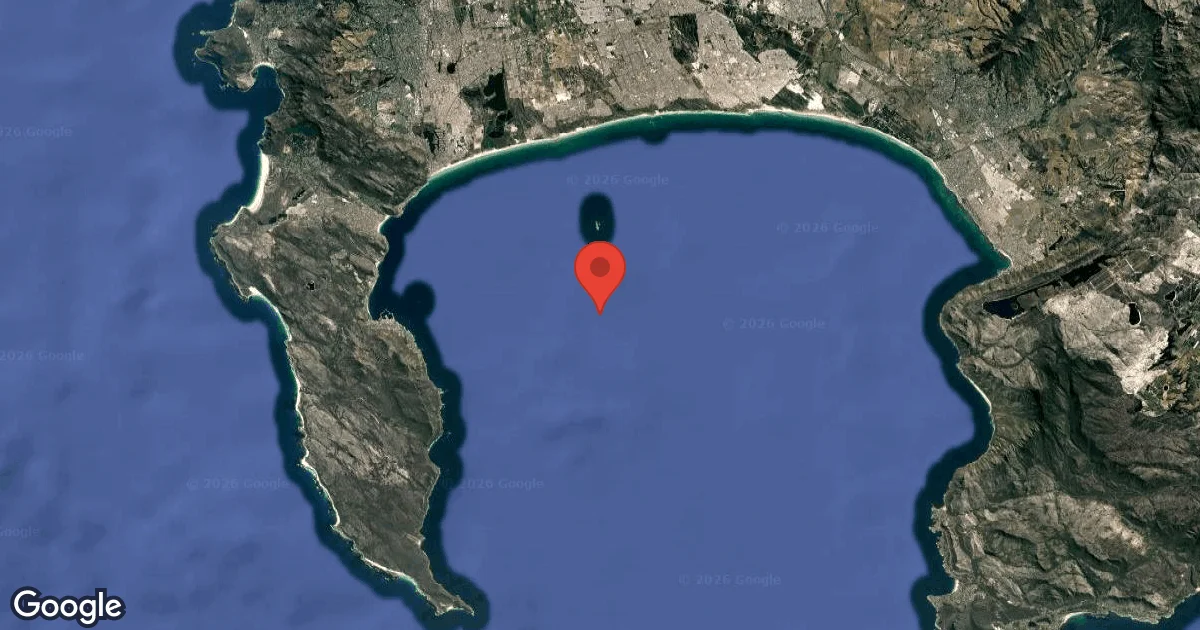
A submerged natural monument, Castor Rock lies off the Cape Peninsula in False Bay, South Africa. This extensive rocky reef serves as a historical marker on marine charts, its name denoting a significant offshore feature. Much like an ancient, submerged structure, its granite formations have long stood against the currents, shaping the marine landscape around Simon's Bay. It guides divers to a rich underwater environment, hinting at the geological forces that sculpted this part of the coastline.
Starting the day at Castor Rock, the ambient air temperature is recorded at 13°C. Ongoing monitoring shows wave heights measuring 1.8 m. This data represents the current surface conditions for early activities.
Dive Site Location & Key Facts
Dive Site Overview
Castor Rock stands as a unique example of South Africa's vibrant temperate marine environment. This extensive granite reef system features a complex topography of moderate to low outcrops, punctuated by occasional high pinnacles and numerous gullies.
Maximum depths reach approximately 22 m (72 ft) to the north, with shallower sections around 7 m (23 ft) creating varied dive profiles. The reef is intricately divided by narrow sandy tongues, forming two distinct lobes. Its location near Simon's Bay provides a degree of shelter from southwesterly swell, contributing to more predictable conditions.
Although suitable for entry-level divers, its high-profile scenic areas and deep crevices offer enough interest for more experienced individuals. A permit is necessary for diving this site, as it falls within the Table Mountain National Park Marine Protected Area, often within the Boulders Restricted Zone.
Conditions are Moderate
High Swell Advisory. Not recommended.
Current conditions near Castor Rock show 13° air, 13° sea temperature, 2.0 m waves, and 42 km/h wind. Forecast data is refreshed regularly to ensure accuracy.
Best Time to Dive
Assessing the conditions for diving at Castor Rock reveals a distinct seasonal pattern. The period from January through April, and again in November and December, generally offers moderate diving conditions. Air temperatures during these months range from 16-19°C (61-66°F), with relatively lower rainfall, typically between 0.1 and 1.6 mm. Conversely, the cooler, wetter months from May to October present poorer diving scores; air temperatures drop to 13-16°C (55-61°F) and rainfall increases, reaching up to nearly 5 mm in July. Wind speeds remain consistently high throughout the year, usually between 32-42 km/h (20-26 mph). Water temperature data is not consistently reported for this specific location, but visibility can be good, though often characterized by False Bay's 'green' water.
PEAK SEASON SCORE
Scores combine air & water temps, waves, wind & rainfall for overall conditions.
BEST MONTHS TO DIVE
Monthly records compiled from satellite and marine observation nodes over the last 3 years. Data provided by Open-Meteo and MET Norway.
Dive Experience & Conditions
Descending into the waters around Castor Rock, divers encounter an extensive granite reef marked by diverse geological features. While the maximum depth reaches the low twenty-meter range, higher points of the reef are found at significantly shallower depths. The topography includes a maze of scattered boulders, numerous pinnacles, small gullies, ridges, crevices, and even overhangs. Sandy bottom sections intermittently penetrate the reef, particularly between ridges, creating a complex exploration environment. While the water temperature varies seasonally and isn't consistently reported, the site generally enjoys protection from southwesterly swell, contributing to more stable conditions. Visibility is often comparable to Roman Rock, meaning it can be quite good for False Bay, though the water may retain a green tint, characteristic of the region. This makes navigation through the reef's varied structures an engaging experience for divers of most skill levels.
Dive Difficulty & Safety Guidelines
Approaching Castor Rock requires divers to understand specific regional regulations and general safety practices. This site is suitable for entry-level divers, given its relatively shallow highest points and sheltered position. Being part of the Table Mountain National Park Marine Protected Area necessitates holding a valid permit for all diving activities.
Additionally, much of the site lies within the Boulders Restricted Zone, reinforcing the need to respect marine life and the environment. Prudent dive planning should account for variable visibility and the potential for currents, though the site is relatively sheltered.
Always dive within your certified limits and carry appropriate safety equipment, particularly given the offshore nature of the location.
Recommended Equipment
- Dive Computer
This gear list is based on verified equipment signals for Castor Rock, South Africa. Always confirm final gear choices with your dive operator, guide, or liveaboard.
Recommended Dive Suit
In these water temperatures, 7mm wetsuit or semidry is a common choice for recreational diving. Consider warmer surface protection (like a boat coat) due to brisk winds. A thermal robe or jacket is recommended between dives. Longer dive profiles can make thermal protection more important than short exploratory dives.
Conditions at Castor Rock currently place the water temperature near 13°C (56°F). Surface air temperatures are resting at 13°C (55°F).
Temperatures look set to gradually increase over the next several days. A warming trend is expected over the next few days.
Emergency & Medical Support
Essential information to help you plan your dive trip to Castor Rock.

Hyperbaric chambers are a critical part of dive safety infrastructure. Availability varies significantly by region, and not all dive areas have immediate access.
Before diving, it's recommended to:
- confirm nearest medical facilities
- check emergency procedures with local dive operators
- ensure dive insurance covers evacuation if required
Divers Alert Network
Diving emergency assistance available through DAN Southern Africa.
+27828106010- 24/7 emergency hotline
- Diving medical assistance
- Evacuation coordination
Emergency contacts are provided for reference. Always verify local emergency services before diving.
Marine Life at Castor Rock
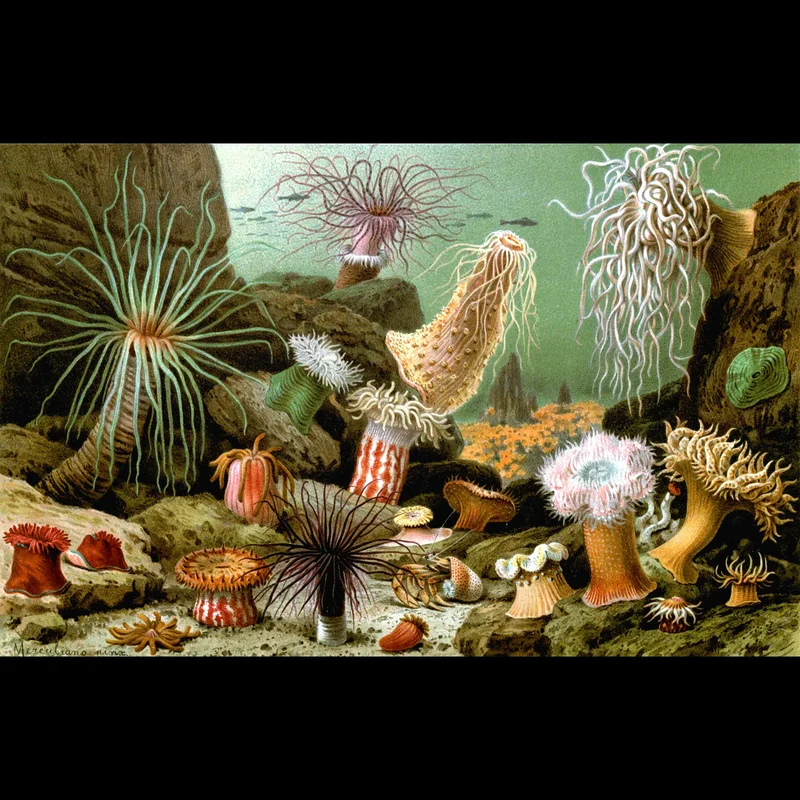
What often catches the eye first at Castor Rock is the profusion of invertebrate life across its rocky surfaces. Divers frequently observe handsome striped pyjama catsharks resting in crevices or swimming nearby, alongside sea cucumbers, urchins, anemones, sea squirts, and vibrant feather stars.
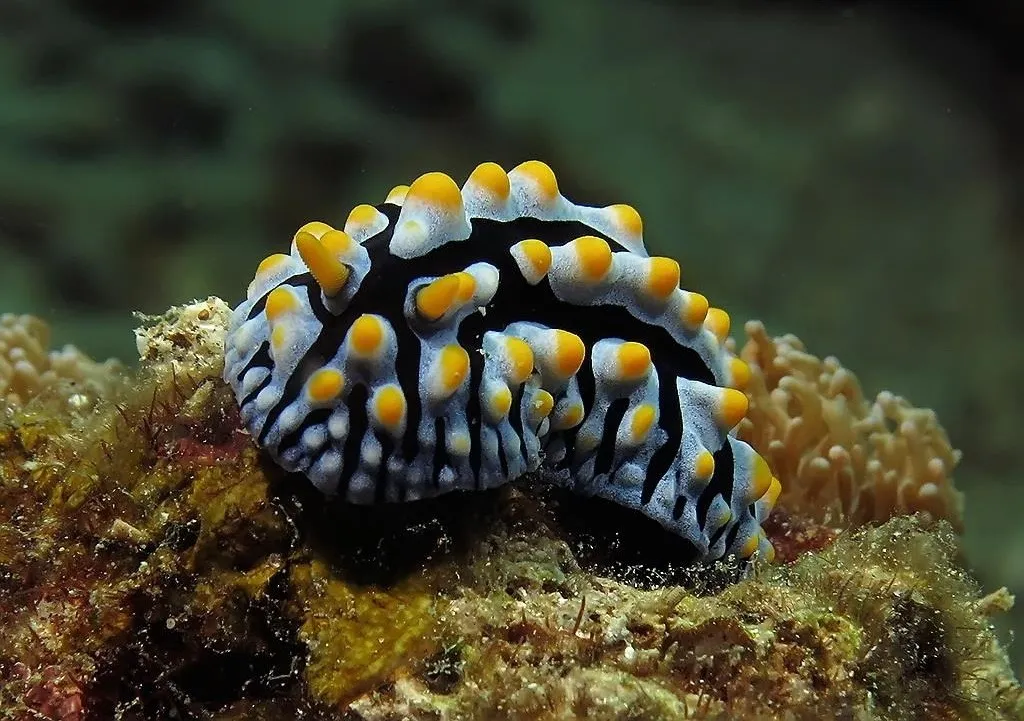
Nudibranch enthusiasts will appreciate the abundance of species like large silvertip nudibranchs and colorful gas flame nudibranchs. Shallower reef sections host shoals of Hottentot, Galjoen, Dassie, and Fransmadam, with smaller Bank Steenbras also present.
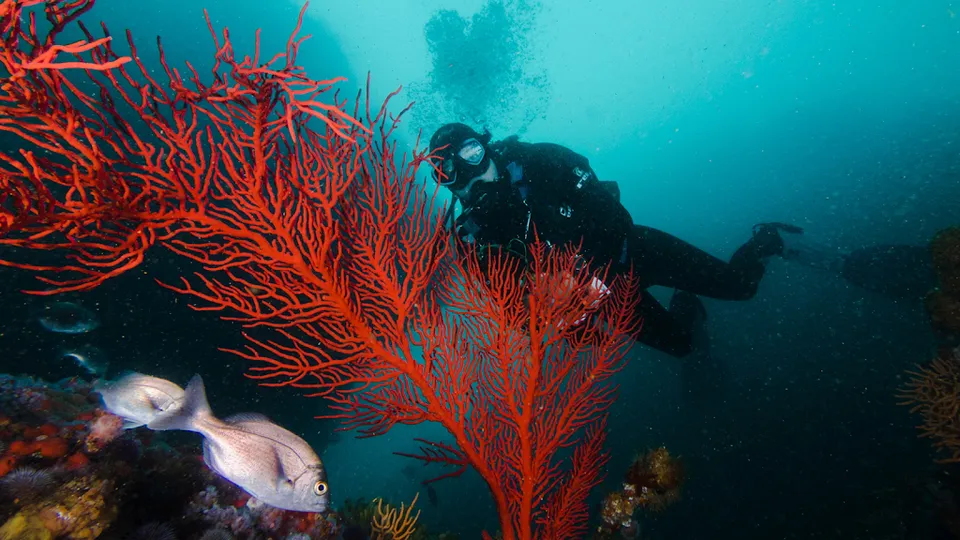
A night light sea jelly might greet divers at the start of a descent, and bright orange sea fans are commonly scattered across the reef.

Dive Sites Near Castor Rock
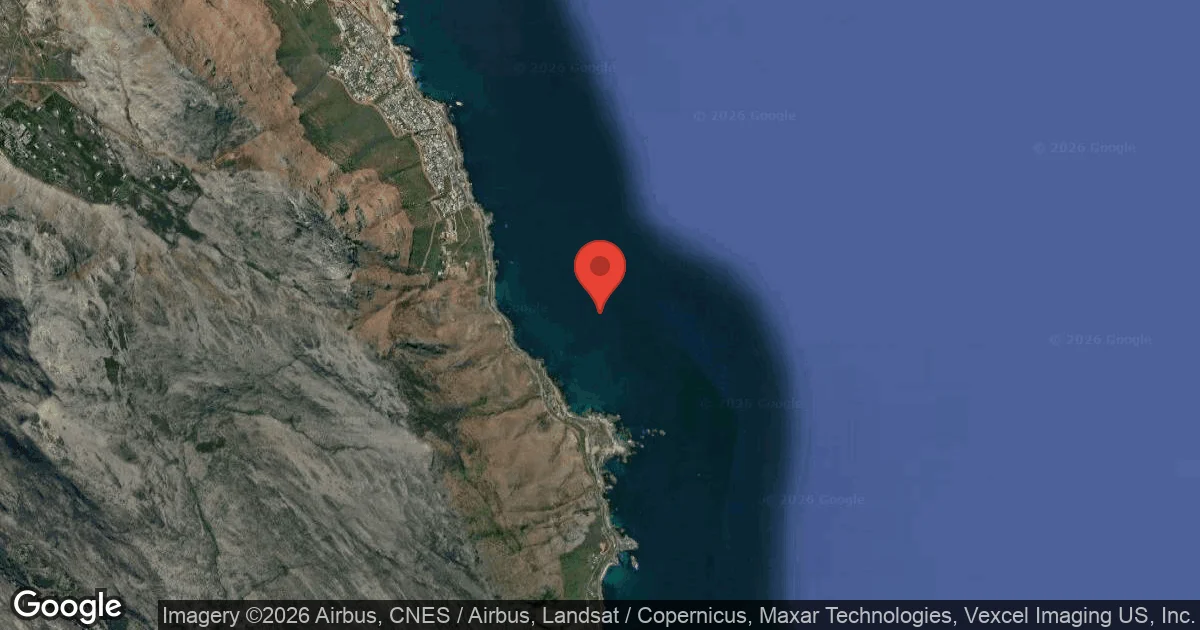
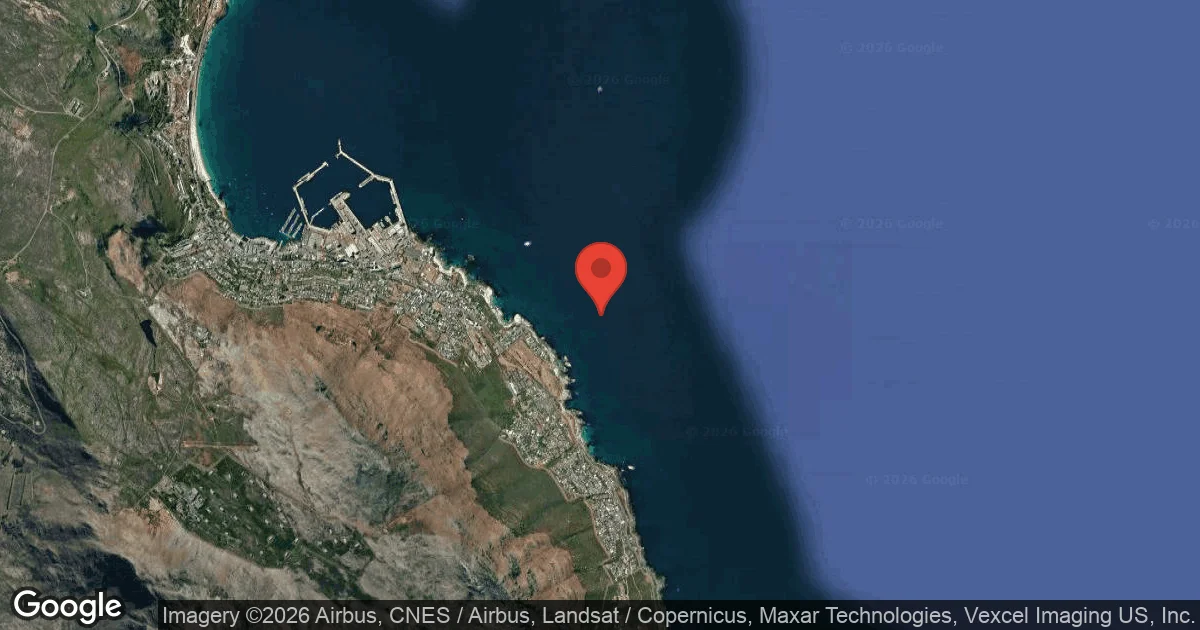
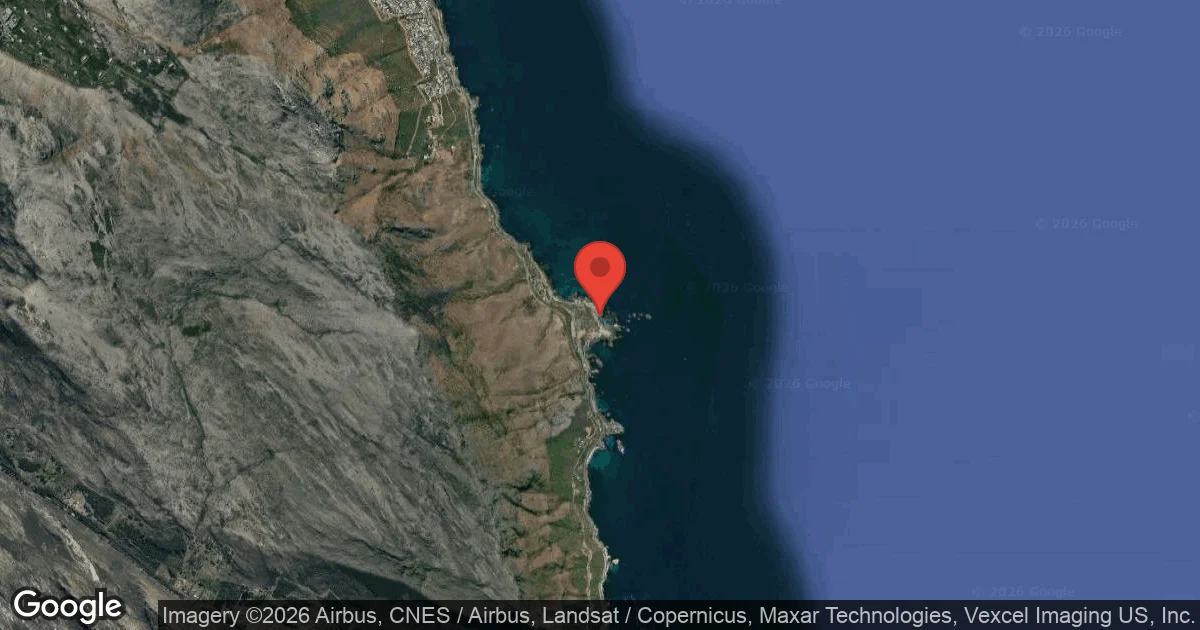
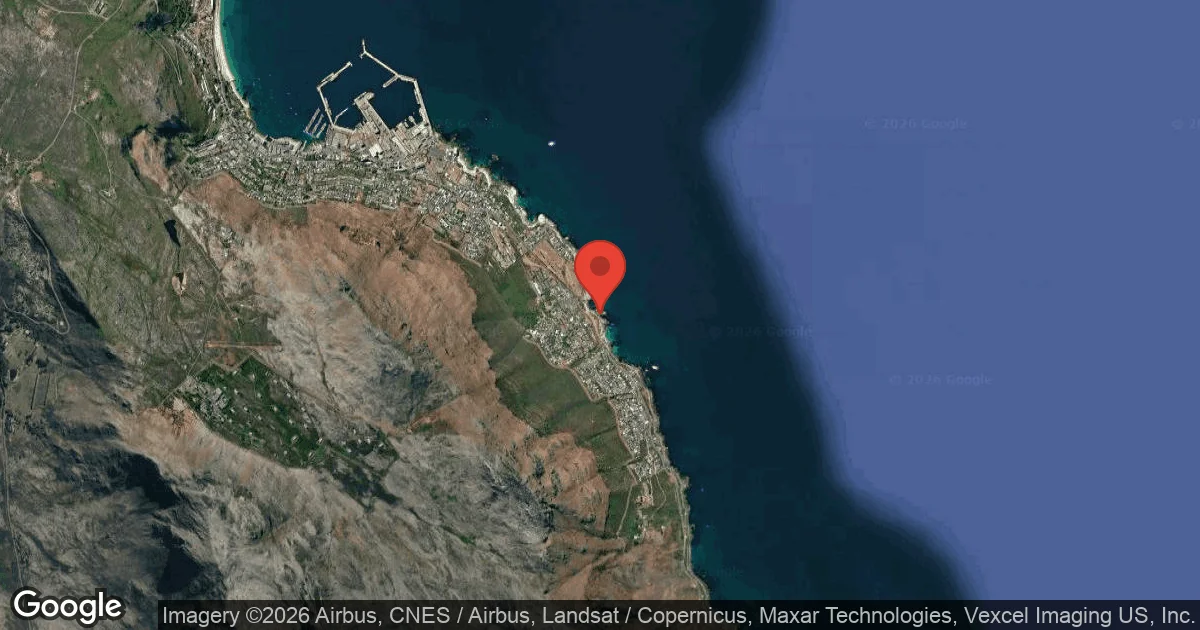
View all dive sites in South AfricaDiscover more underwater gems in this area.
Dive Centers Near Castor Rock
Today: 08:00 - 16:30

Nearest Airports
Nearest airports to help plan travel to this dive area.
Search Flights
Check available flights and routes on Expedia, using the nearby airports listed in this section.
Search Flights on ExpediaFrequently Asked Questions
What is the maximum depth at Castor Rock?
The maximum depth recorded at Castor Rock is approximately 22 m (72 ft) on its northern side. Shallower sections, including pinnacles, rise to about 7 meters, offering accessible reef exploration.
Is a permit required to dive here?
Yes, Castor Rock is located within the Table Mountain National Park Marine Protected Area. All divers must possess a valid permit to dive this site.
What type of topography can I expect?
Divers will explore an extensive granite reef featuring numerous pinnacles, gullies, ridges, boulders, and small crevices. The reef is also characterized by sandy tongues dividing its two main lobes.
What kind of marine life is commonly seen?
Expect to see pyjama catsharks, various nudibranchs like silvertips and gas flames, and a rich array of invertebrates. Shoals of reef fish such as Hottentot and Galjoen are also present, especially in shallower areas.
What are the best months for diving Castor Rock?
The months from January to April and then November to December generally offer more moderate diving conditions. These periods typically feature warmer air temperatures and less rainfall, despite consistent winds.
Is Castor Rock suitable for beginner divers?
Yes, Castor Rock is considered suitable for entry-level divers, particularly due to its relatively sheltered position and the presence of shallow, accessible reef sections. However, supervision is always recommended.
Planning to dive Castor Rock?
Send one inquiry and receive offers directly from the best verified local dive operators.
Conditions are Moderate
High Swell Advisory. Not recommended.
Current conditions near Castor Rock show 13° air, 13° sea temperature, 2.0 m waves, and 42 km/h wind. Forecast data is refreshed regularly to ensure accuracy.