
Diving at Tivoli Pinnacles (South Africa)
Tivoli Pinnacles offers a distinct dive experience in False Bay, standing apart from shallower, more wave-affected inshore sites. Its offshore location promises generally better visibility, contrasting with the often more turbid conditions closer to shore. A permit is required to dive this site, which is part of the Table Mountain National Park Marine Protected Area.
Tonight's objective overview for Tivoli Pinnacles shows an air temperature of 15.5°C. The measured surface conditions include wave heights around 2.3 m. This environmental data is logged for the close of the day.
Dive Site Location & Key Facts
Dive Site Overview
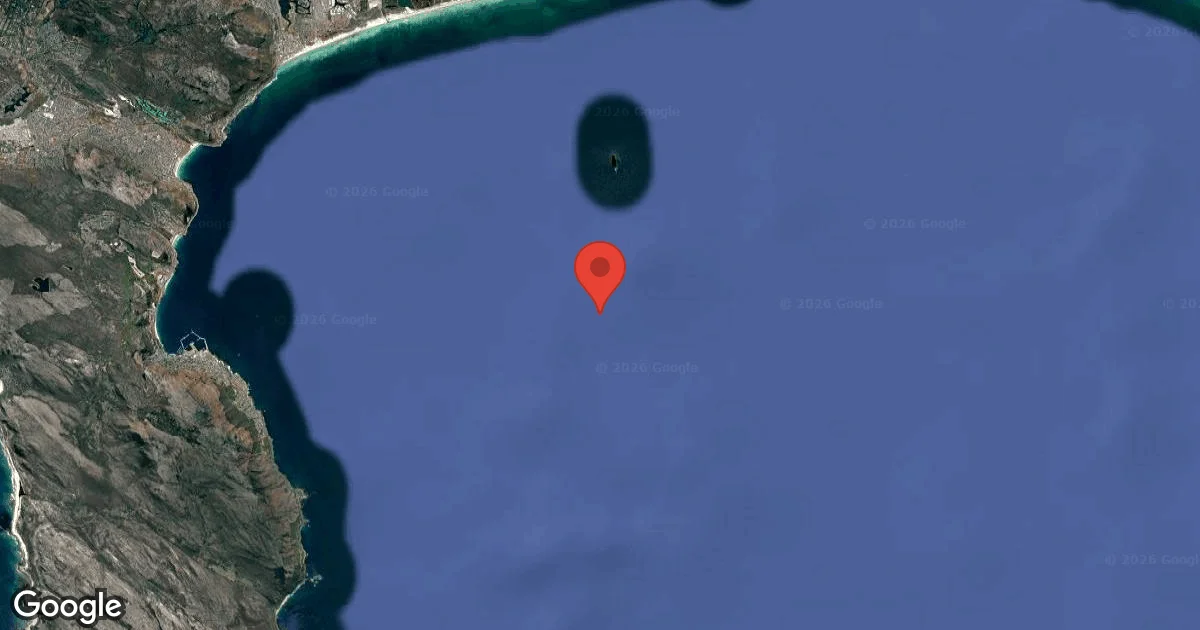
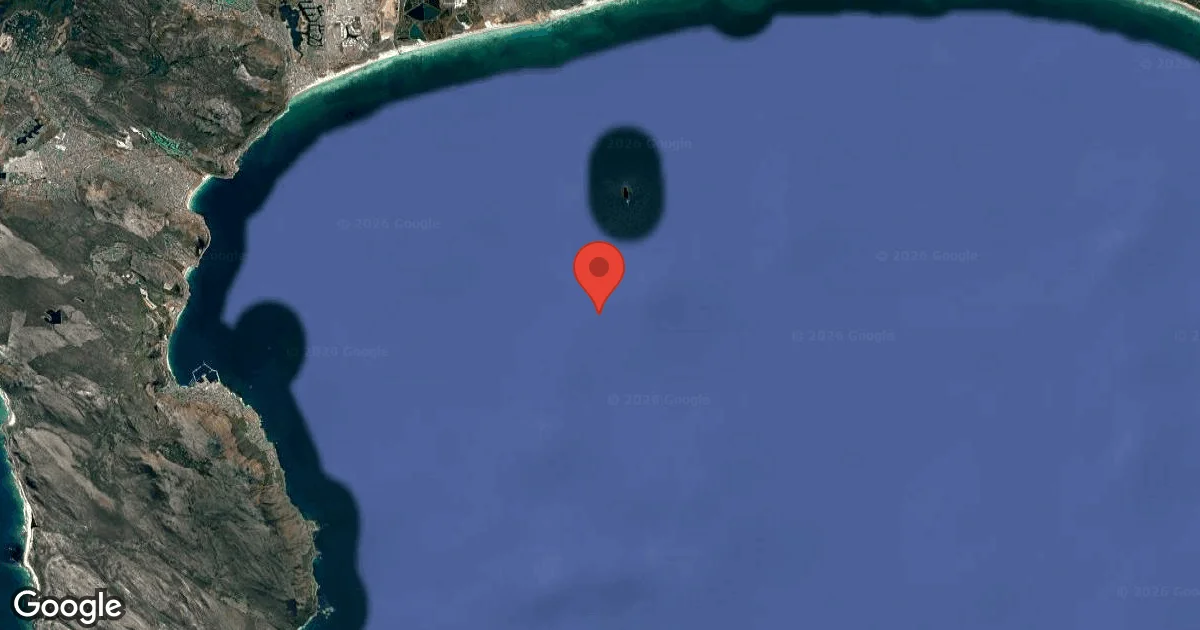
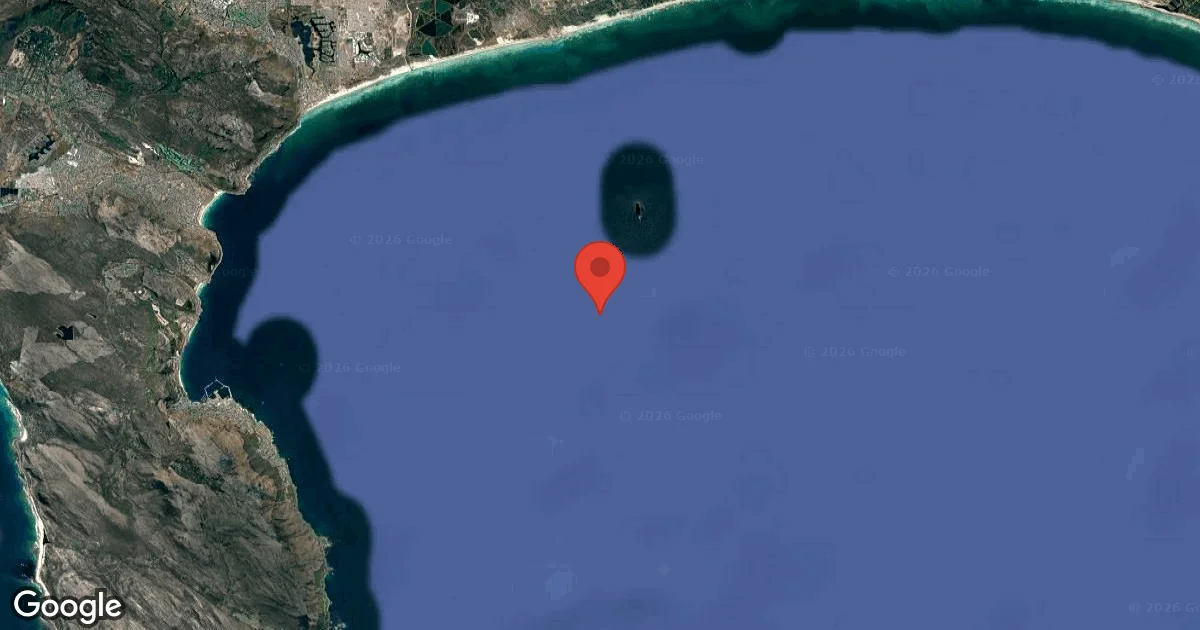
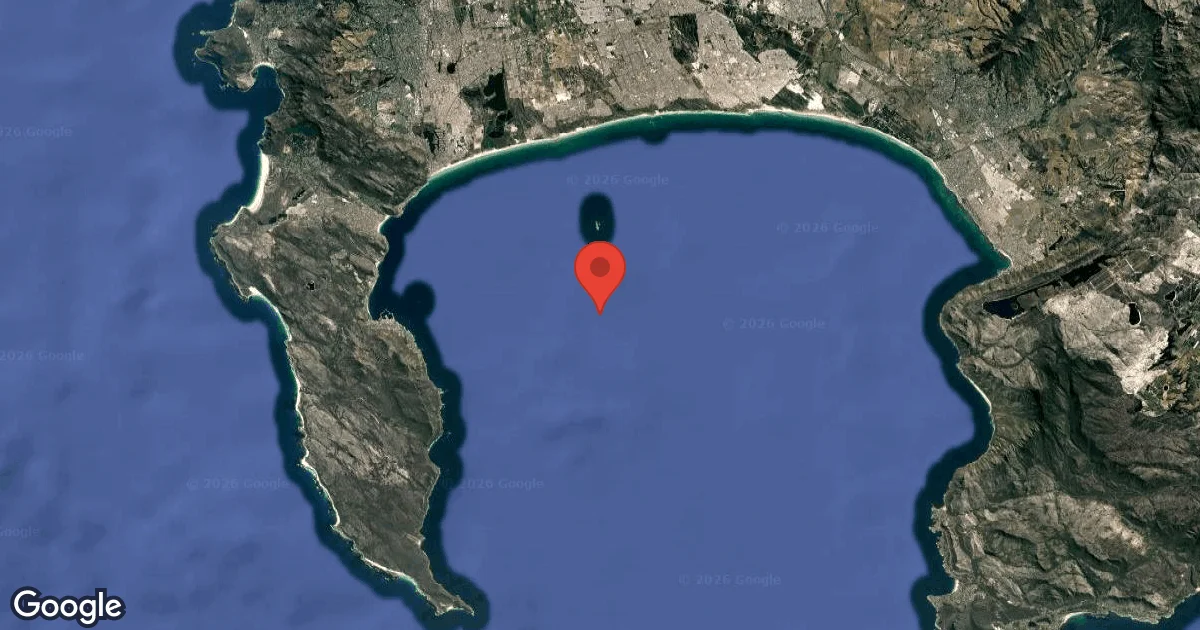
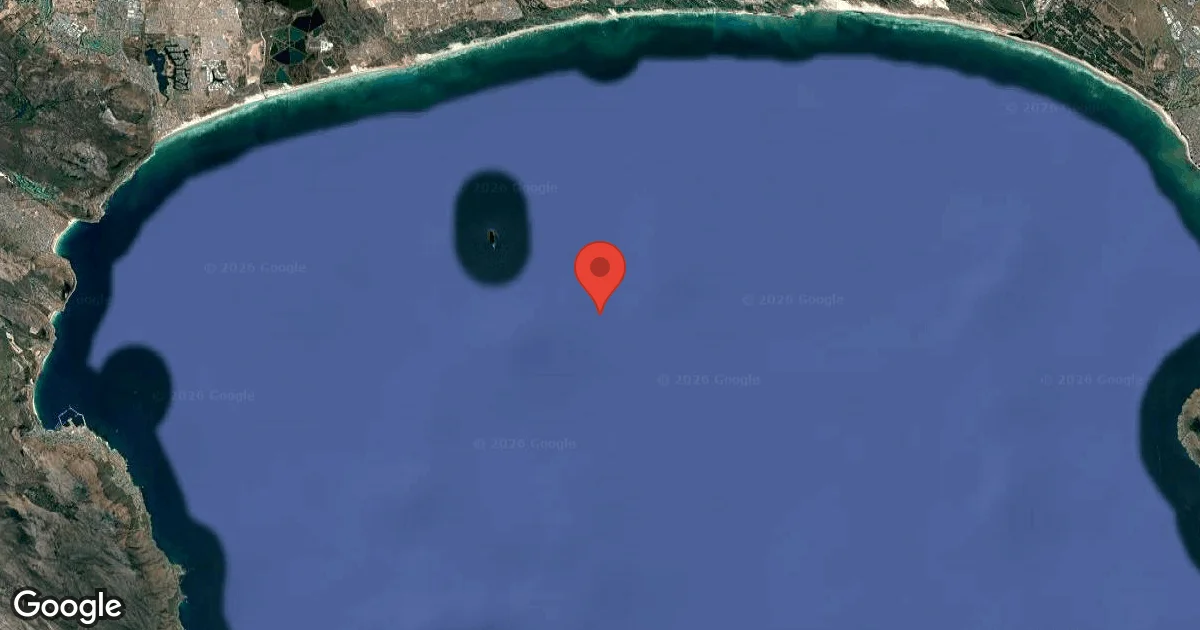
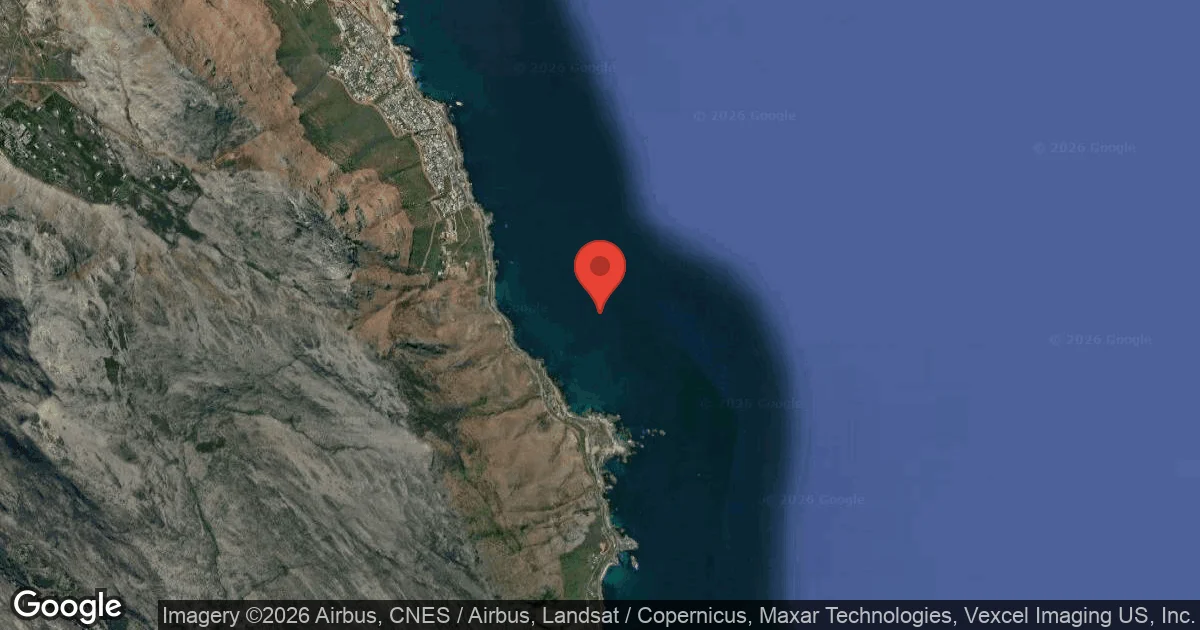
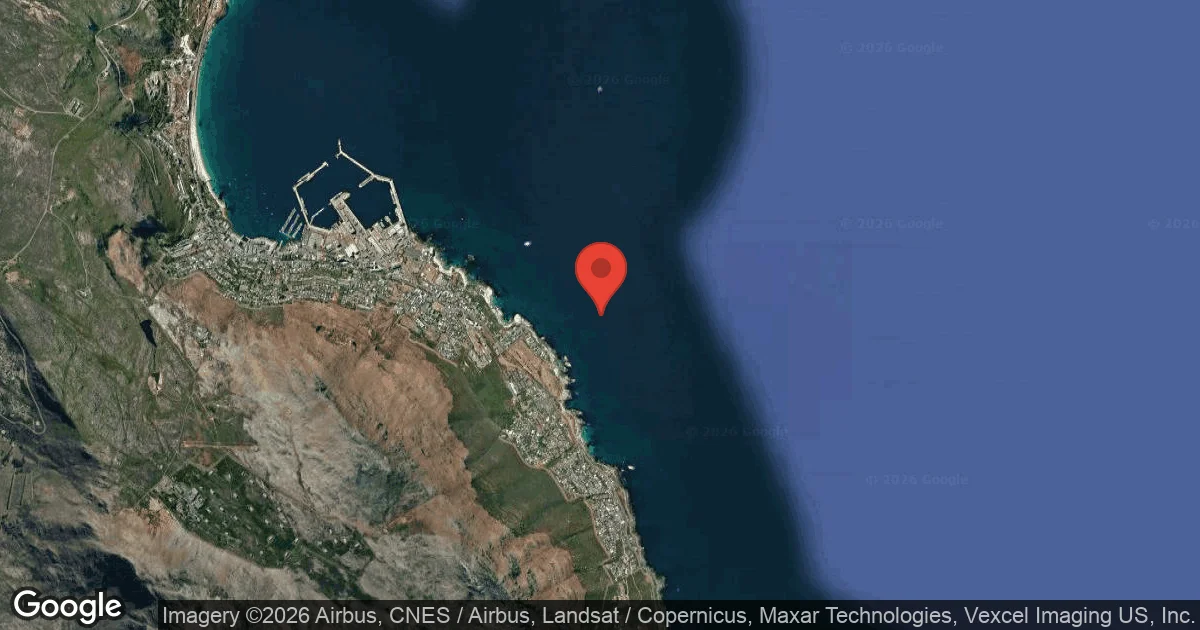
Tivoli Pinnacles presents a distinctive topography, characterized by a relatively long, narrow formation spanning approximately 190 meters long and 60 meters wide, with its main axis running roughly North-South (330° magnetic). This offshore rocky reef, part of the broader Roman Rock reef complex, is conveniently located for launches from Simon's Town, near the approach lanes for Simon’s Town Harbour.
Divers exploring the site will encounter a high-profile pinnacle group dominating the southern end, rising to a minimum depth of about 10 m (33 ft), while a smaller, lower group marks the far north. Much of the surrounding area, especially between these southern and northern pinnacles, consists of low-profile corestone bedrock and boulders. The perimeter, particularly on the western side, appears quite broken, creating numerous nooks and crannies, ideal for macro life.
Maximum depth on the sand to the south reaches approximately 22 m (72 ft). Other extensive reefs of similar geology and ecology, such as Castor Rock to the north and Rambler Rock to the east and southeast, contribute to the rich underwater landscape in this part of False Bay.
Drifting with the current along the reef often provides ample opportunity to observe the diverse structure, which transitions from pinnacles to a more low, rocky relief away from the main structures.
Conditions are Poor
High Swell Advisory. Not recommended.
Current conditions near Tivoli Pinnacles show 15° air, 13° sea temperature, 2.2 m waves, and 51 km/h wind. Forecast data is refreshed regularly to ensure accuracy.
Best Time to Dive
Planning a dive at Tivoli Pinnacles requires considering the seasonal variations in weather patterns, contrasting significantly from the stable conditions sometimes found in tropical regions. The average air temperatures here fluctuate, ranging from about 14°C (57°F) in July to 19.5°C (67°F) in January and February. Rainfall is generally low through much of the year, with a slight increase during winter months, peaking around 4.98 mm (0.2 inches) in July. Wave heights tend to be higher in winter, reaching averages of 2.6 m (8.5 ft) in July, which can impact dive accessibility. Wind speeds also exhibit variability, typically between 32-42 km/h (20-26 mph). For more favorable conditions, often calmer surface conditions prevail outside the peak winter months, making spring and autumn potentially more comfortable for boat access. Diver perceptions of "best time" will depend on tolerance for cooler air and choppier seas, as water temperatures are not consistently reported but are known to be cool.
PEAK SEASON SCORE
Scores combine air & water temps, waves, wind & rainfall for overall conditions.
BEST MONTHS TO DIVE
Monthly records compiled from satellite and marine observation nodes over the last 3 years. Data provided by Open-Meteo and MET Norway.
Dive Experience & Conditions
Entering the water at Tivoli Pinnacles often brings a sense of expansive clarity compared to coastal sites. Visibility here can frequently be in the 6 to 10 meter range, potentially exceeding 15 meters on an exceptional day, as it's less affected by breaking waves. Descending onto the reef, divers will find the experience generally easy under calm conditions, allowing for ample time to examine the reef's diverse life. While a relatively constant depth away from the pinnacles can make navigation straightforward, currents may be present, influencing drift dive plans. This site's offshore location provides a distinct feeling of open ocean diving. Water temperatures are not consistently reported but are characteristic of the temperate False Bay, requiring appropriate thermal protection.
Dive Difficulty & Safety Guidelines
Ensuring a safe dive at Tivoli Pinnacles begins with proper preparation and adherence to local regulations. A permit is required to dive within this Marine Protected Area. While specific hazards aren't consistently reported in detail, offshore sites like this always carry the potential for variable currents, necessitating careful dive planning.
Carrying a DSMB (Delayed Surface Marker Buoy) is highly recommended, especially if planning to surface away from the shotline, to ensure surface visibility to the dive boat. Divers should be proficient in drift diving techniques if currents are expected, maintaining situational awareness throughout the dive. Always confirm local conditions with your dive operator prior to entry.
Recommended Equipment
- Dive Computer
This gear list is based on verified equipment signals for Tivoli Pinnacles, South Africa. Always confirm final gear choices with your dive operator, guide, or liveaboard.
Recommended Dive Suit
For dives of average duration, 7mm wetsuit or semidry usually provides sufficient protection from heat loss. Strong winds are present; please take strong precautions against rapid cooling during surface intervals. A thermal robe or jacket is recommended between dives.
Current readings at Tivoli Pinnacles show water temperatures near 13°C (55°F). Surface air temperatures are resting at 15°C (60°F).
Weather projections show fairly stable environmental conditions ahead.
Due to technical issues with our weather providers, live updates are temporarily delayed. The data above reflects the conditions at the time of the last successful fetch.
Emergency & Medical Support
Essential information to help you plan your dive trip to Tivoli Pinnacles.

Hyperbaric chambers are a critical part of dive safety infrastructure. Availability varies significantly by region, and not all dive areas have immediate access.
Before diving, it's recommended to:
- confirm nearest medical facilities
- check emergency procedures with local dive operators
- ensure dive insurance covers evacuation if required
Divers Alert Network
Diving emergency assistance available through DAN Southern Africa.
+27828106010- 24/7 emergency hotline
- Diving medical assistance
- Evacuation coordination
Emergency contacts are provided for reference. Always verify local emergency services before diving.
Marine Life at Tivoli Pinnacles
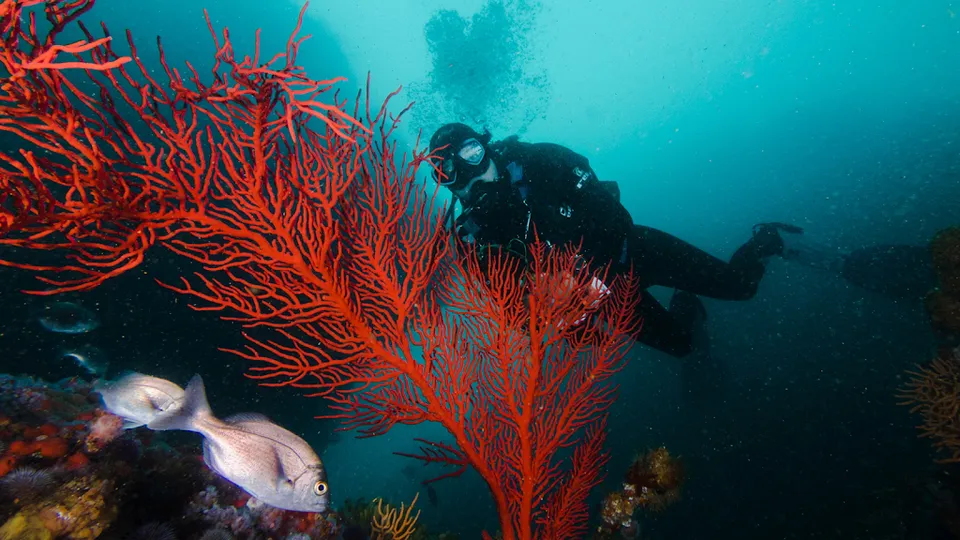
Observing the marine life at Tivoli Pinnacles reveals a vibrant ecosystem within the rocky formations. The northern pinnacles are particularly notable for housing large Bank Steenbras, sometimes observed in groups of up to four individuals.
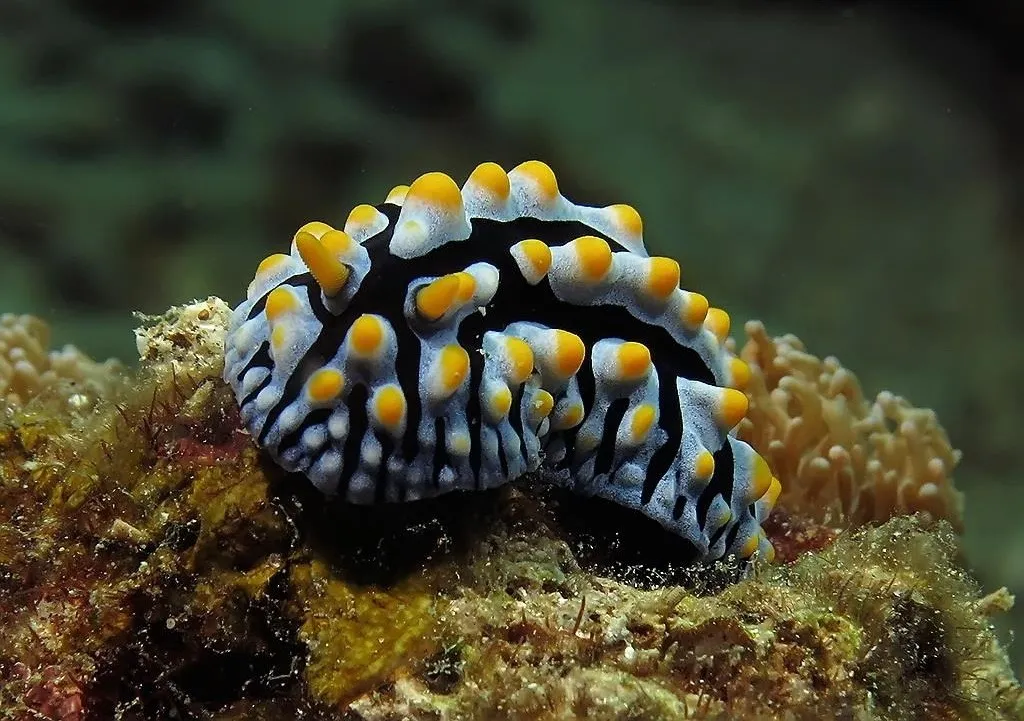
Descending towards the south pinnacle, divers can spot several large Roman fish making this area their home. Throughout the reef, an array of invertebrates thrives, including a wide variety of nudibranchs such as silvertip, crowned, and gas flame species.
Horsefish and evil eye puffer fish often hide in rocky crevices. Expect to see granular sea stars and fanworms adorning the reef structure, adding to the site's biological richness.
Dive Sites Near Tivoli Pinnacles
View all dive sites in South AfricaDiscover more underwater gems in this area.
Dive Centers Near Tivoli Pinnacles
Today: 08:00 - 16:30

Nearest Airports
Nearest airports to help plan travel to this dive area.
Search Flights
Check available flights and routes on Expedia, using the nearby airports listed in this section.
Search Flights on ExpediaFrequently Asked Questions
What is the maximum depth at Tivoli Pinnacles?
Maximum depth on the sand to the south reaches around 22 meters (72 ft). The main pinnacle itself rises to about 10 meters, offering a shallower top.
How is the visibility typically at this dive site?
Visibility at Tivoli Pinnacles generally surpasses inshore sites, often ranging from 6 to 10 meters. On exceptional days, it can exceed 15 meters.
Are there any specific marine life encounters commonly reported?
Divers frequently encounter large Bank Steenbras near the northern pinnacles and Roman fish at the southern pinnacle. Various nudibranch species, horsefish, and puffer fish also inhabit the reef.
Is a diving permit required for Tivoli Pinnacles?
Yes, Tivoli Pinnacles is located within a Marine Protected Area (Table Mountain National Park), and a permit is required to dive this site. Ensure you have the necessary documentation.
What is the general topography of the reef?
The site features a long, narrow reef structure with two distinct pinnacle groups, one high-profile to the south and a smaller one to the north. Between these, the terrain consists of low-profile bedrock and boulders.
What should I know about currents at Tivoli Pinnacles?
While conditions can be calm, currents may be present due to its offshore location. Planning for potential drift dives and carrying a DSMB for surface visibility is a good practice.
Why is it called Tivoli Pinnacles?
The name stems from Tivoli, a town in Italy east of Rome. Like its namesake, these pinnacles lie a short distance to the east of Roman Rock.
Planning to dive Tivoli Pinnacles?
Send one inquiry and receive offers directly from the best verified local dive operators.
Conditions are Poor
High Swell Advisory. Not recommended.
Current conditions near Tivoli Pinnacles show 15° air, 13° sea temperature, 2.2 m waves, and 51 km/h wind. Forecast data is refreshed regularly to ensure accuracy.