
Diving at Roman Rock (South Africa)
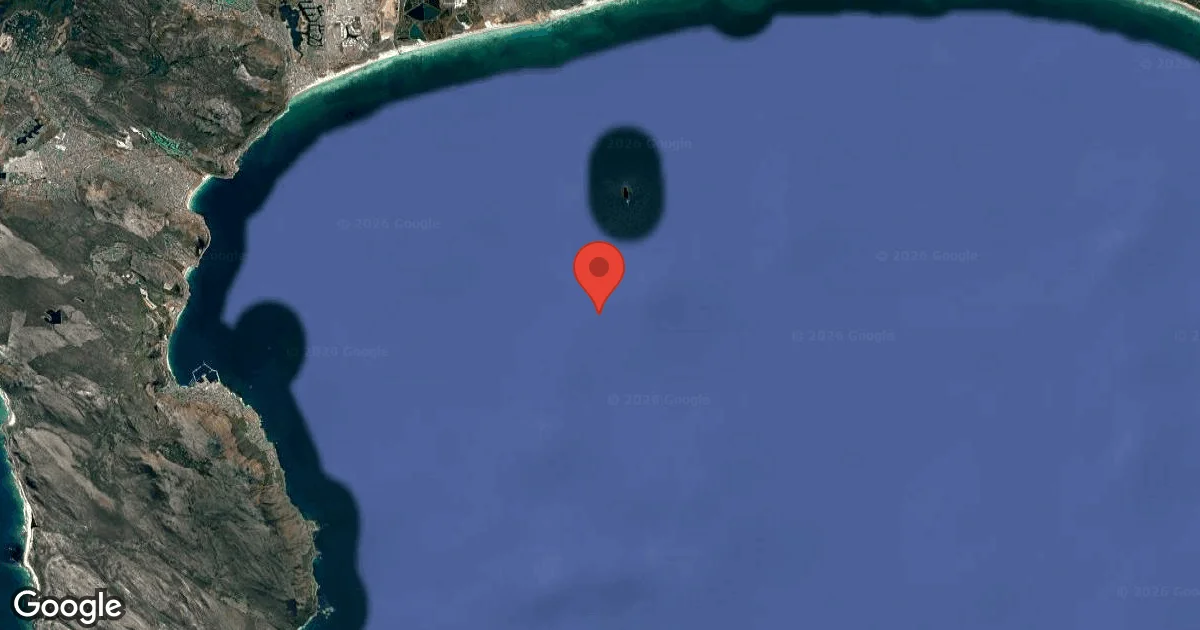
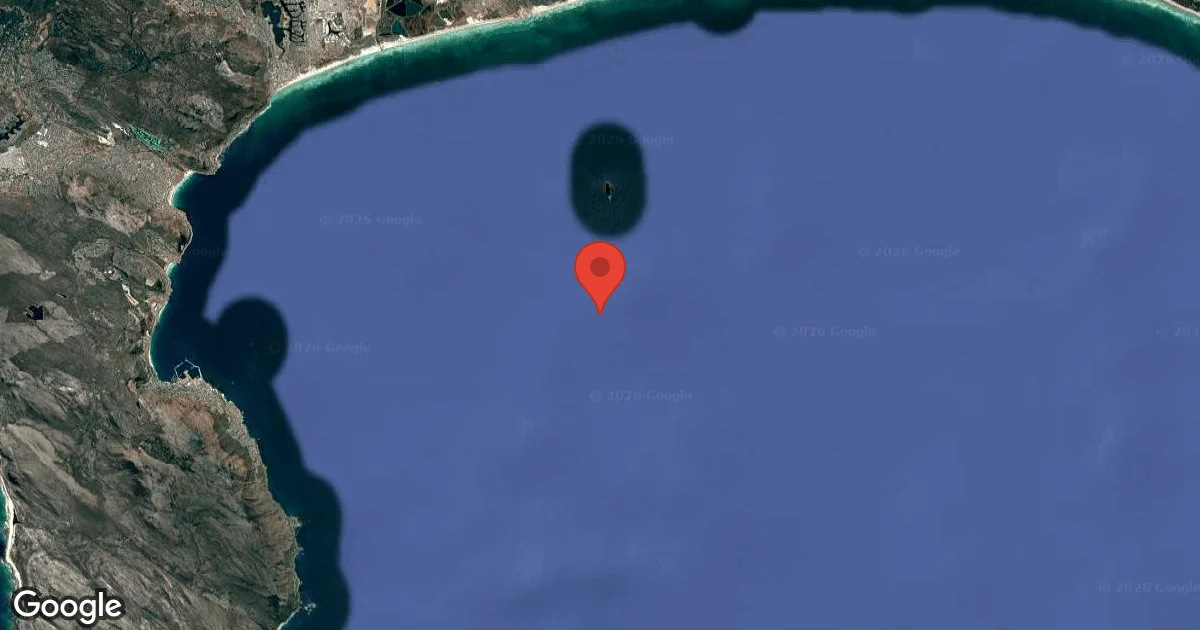
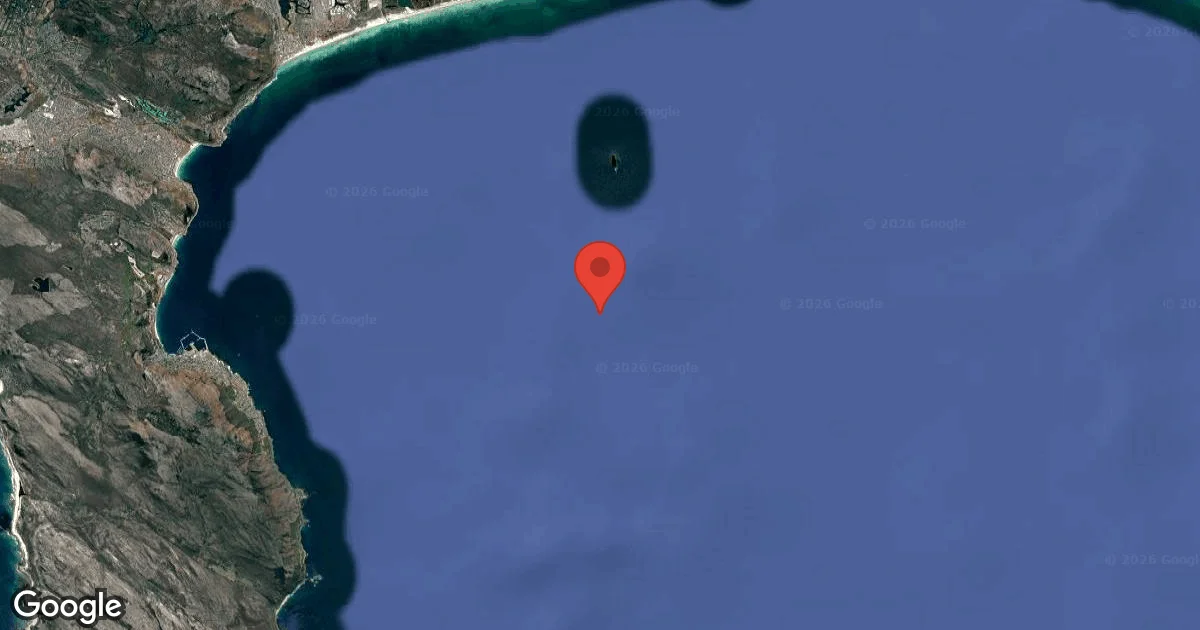
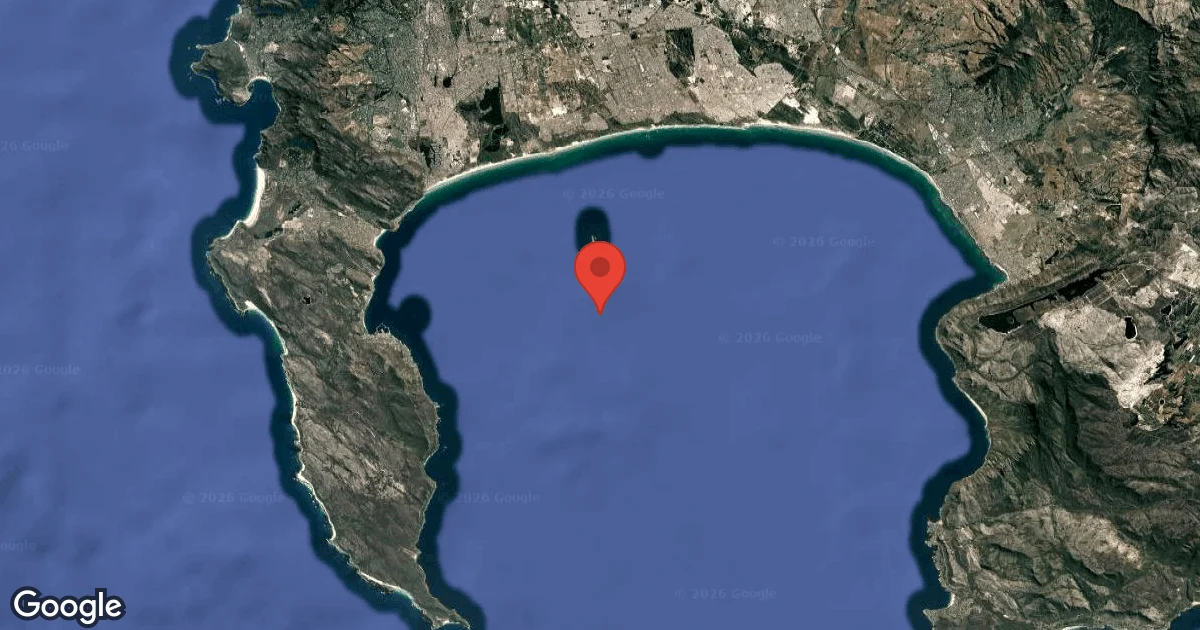
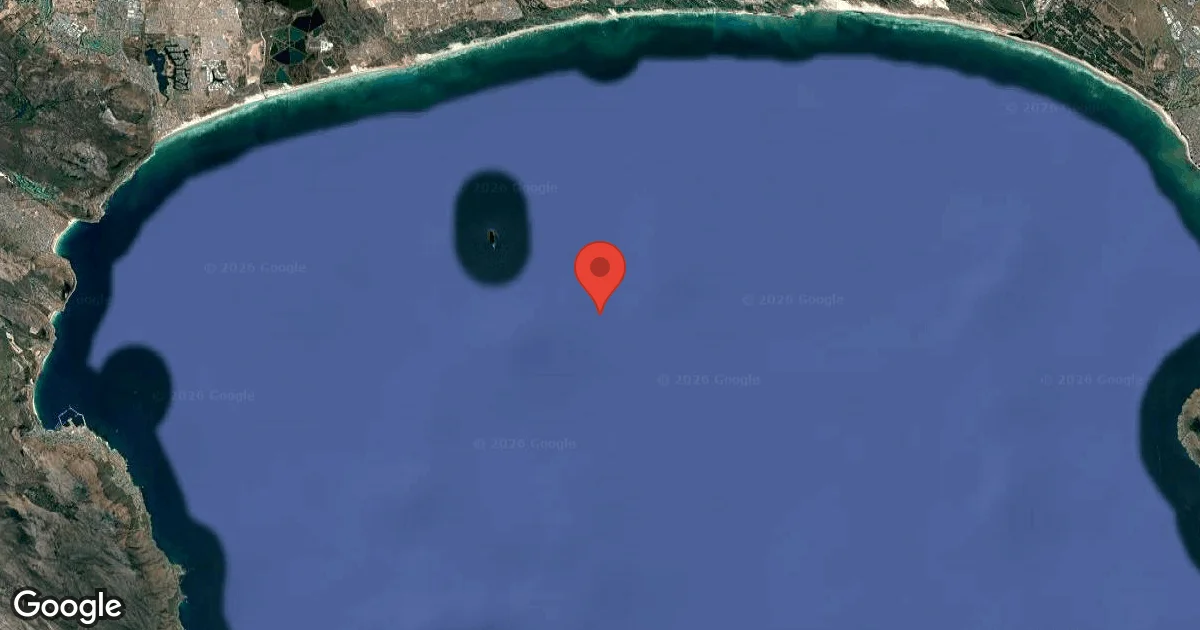
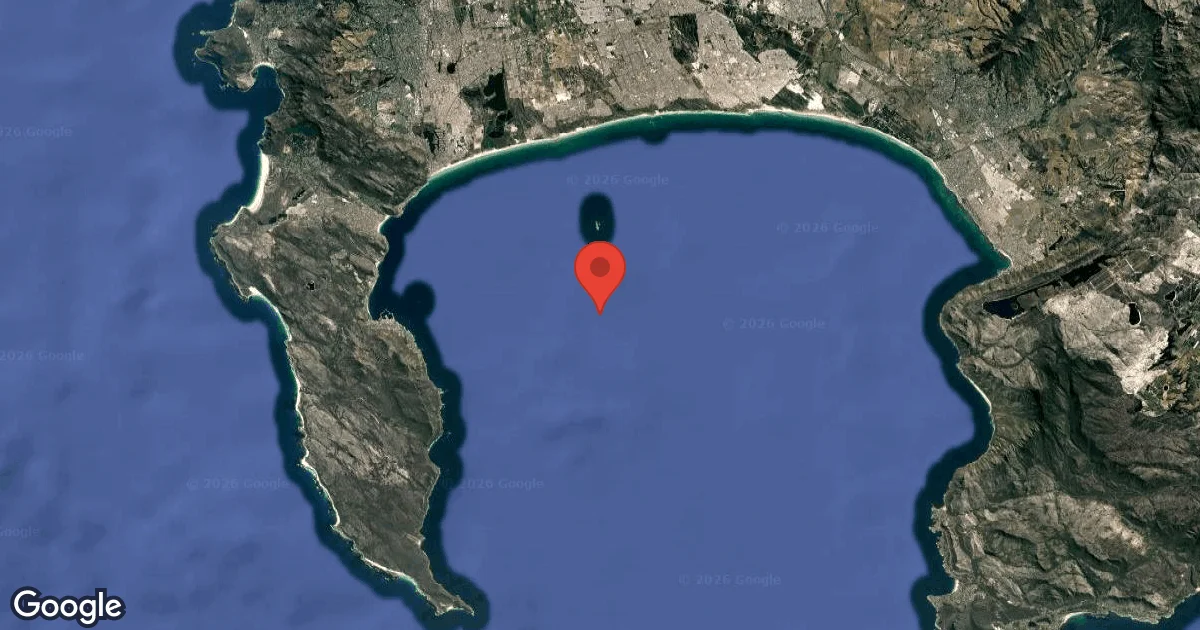
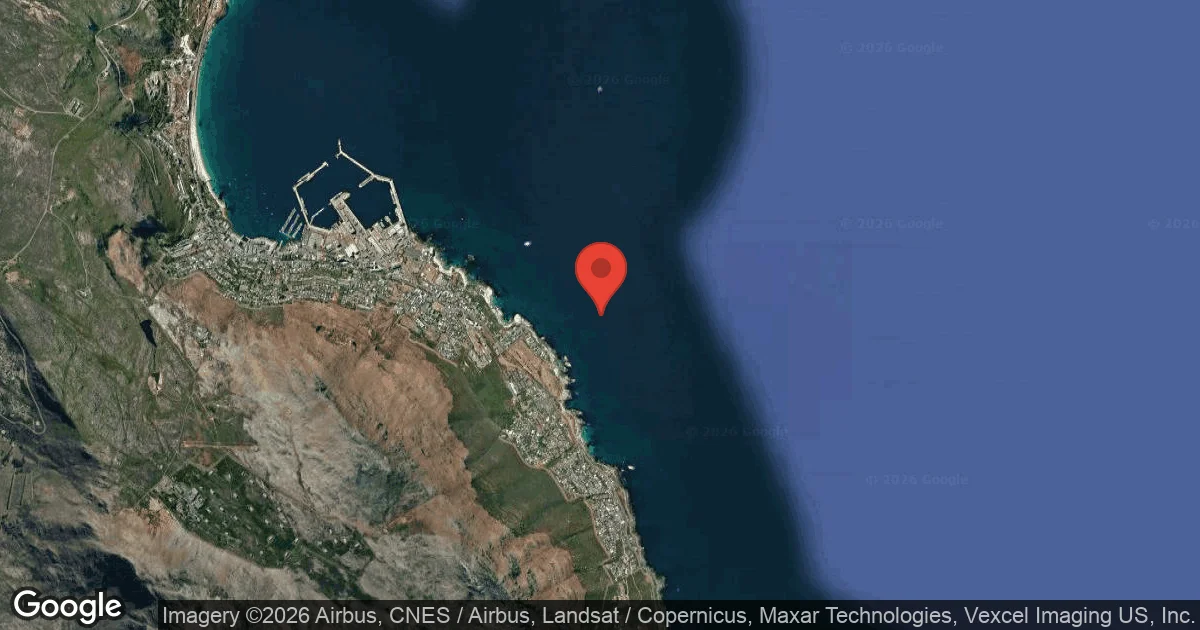
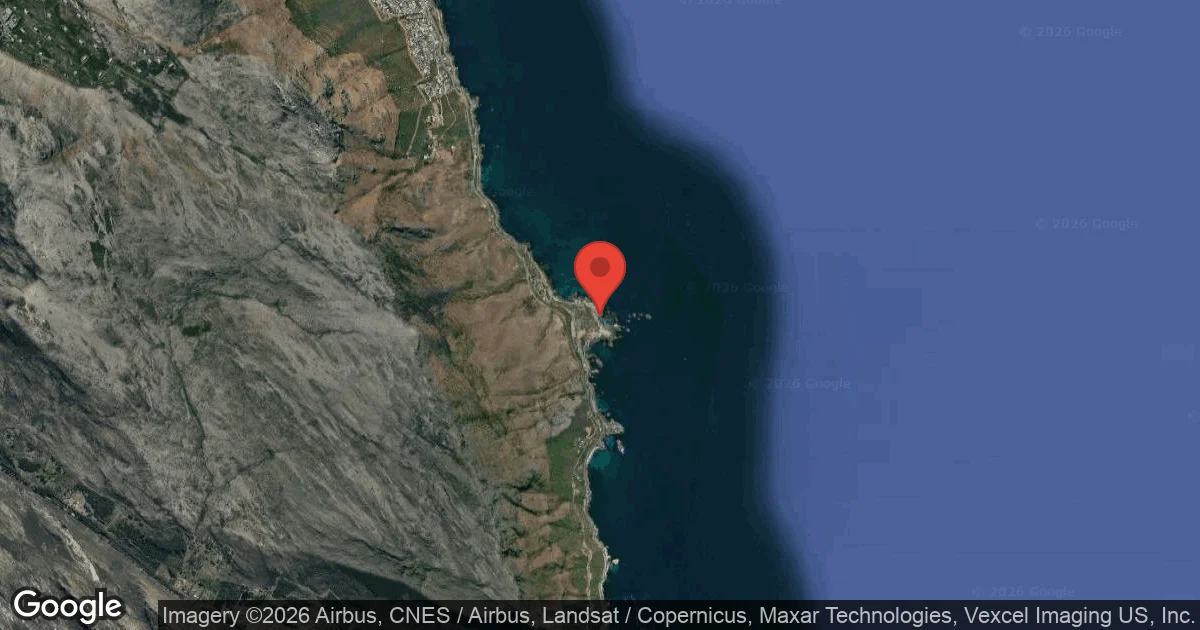
Roman Rock comprises an offshore rocky reef in the Simon's Bay area, within False Bay on the Cape Peninsula, near Cape Town, South Africa. An extensive granite reef complex, it descends to maximum depths of about 21 m (69 ft) on the surrounding sand, with reef sections breaking the surface. It functions as a prominent landmark, identified by its historic lighthouse.
Evening condition tracking at Roman Rock features an air temperature of 13.5°C. We have recorded wave heights measuring 2 m during this period. These figures outline the environmental parameters currently present.
Dive Site Location & Key Facts
Dive Site Overview
Approaching Roman Rock, divers encounter a significant, topographically rugged granite reef system. Its structure ranges from rocks exposed at the surface down to a sandy bottom, particularly to the south and east where deeper sections are found.
Explore more varied depths on the eastern side of the main reef, while its western section generally stays above 10 m (33 ft). Roman Rock earned its name from the endemic Roman seabream (Chrysoblephus laticeps), a reef fish frequently observed here. An iconic lighthouse, built in 1861 directly on the reef's surface, distinguishes this site from other similarly named locations.
Now fully automated, it aids navigation for mariners in False Bay. Several smaller outlying reef clusters exist, including Spider Crab Reef to the southwest and distinct northern and southern patches, offering additional exploration opportunities.
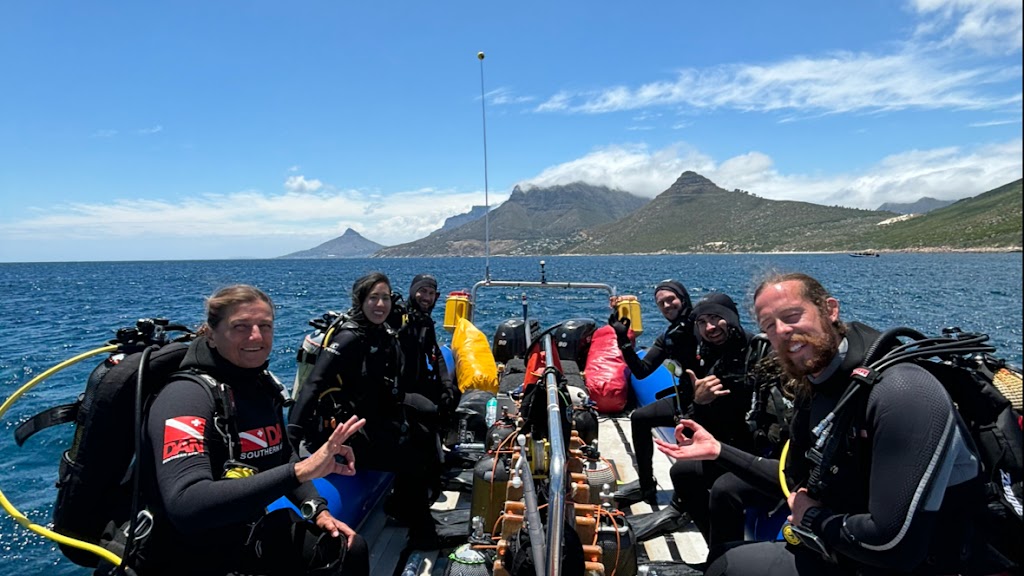
Local diving groups often launch from Simon's Town Harbour, continuing a tradition of easy access and popular use of the site.
Conditions are Moderate
High Swell Advisory. Not recommended.
Current conditions near Roman Rock show 14° air, 12° sea temperature, 2.2 m waves, and 42 km/h wind. Forecast data is refreshed regularly to ensure accuracy.
Best Time to Dive
To maximize your Roman Rock dive experience, consider planning trips during the warmer months from December through March. During this period, average air temperatures hover between 20-21°C (68-70°F), creating more comfortable surface conditions. Rainfall is typically low, ranging from 0.2 to 0.7 mm, which often contributes to better visibility underwater. Conversely, the cooler winter months of June and July see average air temperatures drop to 12-13°C (54-55°F) and significantly higher rainfall, reaching 3.8-4.0 mm, potentially impacting overall dive comfort and conditions. October and November also present moderate conditions, with air temperatures around 17-19°C (63-66°F) and minimal rain, offering an alternative window for enjoyable diving.
PEAK SEASON SCORE
Scores combine air & water temps, waves, wind & rainfall for overall conditions.
BEST MONTHS TO DIVE
Monthly records compiled from satellite and marine observation nodes over the last 3 years. Data provided by Open-Meteo and MET Norway.
Dive Experience & Conditions
The rugged granite reef system at Roman Rock offers significant topographical variation for divers. From exposed rocks and very shallow surface areas, depths transition into deeper sections, reaching around 21 m (69 ft) on the sand to the south and east. Divers find a more varied depth profile on the eastern part of the reef. The western section maintains a minimum depth of about 10 meters, with much of it deeper than 12 meters. A distinct gully, with a sandy bottom, opens to the south and nearly separates the western and eastern sections. Small-scale multilevel dives are feasible, allowing exploration of the varying depths and structures. Access to the site is by boat, typically from Simon's Town Harbour, providing substantial area for exploration.
Dive Difficulty & Safety Guidelines
Diving Roman Rock requires awareness of its status within the Table Mountain National Park Marine Protected Area, proclaimed in 2004. Divers must obtain a valid permit before entering this restricted zone. Always conduct thorough dive planning, including checking local weather and sea conditions, as exposed reefs can be susceptible to surface chop.
It's advisable to dive with experienced local operators who understand the site's specific characteristics and entry requirements. Maintain appropriate buoyancy control, particularly in shallower sections, to protect the diverse marine encrustations.
Recommended Equipment
- Dive Computer
This gear list is based on verified equipment signals for Roman Rock, South Africa. Always confirm final gear choices with your dive operator, guide, or liveaboard.
Recommended Dive Suit
Drysuit (strongly recommended) is often considered an appropriate level of exposure protection for conditions like these. Consider warmer surface protection (like a boat coat) due to brisk winds. A thermal robe or jacket is recommended between dives.
Divers planning a dive at Roman Rock today will likely encounter water temperatures close to 12°C (53°F). Surface air temperatures are resting at 14°C (56°F).
Environmental models indicate a modest warming trend ahead. A warming trend is expected over the next few days.
Due to technical issues with our weather providers, data hasn't been fetched for over 48 hours. The data above reflects the conditions at the time of the last successful fetch.
Emergency & Medical Support
Essential information to help you plan your dive trip to Roman Rock.

Hyperbaric chambers are a critical part of dive safety infrastructure. Availability varies significantly by region, and not all dive areas have immediate access.
Before diving, it's recommended to:
- confirm nearest medical facilities
- check emergency procedures with local dive operators
- ensure dive insurance covers evacuation if required
Divers Alert Network
Diving emergency assistance available through DAN Southern Africa.
+27828106010- 24/7 emergency hotline
- Diving medical assistance
- Evacuation coordination
Emergency contacts are provided for reference. Always verify local emergency services before diving.
Marine Life at Roman Rock
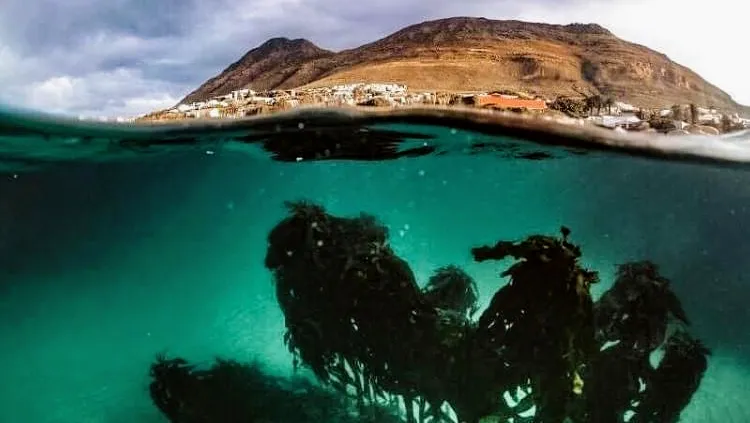
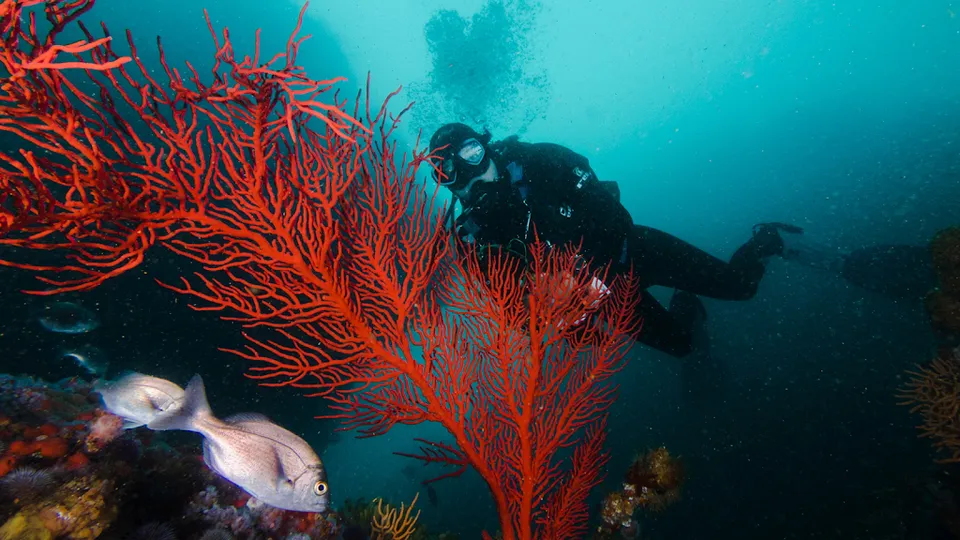
Marine life at Roman Rock thrives on rocks heavily encrusted with diverse organisms, varying by depth and orientation. A moderate variety of reef fish inhabit this granite reef, notably the endemic Roman seabream, which gives the site its name.
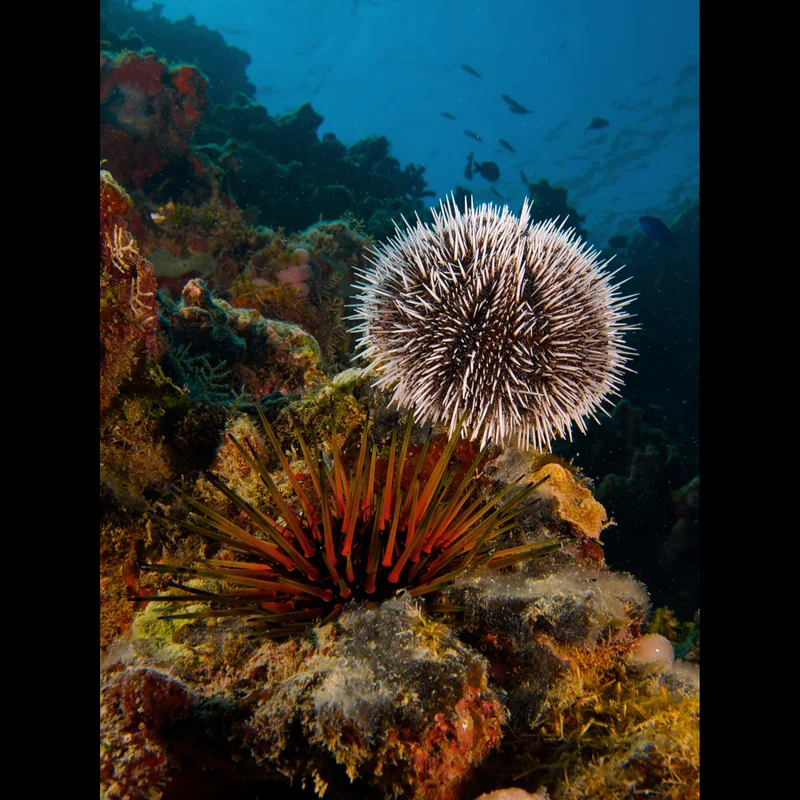
Echinoderms, like sea urchins and starfish, are a dominant presence across the reef. Invertebrate life is quite varied, creating a rich environment for macro observation.
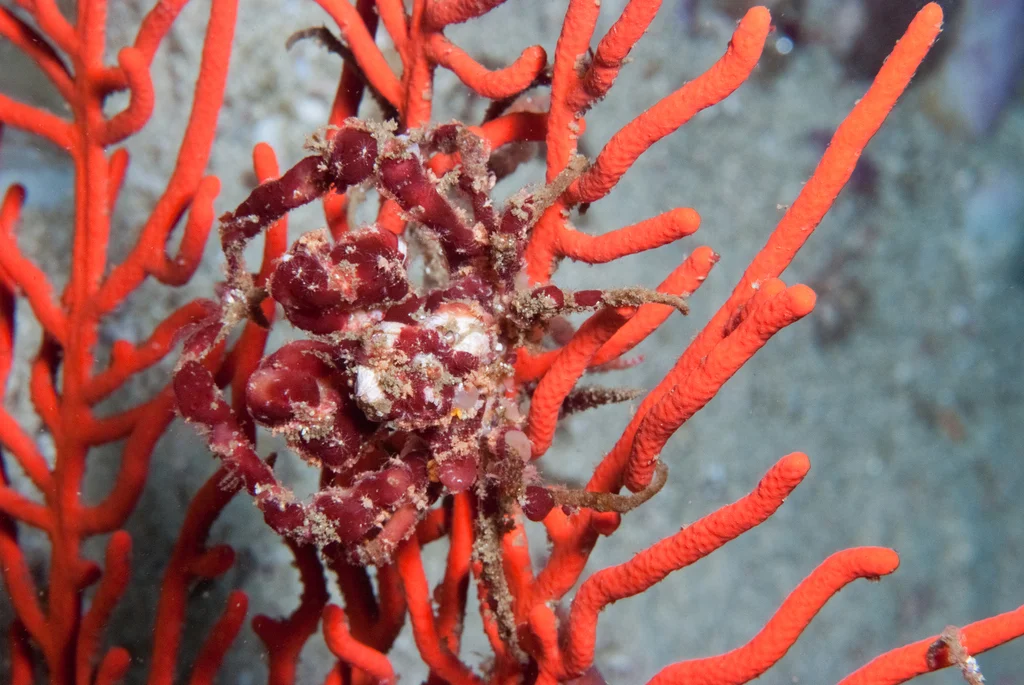
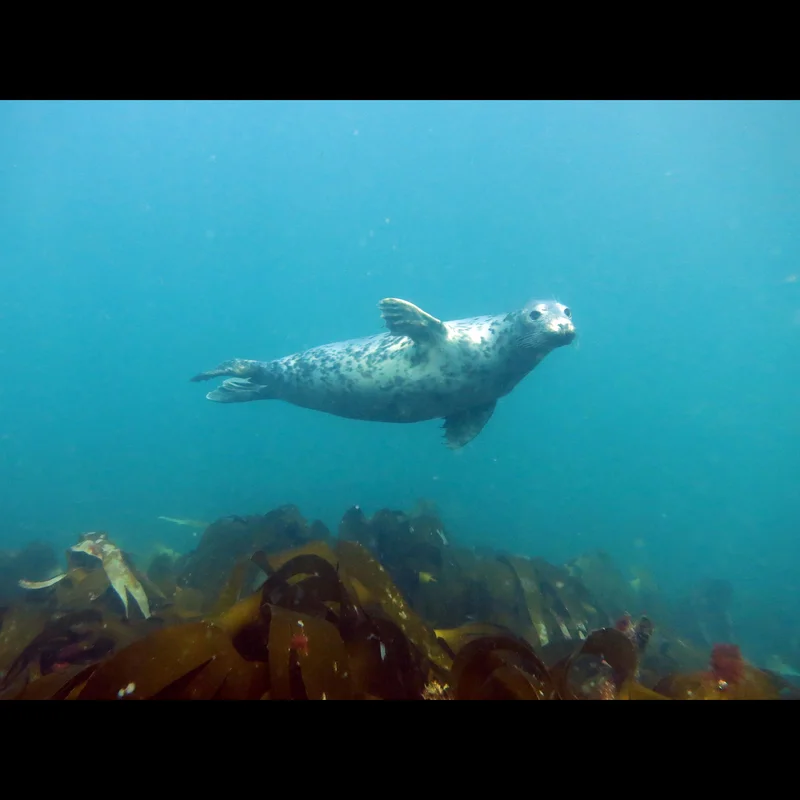
Seals are regularly encountered here, adding an element of interaction. Spider crabs have also been observed on nearby reef patches.

Dive Sites Near Roman Rock
View all dive sites in South AfricaDiscover more underwater gems in this area.
Dive Centers Near Roman Rock
Today: 08:00 - 16:30

Nearest Airports
Nearest airports to help plan travel to this dive area.
Search Flights
Check available flights and routes on Expedia, using the nearby airports listed in this section.
Search Flights on ExpediaFrequently Asked Questions
What is the maximum depth at Roman Rock?
Maximum depth at Roman Rock reaches about 21 meters, particularly on the sand bottom to the south and east of the main reef structure. Shallower sections exist, with some parts of the reef breaking the surface.
Is a permit required to dive Roman Rock?
Yes, Roman Rock falls entirely within the Boulders Restricted Zone of the Table Mountain National Park Marine Protected Area. A valid permit is required for diving at this site.
What kind of marine life can I expect to see?
Divers commonly observe a moderate variety of reef fish, including the Roman seabream. Rocks are encrusted with diverse invertebrates, with echinoderms being particularly dominant. Seals are also regularly encountered at this site.
What is the topography of the reef like?
Roman Rock is an extensive and topographically rugged granite formation. Features include exposed rocks at the surface, deep gullies, and a large number of smaller reef sections extending down to a sandy surround.
Where is Roman Rock located?
Roman Rock is an offshore rocky reef found in Simon's Bay, on the False Bay side of the Cape Peninsula, near Cape Town, Western Cape, South Africa.
What is the best way to access the dive site?
Access to Roman Rock is typically via a boat dive. Launches are often made from Simon's Town Harbour, which is conveniently close to the site.
Are there any caves at Roman Rock?
Yes, a large cave exists approximately 150m to the north of the main lighthouse rock. An interesting feature for exploration.
Planning to dive Roman Rock?
Send one inquiry and receive offers directly from the best verified local dive operators.
Conditions are Moderate
High Swell Advisory. Not recommended.
Current conditions near Roman Rock show 14° air, 12° sea temperature, 2.2 m waves, and 42 km/h wind. Forecast data is refreshed regularly to ensure accuracy.