
Diving at Partridge Point (South Africa)
Partridge Point diving conditions often present visibility ranging from 5 to 15 m (16 to 49 ft), with an average of 6 m (20 ft) commonly encountered. While conditions can vary, optimal days offer spectacular underwater clarity, revealing the vibrant reef structures and playful marine residents. Divers should anticipate these variable visual conditions, as they significantly shape the overall experience and interaction opportunities with the site's rich ecosystem.
Tonight's objective overview for Partridge Point shows an air temperature of 14°C. The measured surface conditions include wave heights around 2.4 m. This environmental data is logged for the close of the day.
Dive Site Location & Key Facts
Dive Site Overview
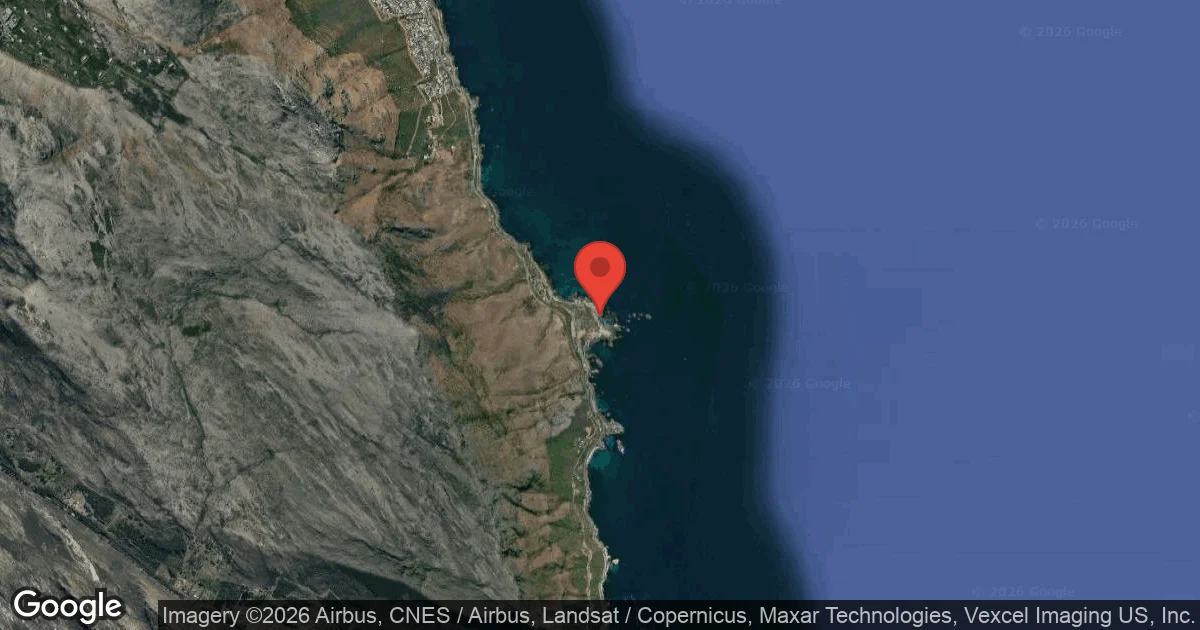
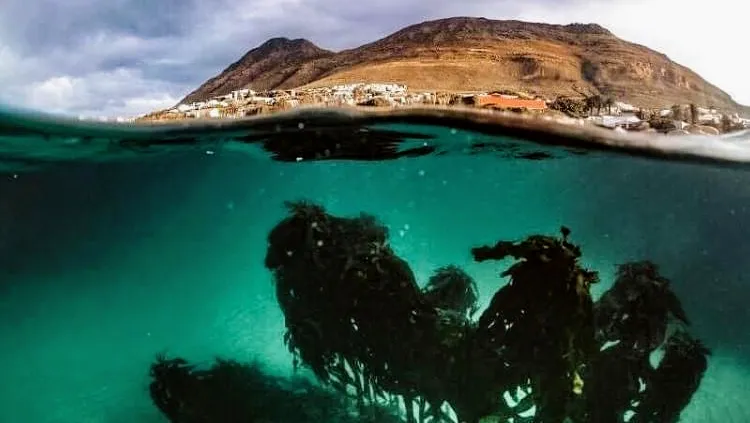
Descending into the waters of Partridge Point brings you directly into a dynamic marine landscape, part of the Table Mountain National Park Marine Protected Area in False Bay. This site features diverse rocky reefs and extensive kelp forests, offering a captivating underwater world accessible by boat only.
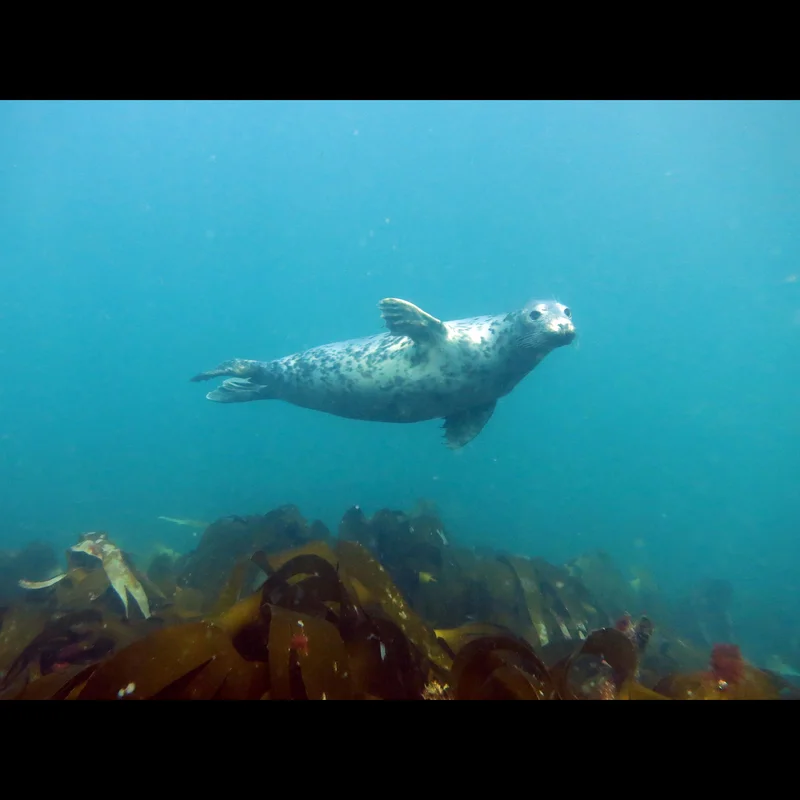
It's often referred to as Seal Rock due to the charismatic Cape Fur Seals frequently seen basking on the rocks and engaging with divers. The primary draw for many is the opportunity to interact with these curious seals, which are almost unavoidable here. Beyond the playful pinnipeds, the site boasts a rich variety of fish species and a wide range of invertebrates, making it a compelling destination for various interests, from snorkelers to advanced open water divers.
Several distinct areas comprise the Partridge Point complex, including Big Rock, Deep Partridge, Dave's Caves, and Peter's Pinnacles, each with its unique topographical features and depth profiles. Depths here typically range from the surface down to approximately 25 m (82 ft), with some sections reaching up to 26 m (85 ft).
The site's protected status means no fishing has been permitted for many years, leading to a notable abundance of marine life. Prepare for an immersive experience within this vibrant, protected South African environment.
Conditions are Poor
High Swell Advisory. Not recommended.
Current conditions near Partridge Point show 14° air, 13° sea temperature, 2.8 m waves, and 49 km/h wind. Forecast data is refreshed regularly to ensure accuracy.
Best Time to Dive
Planning a dive at Partridge Point often involves navigating seasonal variations that impact conditions. While the area consistently rates "Poor" for diving throughout the year according to general climate scores, specific windows of calm weather can offer excellent opportunities. Air temperatures are warmest during the summer months, ranging from approximately 20°C (68°F) in December to 21°C (70°F) in February, with minimal rainfall averaging around 0.7 mm. Winter months, conversely, see cooler air temperatures dropping to about 13.5°C (56°F) in July, accompanied by higher average rainfall, reaching up to 3.8 mm during that month. Average monthly wave heights tend to be lower in summer (around 2.6-2.8 m or 8.5-9.2 ft) and increase during winter (up to 3.7 m or 12.1 ft in July). Strong winds, averaging 28-35 km/h (17-22 mph) year-round, can significantly affect sea state regardless of the season. To maximize the chances of good visibility and calmer seas, prioritize checking local forecasts for lulls in wind and swell, as these brief windows provide the best conditions for exploring the reefs and interacting with the seals.
PEAK SEASON SCORE
Scores combine air & water temps, waves, wind & rainfall for overall conditions.
BEST MONTHS TO DIVE
Monthly records compiled from satellite and marine observation nodes over the last 3 years. Data provided by Open-Meteo and MET Norway.
Dive Experience & Conditions
Approaching Partridge Point by boat, divers will often observe dozens of Cape Fur Seals on the rocks, signaling the vibrant marine activity below. Underwater, the current is generally limited, though divers should be prepared for occasional rip currents that can be strong. These currents, along with fluctuating visibility, characterize the dynamic nature of the site. Average visibility typically hovers around 6 m (20 ft), but on exceptional days, it can extend up to 15 m (49 ft), making the spectacular topography of the inshore rocky reefs and kelp forests truly stand out. Depths vary across the extensive reef complex, with areas like Big Rock reaching just over 20 m (66 ft), and the deepest parts of the Deep Partridge lobe descending to 26 m (85 ft). The kelp forests here are particularly enchanting, providing shelter and feeding grounds. While conditions can be challenging, especially with higher average wave heights, the rewards of exploring this protected environment, brimming with fish and invertebrate life, are considerable.
Dive Difficulty & Safety Guidelines
Navigating Partridge Point safely involves understanding its unique regulatory and environmental challenges. This site is adjacent to the Castle Rocks restricted zone within the Table Mountain National Park Marine Protected Area. Divers must carry a mandatory permit and ensure they remain within permitted dive areas, respecting park regulations.
No fishing is allowed here. Encountering strong rip currents is a possibility, so maintaining situational awareness and staying close to your dive group is important.
Given the typical average wave heights and wind speeds in the region, boat access can sometimes be affected by sea conditions; planning with experienced local operators is crucial. The diverse topography includes varied reef profiles and kelp forests, which require good buoyancy control. Always verify local conditions before your dive to ensure a safe and rewarding experience.
Recommended Equipment
- Dive Computer
This gear list is based on verified equipment signals for Partridge Point, South Africa. Always confirm final gear choices with your dive operator, guide, or liveaboard.
Recommended Dive Suit
Individual comfort in the water can vary significantly from diver to diver, even under the same conditions.
For most recreational dives, 7mm wetsuit or semidry should provide comfortable protection. Strong winds are present; please take strong precautions against rapid cooling during surface intervals. A thermal robe or jacket is recommended between dives. Environmental models indicate a modest warming trend ahead. A warming trend is expected over the next few days.
Current temperature readings suggest that the water at Partridge Point is around 13°C (55°F). Surface air temperatures are resting at 14°C (58°F).
Emergency & Medical Support
Essential information to help you plan your dive trip to Partridge Point.

Hyperbaric chambers are a critical part of dive safety infrastructure. Availability varies significantly by region, and not all dive areas have immediate access.
Before diving, it's recommended to:
- confirm nearest medical facilities
- check emergency procedures with local dive operators
- ensure dive insurance covers evacuation if required
Divers Alert Network
Diving emergency assistance available through DAN Southern Africa.
+27828106010- 24/7 emergency hotline
- Diving medical assistance
- Evacuation coordination
Emergency contacts are provided for reference. Always verify local emergency services before diving.
Marine Life at Partridge Point
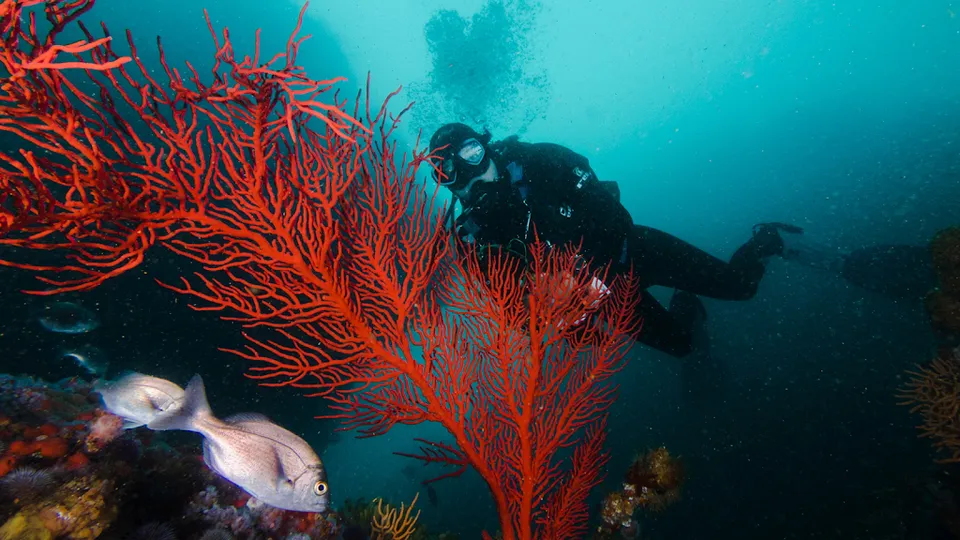
The first thing many divers notice at Partridge Point are the playful Cape Fur Seals; they're charismatic, curious, and often flit around divers, creating memorable encounters. Beyond the seals, this protected reef is alive with large schools of fish, which are exceptionally diverse and abundant, rivaling other Cape Peninsula sites.
Intricate gorgonian sea fans grow in deeper sections, adding vibrant color and texture to the rocky topography. A wide array of invertebrates also thrives here, visible among the kelp and rock formations. Look closely to appreciate the smaller, often overlooked, residents of this rich ecosystem.

Dive Sites Near Partridge Point
View all dive sites in South AfricaDiscover more underwater gems in this area.
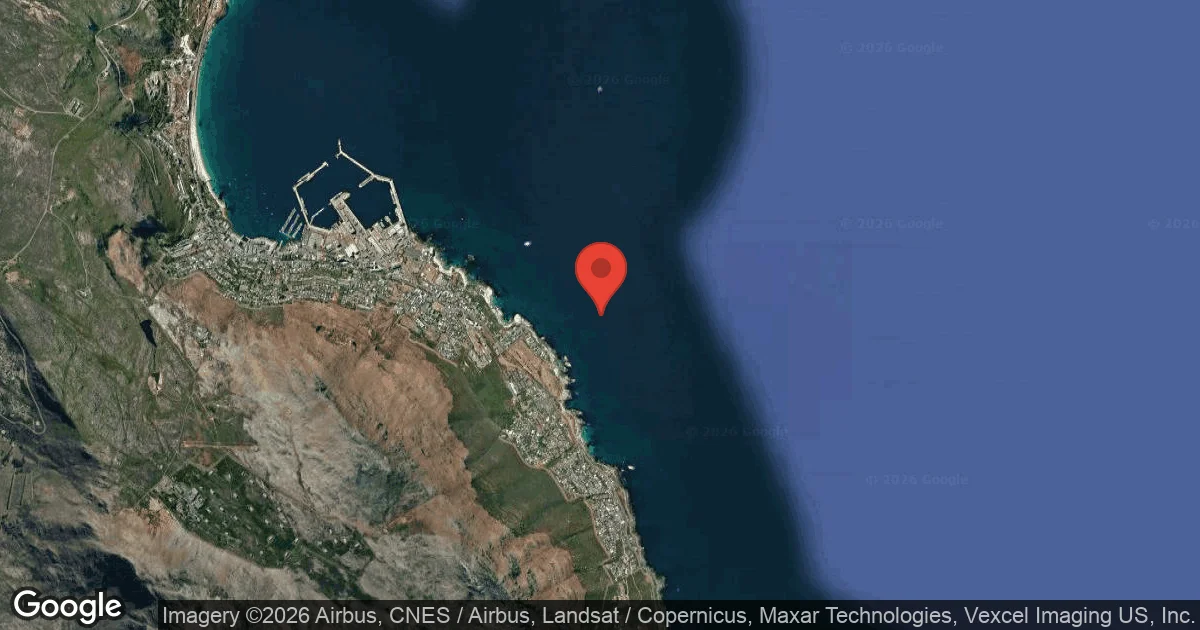
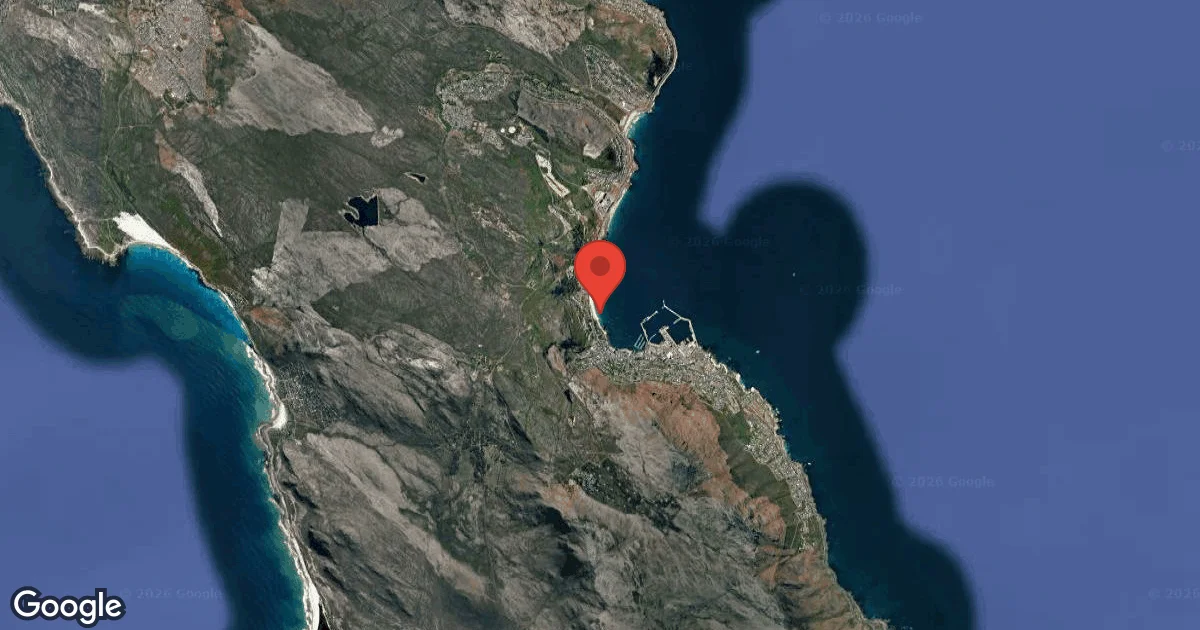
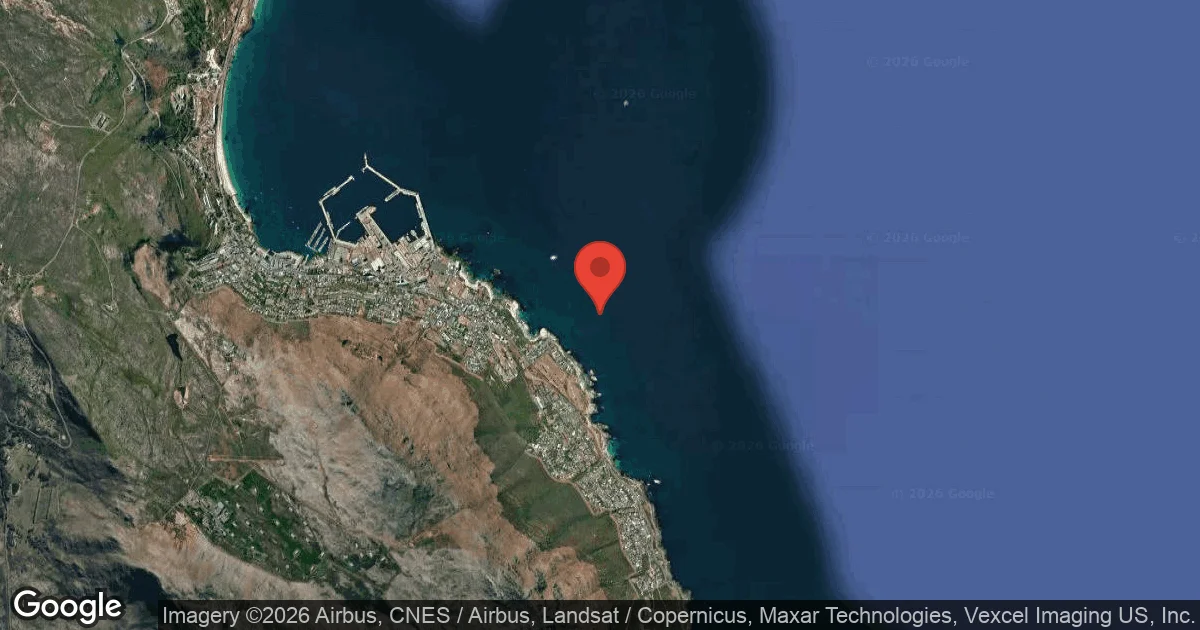
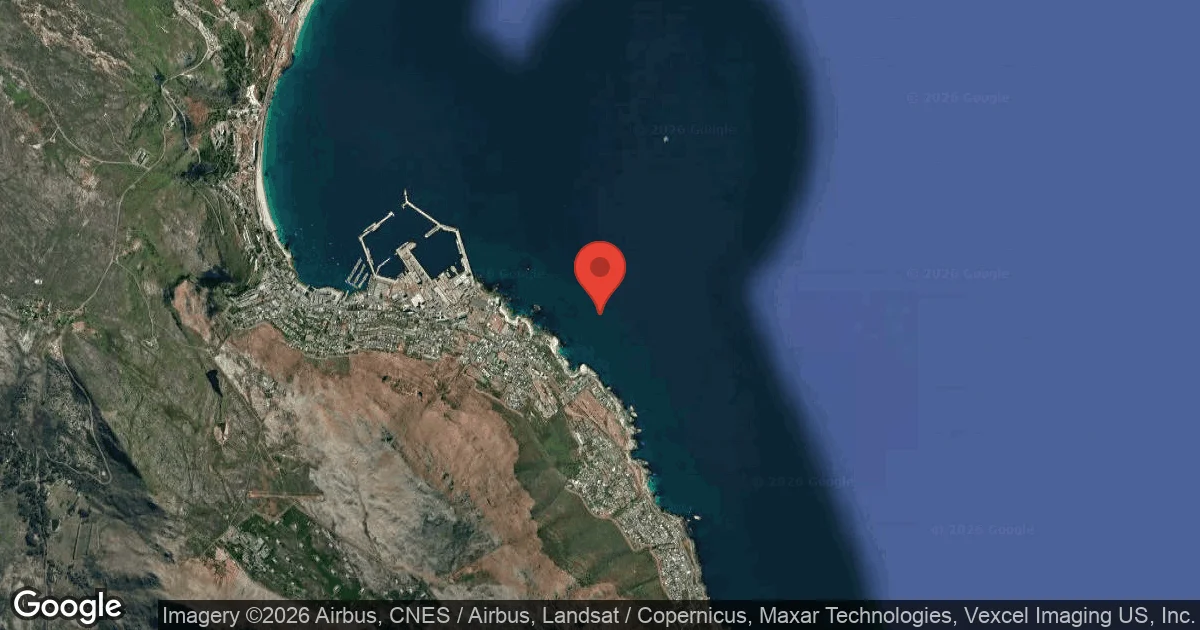
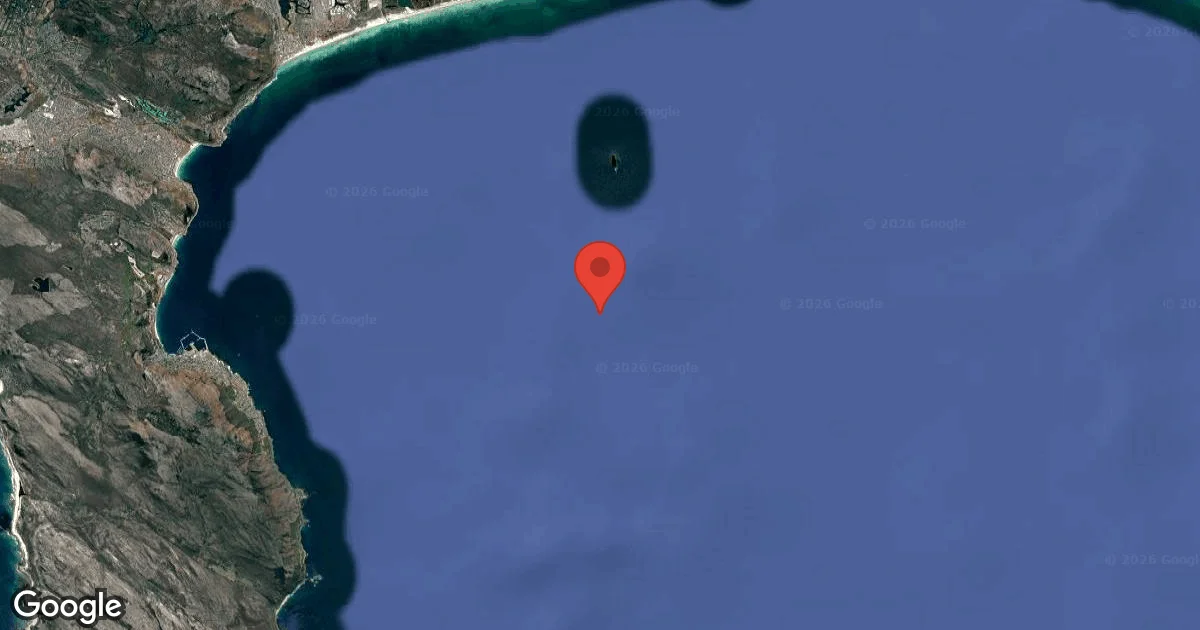
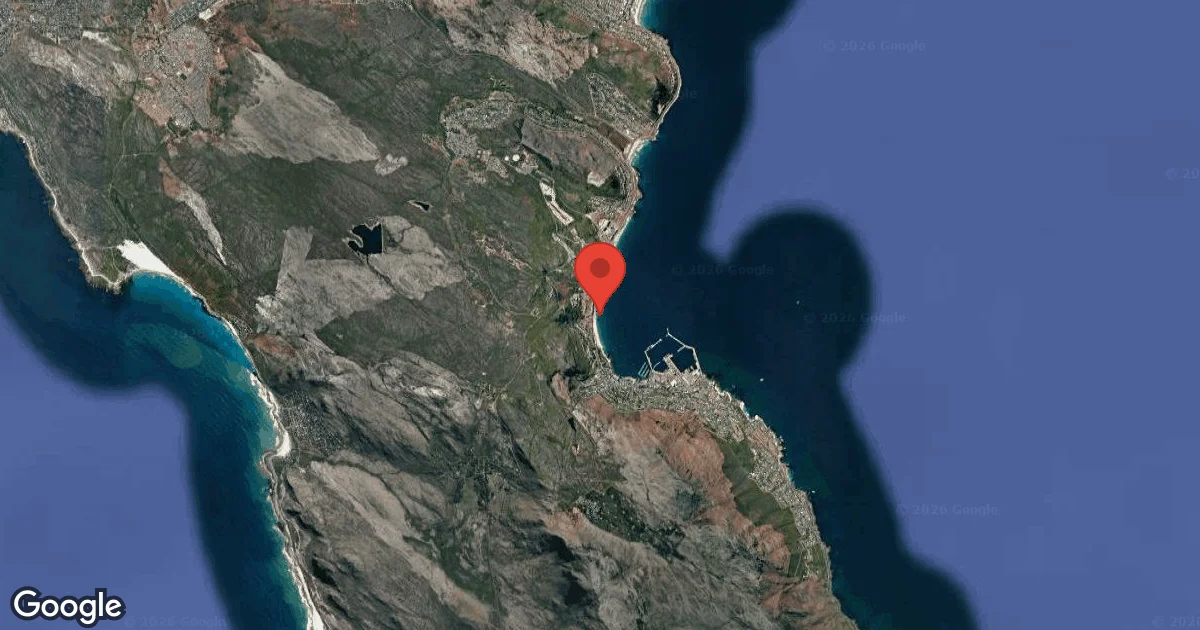
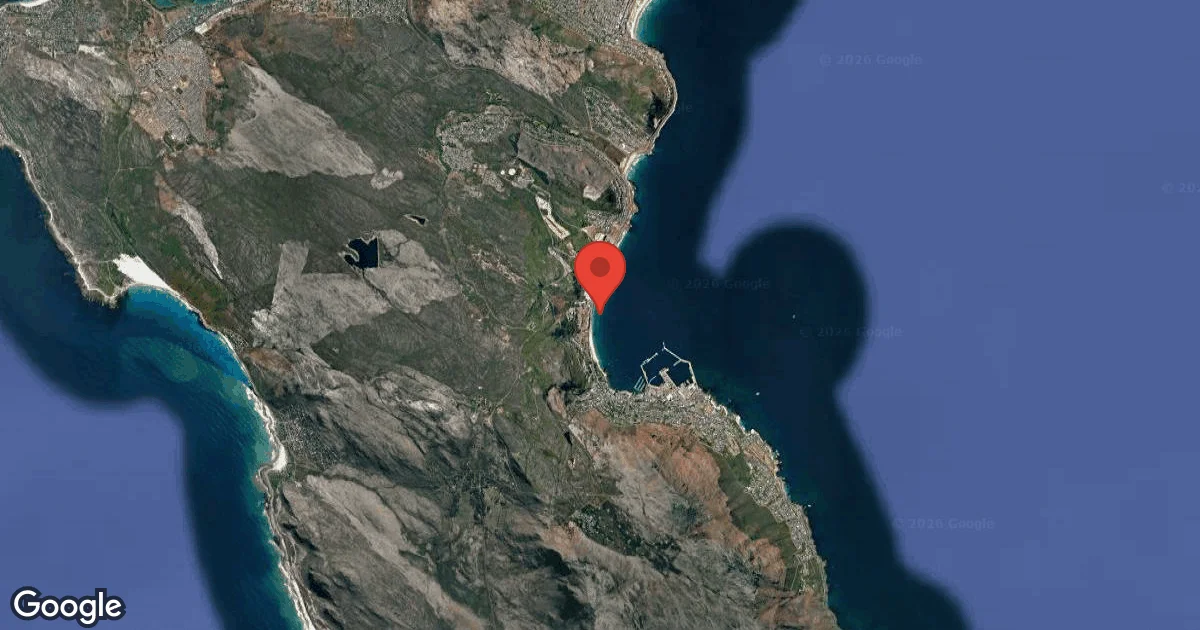
Dive Centers Near Partridge Point
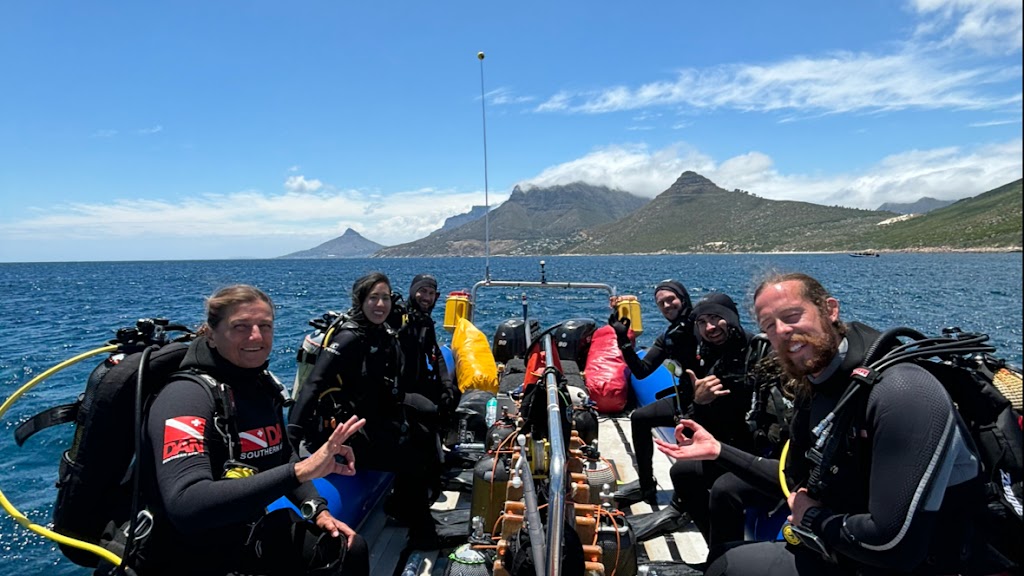
Today: 08:00 - 16:30

Nearest Airports
Nearest airports to help plan travel to this dive area.
Search Flights
Check available flights and routes on Expedia, using the nearby airports listed in this section.
Search Flights on ExpediaFrequently Asked Questions
Is Partridge Point suitable for beginners?
Yes, the site is suitable for Open Water Scuba Divers, Advanced Open Water Scuba Divers, Freedivers, and Snorkelers. Some sections, like Peter's Pinnacles, remain within depths manageable for entry-level divers.
How do I access Partridge Point?
Access to Partridge Point is exclusively by boat. You'll need to book a boat dive through one of the local dive schools in the Cape Town area.
What are the typical depth ranges?
Depths at Partridge Point generally range from the surface down to about 25 m (82 ft). Certain areas, like the Deep Partridge lobe, can reach a maximum depth of 26 m (85 ft).
Do I need a permit to dive here?
Yes, a mandatory day permit or license is required to dive within the Table Mountain National Park Marine Protected Area where Partridge Point is located. Ensure you obtain this before your dive.
What kind of marine life can I expect?
You'll primarily encounter numerous Cape Fur Seals, large schools of diverse fish, and a variety of invertebrates. Kelp forests and gorgonian sea fans also contribute to the vibrant underwater scenery.
What are the average visibility conditions?
Visibility at Partridge Point typically ranges between 5 to 15 m (16 to 49 ft), with an average of 6 m (20 ft). Conditions can be spectacular on good days.
Are there strong currents at Partridge Point?
While currents are generally limited, rip currents can sometimes be strong. Divers should be aware of this possibility and plan accordingly.
Planning to dive Partridge Point?
Send one inquiry and receive offers directly from the best verified local dive operators.
Conditions are Poor
High Swell Advisory. Not recommended.
Current conditions near Partridge Point show 14° air, 13° sea temperature, 2.8 m waves, and 49 km/h wind. Forecast data is refreshed regularly to ensure accuracy.