
Diving at Andrea (Spain)
Planning an excursion to Andrea, Spain, certified divers will find the Andrea Ferrara Wreck a notable deep dive opportunity. Reaching depths of 38 m / 124 ft, it's particularly relevant for those holding PADI Deep Diver and Wreck Diver certifications. Understanding the wreck's structure and local conditions is crucial for a rewarding experience. A Surface Marker Buoy, dive computer, and torch are essential tools for navigating its intricacies.
Evening condition tracking at Andrea features an air temperature of 26.5°C. We have recorded wave heights measuring 0.2 m during this period. These figures outline the environmental parameters currently present.
Dive Site Location & Key Facts
Dive Site Overview
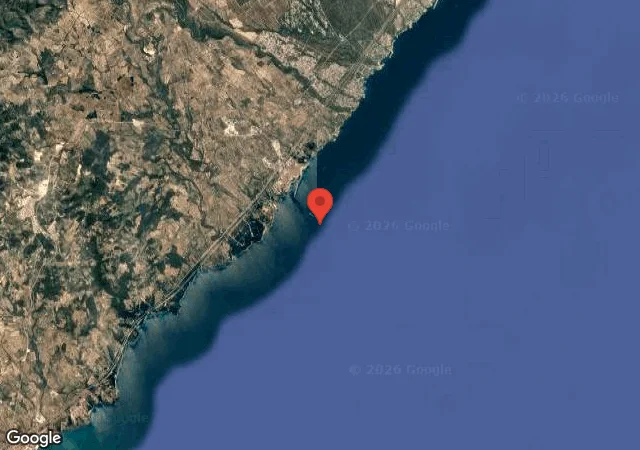
Explorers in the waters off Spain discover the Andrea Ferrara Wreck, a significant underwater structure. Primarily accessible by boat from the Tossa de Mar area, this site reaches a maximum depth of 38 m / 124 ft, appealing to those with advanced training, particularly PADI Deep Diver and Wreck Diver certifications.
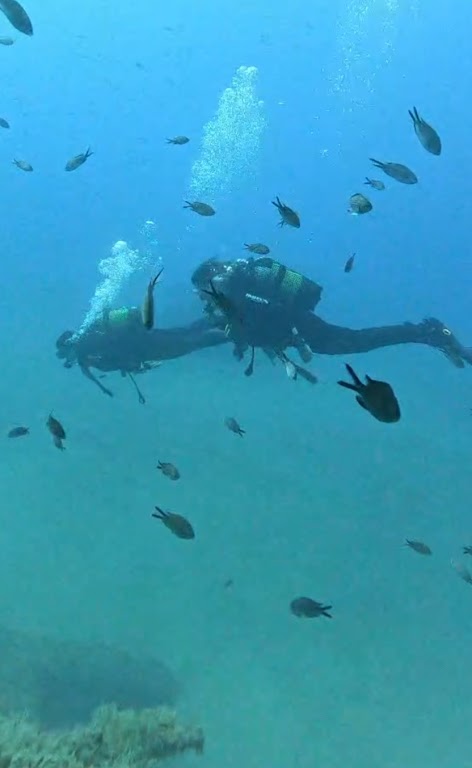
As divers navigate the submerged remains, schools of fish often appear, having made the sunken vessel their home. Around the wreck’s buoys, various specific marine life can be observed. Blending historical intrigue with the natural evolution of an artificial reef, the experience here offers a distinct underwater narrative.
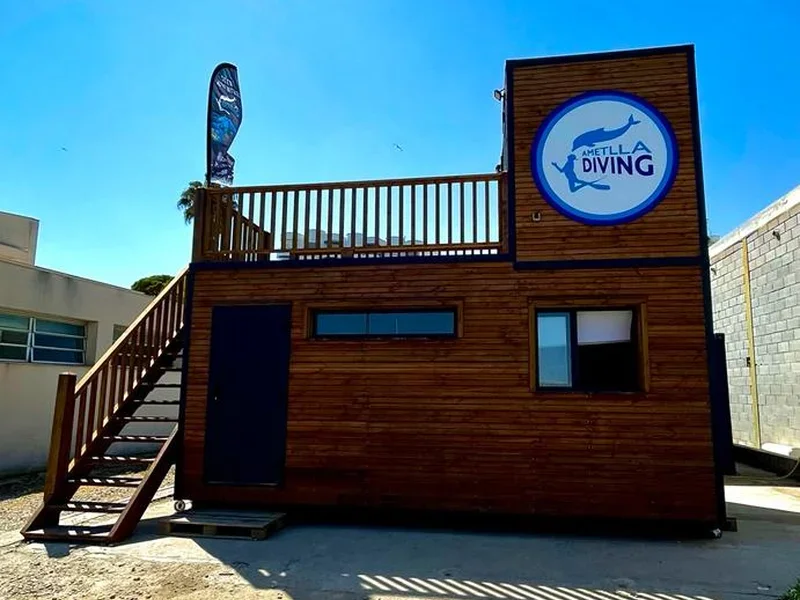
Local dive operations in Tossa de Mar, like Andreas Diving, facilitate access and offer training for all levels, emphasizing a responsible approach. Careful observation is encouraged, rewarding those who take time to appreciate the intricate details.
Visibility here varies but often provides good conditions for wreck exploration. Discovery within a structured yet natural setting defines this dive's overall feeling.
Conditions are Excellent
07:00 - 14:00
Optimal conditions expected
Current conditions near Andrea show 27° air, 28° sea temperature, 0.2 m waves, and 17 km/h wind. Forecast data is refreshed regularly to ensure accuracy.
Best Time to Dive
Optimizing a dive to the Andrea Ferrara Wreck often means considering surface conditions for best underwater visibility. Summer months, particularly July and August, are generally favorable, demonstrating an "Excellent" dive score in system data. During this period, average air temperatures hover around 26-27°C / 79-81°F, paired with minimal rainfall, typically around 0.7-1.2 mm. Such conditions usually contribute to calmer seas, with average wave heights remaining below 0.5 meters. While water temperature data isn't consistently reported, the Mediterranean generally provides temperate conditions, reaching comfortable ranges during peak summer. Conversely, cooler months from November to March still maintain "Good" dive scores, though air temperatures drop to 11-15°C / 52-59°F, and wave heights can increase slightly to around 0.7-0.8 meters. Less rain is observed in February and June, which might offer clearer surface conditions. Planning dives during periods of settled weather maximizes the potential for clear sightlines around the wreck's structure.
PEAK SEASON SCORE
Scores combine air & water temps, waves, wind & rainfall for overall conditions.
BEST MONTHS TO DIVE
Monthly records compiled from satellite and marine observation nodes over the last 3 years. Data provided by Open-Meteo and MET Norway.
Dive Experience & Conditions
Experiencing the Andrea Ferrara Wreck requires preparedness for its significant depth profile. Dives here extend to substantial depths, placing exploration firmly in the realm of deep diving. While explicit current dynamics are not consistently reported for this specific wreck, the general Tossa de Mar area often experiences calm to moderate conditions, particularly during settled weather. Divers should anticipate variations in visibility, which can range from good to excellent depending on seasonal factors and recent weather patterns. Water temperature isn't consistently reported from system data but tends to reflect the general Mediterranean climate; expect temperate conditions varying with the season, with warmer temperatures in late summer and early autumn. Entry to the site is exclusively by boat, ensuring precise positioning over the wreck for effective descent and ascent management. The underwater terrain is dominated by the wreck itself, offering structural exploration rather than natural reef formations.
Dive Difficulty & Safety Guidelines
Approaching the Andrea Ferrara Wreck demands careful adherence to established safety protocols, given its considerable depth. A minimum certification level is required, with PADI Deep Diver and Wreck Diver certifications strongly recommended due to the challenging deep wreck environment. Divers must ensure all equipment, including dive computers and torches, is in excellent working order.
Proper buoyancy control is paramount to prevent accidental contact with the wreck, which could dislodge debris or disturb the environment. Although specific hazards aren't detailed in system data, general wreck diving best practices apply: plan gas consumption diligently, maintain situational awareness, and always dive with a buddy.
Briefings from local dive centers, such as Andreas Diving, will provide up-to-date local conditions and site-specific guidance, ensuring a safe and responsible dive.
Recommended Equipment
Overhead / entanglement risk. Wreck penetration requires proper training.
- Dive Computer
- DSMB
- Primary & Backup Lights
- Wreck Reel
- Cutting Tool
This gear list is based on verified equipment signals for Andrea, Spain. Always confirm final gear choices with your dive operator, guide, or liveaboard.
Recommended Dive Suit
For many recreational divers, 2-3mm shorty or light wetsuit provides a practical level of insulation in these conditions. Divers who tend to get cold easily may prefer slightly thicker exposure protection.
At the moment, divers exploring Andrea will likely experience water temperatures near 28°C (83°F). Surface air temperatures are resting at 27°C (80°F).
Temperatures look set to gradually increase over the next several days. A warming trend is expected over the next few days.
Emergency & Medical Support
Essential information to help you plan your dive trip to ANDREA.

Hyperbaric chambers are a critical part of dive safety infrastructure. Availability varies significantly by region, and not all dive areas have immediate access.
Before diving, it's recommended to:
- confirm nearest medical facilities
- check emergency procedures with local dive operators
- ensure dive insurance covers evacuation if required
Divers Alert Network
Diving emergency assistance available through DAN Europe.
+39 0642115685- 24/7 emergency hotline
- Diving medical assistance
- Evacuation coordination
Emergency contacts are provided for reference. Always verify local emergency services before diving.
Closest Listed Hyperbaric Chambers
Showing listed hyperbaric chamber facilities within 200 km of this dive site.
Distances are approximate straight-line distances and may not reflect emergency travel time.
UTH-CSI
24/7 ListedICU CapableSant Joan Despí, Spain•Approx. 118 km straight-line
UTH-CSI
24/7 ListedICU CapableInformation is provided for reference and planning purposes only. Dive Navigator does not verify operational status, staffing, availability, or quality of care at listed facilities. In an emergency, contact local emergency services, DAN, your dive operator, or the chamber directly. Do not travel to a facility without calling ahead.
Unidad Hiperbarica Hospital de Castellon UTH-HGUCS
24/7 ListedICU CapableCastellon, Spain•Approx. 120 km straight-line
Unidad Hiperbarica Hospital de Castellon UTH-HGUCS
24/7 ListedICU CapableInformation is provided for reference and planning purposes only. Dive Navigator does not verify operational status, staffing, availability, or quality of care at listed facilities. In an emergency, contact local emergency services, DAN, your dive operator, or the chamber directly. Do not travel to a facility without calling ahead.
Marine Life at Andrea
An artificial reef, the Andrea Ferrara Wreck serves as a habitat for various marine species, drawing divers interested in its ecosystem. Around the buoys and within the wreck’s structure, divers can often spot triggerfish.
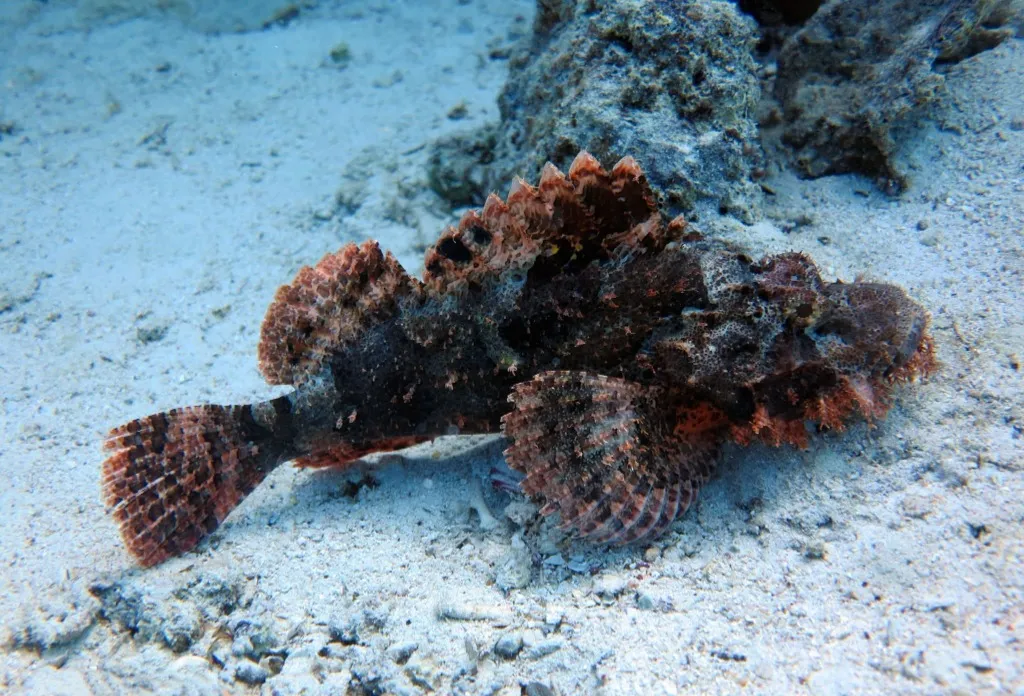
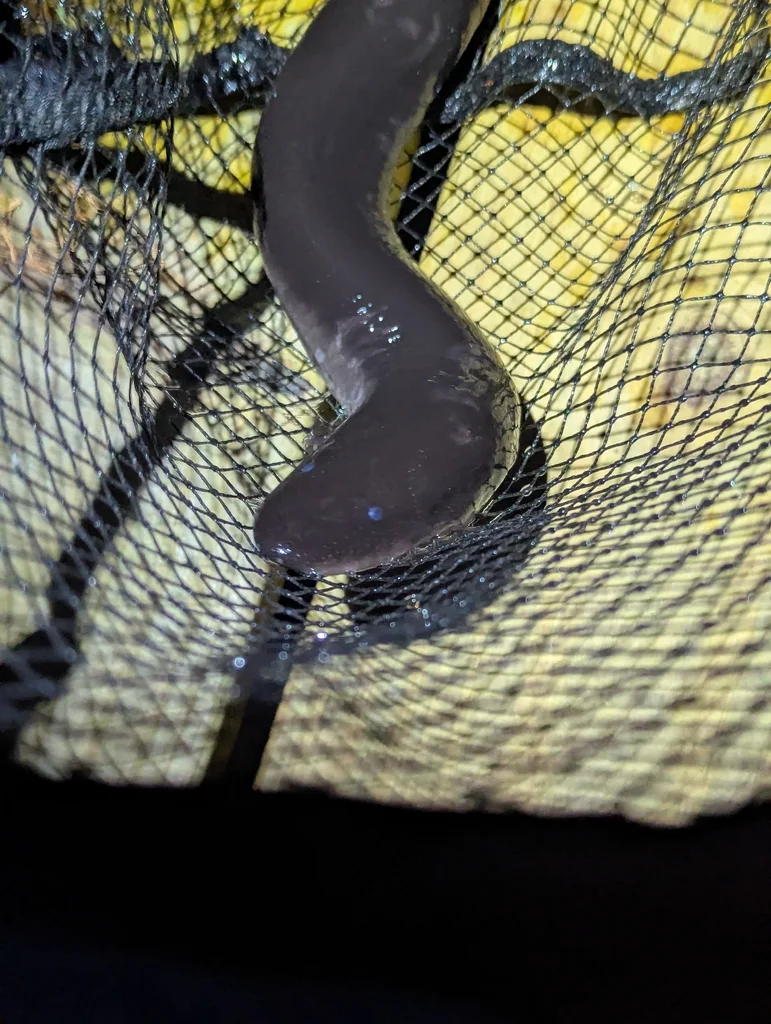
Scorpionfish are also commonly observed camouflaged against the wreck, blending with its textures. Conger eels sometimes make their homes in crevices and sheltered areas, emerging cautiously.
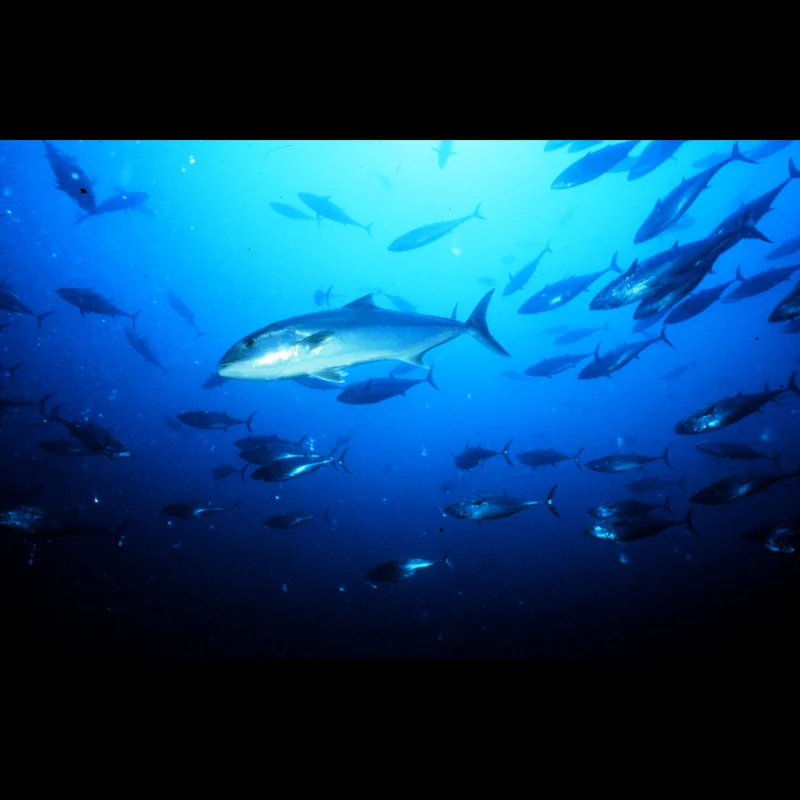
Schools of smaller fish frequently congregate around the structure, creating dynamic scenes as they move in unison. These resident populations contribute to the dive's visual interest, offering opportunities for detailed observation and underwater photography.

Dive Sites Near Andrea
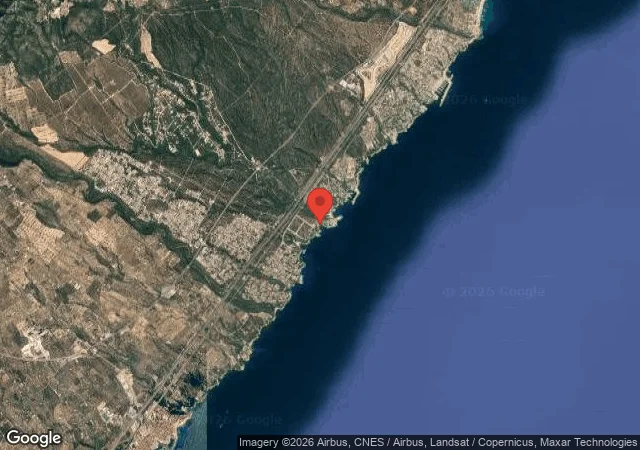
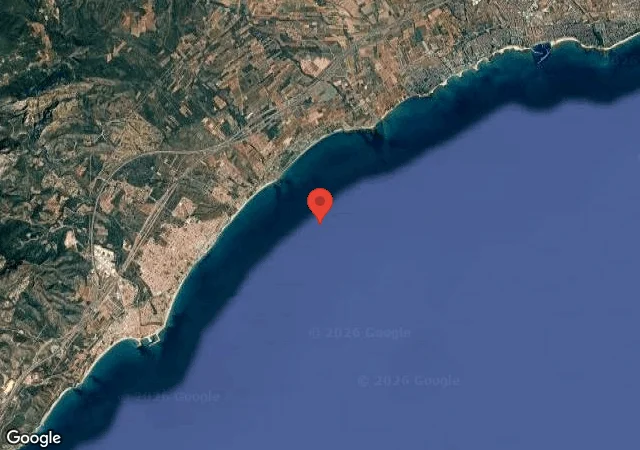
View all dive sites in SpainDiscover more underwater gems in this area.
Dive Centers Near Andrea
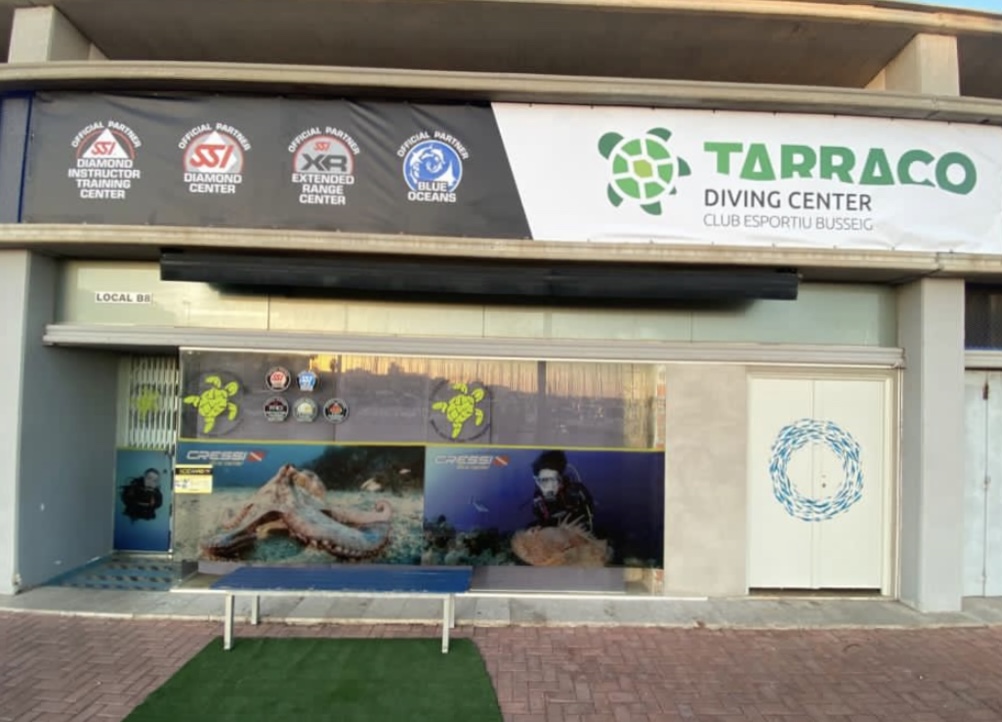
Today: 08:30 - 23:30-8


Nearest Airports
Nearest airports to help plan travel to this dive area.
Search Flights
Check available flights and routes on Expedia, using the nearby airports listed in this section.
Search Flights on ExpediaFrequently Asked Questions
What certification level is needed for the Andrea Ferrara Wreck?
Reaching depths of 38 m / 124 ft, this site is considered a deep dive. PADI Deep Diver and Wreck Diver certifications are strongly recommended for safely navigating its environment and structure.
How do divers access the Andrea Ferrara Wreck?
The wreck is accessed exclusively by boat. Local dive operations, particularly from the Tossa de Mar area in Spain, facilitate trips and provide precise positioning over the site for effective descent.
What are the typical underwater conditions like at the wreck?
Visibility varies depending on seasonal factors and recent weather, often providing good to excellent conditions for wreck exploration. While specific current dynamics are not consistently reported, the general Tossa de Mar area can experience calm to moderate conditions.
What marine life can be observed around the Andrea Ferrara Wreck?
As an artificial reef, the wreck attracts species like triggerfish and scorpionfish, often camouflaged against its textures. Divers may also spot conger eels inhabiting crevices and observe schools of smaller fish congregating near the structure.
When is the best time of year to dive the Andrea Ferrara Wreck?
Summer months, especially July and August, generally offer excellent dive conditions with calmer seas and average air temperatures around 26-27°C / 79-81°F. Cooler months still provide good diving opportunities, though temperatures will be lower.
Are there specific safety precautions for diving this wreck?
Given the significant depth, meticulous dive planning, diligent gas management, and excellent buoyancy control are critical. Always dive with a buddy, use a dive computer, and attend local briefings for up-to-date site-specific guidance.
Planning to dive Andrea?
Send one inquiry and receive offers directly from the best verified local dive operators.
Conditions are Excellent
07:00 - 14:00
Optimal conditions expected
Current conditions near Andrea show 27° air, 28° sea temperature, 0.2 m waves, and 17 km/h wind. Forecast data is refreshed regularly to ensure accuracy.