
Diving at Azur (Spain)
This coastal region of Spain extends from the sandy beaches of Blanes to the rugged Cap de Creus peninsula. Its underwater landscape features a diverse array of dive sites, ranging from accessible reefs to intricate wrecks and cave systems. Divers will find prominent structural elements such as small islets, lone pinnacles with swim-throughs, and extensive rocky coves that define many of the popular subaquatic explorations. A notable highlight is the protected Medes Islands, a seven-island archipelago situated just a mile offshore from L’Estartit.
Tonight's objective overview for Azur shows an air temperature of 21.5°C. The measured surface conditions include wave heights around 0.4 m. This environmental data is logged for the close of the day.
Dive Site Location & Key Facts
Dive Site Overview
Venturing beneath the surface of Azur reveals a blend of natural beauty and historical intrigue, particularly around the Costa Brava. The region offers compelling wreck dives, such as the Melchuca, a cargo ship that sank off Cala Montjoí in 1968 after a storm.
Exploring this underwater ruin allows divers to observe algae growth across its structure and petrified cargo still nestled within its hold, providing a tangible connection to maritime history. Beyond wrecks, the area features diverse topography including coral-covered walls and expansive meadows of posidonia seagrass, which are vital to the Mediterranean ecosystem. Sites like Baix de Cols provide entry-level opportunities around a pinnacle with a short swim-through, while the Medes Islands offer 14 distinct dive sites.
These range from beginner-friendly reef explorations at Salpatxot to more advanced cave diving in Dofí Nord, known for its lobster populations and tunnels. The Medes Islands are a strictly protected marine reserve, ensuring a rich biodiversity but also regulating daily visitor numbers and requiring guides for Open Water Divers and Advanced Open Water Divers with fewer than 50 logged dives.
Conditions are Excellent
07:00 - 14:00
Optimal conditions expected
Current conditions near Azur show 22° air, 26° sea temperature, 0.3 m waves, and 18 km/h wind. Forecast data is refreshed regularly to ensure accuracy.
Best Time to Dive
Optimal diving conditions in Azur are generally experienced during the summer months, particularly July and August, which consistently receive 'Excellent' dive scores. These months boast the highest average air temperatures, reaching around 26°C / 79°F in July and 27°C / 81°F in August, coupled with minimal rainfall and calmer wave heights averaging just under 0.5 meters / 1.6 feet. These conditions create comfortable surface intervals and stable underwater environments. Shoulder seasons, including April to June and September to November, also offer 'Good' diving opportunities. Air temperatures range from 16°C / 61°F in April to 24°C / 75°F in June, with similar mild conditions extending into autumn, around 20°C / 68°F in October. While rainfall is slightly higher in spring and autumn, it remains relatively low, and wave heights are generally manageable. Winter months, from December to March, present cooler air temperatures but still maintain 'Good' dive scores due to consistent wave heights and low rain, though wind speeds can be higher.
PEAK SEASON SCORE
Scores combine air & water temps, waves, wind & rainfall for overall conditions.
BEST MONTHS TO DIVE
Monthly records compiled from satellite and marine observation nodes over the last 3 years. Data provided by Open-Meteo and MET Norway.
Dive Experience & Conditions
Submerging into the waters of Azur reveals a dynamic environment influenced by its unique geography. Divers often encounter the swaying posidonia seagrass, which forms extensive meadows across the seabed and can hold strong against prevailing currents. The rugged coastline, shaped by fierce Tramuntana winds, hints at the variable surface conditions that can sometimes be present, though dive operators typically choose sheltered sites. Water temperatures are not consistently reported but generally vary with the Mediterranean seasons. Visibility depends on conditions, but the clear waters allow for illumination of the brightly colored gorgonians and other marine life with a dive light. Exploring rocky coves and walls often rewards keen observation of diverse inhabitants. You'll navigate around pinnacles and through short tunnels, experiencing the intimate connection between the geological structure and the marine environment. Encounters with larger fish like barracuda and lobsters are common, while a lucky few might spot the impressive mola mola, the world's heaviest bony fish.
Dive Difficulty & Safety Guidelines
Navigating Azur's dive sites requires adherence to local regulations, particularly within protected areas like the Medes Islands. Here, diving is strictly regulated with a cap on daily visitors to preserve biodiversity.
Furthermore, Open Water Divers and Advanced Open Water Divers with fewer than 50 logged dives are required to dive with a local guide, ensuring both diver safety and minimal environmental impact. Several dive shops operate along the Costa Brava, offering boat access to various sites and professional guidance.
General safe diving practices apply, including proper equipment checks and buddy system adherence. While specific hazards are not consistently reported, understanding the local currents and any potential for increased wind activity, especially the Tramuntana, is always advisable.
Local dive centers are the best resource for up-to-date conditions and site-specific safety briefings.
Recommended Equipment
Overhead / entanglement risk. Wreck penetration requires proper training.
- Dive Computer
- DSMB
- Primary & Backup Lights
- Wreck Reel
- Cutting Tool
This gear list is based on verified equipment signals for Azur, Spain. Always confirm final gear choices with your dive operator, guide, or liveaboard.
Recommended Dive Suit
A warming trend is expected over the next few days. A warming trend is expected over the next few days.
Some divers prefer slightly warmer exposure protection simply for additional comfort. Stronger winds may also make surface intervals feel cooler than usual.
3mm wetsuit usually works well for maintaining comfort during standard dive profiles in these conditions. Consider warmer surface protection (like a boat coat) due to brisk winds. Surface intervals may feel cooler. Divers preparing to enter the water at Azur will likely find temperatures around 26°C (79°F) today. Surface air temperatures are resting at 22°C (71°F).
Due to technical issues with our weather providers, data hasn't been fetched for over 48 hours. The data above reflects the conditions at the time of the last successful fetch.
Emergency & Medical Support
Essential information to help you plan your dive trip to AZUR.

Hyperbaric chambers are a critical part of dive safety infrastructure. Availability varies significantly by region, and not all dive areas have immediate access.
Before diving, it's recommended to:
- confirm nearest medical facilities
- check emergency procedures with local dive operators
- ensure dive insurance covers evacuation if required
Divers Alert Network
Diving emergency assistance available through DAN Europe.
+39 0642115685- 24/7 emergency hotline
- Diving medical assistance
- Evacuation coordination
Emergency contacts are provided for reference. Always verify local emergency services before diving.
Closest Listed Hyperbaric Chambers
Showing listed hyperbaric chamber facilities within 200 km of this dive site.
Distances are approximate straight-line distances and may not reflect emergency travel time.
UTH-CSI
24/7 ListedICU CapableSant Joan Despí, Spain•Approx. 118 km straight-line
UTH-CSI
24/7 ListedICU CapableInformation is provided for reference and planning purposes only. Dive Navigator does not verify operational status, staffing, availability, or quality of care at listed facilities. In an emergency, contact local emergency services, DAN, your dive operator, or the chamber directly. Do not travel to a facility without calling ahead.
Unidad Hiperbarica Hospital de Castellon UTH-HGUCS
24/7 ListedICU CapableCastellon, Spain•Approx. 120 km straight-line
Unidad Hiperbarica Hospital de Castellon UTH-HGUCS
24/7 ListedICU CapableInformation is provided for reference and planning purposes only. Dive Navigator does not verify operational status, staffing, availability, or quality of care at listed facilities. In an emergency, contact local emergency services, DAN, your dive operator, or the chamber directly. Do not travel to a facility without calling ahead.
Marine Life at Azur
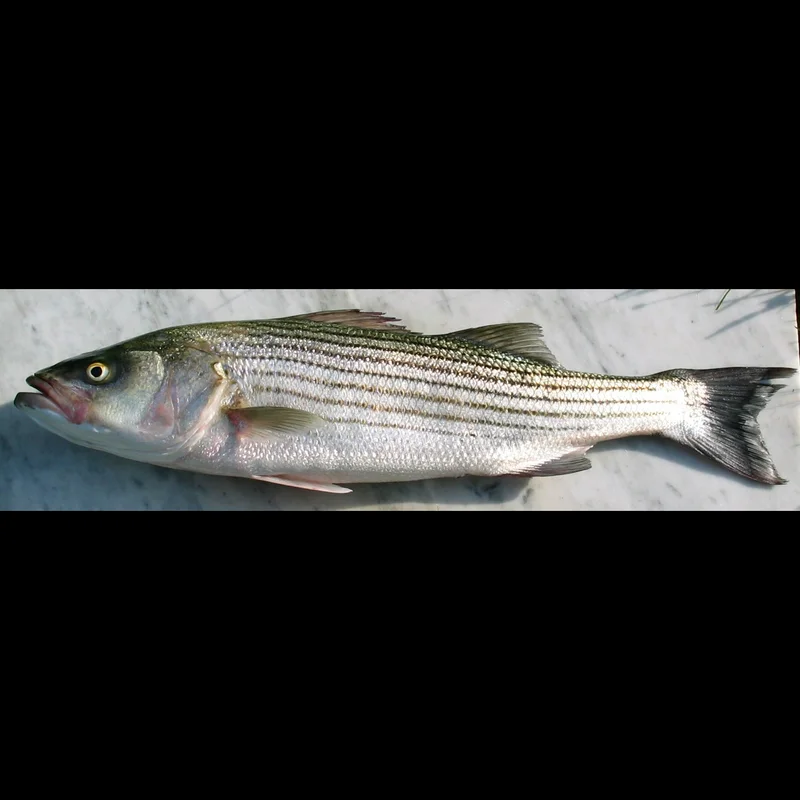
The underwater topography immediately catches the eye with vibrant coral-covered walls and expansive posidonia seagrass beds, which serve as crucial habitats. Among the most striking inhabitants are the giant groupers, specifically Epinephelus marginatus, frequently seen hovering near reef walls, notable for their mottled patterns and substantial size.
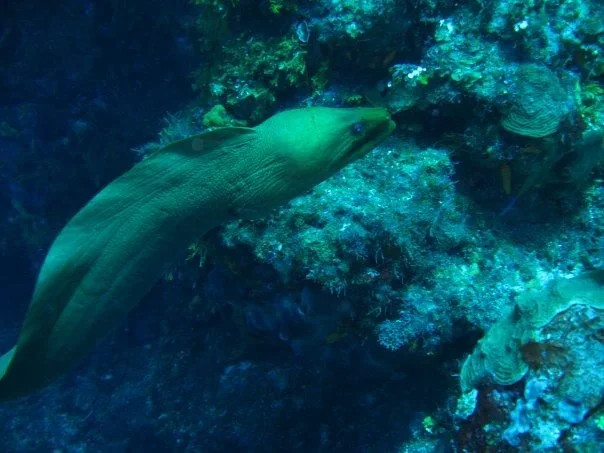
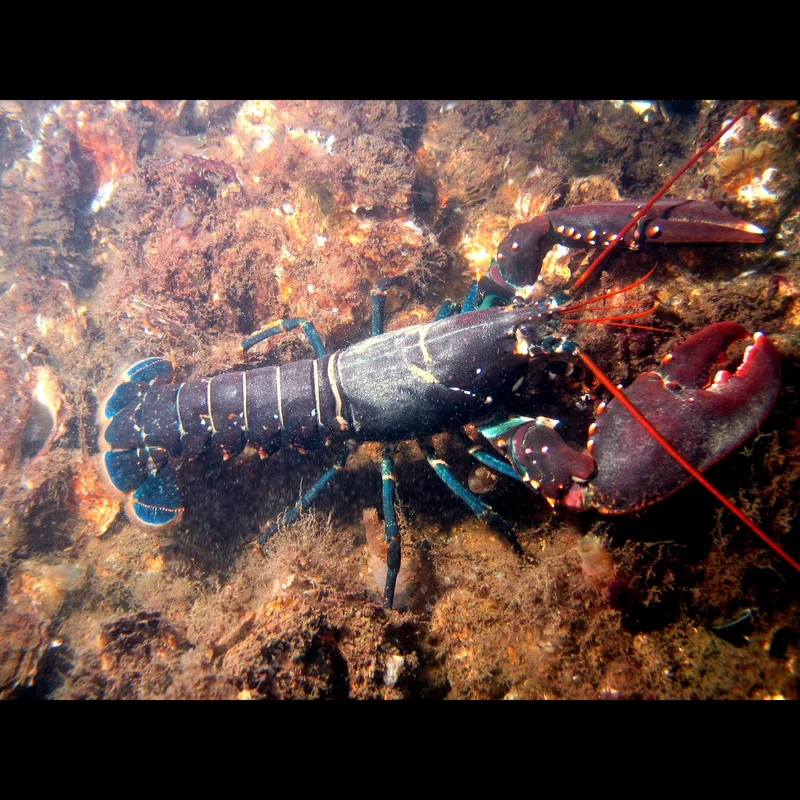
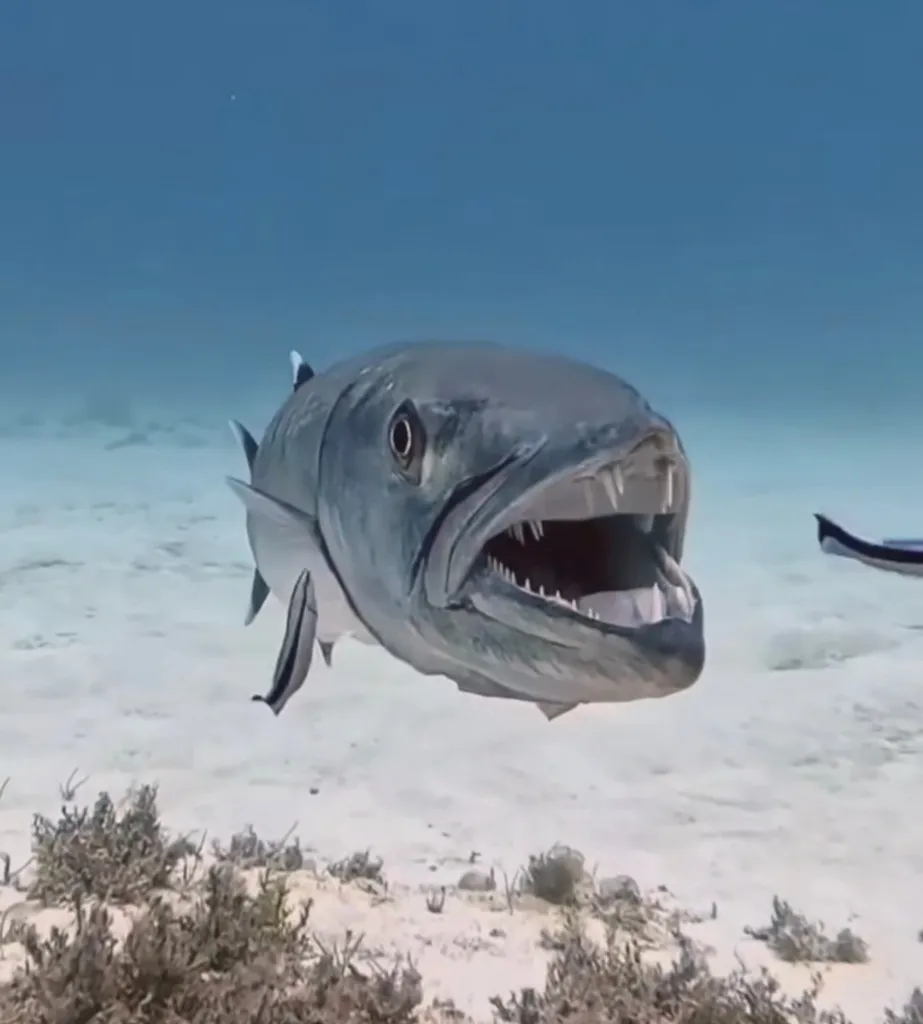
Moray eels are commonly observed peeking from their rocky holes, alongside barracuda and lobsters. Lucky divers might also encounter the elusive mola mola, or sunfish, a truly unique sight in these waters. Octopus are often found cleverly concealed within crevices, adding to the rich biodiversity.
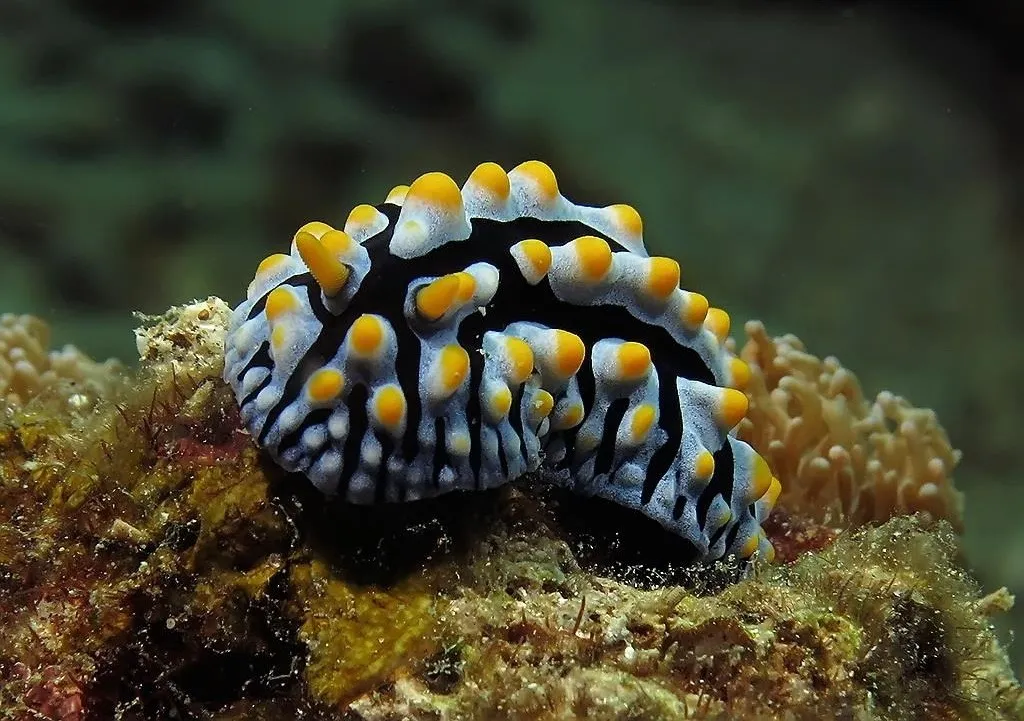
Dive Sites Near Azur
View all dive sites in SpainDiscover more underwater gems in this area.
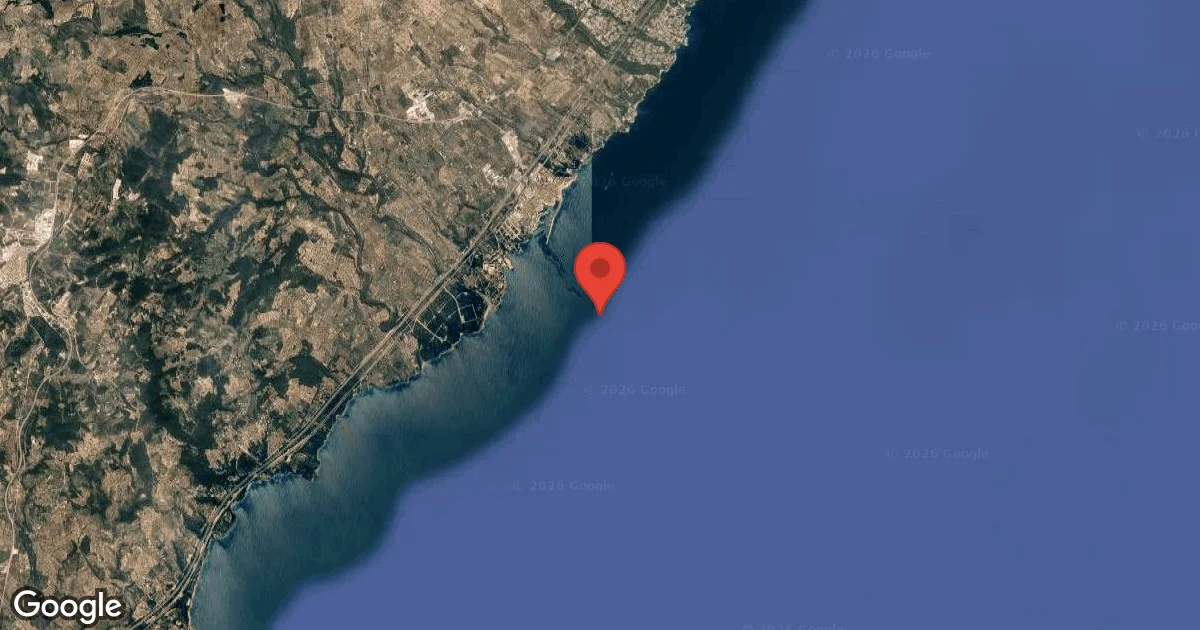
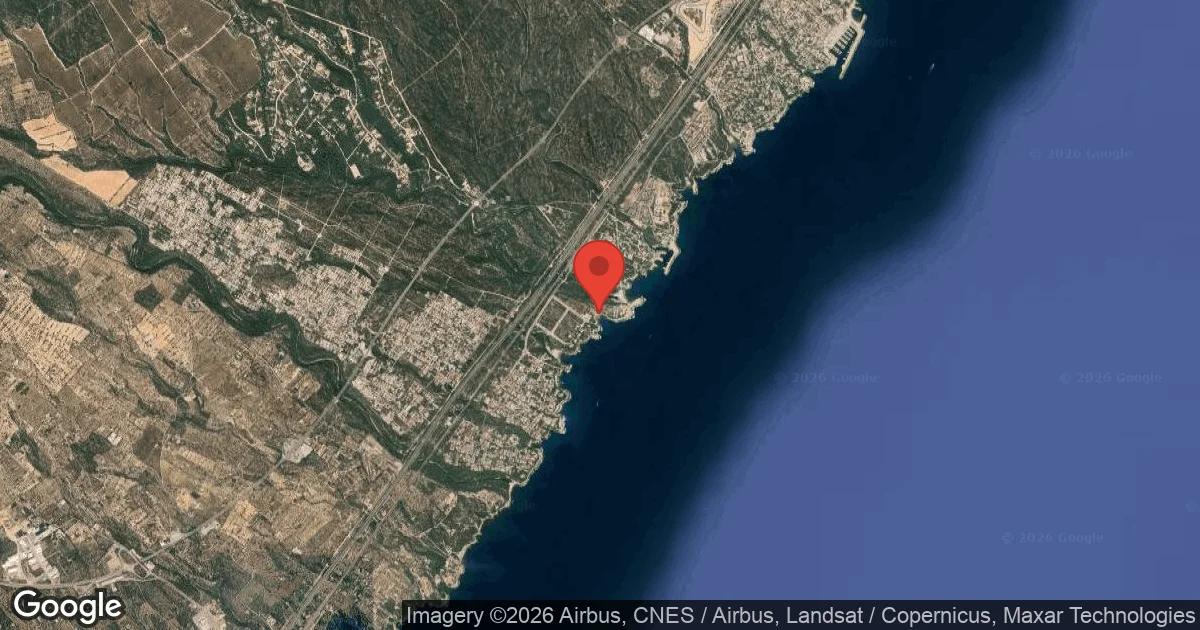
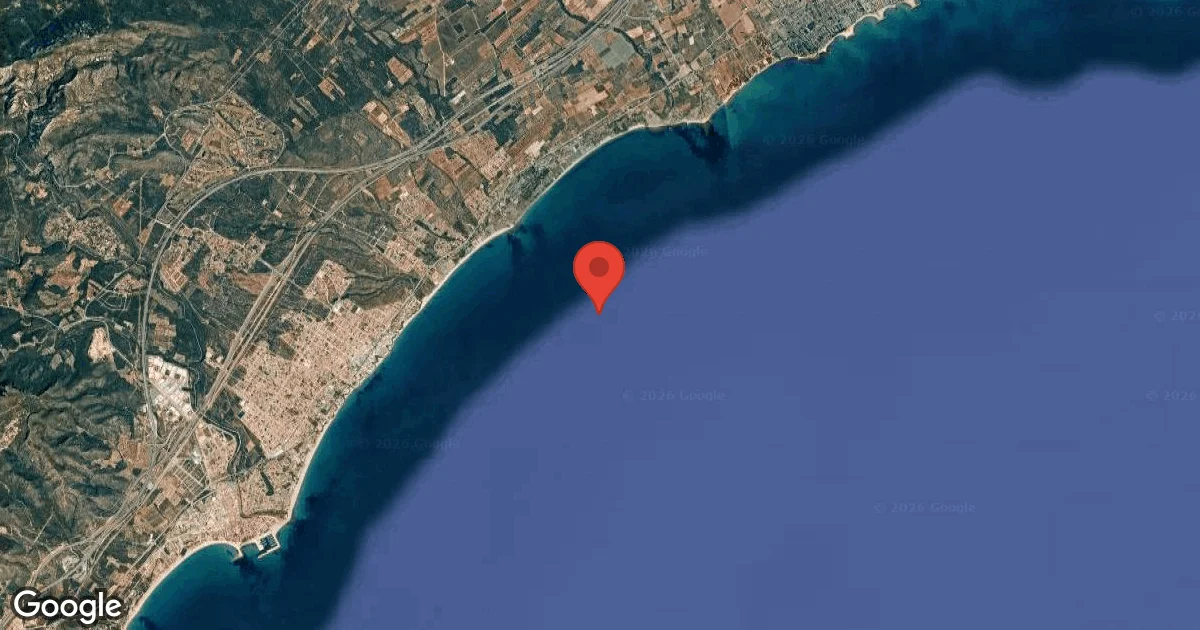
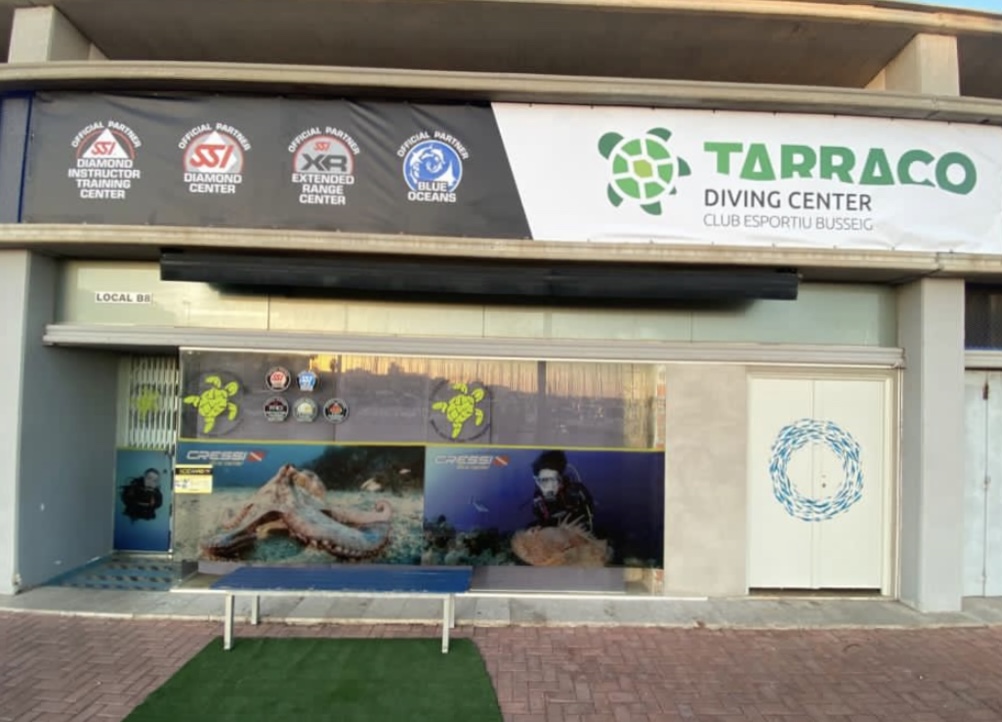
Dive Centers Near Azur
Today: 08:30 - 23:30-8

Nearest Airports
Nearest airports to help plan travel to this dive area.
Search Flights
Check available flights and routes on Expedia, using the nearby airports listed in this section.
Search Flights on ExpediaFrequently Asked Questions
What is the best time of year to dive in Azur?
The optimal time for diving is during July and August, which offer excellent conditions with high air temperatures, minimal rain, and calm waters. Shoulder seasons from April to June and September to November also provide good diving opportunities.
What types of dive sites are available in Azur?
Azur offers a diverse range of dive sites including historical wrecks like the Melchuca, natural reefs with coral-covered walls, pinnacles with swim-through tunnels, and extensive posidonia seagrass meadows. There are options for all skill levels, from beginner-friendly shore dives to more technical cave explorations.
Are there specific regulations for diving in the Medes Islands?
Yes, the Medes Islands are a protected marine reserve with regulated diving. A cap is placed on daily visitors, and certified divers, specifically Open Water Divers and Advanced Open Water Divers with less than 50 dives, are required to dive with a local guide.
What marine life can divers expect to see?
Divers can expect to see giant groupers, moray eels, barracuda, and lobsters. The posidonia seagrass beds host a variety of smaller species, and on rare occasions, the impressive mola mola, or sunfish, may be spotted.
Do I need special equipment for diving in Azur?
It is recommended to bring a dive light to illuminate the brightly colored gorgonians and other marine life in the darker parts of the dive sites, such as crevices and tunnels.
Are there sites suitable for beginner divers?
Yes, sites such as Baix de Cols, with its lone pinnacle and short swim-through, and the shore dive at Platja Mar Menuda are considered great spots for beginners. The Medes Islands also offer beginner-friendly reef sites like Salpatxot.
Planning to dive Azur?
Send one inquiry and receive offers directly from the best verified local dive operators.
Conditions are Excellent
07:00 - 14:00
Optimal conditions expected
Current conditions near Azur show 22° air, 26° sea temperature, 0.3 m waves, and 18 km/h wind. Forecast data is refreshed regularly to ensure accuracy.