
Diving at El Biotop (Spain)
El Biotop marks the Mediterranean's first substantial artificial reef, an underwater mountain built from calcium carbonate rocks. This impressive structure extends approximately 90 meters long, 60 meters wide, and rises 24 meters high. Its top begins at 10 m / 33 ft, with vertical walls that descend to a maximum depth of 34 m / 111 ft. It forms a complex and engaging dive site.
Tonight's objective overview for El Biotop shows an air temperature of 22.5°C. The measured surface conditions include wave heights around 0.3 m. This environmental data is logged for the close of the day.
Dive Site Location & Key Facts
Dive Site Overview
Descending into El Biotop offers a distinct journey through the Mediterranean's first major artificial reef. This site, an underwater mountain crafted from calcium carbonate blocks, provides a multifaceted exploration for divers.
Beginning at roughly 10 meters, the structure gradually deepens, presenting a platform around 20 meters that significantly enhances safety and accessibility for less experienced open water divers. The dive progresses along vertical walls that extend to its maximum depth, approximately 34 meters, making it an excellent location for advanced, deep diver, and nitrox courses.
Divers navigate between the various block structures, exploring the numerous cavities and openings that characterize this man-made environment. The site is particularly well-suited for underwater photography, with its intricate architecture and potential for diverse marine encounters.
Planning for an extended bottom time by utilizing enriched air nitrox is often recommended to maximize exploration of this expansive and structurally rich site.
Conditions are Excellent
07:00 - 14:00
Optimal conditions expected
Current conditions near El Biotop show 23° air, 27° sea temperature, 0.4 m waves, and 23 km/h wind. Forecast data is refreshed regularly to ensure accuracy.
Best Time to Dive
Optimal visibility at El Biotop is a consistent feature, often reported as good throughout the year, which is supported by the generally low rainfall averages across all months. For surface comfort and warmer conditions, the months between June and September typically present the highest air temperatures, averaging from 23°C / 73°F to over 26°C / 79°F. Even in winter, air temperatures remain moderate, hovering around 10-12°C / 50-54°F. Average wave heights are notably lower during the summer, contributing to calmer boat entries and surface conditions. With dive scores consistently rated as 'Good' (7 or 8) year-round, El Biotop remains an accessible and rewarding destination for much of the year, though specific water temperature data is not consistently reported.
PEAK SEASON SCORE
Scores combine air & water temps, waves, wind & rainfall for overall conditions.
BEST MONTHS TO DIVE
Monthly records compiled from satellite and marine observation nodes over the last 3 years. Data provided by Open-Meteo and MET Norway.
Dive Experience & Conditions
A typical dive at El Biotop commences with a boat entry, followed by anchoring near the reef structure. Divers will descend towards the initial starting point of the reef at approximately 10 meters. The dive unfolds around the main body of the underwater mountain, where a distinct platform at 20 meters serves as a crucial point for orientation and safety stops, especially benefiting divers undertaking advanced training. From this platform, the structure's vertical walls can be explored down to its deepest sections, around 34 meters. The good visibility commonly reported here allows for clear views of the block structures and the abundant cavities, making navigation through this artificial environment straightforward. While not explicitly detailed, training in current diving is listed as useful for this site, suggesting that variable water movement may be encountered.
Dive Difficulty & Safety Guidelines
Approaching El Biotop requires an awareness of its depth and structural complexity to ensure a safe experience. Exploring its deepest sections, which extend to about 34 meters, means that appropriate certifications like PADI Advanced Open Water and Deep Diver are highly beneficial for comprehensive exploration. Given the site's depth and the desire for extended bottom time within its varied formations, using enriched air nitrox is a common recommendation, helping manage nitrogen absorption.
Access to El Biotop is strictly controlled and managed by authorized dive centers, including Odysea, Subkro, and MRota Diving. These operators are selected for their extensive experience and professionalism, which are essential for navigating this unique site safely and responsibly.
Recommended Equipment
Deep dive hazard. Increased narcosis and gas consumption risk.
- Dive Computer
- DSMB
- Primary & Backup Lights
This gear list is based on verified equipment signals for El Biotop, Spain. Always confirm final gear choices with your dive operator, guide, or liveaboard.
Recommended Dive Suit
Repeated dives during the same day can gradually reduce overall body warmth.
The water around El Biotop is currently holding at approximately 27°C (80°F), setting the tone for today's dives. Surface air temperatures are resting at 23°C (73°F). Divers spending extended time underwater often rely on 2-3mm shorty or light wetsuit for balanced warmth and flexibility. A hood or vest is suggested for sensitive divers due to surface winds. Surface intervals may feel cooler.
The upcoming forecast points to generally steady conditions in the area.
Emergency & Medical Support
Essential information to help you plan your dive trip to EL BIOTOP.

Hyperbaric chambers are a critical part of dive safety infrastructure. Availability varies significantly by region, and not all dive areas have immediate access.
Before diving, it's recommended to:
- confirm nearest medical facilities
- check emergency procedures with local dive operators
- ensure dive insurance covers evacuation if required
Divers Alert Network
Diving emergency assistance available through DAN Europe.
+39 0642115685- 24/7 emergency hotline
- Diving medical assistance
- Evacuation coordination
Emergency contacts are provided for reference. Always verify local emergency services before diving.
Closest Listed Hyperbaric Chambers
Showing listed hyperbaric chamber facilities within 200 km of this dive site.
Distances are approximate straight-line distances and may not reflect emergency travel time.
UTH-CSI
24/7 ListedICU CapableSant Joan Despí, Spain•Approx. 59 km straight-line
UTH-CSI
24/7 ListedICU CapableInformation is provided for reference and planning purposes only. Dive Navigator does not verify operational status, staffing, availability, or quality of care at listed facilities. In an emergency, contact local emergency services, DAN, your dive operator, or the chamber directly. Do not travel to a facility without calling ahead.
Unitat de Medicina Hiperbàrica (UMH)
24/7 ListedPalamos (Girona), Spain•Approx. 163 km straight-line
Unitat de Medicina Hiperbàrica (UMH)
24/7 ListedInformation is provided for reference and planning purposes only. Dive Navigator does not verify operational status, staffing, availability, or quality of care at listed facilities. In an emergency, contact local emergency services, DAN, your dive operator, or the chamber directly. Do not travel to a facility without calling ahead.
Unidad Hiperbarica Hospital de Castellon UTH-HGUCS
24/7 ListedICU CapableCastellon, Spain•Approx. 177 km straight-line
Unidad Hiperbarica Hospital de Castellon UTH-HGUCS
24/7 ListedICU CapableInformation is provided for reference and planning purposes only. Dive Navigator does not verify operational status, staffing, availability, or quality of care at listed facilities. In an emergency, contact local emergency services, DAN, your dive operator, or the chamber directly. Do not travel to a facility without calling ahead.
Marine Life at El Biotop
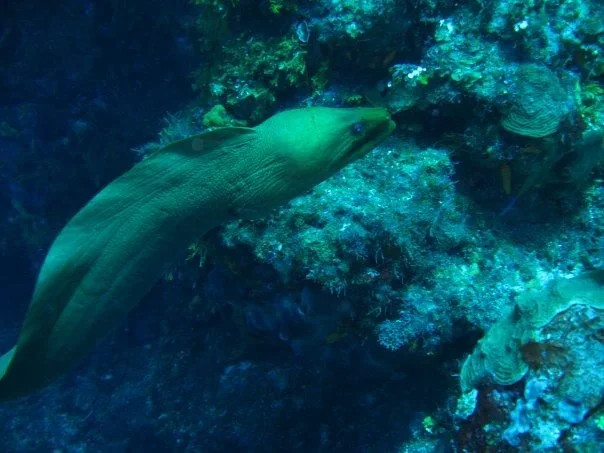
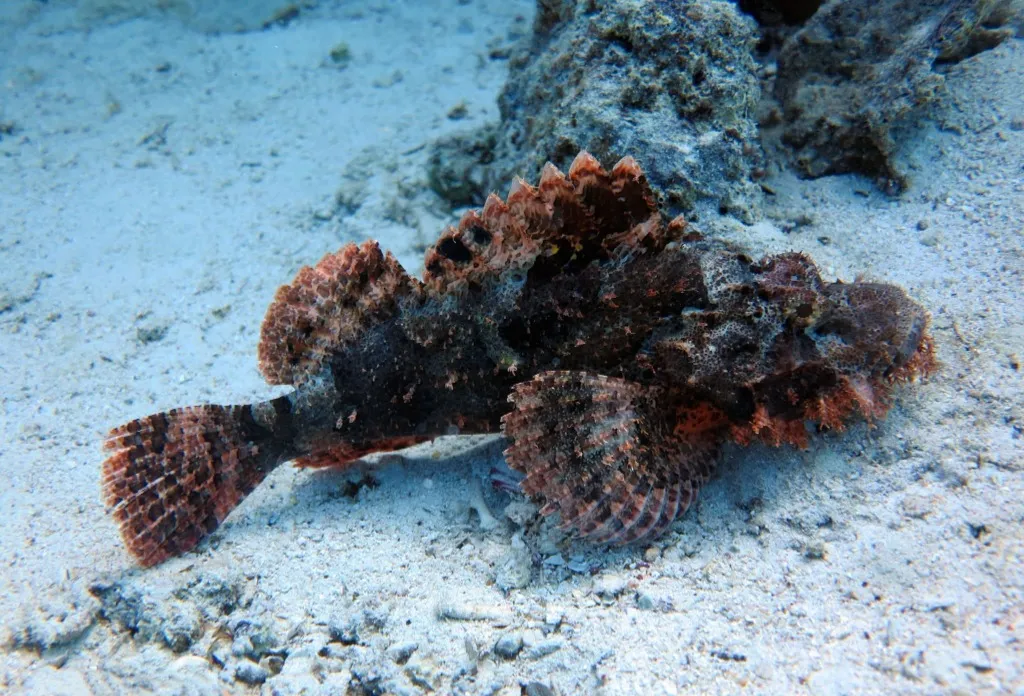
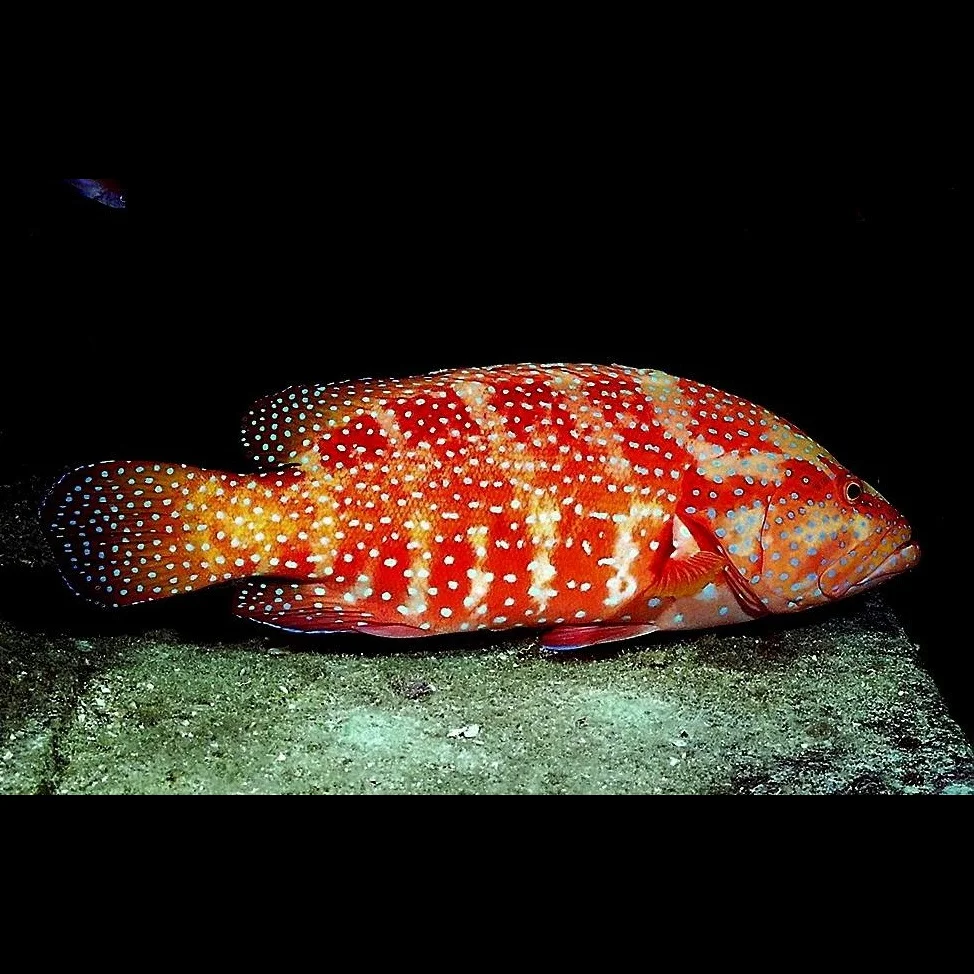
Observing the marine life at El Biotop quickly reveals how the artificial reef has become a haven for Mediterranean species. Divers often spot scorpionfish resting camouflaged among the blocks, while moray eels can be seen peeking from the numerous cavities and gaps.
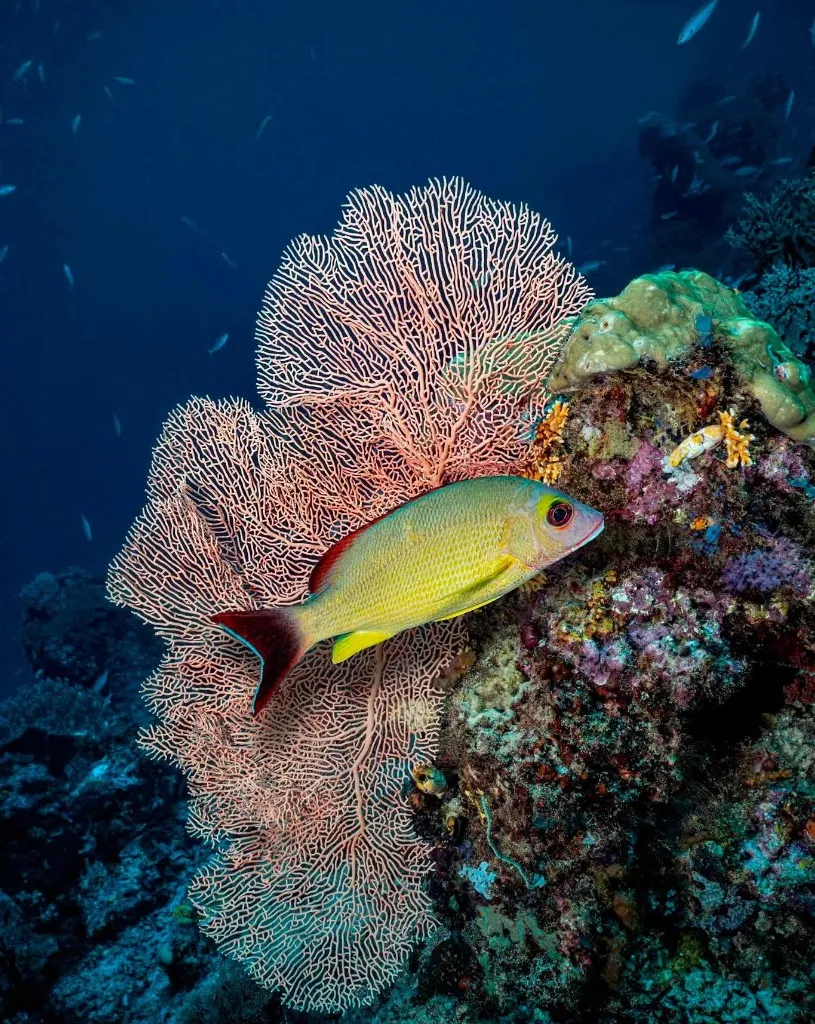
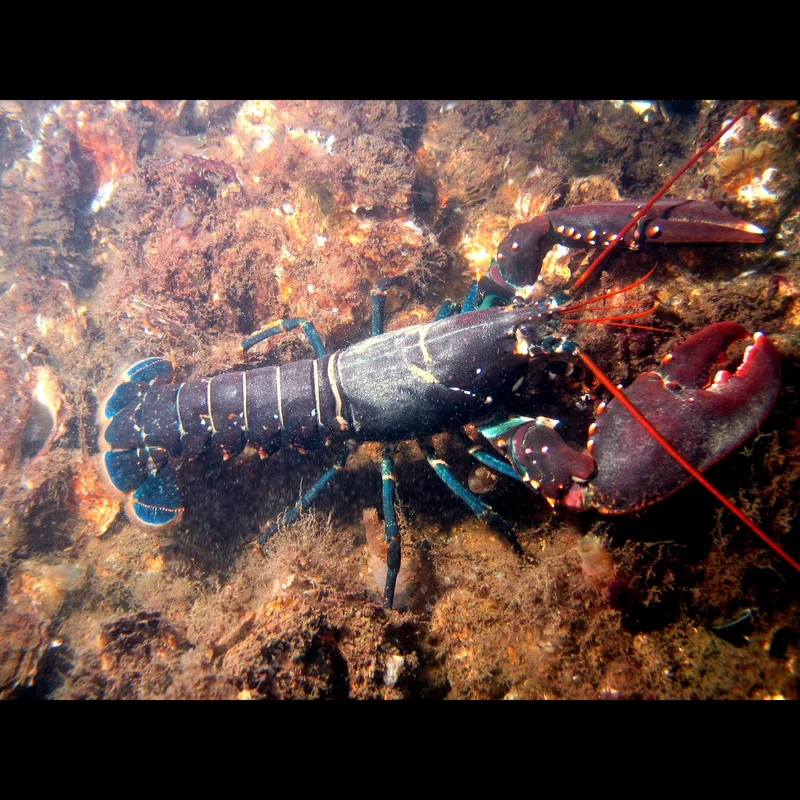
The protective environment of the reef supports a range of other local inhabitants, including lobsters, groupers, and various nudibranchs. Keep an eye out for dentex and snappers cruising around the structure.
Occasionally, sunfish (mola mola) and croakers are sighted, adding to the diversity of encounters within this vibrant underwater habitat.
Dive Sites Near El Biotop
View all dive sites in SpainDiscover more underwater gems in this area.
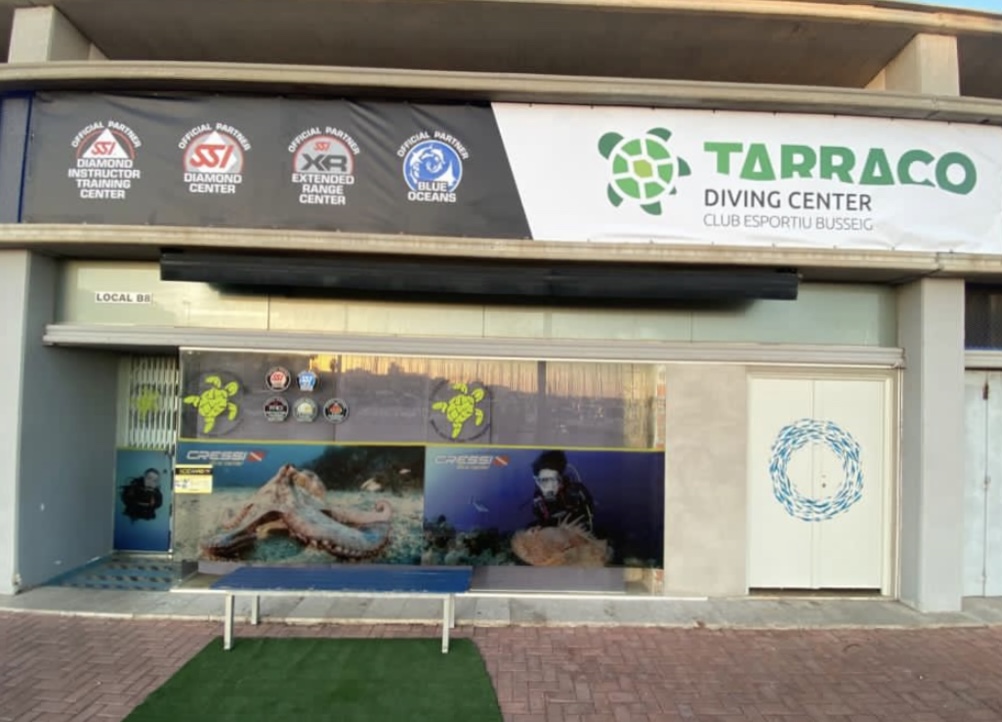
Dive Centers Near El Biotop
Today: 09:00 - 18:00

Nearest Airports
Nearest airports to help plan travel to this dive area.
Search Flights
Check available flights and routes on Expedia, using the nearby airports listed in this section.
Search Flights on ExpediaFrequently Asked Questions
What is El Biotop?
El Biotop is the Mediterranean's first large artificial reef, a man-made underwater mountain constructed from calcium carbonate rocks. It serves as a significant marine habitat and a unique dive site.
What is the maximum diving depth at El Biotop?
The maximum reported depth for diving at El Biotop is 34 meters. The reef structure itself begins at approximately 10 meters.
Is El Biotop suitable for less experienced divers?
While the maximum depth reaches 34 meters, a platform around 20 meters makes the site more accessible. It's often recommended for PADI Open Water, Advanced Open Water, Deep Diver, and Nitrox courses, suggesting a range of experience levels can be accommodated with proper training.
What marine life can be seen at El Biotop?
Divers can expect to encounter moray eels, scorpionfish, lobsters, groupers, dentex, snappers, and various nudibranchs. Sunfish (mola mola) and octopus are also occasionally sighted here.
Why is Nitrox recommended for diving El Biotop?
Nitrox (enriched air) is recommended because it can help extend bottom time and reduce nitrogen loading, which is beneficial for deeper dives that reach the site's full depth of 34 meters at El Biotop.
How do I access El Biotop for diving?
Access to El Biotop is exclusively through authorized dive centers. Currently, Odysea, Subkro, and MRota Diving are the approved operators who can take divers to the site.
Planning to dive El Biotop?
Send one inquiry and receive offers directly from the best verified local dive operators.
Conditions are Excellent
07:00 - 14:00
Optimal conditions expected
Current conditions near El Biotop show 23° air, 27° sea temperature, 0.4 m waves, and 23 km/h wind. Forecast data is refreshed regularly to ensure accuracy.