
Diving at El Dies (Spain)
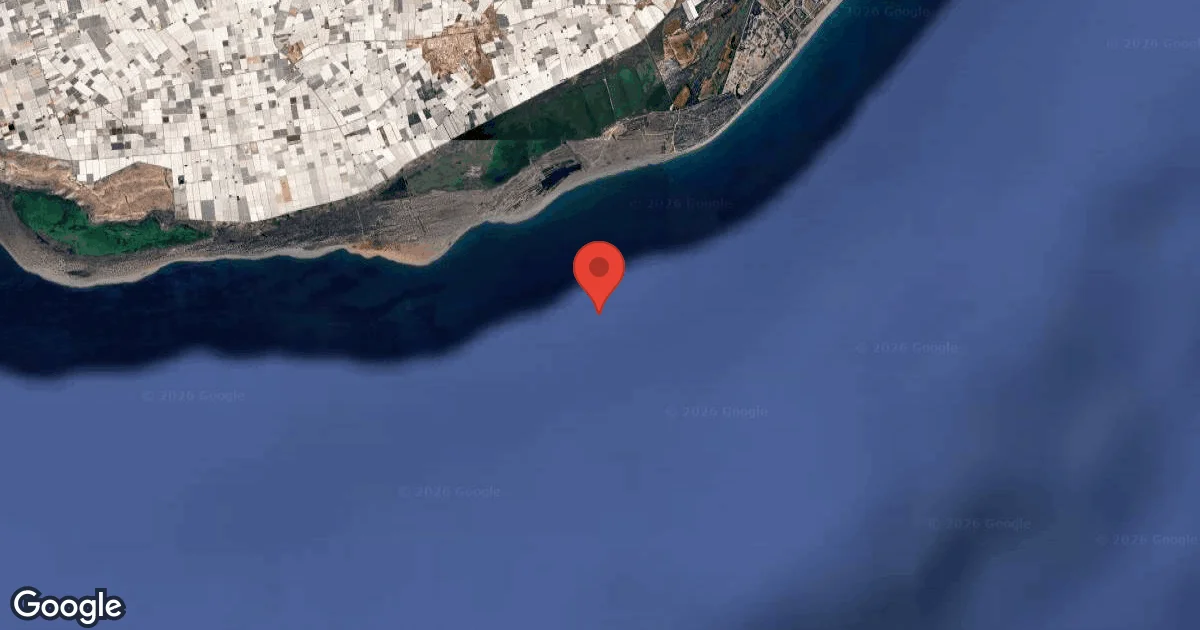
Beneath the surface at El Dies, divers discover a fascinating blend of natural rock formations and human-influenced structures. This area features a diverse underwater landscape, characterized by rockfalls, sandy expanses, and vibrant meadows of Posidonia oceanica. It provides an engaging environment for underwater exploration, offering both complexity in its formations and simplicity in its accessibility.
Evening condition tracking at El Dies features an air temperature of 25.5°C. We have recorded wave heights measuring 0.4 m during this period. These figures outline the environmental parameters currently present.
Dive Site Location & Key Facts
Dive Site Overview
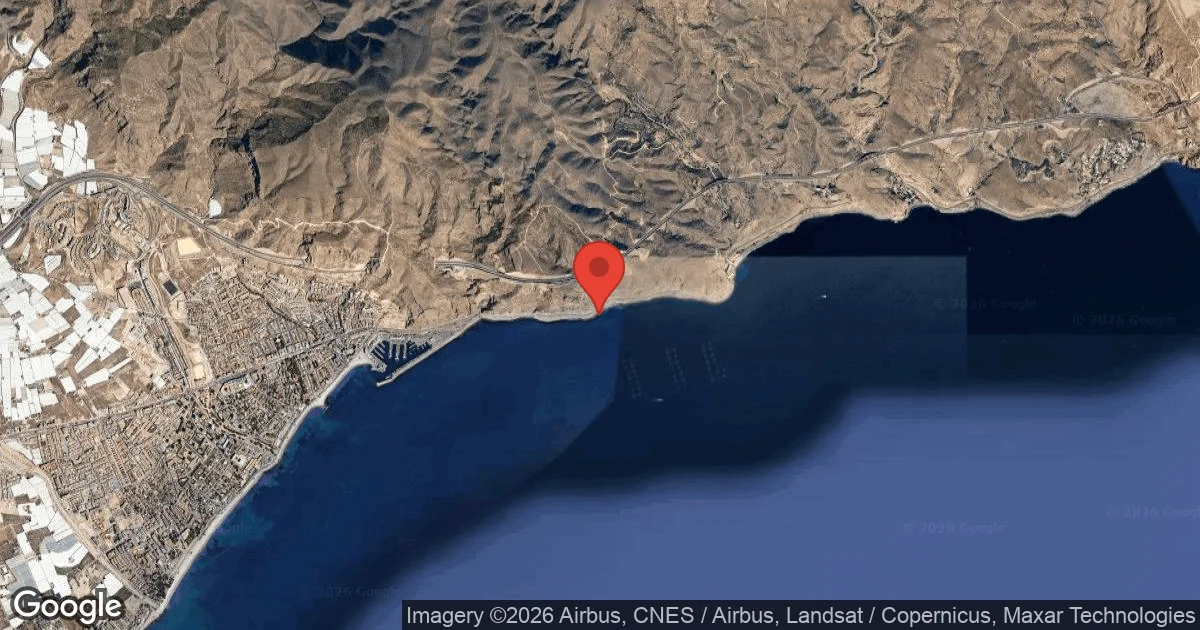
Found close to Aquatours Almería, El Dies provides an accessible entry point to the local underwater world, making it an excellent choice for divers seeking a straightforward yet engaging experience. This dive site unfolds across a landscape primarily shaped by natural rockfalls, which transition gracefully from a soft, sandy seabed.
Descending to a maximum depth of 14 meters / 46 feet, the terrain gradually elevates, with rocks from the bottom upwards consistently draped in a dense, vibrant covering of benthic fauna. It's an environment that encourages close observation, where every surface reveals new details. The site's character, marked by its clear progression from sand to rocky reef and its relatively shallow profile, establishes El Dies as an easy immersion level.
This classification supports its suitability for a wide spectrum of certified divers, from those just gaining confidence to experienced individuals appreciating a relaxed, unhurried exploration. Visibility here is generally consistent, contributing to an uncomplicated navigation experience for divers exploring the varied bottom topography.
Conditions are Moderate
Optimal conditions expected
Current conditions near El Dies show 26° air, 26° sea temperature, 1.1 m waves, and 39 km/h wind. Forecast data is refreshed regularly to ensure accuracy.
Best Time to Dive
Planning your dive for the warmer months offers the most comfortable experience at El Dies, particularly for surface intervals between immersions. June through September typically see air temperatures hovering between 25.5°C and 29°C (84°F)to 84°F). During this period, rainfall is minimal, often remaining below 1 mm, which reliably supports clear underwater visibility and calm sea states. These conditions make entering and exiting the water, as well as gearing up, significantly more pleasant. For those who prefer cooler weather or wish to avoid peak season crowds, the months from December to February still present viable diving opportunities. Air temperatures average around 14°C (57°F); however, divers should be prepared for slightly increased wave activity and wind speeds. While these might slightly affect surface conditions, the underwater environment typically remains accessible. Choosing your dive season depends on prioritizing either surface comfort and calm seas or a quieter experience.
PEAK SEASON SCORE
Scores combine air & water temps, waves, wind & rainfall for overall conditions.
BEST MONTHS TO DIVE
Monthly records compiled from satellite and marine observation nodes over the last 3 years. Data provided by Open-Meteo and MET Norway.
Dive Experience & Conditions
Divers exploring El Dies will encounter an easy immersion level, making it suitable for a broad range of certifications and experience. The primary exploration depth extends to approximately 14 meters / 46 feet. Underwater, the site reveals a fascinating mosaic of low-lying rocks and scattered rockfalls. These structures create numerous small crevices and overhangs, interspersed with expansive meadows of Posidonia oceanica seagrass and open sandy patches. This varied topography supports an engaging dive, allowing for close inspection of the rich benthic communities that thrive on the rocks from the deepest points upwards. Conditions are reliably calm, aligning with the site's beginner-friendly classification, and strong currents are not a typical feature. Divers can expect generally good underwater visibility, allowing for clear observation of the detailed marine life and the subtle transitions in the seabed. It’s an environment designed for relaxed exploration rather than challenging navigation.
Dive Difficulty & Safety Guidelines
Ensuring a safe and enjoyable dive at El Dies begins with a commitment to standard best practices, despite its beginner-friendly nature. The site's relatively shallow maximum depth and consistently calm conditions mean inherent hazards are generally low.
However, consistent adherence to personal dive limits and buddy procedures remains crucial. Divers must prioritize excellent buoyancy control, not only for personal safety but also to protect the delicate Posidonia oceanica seagrass beds and the diverse benthic communities covering the rocks.
Accidental contact can cause irreversible damage to these vital ecosystems. Even in these relaxed underwater settings, maintaining acute situational awareness of your depth, bottom time, and air consumption is essential.
Local operators will provide specific guidance, but generally, a respectful and conservative approach enhances the experience for all and preserves the site for future exploration.
Recommended Equipment
- Dive Computer
This gear list is based on verified equipment signals for El Dies, Spain. Always confirm final gear choices with your dive operator, guide, or liveaboard.
Recommended Dive Suit
Recent conditions suggest the water at El Dies remains near 26°C (78°F), offering typical conditions for the area. Surface air temperatures are resting at 26°C (78°F).
Weather projections show fairly stable environmental conditions ahead.
Most divers would typically feel comfortable using 3mm wetsuit in these conditions. A hood or vest is suggested for sensitive divers due to surface winds. Dive depth and duration can significantly affect perceived warmth.
Due to technical issues with our weather providers, live updates are temporarily delayed. The data above reflects the conditions at the time of the last successful fetch.
Emergency & Medical Support
Essential information to help you plan your dive trip to El Dies.

Hyperbaric chambers are a critical part of dive safety infrastructure. Availability varies significantly by region, and not all dive areas have immediate access.
Before diving, it's recommended to:
- confirm nearest medical facilities
- check emergency procedures with local dive operators
- ensure dive insurance covers evacuation if required
Divers Alert Network
Diving emergency assistance available through DAN Europe.
+39 0642115685- 24/7 emergency hotline
- Diving medical assistance
- Evacuation coordination
Emergency contacts are provided for reference. Always verify local emergency services before diving.
Marine Life at El Dies
The benthic community at El Dies provides a vibrant display, making every dive a discovery of intricate life. Rocks here host green, red, and brown algae, alongside at least eight different species of sponges.
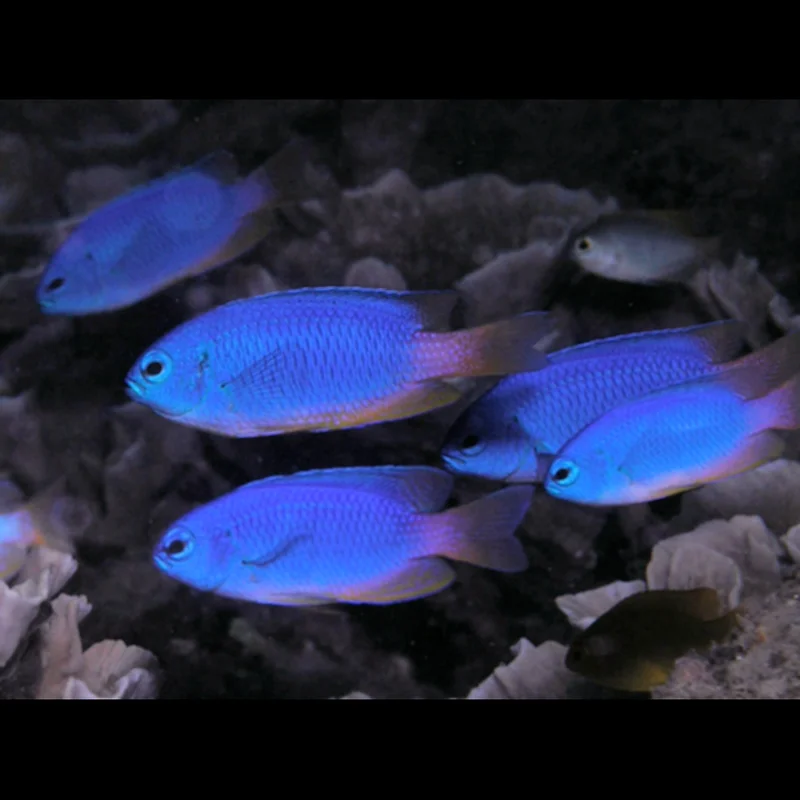
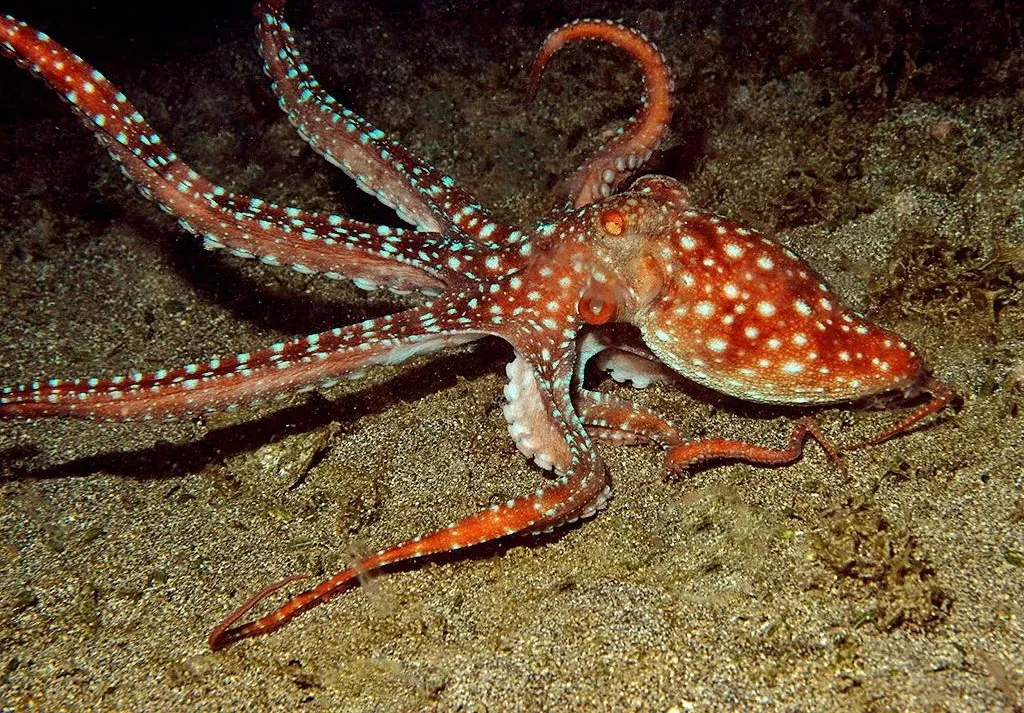
Divers can often spot large sand anemones, beautiful clusters of hydrozoans, sea ears, and various solitary fish such as blennies and gobies. Keep an eye out for octopuses blending into their surroundings, and observe large schools of damselfish and green wrasses navigating the reef.

Dive Sites Near El Dies
View all dive sites in SpainDiscover more underwater gems in this area.
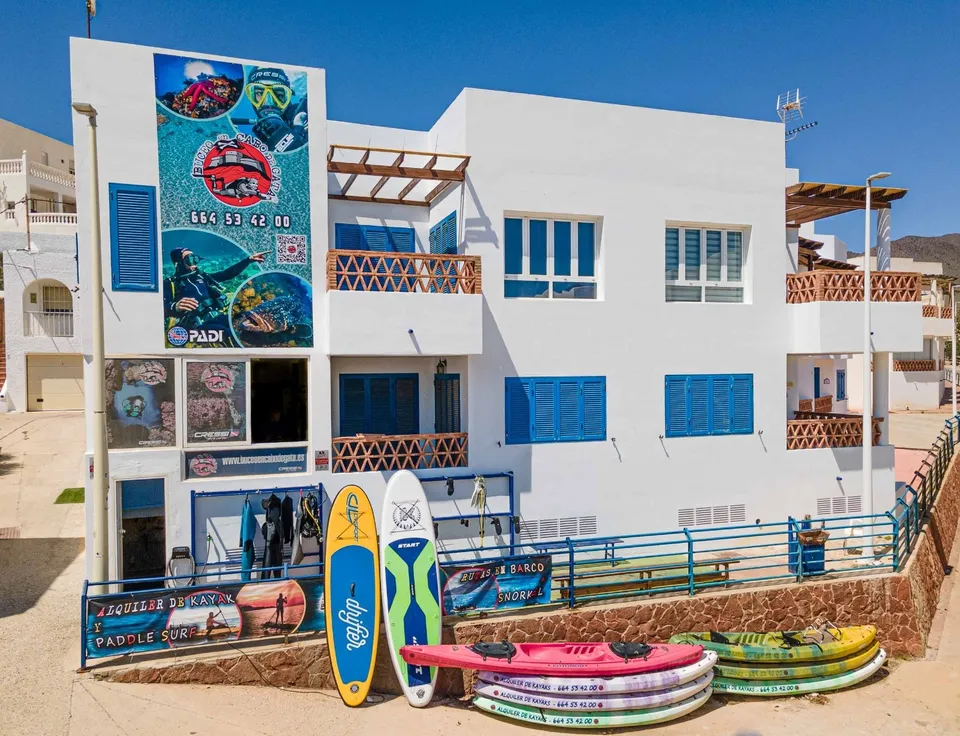
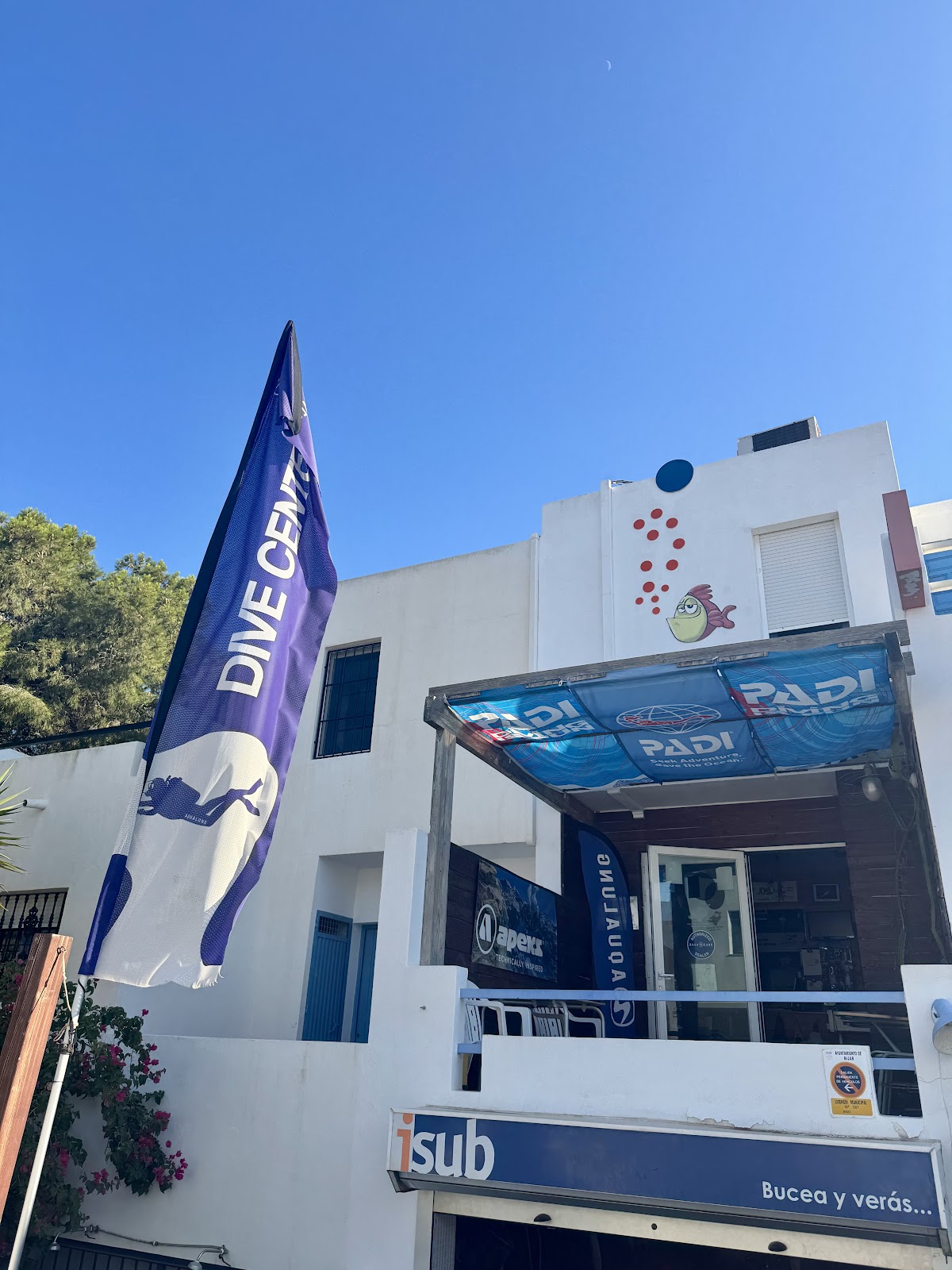
Dive Centers Near El Dies
Today: 09:00 - 20:00
Nearest Airports
Nearest airports to help plan travel to this dive area.
Search Flights
Check available flights and routes on Expedia, using the nearby airports listed in this section.
Search Flights on ExpediaFrequently Asked Questions
What is the maximum depth at El Dies?
El Dies reaches a maximum depth of 14 meters / 46 feet. This shallow profile makes it a highly accessible site for divers of varying experience levels, particularly beginners.
What is the difficulty level of diving at El Dies?
This site is classified as an easy immersion level. Its calm conditions and modest depth are ideal for new divers or those seeking a relaxed dive experience without complex challenges.
What kind of underwater environment can I expect?
The site features an underwater landscape of rockfalls and low-lying rocky areas, interspersed with beds of Posidonia oceanica seagrass and stretches of sand. These varied habitats support diverse marine life.
What marine life is commonly seen at El Dies?
Divers frequently observe a rich benthic community, including various species of sponges, sand anemones, hydrozoans, and sea ears. Solitary fish like blennies and gobies are present, along with octopuses, damselfish, and green wrasses.
Is El Dies suitable for beginner divers?
Yes, El Dies is well-suited for beginner divers due to its easy immersion level and shallow maximum depth. It offers a safe and engaging environment to build confidence and explore Mediterranean marine life.
What are the typical water temperatures at El Dies?
Specific water temperature data for El Dies is not consistently reported. However, conditions in the region generally allow for comfortable diving throughout much of the year, with warmer temperatures expected during the summer months.
Are there any specific safety guidelines for diving at El Dies?
Given its easy classification, standard safety protocols are sufficient. It is important to practice good buoyancy control to protect the delicate Posidonia oceanica meadows and benthic organisms. Always dive within your training limits and follow your dive plan.
Planning to dive El Dies?
Send one inquiry and receive offers directly from the best verified local dive operators.
Conditions are Moderate
Optimal conditions expected
Current conditions near El Dies show 26° air, 26° sea temperature, 1.1 m waves, and 39 km/h wind. Forecast data is refreshed regularly to ensure accuracy.