
Diving at Arrecife Artificial (Spain)
Underwater currents at Arrecife Artificial are typically mild or even absent, making this a generally calm site for exploration. Situated off Isla de Tabarca in Spain's Costa Blanca, divers can expect minimal surge, contributing to comfortable conditions for inspecting the unique submerged structures. This allows for a relaxed pace, letting divers fully immerse themselves in the thriving artificial habitat. The site's steady underwater environment supports sustained observation of its diverse marine inhabitants.
As evening covers Arrecife Artificial, the local air temperature is measured at 22°C. The current wave height at the surface is recorded at 0.4 m. These late-day readings characterize the surface conditions for the night.
Dive Site Location & Key Facts
Dive Site Overview
Arrecife Artificial represents a unique site, intentionally constructed and deployed in November 2013 by the Junta de Andalucía. Its foundation consists of specially designed concrete blocks, forming an intricate underwater network.
These structures actively foster biodiversity, serving as vital refuges for diverse marine life in the waters off Isla de Tabarca, Alicante. Explorations here typically involve descents reaching around 20 m (66 ft), with the artificial reef formations themselves extending to a maximum of 25 meters. Divers experience an intermediate-difficulty dive, offering consistent opportunities to observe various species congregating around and within the substantial blocks.
Expect to routinely encounter schools of roncadores (grunts) and the distinctive three-tailed fish, frequently observed here. Mojarras, castañuelas, and Boop boops also navigate these submerged structures.
Within larger block crevices, patient observers often discover conger eels, some individuals reaching considerable size. Site design actively promotes a thriving ecosystem, making it an engaging opportunity to study marine habitat creation and restoration efforts.
Complex architecture provides essential shelter and feeding grounds, contributing significantly to local marine population health. Divers will find continuous points of interest among the deliberately placed elements, a clear demonstration of successful underwater engineering for ecological benefit.
Conditions are Moderate
Optimal conditions expected
Current conditions near Arrecife Artificial show 22° air, 24° sea temperature, 1.0 m waves, and 39 km/h wind. Forecast data is refreshed regularly to ensure accuracy.
Best Time to Dive
Optimal diving conditions at Arrecife Artificial are generally observed from June to September, aligning with the warmest water temperatures. During these months, water temperatures range from 23-27°C (73-81°F), providing a comfortable dive experience. Air temperatures also peak during summer, reaching highs of 25-29°C (77-84°F) in July and August, accompanied by minimal rainfall, often less than 1 mm. Wave heights are lowest in July and August, typically around 0.6 m (2.0 ft), further enhancing calm surface conditions. Conversely, winter months, from December to February, see water temperatures drop to 14-18°C (57-64°F) and air temperatures around 14-15°C (57-59°F), with slightly higher wind speeds and wave activity, though still within manageable limits for diving.
PEAK SEASON SCORE
Scores combine air & water temps, waves, wind & rainfall for overall conditions.
BEST MONTHS TO DIVE
Monthly records compiled from satellite and marine observation nodes over the last 3 years. Data provided by Open-Meteo and MET Norway.
Dive Experience & Conditions
Upon descending into the waters surrounding Arrecife Artificial, divers will find themselves in conditions well-suited for an intermediate experience. Visibility ranges consistently between 10-20 m (33-66 ft), depending on local factors, providing clear views of the submerged structures. The water temperature fluctuates significantly by season, from 23-27°C (73-81°F) in summer to 14-18°C (57-64°F) during winter months. Currents are typically mild, with negligible surge, facilitating stable exploration. Entry to the site is exclusively by boat, which allows for precise positioning over the artificial reef. The seabed transitions between sand, natural rock formations, and the varied surfaces of the artificial structures, offering diverse environments to investigate while reaching maximum depths of 20 m (66 ft).
Dive Difficulty & Safety Guidelines
For a safe dive at Arrecife Artificial, divers should heed specific considerations as the site is rated for intermediate difficulty. A PADI Advanced Open Water Diver certification, or an equivalent level of training, is recommended to comfortably navigate the site's characteristics. This dive requires divers to be comfortable navigating depths up to 20 m (66 ft) and understanding appropriate bottom times.
Given the intricate nature of the artificial structures, maintaining good buoyancy control is crucial to avoid contact with the reef and its inhabitants. Always consult local dive operators before your dive; they can provide the most current information on site conditions and any temporary restrictions or recommendations. Divers should always verify information locally and ensure their skills align with the dive plan.
Recommended Equipment
- Dive Computer
This gear list is based on verified equipment signals for Arrecife Artificial, Spain. Always confirm final gear choices with your dive operator, guide, or liveaboard.
Recommended Dive Suit
Thermal protection such as 3-5mm wetsuit is commonly used for water temperatures in this range. A hood or vest is suggested for sensitive divers due to surface winds. Surface intervals may feel cooler.
Divers entering the water at Arrecife Artificial today can expect temperatures near 24°C (74°F) beneath the surface. Surface air temperatures are resting at 22°C (72°F).
Environmental models indicate a modest warming trend ahead. A warming trend is expected over the next few days.
Due to technical issues with our weather providers, live updates are temporarily delayed. The data above reflects the conditions at the time of the last successful fetch.
Emergency & Medical Support
Essential information to help you plan your dive trip to Arrecife Artificial.

Hyperbaric chambers are a critical part of dive safety infrastructure. Availability varies significantly by region, and not all dive areas have immediate access.
Before diving, it's recommended to:
- confirm nearest medical facilities
- check emergency procedures with local dive operators
- ensure dive insurance covers evacuation if required
Divers Alert Network
Diving emergency assistance available through DAN Europe.
+39 0642115685- 24/7 emergency hotline
- Diving medical assistance
- Evacuation coordination
Emergency contacts are provided for reference. Always verify local emergency services before diving.
Marine Life at Arrecife Artificial
The artificial structures of this reef create a complex underwater landscape, serving as a magnet for a variety of marine organisms. Divers can expect to observe numerous schools of fish, including banks of roncadores (grunts) and the less common three-tailed fish, which often cluster around the concrete blocks.
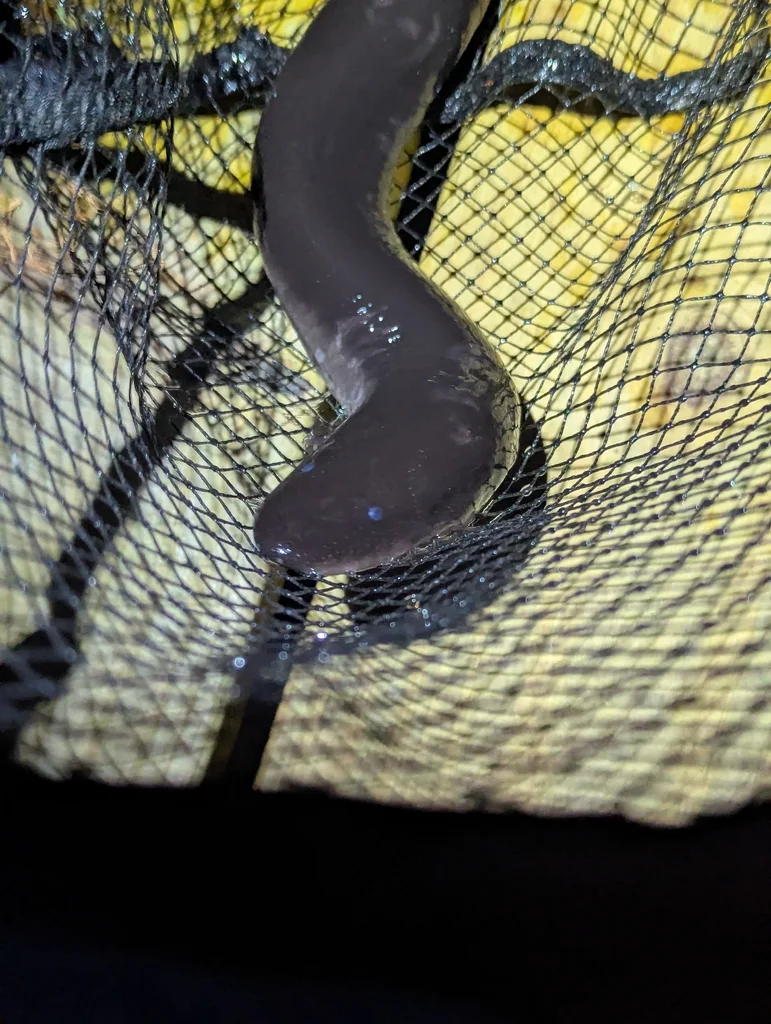
Mojarras, castañuelas, and Boop boops are also frequently sighted, moving in unison over or near these habitats. Within the protective crevices of the blocks, patient divers might discover conger eels, some growing to a notable size.
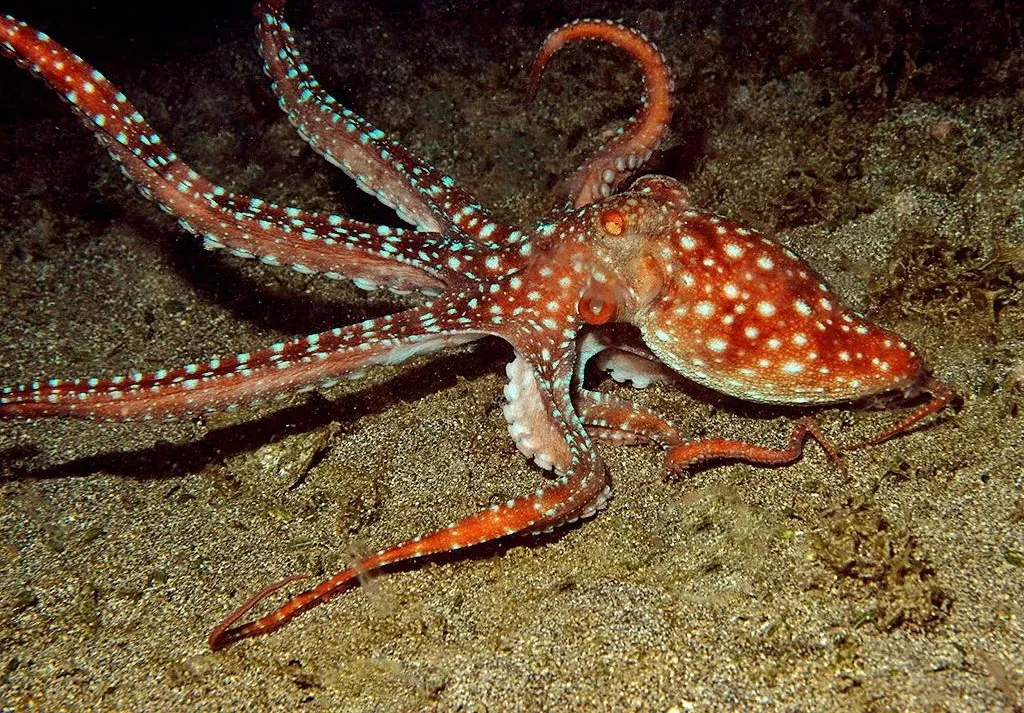
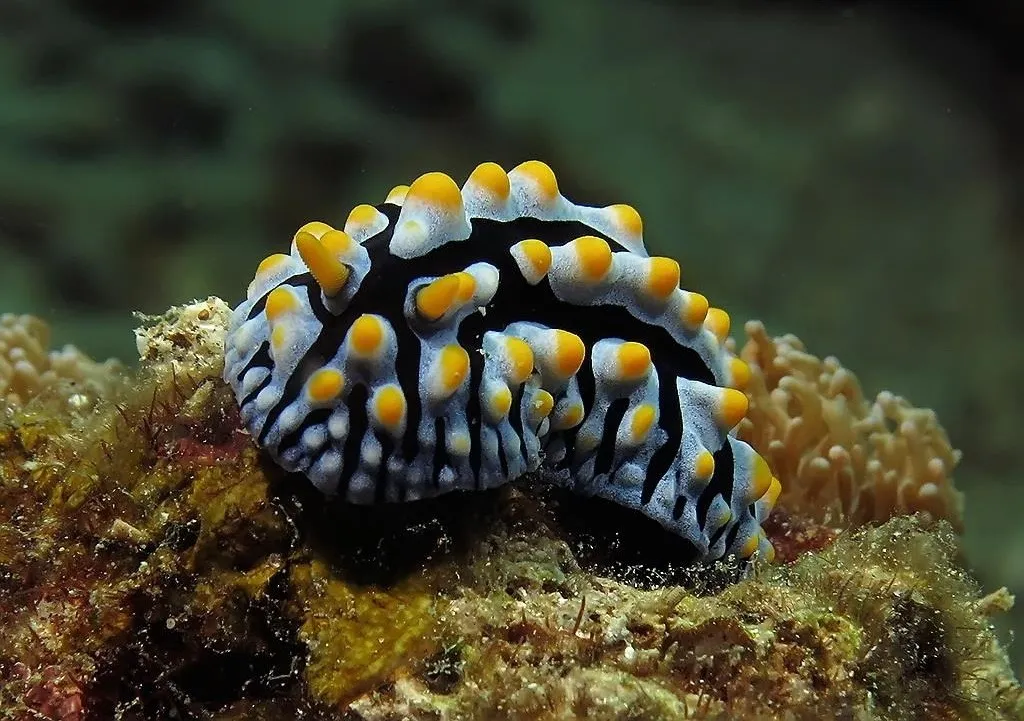
The site also attracts smaller invertebrates, with nudibranchs, salpe, and octopuses occasionally observed exploring the varied surfaces of the artificial formations, contributing to the reef's dynamic ecosystem positioned along the Costa Blanca.

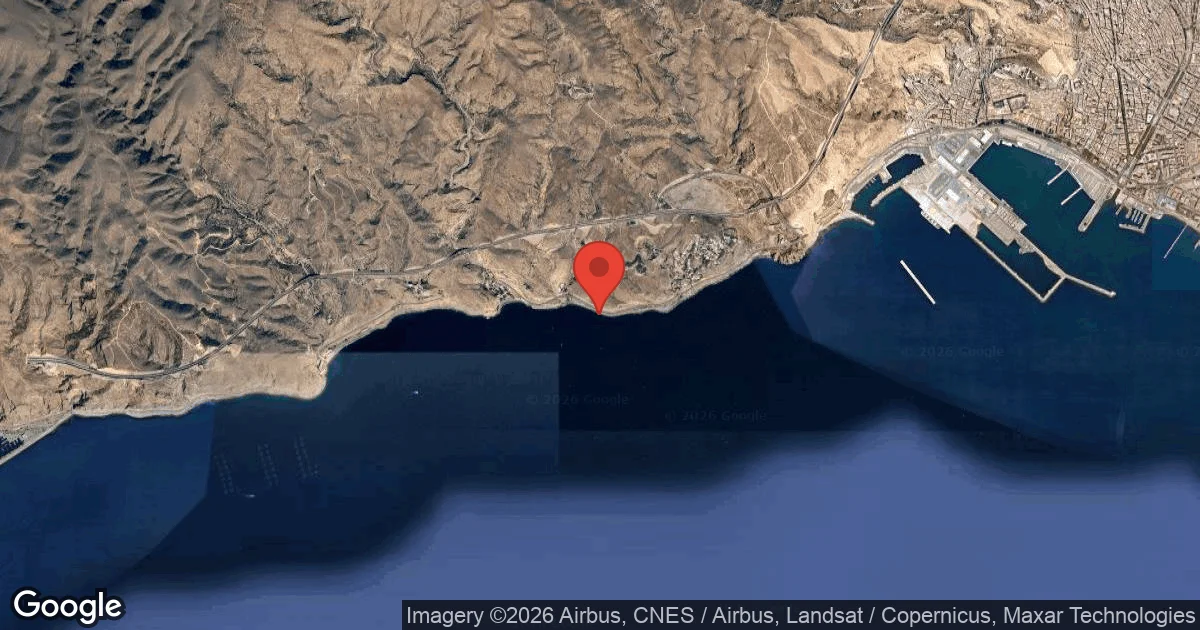
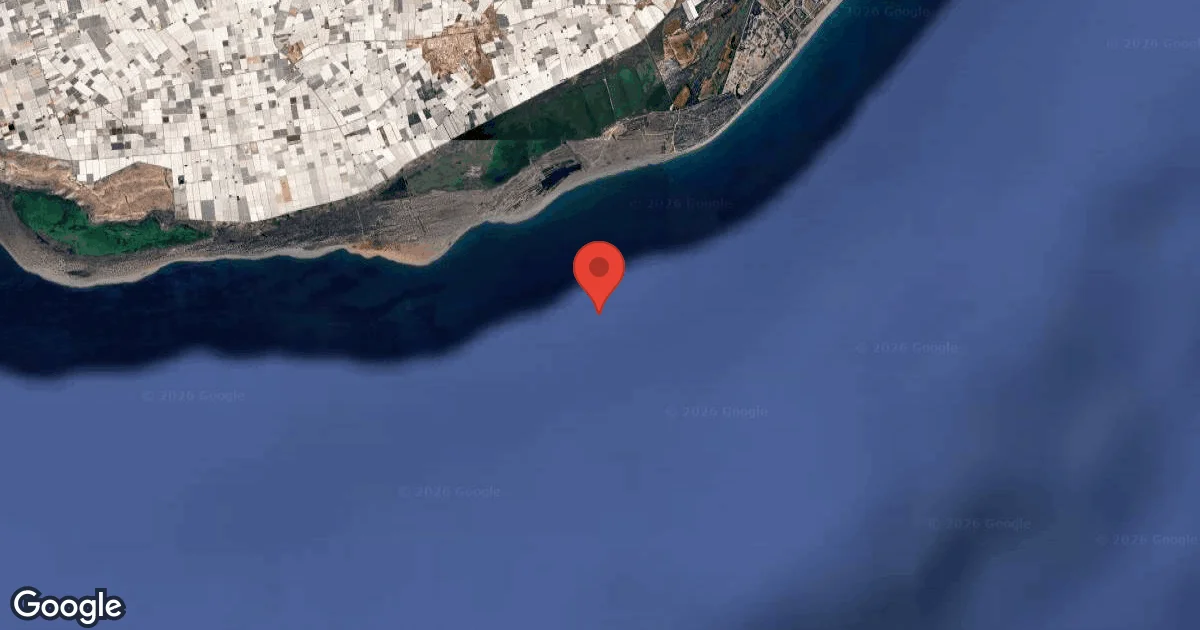
Dive Sites Near Arrecife Artificial
View all dive sites in SpainDiscover more underwater gems in this area.
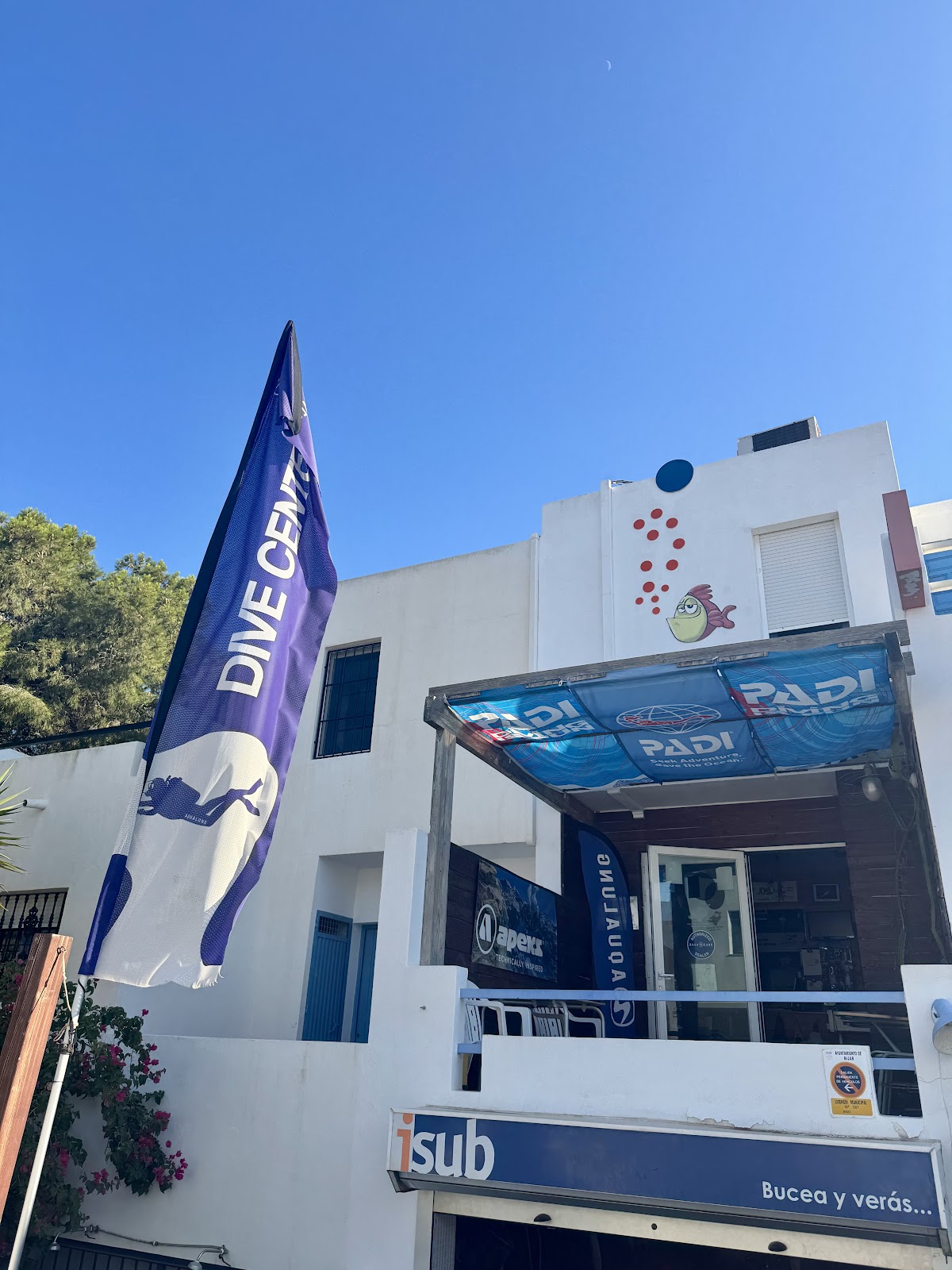
Dive Centers Near Arrecife Artificial
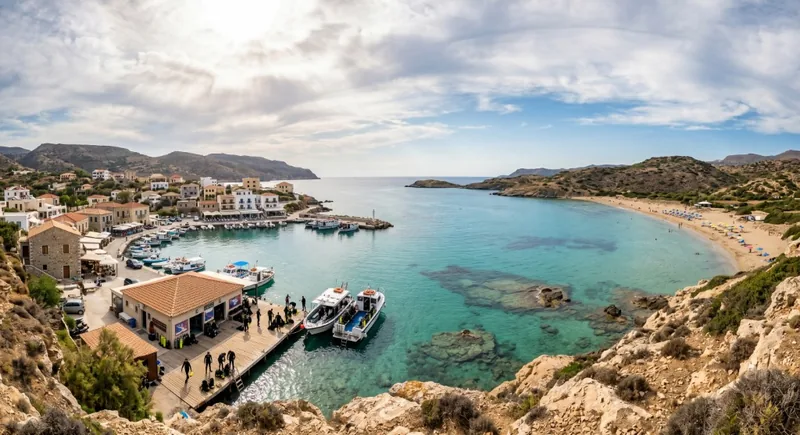
Today: 09:00 - 20:00
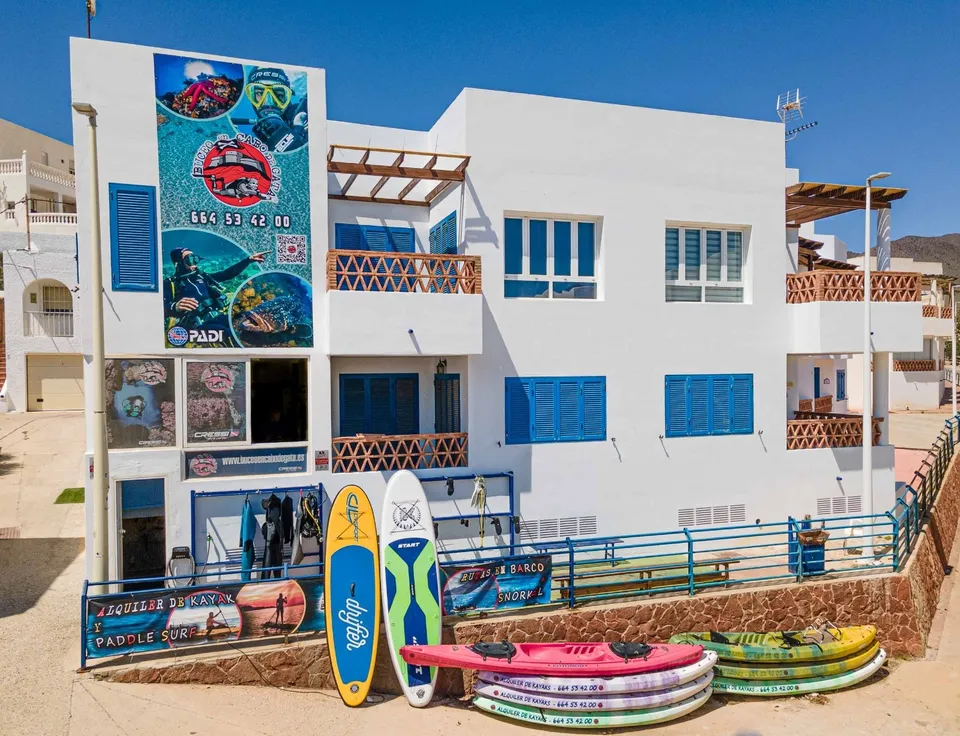
Nearest Airports
Nearest airports to help plan travel to this dive area.
Search Flights
Check available flights and routes on Expedia, using the nearby airports listed in this section.
Search Flights on ExpediaFrequently Asked Questions
What dive certification is required for Arrecife Artificial?
A PADI Advanced Open Water Diver certification, or an equivalent, is generally recommended. Divers should be comfortable with intermediate dive conditions and managing the site's depths.
What is the typical depth range for diving at this site?
Divers typically explore at around 20 m (66 ft). Formations can extend to a maximum depth of 25 meters.
What marine life is commonly seen here?
Expect to see schools of roncadores and three-tailed fish, along with mojarras, castañuelas, and Boop boops. Conger eels are also frequently observed sheltering within the concrete blocks.
Are strong currents or surge common at Arrecife Artificial?
Currents are typically mild, with negligible surge, contributing to generally calm diving conditions. This allows for stable exploration around the reef structures.
What water temperatures can divers expect?
Water temperatures vary seasonally, ranging from 23-27°C (73-81°F) in summer. Winter months see cooler temperatures, dropping to 14-18°C (57-64°F).
How do divers access the Arrecife Artificial site?
Access to the site is exclusively by boat. This ensures precise positioning over the artificial reef structures for optimal dive planning and entry.
Is Arrecife Artificial suitable for novice divers?
Given its intermediate difficulty rating, novice divers might find aspects challenging. Comfort with buoyancy control and navigating artificial structures is beneficial for an enjoyable experience.
Planning to dive Arrecife Artificial?
Send one inquiry and receive offers directly from the best verified local dive operators.
Conditions are Moderate
Optimal conditions expected
Current conditions near Arrecife Artificial show 22° air, 24° sea temperature, 1.0 m waves, and 39 km/h wind. Forecast data is refreshed regularly to ensure accuracy.