
Diving at Freo (Spain)
Stories of the region's rich maritime past often surface, much like the ancient Phoenician vessels discovered just off the Mazarrón coast. While those historical finds remain protected and inaccessible, the area's more contemporary underwater narratives invite exploration. Near Freo, divers can explore a range of sites, including the purposely scuttled Nalón minesweeper, now an artificial reef since 1999. This site acts as a modern landmark, adding a tangible wreck story to the Mazarrón gulf's diverse underwater landscape.
As evening covers Freo, the local air temperature is measured at 20.5°C. The current wave height at the surface is recorded at 0.7 m. These late-day readings characterize the surface conditions for the night.
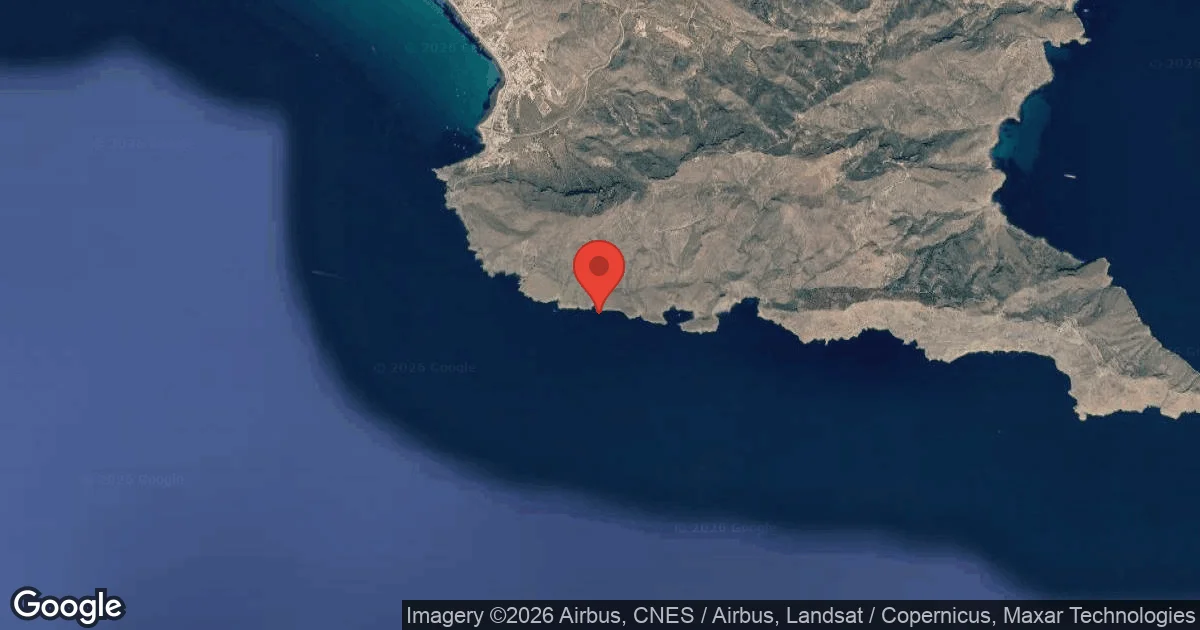
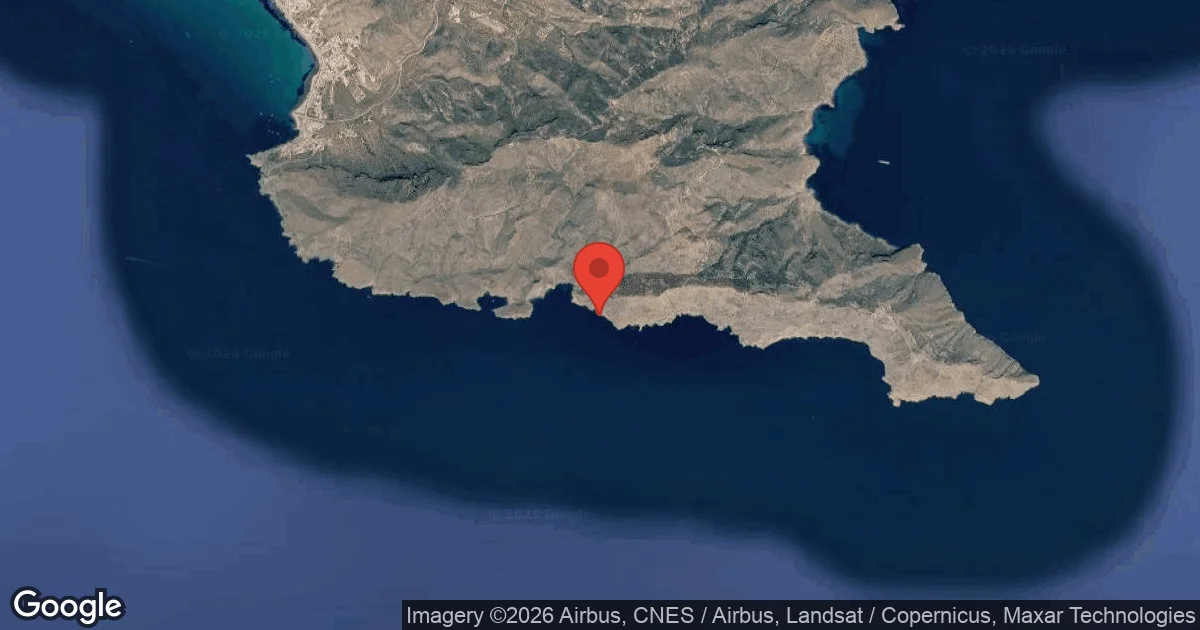
Dive Site Location & Key Facts
Dive Site Overview
Diving in the Mazarrón gulf offers a remarkable spectrum of underwater experiences, extending from sheltered coves to challenging deeper areas. Freo itself stands out as a 'fairly deep' dive, recognized for hosting a variety of substantial marine species and often explored by advanced divers.
The coastline, stretching for 35 kilometers between Cabo Cope and Cabo Tiñoso, harbors numerous underwater caves, reefs, and dramatic rock formations catering to diverse skill levels. Many preferred dive locations, including Freo, are found within 16 kilometers (10 miles) of the port, with depths commonly reaching up to 60 meters (200 ft) in certain open water sections.
Exploring the diverse underwater topography here is a key aspect of the diving. Beyond Freo, the area presents additional notable sites.
El Bajo de Emilio, for example, features a dramatic rock face descending to around 35 meters, creating impressive vertical walls.
Furthermore, the Nalón minesweeper wreck lies at around 33 meters, providing a substantial artificial reef structure on a generally sandy bottom. These varied sites, from sheltered shallows to exposed canyons, ensure a consistent and rich diving experience across the Mazarrón region.
Conditions are Good
Optimal conditions expected
Current conditions near Freo show 21° air, 27° sea temperature, 1.2 m waves, and 30 km/h wind. Forecast data is refreshed regularly to ensure accuracy.
Best Time to Dive
Dive scores for the Mazarrón region consistently indicate good conditions year-round, suggesting reliable diving opportunities throughout the seasons. Air temperatures remain pleasant, ranging from approximately 12°C (54°F) in January to highs of 27.5°C (82°F) in August. Rainfall is notably low across all months, ensuring minimal surface disruption. Wave heights generally remain manageable, often around 0.6 to 1.0 meter (2-3 ft), contributing to stable diving conditions. While specific water temperature data isn't consistently reported, the warm air temperatures in summer months typically correlate with more comfortable water for diving.
PEAK SEASON SCORE
Scores combine air & water temps, waves, wind & rainfall for overall conditions.
BEST MONTHS TO DIVE
Monthly records compiled from satellite and marine observation nodes over the last 3 years. Data provided by Open-Meteo and MET Norway.
Dive Experience & Conditions
Regarding the dive experience, Freo is primarily considered a 'fairly deep' dive, suitable for divers comfortable beyond typical recreational limits. Its characteristics often include strong currents, making it more appropriate for advanced certification levels. Conditions in the Mazarrón gulf vary significantly depending on the specific site and time of year, providing diverse options for both novice and experienced divers. Shallower sites like La Isla de Paco and Cala del Faro are ideal for beginners, reaching depths of around 15 meters and 9 meters respectively. These locations typically feature gentle slopes and vibrant rocky reef sections. Conversely, deeper sites such as Azores can approach 42 meters, offering more technical challenges and often presenting as dramatic wall dives. Visibility in the region is generally good, however, it can be influenced by local currents and recent weather patterns, sometimes dropping in areas prone to sediment. Divers must always assess current conditions and plan their dive profiles carefully, particularly for deeper locations or those known for stronger flow.
Dive Difficulty & Safety Guidelines
When approaching diving in the Mazarrón area, a key expert tip involves thorough preparation, especially for deeper sites like Freo, which can present advanced challenges. Always plan your dives strictly within your certification limits and consider the distinct depth profiles of sites such as the Nalón wreck (around 33 meters) or Azores (reaching 42 meters). Surface conditions, influenced by average wind speeds that typically range between 16-23 km/h (10-14 mph), should be factored into boat dive planning, as these winds can create chop.
It's advisable to dive with experienced local guides who are intimately familiar with specific site characteristics, common current patterns, and appropriate entry/exit points for safety. Maintaining excellent buoyancy control is essential not only for diver safety but also to protect the delicate marine environments, particularly around seagrass meadows and fragile reef structures found at sites like Isla de Cueva Lobos.
Recommended Equipment
Current and surface separation risk. Local briefing strongly recommended.
- Dive Computer
- DSMB
- Reel / Spool
This gear list is based on verified equipment signals for Freo, Spain. Always confirm final gear choices with your dive operator, guide, or liveaboard.
Recommended Dive Suit
Current diving conditions indicate water temperatures around 27°C (80°F) at Freo. Surface air temperatures are resting at 21°C (69°F).
Forecasts suggest rising temperatures later this week. A warming trend is expected over the next few days.
Most divers would typically feel comfortable using 2-3mm shorty or light wetsuit in these conditions. A hood or vest is suggested for sensitive divers due to surface winds. Surface intervals may feel cooler. Dive depth and duration can significantly affect perceived warmth.
Emergency & Medical Support
Essential information to help you plan your dive trip to FREO.

Hyperbaric chambers are a critical part of dive safety infrastructure. Availability varies significantly by region, and not all dive areas have immediate access.
Before diving, it's recommended to:
- confirm nearest medical facilities
- check emergency procedures with local dive operators
- ensure dive insurance covers evacuation if required
Divers Alert Network
Diving emergency assistance available through DAN Europe.
+39 0642115685- 24/7 emergency hotline
- Diving medical assistance
- Evacuation coordination
Emergency contacts are provided for reference. Always verify local emergency services before diving.
Marine Life at Freo
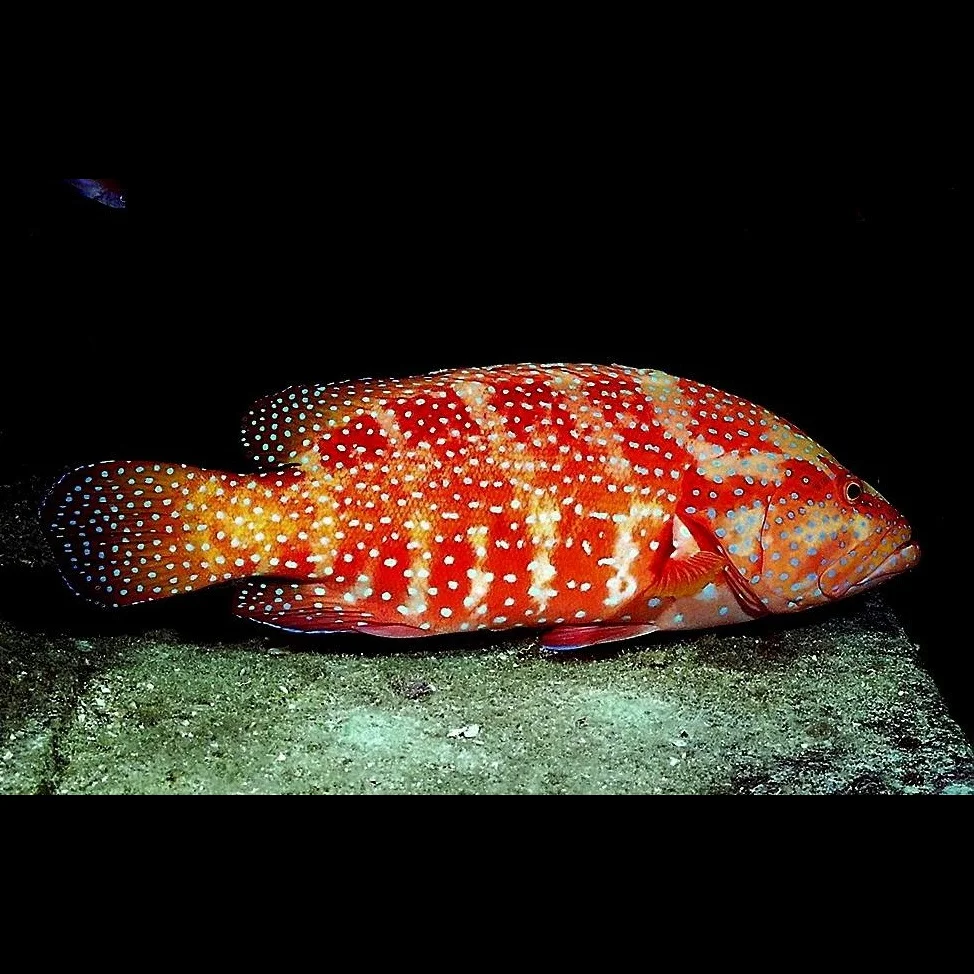
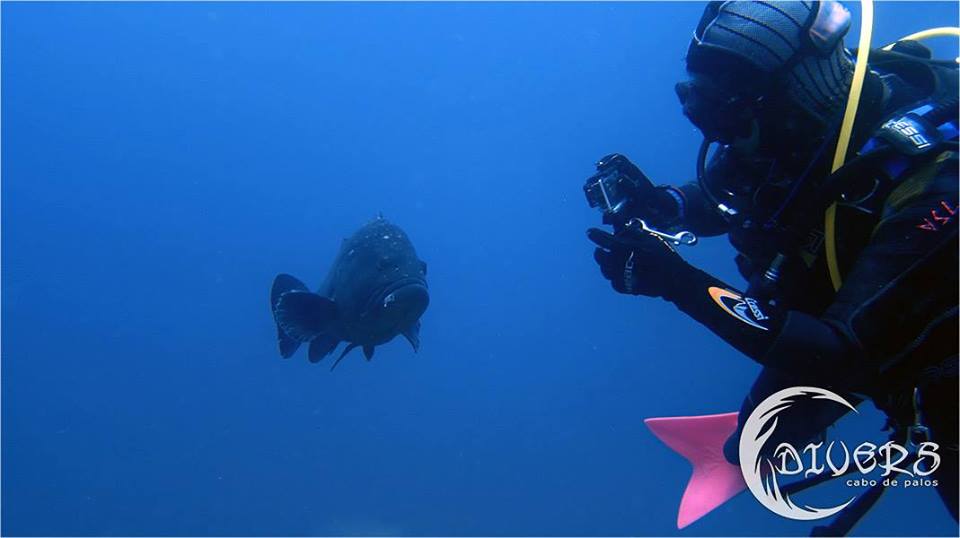
Descending into the waters around Freo, divers are often greeted by the presence of numerous large species of fish, making this a site focused on significant encounters. Beyond this, the broader Mazarrón gulf supports a vibrant ecosystem.
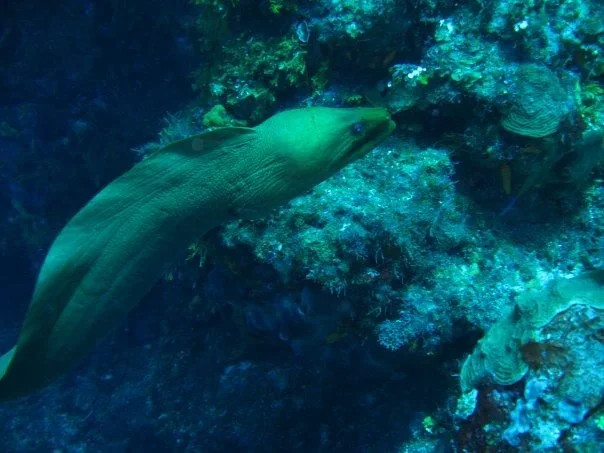
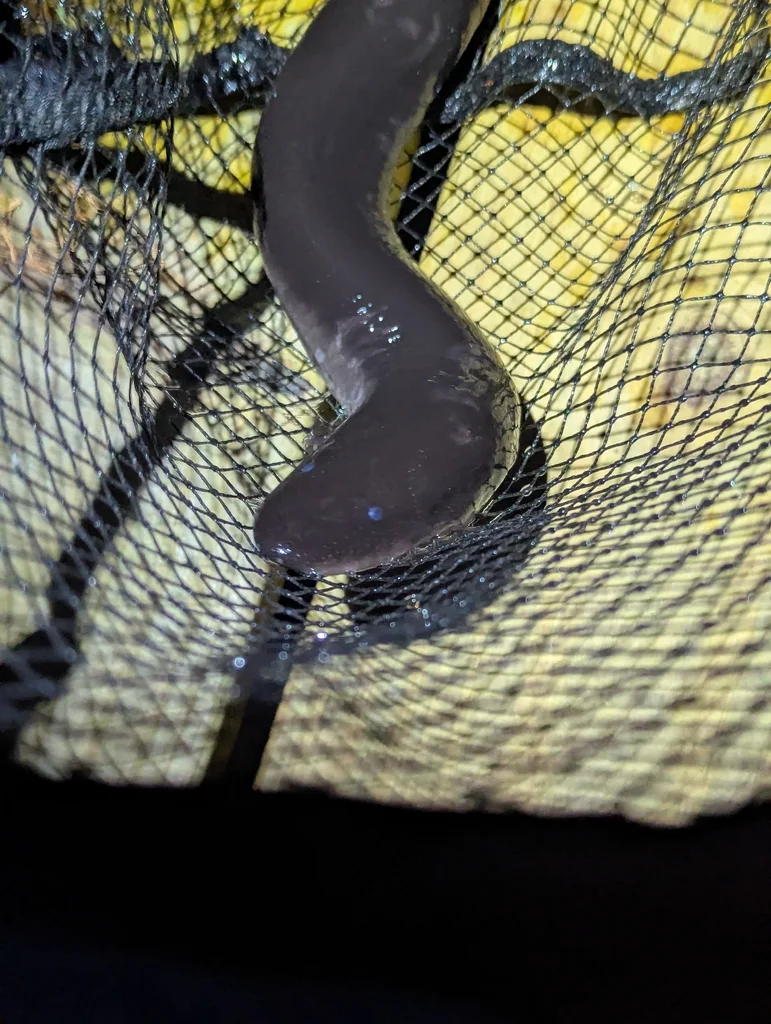
You might observe groupers and moray eels navigating the rocky structures of sites like El Bajo de Emilio or Azores. Conger eels are also commonly sighted in these deeper environments.
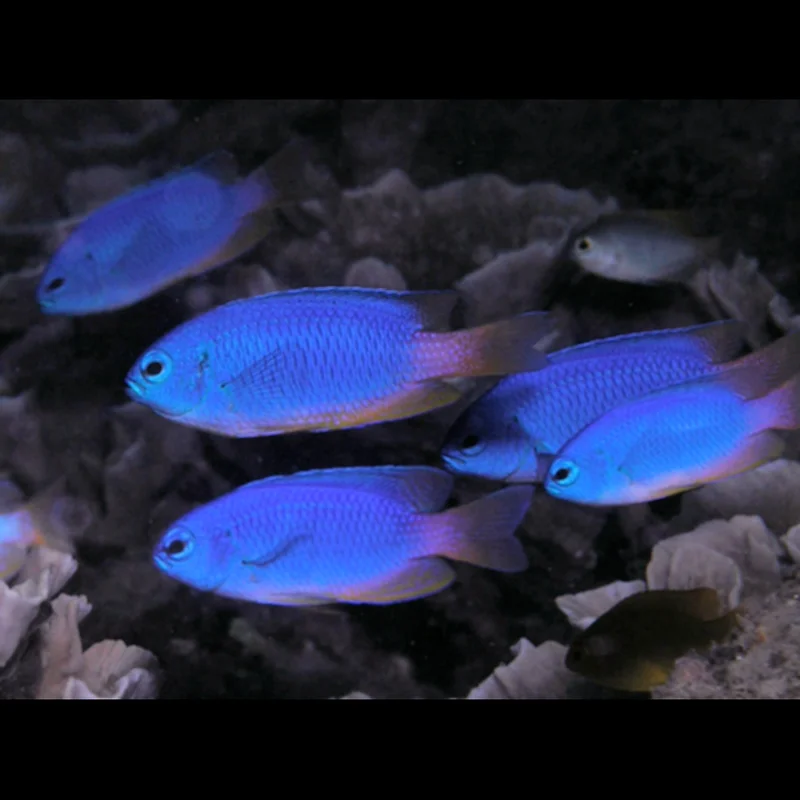
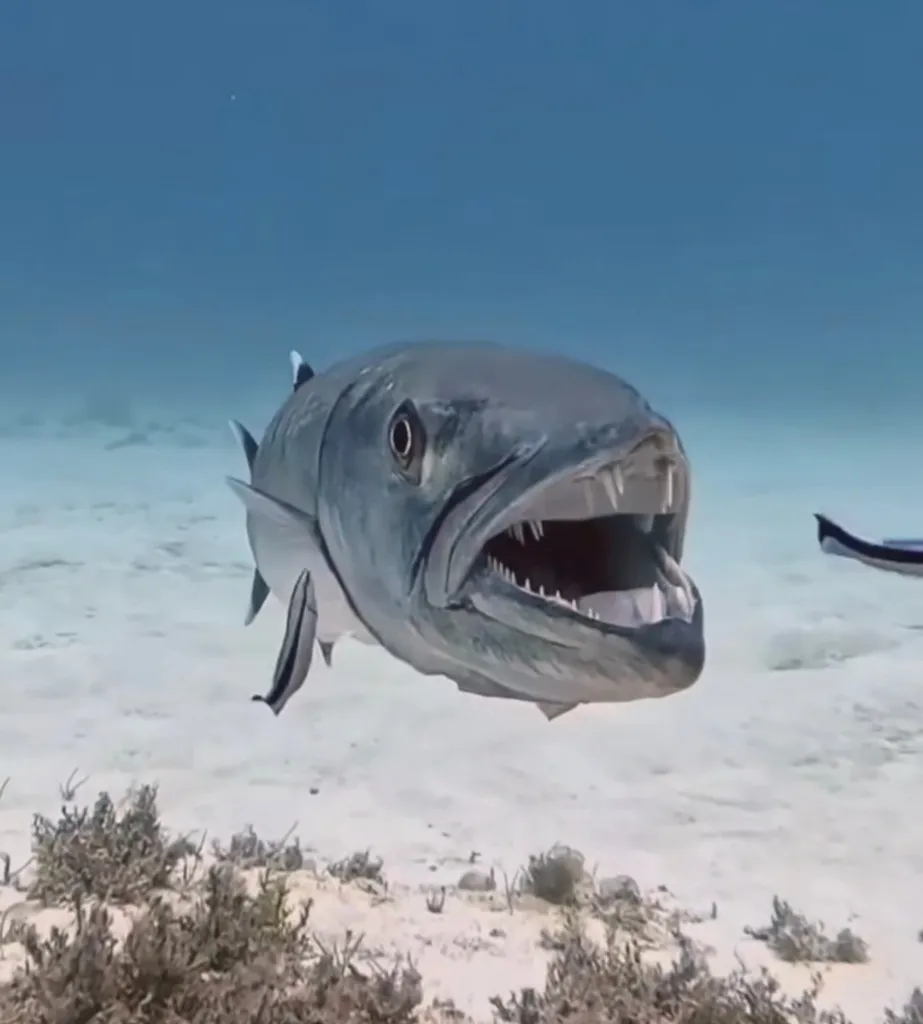
The Nalón minesweeper wreck has become a habitat for gilthead and white sea bream, alongside drum and occasional barracuda or sunfish. Shallower areas, such as those with posidonia sea grass meadows, host smaller inhabitants including octopus, flounder, and various damselfish.
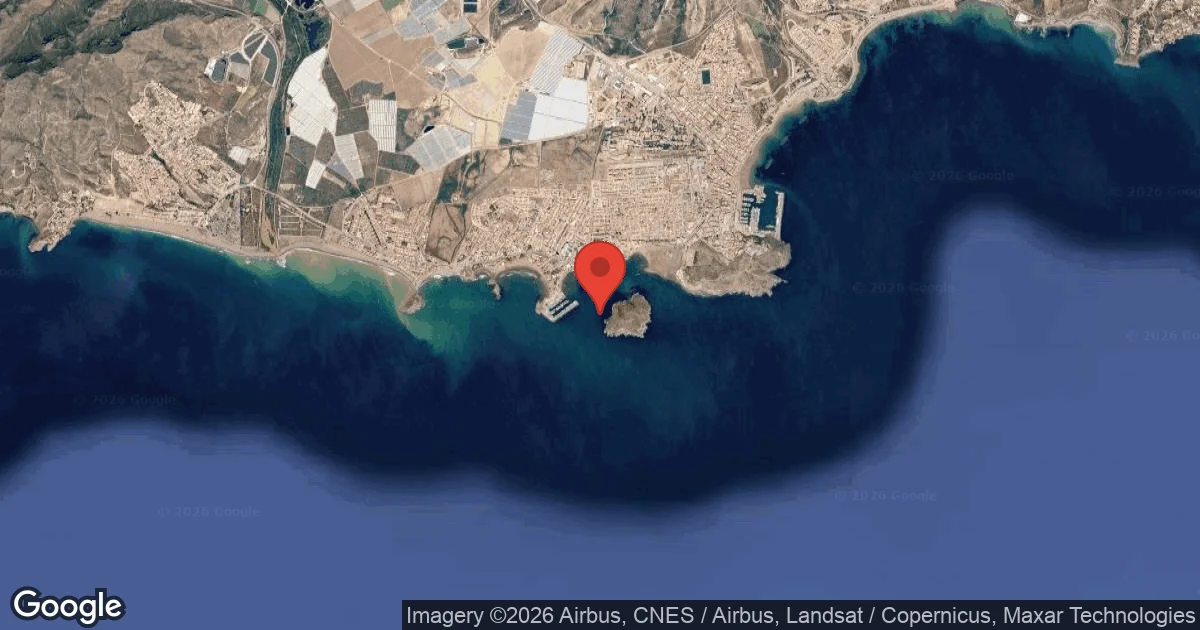
Dive Sites Near Freo
View all dive sites in SpainDiscover more underwater gems in this area.
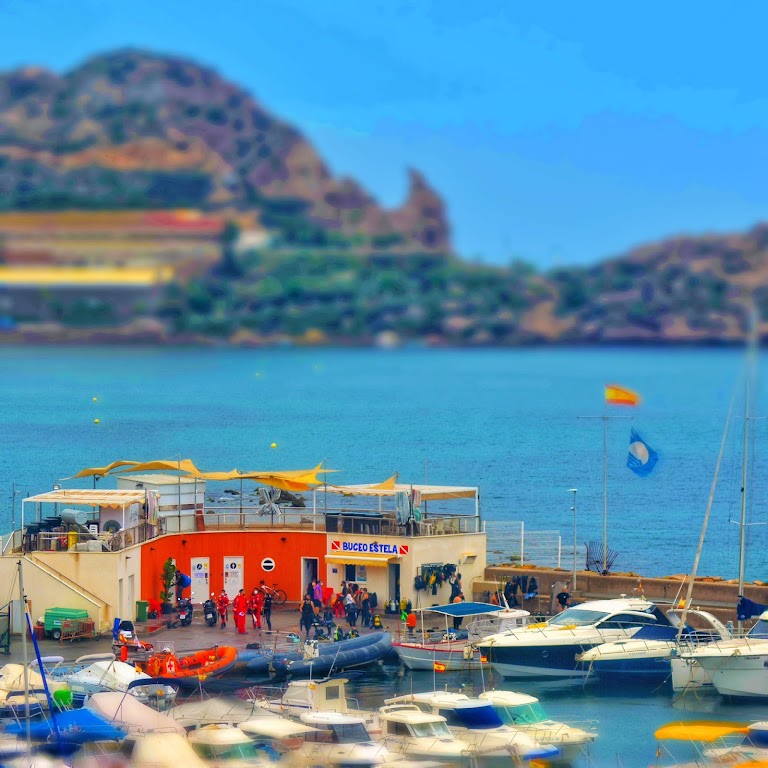
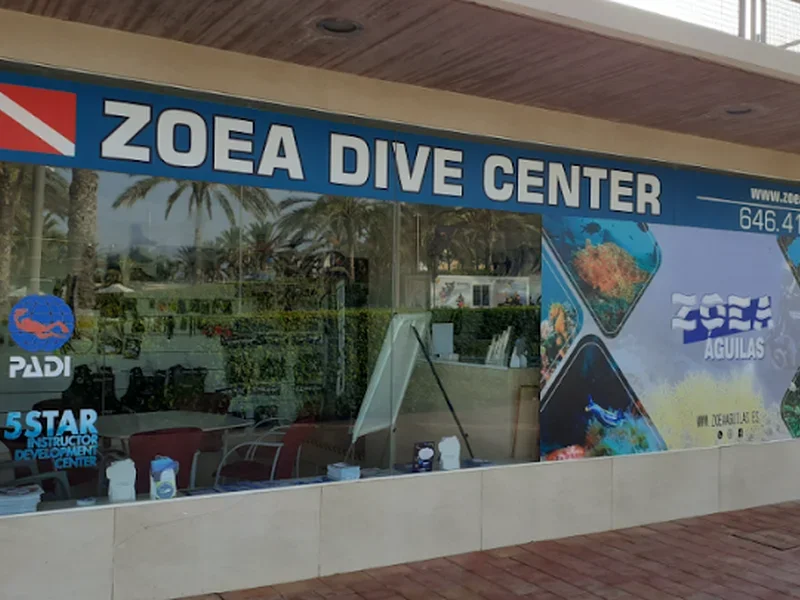
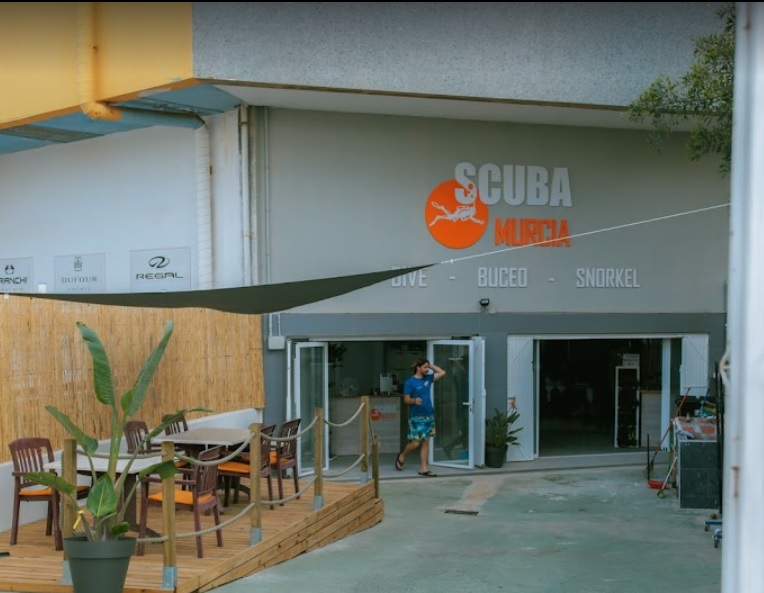
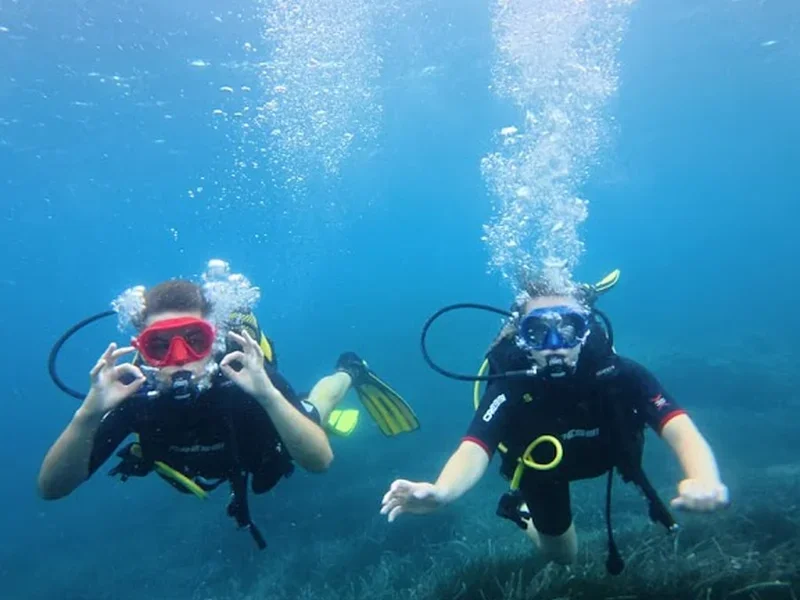
Dive Centers Near Freo
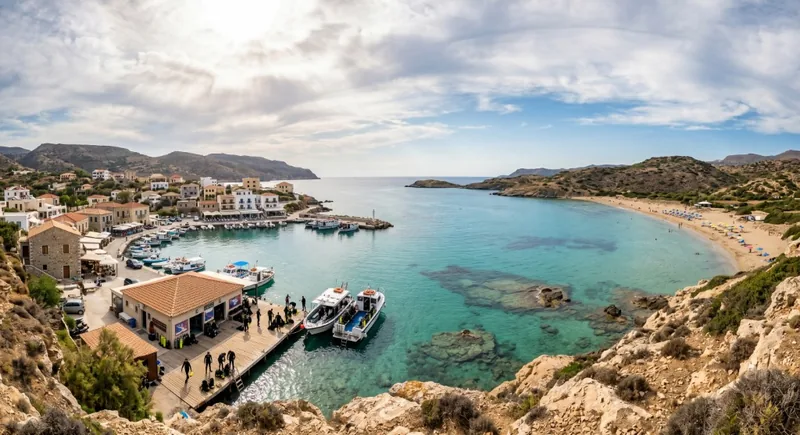
Today: 09:30 - 20:00
Nearest Airports
Nearest airports to help plan travel to this dive area.
Search Flights
Check available flights and routes on Expedia, using the nearby airports listed in this section.
Search Flights on ExpediaFrequently Asked Questions
What kind of dive is El Freo?
El Freo is described as a 'fairly deep' dive, known for hosting numerous large species of fish. It's generally suited for divers with experience in deeper waters.
Are there any wrecks accessible for diving in the Mazarrón area?
Yes, the Nalón minesweeper, purposely sunk in 1999 to create an artificial reef, lies at 33 meters (108 ft) and is a popular wreck dive. Historical Phoenician relics are also in the area, but they are protected and not accessible for diving.
What is the typical depth range for dives in Mazarrón?
Dive sites in the Mazarrón area offer a broad depth range. While some sites like Cala del Faro are shallow at 2-9 meters (7-30 ft), others, such as Azores, can reach depths of up to 42 meters. The general coastal waters can extend to around 60 meters, accommodating various skill levels.
What marine life can I expect to see?
The region supports diverse marine life. Deeper sites are home to large fish species, groupers, moray eels, and conger eels. Wrecks attract bream, drum, barracuda, and sunfish. Seagrass beds often house octopus, flounder, and damselfish.
Is Mazarrón suitable for beginner divers?
Yes, Mazarrón offers several sites ideal for novice divers. Locations like La Isla de Paco and Cala del Faro feature shallower depths and a variety of plant and animal life, providing excellent entry-level experiences.
What are the best months for diving in Mazarrón?
Dive scores for Mazarrón remain consistently 'Good' throughout the entire year. With pleasant air temperatures, low rainfall, and manageable wave heights, diving is a viable option in any month, though water temperatures will vary seasonally.
Planning to dive Freo?
Send one inquiry and receive offers directly from the best verified local dive operators.
Conditions are Good
Optimal conditions expected
Current conditions near Freo show 21° air, 27° sea temperature, 1.2 m waves, and 30 km/h wind. Forecast data is refreshed regularly to ensure accuracy.