
Diving at Nalón (Spain)
A deeper recreational diving challenge, the NALÓN wreck demands careful planning and appropriate certifications for safe exploration. Sitting on a sandy seabed at 35 m (115 ft), this site is suitable for advanced divers comfortable with its maximum depth. Potential for reduced visibility, while not consistently reported, should always be considered. Ensure all equipment is properly maintained and your dive plan accounts for the bottom time and decompression limits inherent to deeper wreck dives.
As evening covers Nalón, the local air temperature is measured at 20.5°C. The current wave height at the surface is recorded at 0.7 m. These late-day readings characterize the surface conditions for the night.
Dive Site Location & Key Facts
Dive Site Overview
Tracing its origins back to the "South Coast Co. Newport Beach CA" shipyards in the U.S.A., the NALÓN wreck holds a compelling history beneath the waves of Mazarrón Bay.
Initially designated for transfer to the French navy as the "M691 Oeillet," this MSC-139 Bluebird class coastal minesweeper was launched on November 22, 1952. Construction concluded by February 1, 1954, and it was subsequently delivered to the Spanish Navy on February 16, 1954, under the designation M-21.
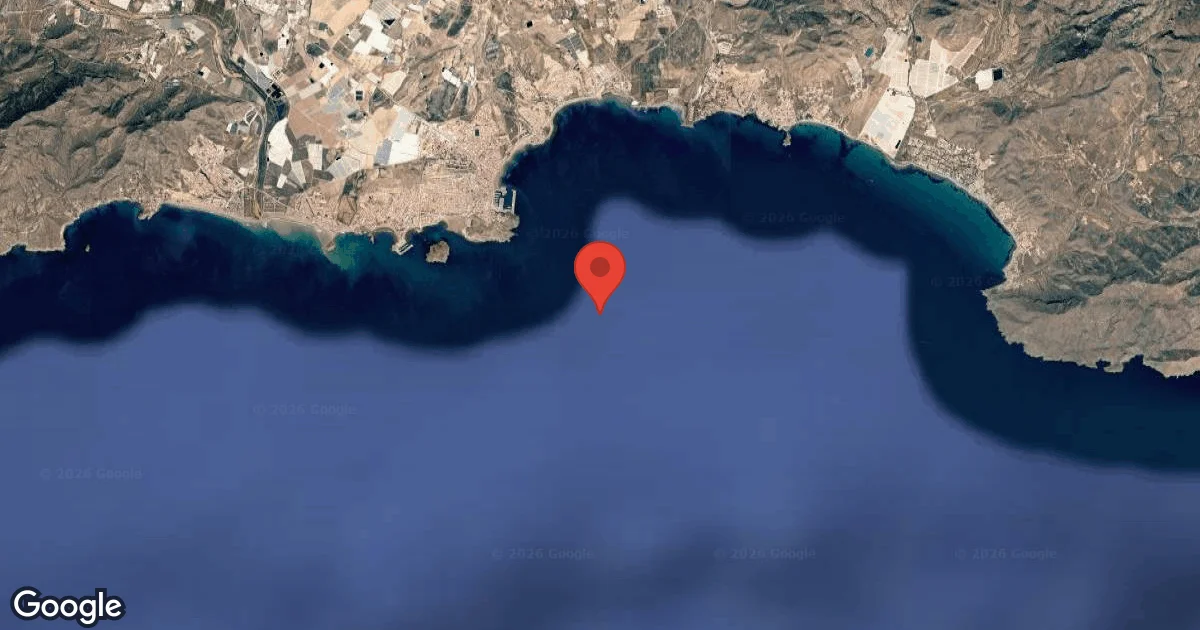
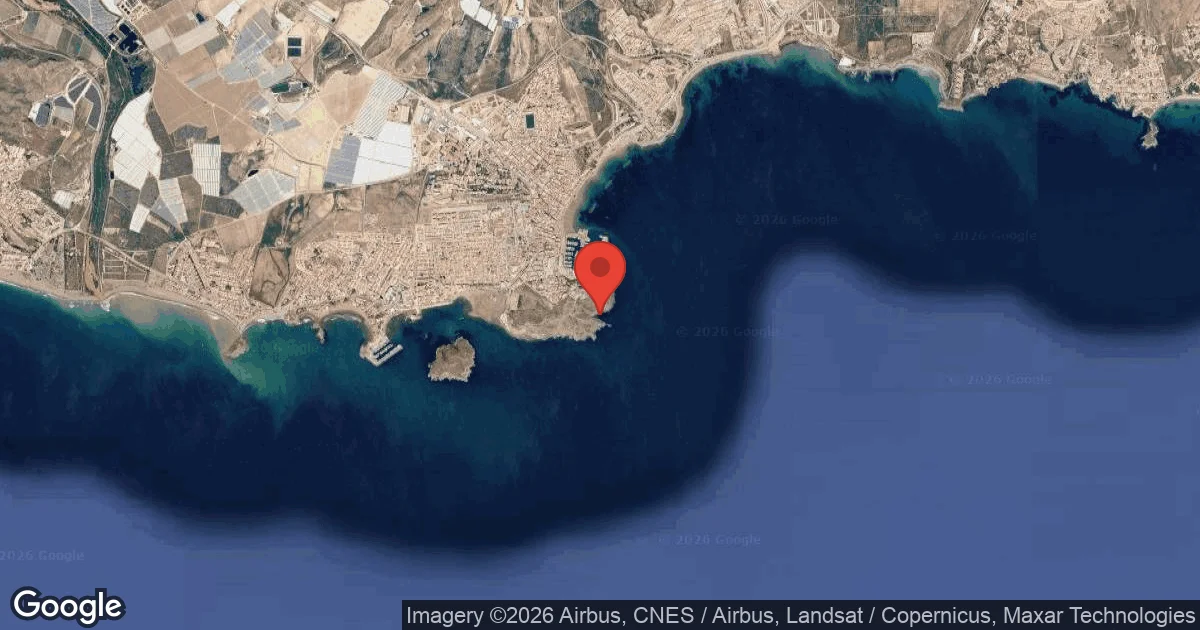
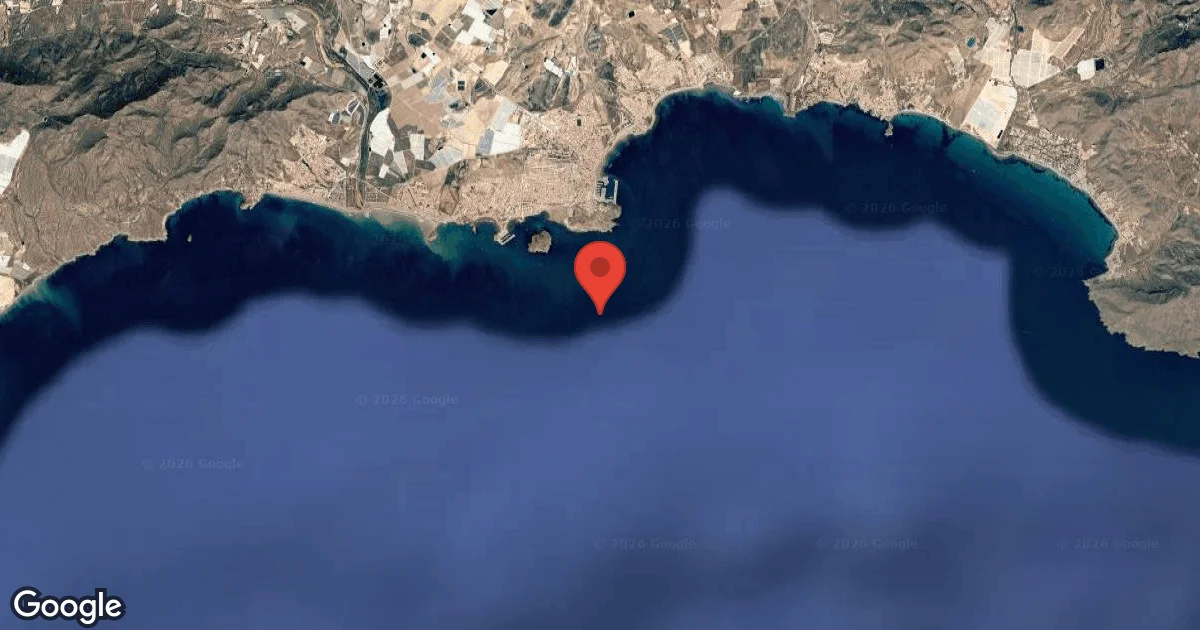
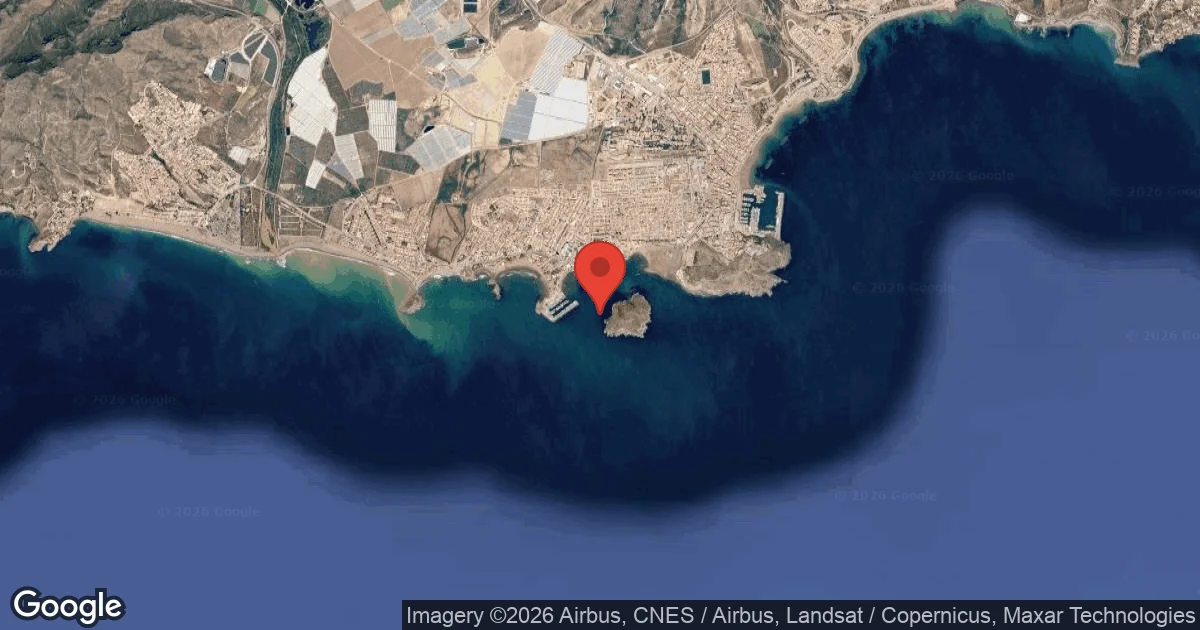
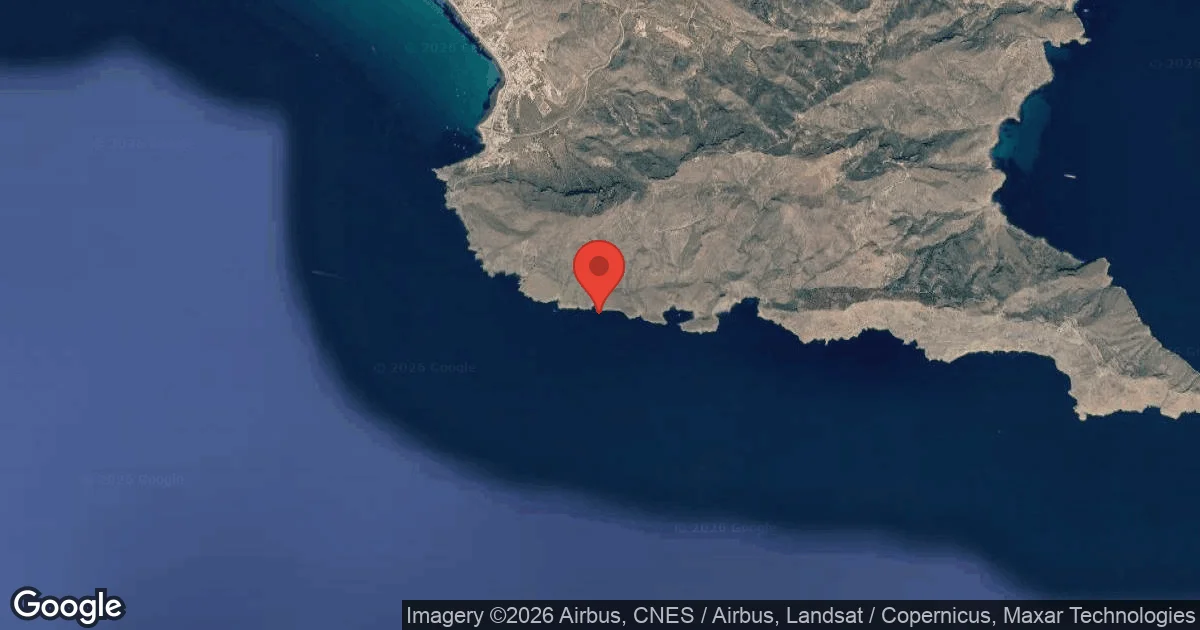
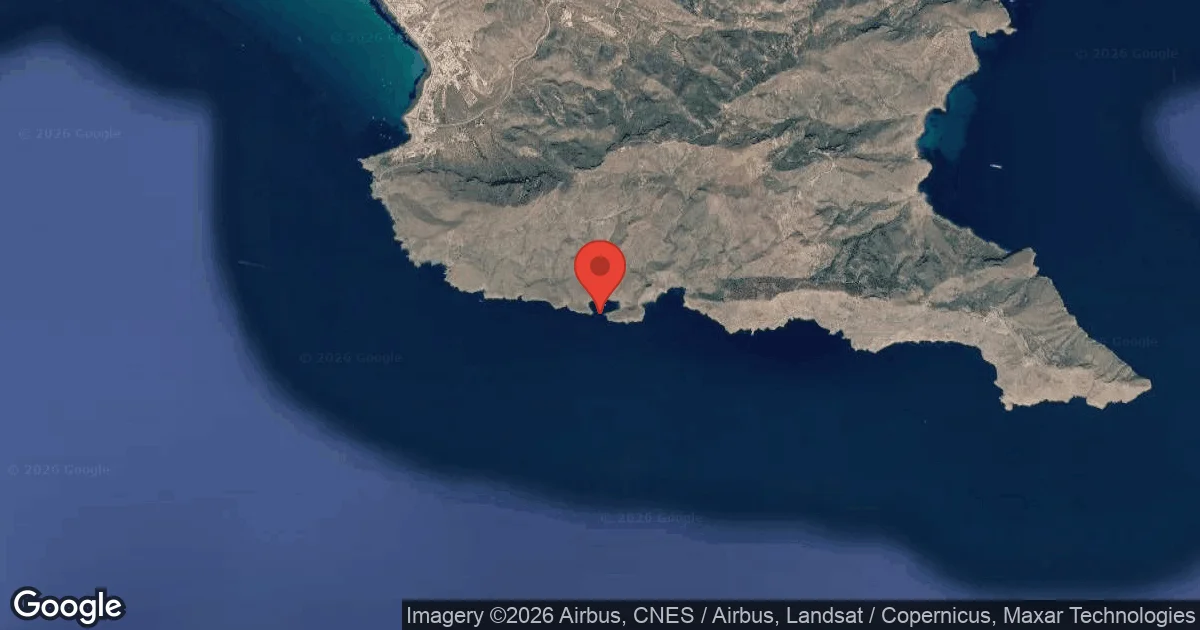
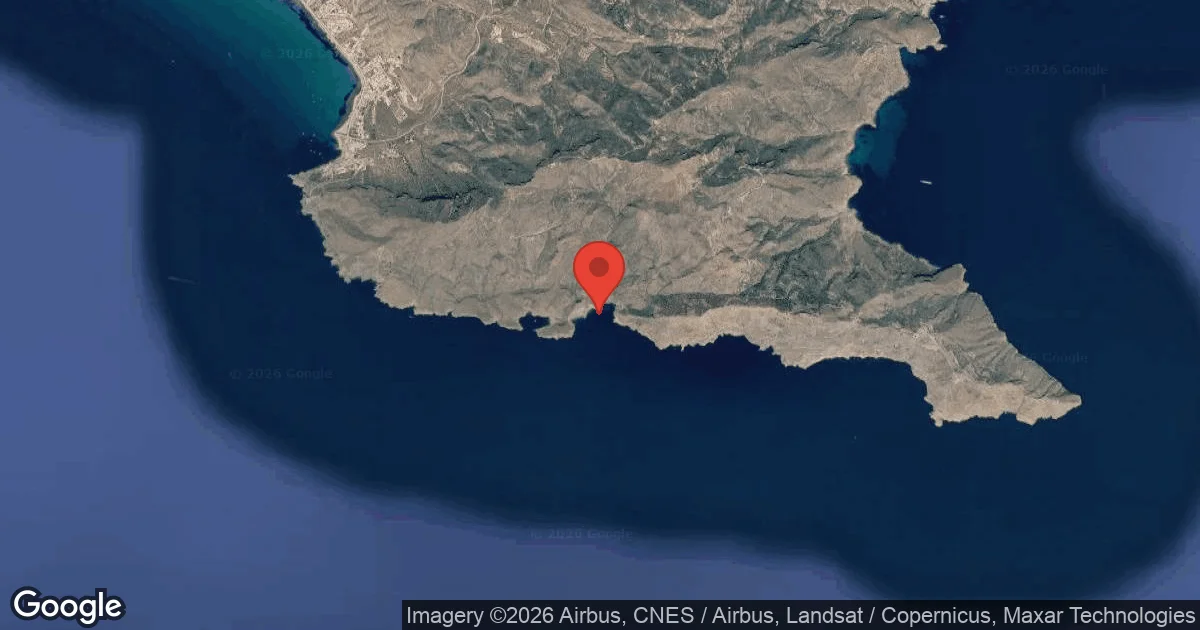
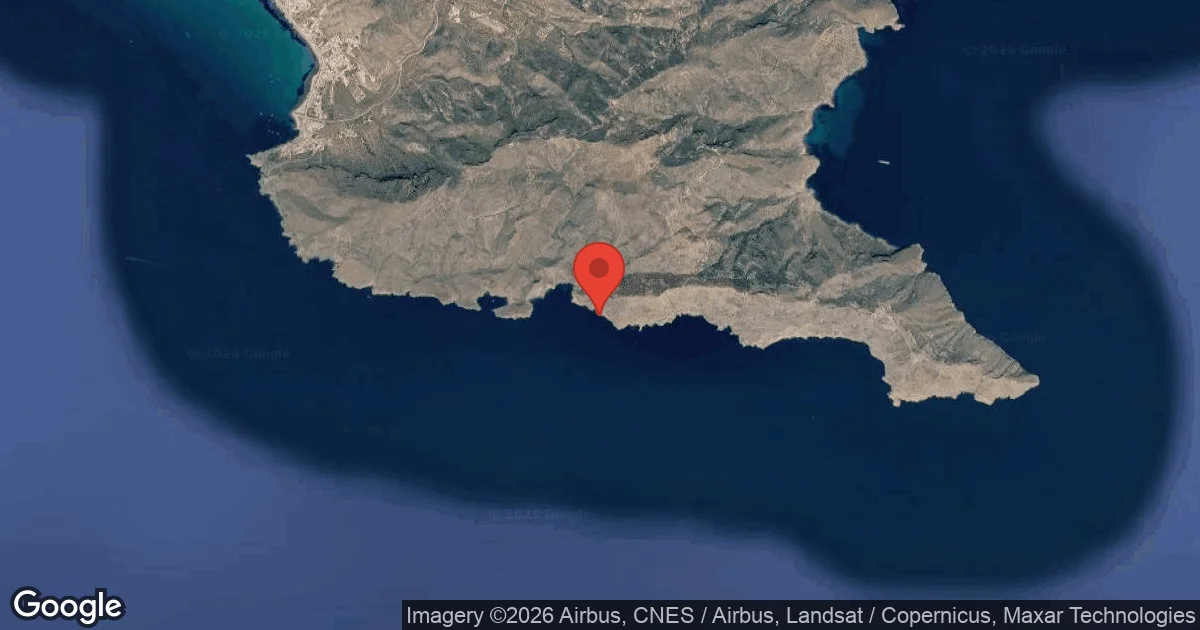
Resting on a sandy bottom at 35 m (115 ft), its wooden hull, crafted from Oregon pine, provides a unique structural backdrop for divers. From its resting place east of the Bajo de fuera, the wreck offers a tangible link to naval history.
Located approximately 5 minutes by boat from the port, it becomes an accessible yet historically significant dive for those prepared for deeper excursions. Exploring the NALÓN allows divers to connect with a vessel that once served a vital role in naval operations, now beautifully repurposed as an artificial reef.
A structural integrity of the Oregon pine hull, designed for minesweeping, now supports a delicate marine ecosystem, creating a fascinating contrast between its past and present roles. Observing the remnants of its design amidst the natural marine growth provides a unique perspective on this sunken relic.
Conditions are Good
Optimal conditions expected
Current conditions near Nalón show 21° air, 27° sea temperature, 1.2 m waves, and 32 km/h wind. Forecast data is refreshed regularly to ensure accuracy.
Best Time to Dive
Optimal diving conditions often prevail from June to October, characterized by warmer air temperatures and generally calmer seas in the region. During these months, average air temperatures range from 24°C (75°F) to 27.5°C (82°F), with minimal rainfall, averaging between 0.18 mm and 1.05 mm. While specific water temperature data for Nalón itself is limited, the broader Murcia region reports high season water temperatures between 20°C (68°F) and 29°C (84°F). Conversely, cooler air temperatures define the low season from November to May, dipping to 11.5°C (53°F) in December, and regional water temperatures falling to between 15°C (59°F) and 23°C (73°F). Wave heights also tend to be lower during the summer period, contributing to more favorable boat travel and dive entry conditions. Visibility remains very good all year, influenced primarily by wind direction.
PEAK SEASON SCORE
Scores combine air & water temps, waves, wind & rainfall for overall conditions.
BEST MONTHS TO DIVE
Monthly records compiled from satellite and marine observation nodes over the last 3 years. Data provided by Open-Meteo and MET Norway.
Dive Experience & Conditions
Approaching the NALÓN wreck requires a boat journey, typically around five minutes from the local port within Mazarrón Bay. Descending to its maximum depth of 35 m (115 ft) on a sandy bottom, divers will find the remains of the wooden minesweeper. Visibility, while generally very good in the region, varies depending on local wind direction and marine activity. Sea conditions are mostly calm throughout the year, but divers should always check current reports before planning an excursion. While shallower sites in the broader area are noted as "easy" wall dives, Nalón's specific depth places it firmly within advanced recreational limits, demanding experience with deeper profiles and potentially strong currents not consistently reported but possible. Navigation around the wreck's structure is straightforward, yet the deeper environment necessitates careful air consumption monitoring and bottom time management.
Dive Difficulty & Safety Guidelines
Considering the NALÓN wreck's depth of 35 m (115 ft), divers must hold an Advanced Open Water certification or higher, demonstrating proficiency in deep diving techniques. Wreck penetration requires specialized training and equipment; without such, divers should limit their exploration to the exterior of the structure. Always dive with a reliable buddy and carry appropriate safety gear, including a surface marker buoy and cutting tool.
Monitoring no-decompression limits is crucial at this depth, and a dive computer is indispensable for accurate data. Local dive professionals familiar with the site and its present conditions offer invaluable guidance before any dive, helping assess visibility and potential currents.
It's also vital to ensure all equipment is well-maintained and functioning correctly prior to entering the water.
Recommended Equipment
Current and surface separation risk. Local briefing strongly recommended.
- Dive Computer
- DSMB
- Reel / Spool
This gear list is based on verified equipment signals for Nalón, Spain. Always confirm final gear choices with your dive operator, guide, or liveaboard.
Recommended Dive Suit
Current diving conditions indicate water temperatures around 27°C (80°F) at Nalón. Surface air temperatures are resting at 21°C (69°F).
Forecasts suggest rising temperatures later this week. A warming trend is expected over the next few days.
Most divers would typically feel comfortable using 2-3mm shorty or light wetsuit in these conditions. A hood or vest is suggested for sensitive divers due to surface winds. Surface intervals may feel cooler. Dive depth and duration can significantly affect perceived warmth.
Emergency & Medical Support
Essential information to help you plan your dive trip to NALÓN.

Hyperbaric chambers are a critical part of dive safety infrastructure. Availability varies significantly by region, and not all dive areas have immediate access.
Before diving, it's recommended to:
- confirm nearest medical facilities
- check emergency procedures with local dive operators
- ensure dive insurance covers evacuation if required
Divers Alert Network
Diving emergency assistance available through DAN Europe.
+39 0642115685- 24/7 emergency hotline
- Diving medical assistance
- Evacuation coordination
Emergency contacts are provided for reference. Always verify local emergency services before diving.
Marine Life at Nalón
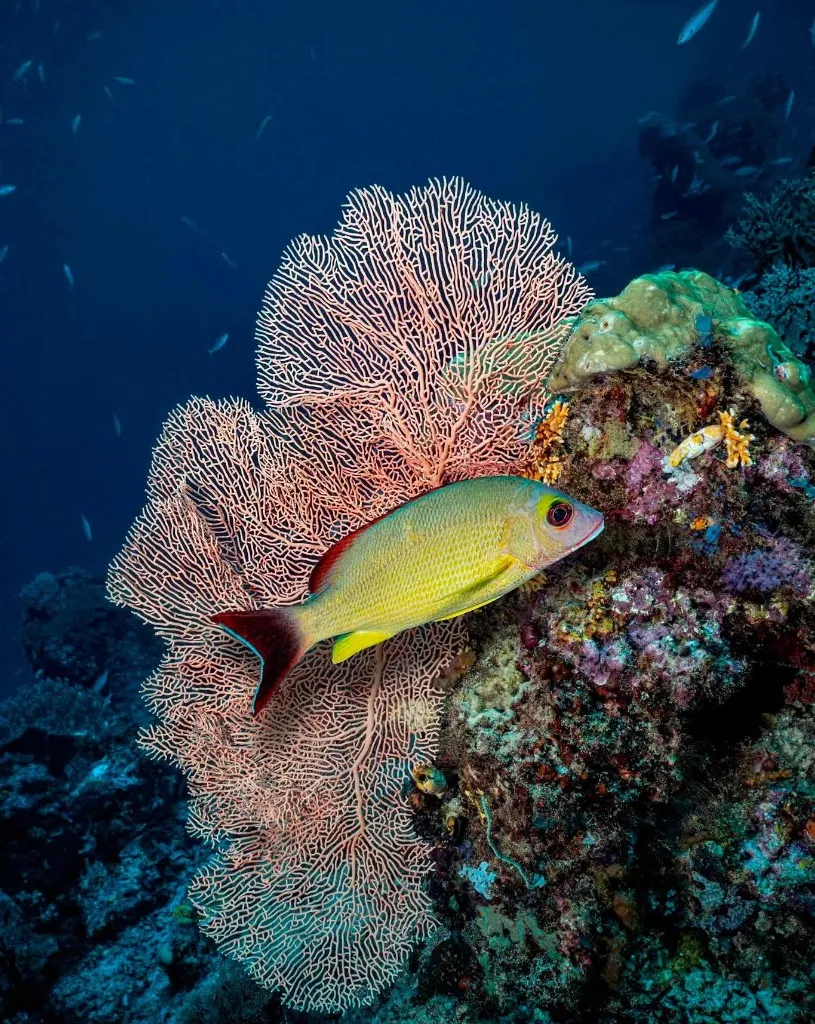
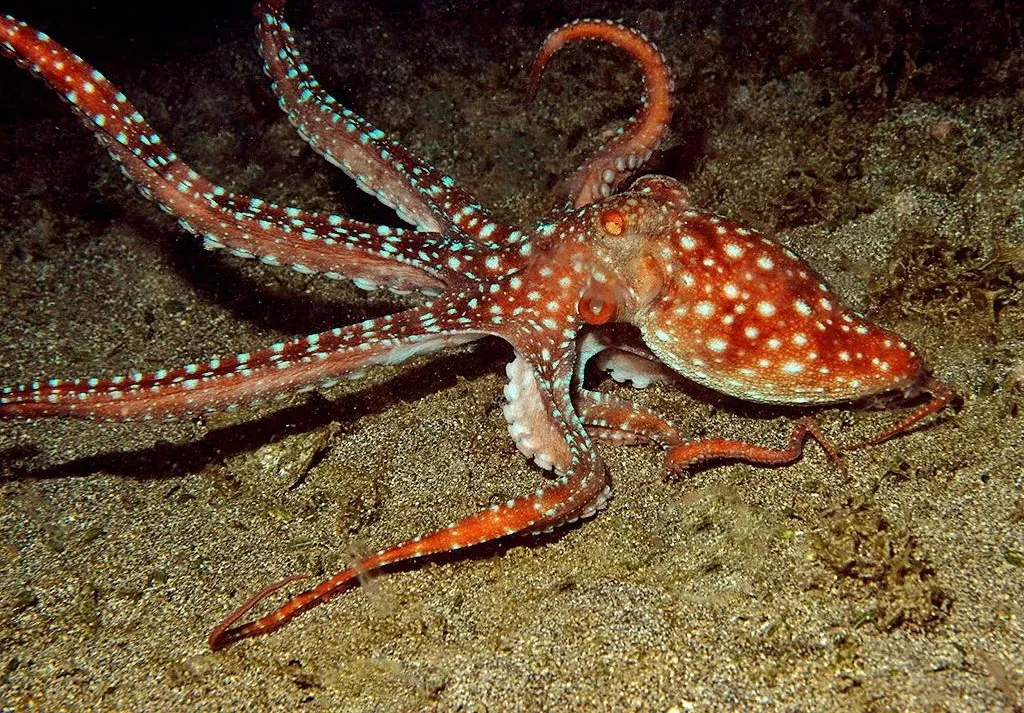
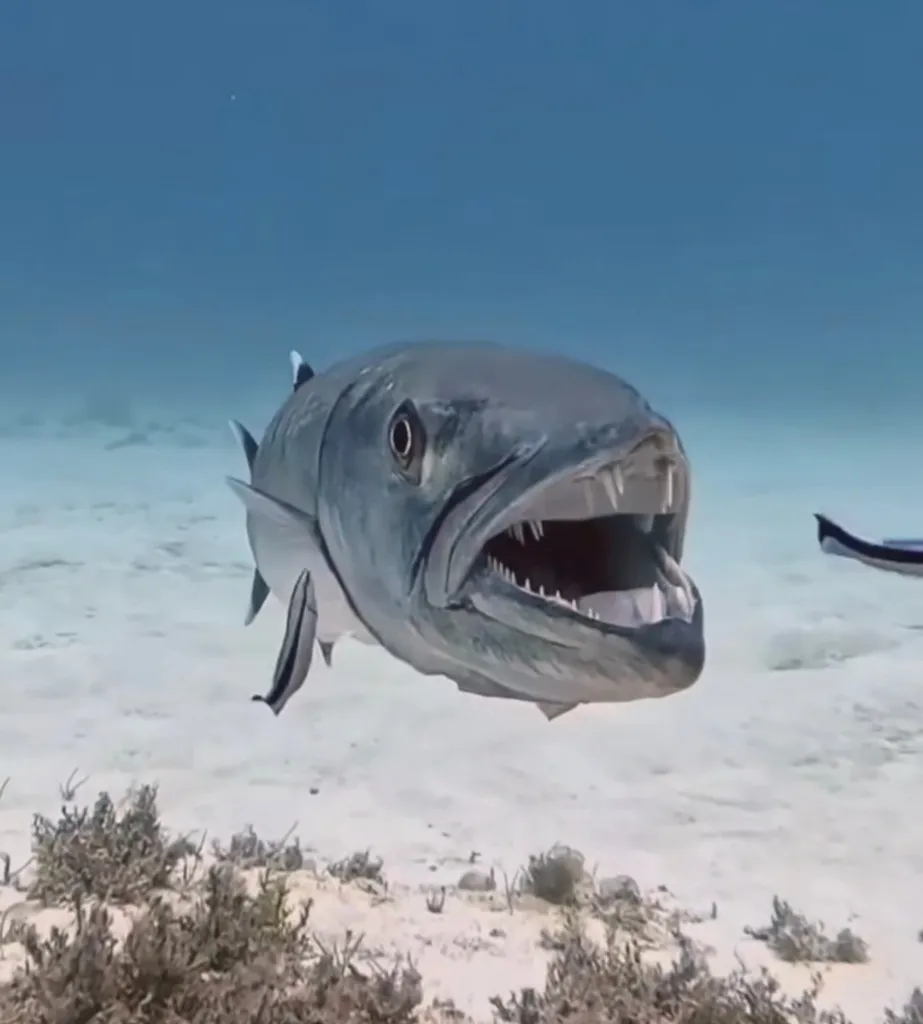
While the NALÓN wreck itself provides habitat, the surrounding marine reserves and waters of the Murcia region are known for a diverse ecosystem. Divers frequently observe large groupers, schools of barracuda, and various octopuses.
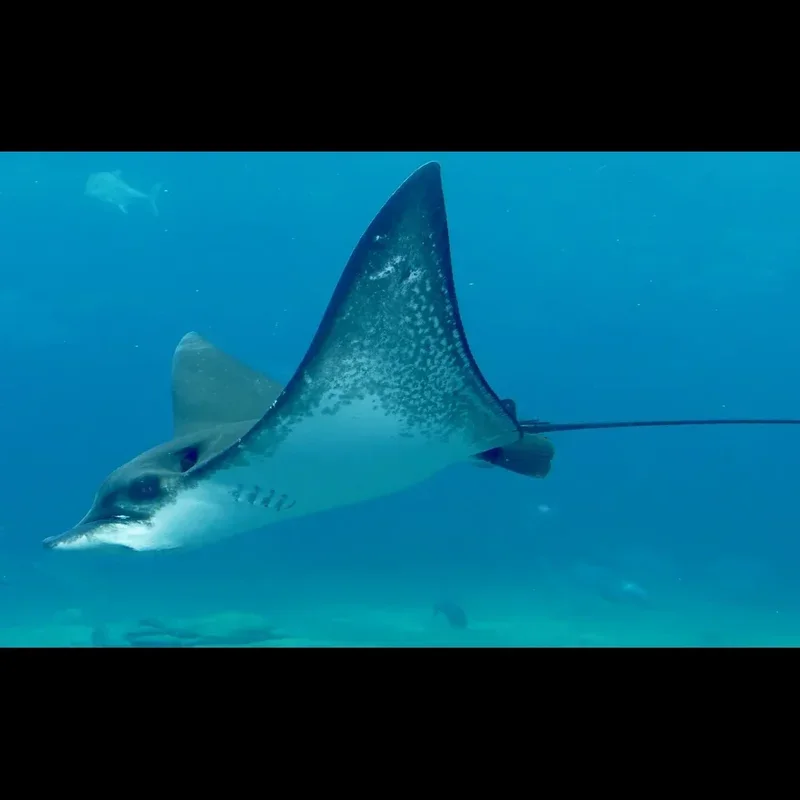
Eagle rays might glide past, and snappers and dentex are common sights. The area also hosts Mola Mola cleaning stations seasonally, and serves as a migratory path for larger pelagics such as tuna, especially during certain times of the year.

Dive Sites Near Nalón
View all dive sites in SpainDiscover more underwater gems in this area.
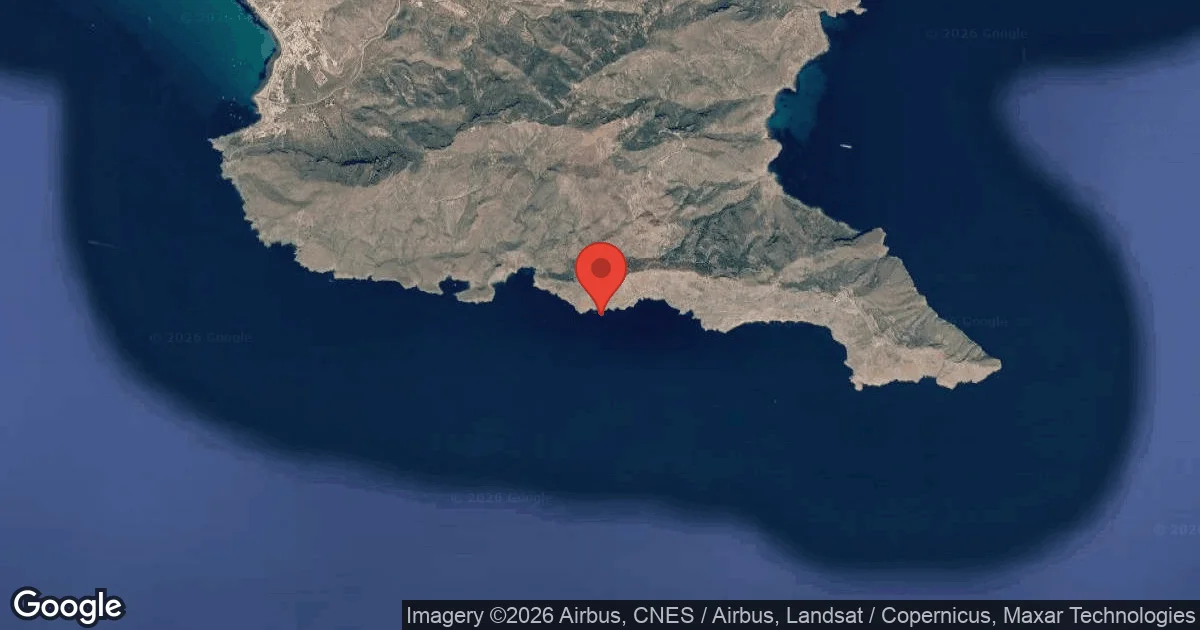
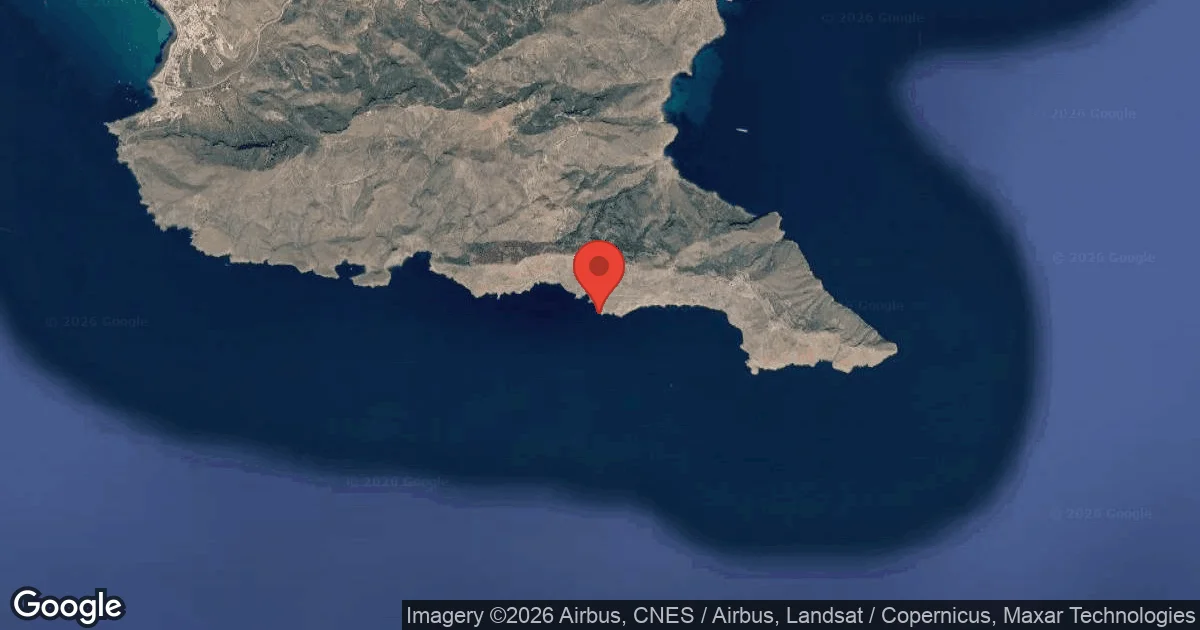
Dive Centers Near Nalón
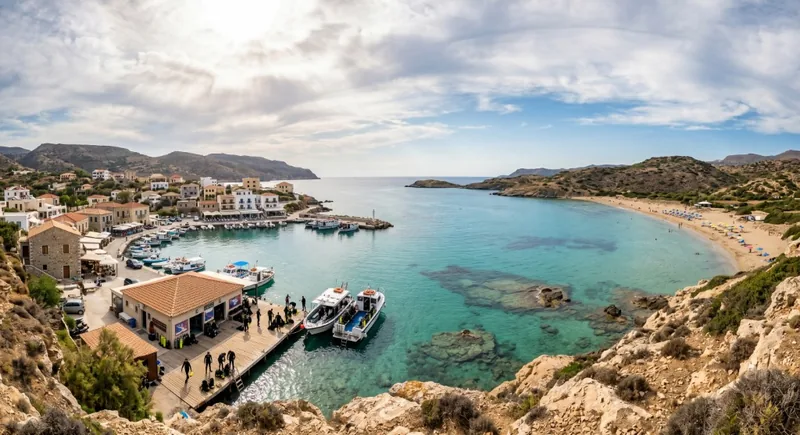
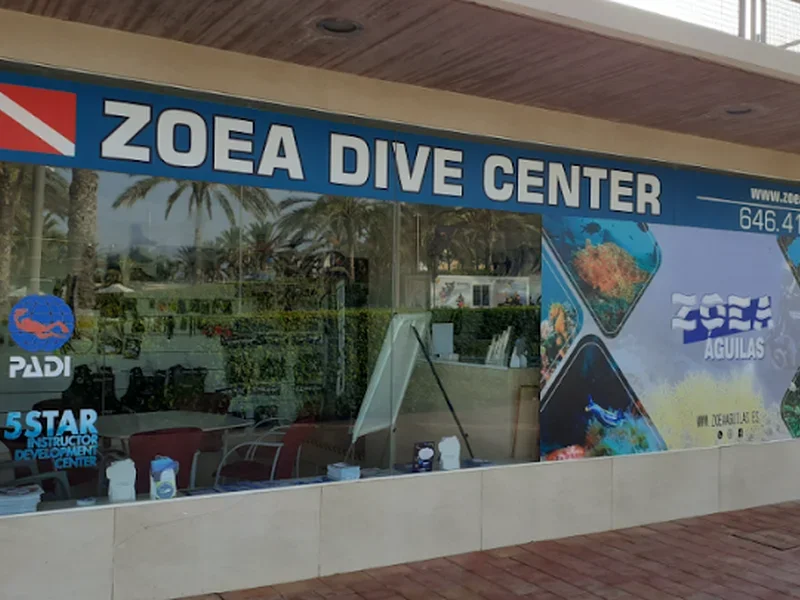
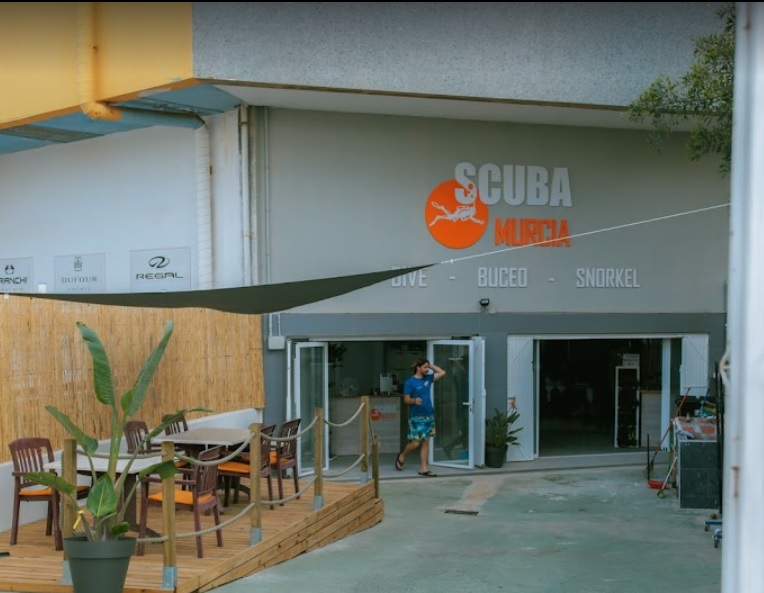
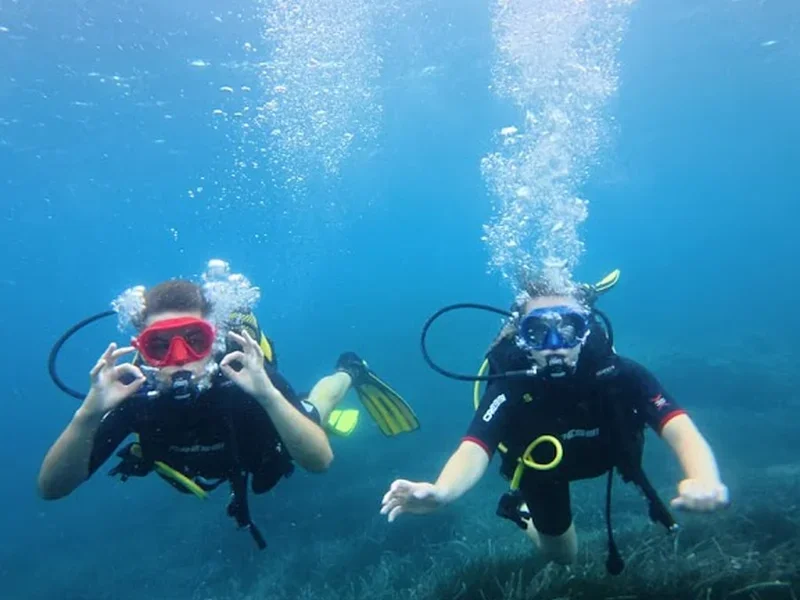
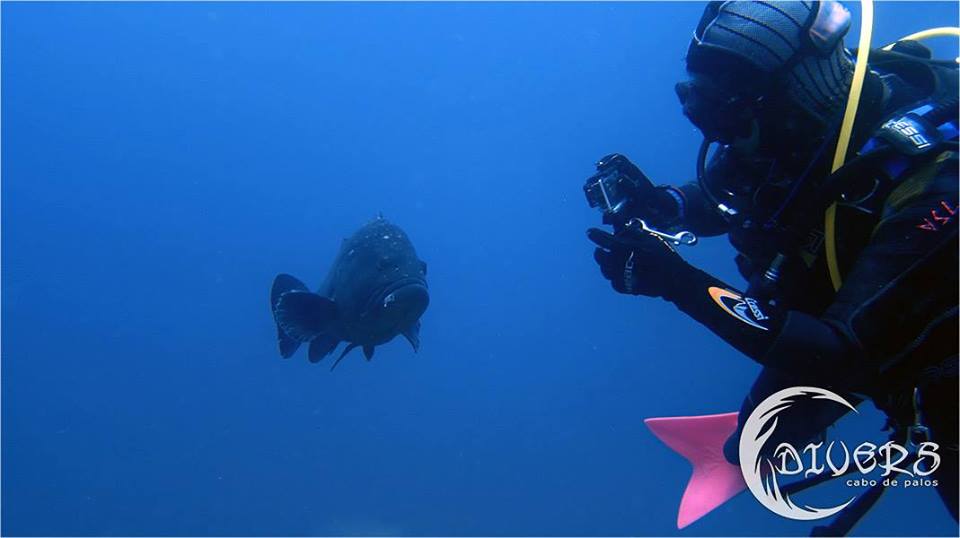
Today: 09:30 - 20:00
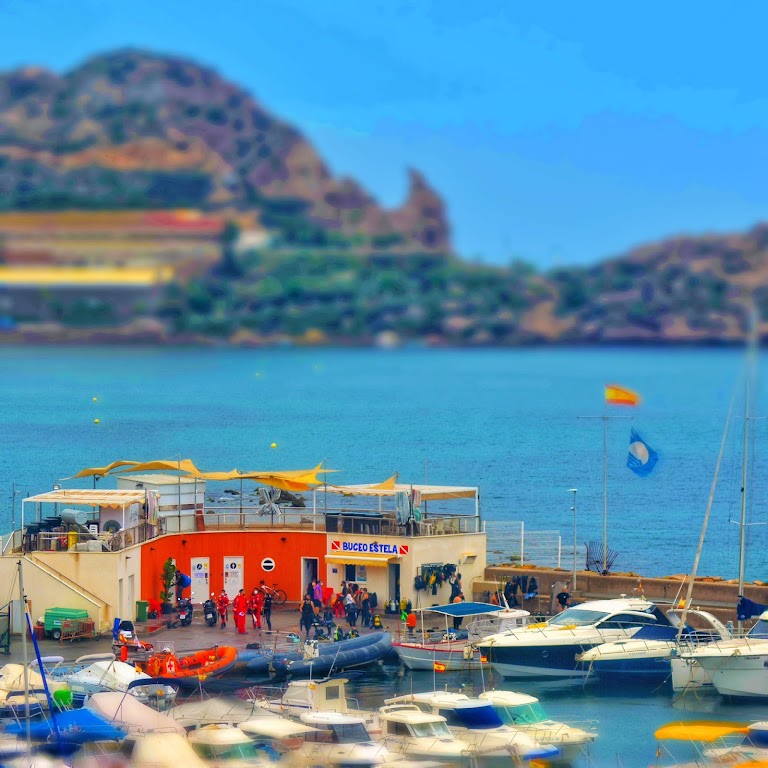
Nearest Airports
Nearest airports to help plan travel to this dive area.
Search Flights
Check available flights and routes on Expedia, using the nearby airports listed in this section.
Search Flights on ExpediaFrequently Asked Questions
What type of dive site is NALÓN?
NALÓN is primarily a wreck dive, featuring the remains of an MSC-139 Bluebird class coastal minesweeper. It rests on a sandy bottom at a maximum recreational depth.
What is the maximum depth of the NALÓN wreck?
The NALÓN wreck reaches a maximum recreational depth. Accessing deeper sections requires divers to possess advanced training and experience.
What is the historical background of the NALÓN wreck?
Originally built in the U.S.A. for the French navy, this minesweeper was launched in 1952 and delivered to the Spanish Navy in 1954 as the M-21. Its wooden hull of Oregon pine is a significant historical feature.
When is the best time of year to dive at NALÓN?
The most favorable time for diving NALÓN is generally from June to October. During this period, warmer air temperatures and calmer sea conditions enhance the overall dive experience.
What are the typical water temperatures in the region?
Regional water temperatures vary seasonally. During the high season (June-October), temperatures are typically between 20°C (68°F) and 29°C (84°F). In the low season (November-May), they drop to between 15°C (59°F) and 23°C (73°F).
What marine life can be observed around NALÓN and the broader area?
Divers often encounter large groupers, schooling barracuda, octopuses, eagle rays, snappers, and dentex. The region is also known for seasonal Mola Mola cleaning stations and passing pelagic species like tuna.
What certification level is recommended for diving the NALÓN wreck?
An Advanced Open Water certification or higher is recommended due to the wreck's depth. Specialized training is necessary for any wreck penetration activities.
Planning to dive Nalón?
Send one inquiry and receive offers directly from the best verified local dive operators.
Conditions are Good
Optimal conditions expected
Current conditions near Nalón show 21° air, 27° sea temperature, 1.2 m waves, and 32 km/h wind. Forecast data is refreshed regularly to ensure accuracy.