
Diving at Isla Grosa (Spain)
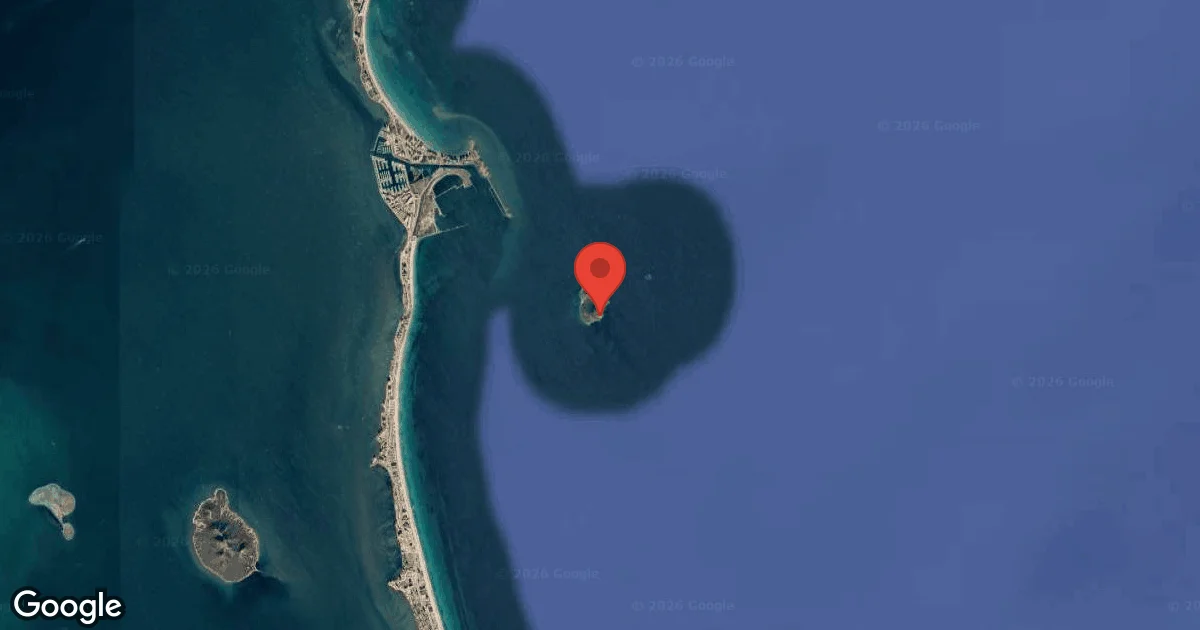
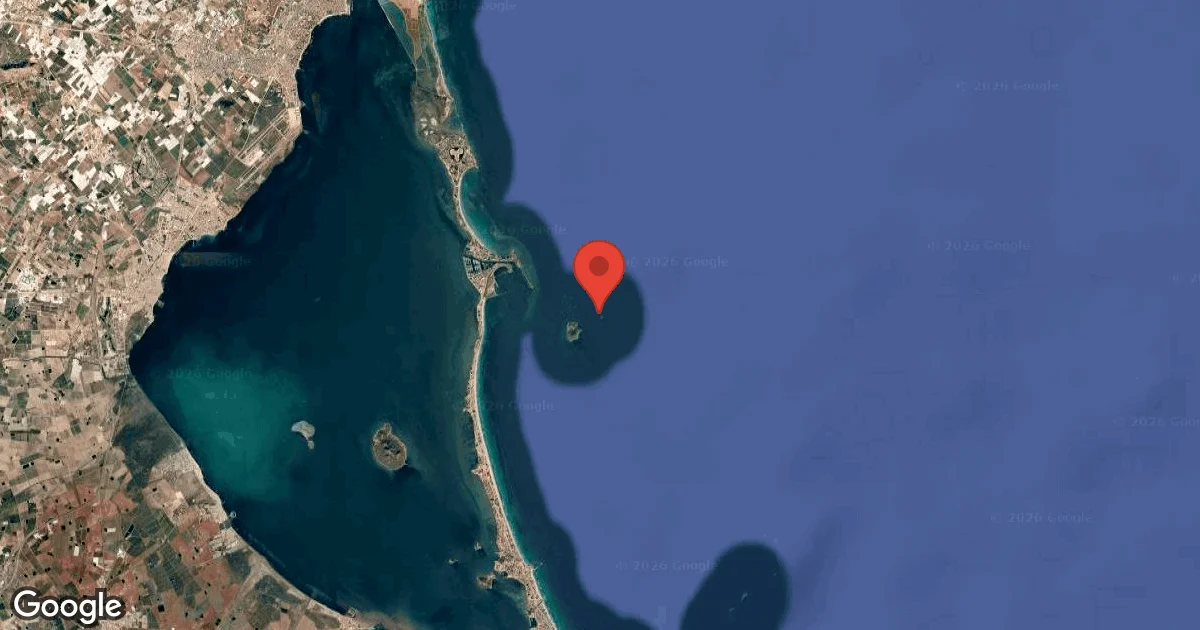
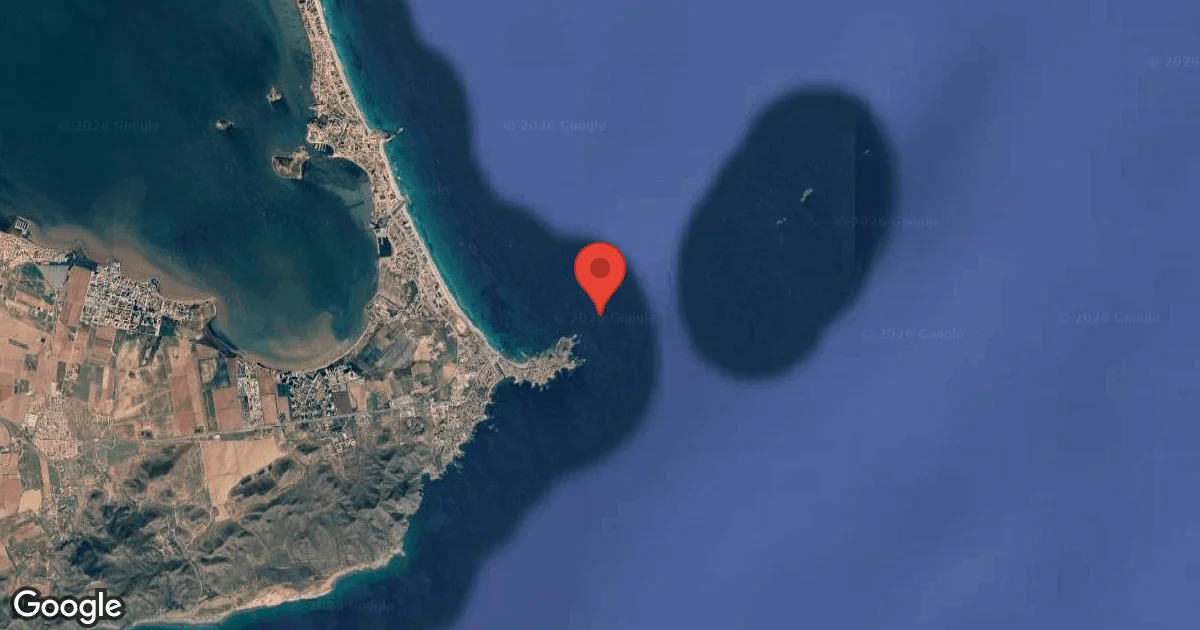
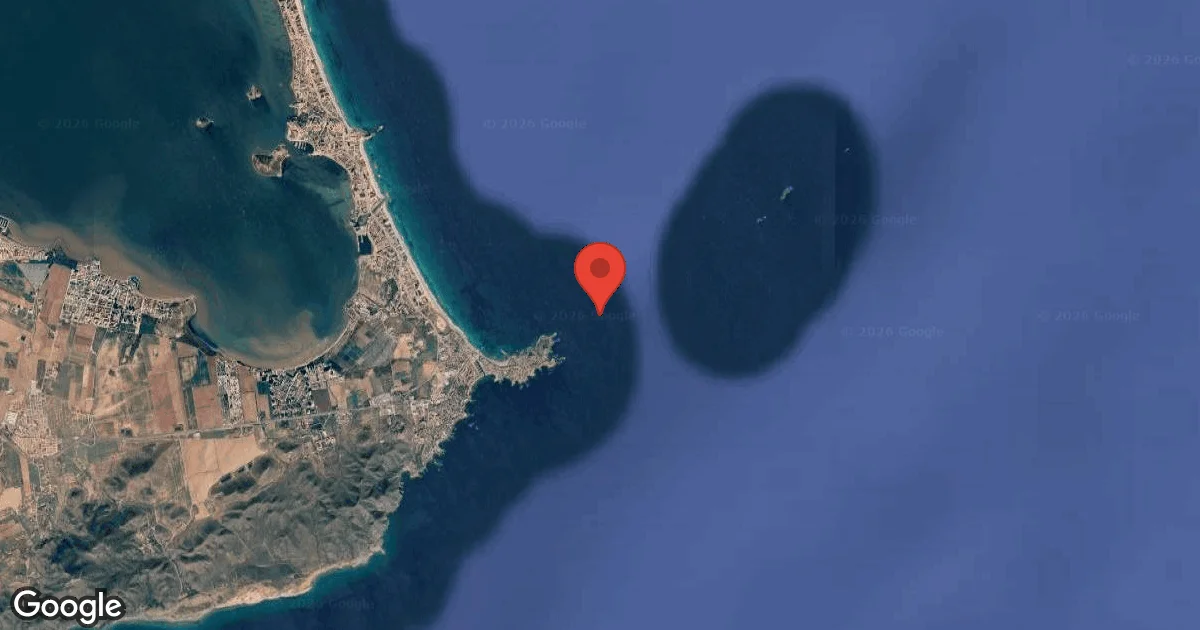
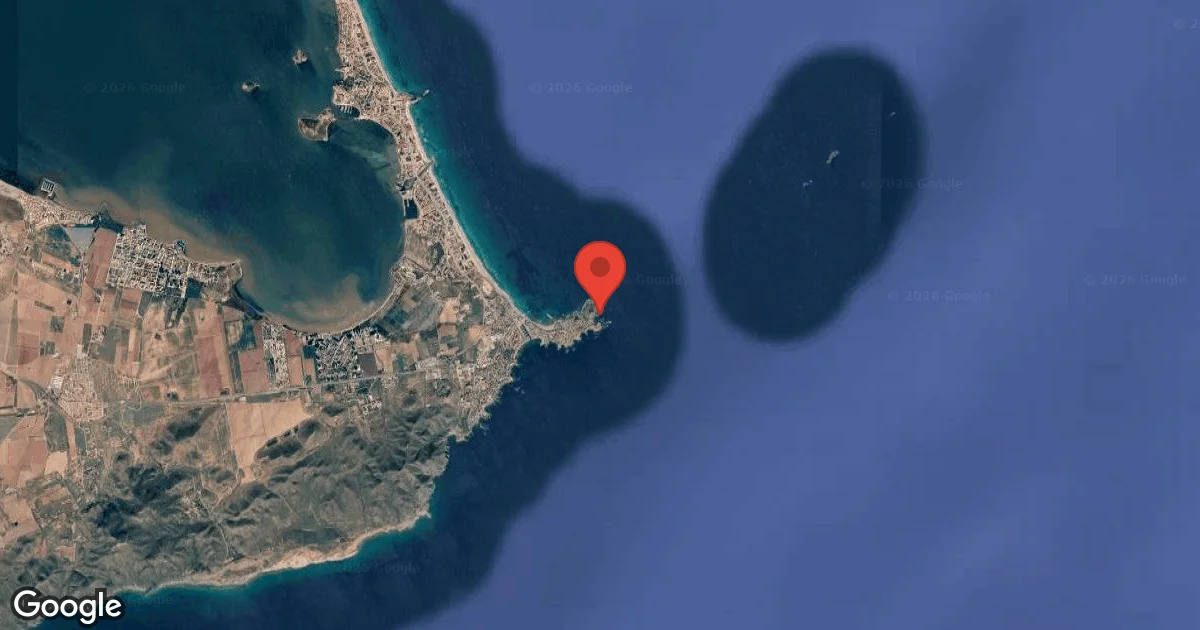
Isla Grosa, a volcanic island off La Manga del Mar Menor, challenges divers with diverse underwater topographies and distinct dive sites. Navigating this protected marine area requires appreciation for both its calm, Posidonia-rich expanses and the more intricate rock formations and caverns. A destination that rewards thorough planning, whether exploring shallow reefs or probing deeper walls. Success here comes from understanding the nuances of each dive, adapting to conditions, and respecting its rich biodiversity.
Evening condition tracking at Isla Grosa features an air temperature of 24°C. We have recorded wave heights measuring 0.8 m during this period. These figures outline the environmental parameters currently present.
Dive Site Location & Key Facts
Dive Site Overview
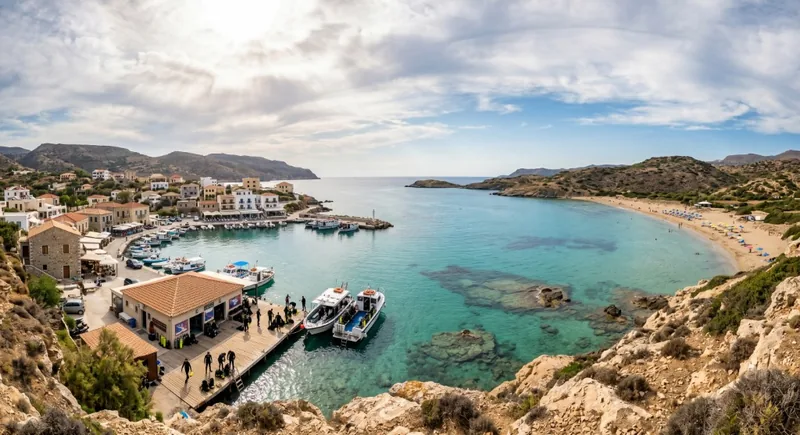
Imagine descending into a diverse underwater landscape where volcanic origins meet vibrant marine life. Isla Grosa presents a fascinating series of dive environments, from extensive Posidonia seagrass meadows—indicators of excellent water quality—to dramatic rock formations and vertical walls.
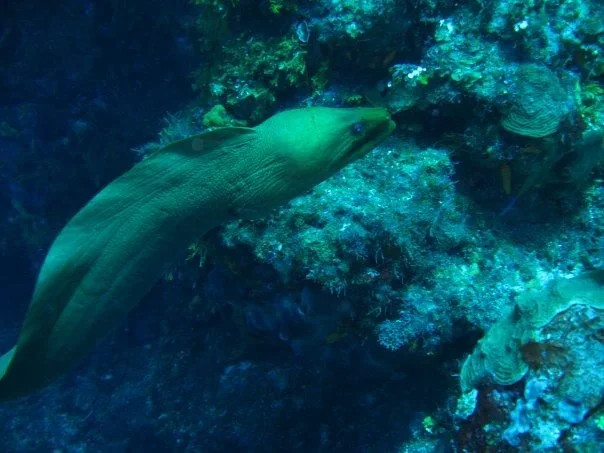
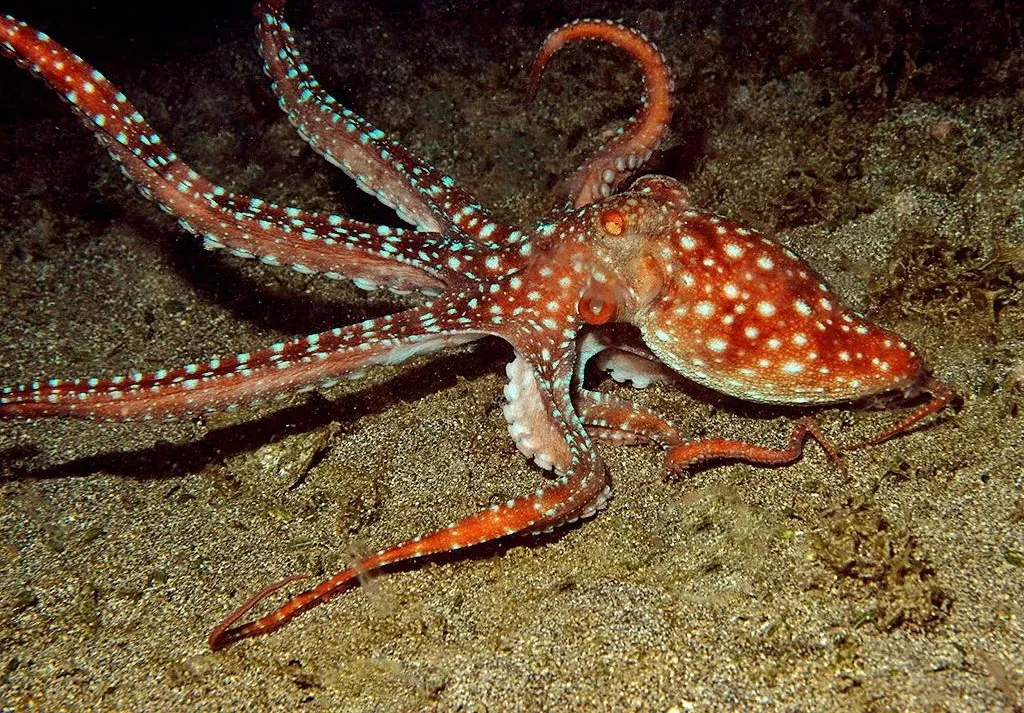
Divers can explore sites like La Laja, a shallow reef ranging from 18 m / 59 ft to 12 m / 39 ft, often revealing moray eels and octopuses tucked into its walls. On days with currents, sightings of sargos and groupers might occur here. Nearby, the Farallón islet provides additional exploration opportunities between 6 and 18 meters.
A standout feature is La Cueva de la Grosa, a cavern extending about 80 m / 262 ft in length, averaging 7 meters deep and 3 meters wide, culminating in a striking Spirograph. Its south face, under imposing cliffs, offers another beautiful dive, exploring depths between 12 and 25 meters over a varied seabed of rocks, sand, and Posidonia, often revealing groupers and corvinas within its numerous cavities. Waters here are known for being normally calm, suitable for a broad spectrum of dive proficiencies.
Conditions are Good
Optimal conditions expected
Current conditions near Isla Grosa show 24° air, 27° sea temperature, 1.0 m waves, and 32 km/h wind. Forecast data is refreshed regularly to ensure accuracy.
Best Time to Dive
A dive at Isla Grosa involves weighing several seasonal factors. Summer and early autumn months, from June through October, often present the most favorable conditions, aligning with consistently high dive scores. During this period, average air temperatures range from 23.5°C / 74°F in June to 27°C / 81°F in August, gradually cooling to 20.5°C / 69°F by October. Rainfall remains minimal, typically below 2.2 mm / 0.09 inches per month, ensuring mostly clear skies. Such timing also coincides with the potential for large bait balls, which can attract pelagic fish, particularly between August and October. While water temperatures aren't consistently reported for Isla Grosa itself, surrounding Mediterranean waters generally offer comfortable conditions, often reaching 24-27°C / 75-81°F during peak months. Outside of these warmer periods, the dive site maintains a "Good" dive score for much of the year, with winter (December-February) air temperatures around 12-13°C / 54-55°F, and moderately low wave heights.
PEAK SEASON SCORE
Scores combine air & water temps, waves, wind & rainfall for overall conditions.
BEST MONTHS TO DIVE
Monthly records compiled from satellite and marine observation nodes over the last 3 years. Data provided by Open-Meteo and MET Norway.
Dive Experience & Conditions
As divers descend into Isla Grosa's protected waters, a progression of underwater landscapes unfolds. Initial entry often leads to extensive Posidonia meadows, a testament to the area's ecological health. Moving deeper, volcanic rock formations become more pronounced, transitioning into vertical walls that host various resident fish. Many dives, particularly on the island's southern face, explore depths between 12 and 25 meters, navigating a mosaic of rocks, sand, and seagrass. Within these deeper sections, numerous cavities and overhangs provide shelter for marine life. For those seeking cavern experiences, La Cueva de la Grosa guides divers through its 7-meter average depth, observing the cave's dimensions and a striking Spirograph at its terminus. Waters are generally calm, though localized currents can occur, especially at sites like La Laja, adding a dynamic element to the experience.
Dive Difficulty & Safety Guidelines
Diving at Isla Grosa requires adherence to safe practices and respect for its protected status. The area is part of a marine reserve established in 1995, meaning specific regulations govern activity to preserve its rich biodiversity. Divers should always be mindful of depth limits, particularly when exploring sites like La Laja, which ranges from 18 to 12 meters, or deeper southern walls reaching 25 meters.
While waters are normally calm, currents can be present, especially around features like La Laja, so monitoring conditions and dive profiles is essential. Navigation within caverns, such as La Cueva de la Grosa, demands appropriate training and equipment due to the enclosed environment. Always dive with a buddy and ensure proper buoyancy control to protect delicate Posidonia beds.
Recommended Equipment
Overhead environment. Do not enter beyond training and gas planning limits.
- Dive Computer
- DSMB
- Primary & Backup Lights
- Reel / Spool
- Cutting Tool
This gear list is based on verified equipment signals for Isla Grosa, Spain. Always confirm final gear choices with your dive operator, guide, or liveaboard.
Recommended Dive Suit
Exposure protection is partly a personal preference.
2-3mm shorty or light wetsuit typically provides a reliable level of thermal protection for dives here. Consider warmer surface protection (like a boat coat) due to brisk winds. Weather models currently point toward consistent diving conditions over the next several days.
Water temperatures across the dive area at Isla Grosa are presently estimated to be around 27°C (80°F). Surface air temperatures are resting at 24°C (75°F).
Emergency & Medical Support
Essential information to help you plan your dive trip to Isla Grosa.

Hyperbaric chambers are a critical part of dive safety infrastructure. Availability varies significantly by region, and not all dive areas have immediate access.
Before diving, it's recommended to:
- confirm nearest medical facilities
- check emergency procedures with local dive operators
- ensure dive insurance covers evacuation if required
Divers Alert Network
Diving emergency assistance available through DAN Europe.
+39 0642115685- 24/7 emergency hotline
- Diving medical assistance
- Evacuation coordination
Emergency contacts are provided for reference. Always verify local emergency services before diving.
Marine Life at Isla Grosa
Isla Grosa's protected waters boast a remarkable array of marine life, representing nearly 80% of the species found along this coastline. Extensive Posidonia seagrass meadows are not only visually striking but also serve as vital nurseries and feeding grounds.
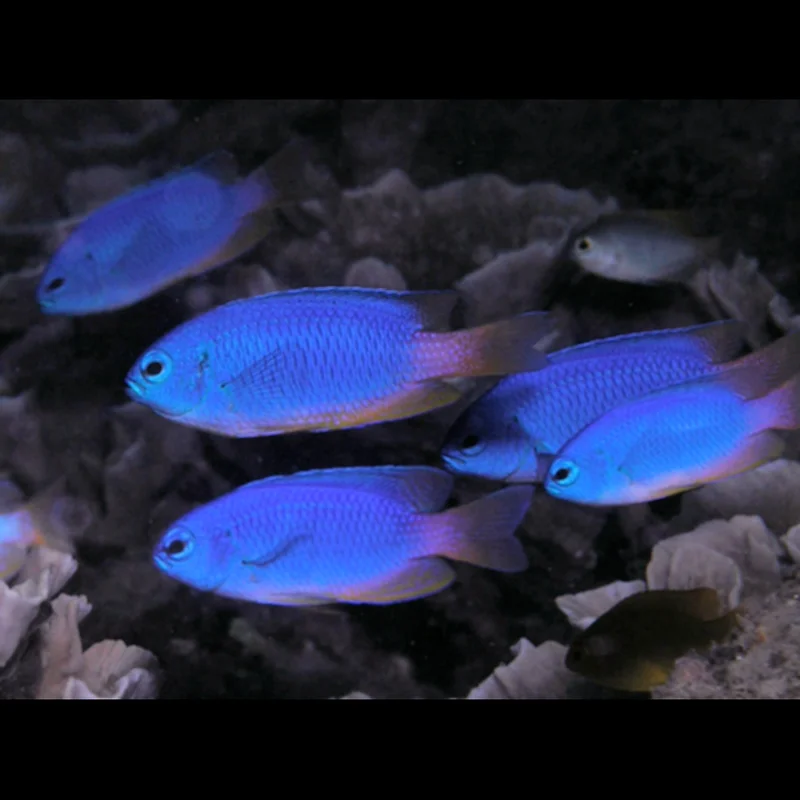
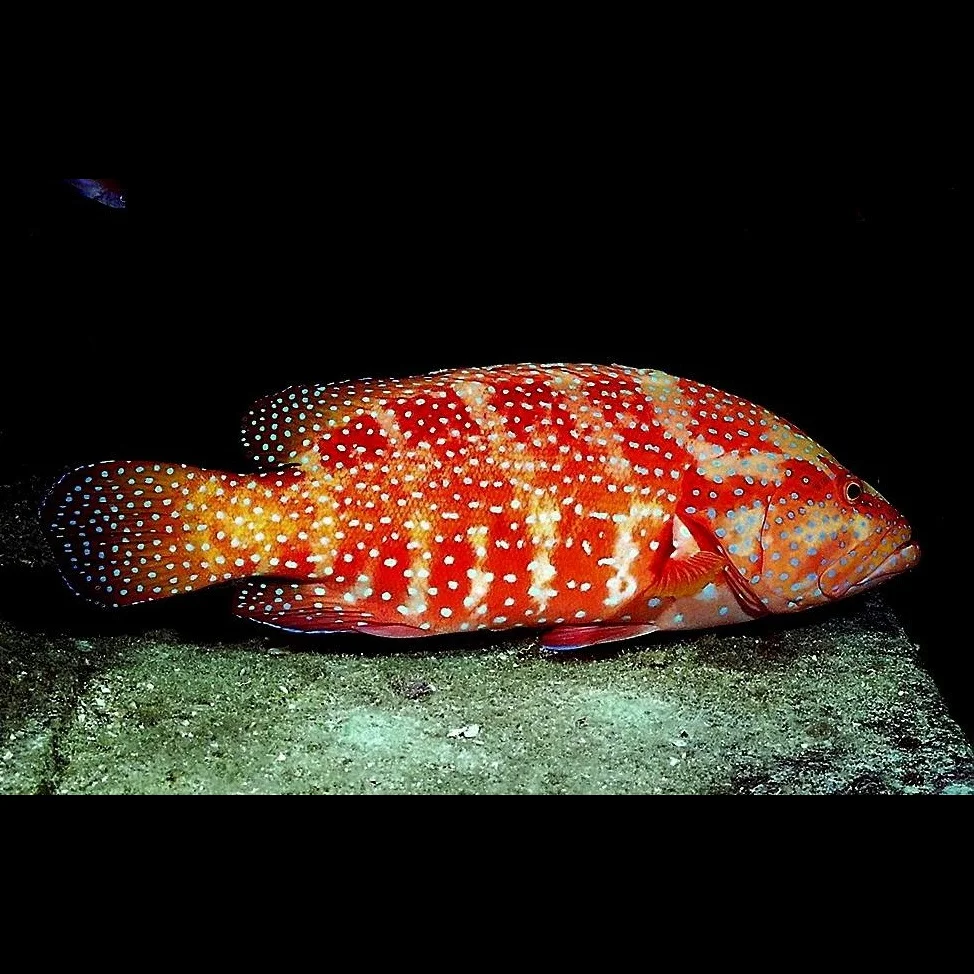
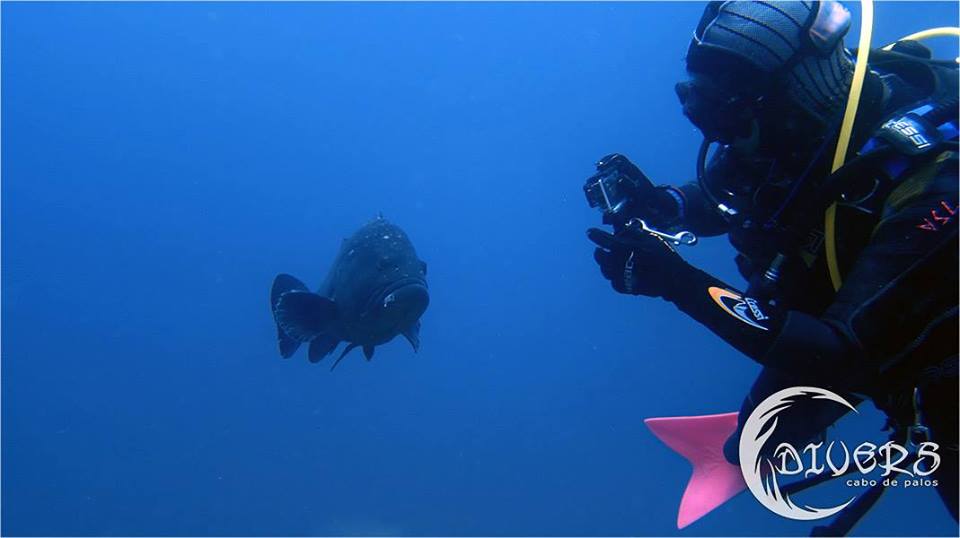
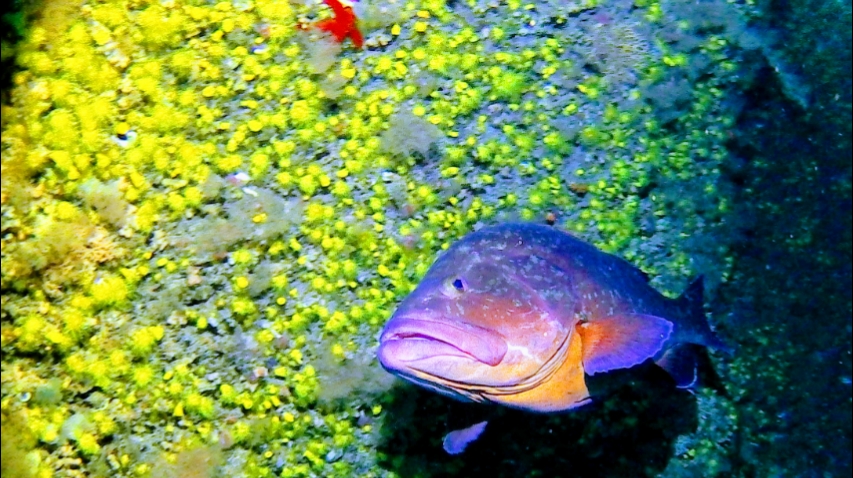
Divers frequently encounter resident fish such as sea bream, damselfish, and mojarras navigating the rock formations. Groupers and corvinas often seek refuge within the numerous cavities and overhangs found along the south face.
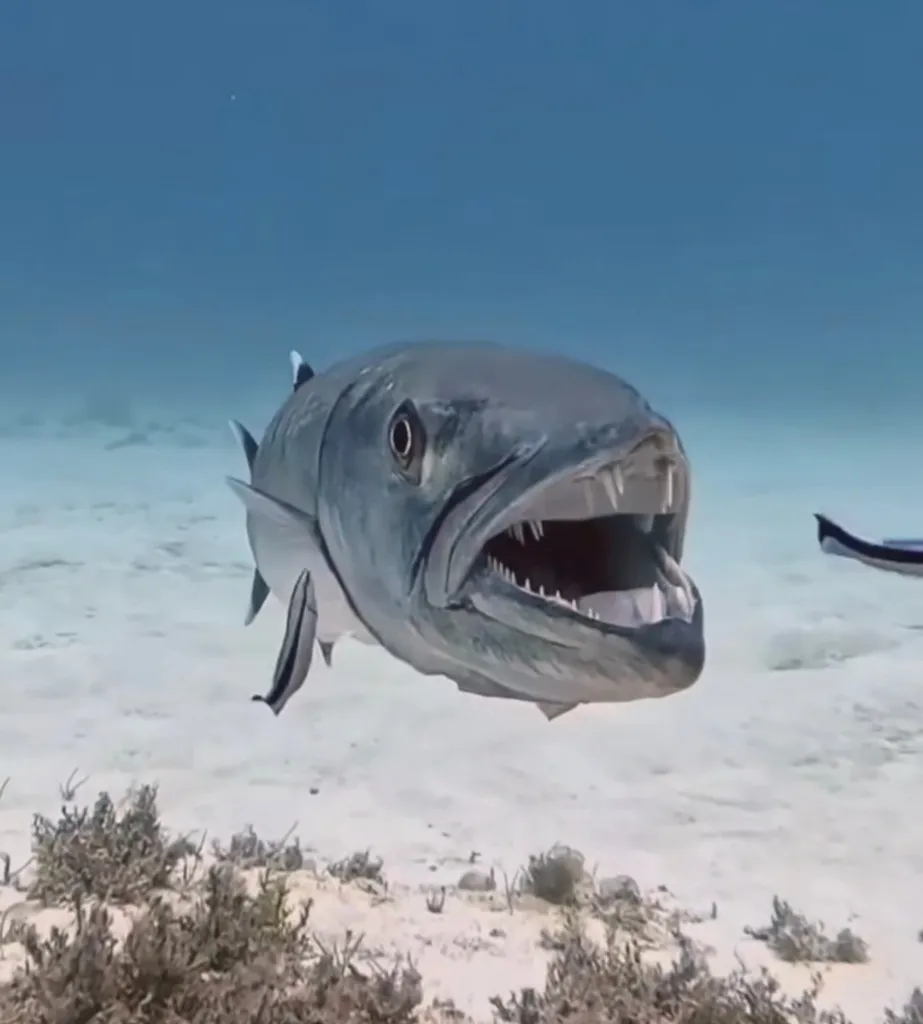
At sites like La Laja, moray eels and octopuses are common inhabitants of the walls, while barracuda and dentex might be seen. Between August and October, the potential for observing large bait balls attracts pelagic predators like tuna, dentex, and jacks, adding an exciting dimension to the underwater experience.
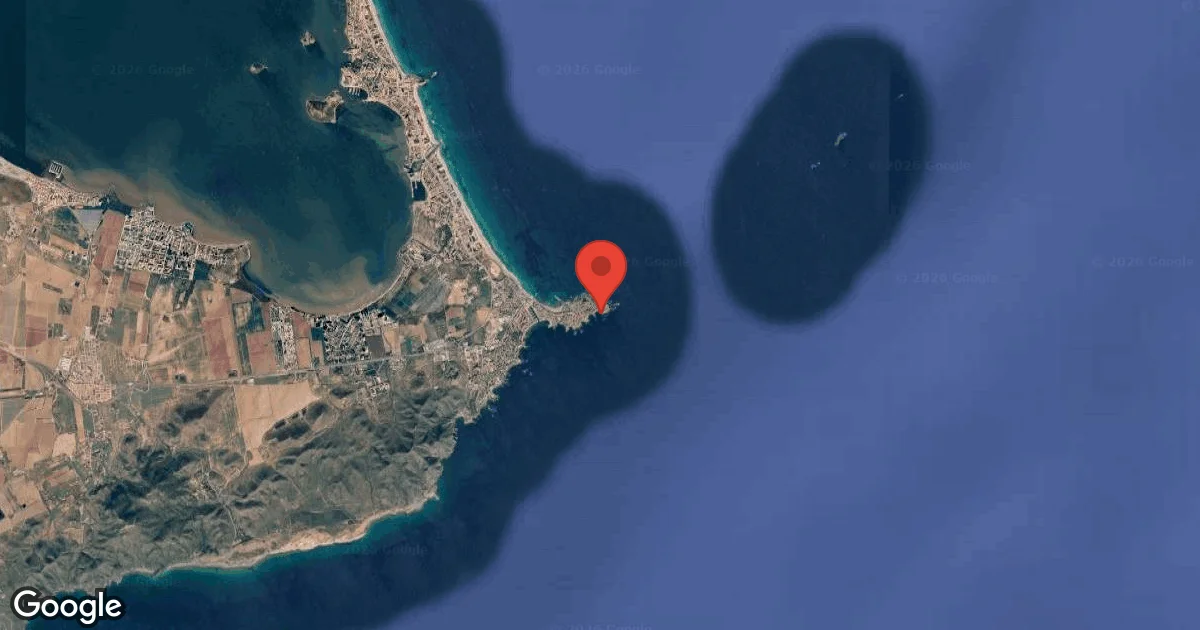
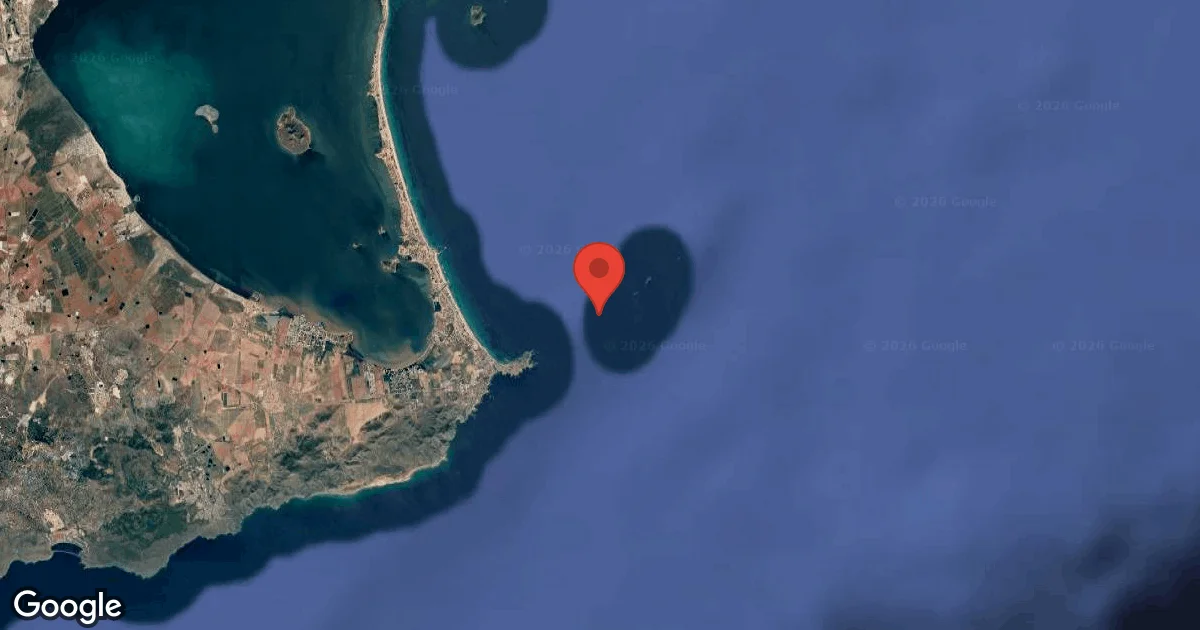
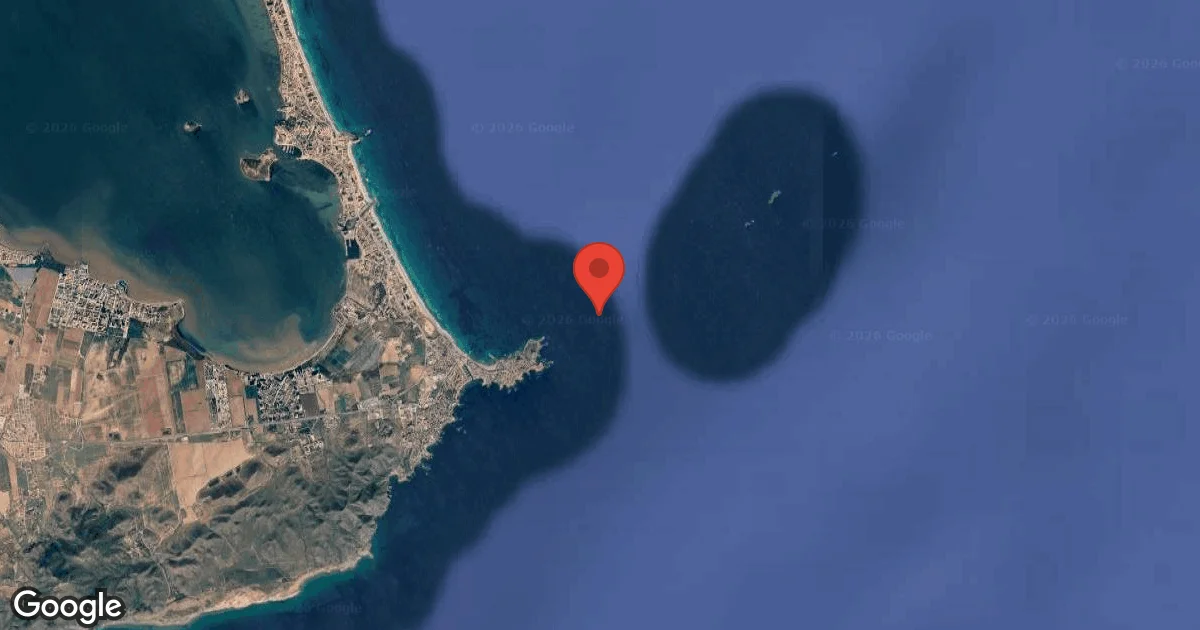
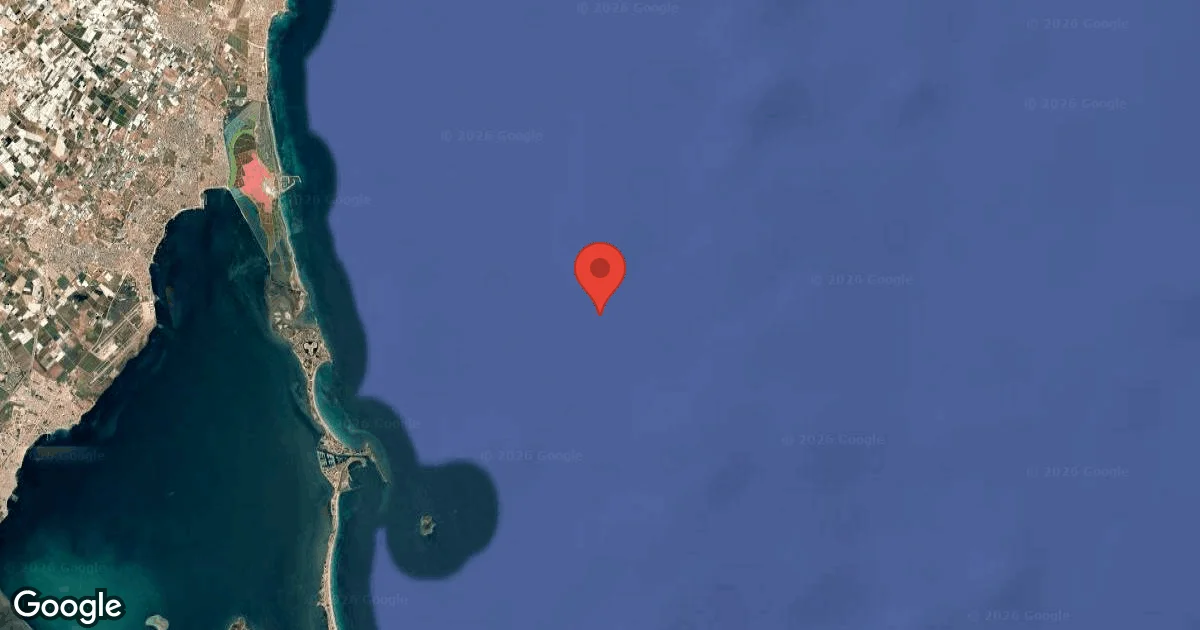
Dive Sites Near Isla Grosa
View all dive sites in SpainDiscover more underwater gems in this area.
Dive Centers Near Isla Grosa
Today: 09:00 - 18:00
Nearest Airports
Nearest airports to help plan travel to this dive area.
Search Flights
Check available flights and routes on Expedia, using the nearby airports listed in this section.
Search Flights on ExpediaFrequently Asked Questions
What are the main dive sites around Isla Grosa?
Key sites include La Laja, known for its shallows and moray eels, the Farallón islet with dives ranging from 6 to 18 meters, and La Cueva de la Grosa, an 80-meter-long cavern. The island's south face also offers beautiful wall dives.
Is Isla Grosa suitable for beginner divers?
Yes, Isla Grosa is considered ideal for both those starting out in diving and more advanced divers. The normally calm waters and varied depths accommodate different experience levels.
What marine life can I expect to see?
The protected waters are home to a wide variety of species. You might encounter sea bream, groupers, corvinas, moray eels, octopuses, and various invertebrates like nudibranchs and starfish. Pelagic fish like tuna and jacks can be seen seasonally.
Are there any caverns or caves to explore?
Yes, La Cueva de la Grosa is a notable cavern, approximately 80 meters in length with an average depth of 7 meters. It offers an immersive cavern diving experience for appropriately trained divers.
What are the typical water conditions?
The waters around Isla Grosa are normally calm, which contributes to good visibility. While specific water temperatures aren't consistently reported, the Mediterranean generally provides comfortable conditions from late spring through early autumn.
When is the best time to see large pelagic fish?
Between August and October, it's not uncommon to witness huge bait balls that attract larger pelagic species such as tuna, dentex, and jacks. This period offers an enhanced chance of spotting these predators.
Is Isla Grosa a protected area?
Yes, Isla Grosa and the surrounding seabed, along with El Farallón, are part of a protected marine reserve. This status has been in place since 1995, contributing to its rich biodiversity.
Planning to dive Isla Grosa?
Send one inquiry and receive offers directly from the best verified local dive operators.
Conditions are Good
Optimal conditions expected
Current conditions near Isla Grosa show 24° air, 27° sea temperature, 1.0 m waves, and 32 km/h wind. Forecast data is refreshed regularly to ensure accuracy.