
Diving at Cueva de Zeus (Spain)
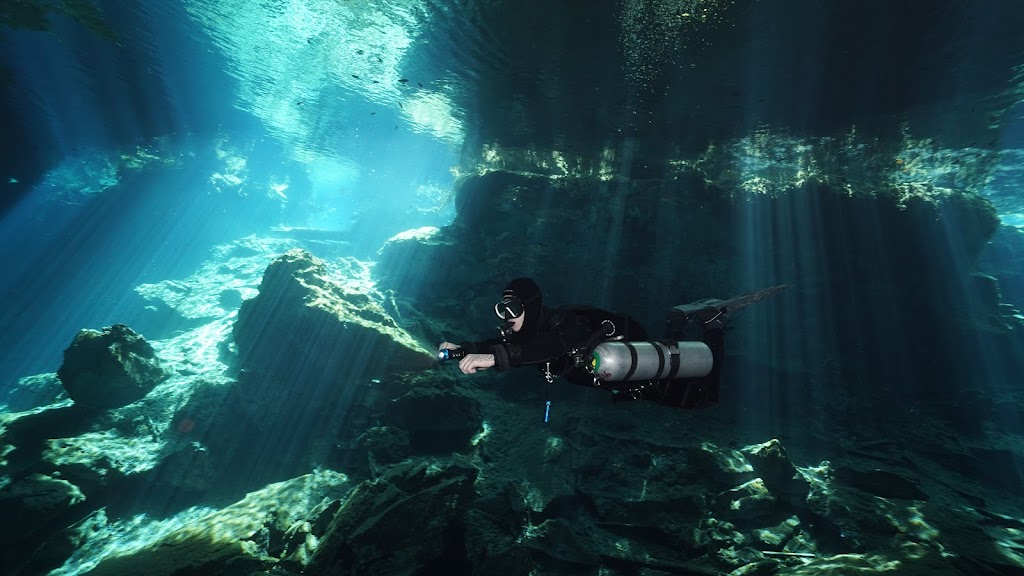
Cueva de Zeus in Spain's Murcia region offers divers compelling visuals within its unique underwater cave system. Its wide entrance beckons exploration, leading into tunnels and interior chambers where natural light plays across rock formations. These sheltered spaces boast walls covered in marine life, creating a vibrant backdrop to the site's distinct topography. At a maximum depth of 20 m (65 ft), it's accessible for recreational divers seeking a captivating cavern experience.
As evening covers Cueva de Zeus, the local air temperature is measured at 22.5°C. The current wave height at the surface is recorded at 0.8 m. These late-day readings characterize the surface conditions for the night.
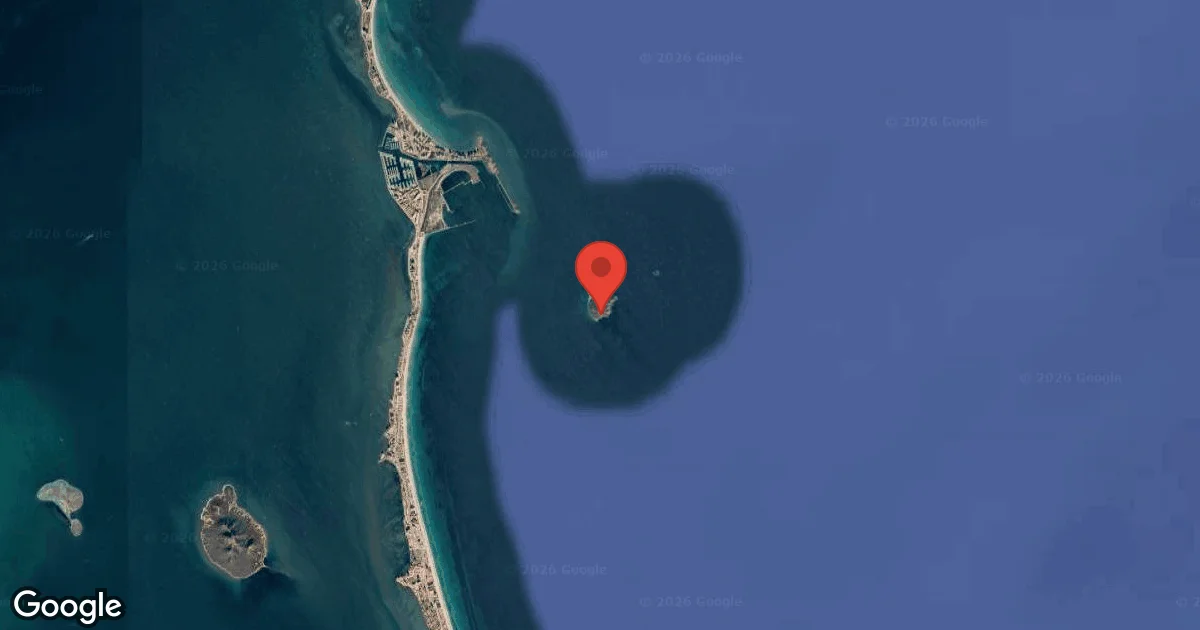
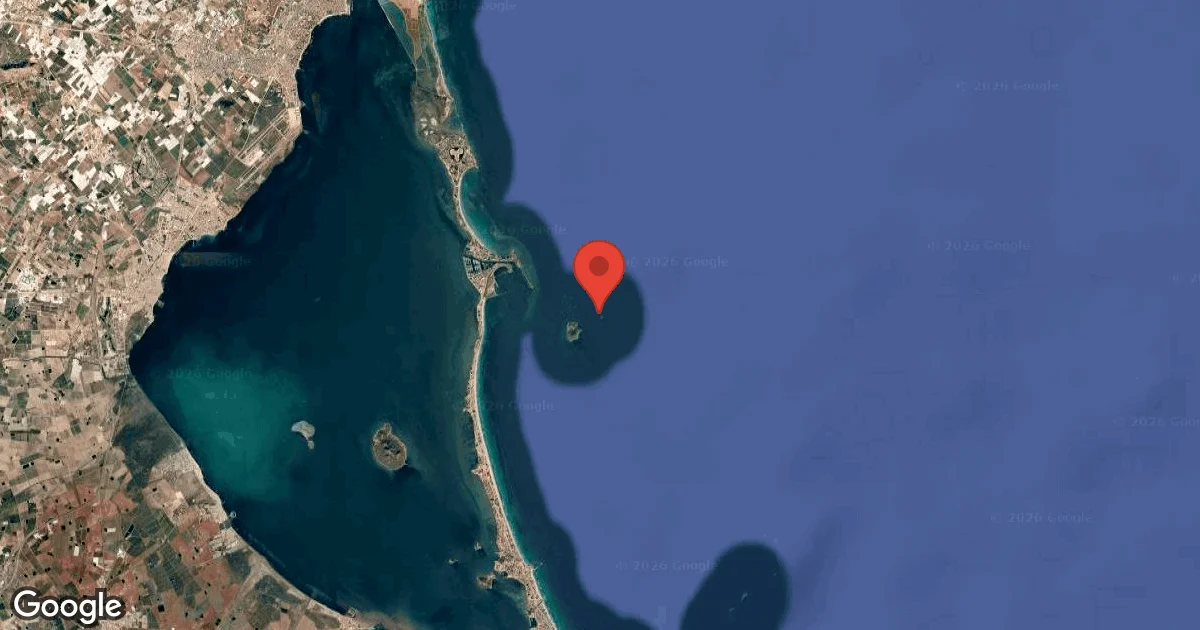
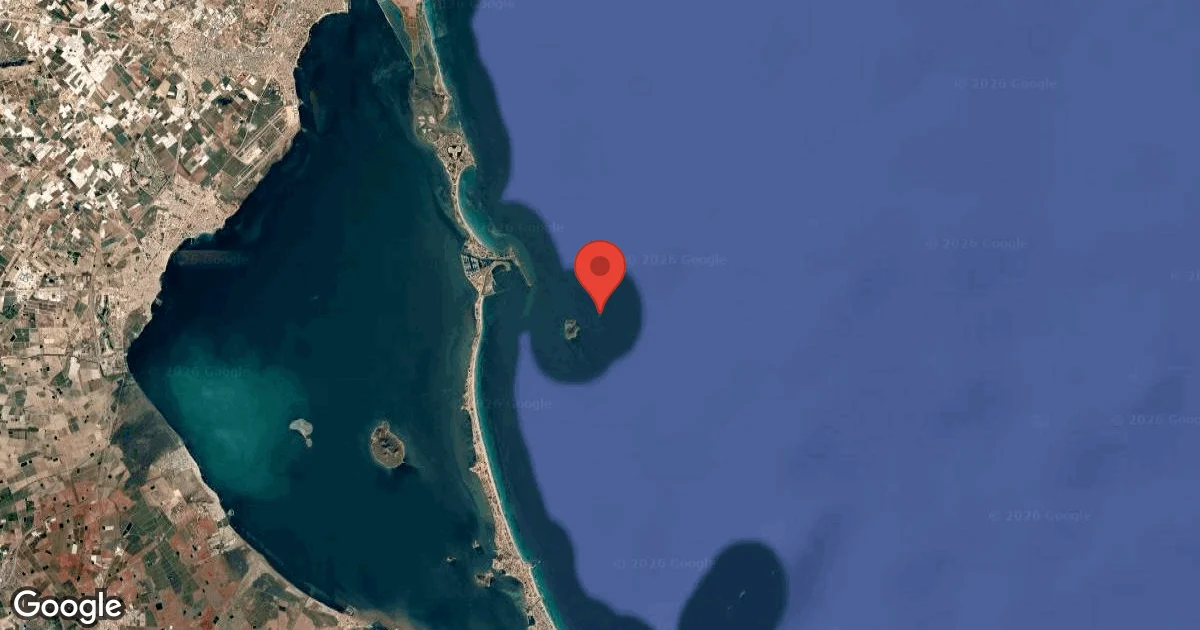
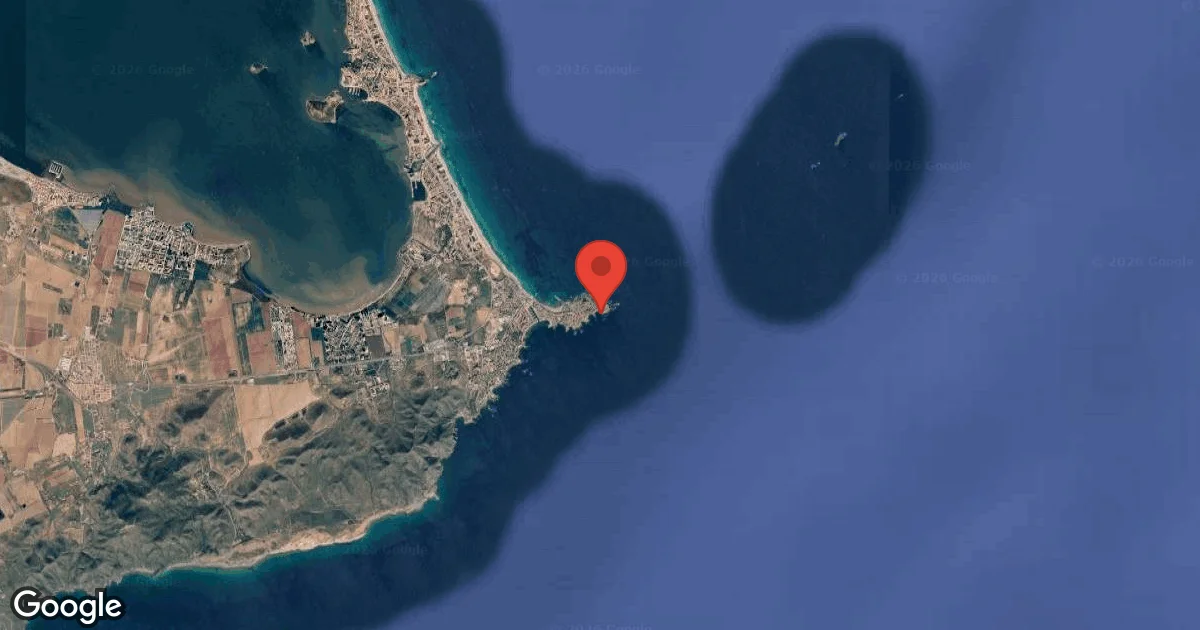
Dive Site Location & Key Facts
Dive Site Overview
Exploring Cueva de Zeus immerses divers in a labyrinthine underwater landscape characterized by a wide entrance that transitions into intricate tunnels and interior chambers. Descending into this site reveals walls textured with diverse marine growth and striking rock formations, constantly shifting in texture and color.
Natural light filters into specific areas, casting dramatic effects that highlight the cave's shadowed recesses, creating a dynamic visual experience. Navigating through these formations requires attentive awareness. While currents are generally not strong, the bottom alternates between sandy and rocky sections; maintaining good buoyancy is key to prevent disturbing sediments, which could significantly impact visibility for all divers.
This site invites a careful, observant dive, rewarding those who appreciate the subtle interplay of light and shadow within its protected habitats. It exemplifies a Mediterranean cave environment, offering a distinct experience compared to open reef dives.
Divers should prepare for a recreational depth range, typically around 20 m (65 ft), where intricate details become visible under torchlight. Careful finning preserves the pristine nature of this delicate underwater world.
Conditions are Moderate
Optimal conditions expected
Current conditions near Cueva de Zeus show 22° air, 27° sea temperature, 1.2 m waves, and 35 km/h wind. Forecast data is refreshed regularly to ensure accuracy.
Best Time to Dive
Diving at Cueva de Zeus is generally favorable throughout much of the year, with consistently good dive scores from January to December. Optimal conditions often align with the warmer months, as air temperatures rise from around 12-14°C (54-57°F) in winter to a peak of 26-27°C (79-81°F) during July and August. Rain activity remains relatively low year-round, typically below 2 mm (0.08 inches) per month, which generally contributes to stable surface conditions. Average wave heights are consistently below 1 meter (3.3 ft), suggesting calm entry and exit points. Water temperatures are not consistently reported but generally track seasonal air temperature patterns, peaking in late summer and early autumn. Wind speeds are also moderate, usually remaining below 23 km/h (14 mph), further supporting comfortable boat entries.
PEAK SEASON SCORE
Scores combine air & water temps, waves, wind & rainfall for overall conditions.
BEST MONTHS TO DIVE
Monthly records compiled from satellite and marine observation nodes over the last 3 years. Data provided by Open-Meteo and MET Norway.
Dive Experience & Conditions
Beginning your dive at Cueva de Zeus, you'll typically approach by boat, entering a cavern system known for its wide mouth. Conditions inside are generally calm, characterized by a lack of strong currents, making for a relaxed descent. The maximum depth reached is around 20 m (65 ft), accommodating certified recreational divers. As you progress, the topography shifts from open cavern into more defined tunnels and interior chambers, each revealing unique rock formations. Visibility depends heavily on diver awareness; the sandy or rocky bottom can be easily disturbed, so precise buoyancy control is essential to keep the water clear. Observe how light penetrates the cave at various points, creating dynamic, ephemeral scenes against the shadowy walls.
Dive Difficulty & Safety Guidelines
Approaching Cueva de Zeus requires divers to be mindful of its cavern environment. Maintaining excellent buoyancy control is crucial throughout the dive, as disturbing the sandy or rocky bottom can significantly reduce visibility for following divers and obscure the intricate features of the cave. Always remain aware of your surroundings within the tunnels and chambers, especially in areas where natural light diminishes.
For any level of diver, particularly beginners, understanding that activities are always accompanied by qualified instructors ensures a guided and safe exploration. These guidelines help preserve the delicate ecosystem and enhance the experience for everyone.
Recommended Equipment
Overhead environment. Do not enter beyond training and gas planning limits.
- Dive Computer
- DSMB
- Primary & Backup Lights
- Reel / Spool
- Cutting Tool
This gear list is based on verified equipment signals for Cueva de Zeus, Spain. Always confirm final gear choices with your dive operator, guide, or liveaboard.
Recommended Dive Suit
Environmental conditions are expected to remain consistent in the short-term outlook.
Even in warm destinations, extended dives can gradually draw heat away from the body. Stronger winds may also make surface intervals feel cooler than usual.
Exposure protection such as 2-3mm shorty or light wetsuit is commonly used when diving in waters of this temperature. Consider warmer surface protection (like a boat coat) due to brisk winds. Surface intervals may feel cooler. The surrounding waters at Cueva de Zeus are currently registering temperatures of roughly 27°C (80°F). Surface air temperatures are resting at 22°C (72°F).
Due to technical issues with our weather providers, live updates are temporarily delayed. The data above reflects the conditions at the time of the last successful fetch.
Emergency & Medical Support
Essential information to help you plan your dive trip to Cueva de Zeus.

Hyperbaric chambers are a critical part of dive safety infrastructure. Availability varies significantly by region, and not all dive areas have immediate access.
Before diving, it's recommended to:
- confirm nearest medical facilities
- check emergency procedures with local dive operators
- ensure dive insurance covers evacuation if required
Divers Alert Network
Diving emergency assistance available through DAN Europe.
+39 0642115685- 24/7 emergency hotline
- Diving medical assistance
- Evacuation coordination
Emergency contacts are provided for reference. Always verify local emergency services before diving.
Marine Life at Cueva de Zeus
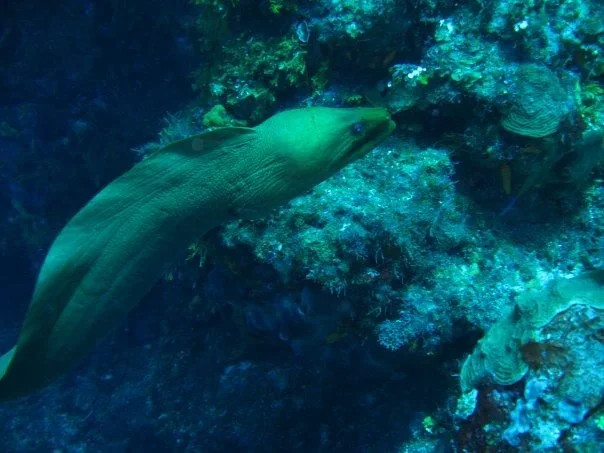
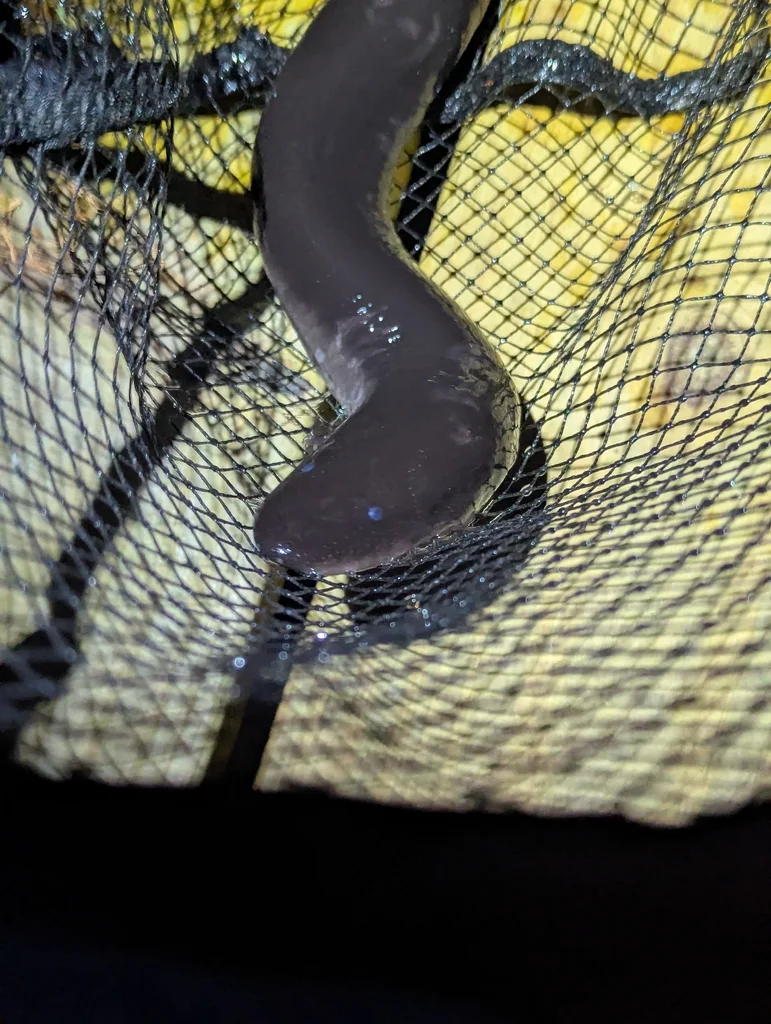
Focusing on the unique habitats within Cueva de Zeus reveals a fascinating array of marine life adapted to these protected conditions. You can expect to encounter Moray eels and Conger eels, often seen peeking from crevices and cracks along the walls and in deeper, darker areas.
Look closely for shrimp nestled in the nooks and crannies. Over the bottom and walls, the intensely colored Walking starfish (Ophidiaster ophidianus) moves slowly, a vibrant contrast to the cave's subdued lighting.
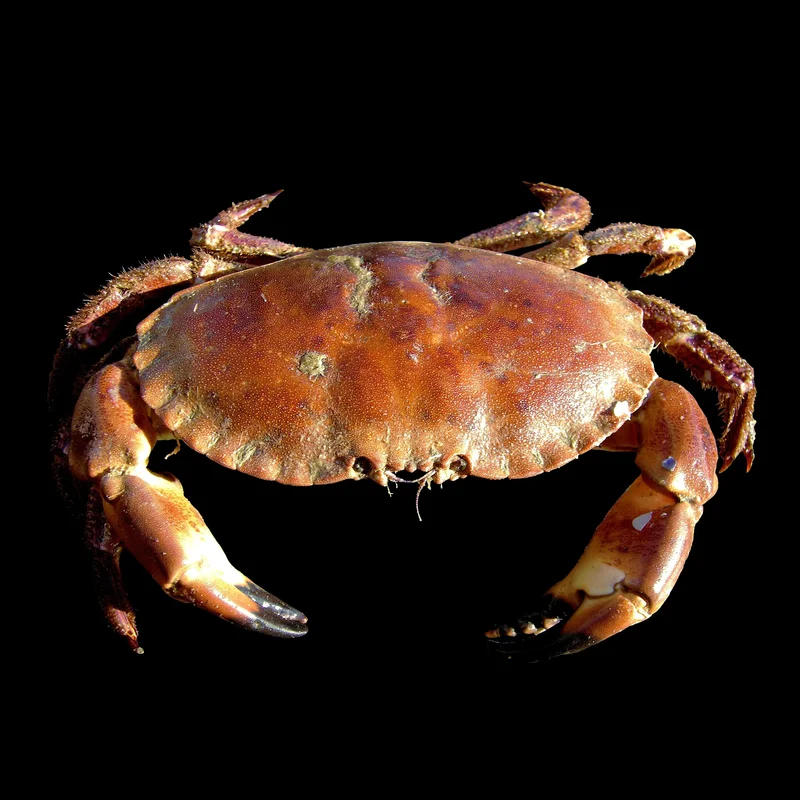
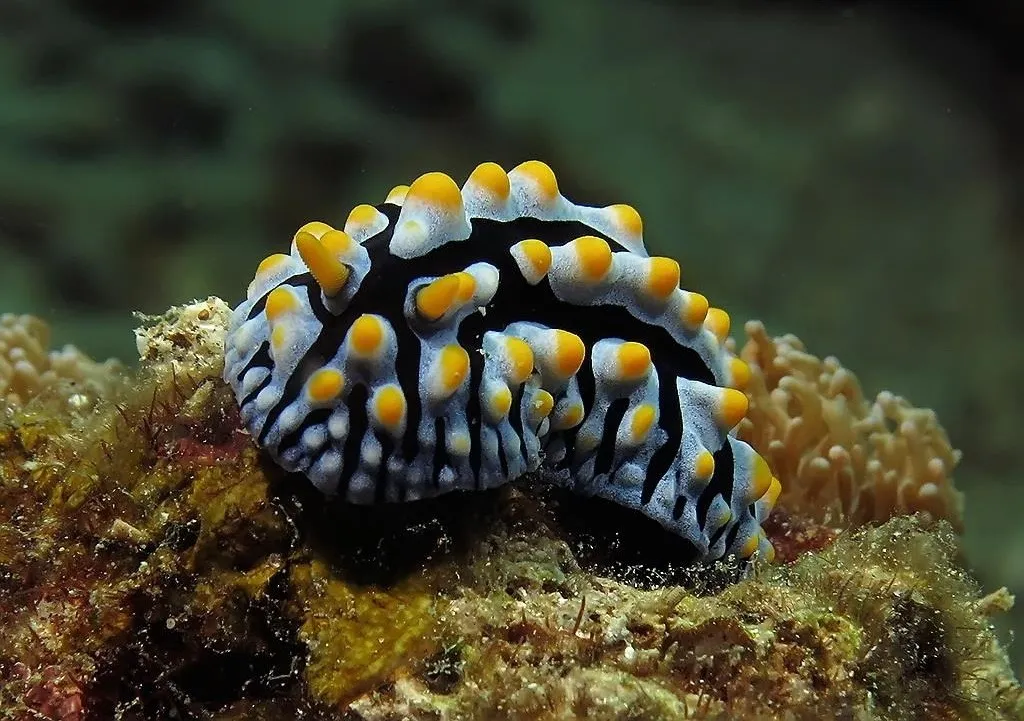
Keep an eye out for Blue crabs, a recent invader noted for their striking color, and other crab species among the rocks, alongside the occasional nudibranch.

Dive Sites Near Cueva de Zeus
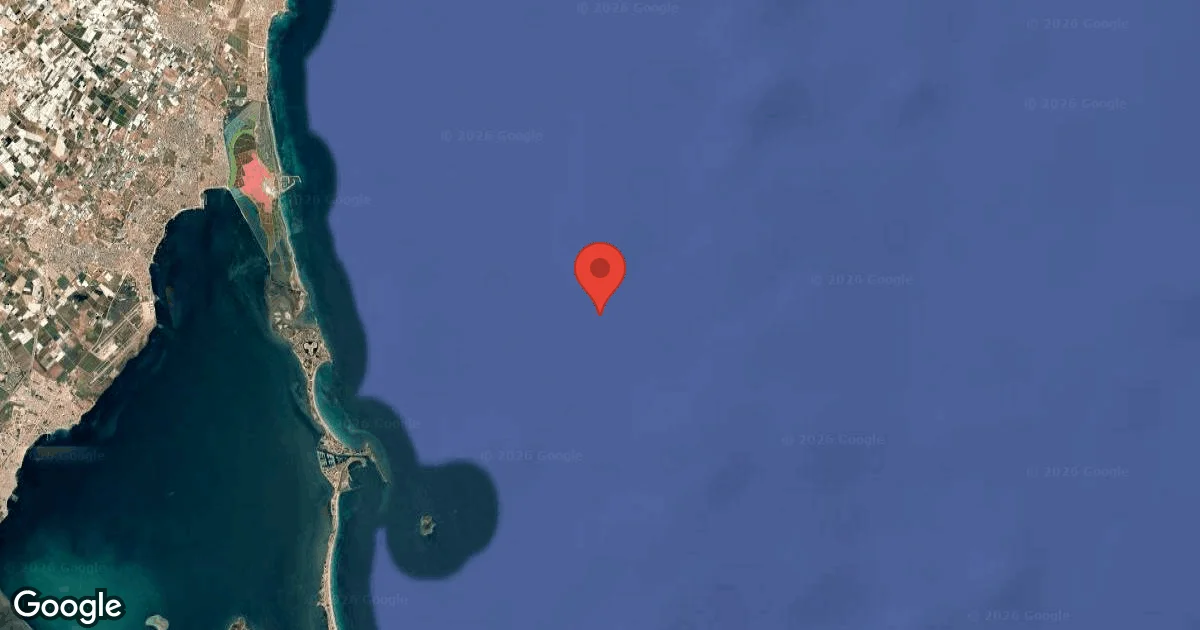
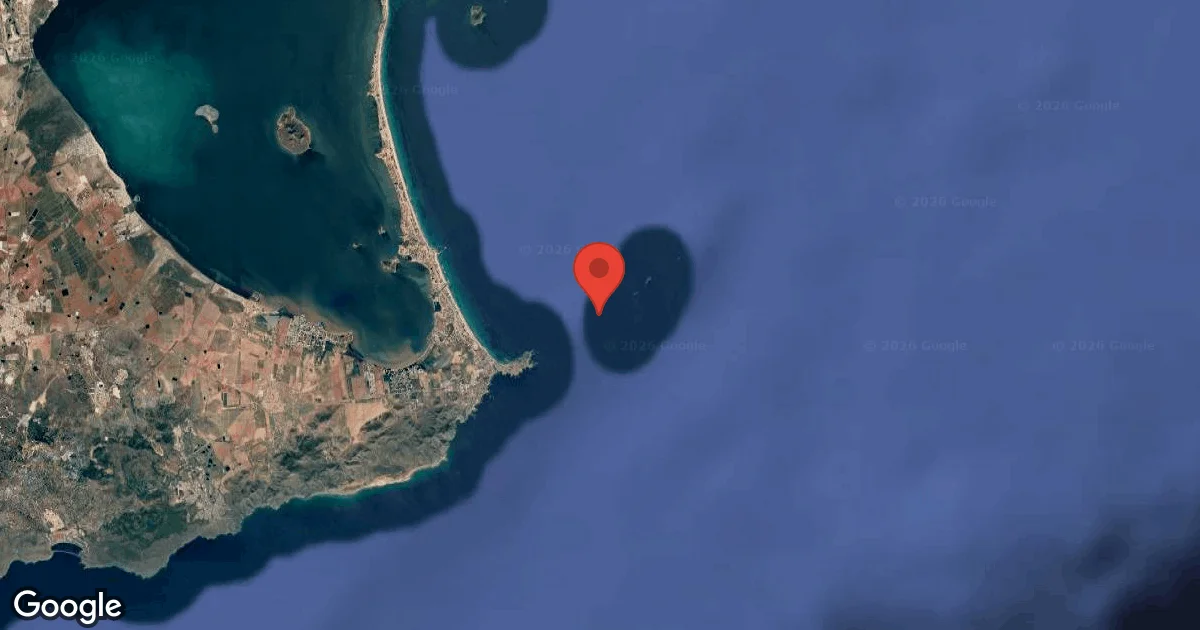
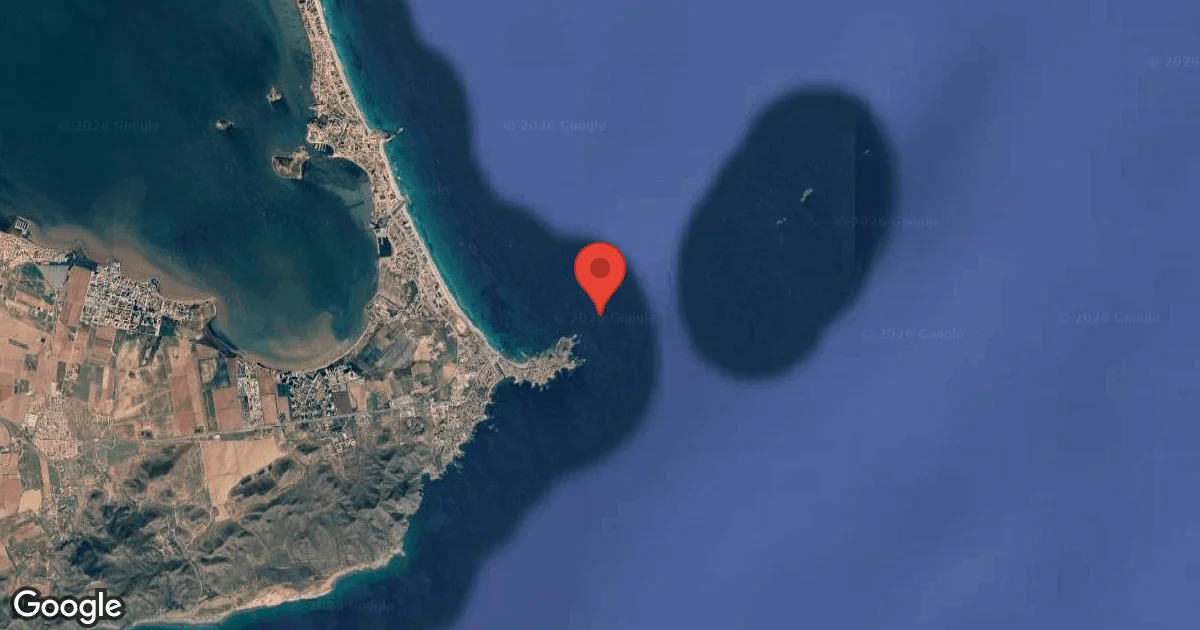
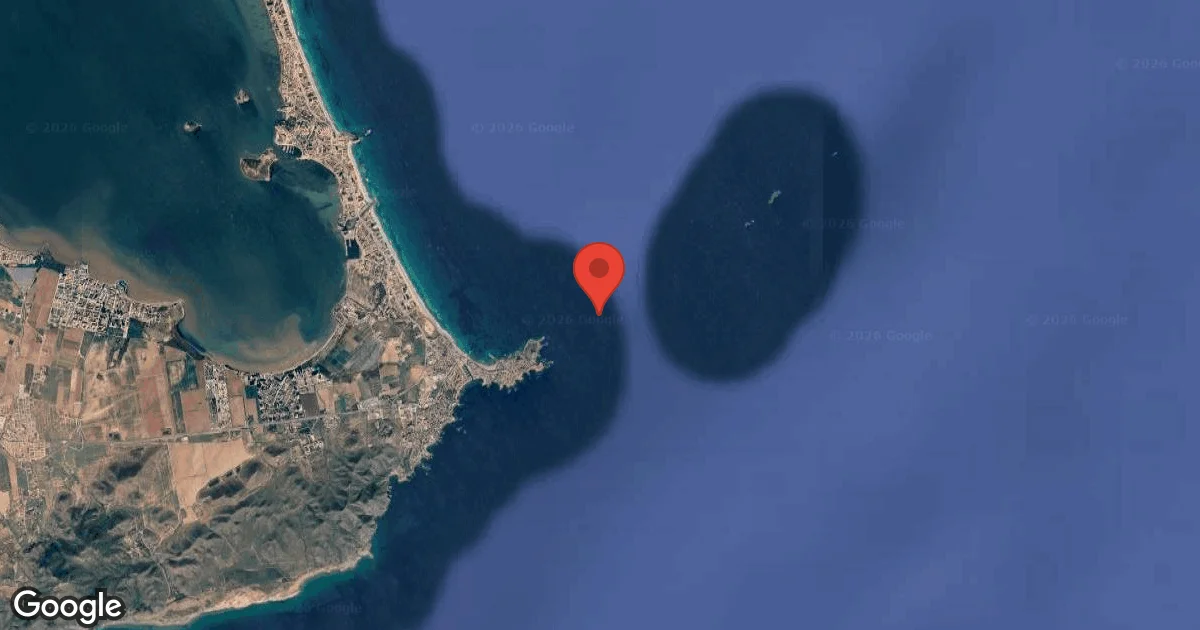
View all dive sites in SpainDiscover more underwater gems in this area.
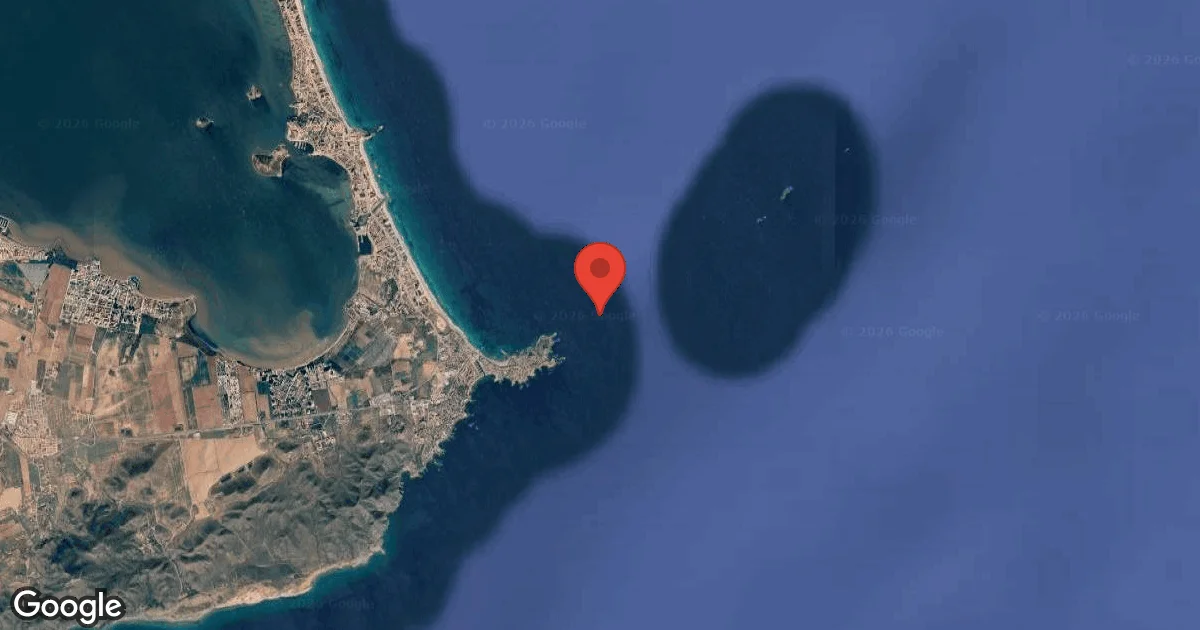
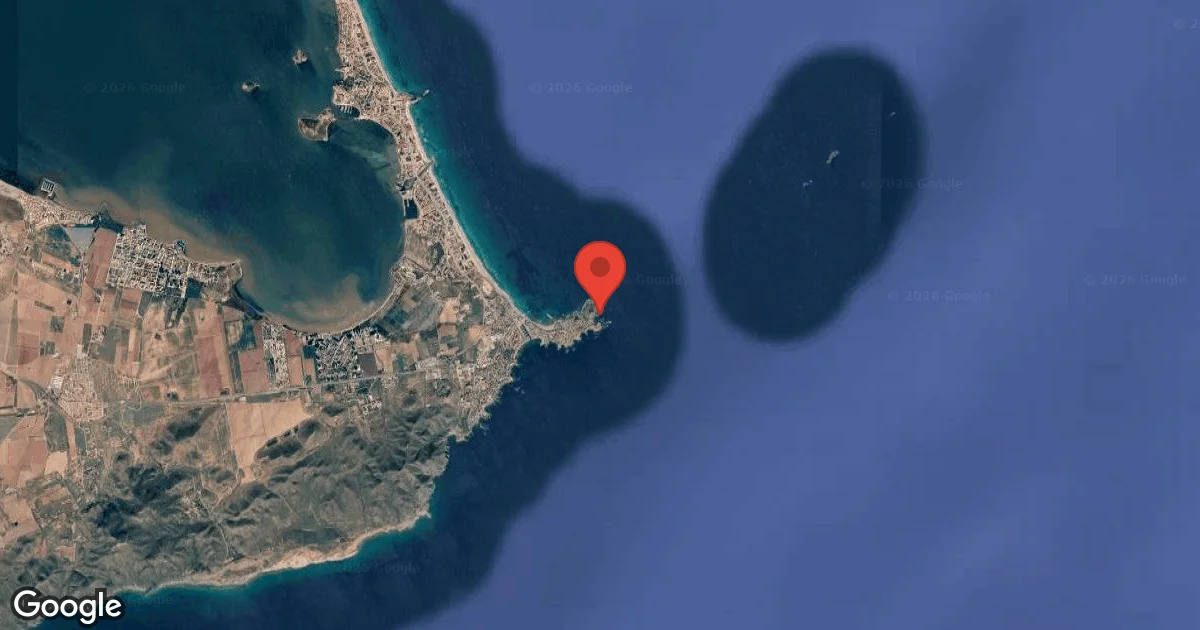
Dive Centers Near Cueva de Zeus
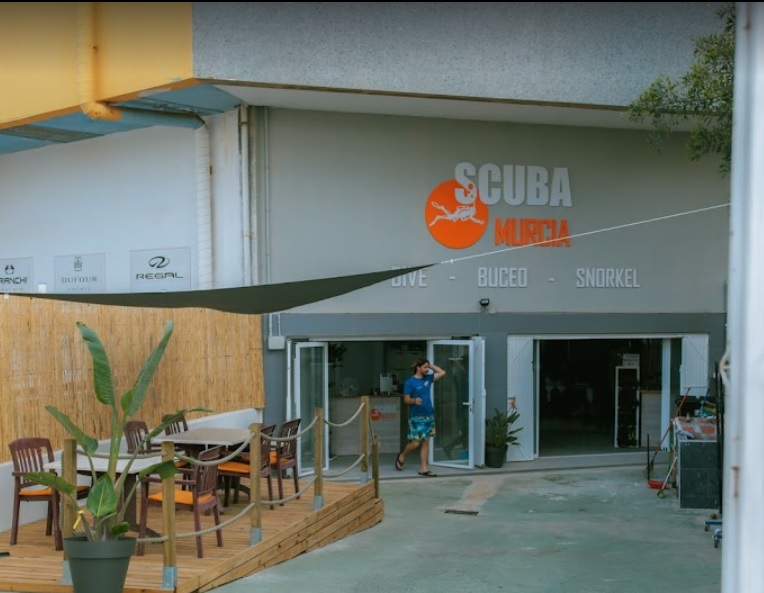
Today: 09:00 - 18:00
Nearest Airports
Nearest airports to help plan travel to this dive area.
Search Flights
Check available flights and routes on Expedia, using the nearby airports listed in this section.
Search Flights on ExpediaFrequently Asked Questions
What is the maximum depth for this dive?
A maximum depth of 20 m (65 ft) is reported for Cueva de Zeus. This keeps the dive within recreational limits, making it suitable for certified divers.
What diving certification level is recommended for Cueva de Zeus?
Cueva de Zeus is suitable for certified recreational divers. Activities are always accompanied by qualified instructors, ensuring a guided and safe exploration, particularly for beginners in cavern environments.
Are there strong currents inside Cueva de Zeus?
Conditions inside the cavern system are generally calm. Strong currents are typically not a feature of this site, which allows for a more relaxed descent and exploration within its chambers.
How important is buoyancy control when diving here?
Excellent buoyancy control is crucial throughout the dive. The sandy and rocky bottom can be easily disturbed, which significantly reduces visibility for all divers and obscures the cave's intricate features. Precise finning helps preserve the clarity and pristine nature of the site.
What marine life can divers expect to see?
Divers often spot Moray eels and Conger eels peeking from crevices. Keep an eye out for shrimp nestled in the nooks, and the vibrant Walking starfish (Ophidiaster ophidianus) moving slowly along surfaces. Blue crabs and other crab species can be found among the rocks, alongside occasional nudibranchs.
What is the best time of year to dive Cueva de Zeus?
Diving is favorable throughout much of the year, with consistently good dive conditions reported from January to December. Optimal experiences often occur during warmer months, as water temperatures track seasonal air temperature patterns, peaking in late summer and early autumn.
Planning to dive Cueva de Zeus?
Send one inquiry and receive offers directly from the best verified local dive operators.
Conditions are Moderate
Optimal conditions expected
Current conditions near Cueva de Zeus show 22° air, 27° sea temperature, 1.2 m waves, and 35 km/h wind. Forecast data is refreshed regularly to ensure accuracy.