
Diving at Margarita (Spain)
To truly explore Margarita, divers must embrace the challenge of its deep blue, isolated waters. This site primarily involves navigating dramatic vertical walls and entering accessible caves, often pushing divers toward their depth limits. It requires a mindful approach, particularly due to its exposure to specific sea conditions. This isn't a beginner's casual shore entry; it's a boat-accessed island adventure, demanding experience and appropriate training.
Evening condition tracking at Margarita features an air temperature of 24°C. We have recorded wave heights measuring 0.5 m during this period. These figures outline the environmental parameters currently present.
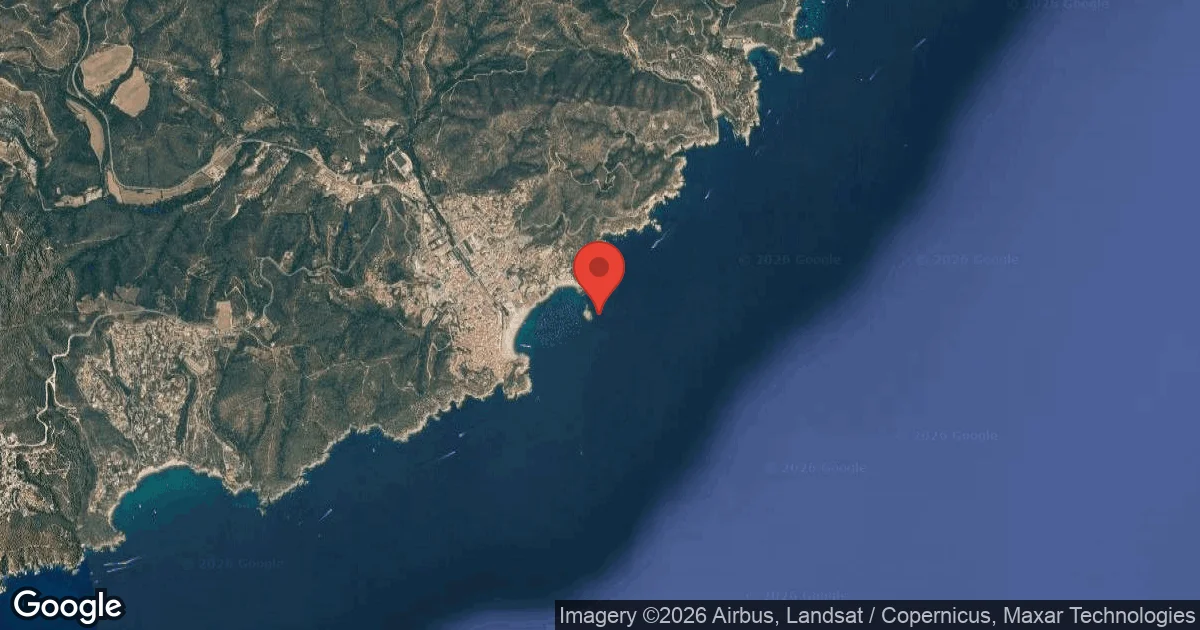
Dive Site Location & Key Facts
Dive Site Overview
Embarking on a dive at Margarita means setting off into the open sea towards an isolated islet, a journey that promises an immersive wall and cave exploration. From the surface, the outline of high cliffs with hidden coves hints at the underwater topography.
Once submerged, divers encounter a striking vertical wall that descends into deeper realms, inviting exploration of its contours and features. The descent may begin near a lower shelf at approximately 9 m (30 ft), transitioning quickly to a substantial drop to about 18 m (59 ft) from the surface. Following the rocky wall, divers will discover natural arches, some impressive enough for small boats to pass through, and others inviting divers to glide beneath, revealing vibrant encrustations of Aplidium or sea squirts.
As one progresses, large rock formations provide varied terrain to navigate, and the bottom can reach depths of 40 m (131 ft) or more. Controlling buoyancy and monitoring depth are crucial here, as the excellent water transparency can make deeper waters feel deceptively shallow.
Conditions are Excellent
07:00 - 14:00
Optimal conditions expected
Current conditions near Margarita show 24° air, 27° sea temperature, 0.5 m waves, and 25 km/h wind. Forecast data is refreshed regularly to ensure accuracy.
Best Time to Dive
Optimal visibility and comfortable diving conditions at Margarita typically align with the warmer, calmer months. From May through September, air temperatures are most pleasant, ranging from 17°C (63°F) in May to highs of 25°C (77°F) in July and August. During these months, wave heights are generally lower, averaging around 0.7-0.9 meters, and wind speeds tend to be less pronounced, creating more stable sea conditions ideal for boat access to this isolated island site. Rainfall is also minimal, typically below 3 mm (0.12 in) per month, which helps maintain good underwater clarity. Northern winds, however, can significantly impact sea conditions, making access challenging and potentially reducing visibility, so planning around forecasts is critical. Diving outside this peak season, while possible, may involve more dynamic weather and sea states.
PEAK SEASON SCORE
Scores combine air & water temps, waves, wind & rainfall for overall conditions.
BEST MONTHS TO DIVE
Monthly records compiled from satellite and marine observation nodes over the last 3 years. Data provided by Open-Meteo and MET Norway.
Dive Experience & Conditions
Accessing Margarita involves a boat entry, usually from a nearby port like San Antonio if diving at Ses Margalides. Divers will navigate along a dramatic vertical wall, a primary feature of this site, which plunges into substantial depths. The initial descent might take you along a lower shelf around 9 meters before the wall drops off significantly. One can anticipate encountering multiple natural arches carved into the rock face, some suitable for swimming through, revealing colorful encrustations. Currents here are not consistently reported but can vary, especially around the island's exposed position. The site's exposure means specific sea conditions are necessary for a safe dive; avoid it particularly when northern winds are present, as these can make the area difficult to manage. Divers exploring here should be mindful of their depth, as the seafloor can extend well beyond typical recreational limits.
Dive Difficulty & Safety Guidelines
Prudent planning and adherence to training limits are paramount for any dive at Margarita. The site's characteristics, including significant depths, vertical walls, and accessible caves, often necessitate specialized skills.
Advanced certifications such as PADI Advanced Open Water Diver, Deep Diver, or even Cavern/Cave Diver training are highly recommended to safely navigate its challenging environments. Always adhere strictly to your training and experience limitations.
Given its isolated island location, divers should ensure they have reliable communication with the surface and a well-rehearsed emergency plan. Strong northern winds can quickly degrade conditions, so always check local forecasts and dive only when conditions are suitable for boat access and submerged activities.
Recommended Equipment
- Dive Computer
This gear list is based on verified equipment signals for Margarita, Spain. Always confirm final gear choices with your dive operator, guide, or liveaboard.
Recommended Dive Suit
Experienced divers often bring flexible gear options.
Environmental readings suggest that the waters surrounding Margarita are about 27°C (80°F) at the moment. Surface air temperatures are resting at 24°C (75°F). Divers who spend longer periods underwater often choose 2-3mm shorty or light wetsuit.
A warming trend is expected over the next few days. A warming trend is expected over the next few days.
Emergency & Medical Support
Essential information to help you plan your dive trip to MARGARITA.

Hyperbaric chambers are a critical part of dive safety infrastructure. Availability varies significantly by region, and not all dive areas have immediate access.
Before diving, it's recommended to:
- confirm nearest medical facilities
- check emergency procedures with local dive operators
- ensure dive insurance covers evacuation if required
Divers Alert Network
Diving emergency assistance available through DAN Europe.
+39 0642115685- 24/7 emergency hotline
- Diving medical assistance
- Evacuation coordination
Emergency contacts are provided for reference. Always verify local emergency services before diving.
Closest Listed Hyperbaric Chambers
Showing listed hyperbaric chamber facilities within 200 km of this dive site.
Distances are approximate straight-line distances and may not reflect emergency travel time.
Unitat de Medicina Hiperbàrica (UMH)
24/7 ListedPalamos (Girona), Spain•Approx. 1 km straight-line
Unitat de Medicina Hiperbàrica (UMH)
24/7 ListedInformation is provided for reference and planning purposes only. Dive Navigator does not verify operational status, staffing, availability, or quality of care at listed facilities. In an emergency, contact local emergency services, DAN, your dive operator, or the chamber directly. Do not travel to a facility without calling ahead.
UTH-CSI
24/7 ListedICU CapableSant Joan Despí, Spain•Approx. 105 km straight-line
UTH-CSI
24/7 ListedICU CapableInformation is provided for reference and planning purposes only. Dive Navigator does not verify operational status, staffing, availability, or quality of care at listed facilities. In an emergency, contact local emergency services, DAN, your dive operator, or the chamber directly. Do not travel to a facility without calling ahead.
Marine Life at Margarita
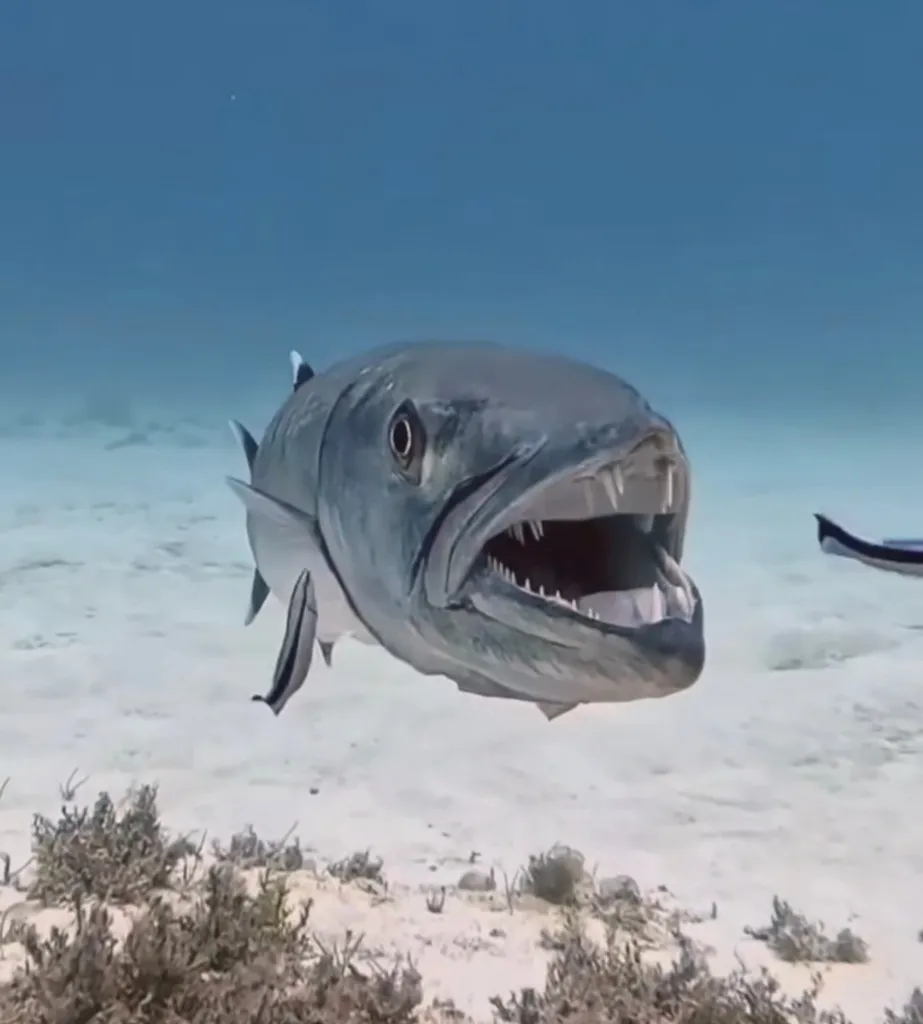
Explorers here can expect to see a range of marine life adapted to rocky, deeper environments. Barracuda frequently patrol the depths, often spotted around the larger rock formations and along the wall.
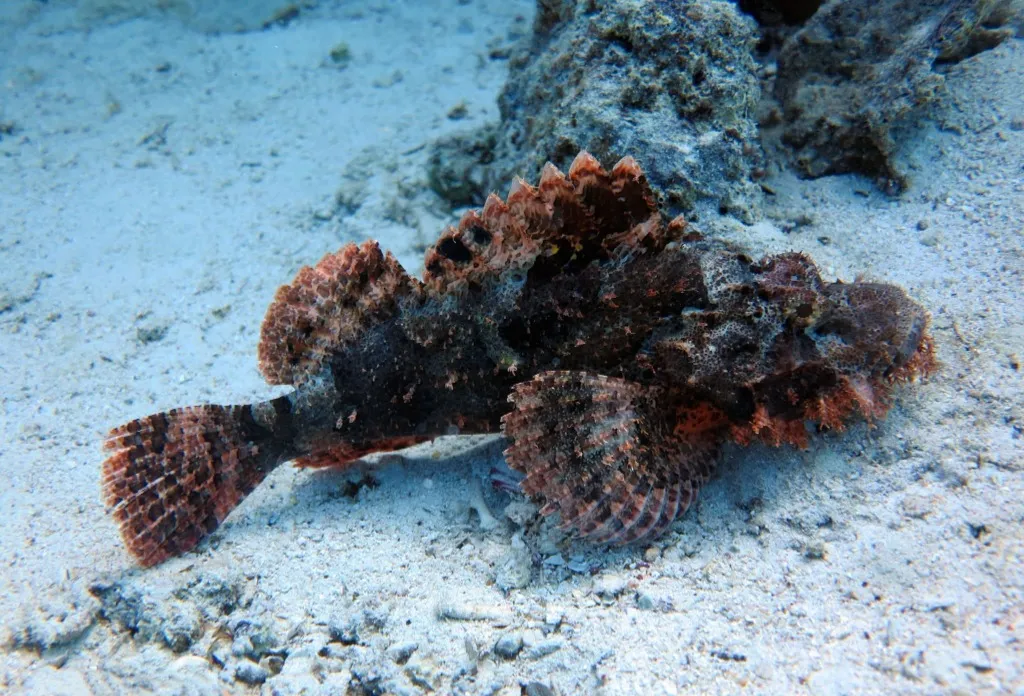
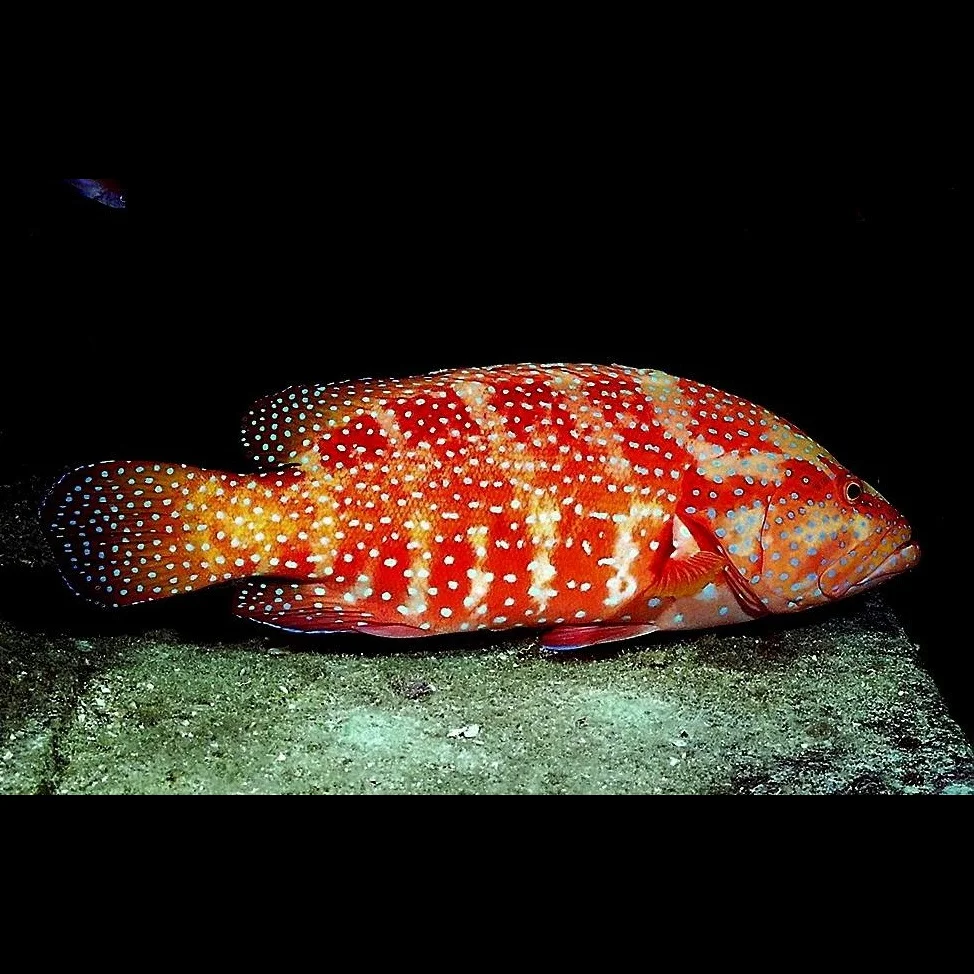
Grouper and scorpionfish are also commonly sighted, blending into the rugged seafloor and crevices. Beyond the fish, the rocky surfaces host various encrusting organisms, including vibrant colonies of Aplidium, or sea squirts, adding splashes of color to the underwater landscape.
Dive Sites Near Margarita
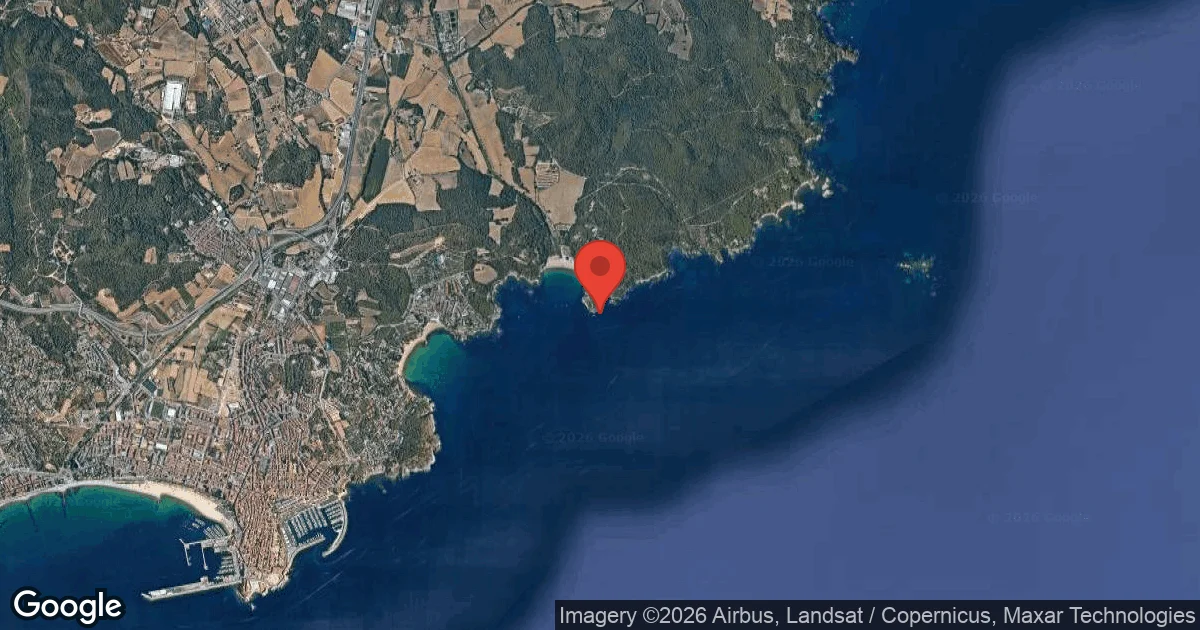
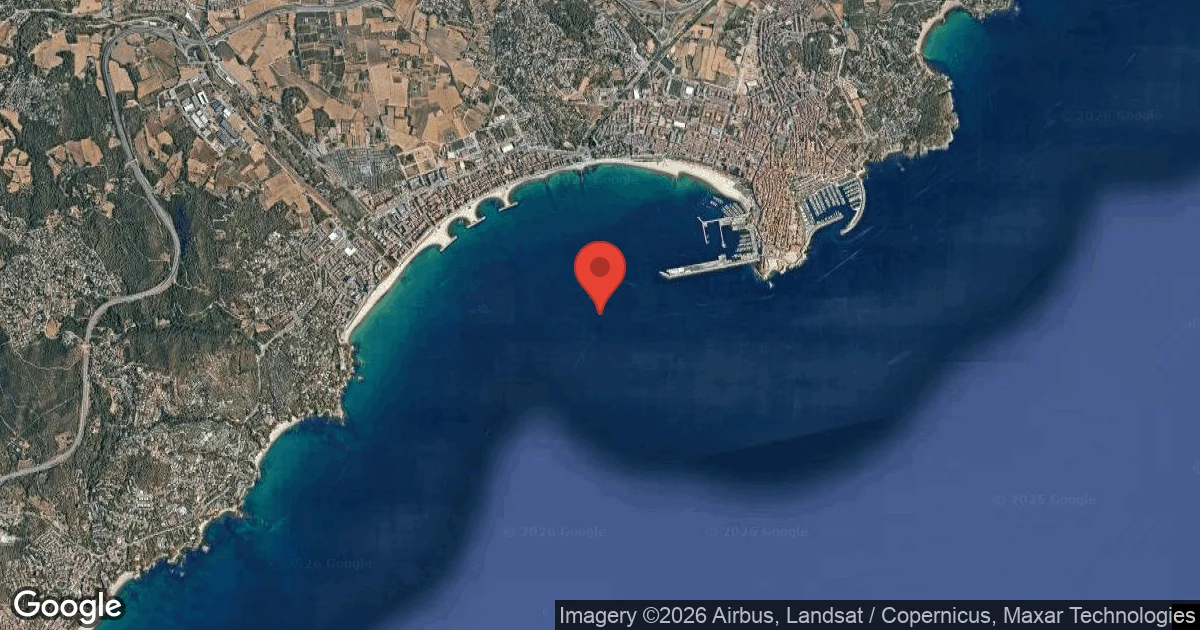
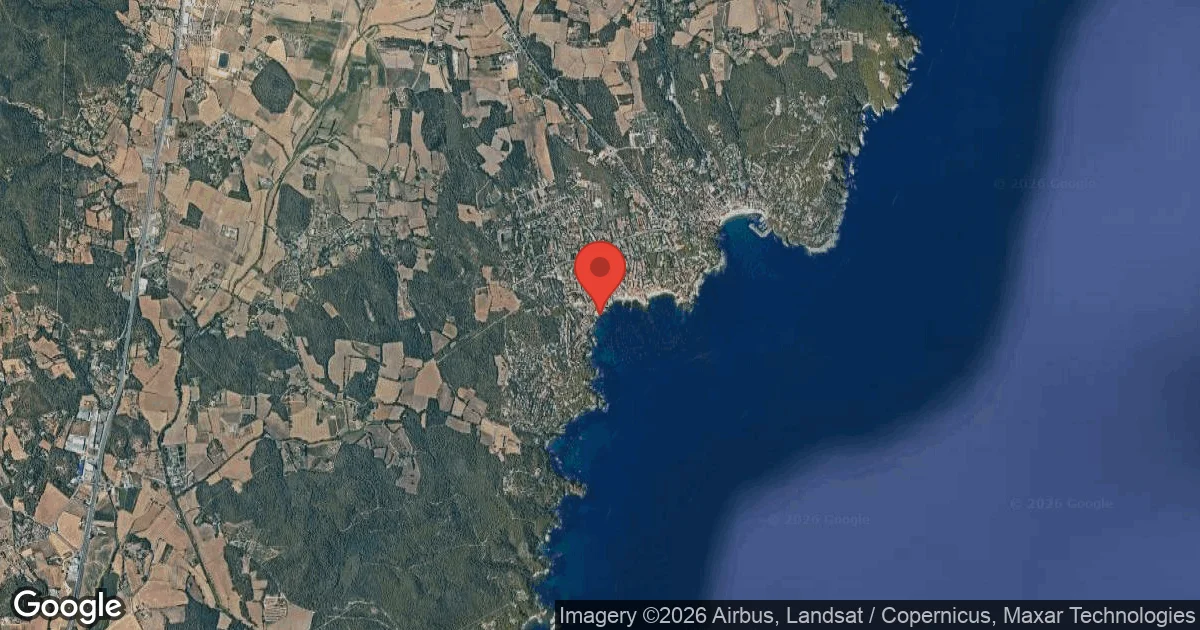
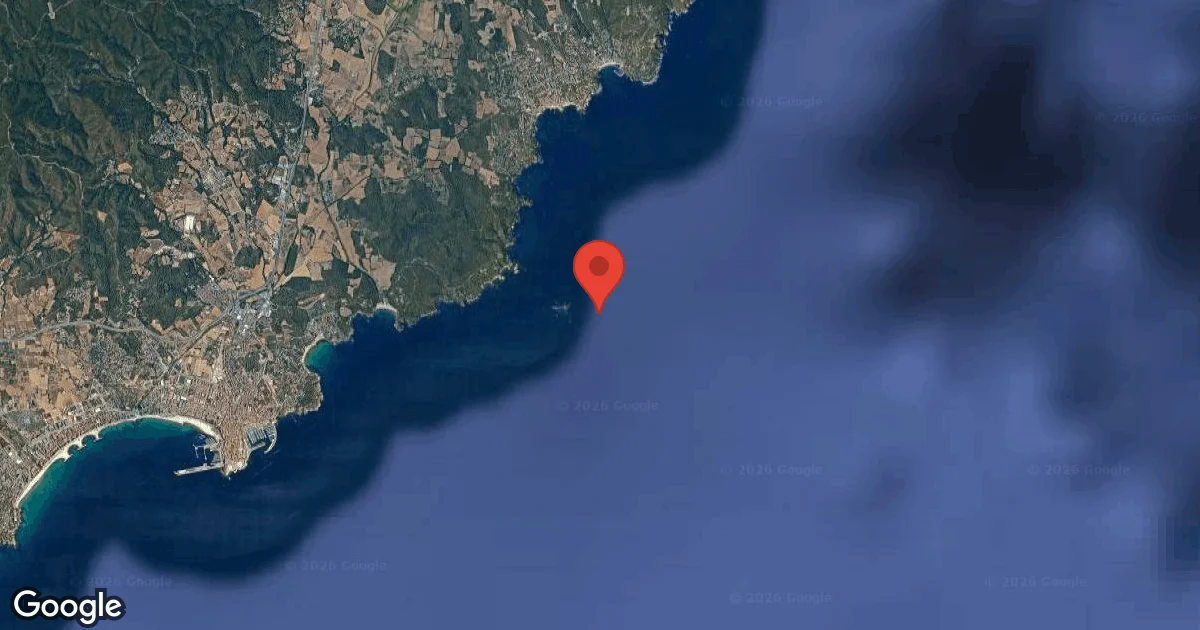
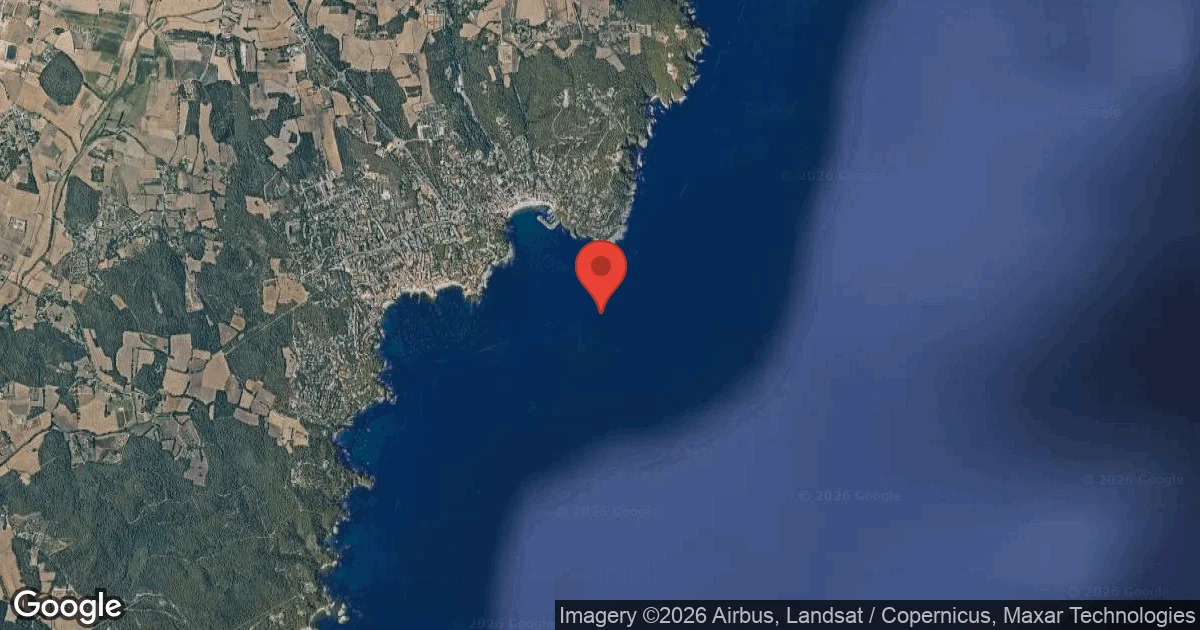
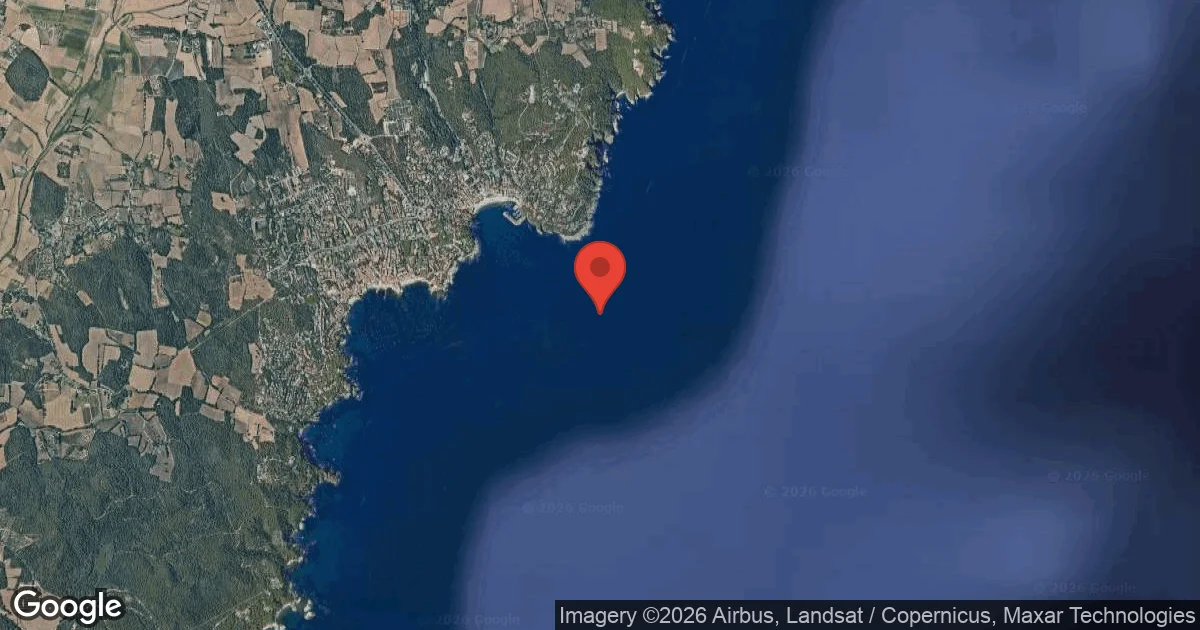
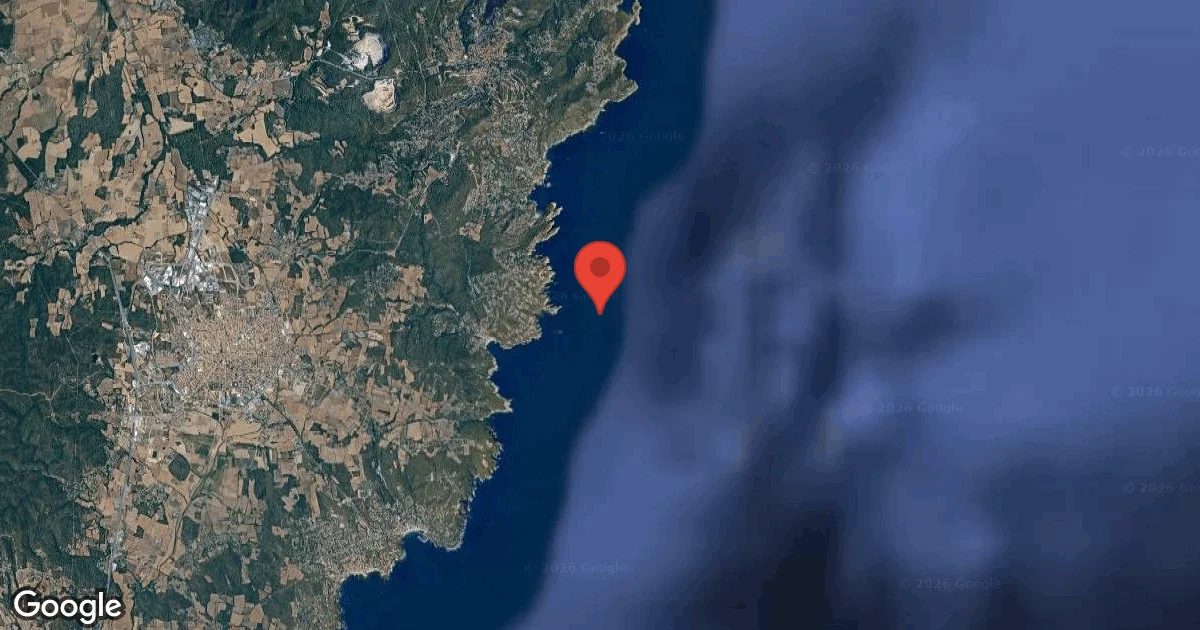
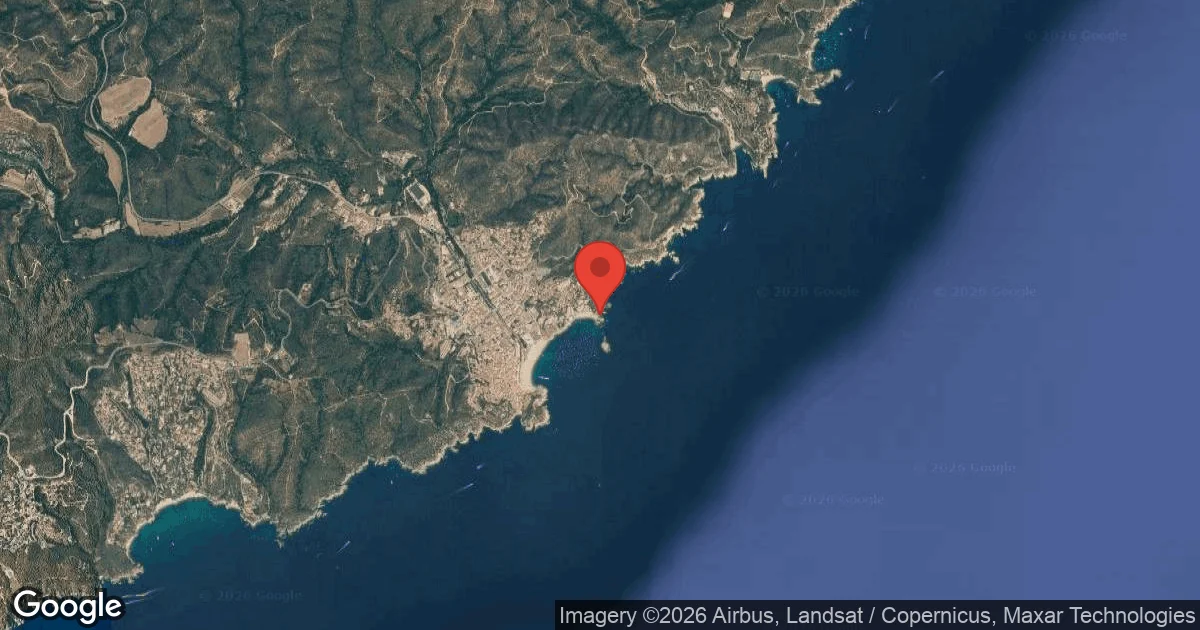
View all dive sites in SpainDiscover more underwater gems in this area.
Dive Centers Near Margarita
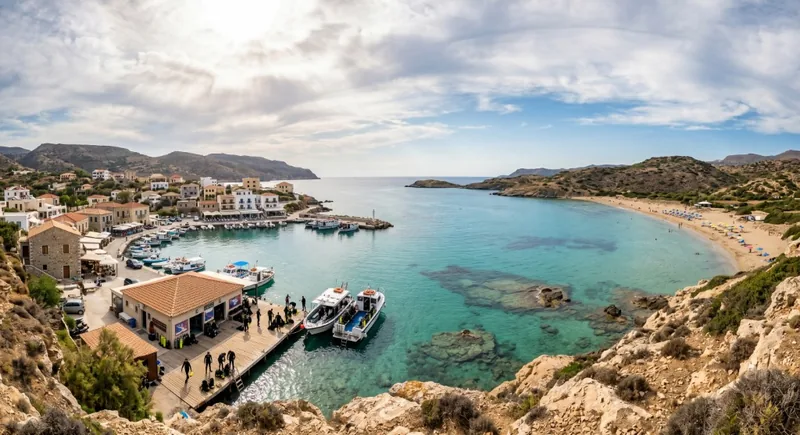
Today: 08:30 - 18:00
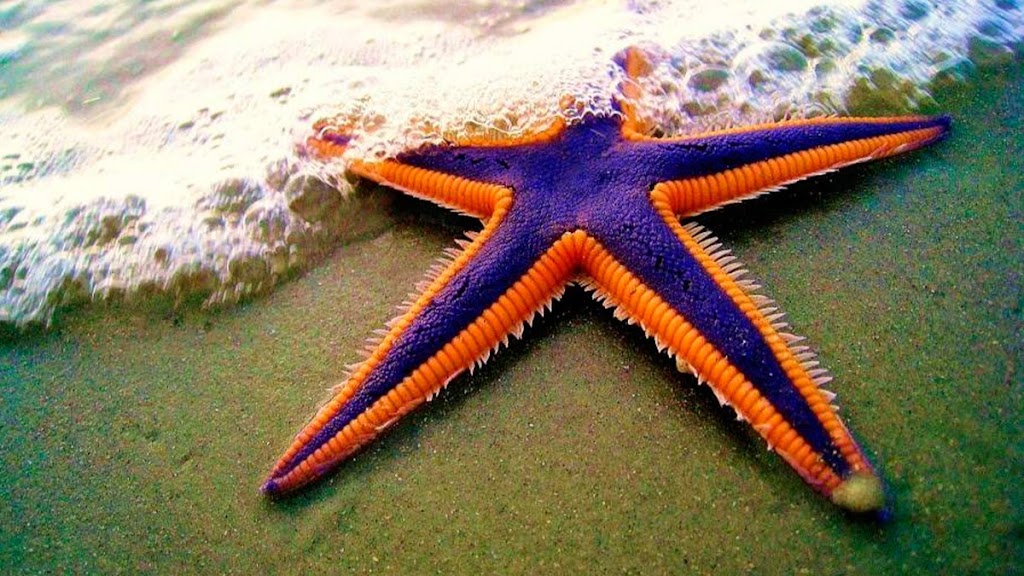
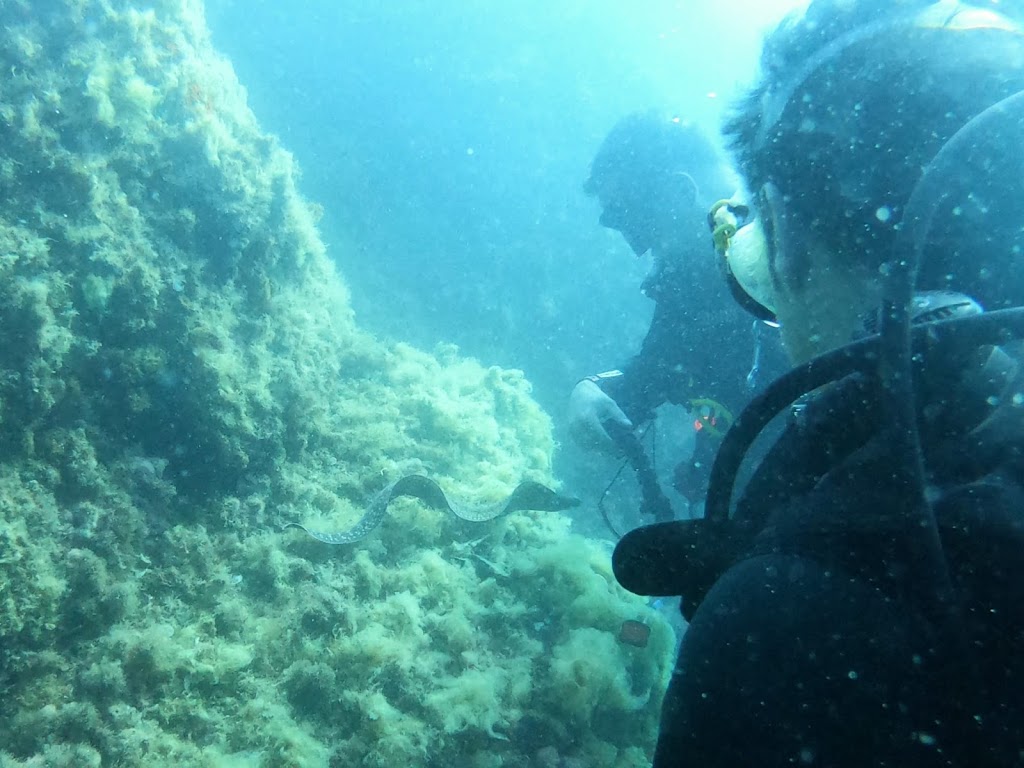

Nearest Airports
Nearest airports to help plan travel to this dive area.
Search Flights
Check available flights and routes on Expedia, using the nearby airports listed in this section.
Search Flights on ExpediaFrequently Asked Questions
What level of dive experience is needed for Margarita?
Margarita is considered an advanced dive site due to its depths, vertical walls, and caves. Divers should possess certifications like PADI Advanced Open Water, Deep Diver, or Cavern/Cave Diver, and always dive within their training and experience limits.
What are the typical depths encountered at Margarita?
Dives here often follow a vertical wall, with a lower shelf at around 9 m (30 ft) leading to a drop off to 18 m (59 ft). The seafloor in some areas can extend to 40 m (131 ft) or deeper.
What kind of marine life might I encounter at Margarita?
Divers commonly spot barracuda patrolling the deeper areas, along with grouper and scorpionfish nestled among the rocks. You'll also see various encrusting organisms like colorful Aplidium, or sea squirts, on the walls.
How do I access the Margarita dive site?
Margarita is an isolated island site, so access is exclusively by boat. Operators typically depart from nearby ports, such as San Antonio for the Ses Margalides area.
When is the best time of year to dive Margarita for good conditions?
The period from May to September generally offers the most favorable conditions, with warmer air temperatures (17-25°C / 63-77°F), lower waves, and minimal rainfall, contributing to better visibility and easier boat access.
Are there any specific weather conditions to be aware of?
Yes, northern winds can significantly affect sea conditions around Margarita, making the site difficult or unsafe to dive. Always check local forecasts and plan your dive during calm periods.
What are the main geological features of the dive site?
Margarita features dramatic vertical walls, substantial rock formations, and several natural arches that divers can explore. The topography includes both shallower shelves and significant drop-offs into the deep blue.
Planning to dive Margarita?
Send one inquiry and receive offers directly from the best verified local dive operators.
Conditions are Excellent
07:00 - 14:00
Optimal conditions expected
Current conditions near Margarita show 24° air, 27° sea temperature, 0.5 m waves, and 25 km/h wind. Forecast data is refreshed regularly to ensure accuracy.