
Diving at Boreas (Spain)
A former German tugboat, the Boreas wreck now rests as an artificial reef, contrasting with Spain's natural Mediterranean formations. Deliberately sunk in 1989 to promote marine life, it provides advanced divers a structured environment for exploration. Its history, first as the Pellworm and later in civilian operations, adds intrigue to its underwater story. This dive site exemplifies purposeful human intervention for both ecological and recreational gain.
Evening condition tracking at Boreas features an air temperature of 18.5°C. We have recorded wave heights measuring 0.2 m during this period. These figures outline the environmental parameters currently present.
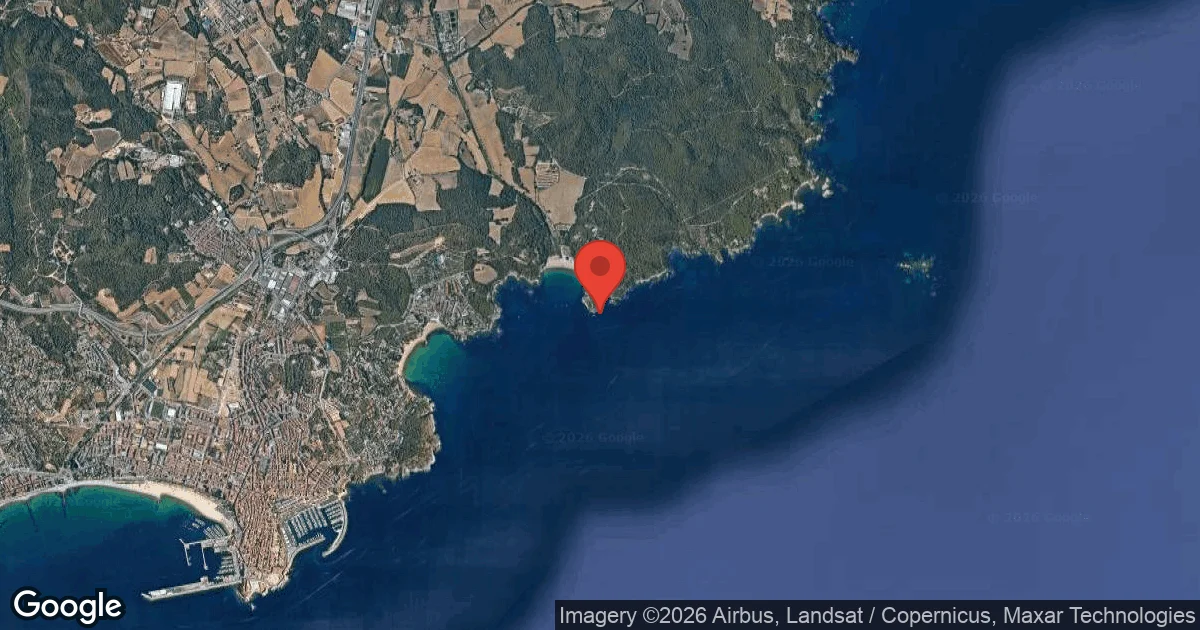
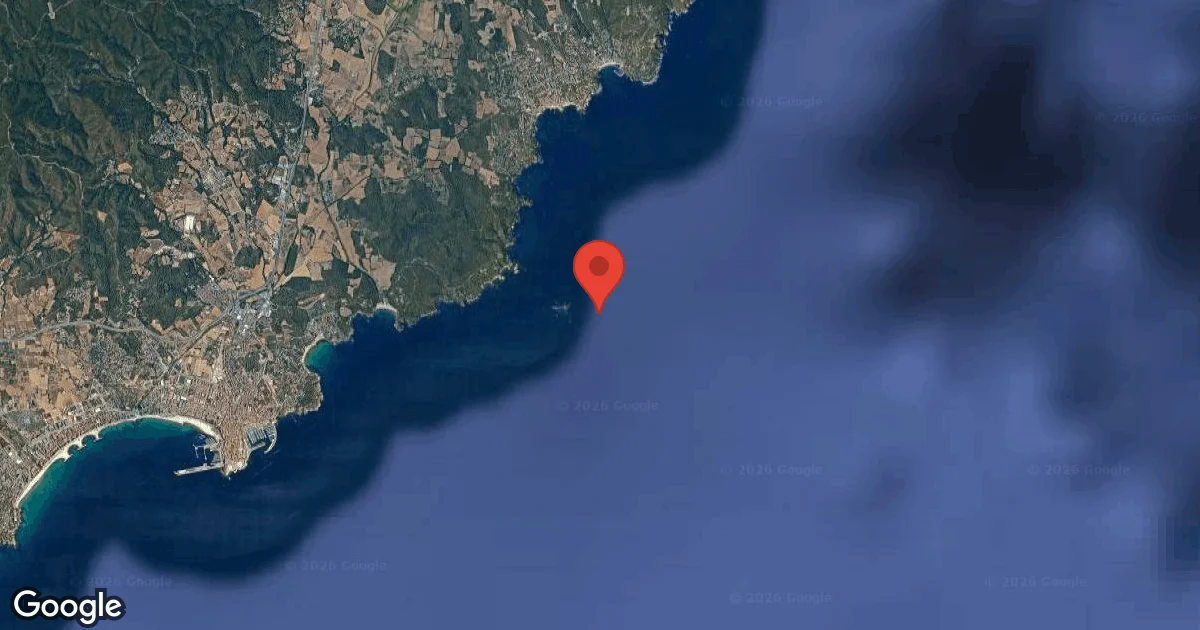
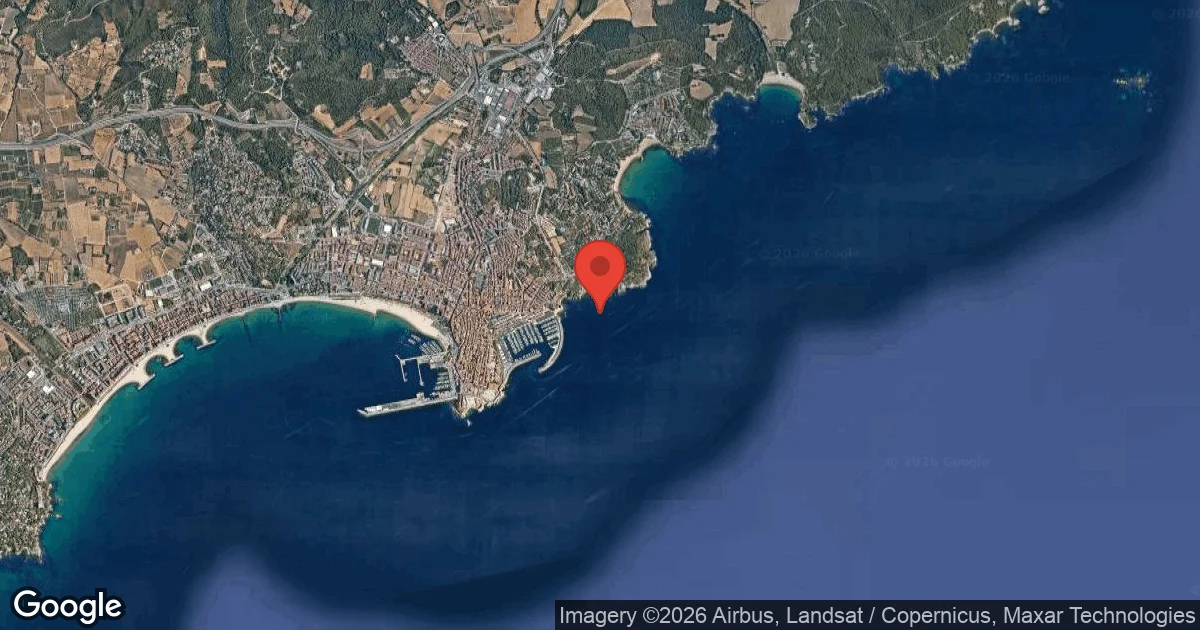
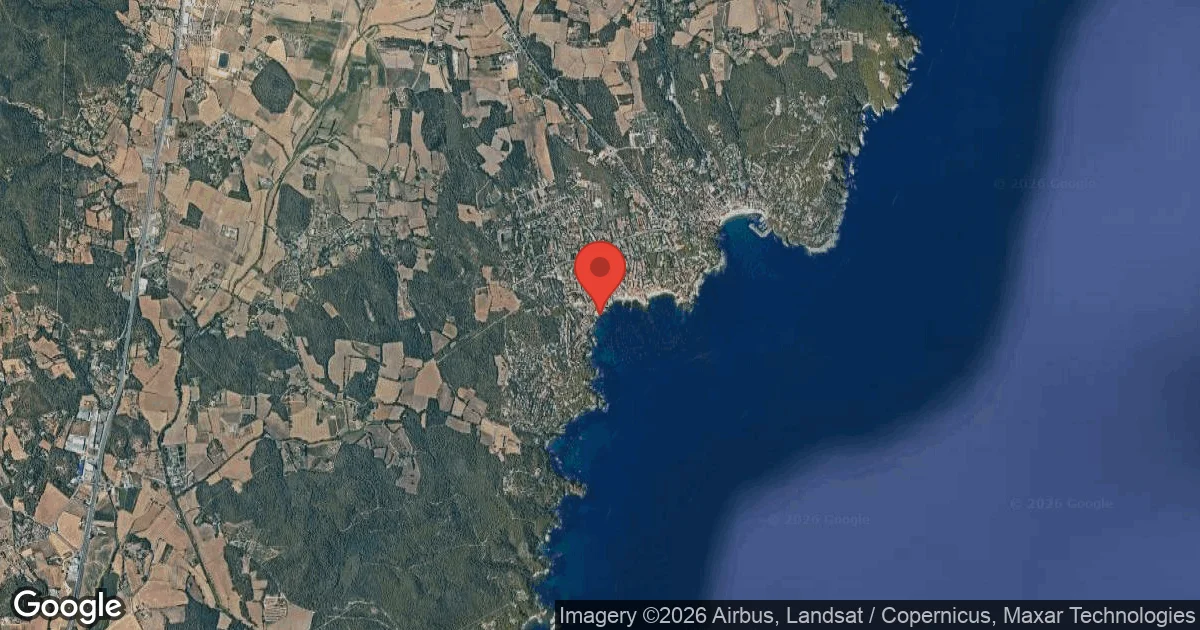
Dive Site Location & Key Facts
Dive Site Overview
A 40 m / 131 ft tugboat, Boreas rests upright on a sandy seabed, reaching a maximum depth of 35 m / 115 ft. Its superstructure rises prominently, with upper decks accessible from around 18 meters, offering a substantial vertical profile for divers.
Before its 1989 sinking, the vessel underwent thorough cleaning, ensuring hazardous materials were removed. This careful preparation facilitates safe internal penetration for appropriately trained divers. Opportunities abound to navigate the engine room, kitchen, bridge, and captain's cabin, providing a tangible connection to its past life as the German naval tug Pellworm and later under the Panamanian flag.
Contrasting the heavily encrusted hull, the surrounding sandy bottom sets the scene. Boreas' deliberate sinking created a significant focal point, effectively drawing both pelagic and sessile species to colonize its structure.
Visibility typically ranges from 15 to 25 meters, occasionally extending beyond 30 meters, allowing for clear views of the extensive structure and its diverse inhabitants.
Conditions are Excellent
07:00 - 14:00
Optimal conditions expected
Current conditions near Boreas show 18° air, 27° sea temperature, 0.5 m waves, and 25 km/h wind. Forecast data is refreshed regularly to ensure accuracy.
Best Time to Dive
Year-round diving is feasible at Boreas, though conditions shift notably with the seasons. Warmer months, from May through September, generally offer the most favorable diving conditions, featuring average air temperatures from 17.5°C / 64°F to 25.5°C / 78°F. Minimal rainfall during this period, averaging 0.9 to 2.8 mm, contributes to calmer seas and often better visibility. Dive scores consistently rate as 'Good' (8). Shoulder seasons — April, October, and November — also register 'Good' dive scores (7-8), with air temperatures between 14.5°C / 58°F and 21°C / 70°F. While these months might bring slightly increased wave heights and rain, conditions remain very manageable. Winter diving, from December to March, experiences cooler air temperatures, from 10°C / 50°F to 12.5°C / 54°F, alongside higher average wave heights, leading to increased exposure to surface conditions. Water temperatures typically range from 19-27°C / 66-81°F, generally warmer in summer.
PEAK SEASON SCORE
Scores combine air & water temps, waves, wind & rainfall for overall conditions.
BEST MONTHS TO DIVE
Monthly records compiled from satellite and marine observation nodes over the last 3 years. Data provided by Open-Meteo and MET Norway.
Dive Experience & Conditions
Exploring Boreas, divers encounter conditions typically marked by limited to no current, aiding comfortable wreck structure exploration. Visibility generally proves good, often averaging 20 meters and frequently reaching up to 30 meters, providing expansive views of the sunken tugboat and its surroundings. Clear conditions enhance navigating the wreck's interior, from the engine room to the captain's cabin. Water temperatures reported by divers typically range from 19-27°C / 66-81°F. This relatively warm water, especially during summer and early autumn, allows for longer bottom times and a more relaxed dive. As a boat dive, direct entry onto the site minimizes surface effort. Consistent visibility and minimal currents make this a rewarding experience for divers comfortable with advanced wreck penetration.
Dive Difficulty & Safety Guidelines
Diving the Boreas wreck requires an advanced diver certification, with specific recommendations for experienced wreck divers planning internal penetration. While the wreck was cleaned before sinking to remove hazardous items, the inherent risks of overhead environments still apply within areas like the engine room, kitchen, bridge, and captain's cabin.
Proper training in wreck penetration techniques and appropriate equipment, such as a redundant air source and dive lights, are essential for safe internal exploration. Currents are typically limited or non-existent, but divers should always remain aware of potential changes, especially on the surface.
Maintaining good buoyancy control is crucial to avoid disturbing the wreck or stirring up silt, which can rapidly reduce visibility. Always dive with a reputable local guide who understands the site's nuances.
Recommended Equipment
Overhead / entanglement risk. Wreck penetration requires proper training.
- Dive Computer
- DSMB
- Primary & Backup Lights
- Wreck Reel
- Cutting Tool
This gear list is based on verified equipment signals for Boreas, Spain. Always confirm final gear choices with your dive operator, guide, or liveaboard.
Recommended Dive Suit
With water temperatures around 27°C (80°F), many divers find a 2-3mm shorty or light wetsuit provides comfortable protection.
Local dive briefings can provide the most accurate guidance.
Surface conditions are expected to warm up slightly in the coming days. A warming trend is expected over the next few days.
Emergency & Medical Support
Essential information to help you plan your dive trip to BOREAS.

Hyperbaric chambers are a critical part of dive safety infrastructure. Availability varies significantly by region, and not all dive areas have immediate access.
Before diving, it's recommended to:
- confirm nearest medical facilities
- check emergency procedures with local dive operators
- ensure dive insurance covers evacuation if required
Divers Alert Network
Diving emergency assistance available through DAN Europe.
+39 0642115685- 24/7 emergency hotline
- Diving medical assistance
- Evacuation coordination
Emergency contacts are provided for reference. Always verify local emergency services before diving.
Closest Listed Hyperbaric Chambers
Showing listed hyperbaric chamber facilities within 200 km of this dive site.
Distances are approximate straight-line distances and may not reflect emergency travel time.
Unitat de Medicina Hiperbàrica (UMH)
24/7 ListedPalamos (Girona), Spain•Approx. 2 km straight-line
Unitat de Medicina Hiperbàrica (UMH)
24/7 ListedInformation is provided for reference and planning purposes only. Dive Navigator does not verify operational status, staffing, availability, or quality of care at listed facilities. In an emergency, contact local emergency services, DAN, your dive operator, or the chamber directly. Do not travel to a facility without calling ahead.
UTH-CSI
24/7 ListedICU CapableSant Joan Despí, Spain•Approx. 103 km straight-line
UTH-CSI
24/7 ListedICU CapableInformation is provided for reference and planning purposes only. Dive Navigator does not verify operational status, staffing, availability, or quality of care at listed facilities. In an emergency, contact local emergency services, DAN, your dive operator, or the chamber directly. Do not travel to a facility without calling ahead.
Marine Life at Boreas
Approaching the Boreas, divers first notice the extensive growth of Mediterranean sponges and blue gorgonians adorning the wreck's exterior. Inside and around the structure, a diverse array of fish schools congregates, providing dynamic viewing.
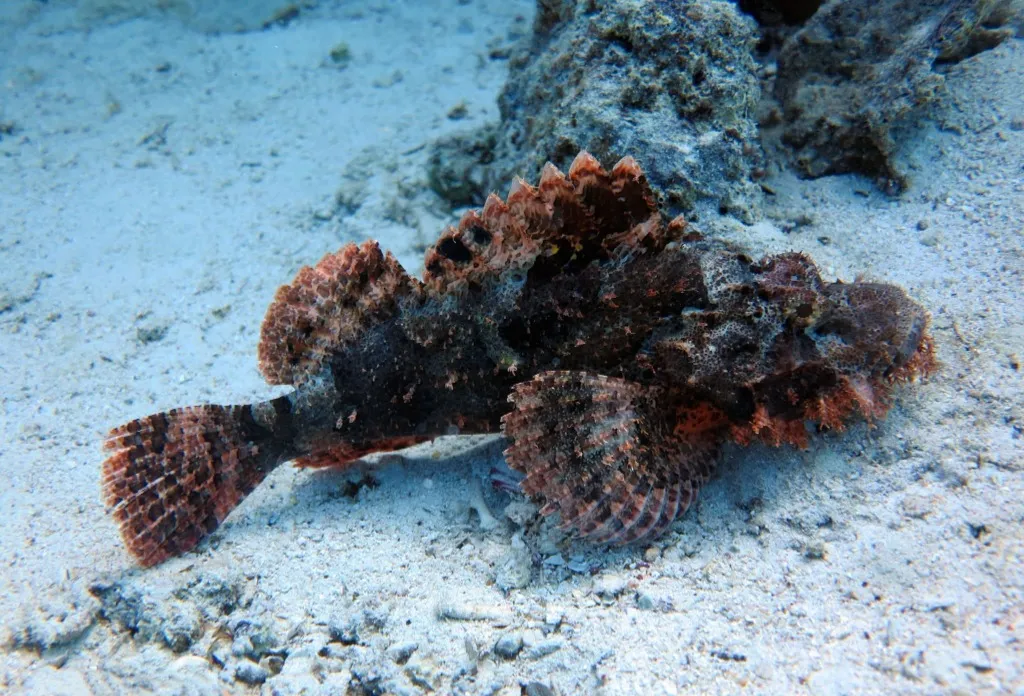
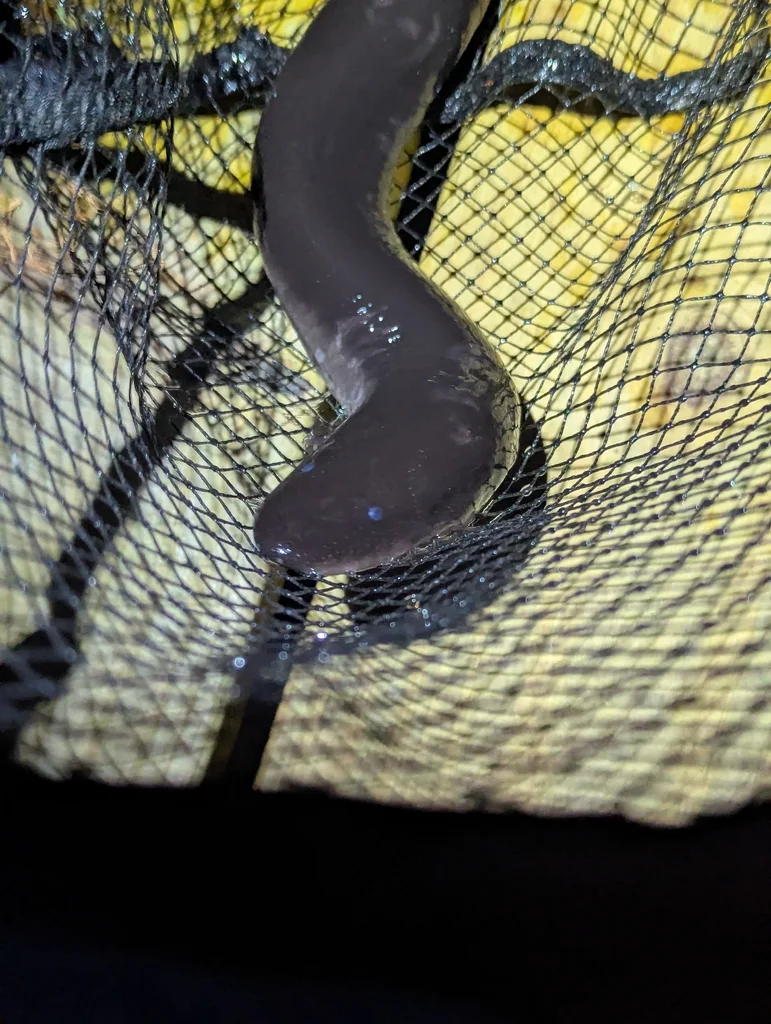
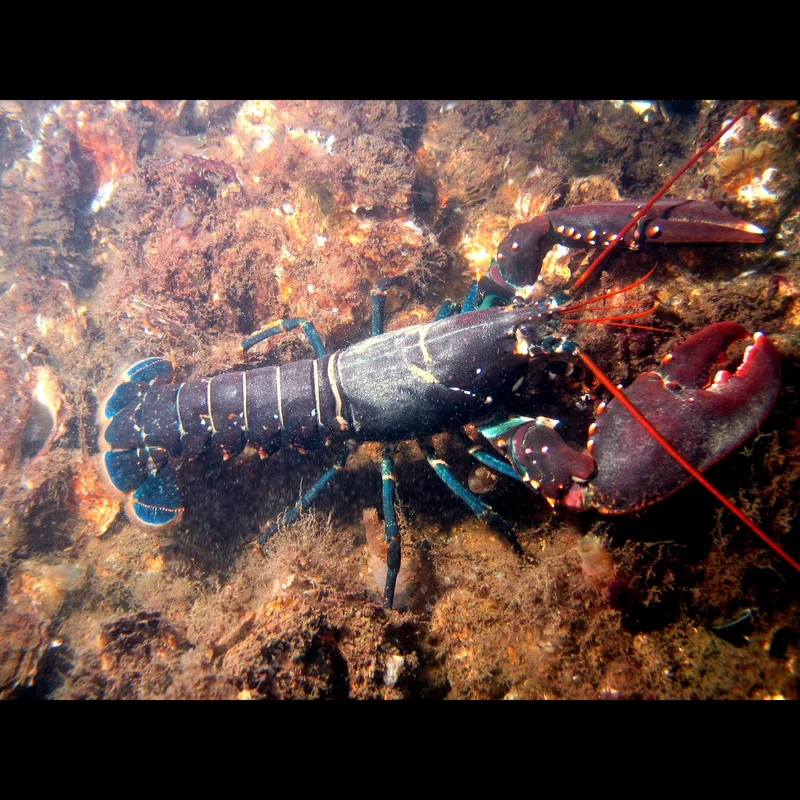
Look for scorpionfish camouflaged on the hull and conger eels lurking in shadowed compartments. Lobsters can also be spotted within crevices.
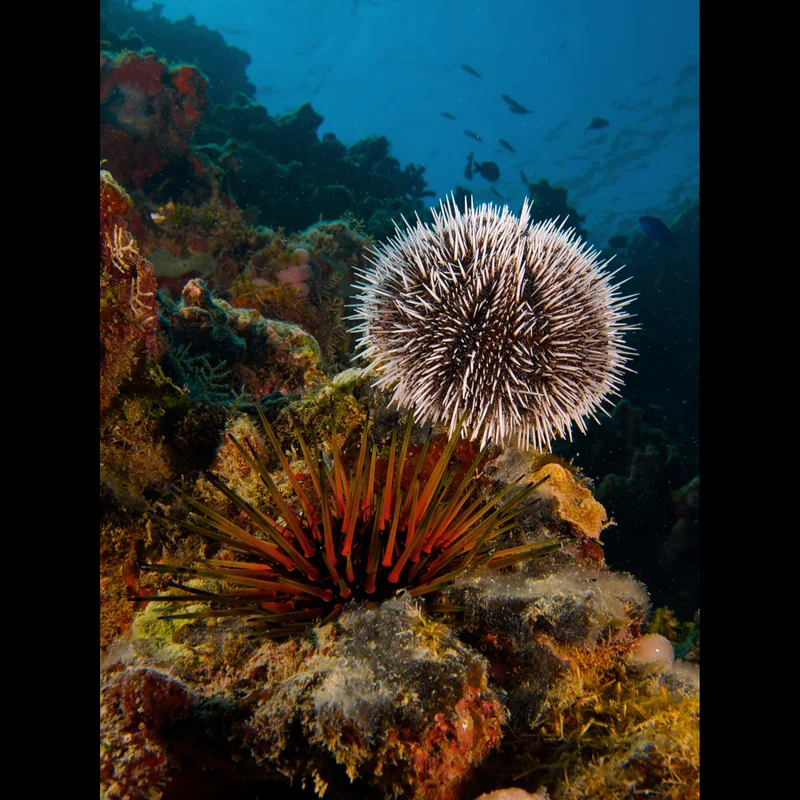
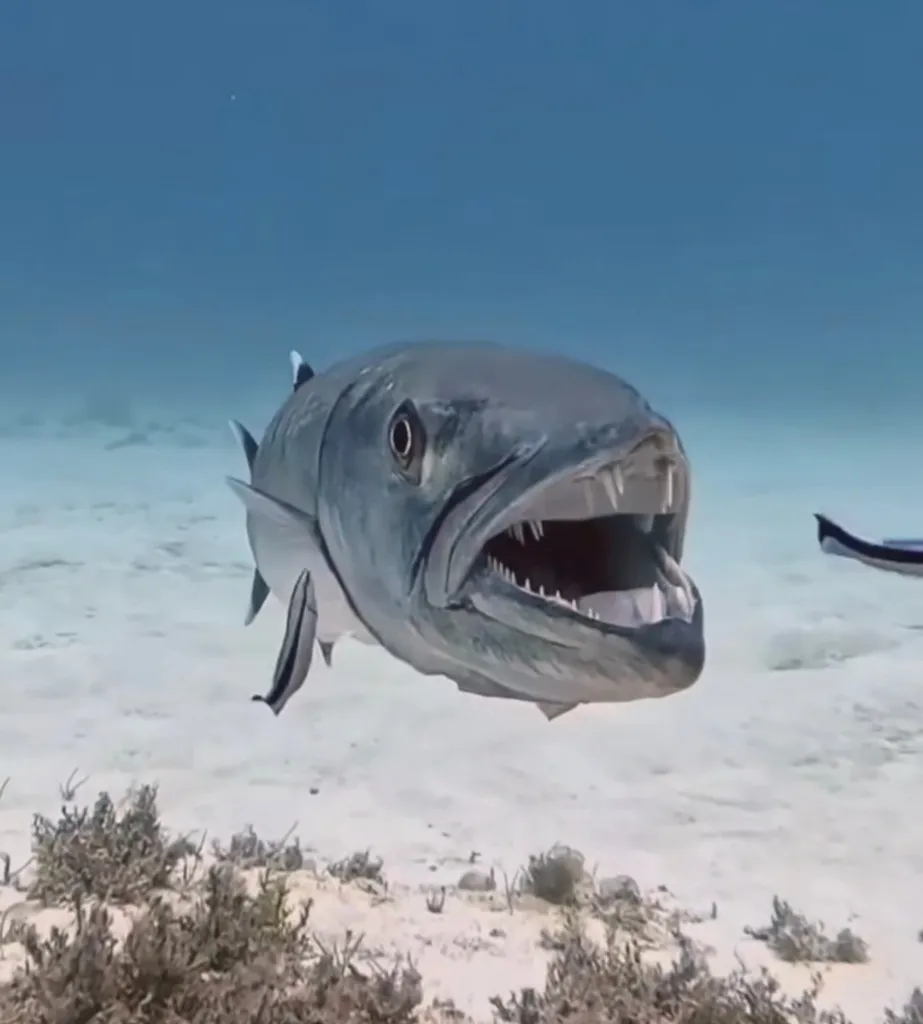
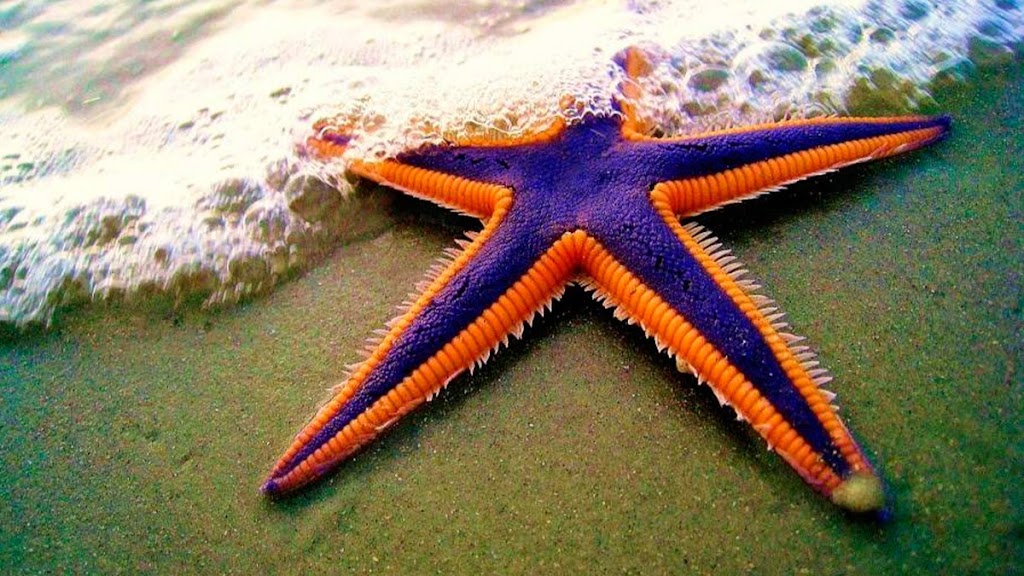
On the sandy bottom adjacent to the wreck, sea urchins and starfish are common sightings. Barracudas and groupers are occasionally observed patrolling the perimeter, adding to the site's biological richness.
Dive Sites Near Boreas
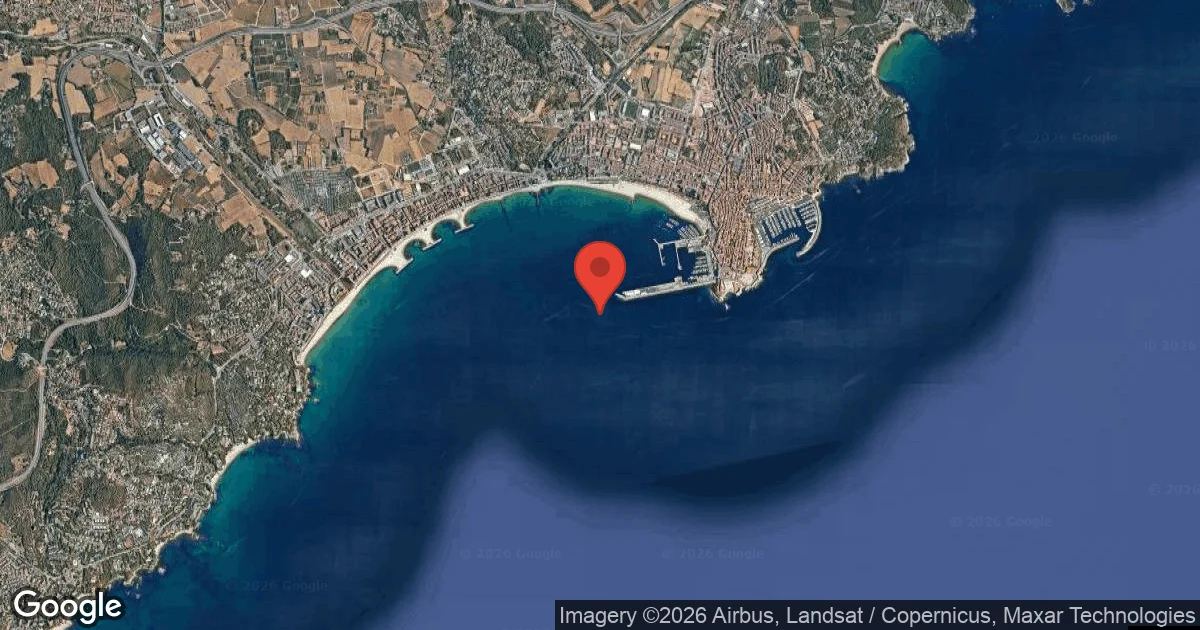
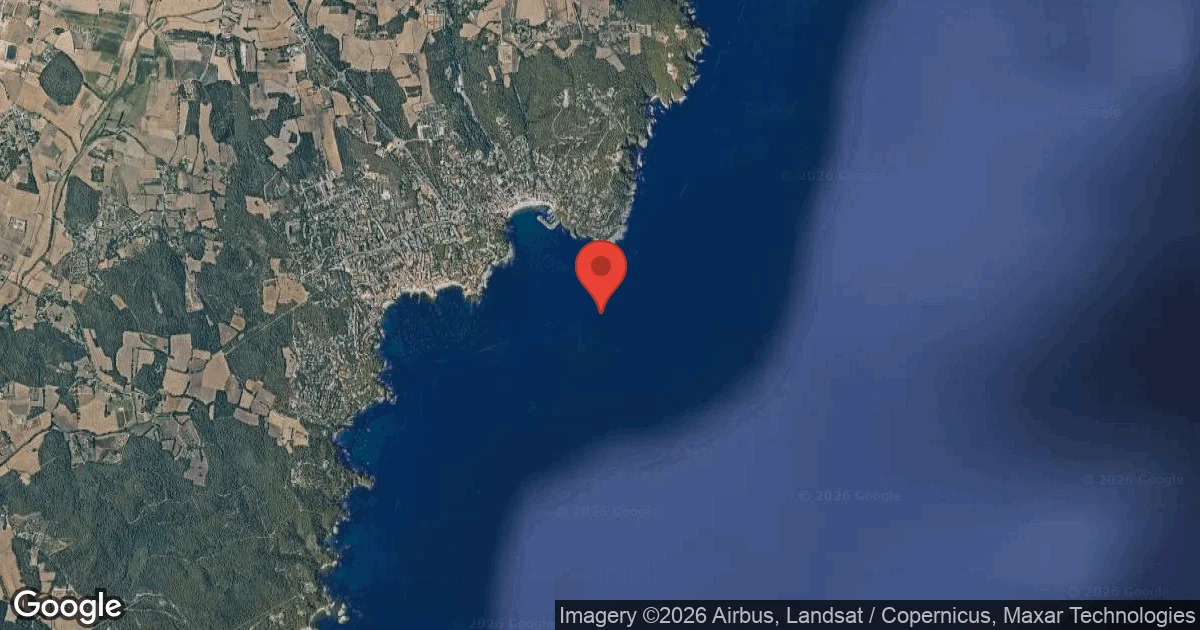
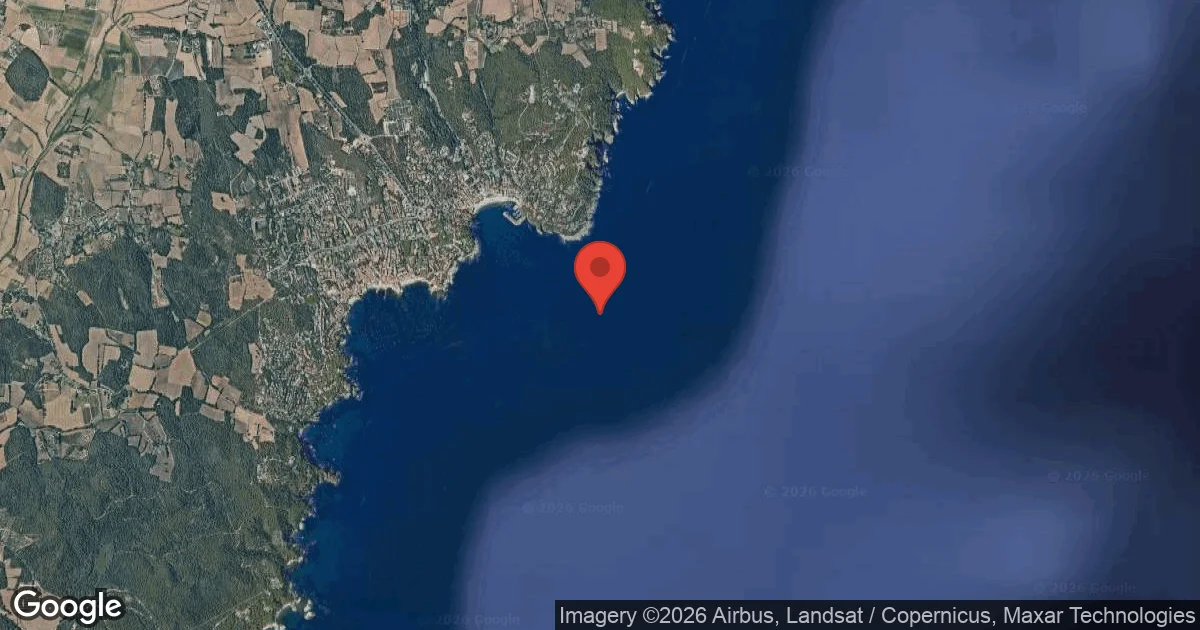
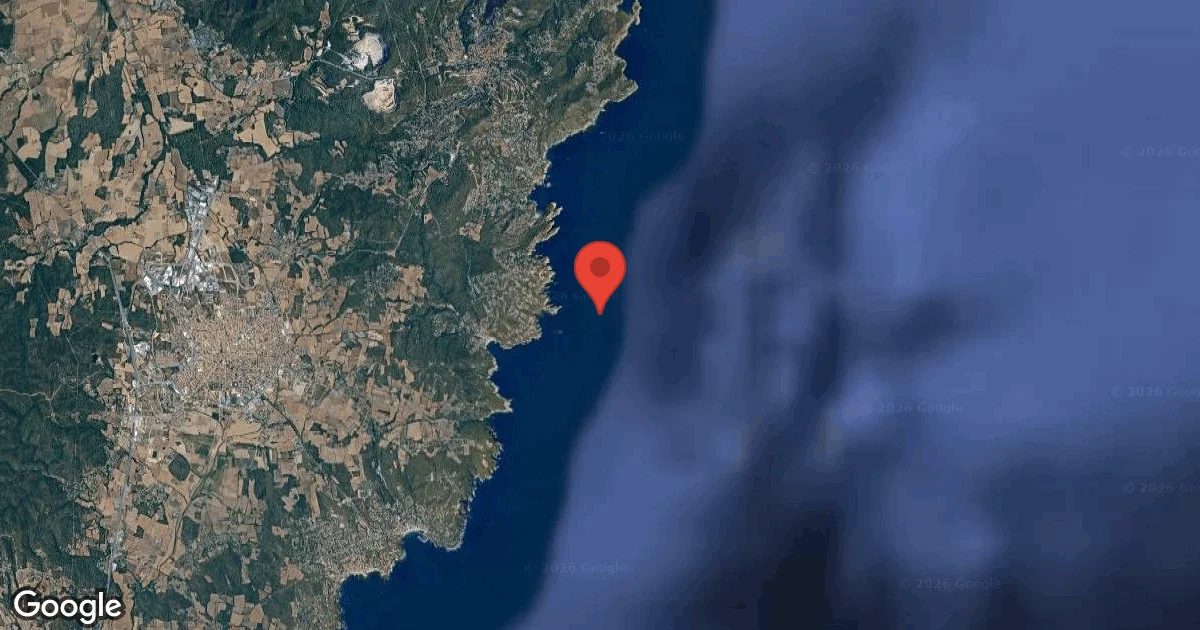
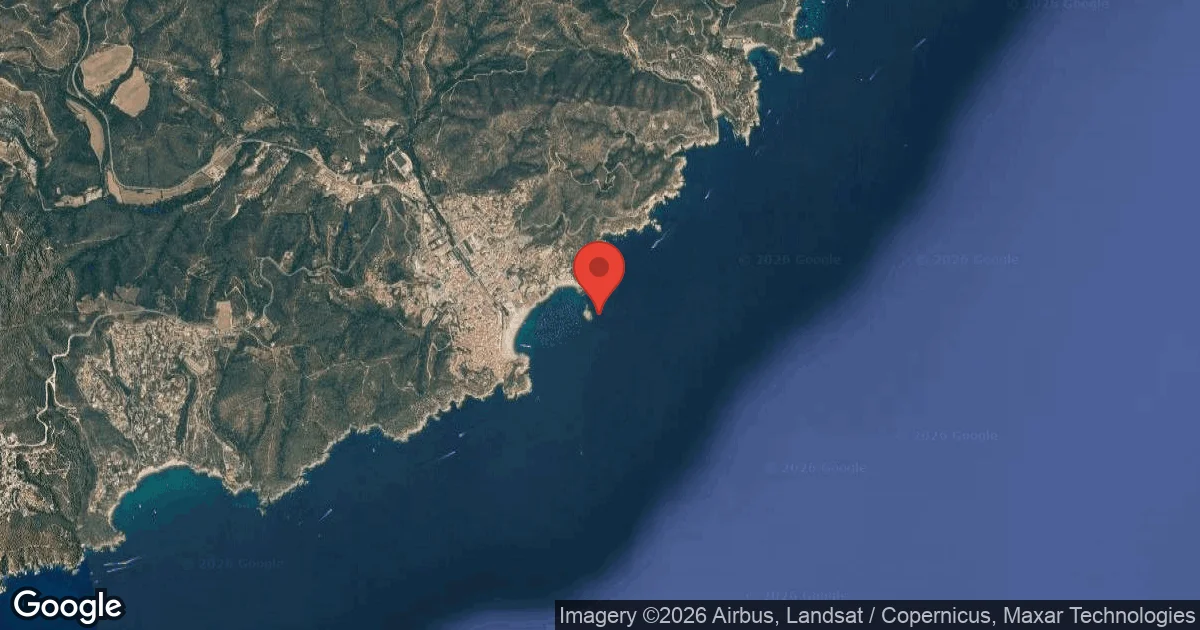
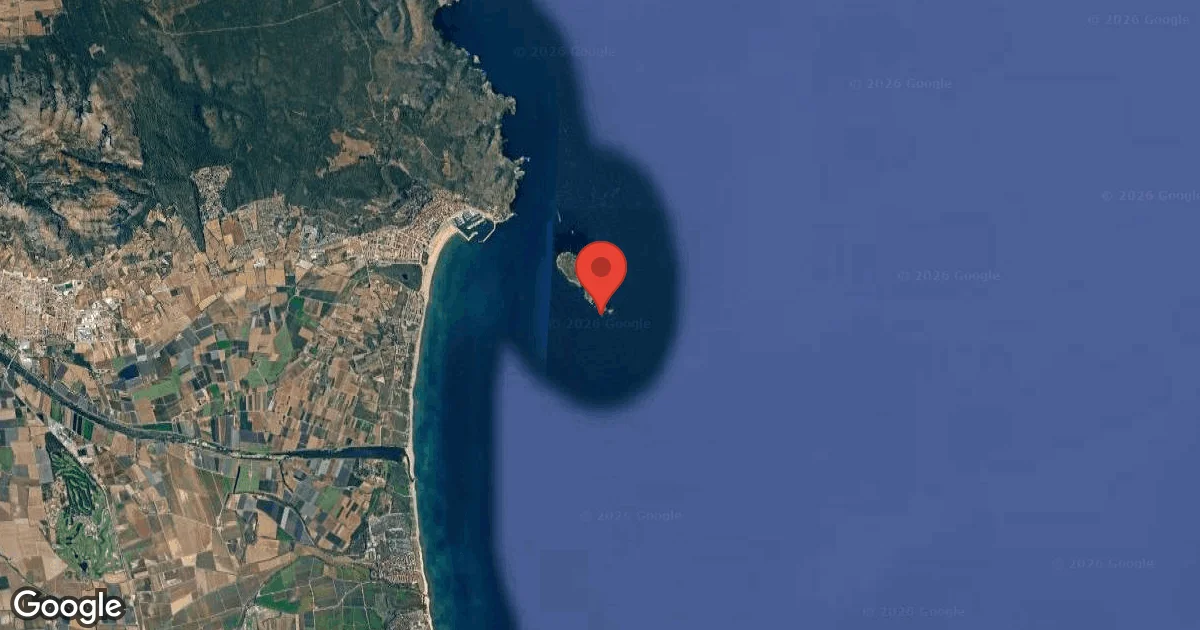
View all dive sites in SpainDiscover more underwater gems in this area.
Dive Centers Near Boreas
Today: 09:00 - 17:00

Nearest Airports
Nearest airports to help plan travel to this dive area.
Search Flights
Check available flights and routes on Expedia, using the nearby airports listed in this section.
Search Flights on ExpediaFrequently Asked Questions
What is the maximum depth of the Boreas wreck?
The Boreas wreck rests on a sandy bottom, reaching a maximum depth of 35 m / 115 ft. Divers find its upper decks accessible at about 18 meters.
What kind of dive is the Boreas?
This site offers a boat dive to a wreck, suitable for advanced divers and those experienced in wreck penetration.
Can divers penetrate the Boreas wreck?
Yes, divers can penetrate various parts of the wreck, including the engine room, kitchen, bridge, and captain's cabin. It underwent cleaning before sinking to facilitate safe entry.
What marine life can be seen at Boreas?
Divers can expect to see Mediterranean sponges, blue gorgonians, various fish schools, scorpionfish, conger eels, lobsters, sea urchins, starfish, barracudas, and groupers.
What is the typical water temperature at Boreas?
Water temperatures at the Boreas wreck generally range from 19-27°C / 66-81°F, with warmer temperatures typical during summer months.
What is the wreck's history?
Originally named Pellworm, Boreas was a German sea tugboat used during WWII. It served civilian purposes before its deliberate sinking in 1989 to create an artificial reef.
What visibility can I expect at the site?
Visibility at Boreas is typically good, often averaging 20 meters and frequently extending up to 30 meters, offering clear views of the wreck.
Is the Boreas suitable for beginner divers?
Advanced divers and experienced wreck divers will find Boreas rewarding due to its depth and opportunities for internal penetration.
Planning to dive Boreas?
Send one inquiry and receive offers directly from the best verified local dive operators.
Conditions are Excellent
07:00 - 14:00
Optimal conditions expected
Current conditions near Boreas show 18° air, 27° sea temperature, 0.5 m waves, and 25 km/h wind. Forecast data is refreshed regularly to ensure accuracy.