
Diving at Naranjito (Spain)
For an expert approach to the Naranjito wreck, understand that this 51-meter cargo ship demands careful dive planning. Its stern sits at 42 m / 137 ft on a sandy bottom, heeled to starboard. Proficiency in deep diving and wreck navigation becomes vital here, allowing you to appreciate the site's structure safely. Advanced Open Water Diver certification is a minimum requirement, ensuring divers possess the foundational skills for this compelling Spanish Mediterranean site.
Tonight's objective overview for Naranjito shows an air temperature of 24.5°C. The measured surface conditions include wave heights around 0.9 m. This environmental data is logged for the close of the day.
Dive Site Location & Key Facts
Dive Site Overview
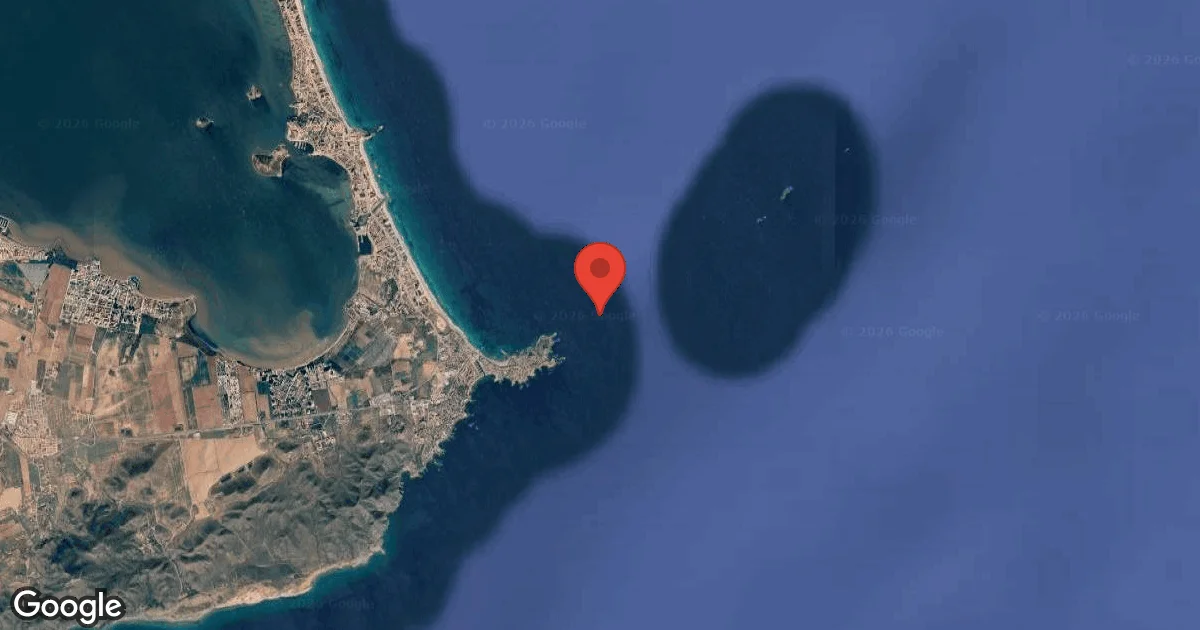
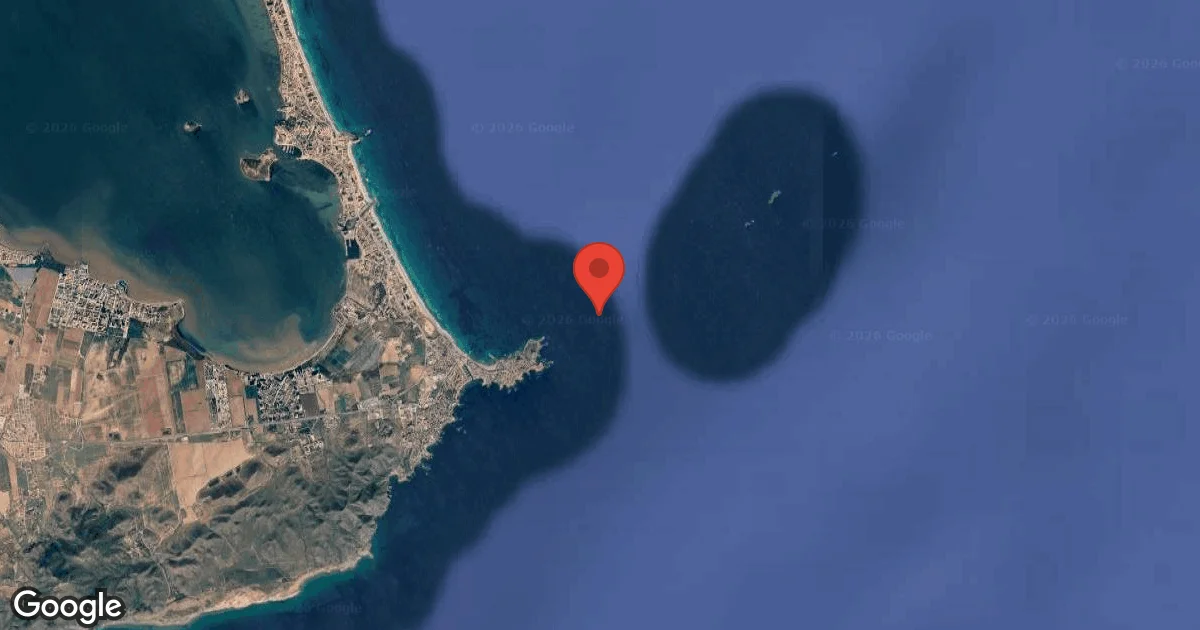
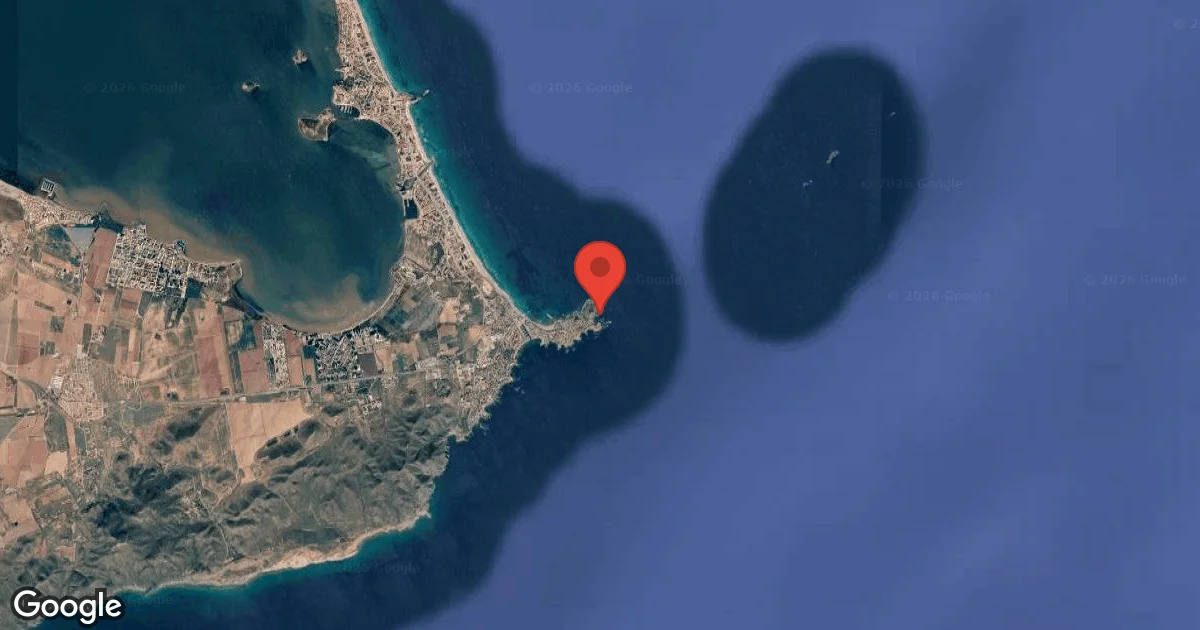
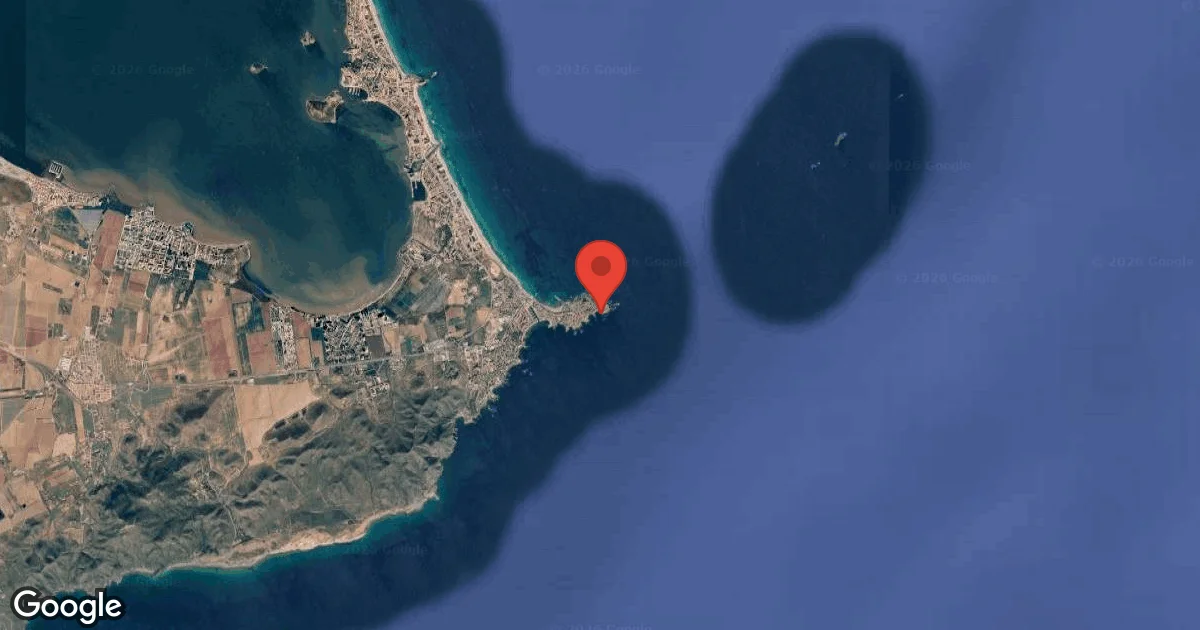
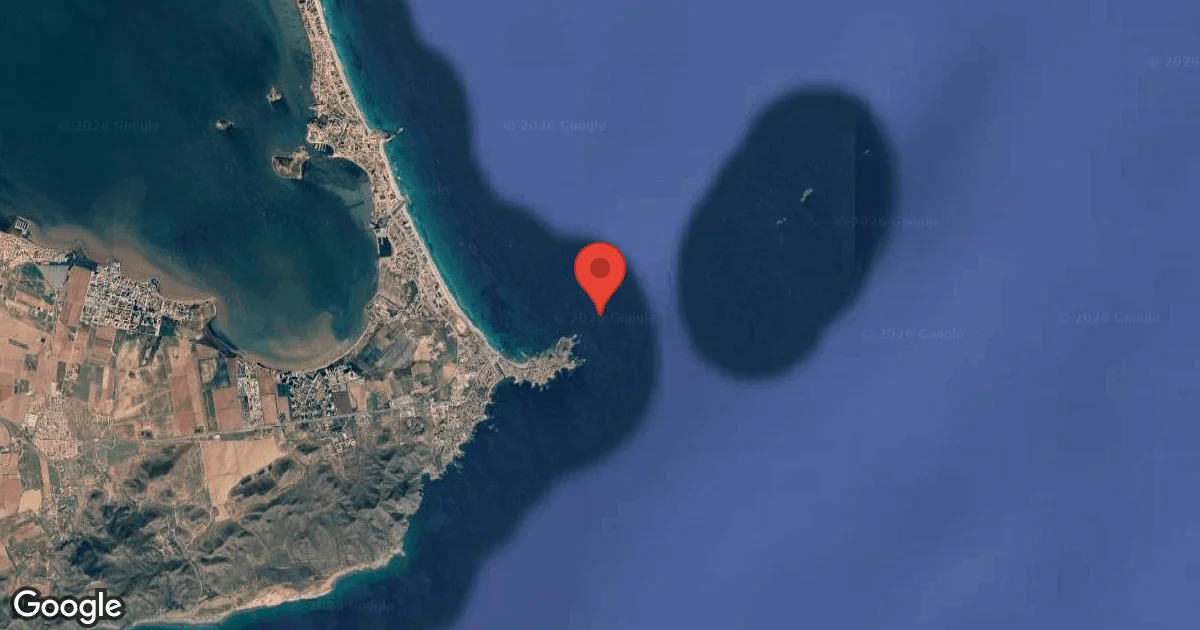
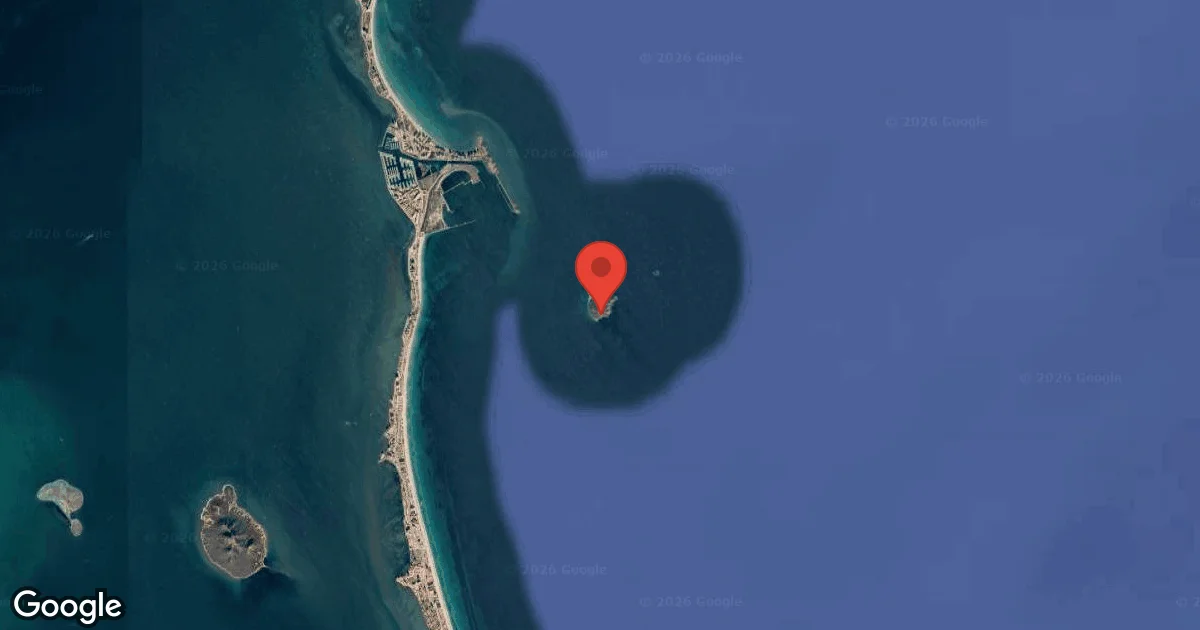
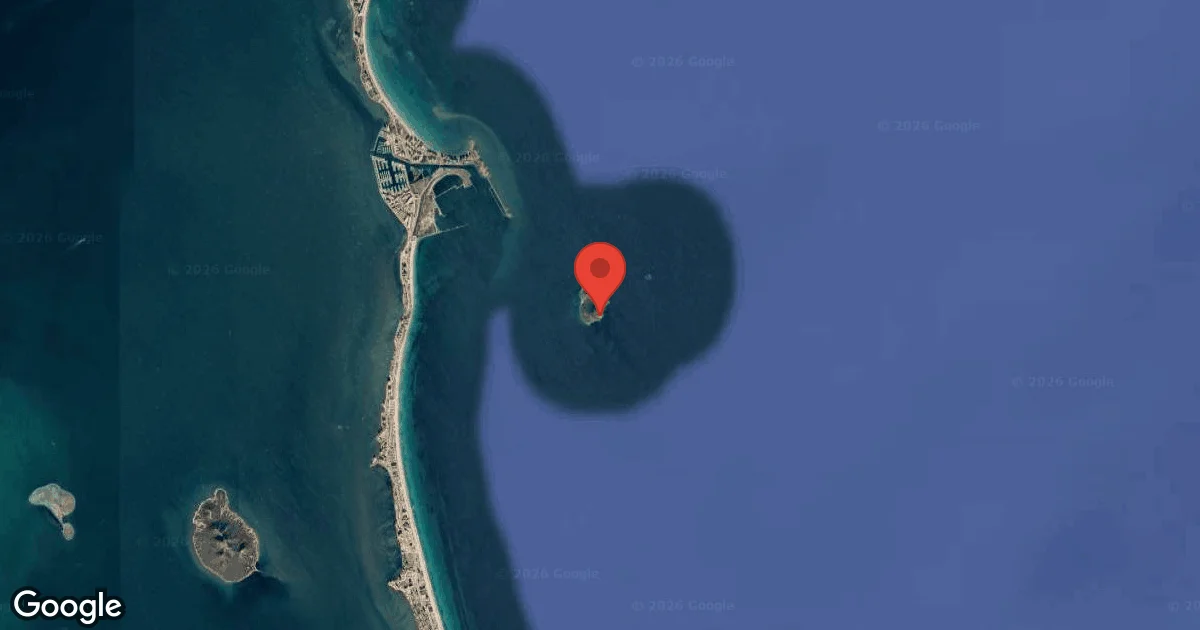
Known locally as El Naranjito, this 51-meter cargo vessel carries a poignant history beneath the Mediterranean's surface, just a mile from the Spanish coast. The ship, originally named Isla Gomera, sank on April 14, 1946, after a storm caused its orange cargo to shift dramatically, leading to a swift descent.
Resting upright on a sandy bottom, it presents an impressive silhouette for divers. Its structure remains in excellent condition, with the bridge still intact and the engine room and holds offering accessible opportunities for wreck penetration to appropriately qualified divers. A permanent mooring line guides descent to the bow winch gear, allowing exploration over the front hold and key features.
Shallowest parts, like the bridge or forecastle deck, are found around 28 m / 92 ft, while the stern settles deeper at 42 meters, providing a varied dive profile for Advanced Open Water and technical divers.
Conditions are Moderate
Optimal conditions expected
Current conditions near Naranjito show 25° air, 27° sea temperature, 1.4 m waves, and 36 km/h wind. Forecast data is refreshed regularly to ensure accuracy.
Best Time to Dive
Optimizing visibility is key for appreciating the scale of the Naranjito wreck. Conditions for good visibility tend to be more stable during months with lower average wave heights and minimal rainfall. The months from June through August often present the calmest surface conditions, with average wave heights around 0.7-0.8 meters. Rainfall is also minimal during this period, averaging as low as 0.32 mm in July, contributing to clearer waters. While specific water temperature data isn't consistently reported, the generally warm air temperatures, peaking at over 27°C / 81°F in July and August, indicate a favorable climate for diving. Good dive scores from April through December suggest extended periods for enjoyable conditions.
PEAK SEASON SCORE
Scores combine air & water temps, waves, wind & rainfall for overall conditions.
BEST MONTHS TO DIVE
Monthly records compiled from satellite and marine observation nodes over the last 3 years. Data provided by Open-Meteo and MET Norway.
Dive Experience & Conditions
Navigating Naranjito begins with a descent down its permanent mooring line, typically secured at the bow. Divers then proceed over the front hold towards the bridge, exploring portions of the wreck that dip to 42 meters. The forecastle deck offers shallower exploration at around 28 meters. A slight incline towards the bow means divers naturally shallow up along the rail, a detail to remember for buoyancy control. Currents can sometimes be strong, necessitating attention to line holding during the dive and safety stop. Surrounding water often feels warm and clear, particularly during ascent, enhancing the overall dive experience. Diving here caters to those seeking both structural exploration and the chance to witness pelagic life in the blue.
Dive Difficulty & Safety Guidelines
Approaching the Naranjito requires careful consideration of its inherent challenges, primarily its depth and potential for strong currents. Divers must hold at least an Advanced Open Water Diver certification to manage the depths effectively. The site's depths, ranging from approximately 28 to 42 meters, make Nitrox and Deep Diver qualifications highly beneficial, extending no-decompression limits for comprehensive exploration.
Wreck Diver certification is advisable for anyone planning to penetrate the engine room or holds. Given that currents can be robust, divers should be prepared to hold onto the mooring line, both during descent and ascent, to maintain position and control. Always plan your dive thoroughly and remain within your certification limits.
Recommended Equipment
Technical depth range. Advanced planning, gas management, and appropriate certification required.
Overhead / entanglement risk. Wreck penetration requires proper training.
- Dive Computer
- DSMB
- Primary & Backup Lights
- Wreck Reel
- Cutting Tool
This gear list is based on verified equipment signals for Naranjito, Spain. Always confirm final gear choices with your dive operator, guide, or liveaboard.
Recommended Dive Suit
In these water temperatures, 2-3mm shorty or light wetsuit is a common choice for recreational diving. Consider warmer surface protection (like a boat coat) due to brisk winds. Longer dive profiles can make thermal protection more important than short exploratory dives.
Conditions at Naranjito currently place the water temperature near 27°C (80°F). Surface air temperatures are resting at 25°C (76°F).
Forecast models indicate that diving conditions should remain largely unchanged.
Emergency & Medical Support
Essential information to help you plan your dive trip to Naranjito.

Hyperbaric chambers are a critical part of dive safety infrastructure. Availability varies significantly by region, and not all dive areas have immediate access.
Before diving, it's recommended to:
- confirm nearest medical facilities
- check emergency procedures with local dive operators
- ensure dive insurance covers evacuation if required
Divers Alert Network
Diving emergency assistance available through DAN Europe.
+39 0642115685- 24/7 emergency hotline
- Diving medical assistance
- Evacuation coordination
Emergency contacts are provided for reference. Always verify local emergency services before diving.
Marine Life at Naranjito
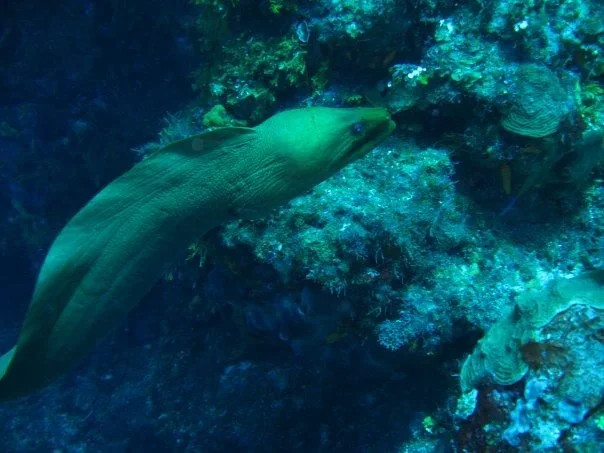
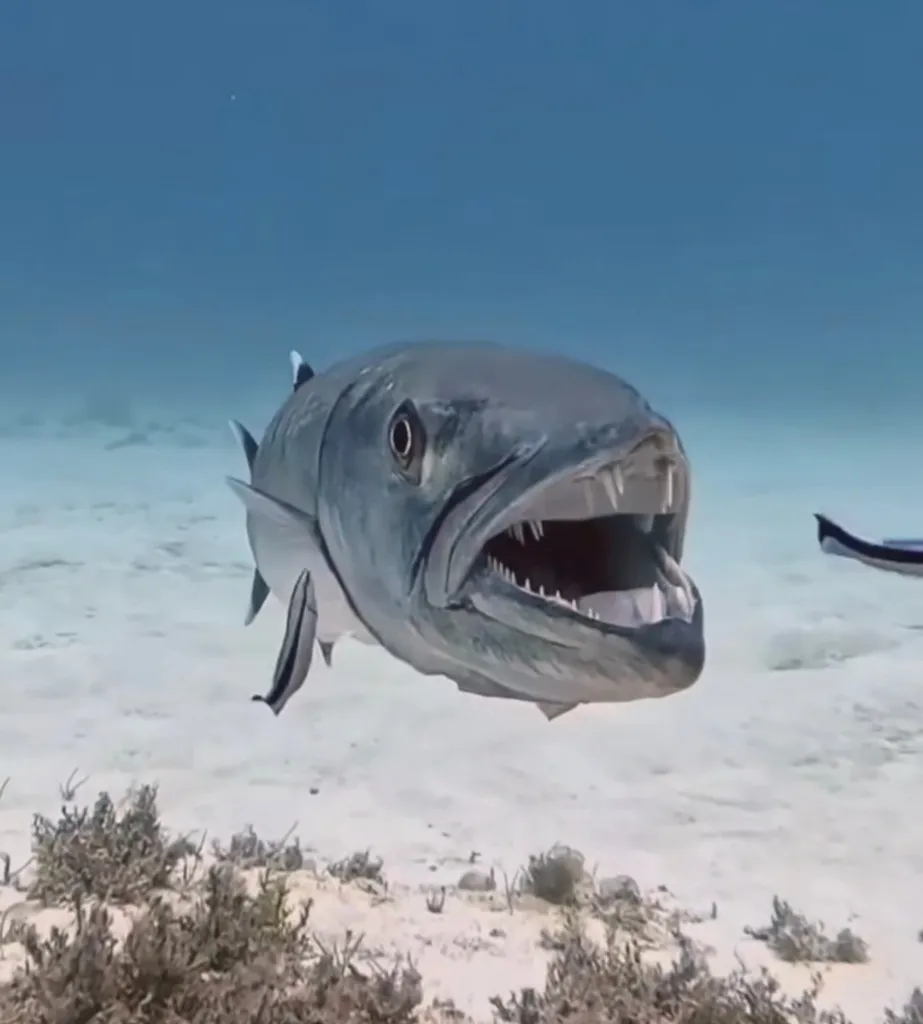
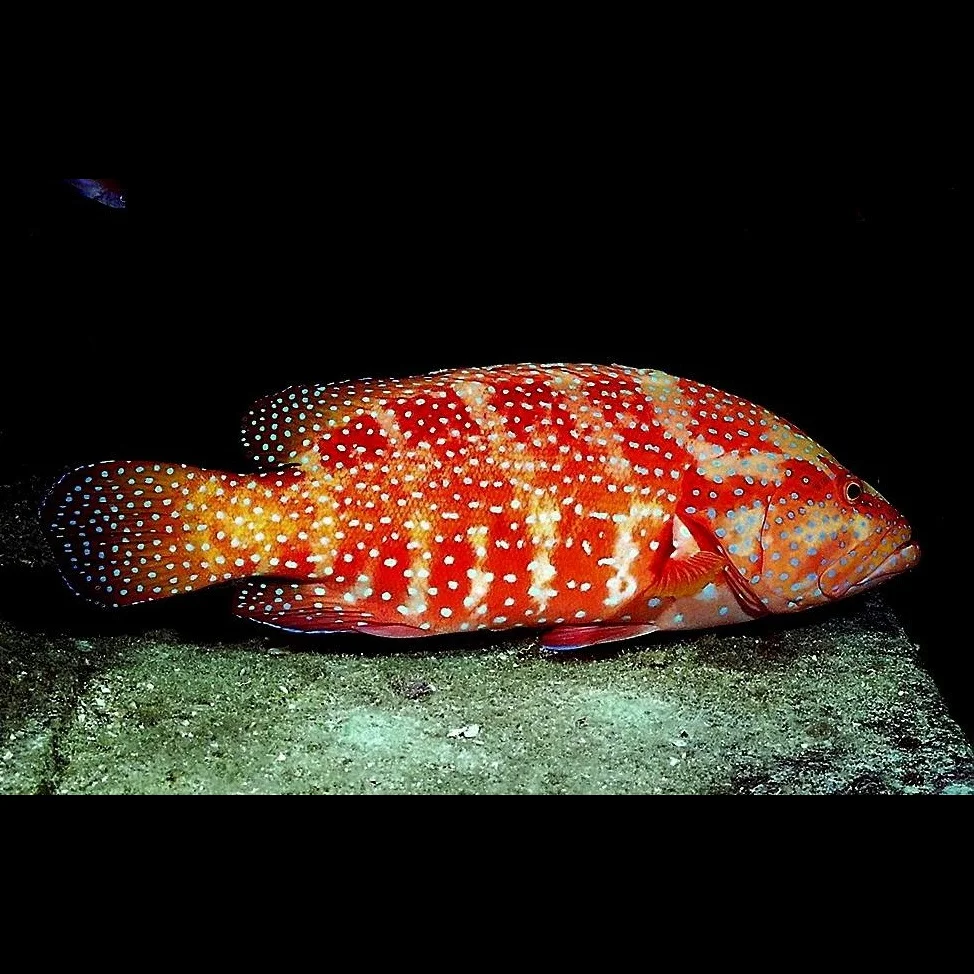
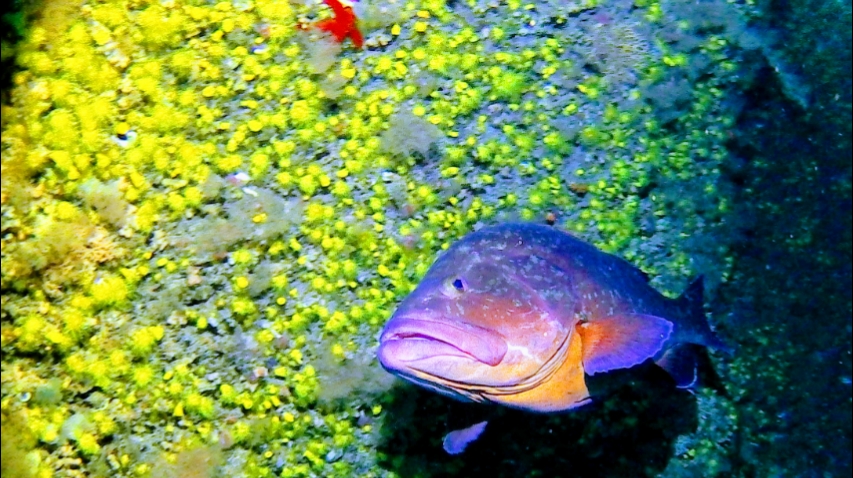
Upon reaching the wreck, one might first notice the dynamic activity around the structure. Moray eels are often present, camouflaged within the wreck's crevices, alongside schools of barracuda and groupers that patrol the deeper sections.
Keep an eye out into the blue, as the Naranjito is known for visits from Mola Mola, or Giant Sunfish, which frequently come to the wreck for cleaning, sometimes appearing in groups. Banded shrimps can also be spotted, often hiding within the foredeck head, adding a touch of macro interest to this significant artificial reef.

Dive Sites Near Naranjito
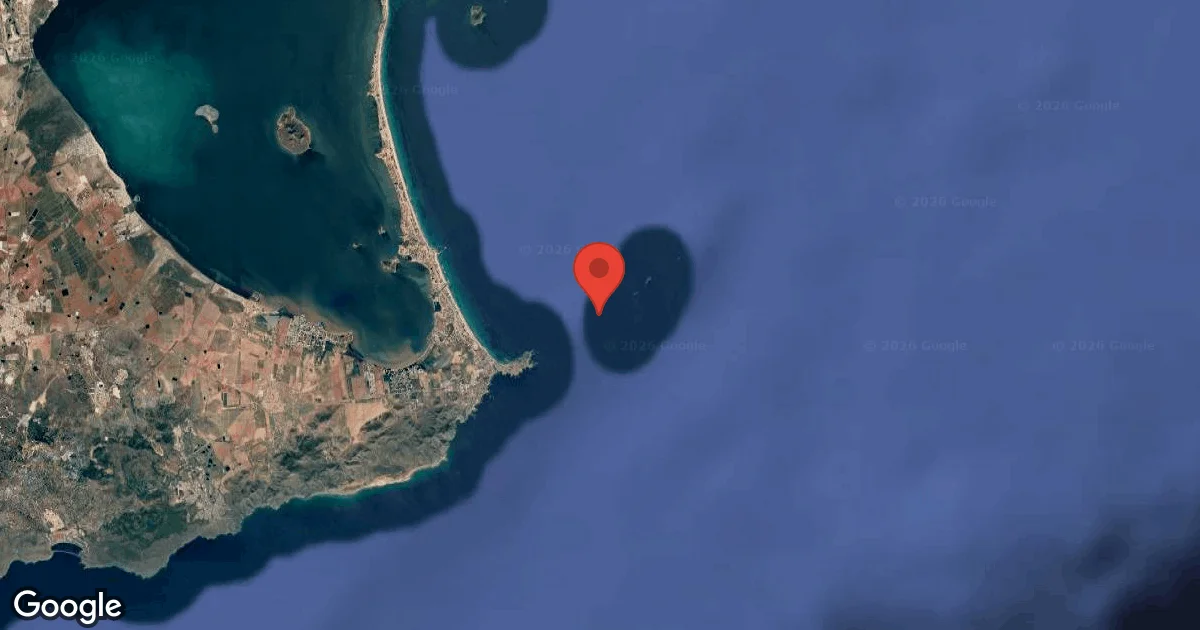
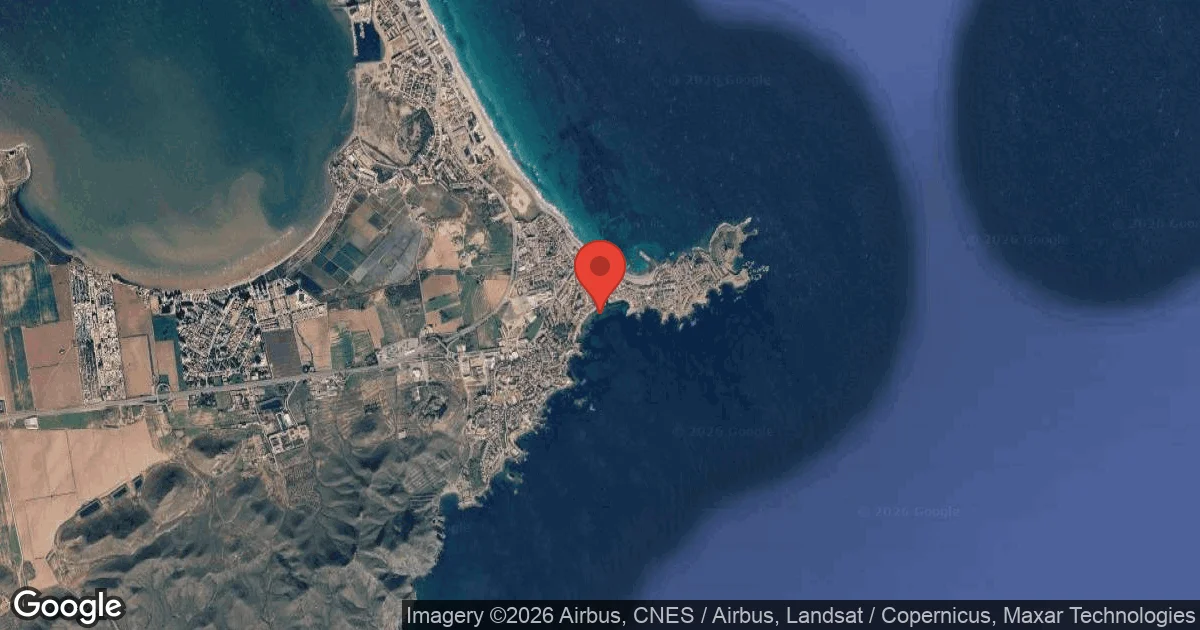
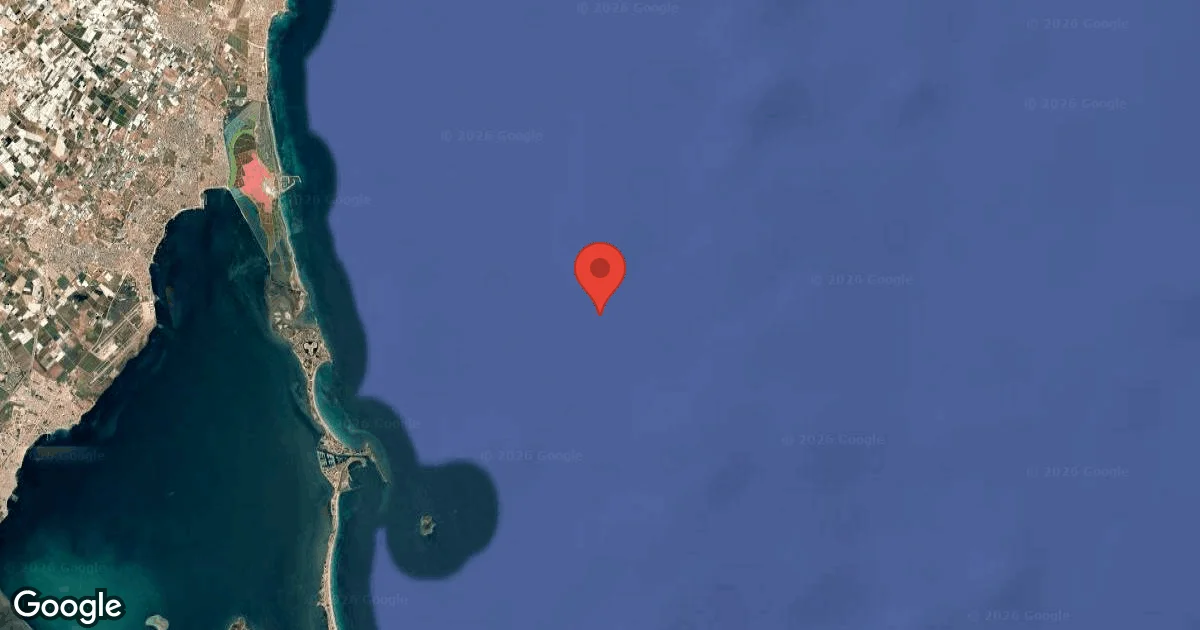
View all dive sites in SpainDiscover more underwater gems in this area.
Dive Centers Near Naranjito
Today: 09:00 - 14:00
Nearest Airports
Nearest airports to help plan travel to this dive area.
Search Flights
Check available flights and routes on Expedia, using the nearby airports listed in this section.
Search Flights on ExpediaFrequently Asked Questions
What is the Naranjito?
The Naranjito is a 51-meter long cargo ship, originally named Isla Gomera, that sank in 1946. It lies upright on a sandy bottom and is a popular wreck dive site in Spain.
What are the depths of the Naranjito wreck?
Wreck depths vary; shallowest parts, such as the bridge or forecastle deck, are around 28 meters. The stern, the deepest section, rests at 42 meters.
What diving certification is required for Naranjito?
Divers must have at least an Advanced Open Water Diver certification. Deep Diver and Enriched Air Diver (Nitrox) qualifications are highly beneficial for exploring the full wreck and extending bottom time.
Can I penetrate the Naranjito wreck?
Yes, the engine room and holds are in excellent condition and offer opportunities for wreck penetration. This should only be attempted by divers with appropriate wreck diving training and experience.
Are there strong currents at the Naranjito?
Currents at Naranjito can sometimes be strong. Divers should be prepared to hold onto the permanent mooring line during descent, the dive, and ascent for safety and stability.
What kind of marine life can be seen at the Naranjito?
Divers can expect to see Moray Eels, Barracuda, Amber Jacks, and Groupers. Notably, Mola Mola (Giant Sunfish) frequently visit the wreck for cleaning, offering a unique sighting.
Planning to dive Naranjito?
Send one inquiry and receive offers directly from the best verified local dive operators.
Conditions are Moderate
Optimal conditions expected
Current conditions near Naranjito show 25° air, 27° sea temperature, 1.4 m waves, and 36 km/h wind. Forecast data is refreshed regularly to ensure accuracy.