
Diving at Cala Fria (Spain)
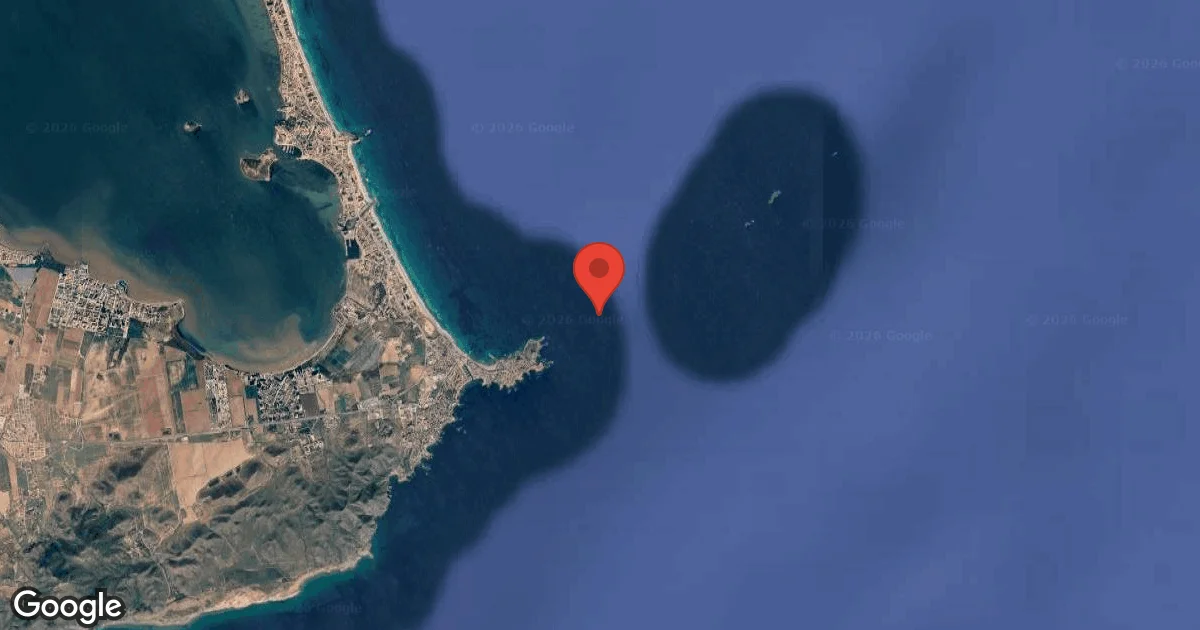
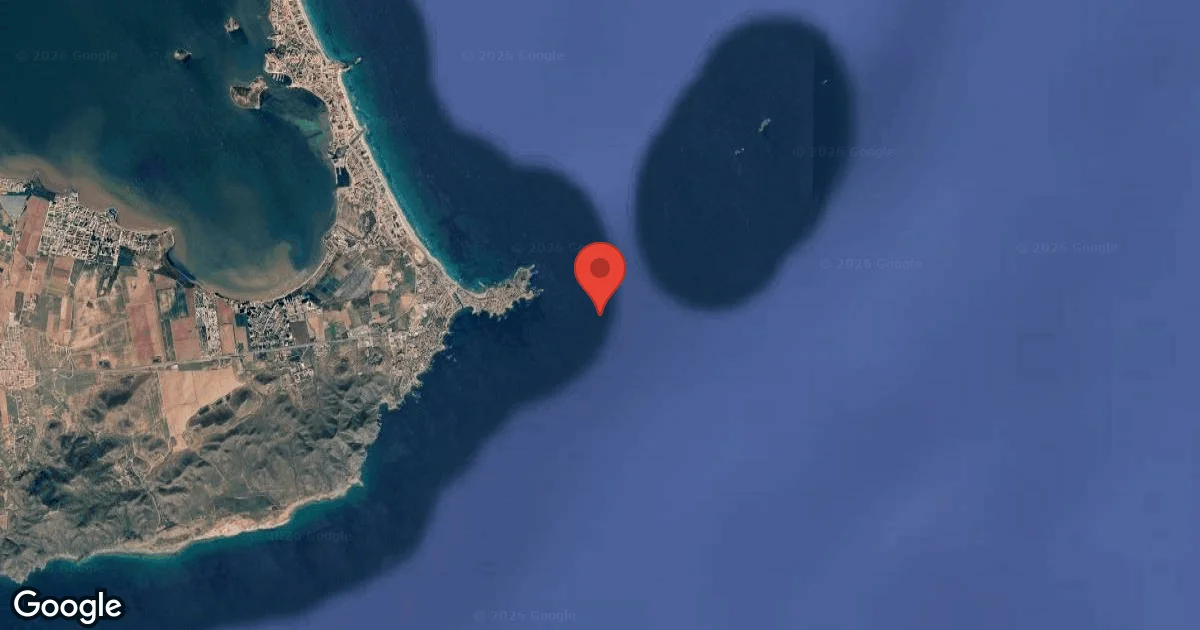
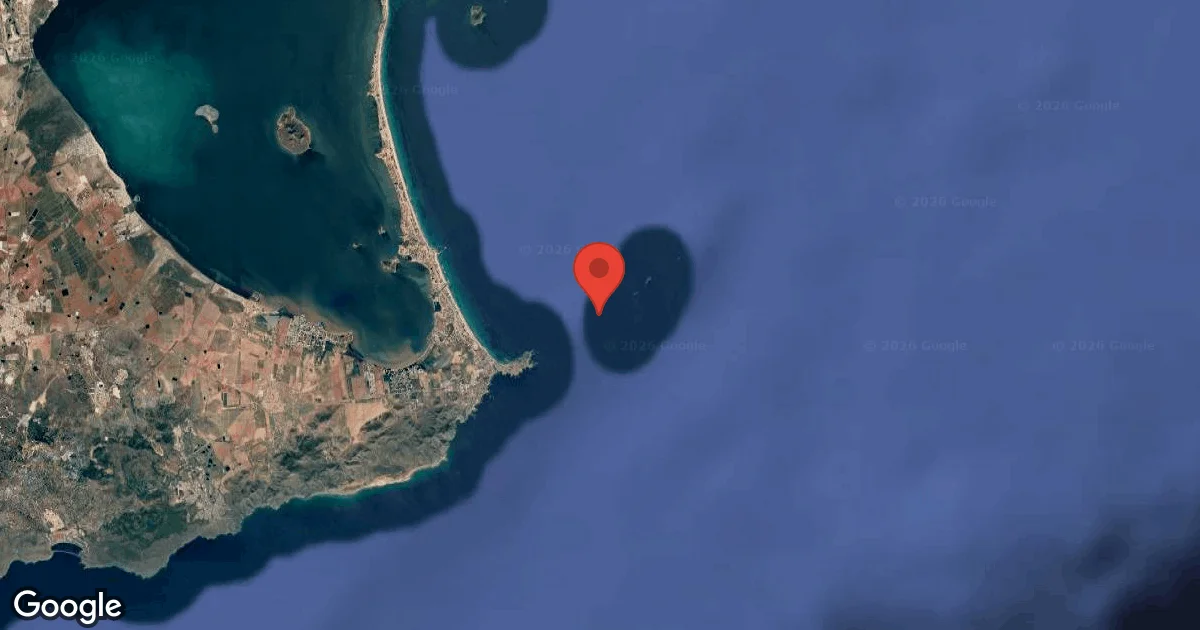
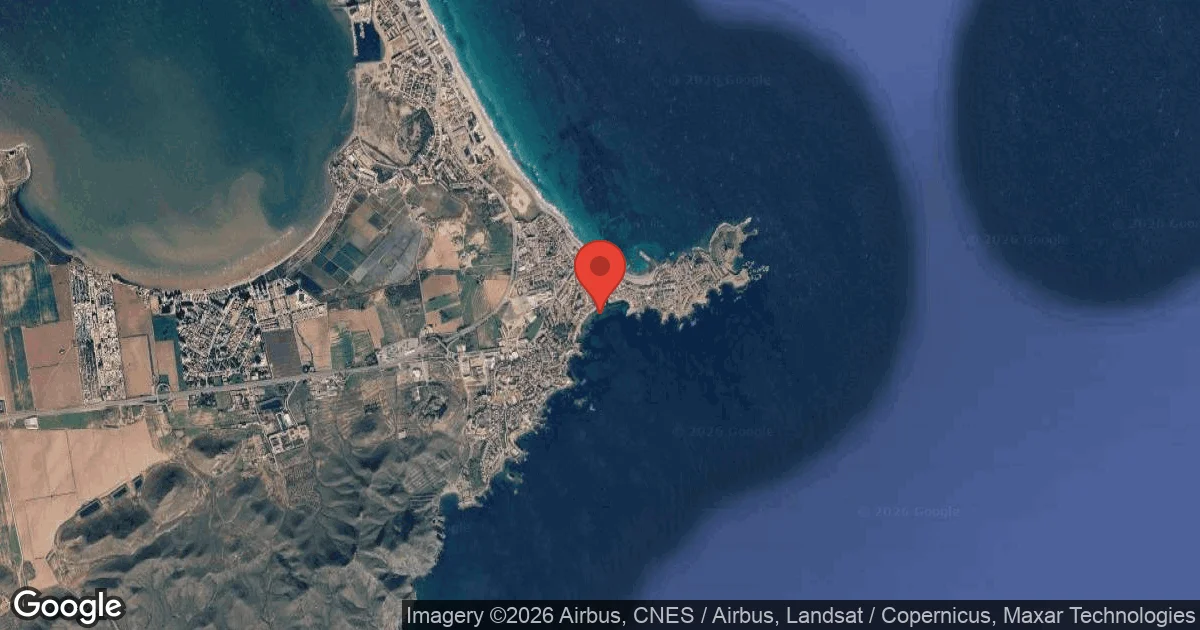
Cala Fria presents an underwater landscape characterized by a dynamic mix of gravel, sand, and extensive Posidonia seagrass meadows. These features alternate with robust rock formations, providing natural navigation cues for divers exploring its depths. Situated directly beneath the iconic Cabo de Palos lighthouse, this site creates a distinctive and visually appealing setting, framing the dive experience from the moment of entry.
Evening condition tracking at Cala Fria features an air temperature of 24.5°C. We have recorded wave heights measuring 0.9 m during this period. These figures outline the environmental parameters currently present.
Dive Site Location & Key Facts
Dive Site Overview
Descending into Cala Fria, divers discover an approachable shore entry site nestled beneath the iconic Cabo de Palos lighthouse, offering an inviting starting point for underwater exploration. A maximum depth typically ranges between 11-14 meters / 36-45 feet here, well-suited for Open Water certified divers.
Seabed transitions smoothly from gravel and sand to vibrant Posidonia terraces, interspersed with intriguing rocky structures. Formations allow for gentle swim-throughs and natural orientation, preventing disorientation in a calm environment. Cala Fria is often favored for its straightforward layout and the specific opportunity it provides for night diving, where different marine species become active and behaviors shift under the cover of darkness.
Generally clear water conditions, often cited in local reports, enhance visibility. This contributes to a relaxed and rewarding dive experience for those seeking a tranquil underwater outing in the Cartagena region.
Its designation as a shore dive also means relatively easy access, appealing to divers who prefer not to rely on boat transfers, adding to its overall accessibility and charm.
Conditions are Moderate
Optimal conditions expected
Current conditions near Cala Fria show 25° air, 27° sea temperature, 1.4 m waves, and 36 km/h wind. Forecast data is refreshed regularly to ensure accuracy.
Best Time to Dive
Planning a visit to Cala Fria requires considering conditions that enhance underwater visibility. The dive site generally receives good dive scores year-round, suggesting consistent conditions for diving. Optimal months often fall between April and November when air temperatures are warmer and more comfortable for surface intervals, averaging from 17°C / 63°F in April to 27°C / 81°F in August. During this period, rainfall is consistently low, with monthly averages rarely exceeding 2.2 mm / 0.1 inches, a factor that significantly contributes to clearer nearshore visibility. While water temperature data isn't consistently reported for Cala Fria, the trend of warmer air and minimal rain typically correlates with more pleasant diving conditions. Wave heights remain moderate, typically below 1.3 meters / 4 feet, which helps ensure calmer water for entries and exits throughout much of the year.
PEAK SEASON SCORE
Scores combine air & water temps, waves, wind & rainfall for overall conditions.
BEST MONTHS TO DIVE
Monthly records compiled from satellite and marine observation nodes over the last 3 years. Data provided by Open-Meteo and MET Norway.
Dive Experience & Conditions
A calm, accessible dive characterizes underwater experience at Cala Fria, suitable for various skill levels; Open Water Diver certification is typically the minimum requirement. Divers navigate through naturally formed rock formations, which provide interesting swim-through opportunities without posing significant navigational challenges. A gentle slope of seabed, composed of gravel, sand, and Posidonia, offers easy progression through the site. While specific water temperature data isn't consistently reported for Cala Fria, seasonal variations will certainly influence thermal protection needs. Currents generally remain mild, simplifying underwater movements and contributing to a relaxing exploration. Visibility is usually good, enhancing appreciation of the site's topography and marine inhabitants.
Dive Difficulty & Safety Guidelines
While generally a straightforward shore dive, approaching Cala Fria requires standard dive safety considerations. All divers should possess an Open Water Diver certification or higher to ensure adequate training for the environment. Maximum depth here, 14 meters / 45 feet, keeps dives comfortably within recreational limits, yet careful awareness of depth and bottom time is always necessary.
As with any shore entry, surface conditions, such as wave height and wind speed (which averages up to 25 km/h / 15 mph in some months), should be thoroughly assessed before entering and exiting the water. Local guidance from dive centers is advised, and diving with a buddy is strongly recommended to enhance safety and enjoyment.
Recommended Equipment
- Dive Computer
This gear list is based on verified equipment signals for Cala Fria, Spain. Always confirm final gear choices with your dive operator, guide, or liveaboard.
Recommended Dive Suit
For dives of average duration, 2-3mm shorty or light wetsuit usually provides sufficient protection from heat loss. Consider warmer surface protection (like a boat coat) due to brisk winds.
Divers planning a dive at Cala Fria today will likely encounter water temperatures close to 27°C (80°F). Surface air temperatures are resting at 25°C (76°F).
Weather projections show fairly stable environmental conditions ahead.
Emergency & Medical Support
Essential information to help you plan your dive trip to Cala Fria.

Hyperbaric chambers are a critical part of dive safety infrastructure. Availability varies significantly by region, and not all dive areas have immediate access.
Before diving, it's recommended to:
- confirm nearest medical facilities
- check emergency procedures with local dive operators
- ensure dive insurance covers evacuation if required
Divers Alert Network
Diving emergency assistance available through DAN Europe.
+39 0642115685- 24/7 emergency hotline
- Diving medical assistance
- Evacuation coordination
Emergency contacts are provided for reference. Always verify local emergency services before diving.
Marine Life at Cala Fria
Cala Fria's diverse bottom topography supports a variety of marine inhabitants, making each dive an engaging observation session. Octopus can frequently be observed camouflaged among the rocks and crevices, along with various Wrasse species, including the vibrant Ornate Wrasse.
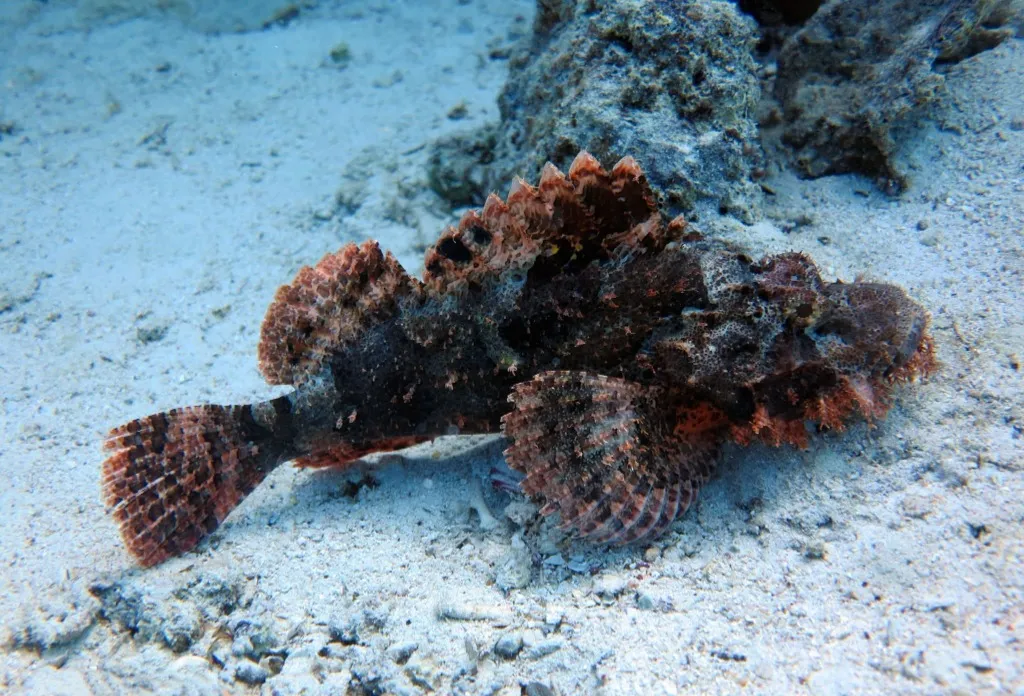
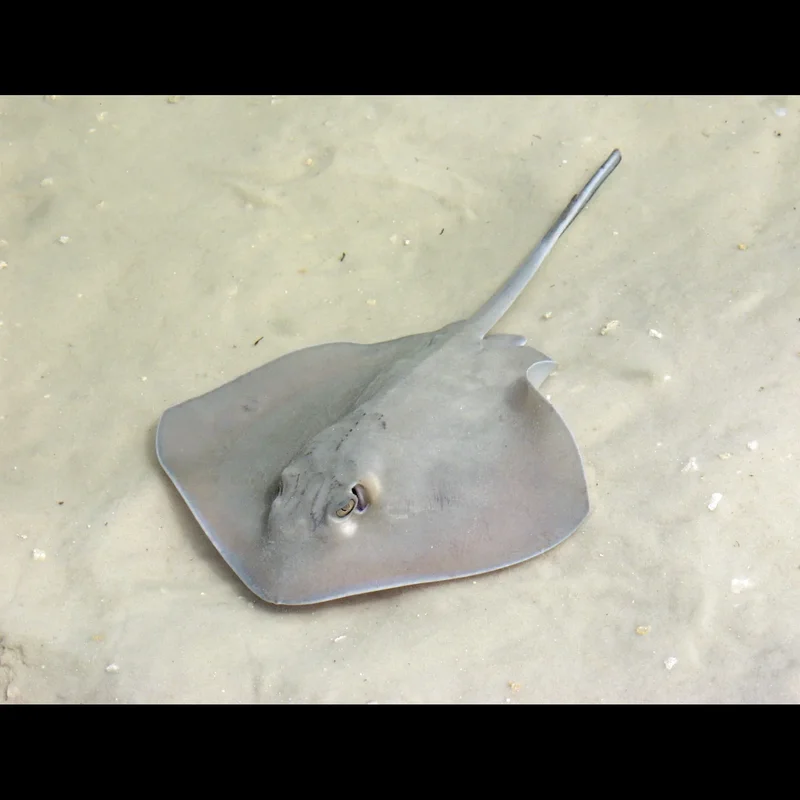
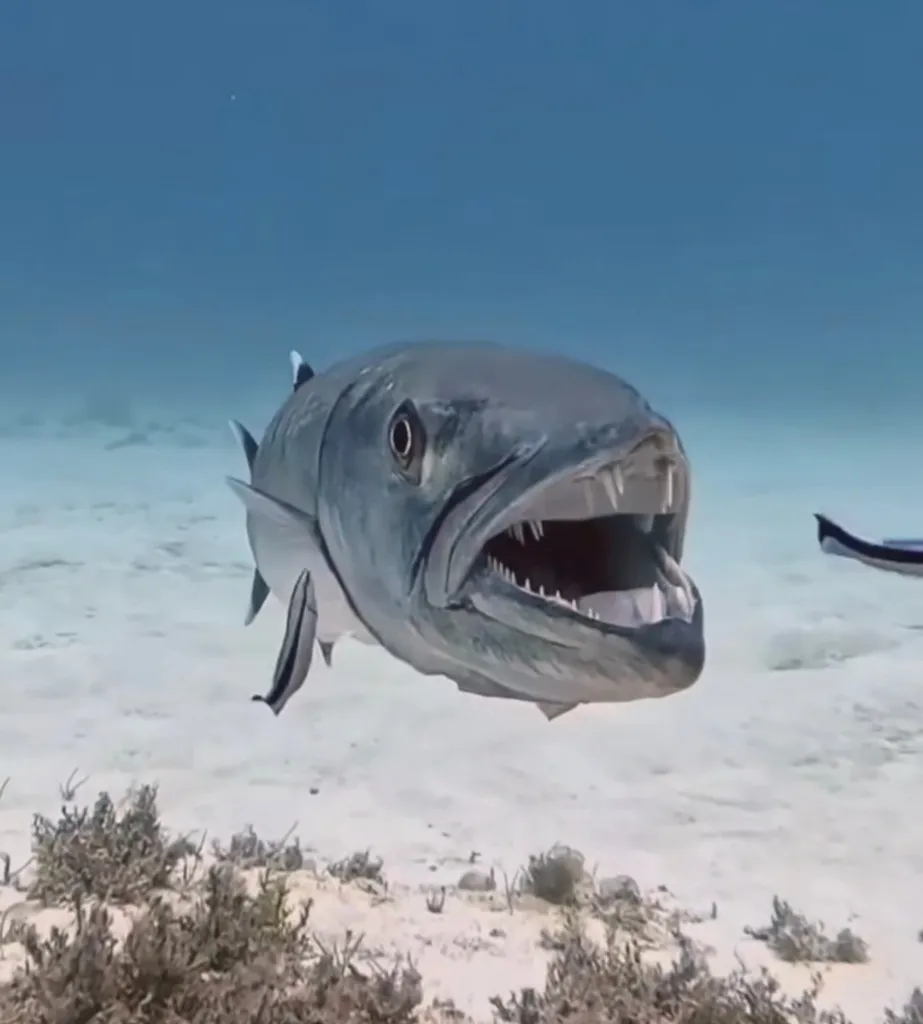
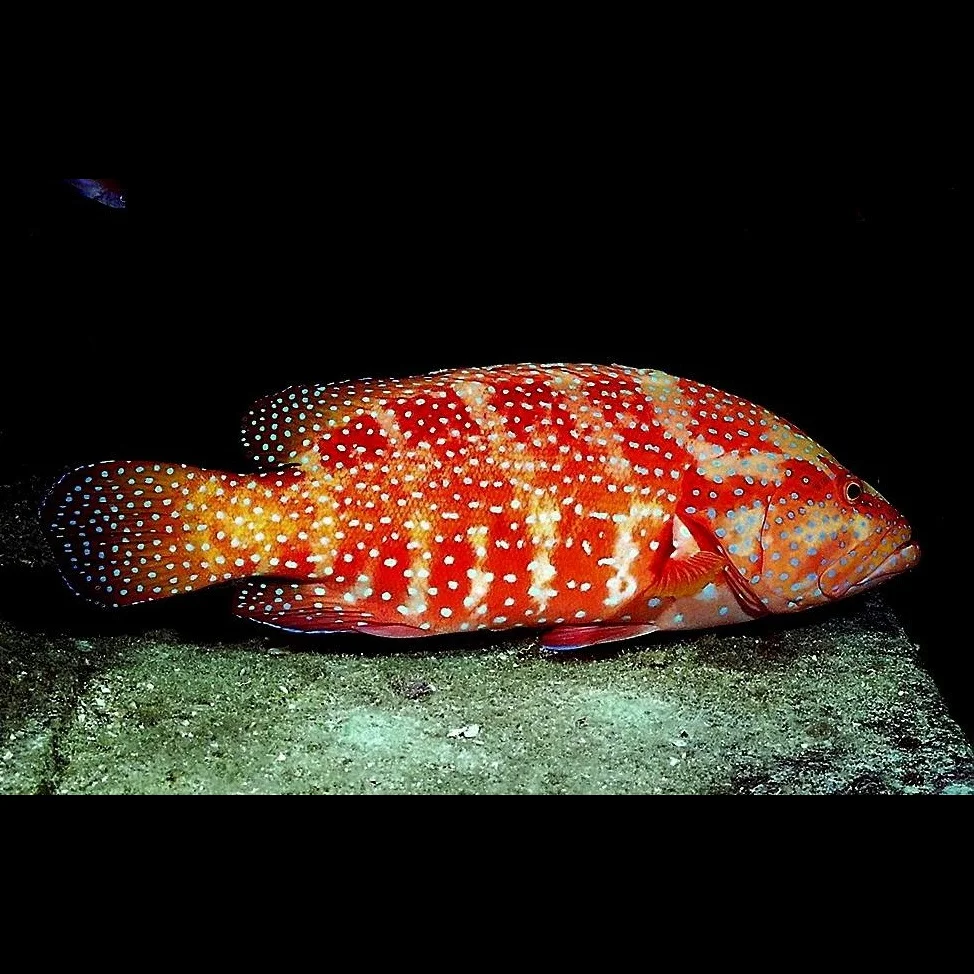
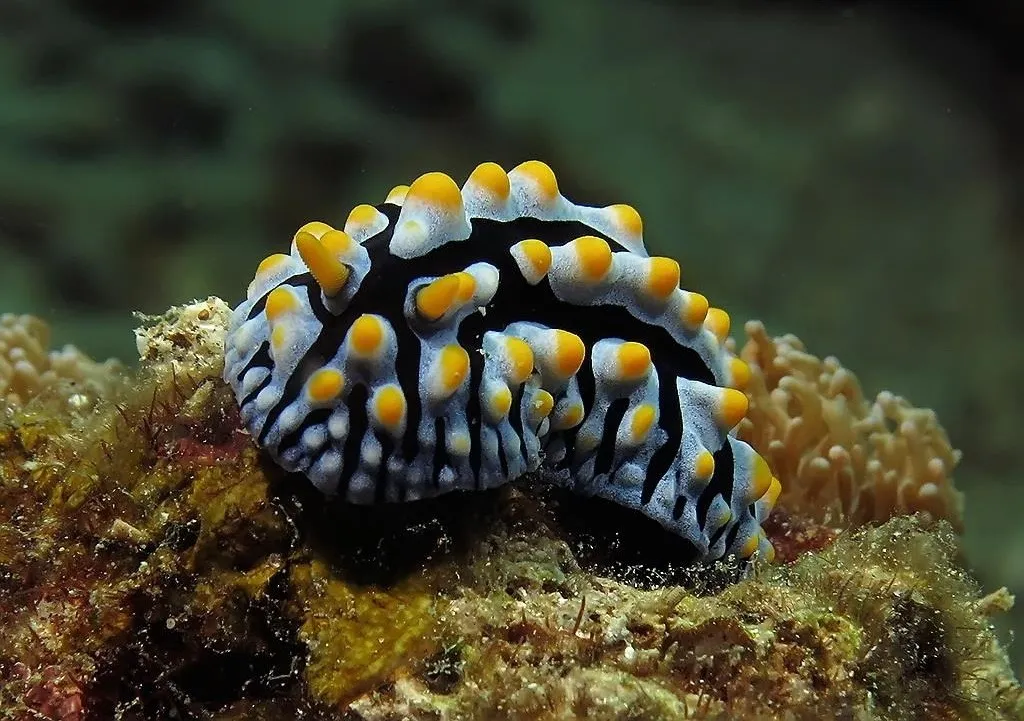
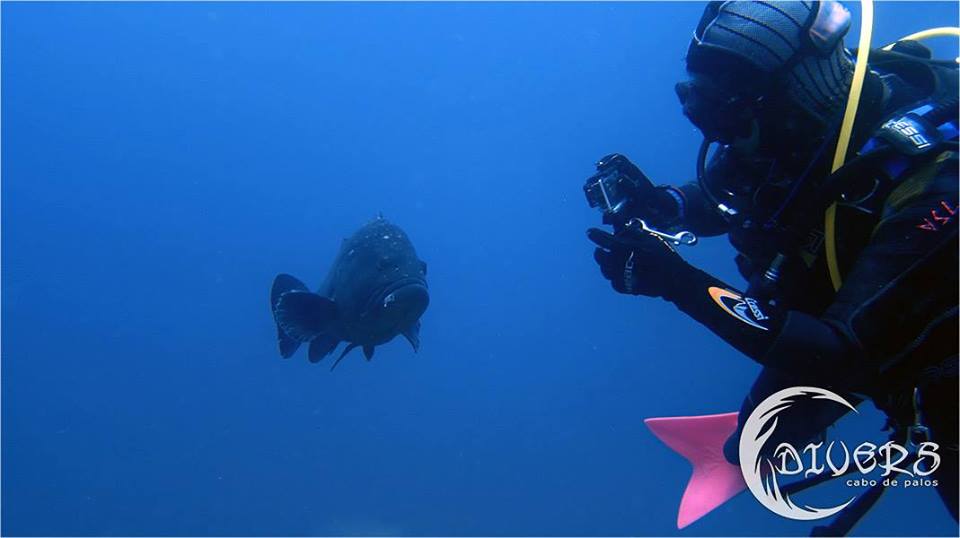
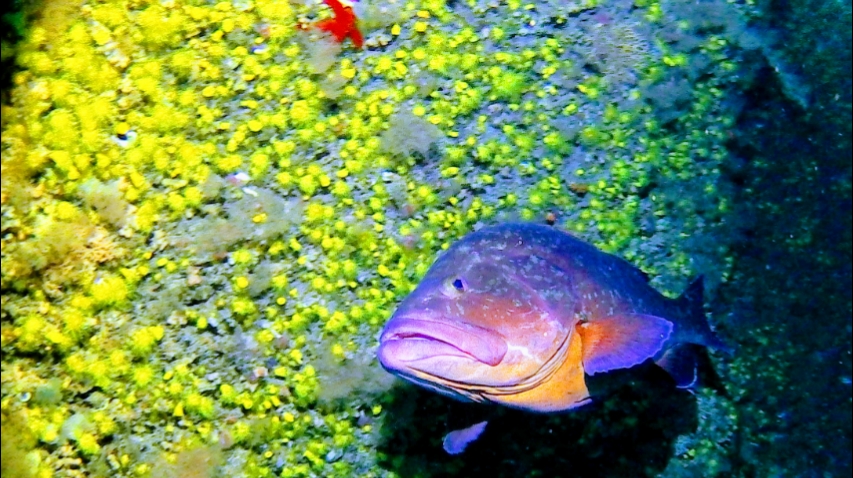
Nudibranchs are often sighted, slowly moving across the Posidonia seagrass and rocky substrates. Divers may also encounter the well-camouflaged Scorpionfish, schools of Bream and Cowbream, and occasional Stingrays resting on the sandy patches. Juvenile Barracuda and Grouper are sometimes present, adding to the site's ecological interest.
Dive Sites Near Cala Fria
View all dive sites in SpainDiscover more underwater gems in this area.
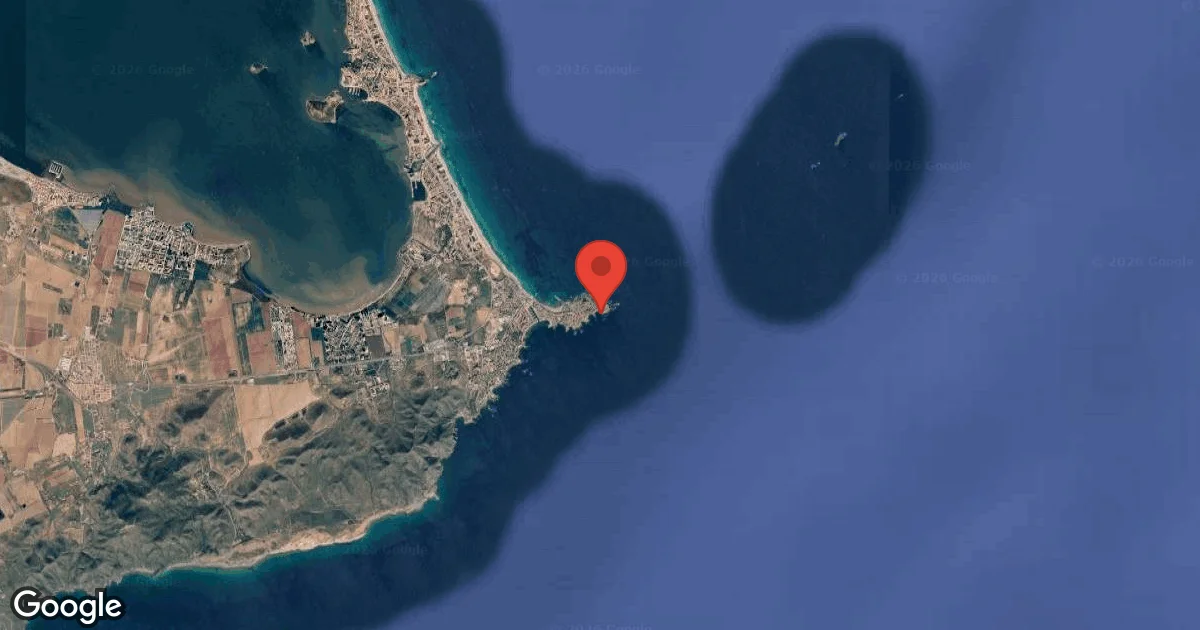
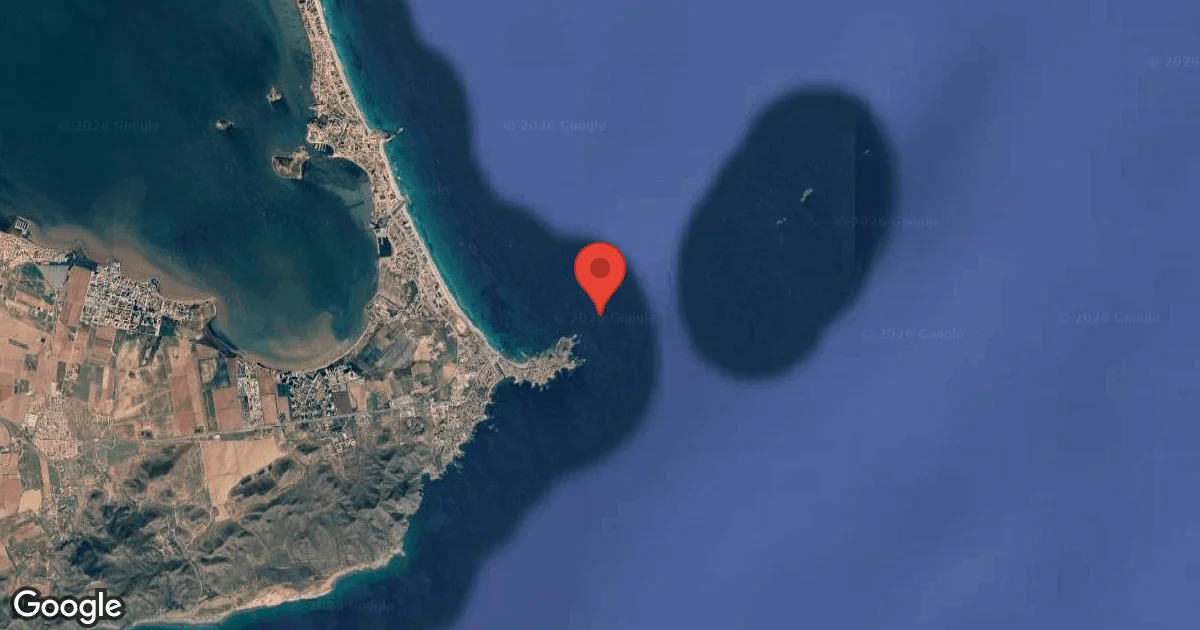
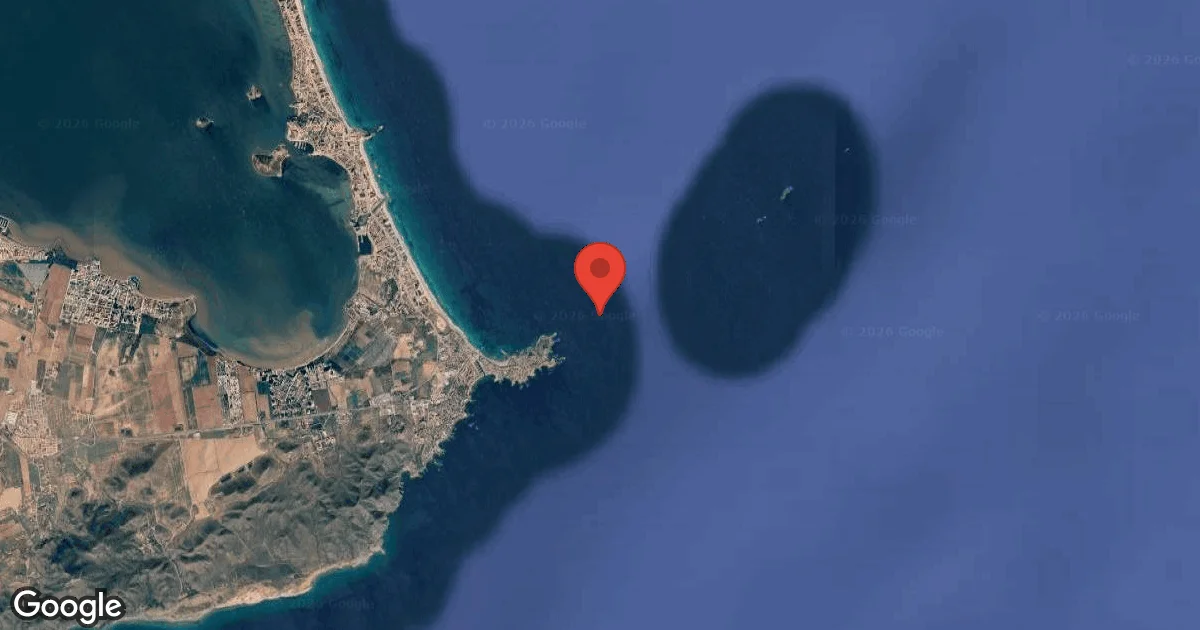
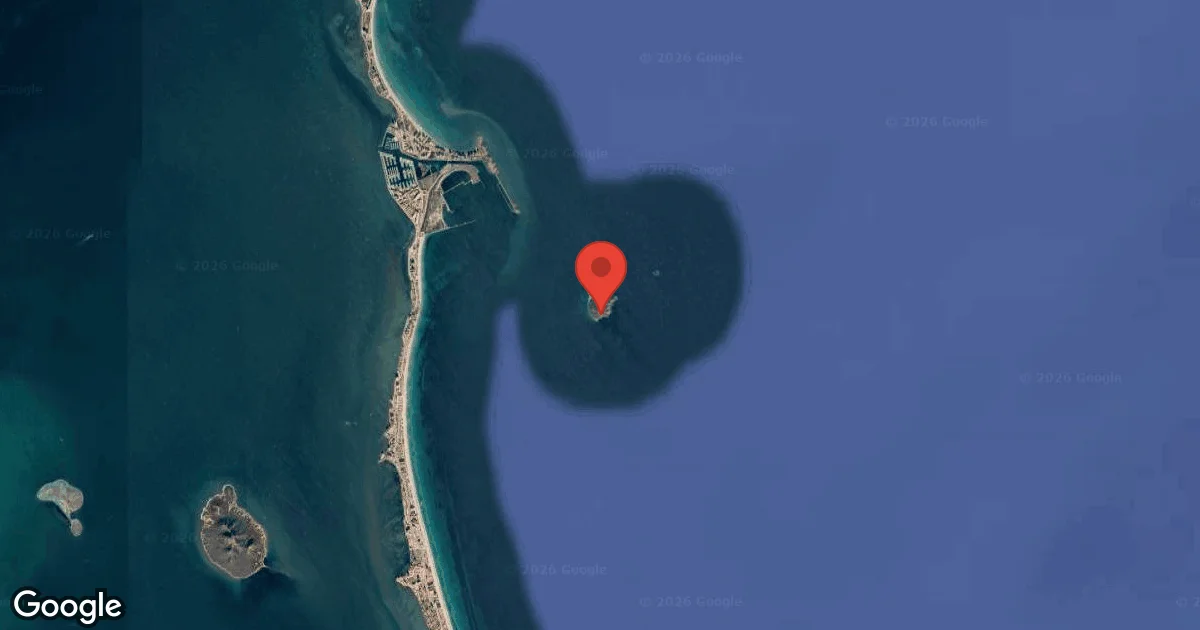
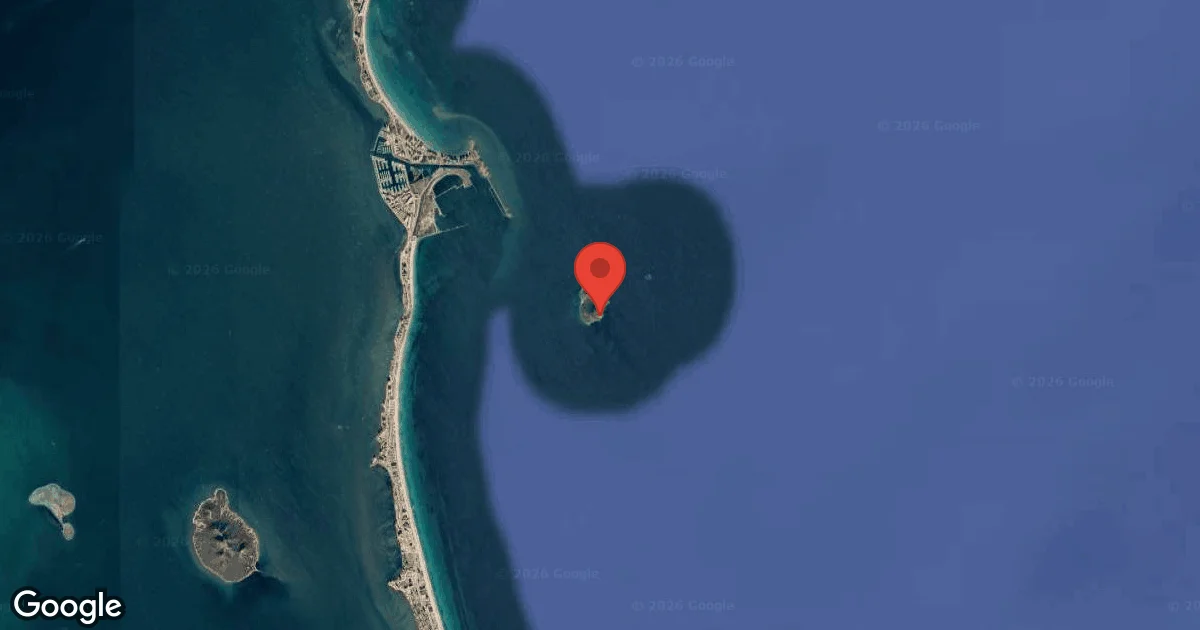
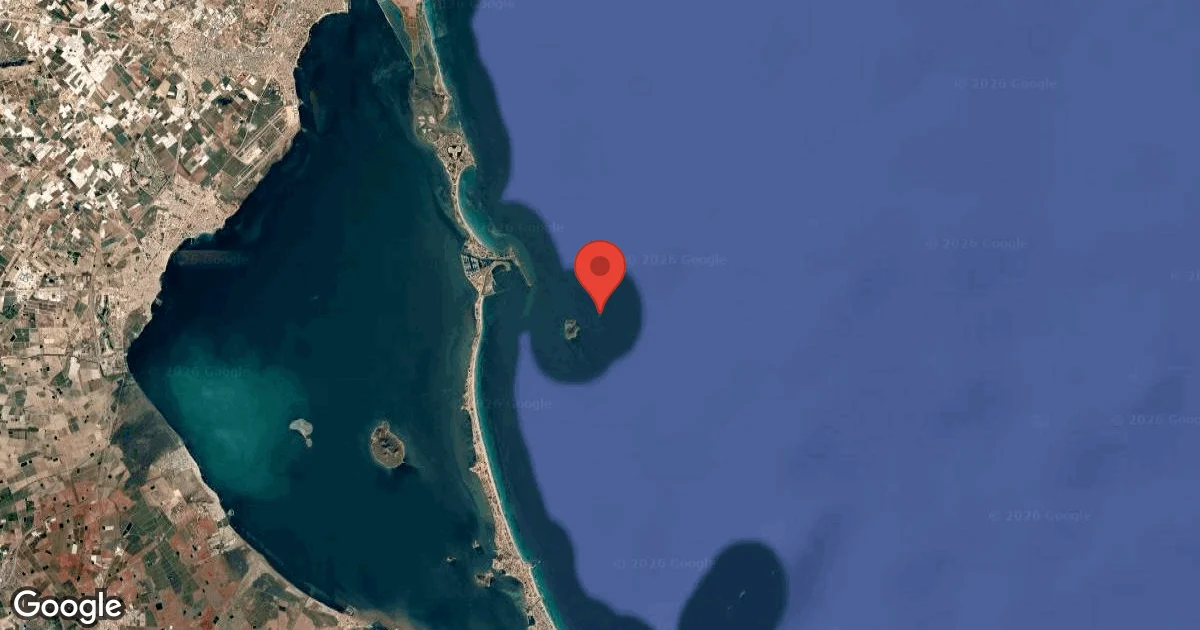
Dive Centers Near Cala Fria
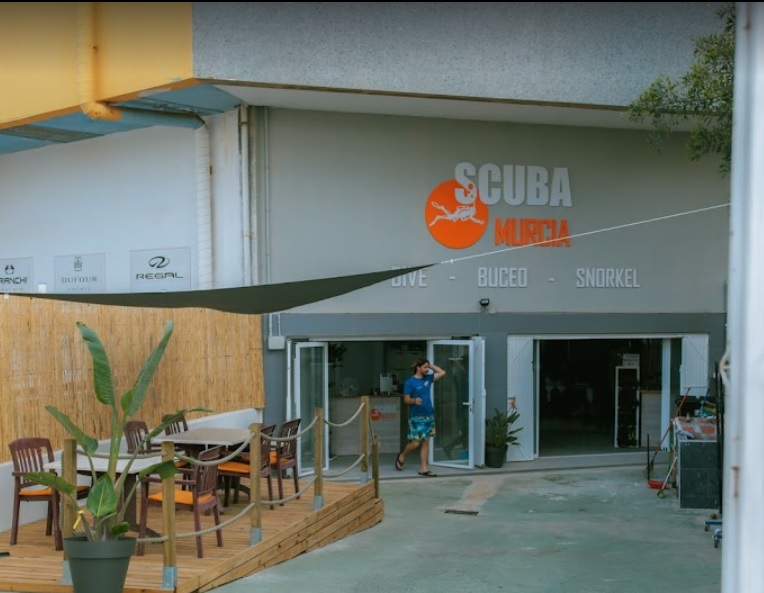
Today: 09:00 - 14:00
Nearest Airports
Nearest airports to help plan travel to this dive area.
Search Flights
Check available flights and routes on Expedia, using the nearby airports listed in this section.
Search Flights on ExpediaFrequently Asked Questions
What is the typical depth at Cala Fria?
Depths typically range around 11-14 meters (36-45 feet), making it suitable for Open Water certified divers.
What kind of marine life can I expect to see?
Divers can often spot Octopus, various Wrasse species (including Ornate Wrasse), Nudibranchs, Scorpionfish, Bream, Cowbream, and sometimes Stingrays. Occasional juvenile Barracuda and Grouper are also present.
Is Cala Fria suitable for beginners?
Yes, Cala Fria is considered an accessible shore dive, typically requiring an Open Water Diver certification as a minimum. Its calm conditions and relatively shallow depth make it suitable for less experienced divers.
Can I dive at Cala Fria at night?
Yes, Cala Fria is specifically noted as a good location for night diving. The changing marine life activity after dark offers a different experience.
What are the entry conditions like for this shore dive?
Entry conditions are typically calm, though surface assessments for wind and moderate waves are always recommended. The bottom transitions from gravel and sand, which is relatively easy for shore access.
When is the best time of year to dive here for visibility?
Optimal visibility is often experienced between April and November. During these months, air temperatures are warmer, and rainfall is consistently low, contributing to clearer nearshore water.
What is the seabed composition at Cala Fria?
A mix of gravel, sand, and Posidonia seagrass terraces makes up the seabed, interspersed with numerous rock formations. This varied bottom provides habitat for diverse marine life.
Are strong currents a concern at Cala Fria?
Cala Fria generally experiences mild currents. However, divers should always monitor local conditions as currents can vary depending on weather and tides.
Planning to dive Cala Fria?
Send one inquiry and receive offers directly from the best verified local dive operators.
Conditions are Moderate
Optimal conditions expected
Current conditions near Cala Fria show 25° air, 27° sea temperature, 1.4 m waves, and 36 km/h wind. Forecast data is refreshed regularly to ensure accuracy.