
Diving at Testa (Spain)
Testa, or Bajo de la Testa, offers divers an expansive underwater vista within Spain's Cabo de Palos region. This site, part of the Isla Hormigas marine park, features a rocky plateau terrain. Divers often navigate amidst irregular relief, discovering a network of blocks, grooves, and intricate cave features. Marine life varies with the seasons, but generally provides consistent observation opportunities. Expect good conditions for spotting varied species across its depths.
Evening condition tracking at Testa features an air temperature of 25°C. We have recorded wave heights measuring 0.4 m during this period. These figures outline the environmental parameters currently present.
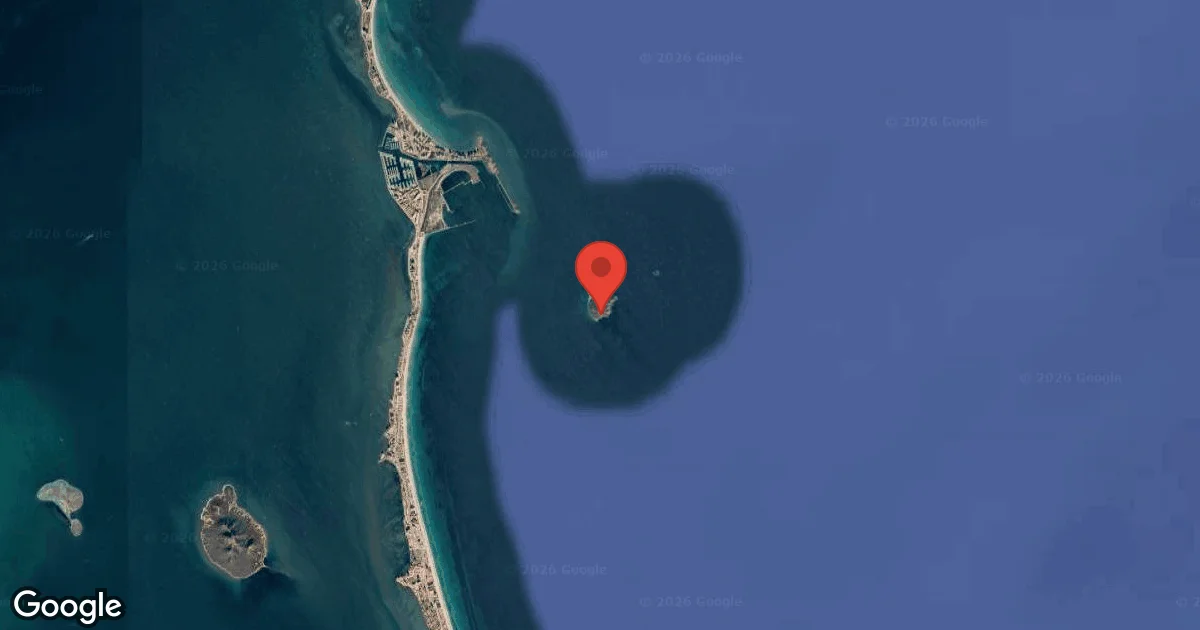
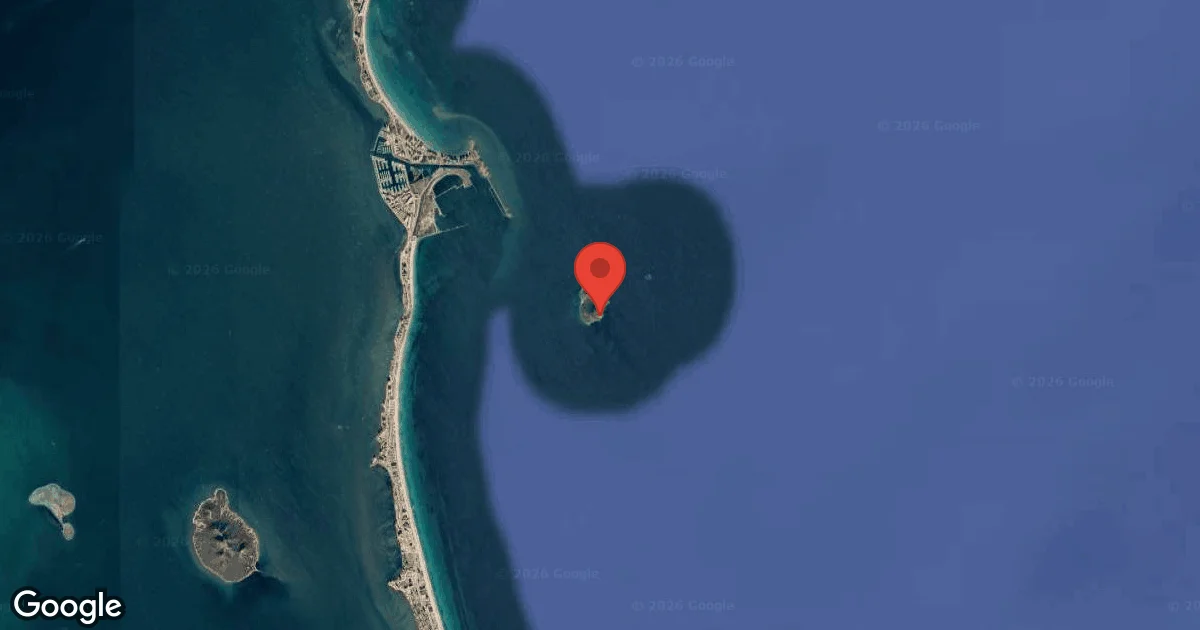
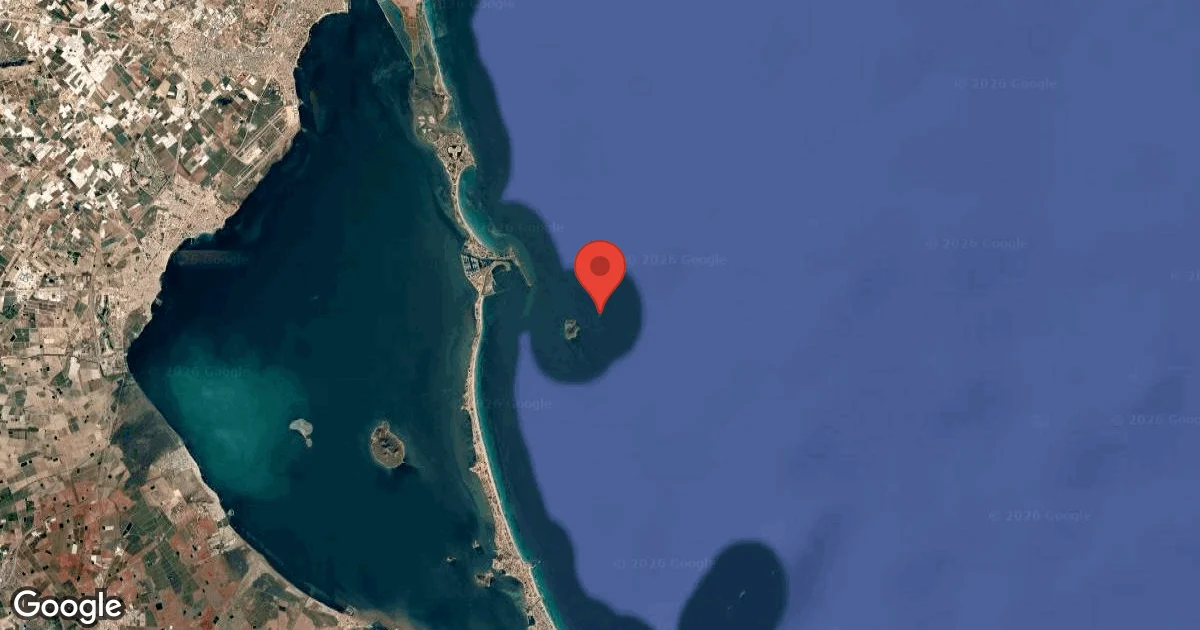
Dive Site Location & Key Facts
Dive Site Overview
Descending into Bajo de la Testa immediately immerses divers in the vibrant ecosystem of the Isla Hormigas marine park off Cabo de Palos. This expansive dive site unfolds across a rocky plateau, bordered by posidonia seagrass meadows and characterized by its irregular relief and a southern route weaving through numerous blocks, dramatic grooves, and intriguing cave systems.
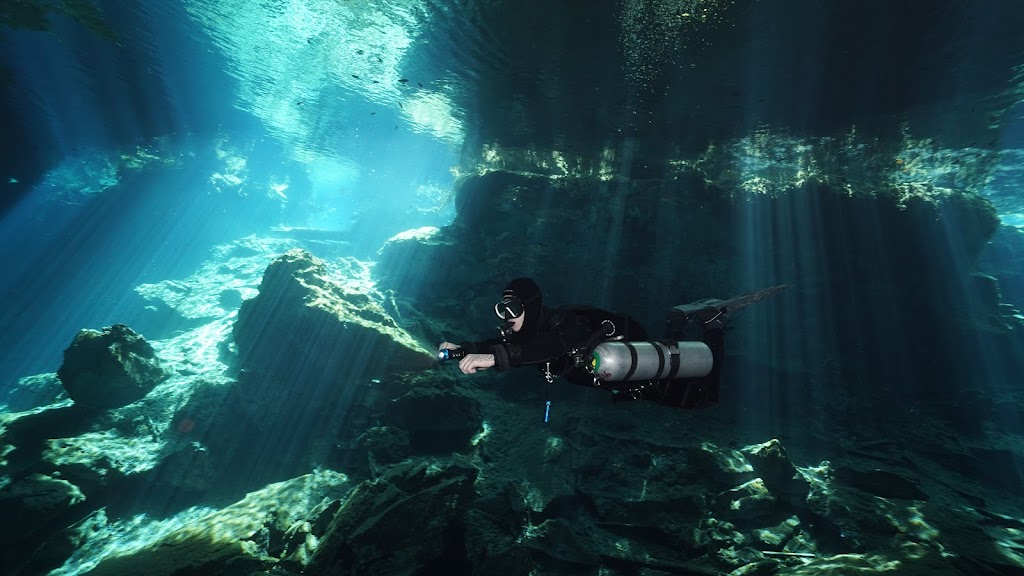
Old anchors are reportedly integrated into the terrain, adding a historical dimension to the natural topography. While much of the diving explores the main reef and pinnacle structures, the presence of overhead environments, including various caves, means specific training or careful planning is essential for deeper exploration into these features.
The site accommodates a range of experience levels; shallower sections offer ample observation, while deeper areas extend well into recreational limits. Divers can find nearby wrecks such as the Naranjito with its top at 27 meters (88 ft), or the Lilla's deck at 35 meters (114 ft) for advanced divers.
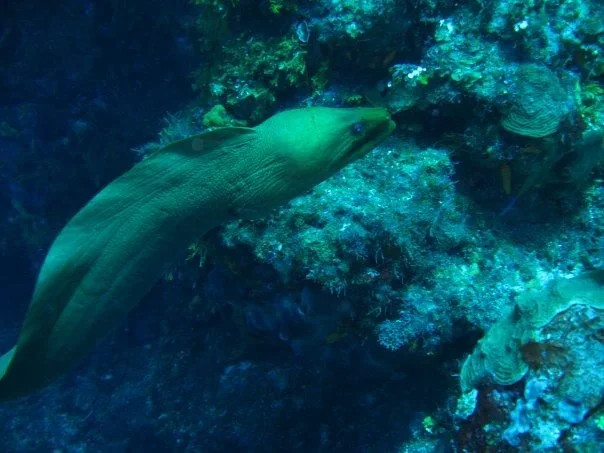
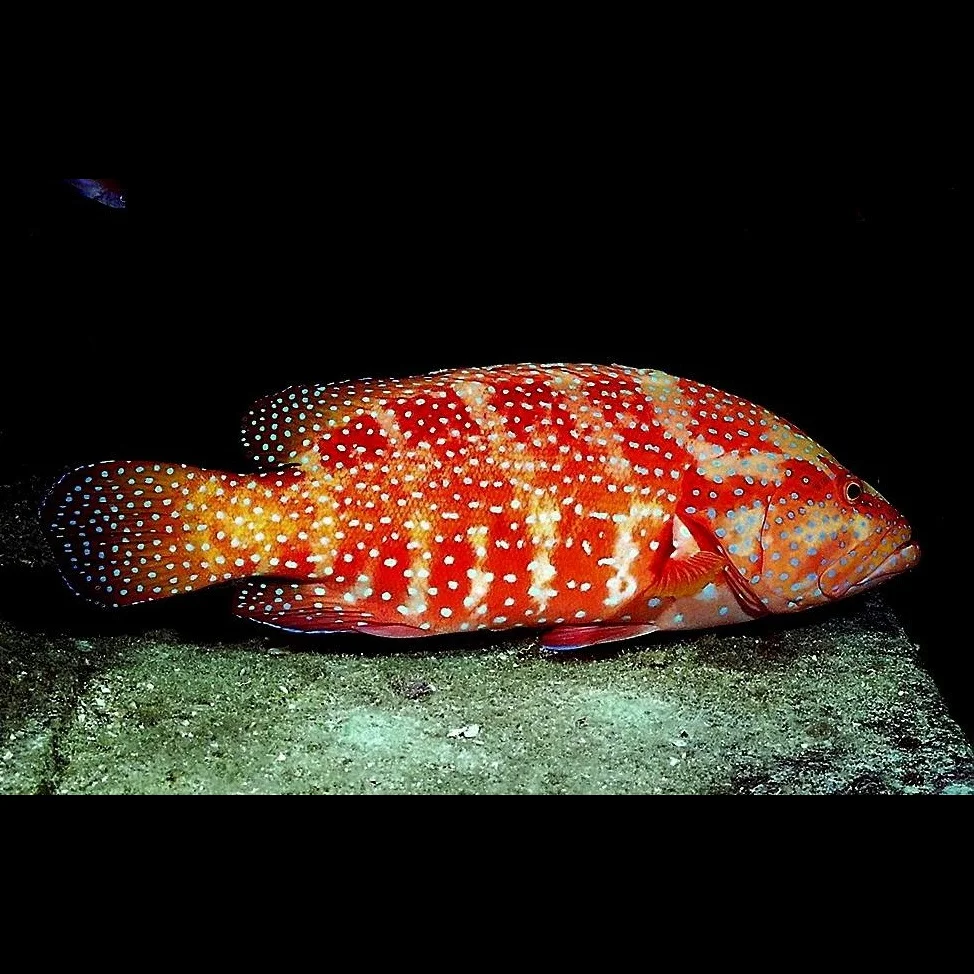
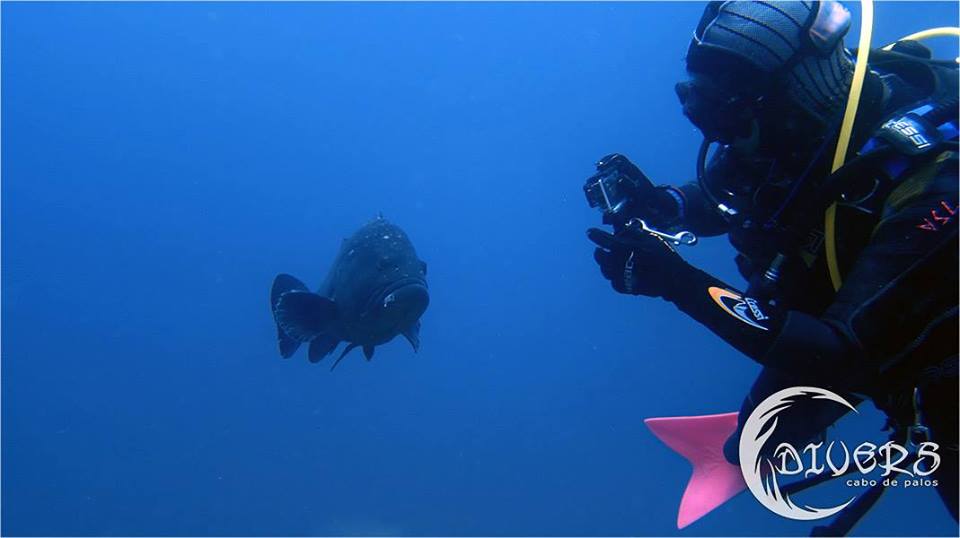
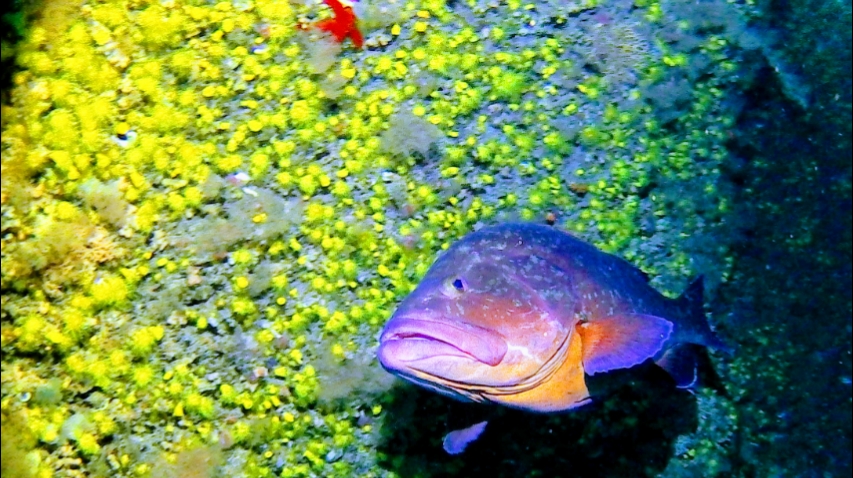
Abundant marine life, including large schools of fish, moray eels, and sizeable groupers, makes each dive dynamic and engaging across its varied depths.
Conditions are Good
Optimal conditions expected
Current conditions near Testa show 25° air, 27° sea temperature, 1.0 m waves, and 33 km/h wind. Forecast data is refreshed regularly to ensure accuracy.
Best Time to Dive
Choosing the optimal time to dive Bajo de la Testa involves considering the region's varied seasonal patterns. During the warmer months, specifically from May to October, air temperatures are most pleasant, ranging from approximately 19°C (66°F) to 27°C (81°F). This period also generally experiences lower average wave heights, often below 0.9 meters, and minimal rainfall, making for calm surface conditions. Dive scores consistently rate as 'Good' during these months. Conversely, the cooler period from November through April sees air temperatures between 13°C (55°F) and 17°C (63°F). Wave heights can increase slightly, sometimes exceeding 1 meter, with wind speeds occasionally rising. Rainfall remains relatively low throughout the year, typically under 2.2 mm per month, ensuring that precipitation rarely hinders dive plans. While water temperatures aren't consistently reported, the general trend points to more comfortable conditions during the warmer air temperature months. Overall, the late spring to early autumn period provides the most consistently favorable weather for diving.
PEAK SEASON SCORE
Scores combine air & water temps, waves, wind & rainfall for overall conditions.
BEST MONTHS TO DIVE
Monthly records compiled from satellite and marine observation nodes over the last 3 years. Data provided by Open-Meteo and MET Norway.
Dive Experience & Conditions
Entering the waters at Bajo de la Testa brings divers into a world of diverse underwater topography. The primary dive experience centers around a prominent rocky plateau, featuring an irregular landscape marked by distinctive blocks and deep grooves. As one explores the southern side, the terrain reveals numerous cave features, demanding careful navigation and appropriate overhead environment protocols. Surface conditions are generally influenced by moderate winds, averaging around 18-25 km/h (11-15 mph), which can create some surface chop; however, wave heights typically remain below 1.3 meters (4.3 ft), suggesting manageable entry and exit. Visibility, while not consistently reported with exact metrics, is often considered good in this marine park. The site offers a varied depth profile, from shallower reef areas ideal for observation to deeper sections reaching beyond recreational limits for those with advanced training.
Dive Difficulty & Safety Guidelines
Navigating the underwater environment at Bajo de la Testa presents specific considerations for diver safety. The site includes overhead environments and caves, which necessitate appropriate cave or overhead precautions. Divers must maintain acute awareness of their exit routes, and any penetration into these features requires specialized training and equipment beyond standard open water certification.
Furthermore, the irregular relief of the rocky plateau, combined with blocks and grooves, requires attentive buoyancy control to avoid contact with the delicate ecosystem. While generally suitable for certified divers, those intending to explore deeper sections or complex overhead areas should possess advanced qualifications.
Always dive within your training and comfort limits. Planning dives with local operators who understand the site's nuances is highly advisable.
Recommended Equipment
- Dive Computer
This gear list is based on verified equipment signals for Testa, Spain. Always confirm final gear choices with your dive operator, guide, or liveaboard.
Recommended Dive Suit
Divers planning deeper dives may feel cooler than those staying in shallower areas.
Many divers find that 2-3mm shorty or light wetsuit offers a comfortable balance between warmth and mobility. Consider warmer surface protection (like a boat coat) due to brisk winds. Conditions in the coming days are expected to stay within a similar temperature range.
Water temperatures across the dive area at Testa are presently estimated to be around 27°C (80°F). Surface air temperatures are resting at 25°C (77°F).
Due to technical issues with our weather providers, live updates are temporarily delayed. The data above reflects the conditions at the time of the last successful fetch.
Emergency & Medical Support
Essential information to help you plan your dive trip to Testa.

Hyperbaric chambers are a critical part of dive safety infrastructure. Availability varies significantly by region, and not all dive areas have immediate access.
Before diving, it's recommended to:
- confirm nearest medical facilities
- check emergency procedures with local dive operators
- ensure dive insurance covers evacuation if required
Divers Alert Network
Diving emergency assistance available through DAN Europe.
+39 0642115685- 24/7 emergency hotline
- Diving medical assistance
- Evacuation coordination
Emergency contacts are provided for reference. Always verify local emergency services before diving.
Marine Life at Testa
The underwater landscape of Bajo de la Testa provides a rich habitat for diverse marine species. Schools of fish frequently populate the rocky plateau and its intricate formations.
Moray eels and sizeable groupers are often observed amongst the blocks and grooves, varying with the season. For macro enthusiasts, the site boasts a dizzying array of nudibranchs, often found tucked into crevices.
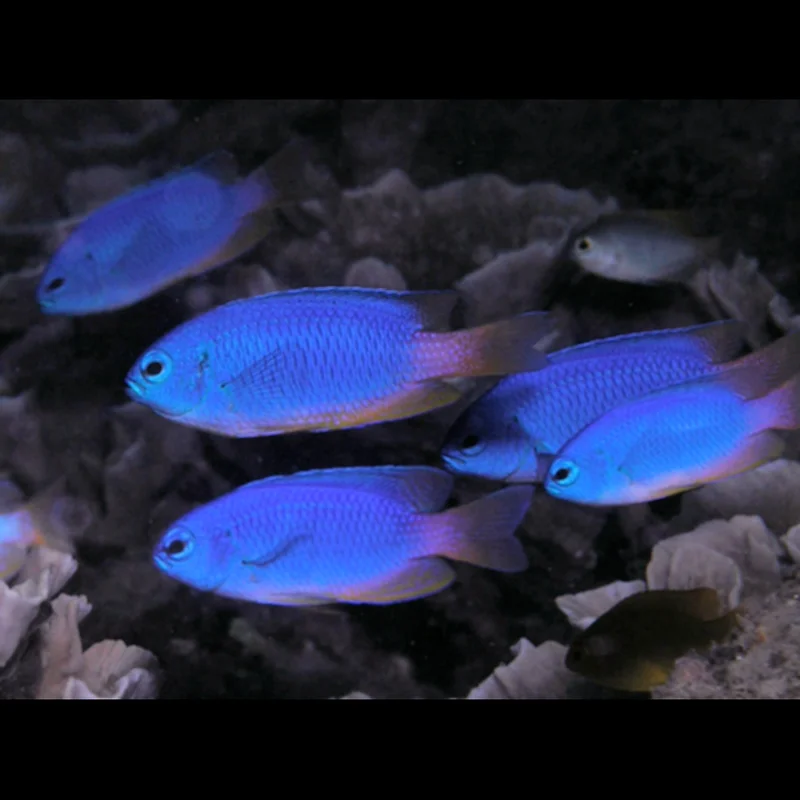
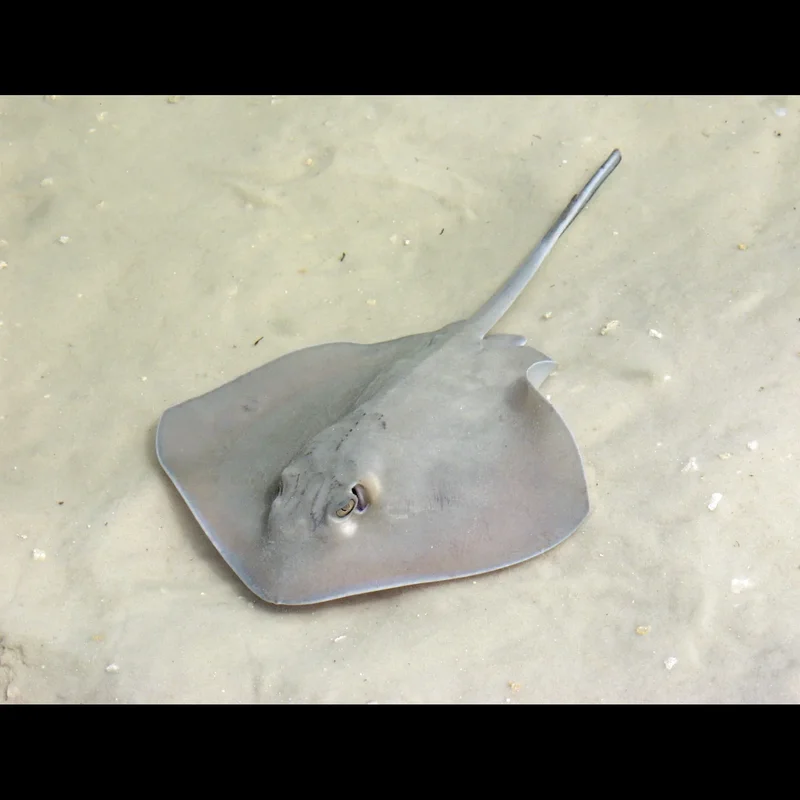
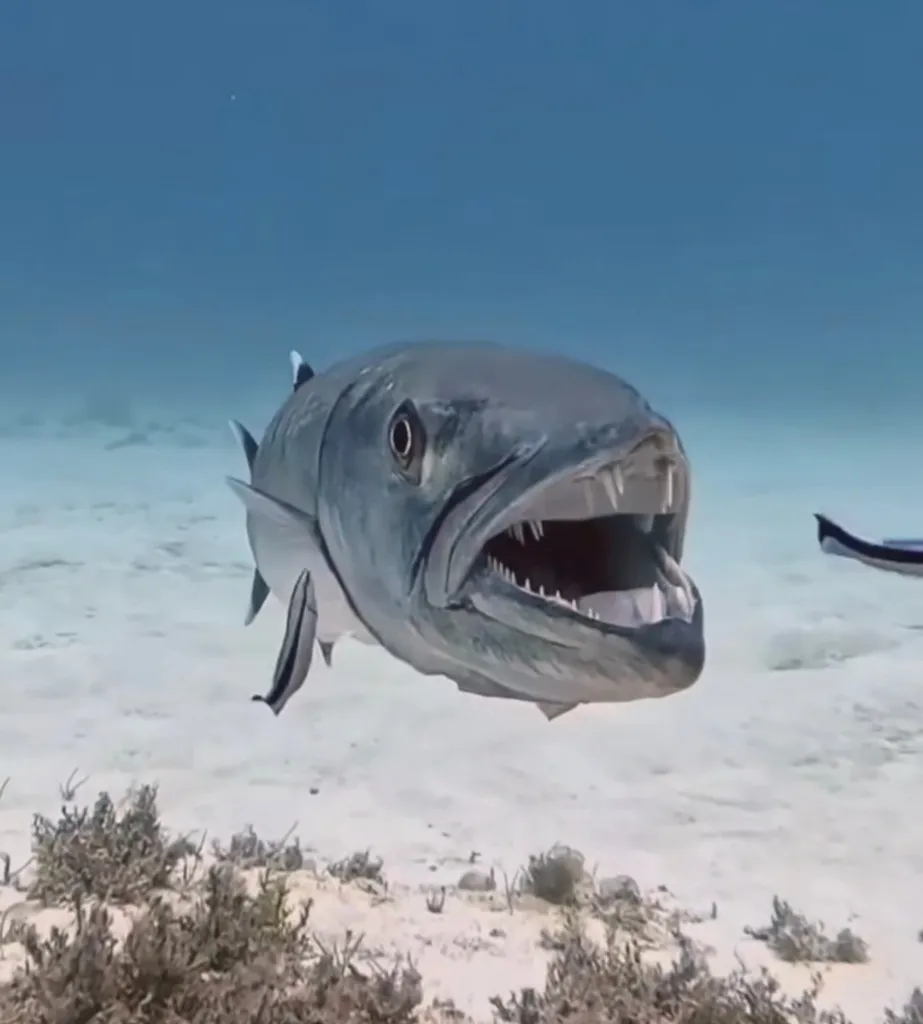
Other residents include a healthy population of smaller fishes such as goatfish, cardinalfish, and damselfish. Octopus are common sightings, while barracuda, big groupers, jacks, and stingrays can be encountered in more open areas, making for a dynamic viewing experience.
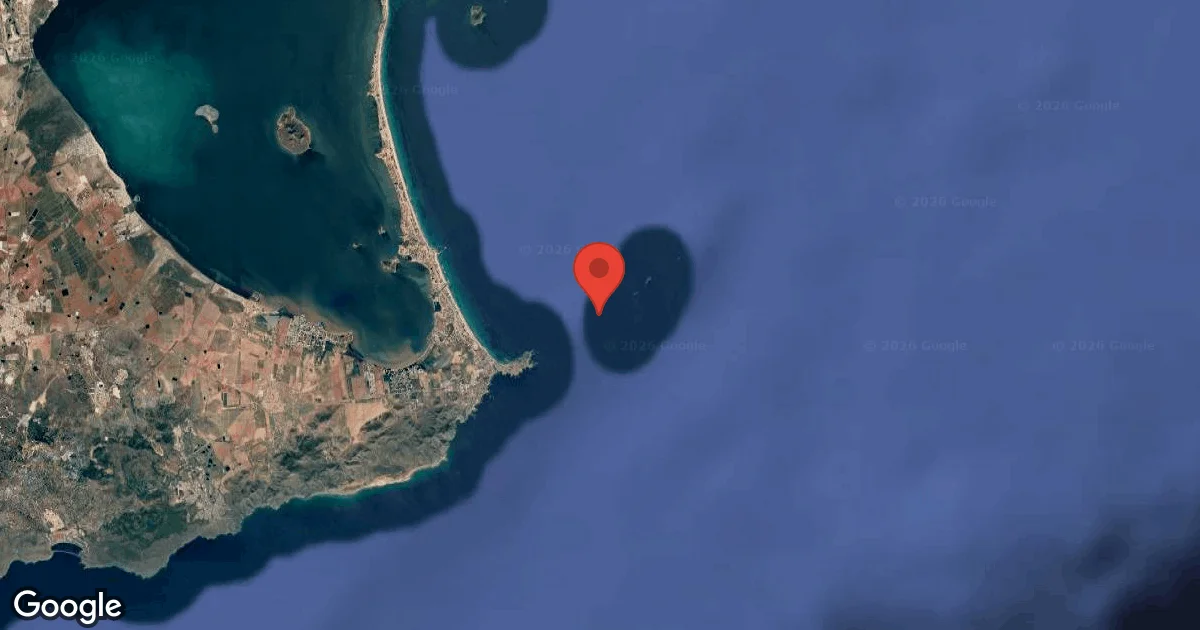
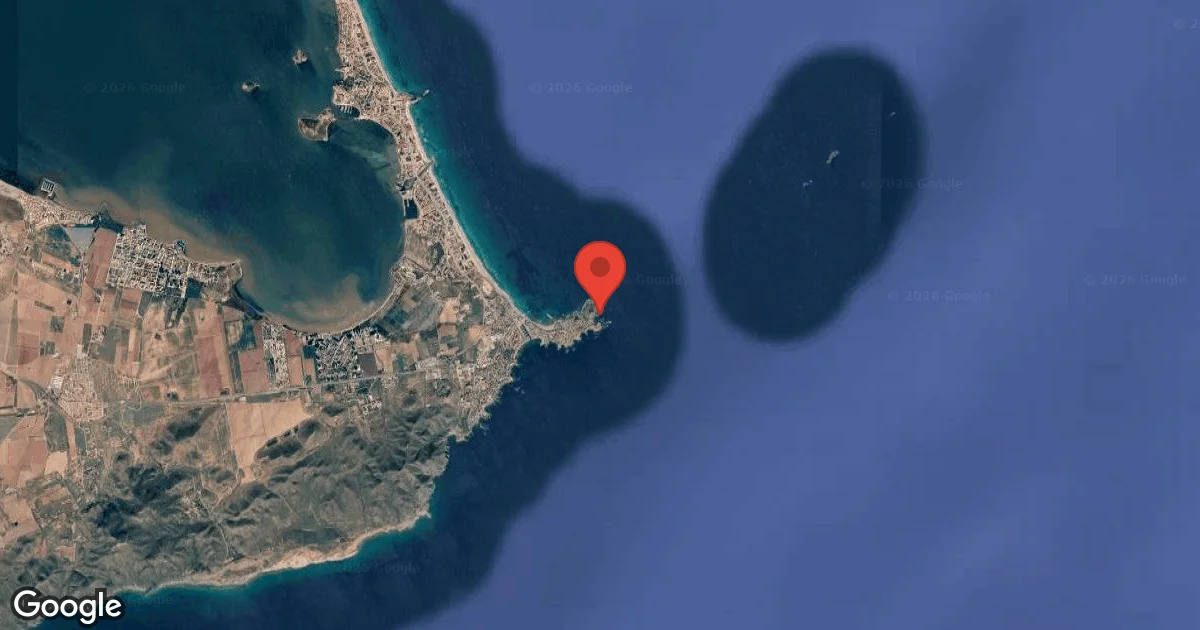
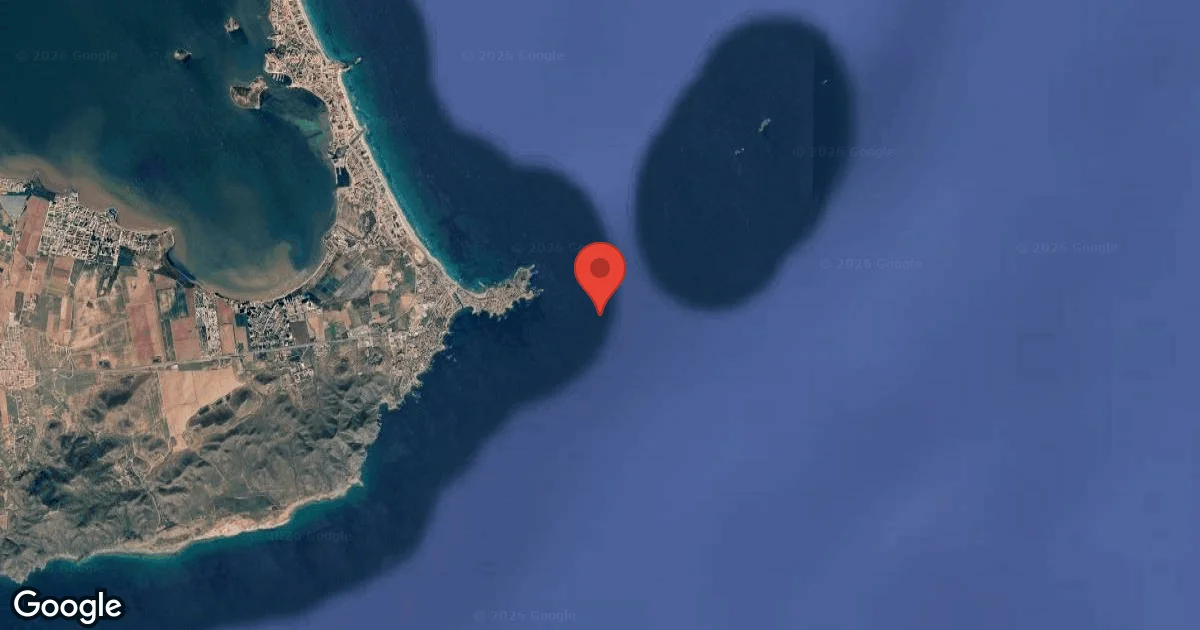
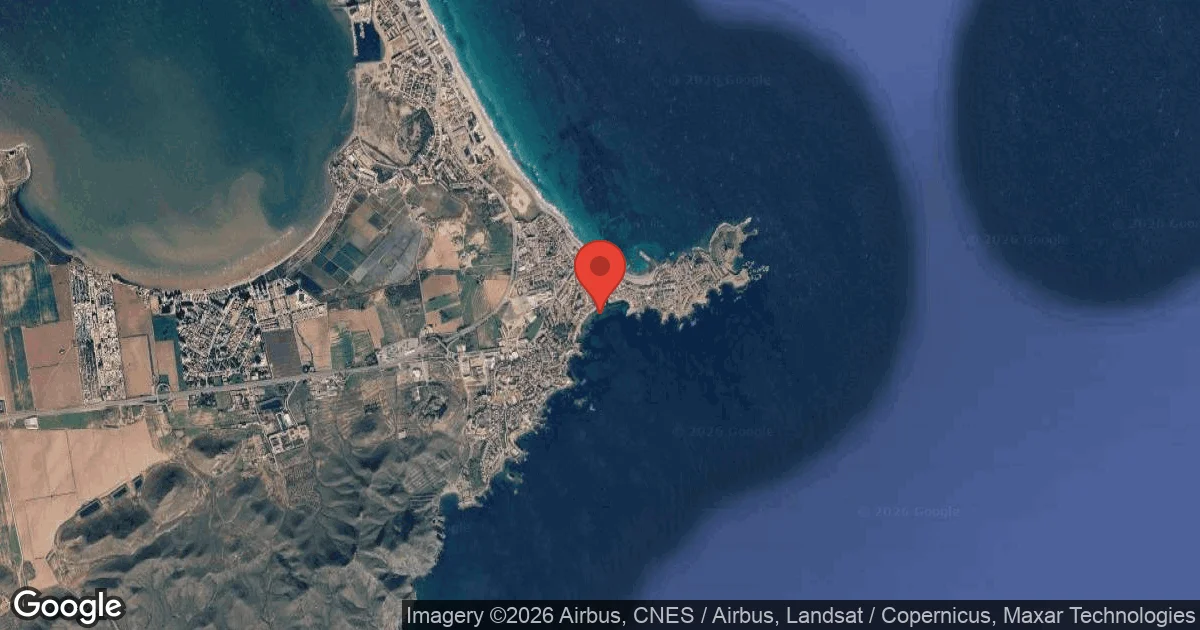
Dive Sites Near Testa
View all dive sites in SpainDiscover more underwater gems in this area.
Dive Centers Near Testa
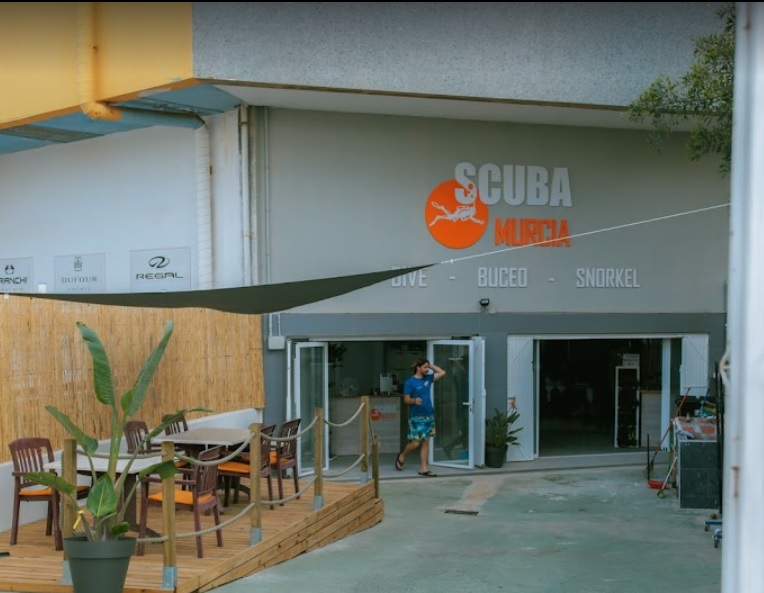
Today: 09:00 - 14:00
Nearest Airports
Nearest airports to help plan travel to this dive area.
Search Flights
Check available flights and routes on Expedia, using the nearby airports listed in this section.
Search Flights on ExpediaFrequently Asked Questions
What types of diving are available at Bajo de la Testa?
This site is primarily a reef and pinnacle dive, also offering unique cave and overhead environment exploration for appropriately trained divers. Divers can explore a rocky plateau with irregular features, blocks, and grooves.
What is the typical depth range?
Recreational divers can explore varied depths, from shallower reef sections to deeper areas. The Naranjito wreck, for example, has its top at 27 m (88 ft), while some advanced sites reach depths exceeding 40 meters.
Are there any wrecks at Bajo de la Testa?
While Bajo de la Testa itself is a natural reef, it's part of the larger Isla Hormigas marine park which is well-known for several wrecks. Notable nearby wrecks include the Naranjito, Lilla, and SS Stanfield, though many are for experienced or technical divers due to their depths.
What marine life can I expect to see?
Expect abundant marine life, including large schools of fish, moray eels, and groupers. Nudibranchs, octopus, barracudas, jacks, and even seahorses are commonly reported in the area.
What are the main hazards at this dive site?
The primary hazards involve overhead environments and caves present at the site. Specific training and careful adherence to cave diving protocols are essential when exploring these features.
What are the best months to dive here?
The period from May to October generally offers the most favorable diving conditions, with warmer air temperatures and calmer surface conditions. Dive scores are consistently rated as "Good" throughout the year, however.
Planning to dive Testa?
Send one inquiry and receive offers directly from the best verified local dive operators.
Conditions are Good
Optimal conditions expected
Current conditions near Testa show 25° air, 27° sea temperature, 1.0 m waves, and 33 km/h wind. Forecast data is refreshed regularly to ensure accuracy.