
Diving at Pecio Aries (Spain)
Pecio Aries offers notably high visibility, often extending up to 30 m (100 ft), allowing divers a clear view of its well-preserved structure. This former freighter, now resting on a sandy bottom, maintains its complete form, making it a prominent and accessible wreck within the Ría de Arousa. Its relatively shallow depth further contributes to an engaging experience where the entire vessel can be appreciated.
Evening condition tracking at Pecio Aries features an air temperature of 15.5°C. We have recorded wave heights measuring 1.3 m during this period. These figures outline the environmental parameters currently present.
Dive Site Location & Key Facts
Dive Site Overview
On a December morning in 1977, the freighter Aries, hailing from A Coruña and navigating the Ría de Arousa, lost its rudder, rendering it unmanageable. This led to a collision with the submerged reef known as As Lobeiras Chicas, ultimately sinking the vessel.
Today, the Pecio Aries rests upright on a sandy bottom, allowing divers to appreciate the ship's entire profile, from keel to deck. This former cargo ship, which once traversed regular lines between Galician ports and Morocco, measures approximately 50 m (164 ft) in length. It lies at a maximum depth of around 21 m (69 ft), with its main deck and structures often found closer to 14 m (46 ft).
This relatively shallow depth makes it widely accessible for various certification levels, though wreck penetration is reserved for divers with appropriate specialty training. Its good state of conservation provides an excellent opportunity to explore various sections.
Divers can observe the ship's bridge and internal passages, witnessing the subtle effects of time underwater. This wreck dive is a fascinating blend of history and marine habitat, providing both structural exploration and vibrant encrusting life.
Conditions are Good
Optimal conditions expected
Current conditions near Pecio Aries show 15° air, 16° sea temperature, 1.3 m waves, and 26 km/h wind. Forecast data is refreshed regularly to ensure accuracy.
Best Time to Dive
Seasonal planning indicates optimal conditions for diving Pecio Aries primarily occur during summer, from June through August. That time offers the highest dive scores of "Good" and provides a stark contrast to other seasons. Air temperatures average between 19°C and 21°C (66.2-69.4°F) during these peak months, ensuring comfortable surface conditions. Minimal rainfall, with monthly averages ranging from just 1.38 mm to 2.78 mm, significantly reduces surface run-off that could impact visibility. Wave heights remain at their lowest, generally between 1.0 m and 1.2 m (3.4-4.1 ft), indicating calmer seas. Consistent long-term water temperature data isn't consistently reported for this specific site in our system; however, individual dive logs suggest temperatures around 16°C (61°F) in spring conditions. Divers should anticipate similar or slightly warmer waters during summer. Conversely, winter months, particularly January and February, present "Unsafe" or "Poor" dive scores due to higher wave heights averaging over 3 meters (10 ft) and increased rainfall, making diving considerably more challenging. Summer planning ensures the best opportunity to explore this historic wreck.
PEAK SEASON SCORE
Scores combine air & water temps, waves, wind & rainfall for overall conditions.
BEST MONTHS TO DIVE
Monthly records compiled from satellite and marine observation nodes over the last 3 years. Data provided by Open-Meteo and MET Norway.
Dive Experience & Conditions
Entering the waters above Pecio Aries, divers are typically met with high visibility, sometimes reaching 30 m (100 ft) on favorable days, which significantly aids the initial descent. Resting upright on a sandy seabed, the vessel presents its entire form clearly to approaching divers. While generally considered a low-difficulty dive, divers should prepare to assess and adapt to prevailing flow conditions, as manageable currents have been reported. A max depth of 21 m (69 ft) allows for generous bottom times and thorough exploration. Open Water certified divers can comfortably explore the exterior, while advanced wreck specialists may venture inside. Surrounding the wreck, a sandy environment contrasts with the structure's growth, creating distinct visual elements. The site offers a straightforward yet rewarding wreck experience, suitable for many skill levels, allowing focus on ship details rather than battling harsh conditions.
Dive Difficulty & Safety Guidelines
Approaching the Pecio Aries requires an understanding of general wreck diving safety, even though it's classified as a low-difficulty site for external exploration. While typically accessible for Open Water divers, the presence of currents, as sometimes reported, means divers should monitor local conditions and plan their dive accordingly.
Maintaining excellent buoyancy control is crucial to prevent disturbing the sandy bottom or damaging the wreck's structure and its delicate marine inhabitants. For those considering penetration, a wreck diving specialty certification is mandatory.
The interior, particularly the bridge and other passages, presents overhead environments that demand specific training, appropriate equipment, and a clear understanding of navigation and emergency procedures. Never enter a wreck without proper training.
Adhering to these guidelines ensures a safe and respectful encounter with this submerged historical artifact.
Recommended Equipment
Overhead / entanglement risk. Wreck penetration requires proper training.
- Dive Computer
- Primary & Backup Lights
- Wreck Reel
- Cutting Tool
This gear list is based on verified equipment signals for Pecio Aries, Spain. Always confirm final gear choices with your dive operator, guide, or liveaboard.
Recommended Dive Suit
For dives of average duration, 5-7mm wetsuit usually provides sufficient protection from heat loss. Consider warmer surface protection (like a boat coat) due to brisk winds. A thermal robe or jacket is recommended between dives.
Divers planning a dive at Pecio Aries today will likely encounter water temperatures close to 16°C (61°F). Surface air temperatures are resting at 15°C (60°F).
Environmental models indicate a modest warming trend ahead. A warming trend is expected over the next few days.
Emergency & Medical Support
Essential information to help you plan your dive trip to Pecio Aries.

Hyperbaric chambers are a critical part of dive safety infrastructure. Availability varies significantly by region, and not all dive areas have immediate access.
Before diving, it's recommended to:
- confirm nearest medical facilities
- check emergency procedures with local dive operators
- ensure dive insurance covers evacuation if required
Divers Alert Network
Diving emergency assistance available through DAN Europe.
+39 0642115685- 24/7 emergency hotline
- Diving medical assistance
- Evacuation coordination
Emergency contacts are provided for reference. Always verify local emergency services before diving.
Marine Life at Pecio Aries
Pecio Aries transforms into a vibrant underwater landscape, its structure serving as an artificial reef supporting diverse marine life. Schools of boga and pout frequently patrol the wreck, their movements adding dynamic energy.
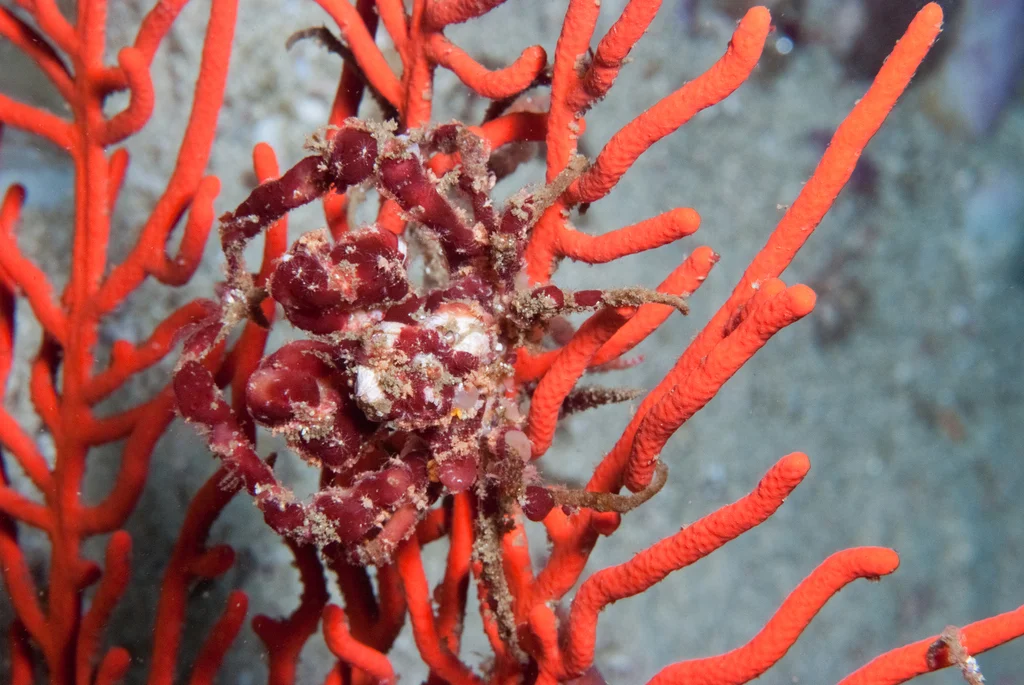
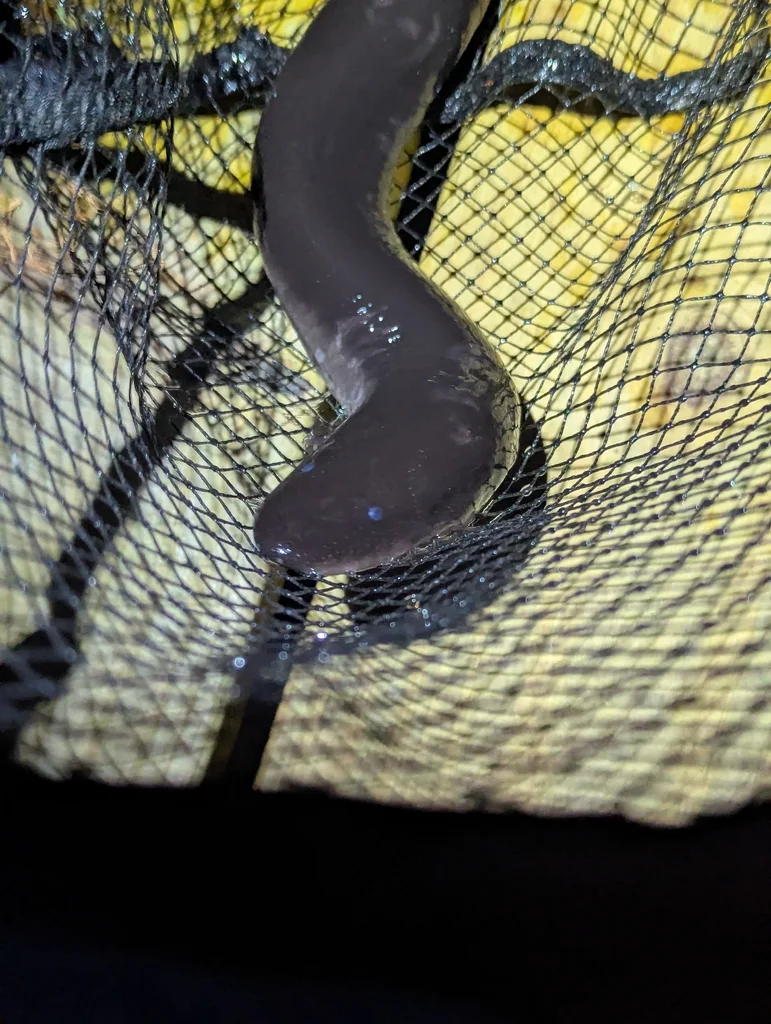
Within the ship's numerous cavities and hidden corners, divers often spot conger eels, various species of wrasse like pintos and maragotas, and sargo. Surrounding the freighter, sandy areas and its encrusted surfaces host an array of crustaceans, including necoras (velvet crabs) and centollos (spider crabs).
Expansive fields of sea carrots add to the rich flora, completing a habitat that supports a wide range of invertebrates and fish. Each part of the wreck becomes a focal point for observation.

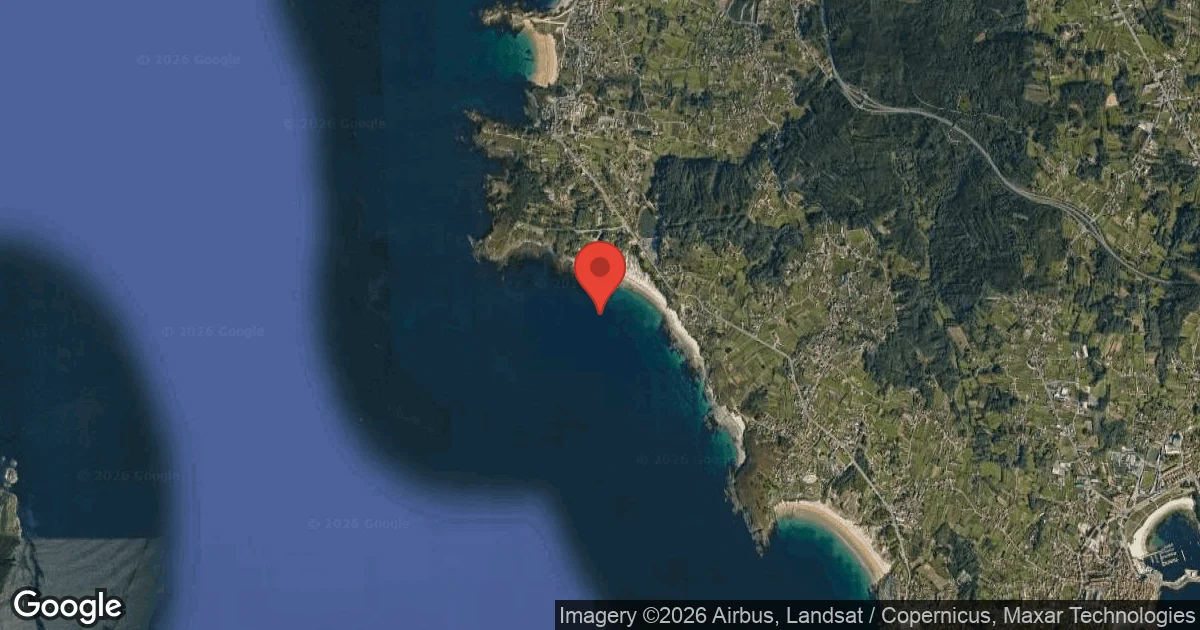
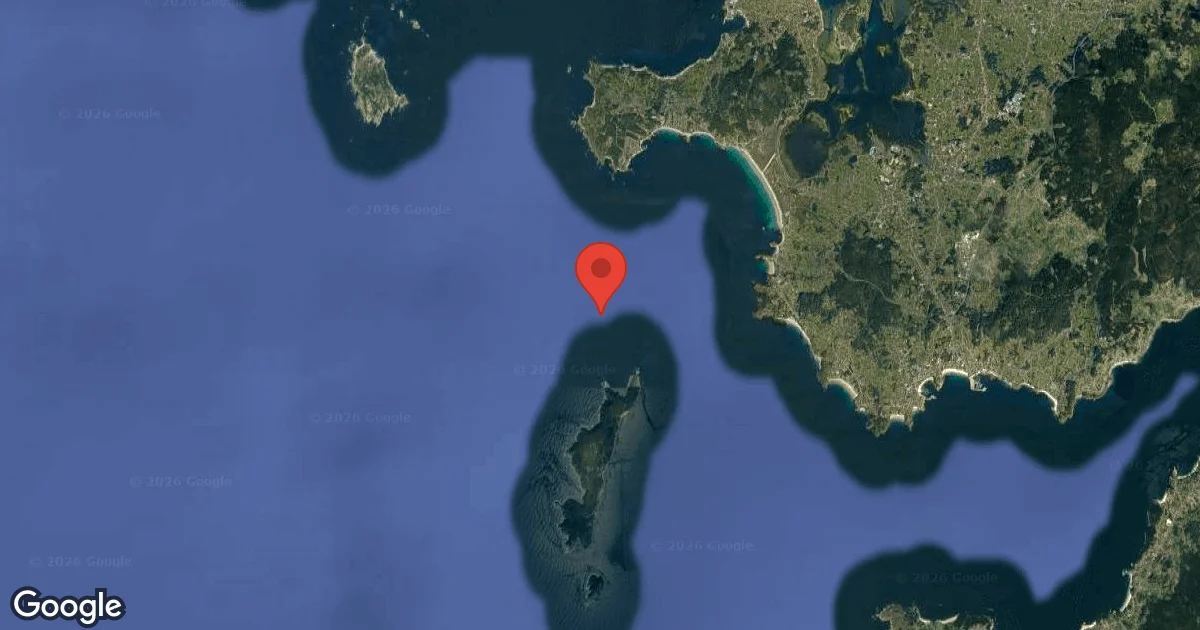
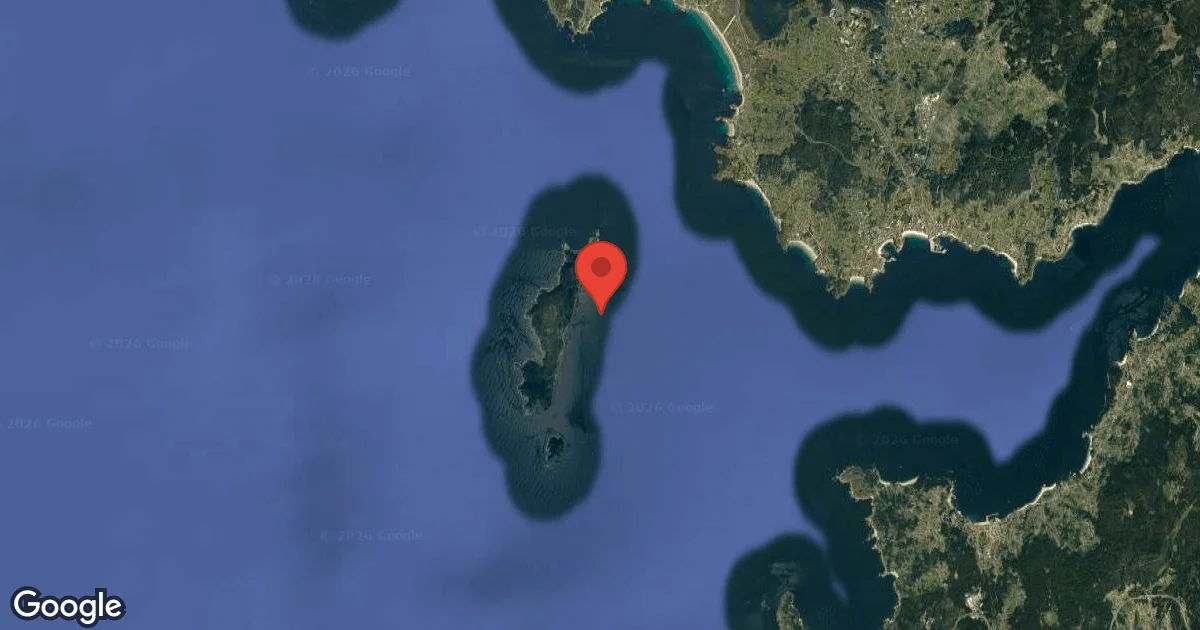
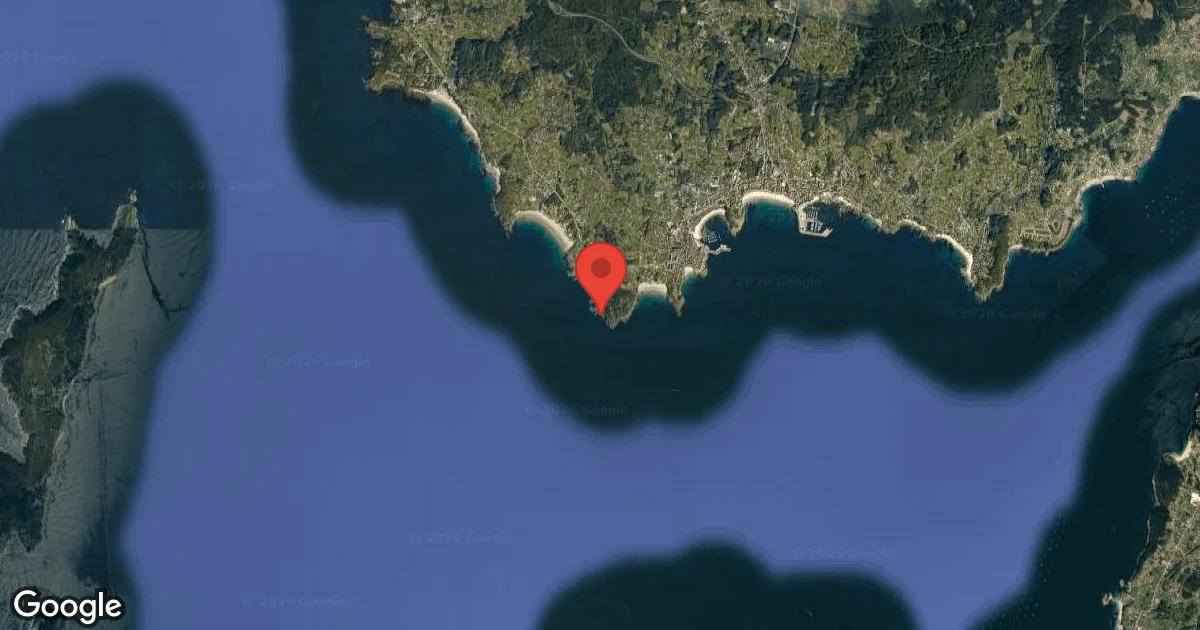
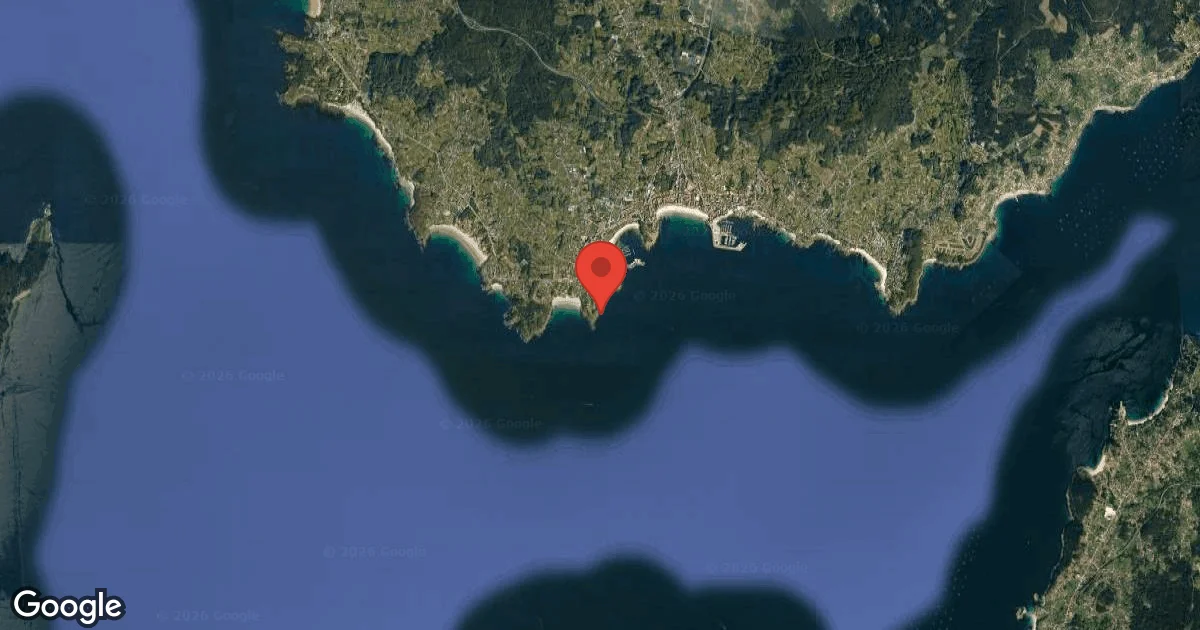
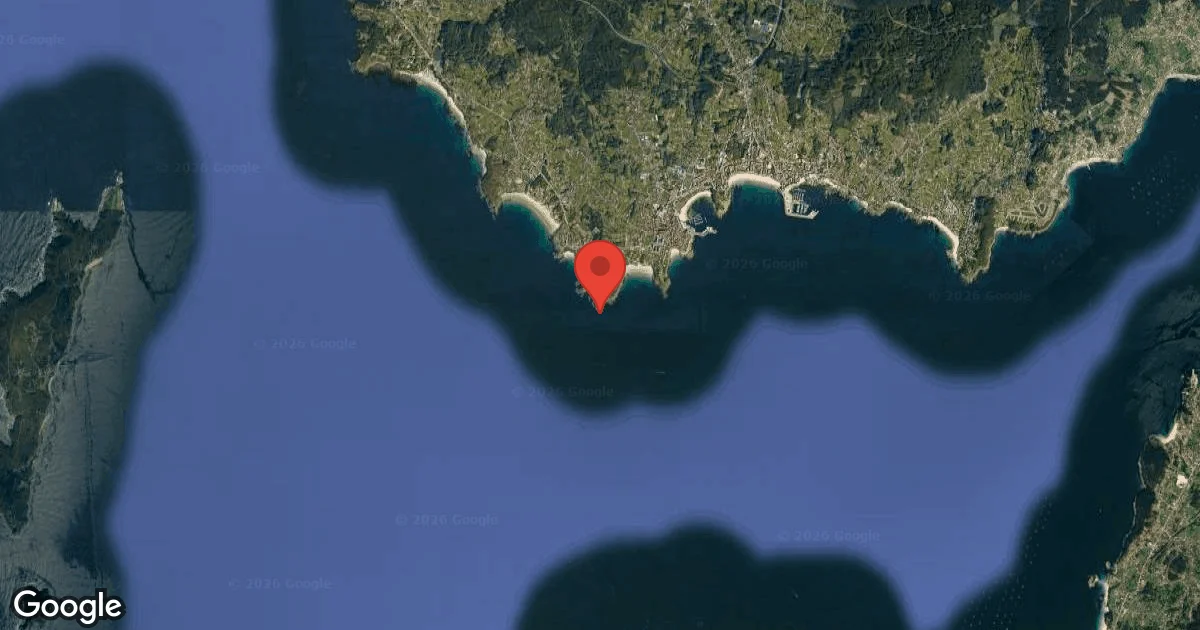
Dive Sites Near Pecio Aries
View all dive sites in SpainDiscover more underwater gems in this area.
Dive Centers Near Pecio Aries
Nearest Airports
Nearest airports to help plan travel to this dive area.
Search Flights
Check available flights and routes on Expedia, using the nearby airports listed in this section.
Search Flights on ExpediaFrequently Asked Questions
What type of vessel is Pecio Aries and how did it sink?
The Pecio Aries is a former freighter that sank on December 7, 1977. It lost its rudder and collided with the As Lobeiras Chicas reef in the Ría de Arousa.
What is the maximum depth of the dive site?
The wreck rests on a sandy bottom, with its deepest parts reaching approximately 21 m (69 ft). Its upper structures can be found around 14 m (46 ft).
Is Pecio Aries suitable for Open Water divers?
Yes, the site is generally considered suitable for Open Water certified divers due to its relatively shallow depth and low difficulty for exterior exploration.
What kind of marine life can be observed around the wreck?
The wreck is home to diverse species including schools of boga and pout, conger eels, various wrasse, sargo, and pollock. Crustaceans like velvet crabs and spider crabs are also common.
What are the typical visibility conditions at Pecio Aries?
Visibility can be quite good, with reports indicating high visibility often reaching up to 30 m (100 ft). This allows for clear views of the entire wreck.
Are there currents at the Pecio Aries dive site?
Yes, currents have been reported at the site. Divers should be prepared to assess and adapt to the prevailing flow conditions during their dive.
When is the best time of year to dive Pecio Aries?
The optimal time to dive is during the summer months, from June to August. This period offers the calmest seas, highest air temperatures, and minimal rainfall.
Is wreck penetration allowed at Pecio Aries?
Yes, divers with the appropriate wreck diving specialty certification can explore the interior sections of the vessel. However, specific training and equipment are essential for safe overhead environment diving.
Planning to dive Pecio Aries?
Send one inquiry and receive offers directly from the best verified local dive operators.
Conditions are Good
Optimal conditions expected
Current conditions near Pecio Aries show 15° air, 16° sea temperature, 1.3 m waves, and 26 km/h wind. Forecast data is refreshed regularly to ensure accuracy.