
Diving at Pecio el Carbonero (Spain)
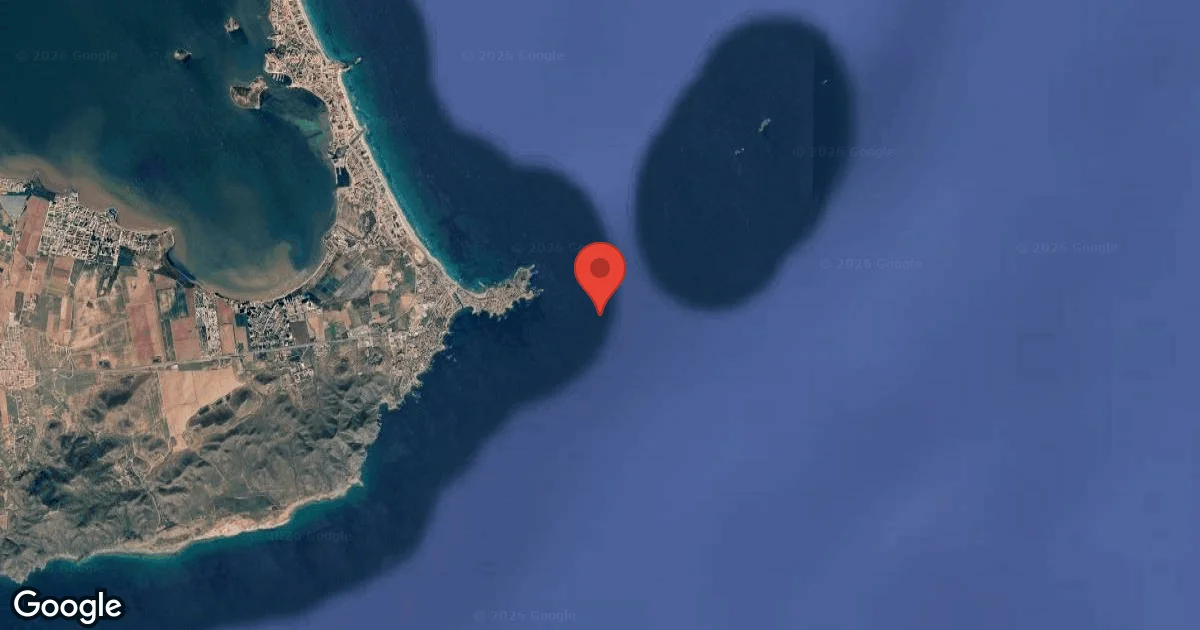
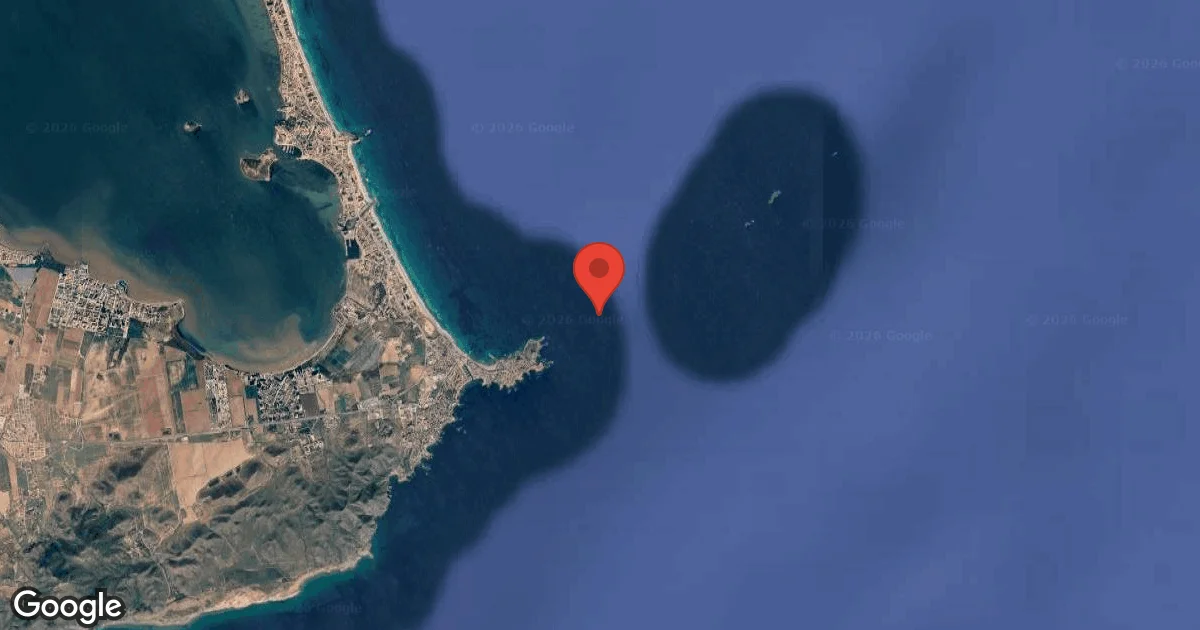
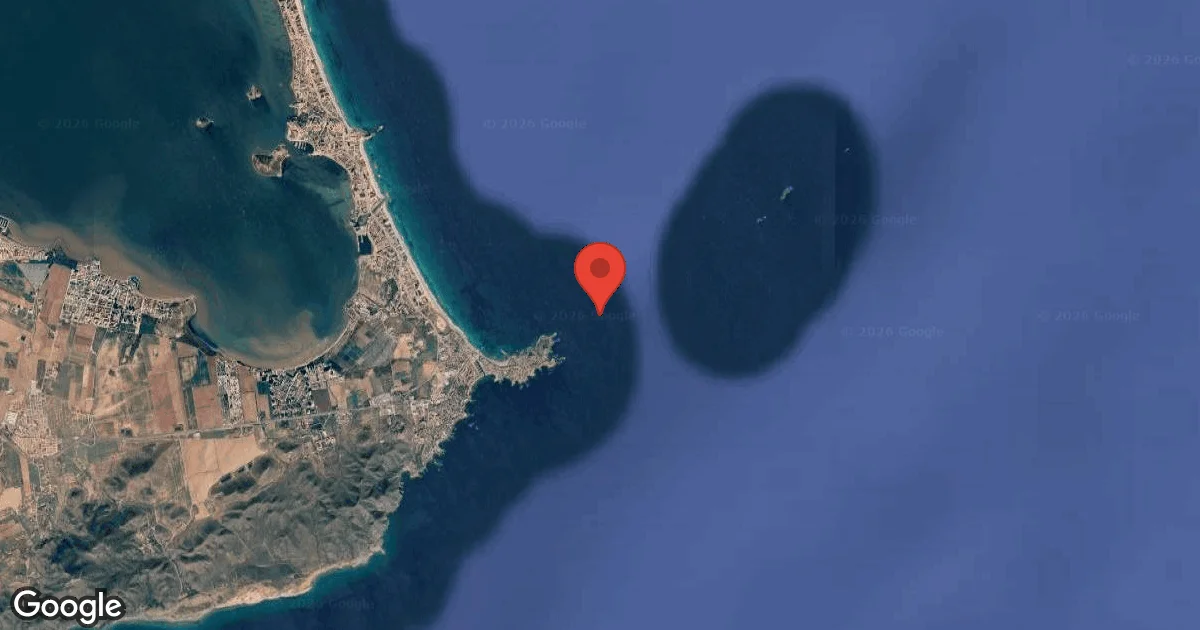
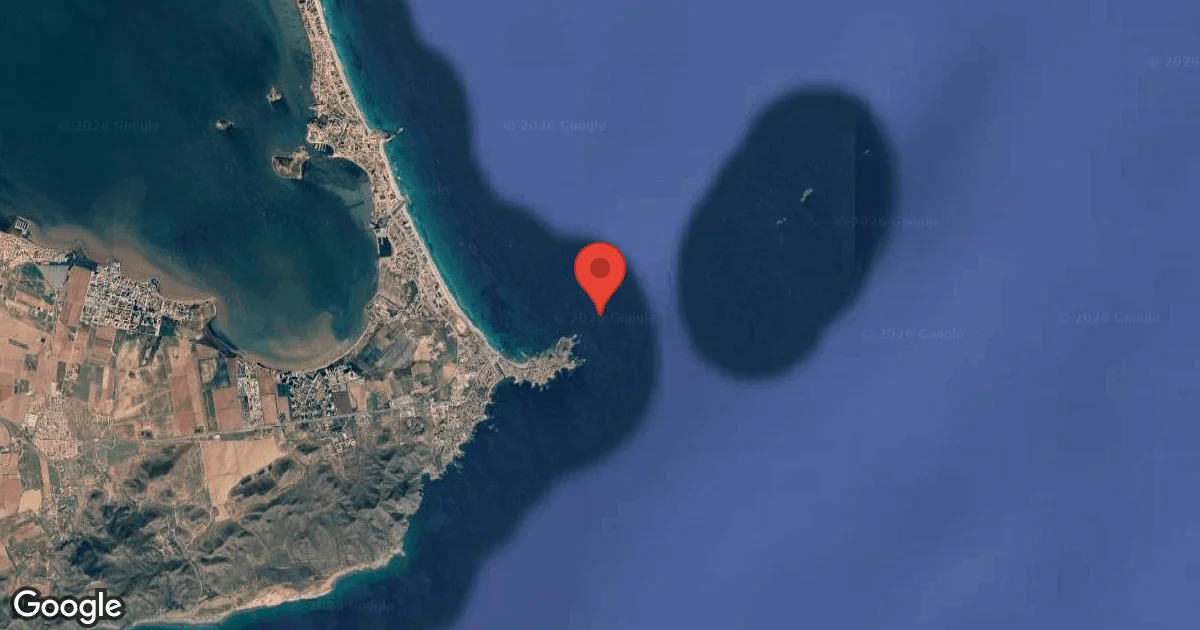
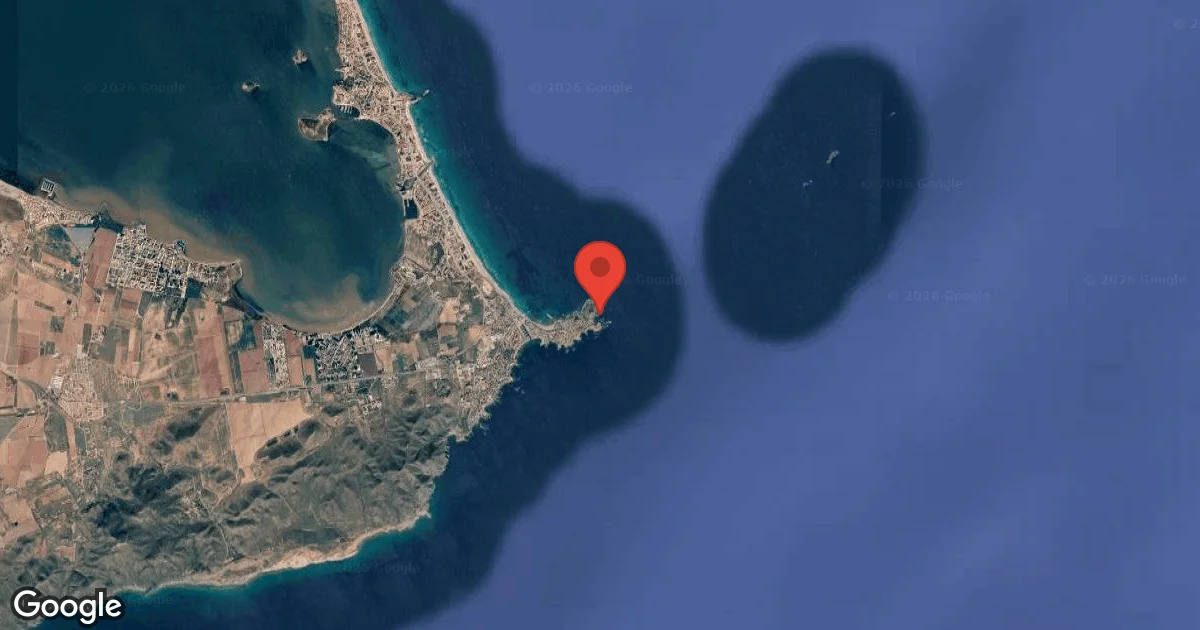
Pecio El Carbonero, an 88-meter / 289-foot Italian steamer wreck, rests upright on a sandy seabed off La Manga del Menor. This historical vessel creates a substantial artificial reef structure, lying at a maximum depth of 45 m / 147 ft. Its upright orientation against the open expanse offers a distinct profile, attracting marine life and creating a somber, yet intriguing, underwater vista. The wreck's broken hull and open holds hint at its violent past, now transformed into a calm, colonized habitat for divers.
As evening covers Pecio el Carbonero, the local air temperature is measured at 23.5°C. The current wave height at the surface is recorded at 1 m. These late-day readings characterize the surface conditions for the night.
Dive Site Location & Key Facts
Dive Site Overview
This dive site commemorates the SS Thordisa, an Italian steamer constructed in 1888, later renamed Lilla in 1913. On October 13, 1917, during the First World War, the vessel was attacked and sunk by the German submarine U-35.
The attack occurred as the Lilla was responding to the aid of another steamer, the Doris, also targeted by the same submarine that day. Now known as the 'Carbonero' due to the significant amount of coal found within its holds, the wreck rests in a navigational position on a sandy bottom, just over 3 miles from the port of Tomás Maestre in La Manga. Divers approach this impressive wreck exclusively via boat, engaging with a site that demands Advanced Open Water certification and a Deep Dive specialty, alongside practical experience in deep and wreck diving. This site provides a challenging, yet rewarding, journey through history.
Conditions are Moderate
Optimal conditions expected
Current conditions near Pecio el Carbonero show 24° air, 26° sea temperature, 1.4 m waves, and 37 km/h wind. Forecast data is refreshed regularly to ensure accuracy.
Best Time to Dive
For optimal visibility at Pecio El Carbonero, the months from April through November generally present the most favorable conditions. During this period, the dive scores consistently rank as 'Good,' with average air temperatures ranging from 16.5°C / 62°F in April to a peak of 26.5°C / 80°F in August. Rainfall is notably low, often less than 2 mm / 0.08 inches per month, reducing freshwater runoff and particulate matter that could impair visibility. Wave heights tend to be calmer in the summer months, averaging around 0.7 meters / 2.3 feet, which further contributes to clearer underwater views. While year-round diving is possible, these warmer, drier months typically offer the clearest perspectives of the wreck.
PEAK SEASON SCORE
Scores combine air & water temps, waves, wind & rainfall for overall conditions.
BEST MONTHS TO DIVE
Monthly records compiled from satellite and marine observation nodes over the last 3 years. Data provided by Open-Meteo and MET Norway.
Dive Experience & Conditions
Exploring Pecio El Carbonero means committing to a dive entirely below 30 meters, with its deepest sections extending to approximately 45 meters. This depth profile necessitates diligent bottom time and decompression planning, crucial for a safe experience. Visibility at the wreck can vary depending on local conditions, but is often good enough to appreciate the full scope of the 88-meter vessel. A dive light is a practical piece of equipment here, aiding exploration of the darker sections and internal structures. The wreck itself lies upright on a sandy seabed, with various sections broken or collapsed, creating a complex environment. The water type is saltwater, characteristic of the Mediterranean.
Dive Difficulty & Safety Guidelines
Diving Pecio El Carbonero presents inherent challenges associated with its depth and the nature of a wreck site. Divers must hold Advanced Open Water certification and a Deep Dive specialty, with demonstrated experience in both deep and wreck environments. Given that the entire dive takes place below the 30-meter mark, careful air management, no-decompression limits, and potentially planned decompression stops are critical.
Entry to the site is exclusively by boat. While the wreck is not consistently reported to have strong currents, divers should remain vigilant for changing conditions.
Navigating the wreck's structure demands caution to avoid entanglement or dislodging fragile components.
Recommended Equipment
Technical depth range. Advanced planning, gas management, and appropriate certification required.
Overhead / entanglement risk. Wreck penetration requires proper training.
- Dive Computer
- DSMB
- Primary & Backup Lights
- Wreck Reel
- Cutting Tool
This gear list is based on verified equipment signals for Pecio el Carbonero, Spain. Always confirm final gear choices with your dive operator, guide, or liveaboard.
Recommended Dive Suit
With water temperatures around 26°C (80°F), many divers find a 2-3mm shorty or light wetsuit provides comfortable protection.
Local conditions can vary slightly across different parts of the same dive site.
Conditions are expected to stay fairly consistent in the days ahead.
Emergency & Medical Support
Essential information to help you plan your dive trip to Pecio El Carbonero.

Hyperbaric chambers are a critical part of dive safety infrastructure. Availability varies significantly by region, and not all dive areas have immediate access.
Before diving, it's recommended to:
- confirm nearest medical facilities
- check emergency procedures with local dive operators
- ensure dive insurance covers evacuation if required
Divers Alert Network
Diving emergency assistance available through DAN Europe.
+39 0642115685- 24/7 emergency hotline
- Diving medical assistance
- Evacuation coordination
Emergency contacts are provided for reference. Always verify local emergency services before diving.
Marine Life at Pecio el Carbonero
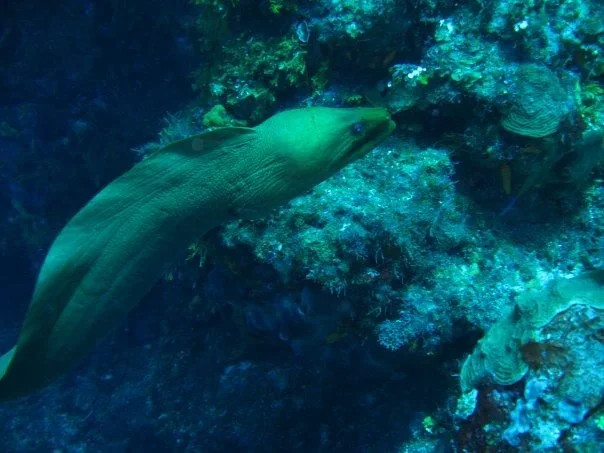
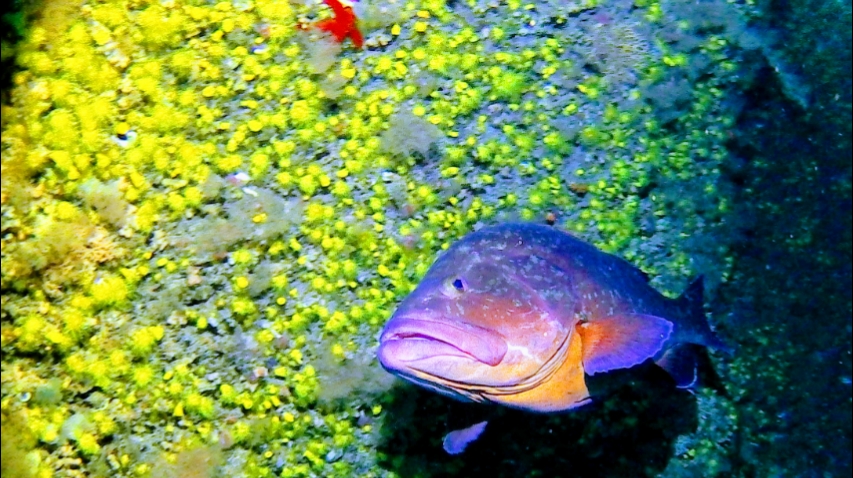
What often catches a diver's eye first at Pecio El Carbonero are the moray eels. Both standard and giant moray eels inhabit the wreck's crevices and collapsed sections, making their presence known as you approach.
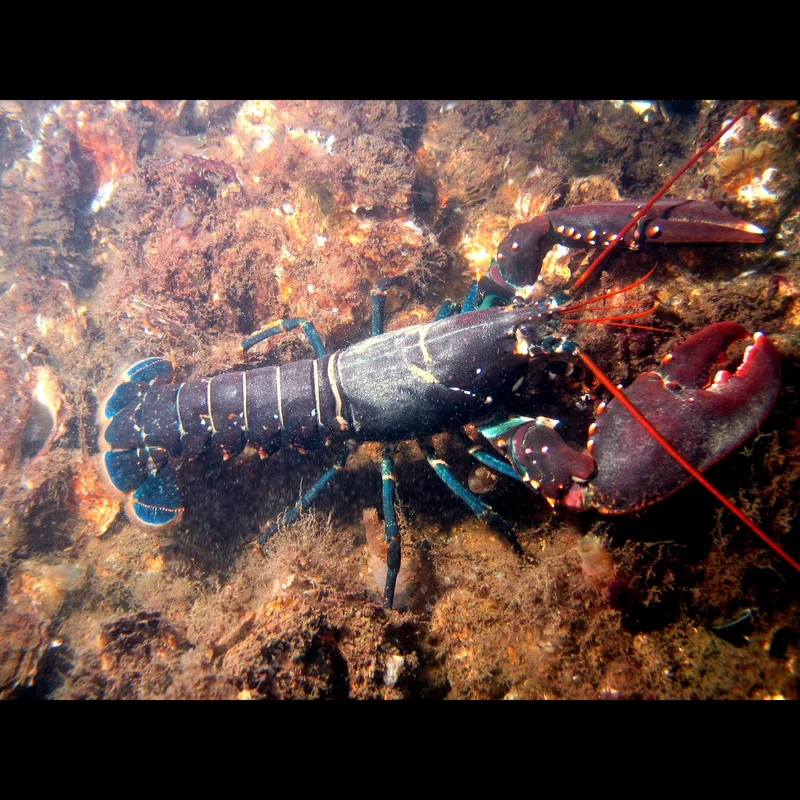
Rays and lobsters also frequent the wreck, utilizing its structure for shelter and hunting. Depending on the season, divers might observe more pelagic species in the vicinity, with sunfish (mola mola) and mobula rays occasionally sighted in the deeper, surrounding waters, adding a dynamic element to the dive.

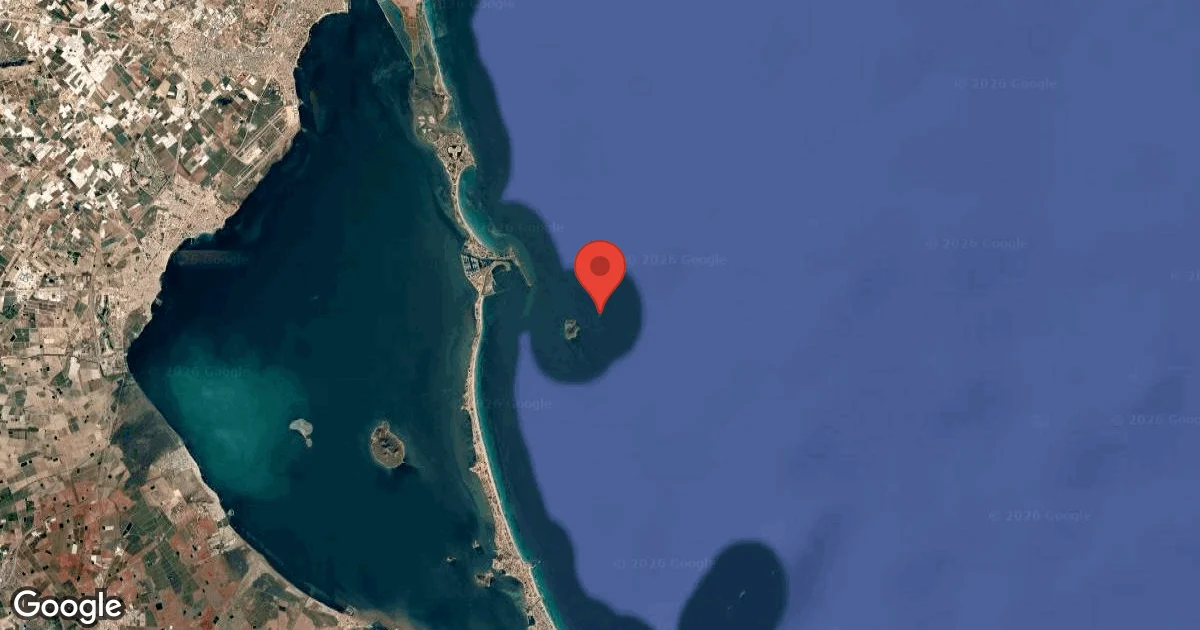
Dive Sites Near Pecio el Carbonero
View all dive sites in SpainDiscover more underwater gems in this area.
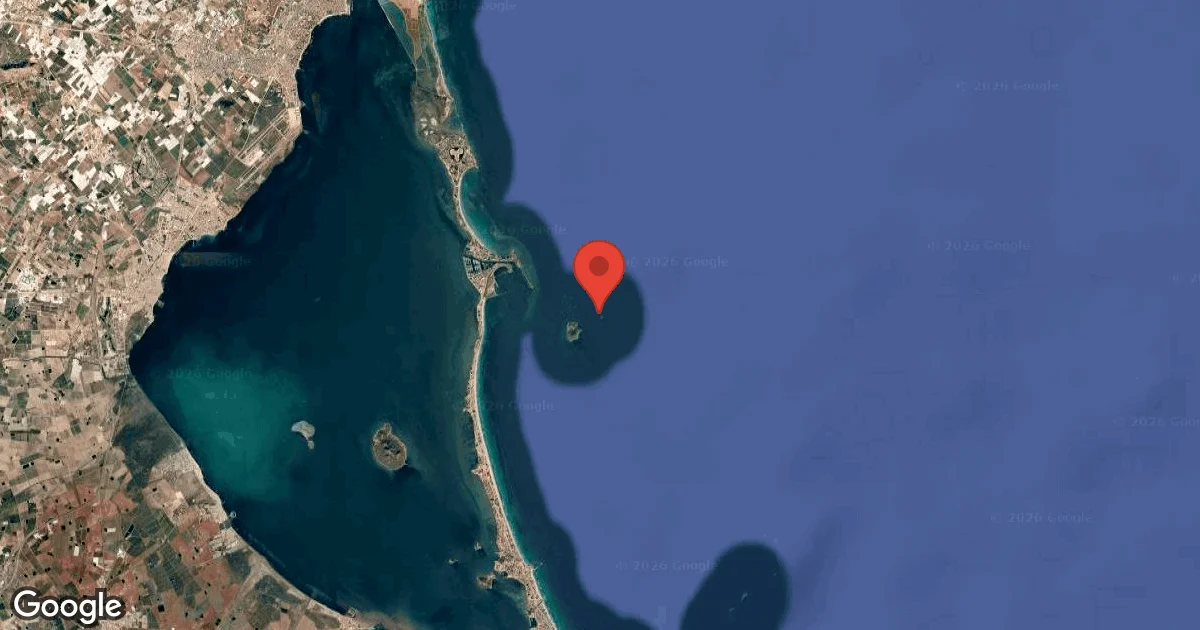
Dive Centers Near Pecio el Carbonero
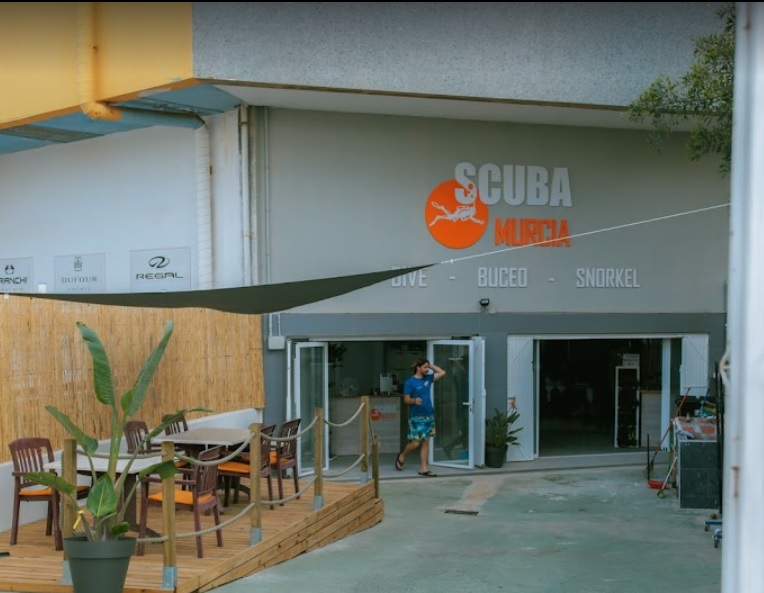
Today: 09:00 - 18:00
Nearest Airports
Nearest airports to help plan travel to this dive area.
Search Flights
Check available flights and routes on Expedia, using the nearby airports listed in this section.
Search Flights on ExpediaFrequently Asked Questions
What is the maximum depth of Pecio El Carbonero and what diving certifications are required?
The wreck's deepest sections reach approximately 45 meters, with most of the dive occurring below 30 meters. Divers must hold Advanced Open Water certification, a Deep Dive specialty, and demonstrated experience in deep and wreck diving.
What is the historical background of Pecio El Carbonero?
Originally the Italian steamer SS Thordisa, later Lilla, it was sunk by the German submarine U-35 on October 13, 1917, during World War I. The vessel was assisting another steamer when attacked.
Why is the wreck commonly known as 'El Carbonero'?
The site earned its local name, 'Carbonero,' due to the substantial amount of coal found within its holds. This cargo was significant when the wreck was discovered.
When is the best time to dive this site for optimal conditions?
For the clearest visibility, plan dives between April and November. During these months, conditions are generally rated as 'Good,' with warmer air temperatures and calmer waters.
Are there any specific equipment recommendations for diving Pecio El Carbonero?
A powerful dive light is highly recommended to explore darker sections and internal structures of the wreck. Given the depth, specialized deep diving equipment and appropriate gas mixes are also crucial.
What kind of marine life can divers expect to encounter?
The wreck is home to various moray eels, including giant morays, which shelter in its crevices. Divers also frequently observe rays, lobsters, and occasionally pelagic species like sunfish or mobula rays in the surrounding waters.
What are the primary safety considerations for this dive?
Due to the depth below 30 meters, diligent air management and careful no-decompression or planned decompression stops are critical. Divers should also be cautious of potential entanglement and changing conditions.
Planning to dive Pecio el Carbonero?
Send one inquiry and receive offers directly from the best verified local dive operators.
Conditions are Moderate
Optimal conditions expected
Current conditions near Pecio el Carbonero show 24° air, 26° sea temperature, 1.4 m waves, and 37 km/h wind. Forecast data is refreshed regularly to ensure accuracy.