
Diving at Guix (Spain)
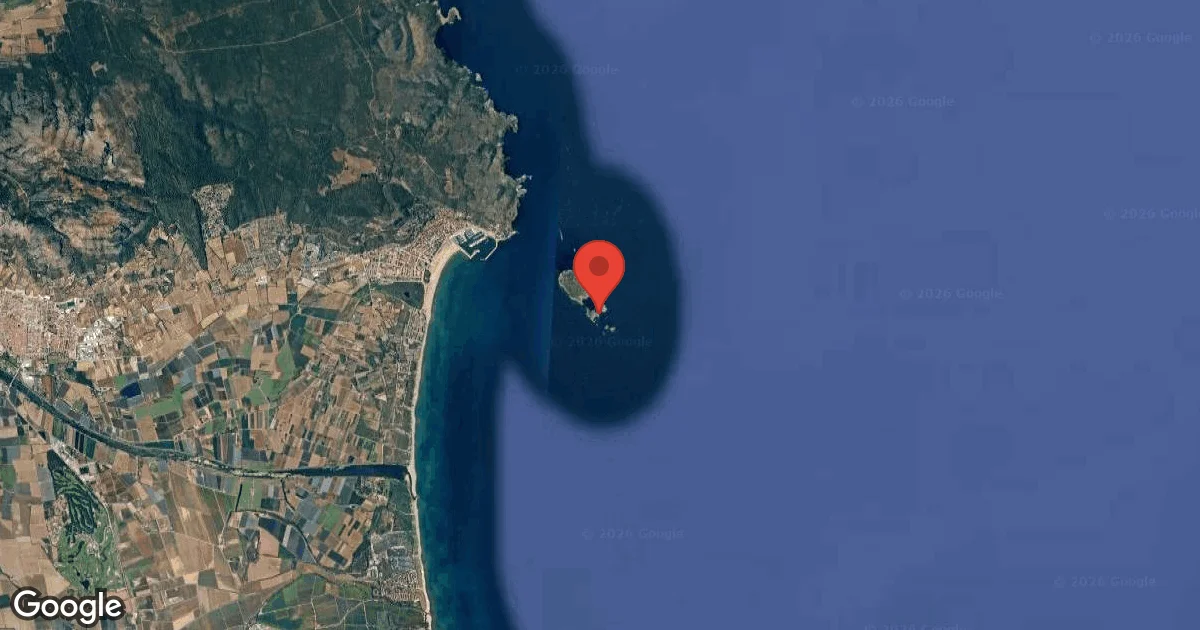
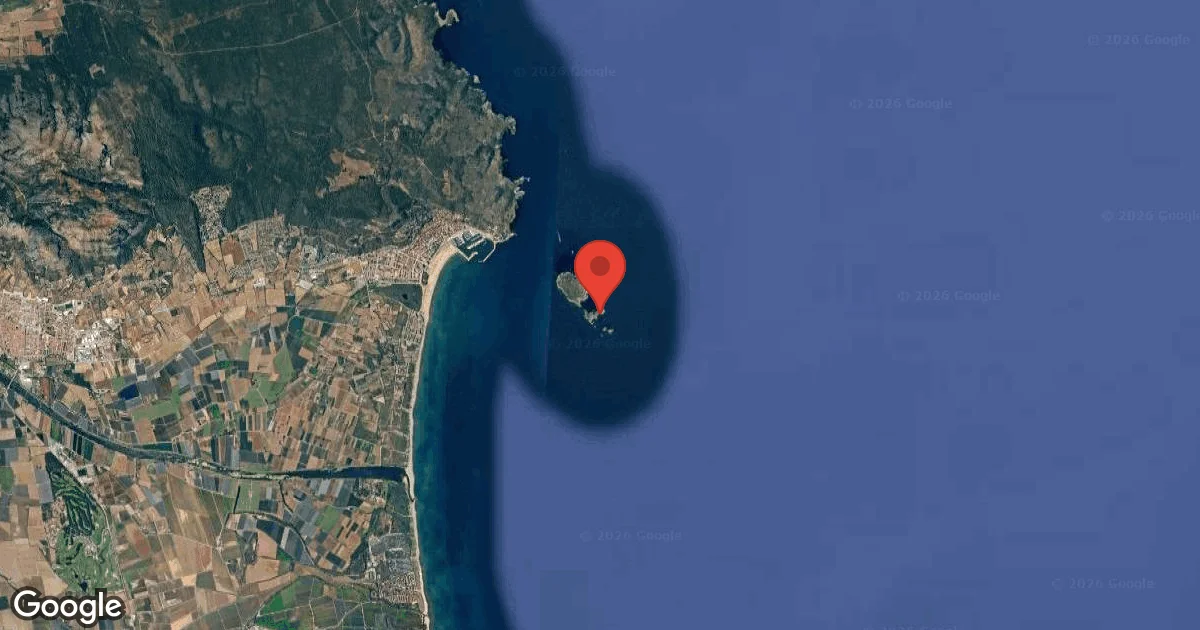
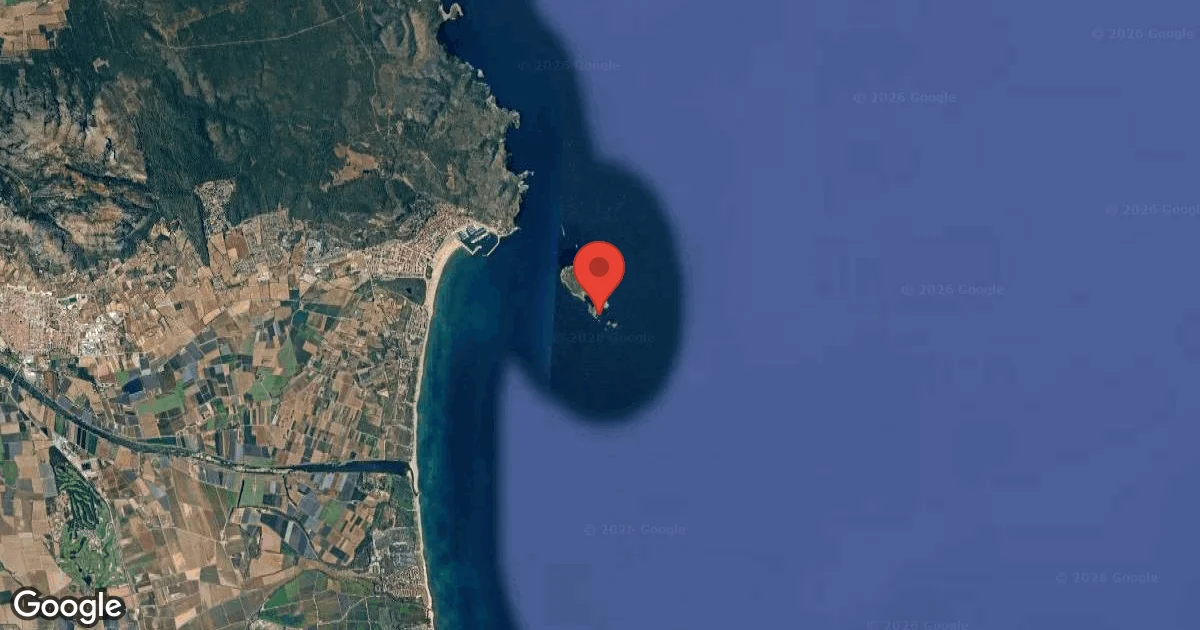
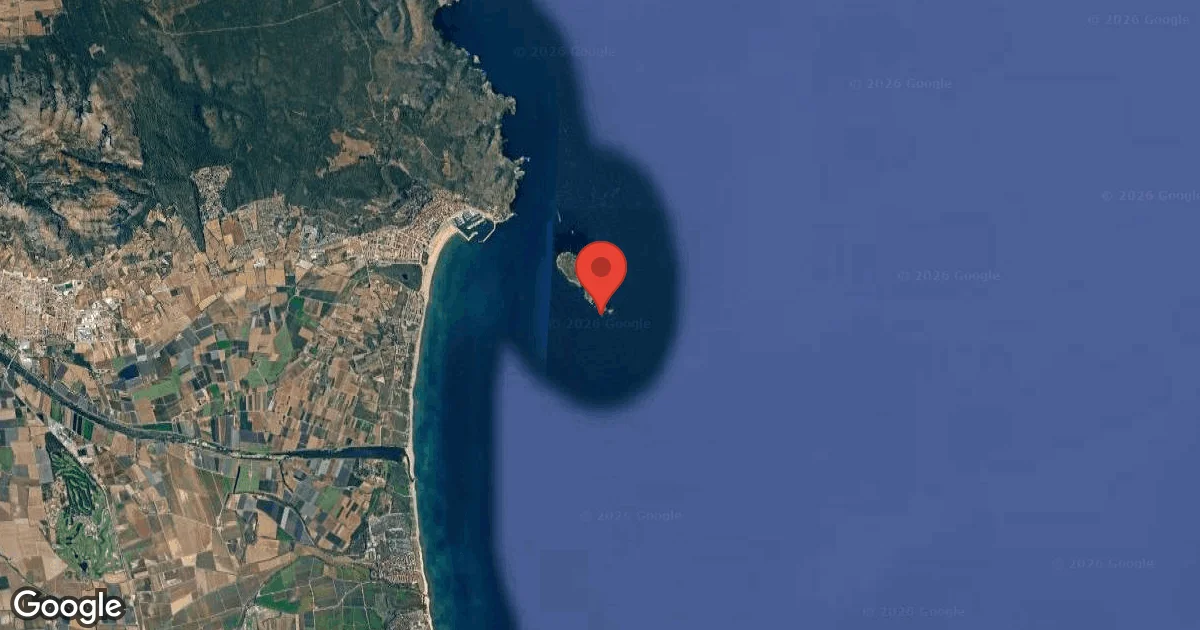
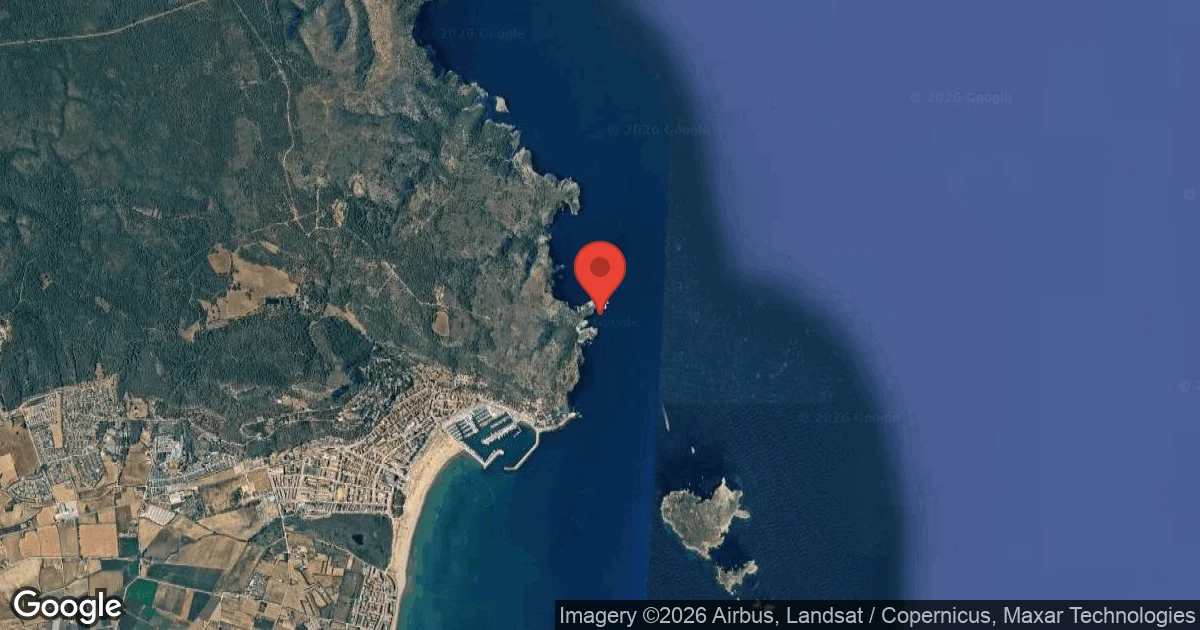
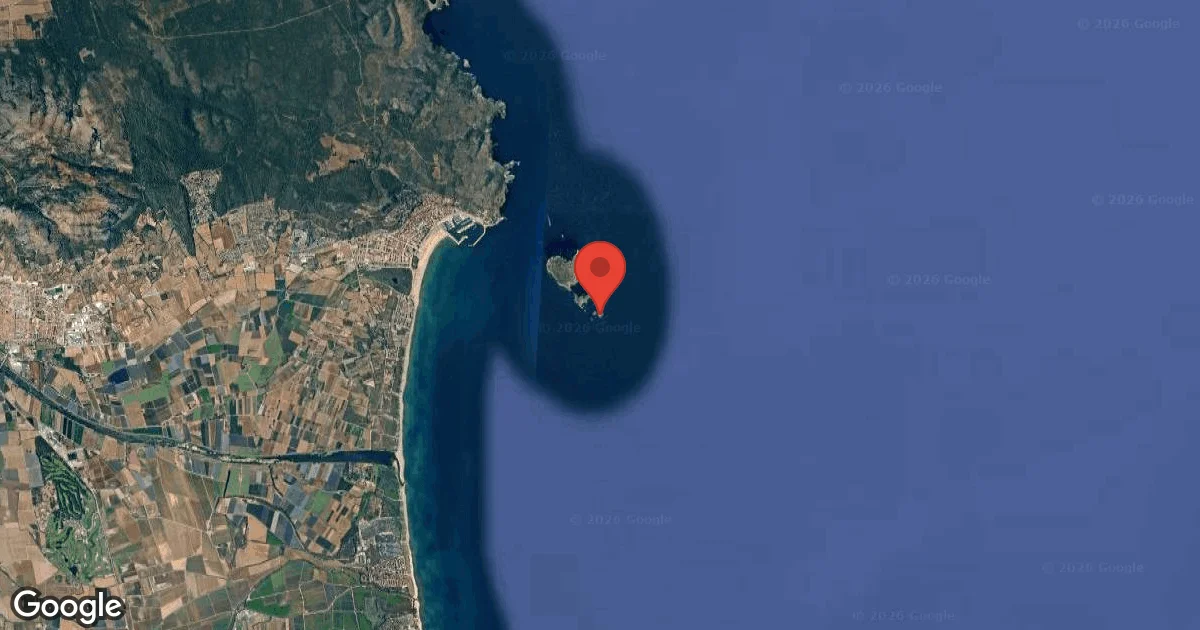
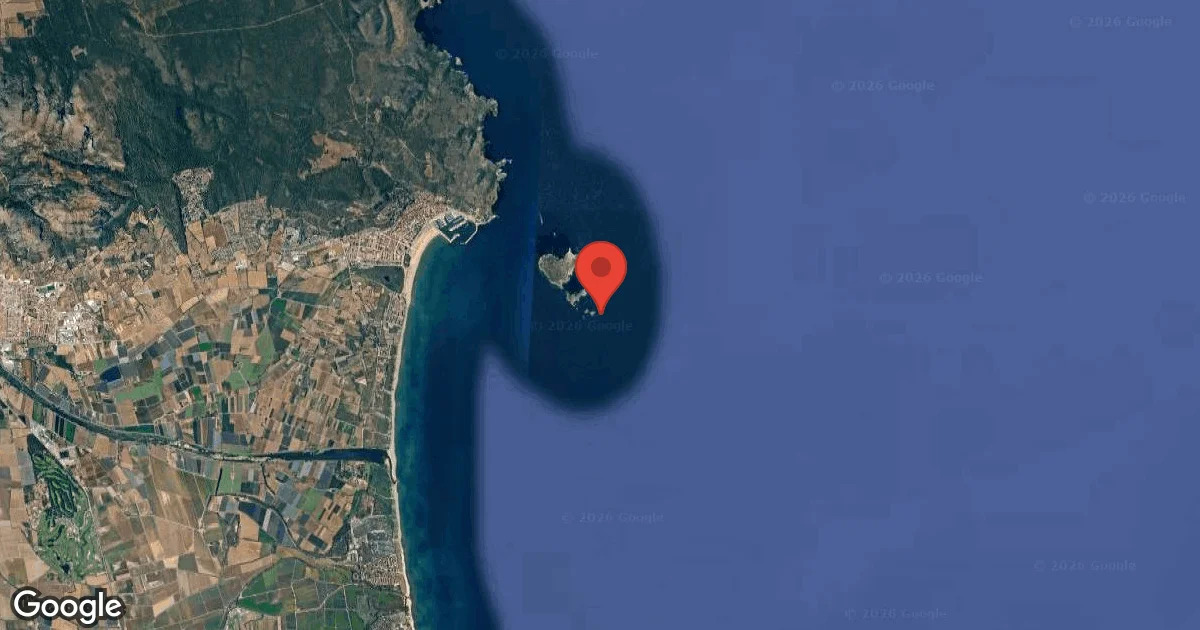
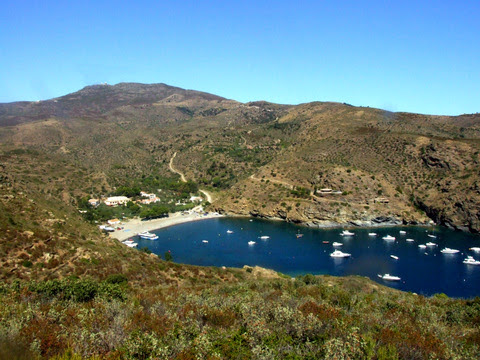
Guix reveals an impressive underwater structure north of the Meda Gran, part of the extensive Medes Islands Protected Marine Reserve. This dive site showcases significant rock formations that gently slope, transitioning into expansive Posidonia meadows. The topographical features carve out natural pathways for exploration, inviting divers to navigate through large blocks and discover diverse underwater habitats.
As evening covers Guix, the local air temperature is measured at 20°C. The current wave height at the surface is recorded at 0.3 m. These late-day readings characterize the surface conditions for the night.
Dive Site Location & Key Facts
Dive Site Overview
Exploring Guix presents a compelling blend of accessible depths and rich Mediterranean biodiversity, welcoming divers of all experience levels. The site facilitates exploration across a gentle slope that starts around 5 m / 16 ft and extends to approximately 25 m / 82 ft.
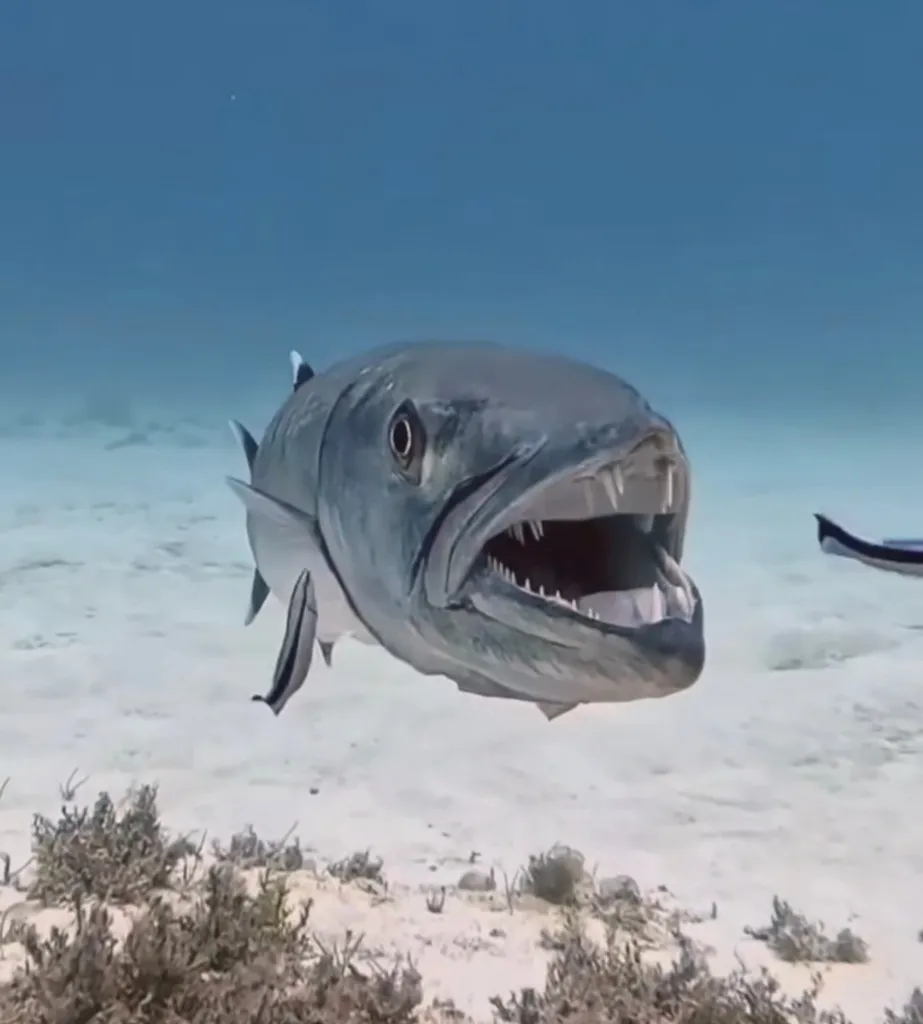
A significant feature is the distinct transition from rugged, gorgonian-covered rocky terrain into expansive Posidonia oceanica meadows. This topographical shift cultivates a diverse range of habitats within a single dive, allowing for varied encounters. Divers can expect to observe schools of barracudas or, during specific seasons, even the impressive sunfish, adding an element of anticipation to each descent.
It's an environment where the intricate details of the Mediterranean ecosystem are on clear display, especially highlighting the critical nursery role played by the vast seagrass beds. Visibility at Guix, while varying with local currents and recent weather, often remains favorable for appreciating this underwater tapestry.
Conditions are Excellent
07:00 - 14:00
Optimal conditions expected
Current conditions near Guix show 20° air, 26° sea temperature, 0.4 m waves, and 26 km/h wind. Forecast data is refreshed regularly to ensure accuracy.
Best Time to Dive
Seasonal planning for Guix often points to May through September as the optimal period, though good conditions persist year-round. During these prime months, divers benefit from comfortable surface air temperatures ranging between 18-26°C / 64-79°F, which enhances the pre- and post-dive experience. Minimal rainfall, typically below 3 mm, contributes to clearer underwater visibility and generally calmer seas, making for more pleasant boat rides and entries. Even outside this peak, air temperatures rarely drop below 9°C / 48°F, and wave heights usually stay within a manageable 0.6 to 1.4 meters average, often thanks to Meda Gran's shelter from southerly winds. While diving is possible year-round, specific marine life encounters, like sunfish, are most frequently reported in June.
PEAK SEASON SCORE
Scores combine air & water temps, waves, wind & rainfall for overall conditions.
BEST MONTHS TO DIVE
Monthly records compiled from satellite and marine observation nodes over the last 3 years. Data provided by Open-Meteo and MET Norway.
Dive Experience & Conditions
Entering the water at Guix, divers typically descend directly into a dynamic landscape of massive rock formations. The initial exploration often involves navigating between these blocks, which are frequently covered in gorgonians, providing an easy downhill path to deeper areas. Depths encountered here range from the initial shallow entries, progressing into deeper areas of the site. As the dive progresses, the rocky reef transitions into extensive Posidonia meadows, offering a different observational experience. Water temperature data is not consistently reported, but seasonal variations should be anticipated. Visibility conditions can vary, influenced by local currents and recent weather, but are often favorable for spotting macro life among the seagrass.
Dive Difficulty & Safety Guidelines
When exploring Guix, divers should maintain awareness of their depth and air consumption, especially given the site's gentle slope and varying maximum depths. The transition from rocky areas to Posidonia meadows requires conscious buoyancy control to avoid damaging the sensitive seagrass beds. Given its close proximity to the Medes Islands Protected Marine Reserve, adhering to local conservation guidelines is essential, particularly regarding the endangered Pinna Nobilis.
Always dive with a reliable buddy and ensure you're familiar with the boat's pick-up procedures, as entry is boat-based.
Recommended Equipment
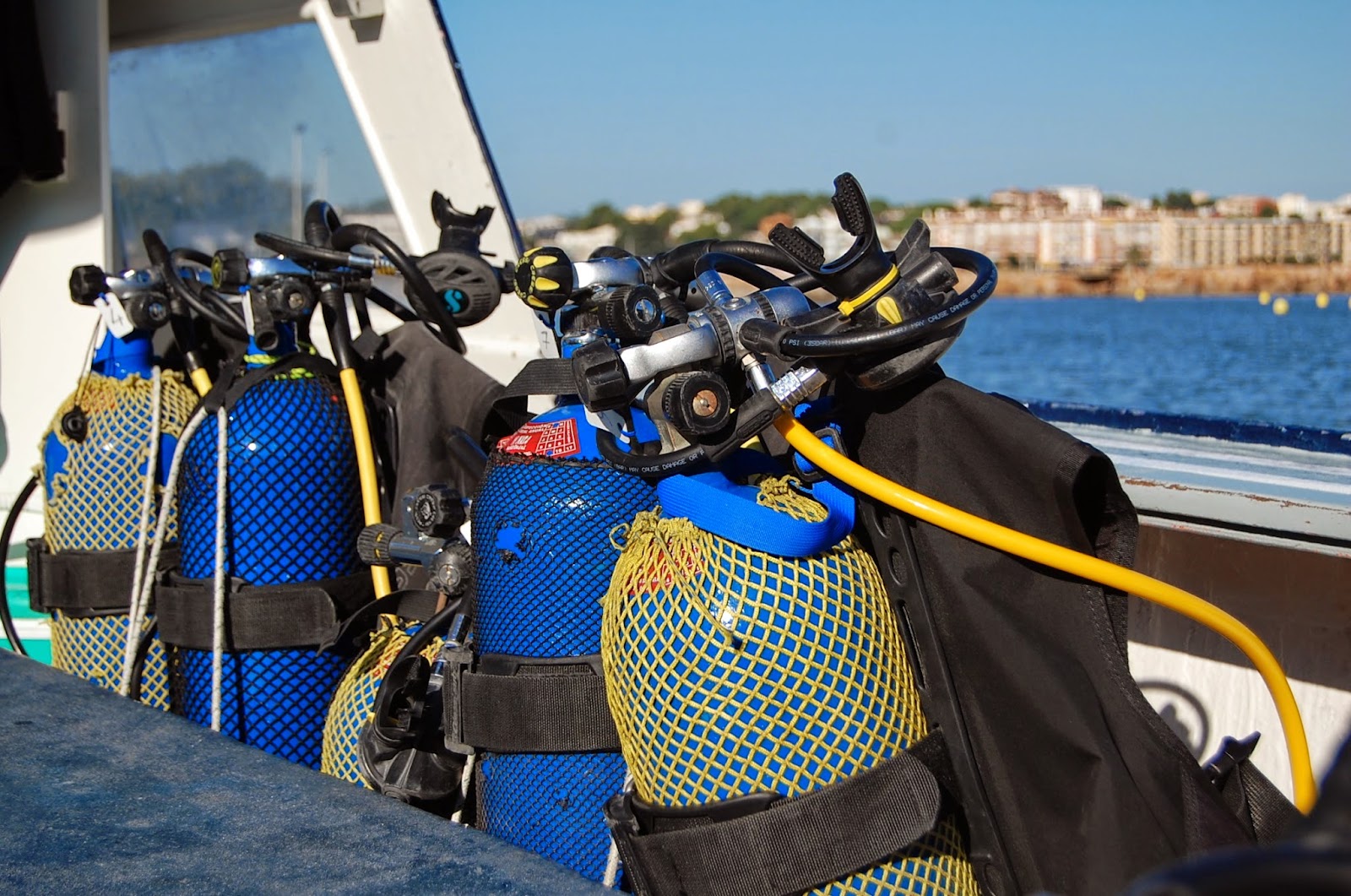
- Dive Computer
- DSMB
This gear list is based on verified equipment signals for Guix, Spain. Always confirm final gear choices with your dive operator, guide, or liveaboard.
Recommended Dive Suit
3mm wetsuit is frequently recommended by dive operators for conditions like these. Surface intervals may feel cooler. Those diving at Guix today will likely encounter water temperatures in the region of 26°C (79°F). Surface air temperatures are resting at 20°C (68°F).
Forecasts suggest rising temperatures later this week. A warming trend is expected over the next few days.
Even small thermoclines can occasionally cause noticeable changes in water temperature.
Emergency & Medical Support
Essential information to help you plan your dive trip to Guix.

Hyperbaric chambers are a critical part of dive safety infrastructure. Availability varies significantly by region, and not all dive areas have immediate access.
Before diving, it's recommended to:
- confirm nearest medical facilities
- check emergency procedures with local dive operators
- ensure dive insurance covers evacuation if required
Divers Alert Network
Diving emergency assistance available through DAN Europe.
+39 0642115685- 24/7 emergency hotline
- Diving medical assistance
- Evacuation coordination
Emergency contacts are provided for reference. Always verify local emergency services before diving.
Closest Listed Hyperbaric Chambers
Showing listed hyperbaric chamber facilities within 200 km of this dive site.
Distances are approximate straight-line distances and may not reflect emergency travel time.
Unitat de Medicina Hiperbàrica (UMH)
24/7 ListedPalamos (Girona), Spain•Approx. 23 km straight-line
Unitat de Medicina Hiperbàrica (UMH)
24/7 ListedInformation is provided for reference and planning purposes only. Dive Navigator does not verify operational status, staffing, availability, or quality of care at listed facilities. In an emergency, contact local emergency services, DAN, your dive operator, or the chamber directly. Do not travel to a facility without calling ahead.
UTH-CSI
24/7 ListedICU CapableSant Joan Despí, Spain•Approx. 123 km straight-line
UTH-CSI
24/7 ListedICU CapableInformation is provided for reference and planning purposes only. Dive Navigator does not verify operational status, staffing, availability, or quality of care at listed facilities. In an emergency, contact local emergency services, DAN, your dive operator, or the chamber directly. Do not travel to a facility without calling ahead.
Marine Life at Guix
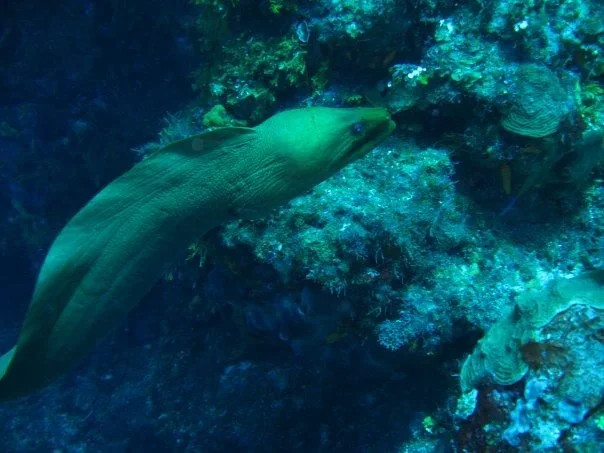
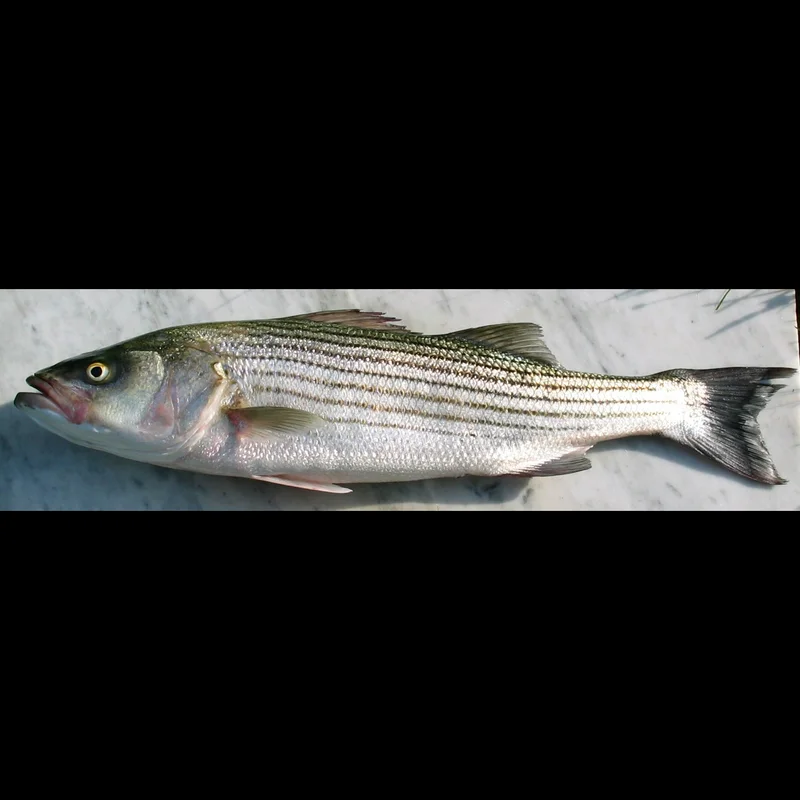
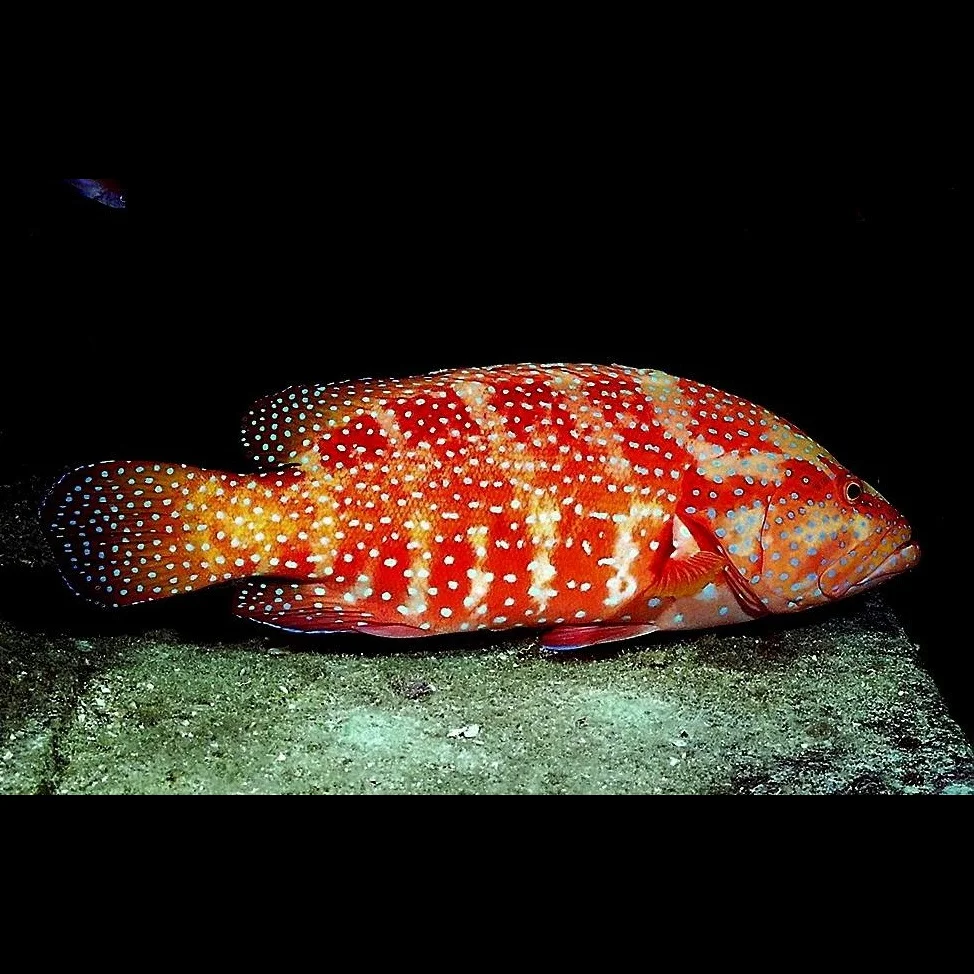
Upon arrival at Guix, the most striking aspect is the abundance of fish life congregating around the large rock blocks. Groupers, corvallos, and sea bass are frequently observed, alongside schools of bream and castanets.
Looking into the deeper blue, barracudas and kites occasionally pass by. Cruising through the Posidonia meadows reveals crustaceans and schools of smaller fish, including the magnificent Pinna Nobilis, a protected species.
Divers visiting in June might also encounter sunfish, with tuna sightings possible during certain seasons.

Dive Sites Near Guix
View all dive sites in SpainDiscover more underwater gems in this area.
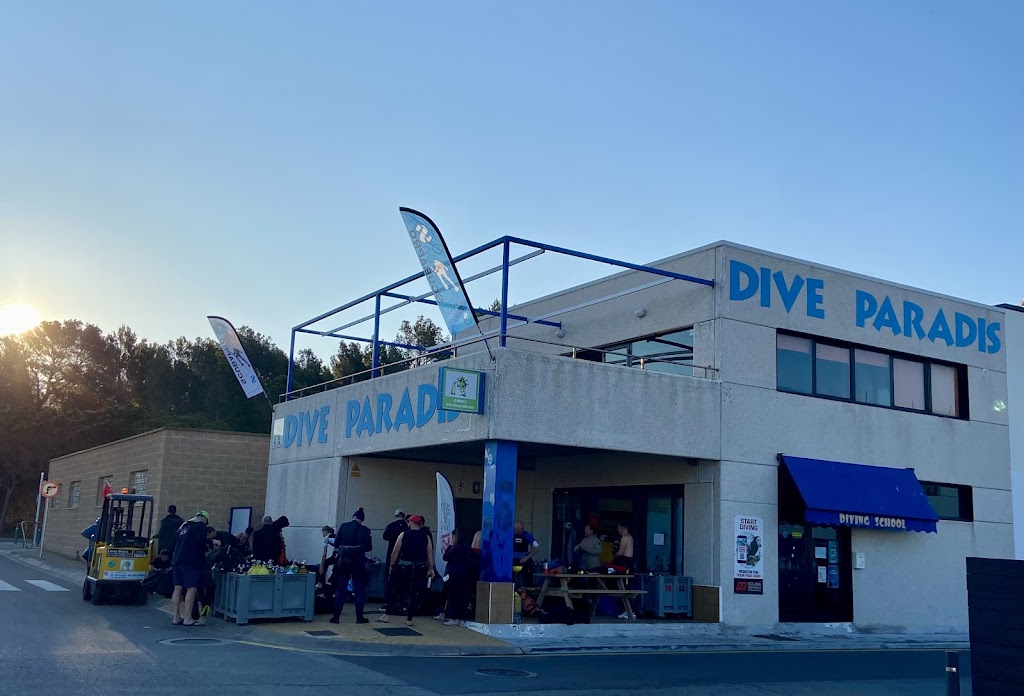
Dive Centers Near Guix

Today: 08:00 - 18:00
Nearest Airports
Nearest airports to help plan travel to this dive area.
Search Flights
Check available flights and routes on Expedia, using the nearby airports listed in this section.
Search Flights on ExpediaFrequently Asked Questions
What is the typical maximum depth for diving at Guix?
Guix offers a depth range ideal for various diver certifications, extending from shallower areas to moderate depths. This accommodates both newer and more experienced individuals.
Is Guix suitable for beginner divers?
Yes, Guix is known to be suitable for beginners due to its gentle slope and manageable depth range. It provides an excellent environment for easy exploration and skill development.
What kind of marine life can I expect to see in the Posidonia meadows?
The Posidonia meadows at Guix are vital nursery grounds. Here, you'll commonly find crustaceans, various schools of small fish, and the large bivalve Pinna Nobilis, which is an endangered species.
How is the Guix dive site protected from strong winds?
Guix's location to the north of the Meda Gran provides natural shelter from southerly winds. This often results in calmer conditions, making for more comfortable diving experiences.
Can divers see larger pelagic species at Guix?
During certain seasons, there's a possibility of encountering larger pelagic species. Sunfish have been reported, particularly in June, and tuna sightings can also occur depending on the time of year.
What are the main underwater features of Guix?
Guix is characterized by impressive blocks of rock that form a gentle slope, transitioning into extensive Posidonia oceanica meadows. This combination creates a varied underwater landscape suitable for exploration.
Planning to dive Guix?
Send one inquiry and receive offers directly from the best verified local dive operators.
Conditions are Excellent
07:00 - 14:00
Optimal conditions expected
Current conditions near Guix show 20° air, 26° sea temperature, 0.4 m waves, and 26 km/h wind. Forecast data is refreshed regularly to ensure accuracy.