
Diving at Reggio Messina (Spain)
Once a functional ferry transporting trains between Sicily and Italy, the Reggio Messina now rests beneath the waves off Spain's Costa Brava. Deliberately sunk in 1991 to foster marine life, the substantial vessel presents a striking contrast between its industrial past and current role as a vibrant artificial reef. Though winter storms have left it in three distinct sections, its imposing structure continues to draw experienced divers.
Starting the day at Reggio Messina, the ambient air temperature is recorded at 24.5°C. Ongoing monitoring shows wave heights measuring 0.8 m. This data represents the current surface conditions for early activities.
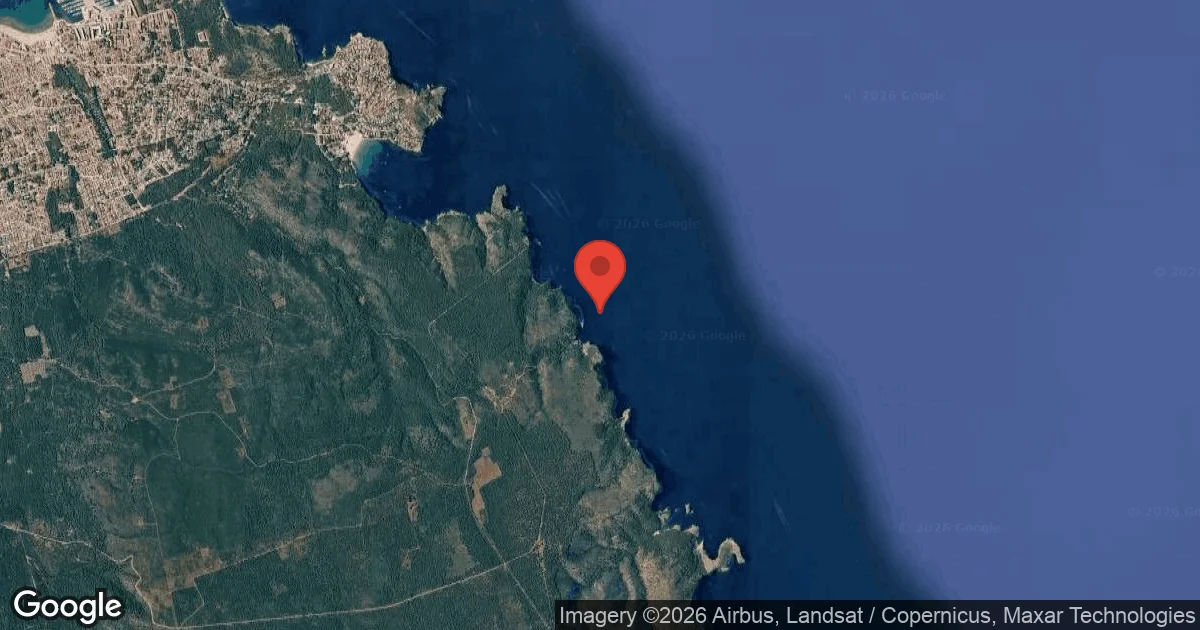
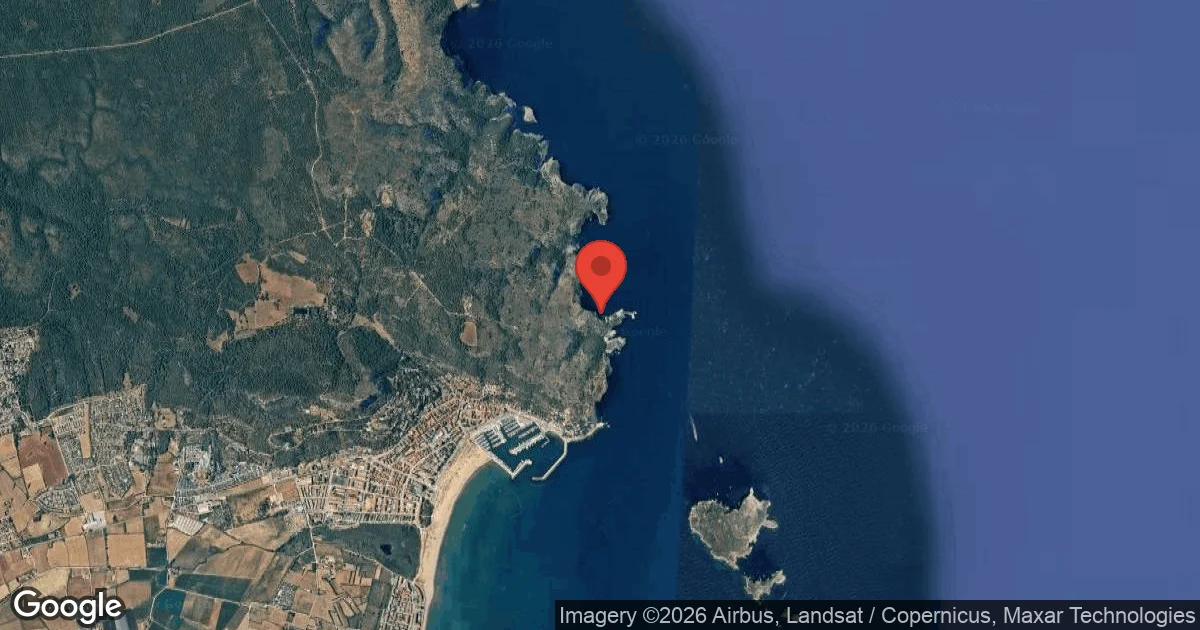
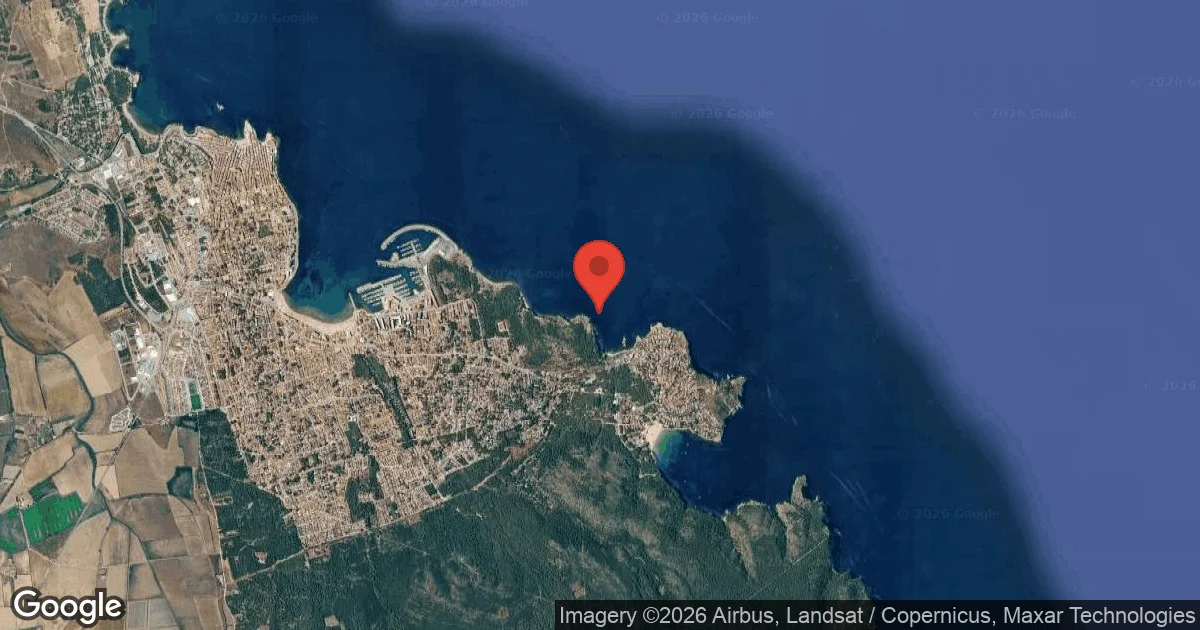
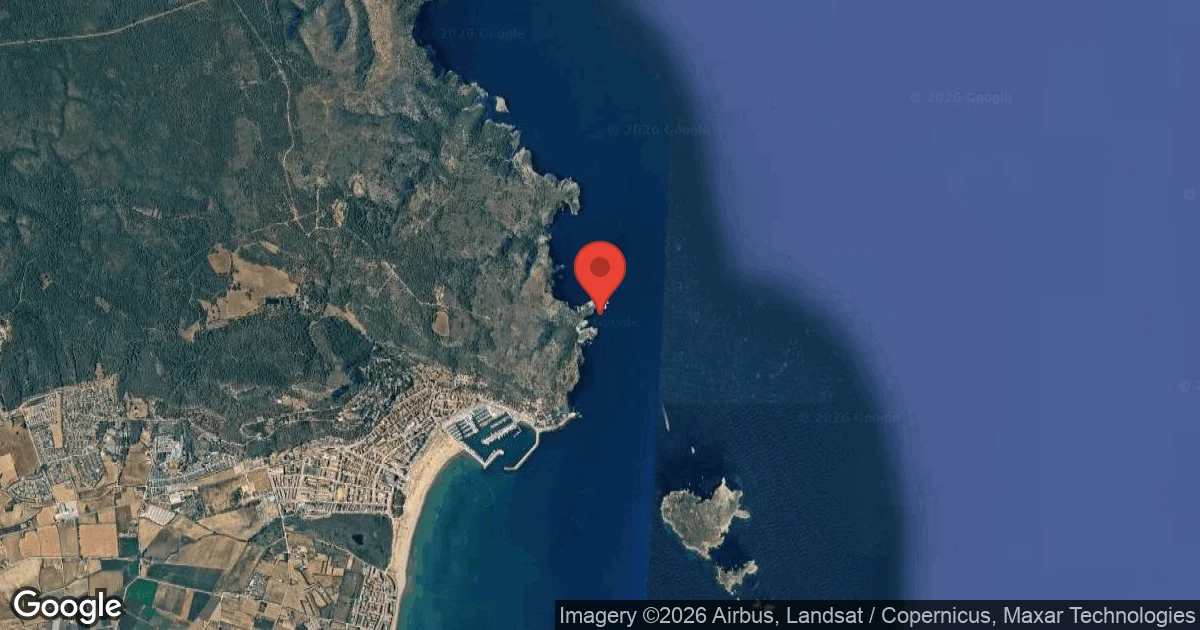
Dive Site Location & Key Facts
Dive Site Overview
A 122m (400 ft) long ferry, the Reggio Messina wreck was intentionally scuttled to create an artificial reef. Its hull rests on a sandy bottom, with sections found at depths between 24 m (79 ft) and 32 m (105 ft).
Uppermost structural elements reach up to 27 m (89 ft), while the deepest parts extend to approximately 35 m (115 ft). Originally built in Italy in 1970, the vessel served to transport train traffic across the Strait of Messina before its new purpose as a dive site. Today, winter storms have significantly impacted the wreck, breaking the imposing structure into three substantial pieces: the stern, a central area, and the bow.
Exploring the exterior of its fragmented structure is the primary focus for most divers, offering extensive areas to traverse. Internal penetration is an option, but it's reserved strictly for experienced divers due to the complex, confined layout and the inherent challenges of deep wreck diving.
Conditions are Excellent
07:00 - 14:00
Optimal conditions expected
Current conditions near Reggio Messina show 25° air, 24° sea temperature, 0.4 m waves, and 21 km/h wind. Forecast data is refreshed regularly to ensure accuracy.
Best Time to Dive
While the Reggio Messina dive site allows for year-round diving, the summer months offer the most favorable conditions. From June through September, water temperature typically rises to a comfortable 25-26°C (77-79°F), contrasting with winter temperatures that range between 13-18°C (55-64°F). Air temperatures during summer average between 21-26°C (70-79°F), providing pleasant surface conditions. Summer months also bring minimal rainfall, generally less than 1.61 mm (0.06 in) per month, and calmer seas with average wave heights below 0.9 m (3.0 ft). Cooler air temperatures from December to February, around 10-11°C (50-52°F), alongside slightly higher rainfall and wave activity, can make winter dives more challenging.
PEAK SEASON SCORE
Scores combine air & water temps, waves, wind & rainfall for overall conditions.
BEST MONTHS TO DIVE
Monthly records compiled from satellite and marine observation nodes over the last 3 years. Data provided by Open-Meteo and MET Norway.
Dive Experience & Conditions
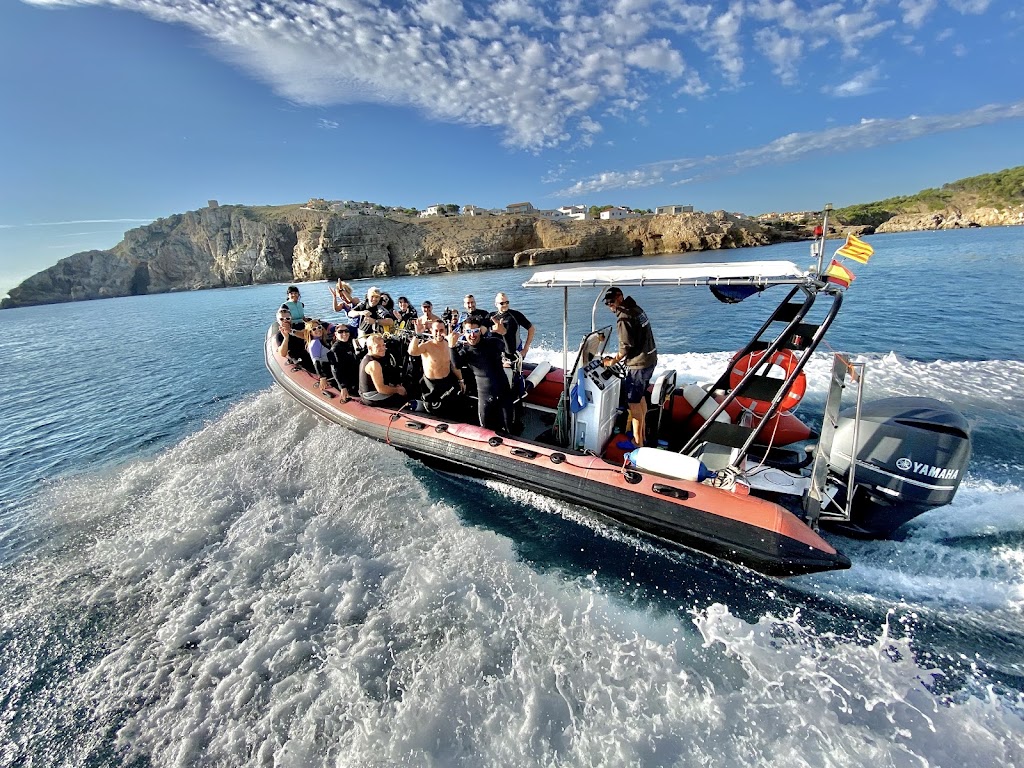
Diving the Reggio Messina requires a minimum certification of an experienced diver, such as Advanced Open Water Diver or Level 2, primarily due to its significant depth and the inherent complexities of potential wreck penetration. The substantial vessel rests on a sandy bottom, with its shallower sections beginning at 27 meters and the maximum depth extending to 35 meters, placing it firmly within advanced recreational limits. Visibility at the site generally ranges up to 15 m (49 ft), which is usually sufficient for navigating the extensive, fragmented structure. Accessing the site typically involves a boat trip, usually lasting between 5 to 25 minutes, from nearby dive centers in L'Estartit or L'Escala. Dive operations here are highly dependent on prevailing weather conditions, as strong winds or high waves can prevent trips to the wreck, making flexibility in planning beneficial.
Dive Difficulty & Safety Guidelines
Safety at the Reggio Messina wreck prioritizes careful planning, particularly concerning bottom time and ascent procedures. Given its substantial depth, no-decompression limits can be reached quickly, necessitating precise dive computer monitoring. As the wreck is broken into three main fragments and has sustained damage from storms, penetration should only be attempted by experienced divers specifically trained for such environments.
Divers are advised to follow the buoy rope during ascent or remain near the cliff face during their safety stops. This practice ensures a controlled return to the surface and often provides opportunities to observe shallower marine life.
Recommended Equipment
Overhead / entanglement risk. Wreck penetration requires proper training.
- Dive Computer
- Primary & Backup Lights
- Wreck Reel
- Cutting Tool
This gear list is based on verified equipment signals for Reggio Messina, Spain. Always confirm final gear choices with your dive operator, guide, or liveaboard.
Recommended Dive Suit
Experienced divers often bring flexible gear options.
The water around Reggio Messina is currently holding at approximately 24°C (75°F), setting the tone for today's dives. Surface air temperatures are resting at 25°C (76°F). Divers who spend longer periods underwater often choose 3mm wetsuit. A hood or vest is suggested for sensitive divers due to surface winds.
A warming trend is expected over the next few days. A warming trend is expected over the next few days.
Due to technical issues with our weather providers, live updates are temporarily delayed. The data above reflects the conditions at the time of the last successful fetch.
Emergency & Medical Support
Essential information to help you plan your dive trip to Reggio Messina.

Hyperbaric chambers are a critical part of dive safety infrastructure. Availability varies significantly by region, and not all dive areas have immediate access.
Before diving, it's recommended to:
- confirm nearest medical facilities
- check emergency procedures with local dive operators
- ensure dive insurance covers evacuation if required
Divers Alert Network
Diving emergency assistance available through DAN Europe.
+39 0642115685- 24/7 emergency hotline
- Diving medical assistance
- Evacuation coordination
Emergency contacts are provided for reference. Always verify local emergency services before diving.
Closest Listed Hyperbaric Chambers
Showing listed hyperbaric chamber facilities within 200 km of this dive site.
Distances are approximate straight-line distances and may not reflect emergency travel time.
Unitat de Medicina Hiperbàrica (UMH)
24/7 ListedPalamos (Girona), Spain•Approx. 26 km straight-line
Unitat de Medicina Hiperbàrica (UMH)
24/7 ListedInformation is provided for reference and planning purposes only. Dive Navigator does not verify operational status, staffing, availability, or quality of care at listed facilities. In an emergency, contact local emergency services, DAN, your dive operator, or the chamber directly. Do not travel to a facility without calling ahead.
UTH-CSI
24/7 ListedICU CapableSant Joan Despí, Spain•Approx. 124 km straight-line
UTH-CSI
24/7 ListedICU CapableInformation is provided for reference and planning purposes only. Dive Navigator does not verify operational status, staffing, availability, or quality of care at listed facilities. In an emergency, contact local emergency services, DAN, your dive operator, or the chamber directly. Do not travel to a facility without calling ahead.
Marine Life at Reggio Messina
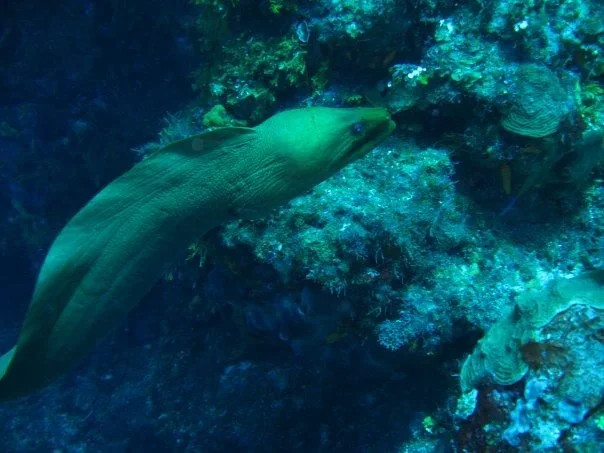
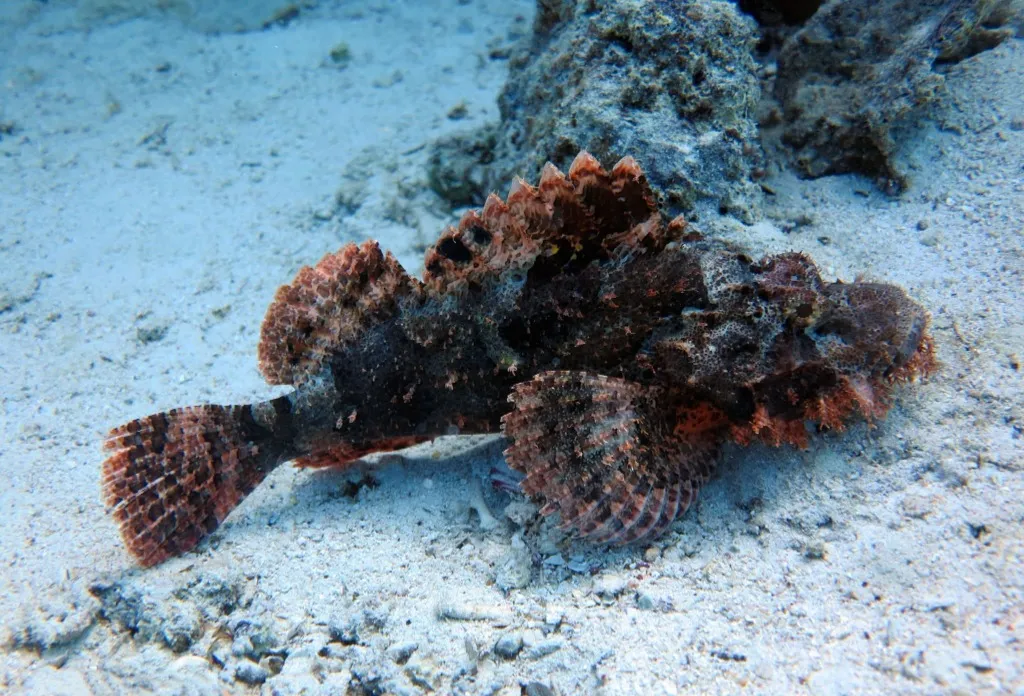
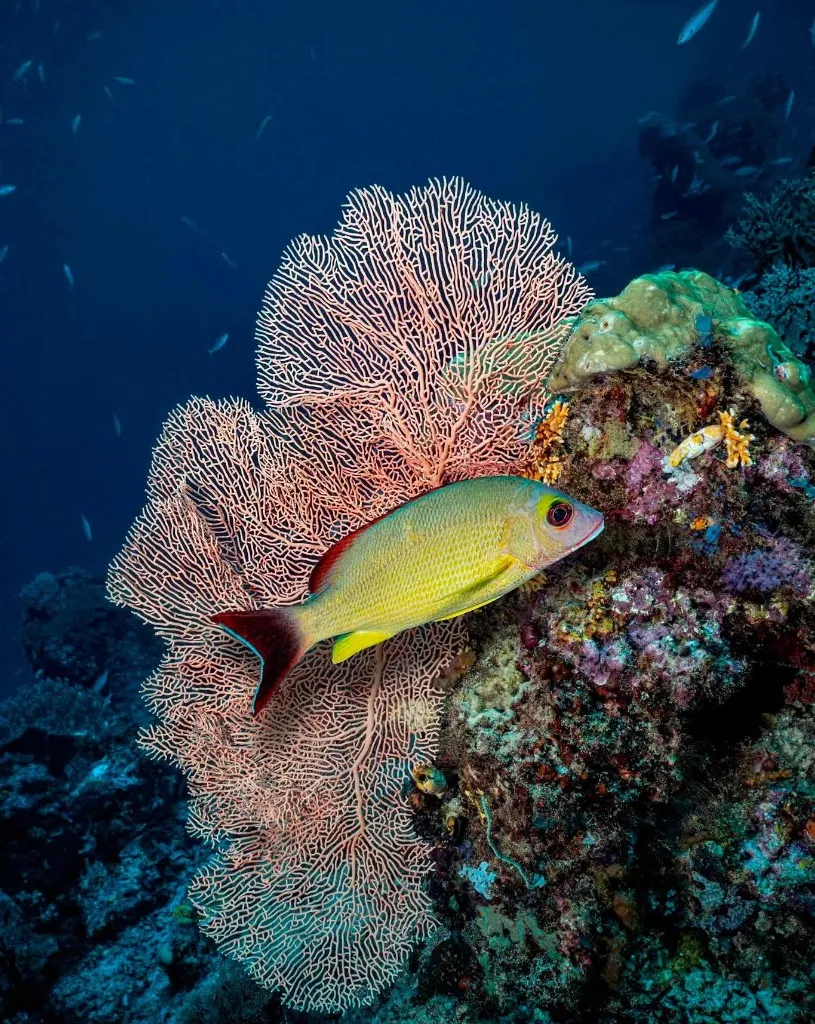
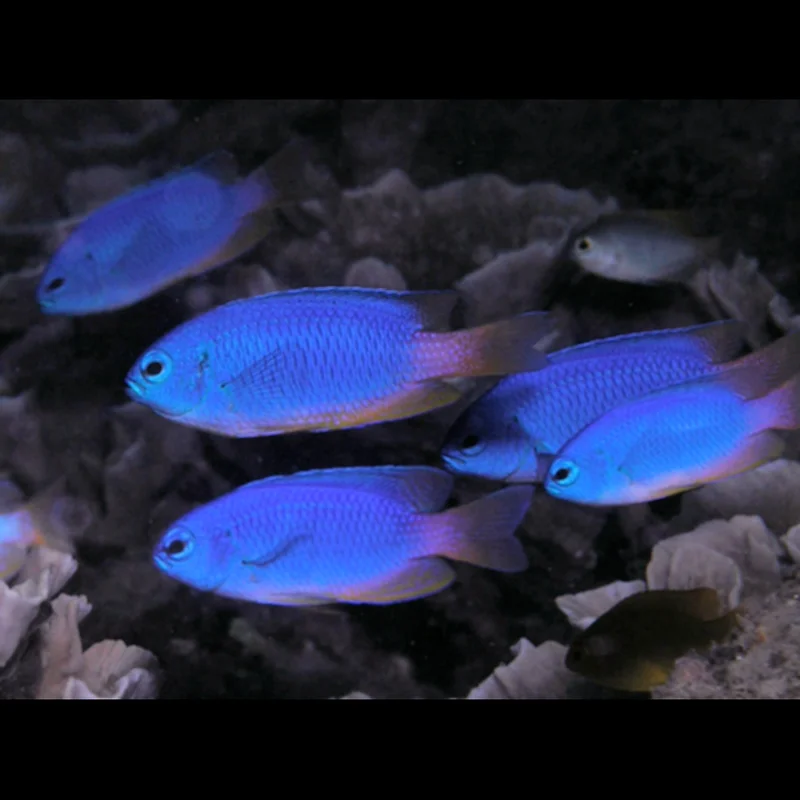
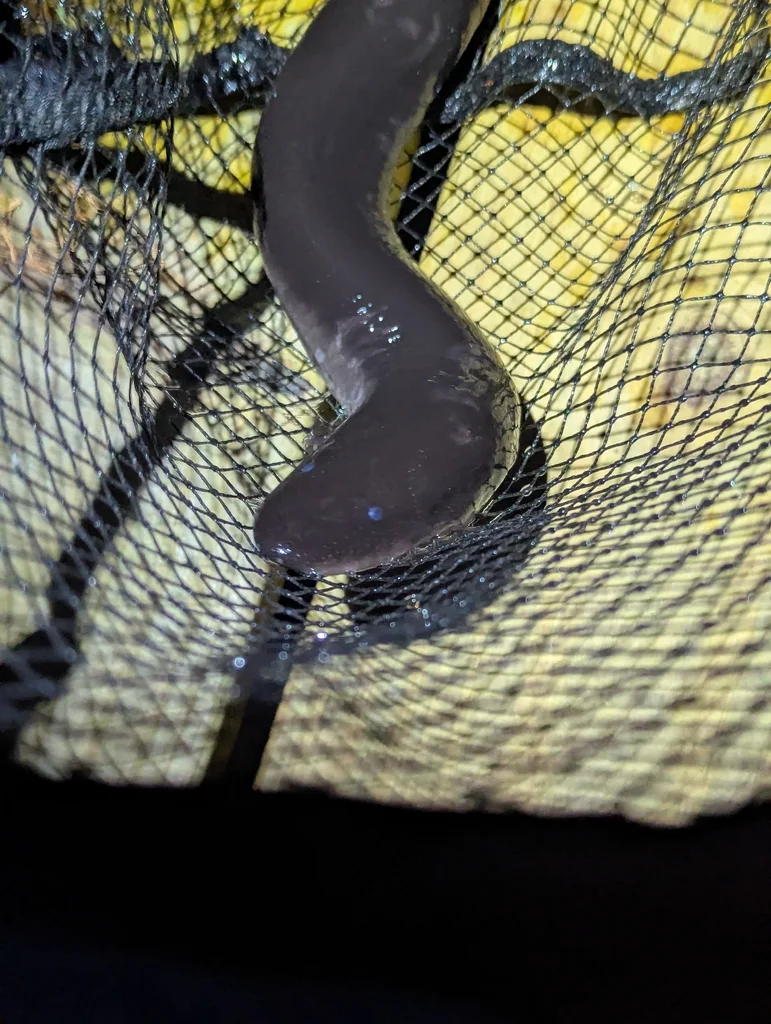
A habitat for various marine species, the Reggio Messina attracts life particularly around its fragmented structure and within its interior spaces. Outside the wreck, divers commonly observe snappers, damselfish, and sargos.
Inside its holes and crevices, divers frequently encounter conger eels, along with lobsters and octopus. As divers ascend along the buoys or near the adjacent cliff, spotting scorpion fish, additional octopus, and moray eels is possible, as these tend to inhabit the shallower reef sections.
Dive Sites Near Reggio Messina
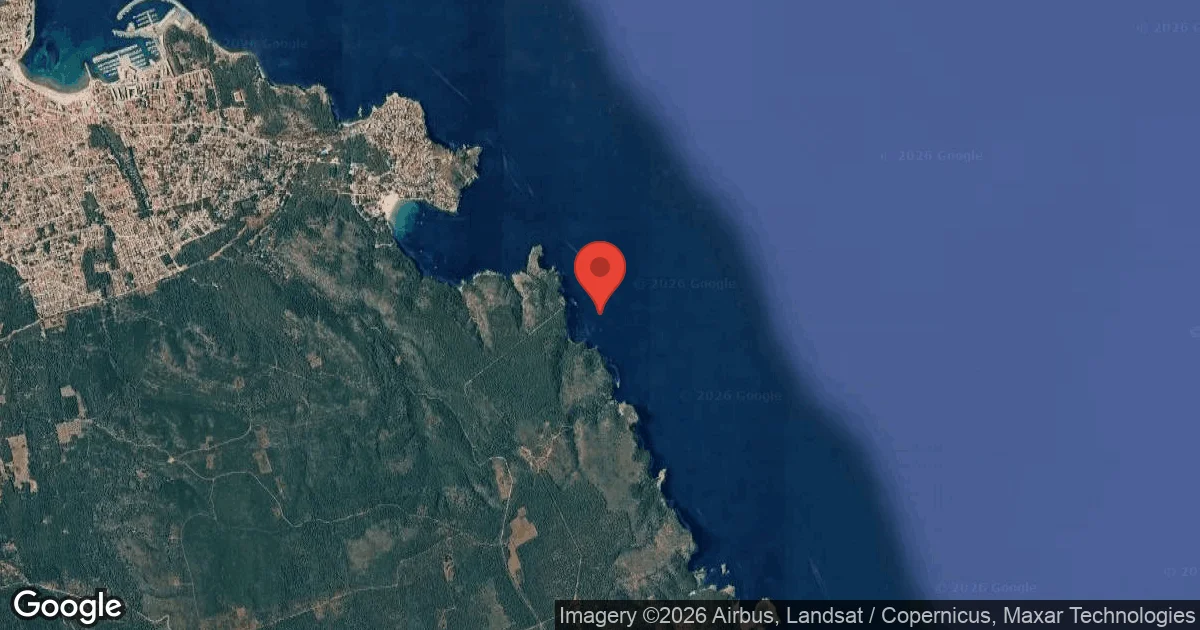
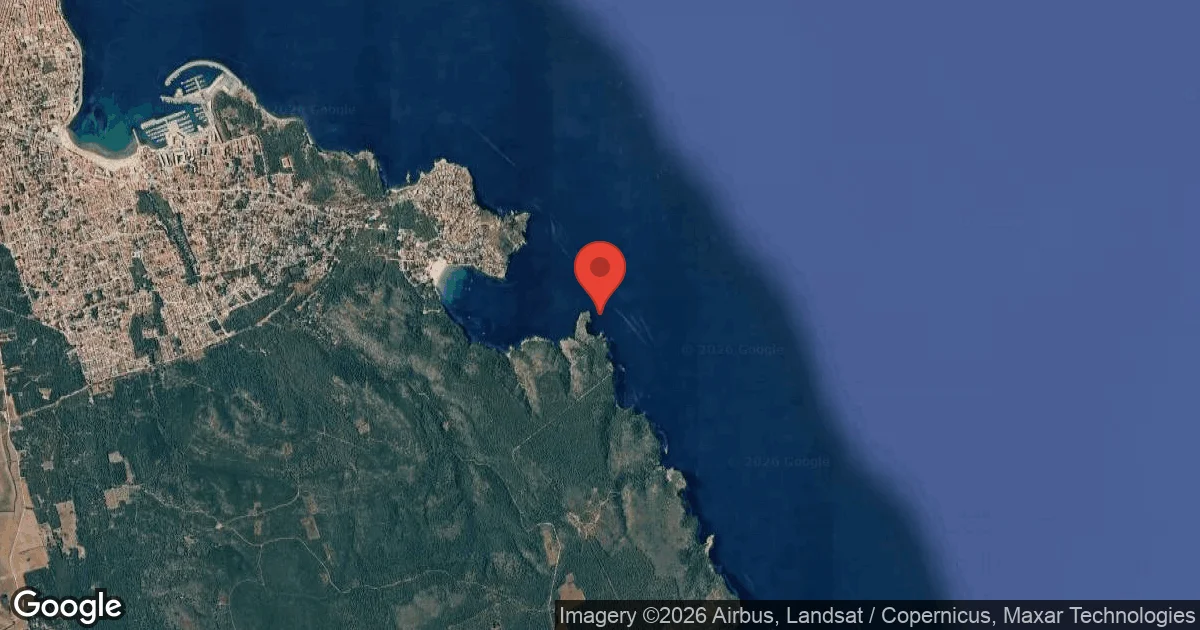
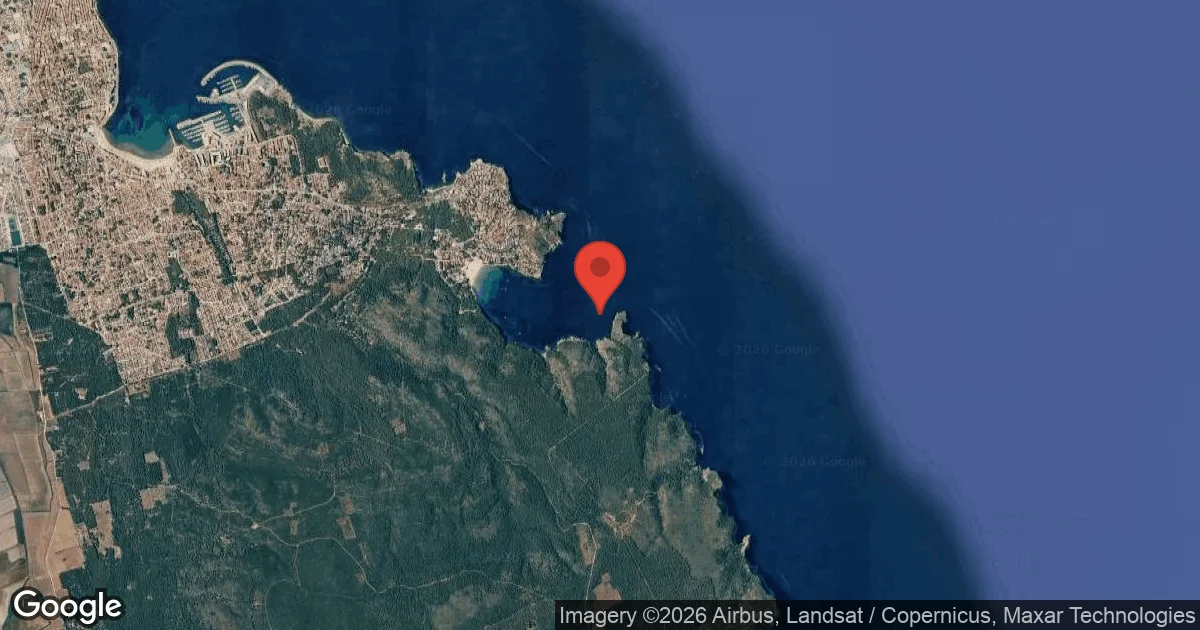
View all dive sites in SpainDiscover more underwater gems in this area.
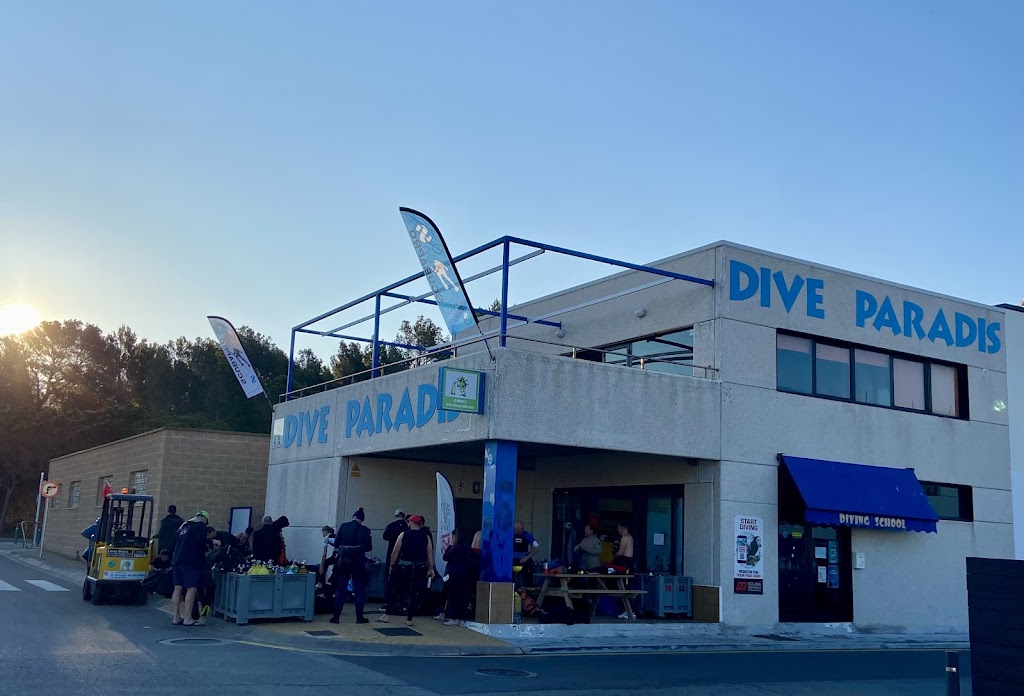
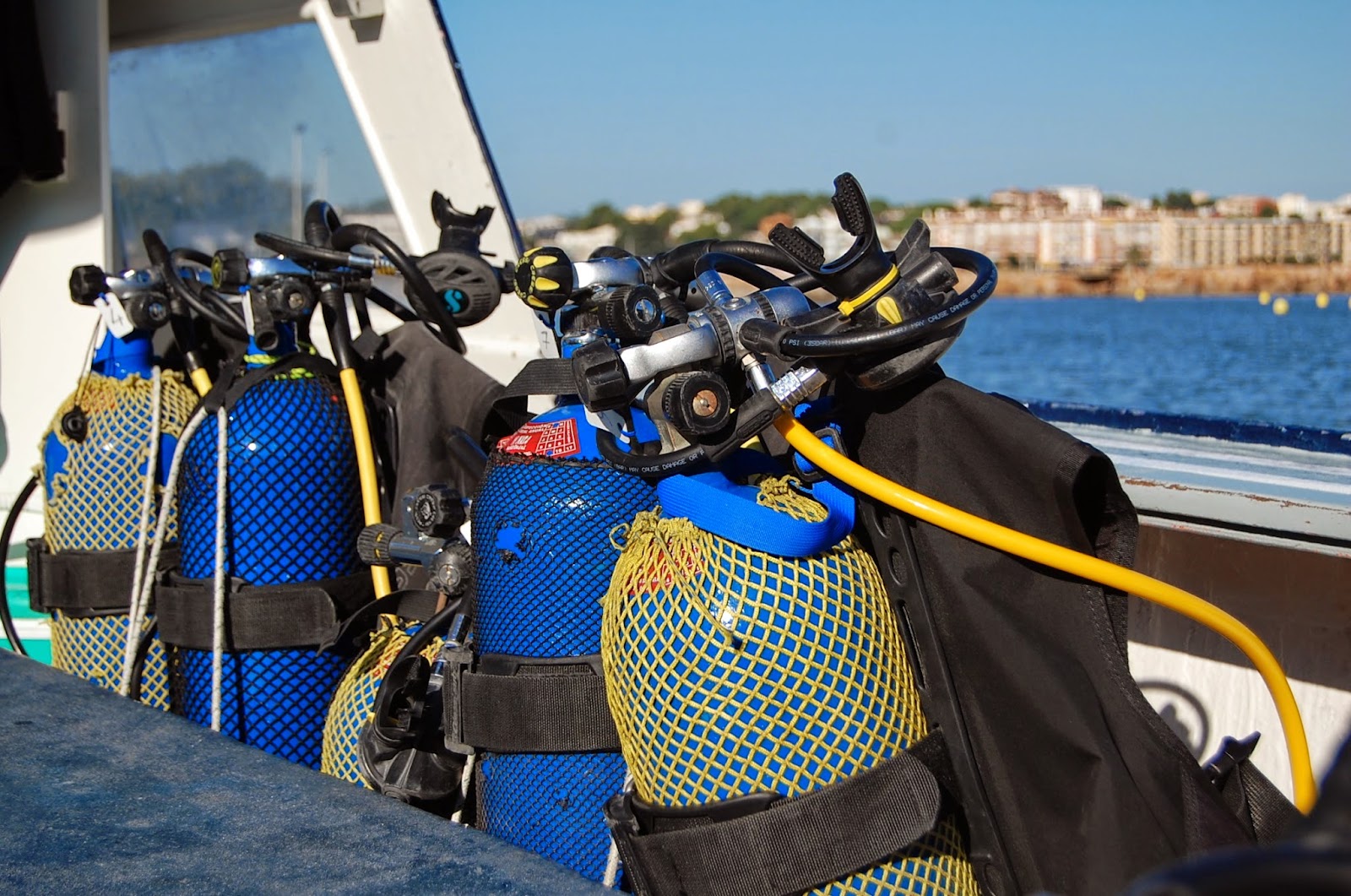
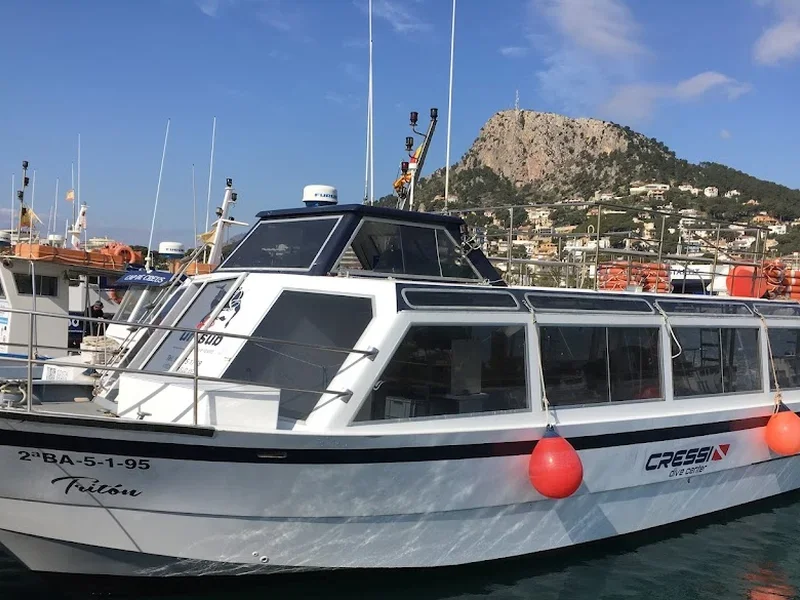
Dive Centers Near Reggio Messina

Today: 08:00 - 18:00
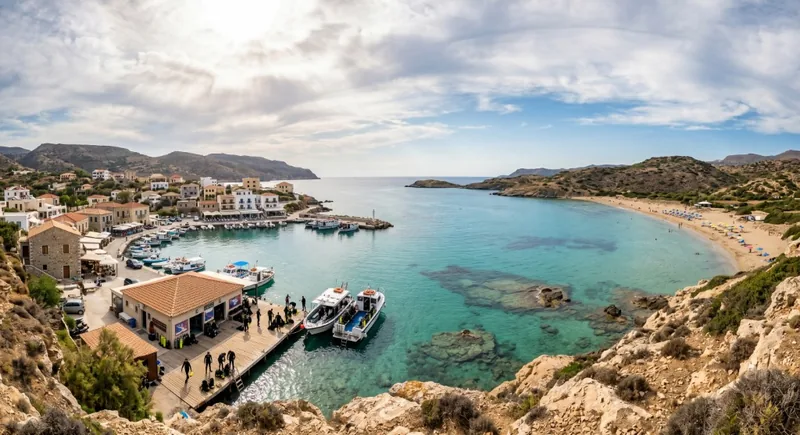
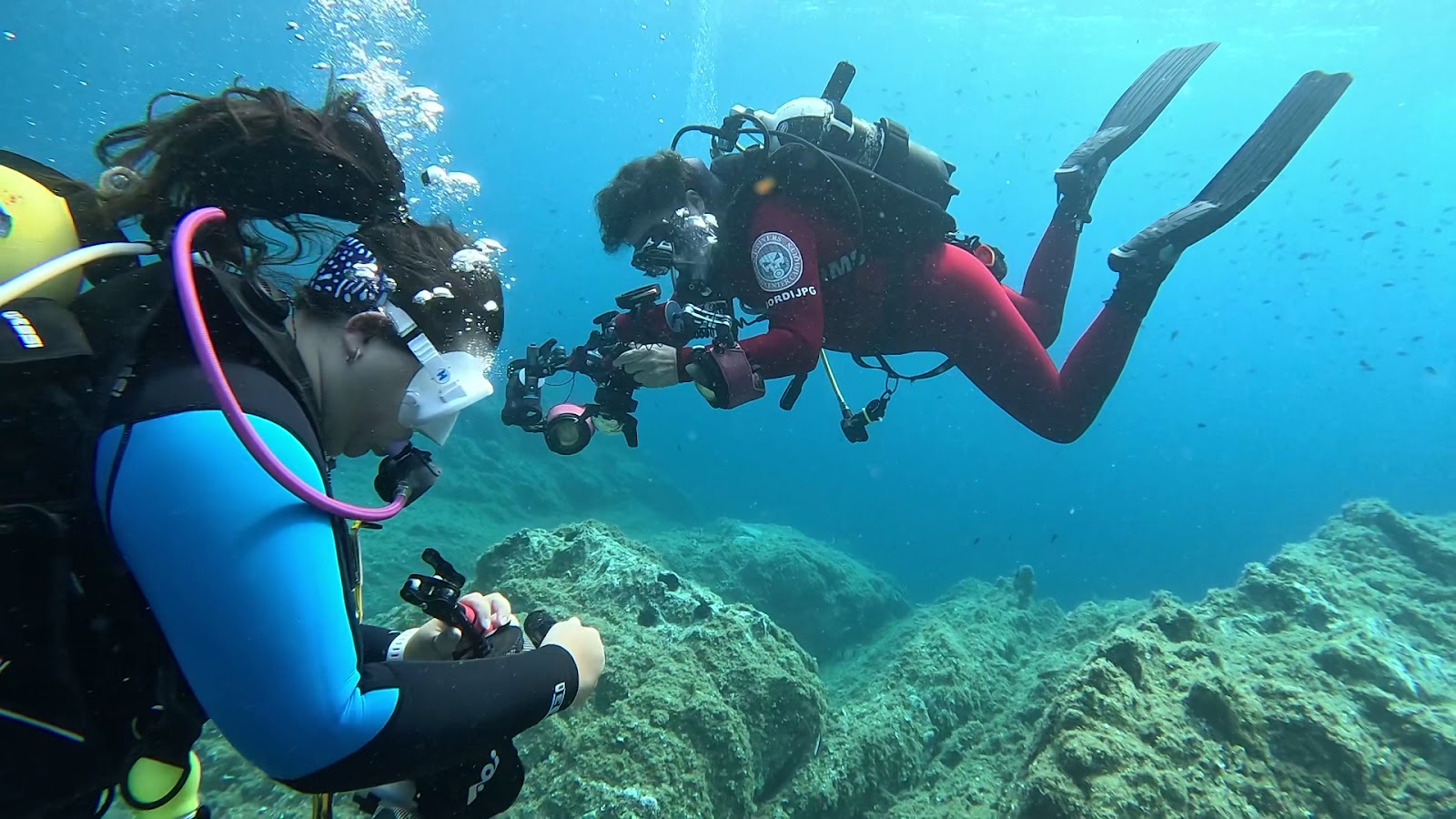
Nearest Airports
Nearest airports to help plan travel to this dive area.
Search Flights
Check available flights and routes on Expedia, using the nearby airports listed in this section.
Search Flights on ExpediaFrequently Asked Questions
What type of dive is the Reggio Messina?
It's a wreck dive, specifically an artificial reef created from a deliberately sunken ferry. It offers both external exploration and, for qualified divers, opportunities for penetration.
What is the maximum depth of the Reggio Messina wreck?
Deepest sections of the wreck extend to approximately 35 m (115 ft), resting on a sandy bottom. Shallower parts begin around 27 m (89 ft).
What level of diving experience is required?
Experienced divers, such as those with an Advanced Open Water or Level 2 certification, are recommended for this site, due to its depth and potential for interior exploration.
What marine life can I expect to see?
You can anticipate seeing snappers, damselfish, sargos outside the wreck. Inside, conger eels, lobsters, and octopus are common. Scorpion fish and moray eels may also be spotted during ascent.
When is the best time to dive Reggio Messina?
While diving is possible year-round, the summer months (June-September) offer optimal conditions with warmer water temperatures around 25-26°C (77-79°F), less rain, and calmer seas.
How is the Reggio Messina wreck accessed?
Access is via a boat trip, typically lasting 5 to 25 minutes, from nearby towns like L'Estartit or L'Escala. Dive trips are dependent on favorable weather conditions.
Is wreck penetration allowed?
Yes, wreck penetration is possible but is strictly reserved for experienced divers who possess appropriate training and certifications for overhead environments.
Planning to dive Reggio Messina?
Send one inquiry and receive offers directly from the best verified local dive operators.
Conditions are Excellent
07:00 - 14:00
Optimal conditions expected
Current conditions near Reggio Messina show 25° air, 24° sea temperature, 0.4 m waves, and 21 km/h wind. Forecast data is refreshed regularly to ensure accuracy.