
Diving at Ullastres III (Spain)
Ullastres III provides a vibrant underwater spectacle, drawing divers with its extensive, colorful gorgonian sea fans blanketing rocky pinnacles. This site, the outermost of the three Ullastres formations, supports a rich diversity of marine life, from various small creatures to larger pelagic visitors. It's an immersive experience for those seeking abundant fish and intricate invertebrate communities in the Costa Brava.
Tonight's objective overview for Ullastres III shows an air temperature of 22°C. The measured surface conditions include wave heights around 0.6 m. This environmental data is logged for the close of the day.
Dive Site Location & Key Facts
Dive Site Overview
Exploring Ullastres III reveals a captivating submerged landscape, distinguished as the most exposed and deepest of the three Ullastres pinnacles off El Far de Sant Sebastià. Rising dramatically from the seafloor, these structures begin as shallow as 7 meters / 23 feet near the surface, then plunge to maximum reported depths of 54-55 meters / 177-180 feet.
This site offers an impressive underwater topography, featuring not only natural rock formations and a prominent, gorgonian-covered wall but also several smaller wrecks integrated into the environment. Divers navigate a complex series of ledges, overhangs, and swim-throughs, which provide ample opportunities for exploration.
The extensive, colorful gorgonian sea fans create a visually stunning backdrop, while visibility frequently averages above fifteen meters, enhancing the grandeur of the site. It's a challenging yet profoundly rewarding dive, known for its dynamic marine interactions and the sheer scale of its underwater architecture, drawing experienced divers keen to explore its deeper sections and diverse habitats.
Conditions are Excellent
07:00 - 14:00
Optimal conditions expected
Current conditions near Ullastres III show 22° air, 27° sea temperature, 0.5 m waves, and 25 km/h wind. Forecast data is refreshed regularly to ensure accuracy.
Best Time to Dive
Optimal diving conditions at Ullastres III generally occur from May through October, presenting a noticeable contrast to the cooler, rougher winter months. During this peak season, average air temperatures range from a pleasant 18°C / 64°F in May, peaking around 25.5°C / 78°F in August, then gradually cooling to 19°C / 66°F by October. Rainfall during these months is typically low, with June, July, and August often seeing less than 1.5 mm / 0.06 inches. The decreased precipitation and warmer air contribute to more favorable surface conditions and overall higher dive scores. Conversely, winter months, particularly January, March, and December, experience higher wave heights and cooler air temperatures, making the exposed nature of Ullastres III more challenging for diving.
PEAK SEASON SCORE
Scores combine air & water temps, waves, wind & rainfall for overall conditions.
BEST MONTHS TO DIVE
Monthly records compiled from satellite and marine observation nodes over the last 3 years. Data provided by Open-Meteo and MET Norway.
Dive Experience & Conditions
Ullastres III’s open-sea exposure significantly influences dive conditions, typically resulting in more pronounced currents compared to its more sheltered siblings, Ullastres I and II. These currents, while sometimes challenging, also contribute to the water column's richness, nourishing abundant gorgonian forests. Visibility varies, ranging from limited views to excellent distances beyond fifteen meters, allowing clear views of the extensive rock formations. During summer, a distinct thermocline often develops; surface water temperatures around 24°C / 75°F can drop noticeably to 16-18°C / 61-64°F below around twenty meters, requiring appropriate thermal protection. This dive is considered intermediate to advanced, requiring at least an Advanced Open Water certification due to its significant depth profile and potential for currents, demanding good buoyancy control and careful planning.
Dive Difficulty & Safety Guidelines
Effective depth management is a critical skill required for diving Ullastres III. The gorgonian-covered wall descends uniformly, lacking obvious features to signal a 'stop descending' point, making it easy to inadvertently go deeper. Setting a depth alarm before the dive is a practical measure to maintain control.
Given the considerable depths encountered, Nitrox is recommended to meaningfully extend bottom time, especially in the mid-depth range where the wall's spectacle is most rewarding. This pinnacle is the furthest from the coast and consequently the most weather-dependent; divers should be prepared for potential cancellations if conditions deteriorate.
Recommended Equipment
Technical depth range. Advanced planning, gas management, and appropriate certification required.
Overhead / entanglement risk. Wreck penetration requires proper training.
- Dive Computer
- DSMB
- Primary & Backup Lights
- Wreck Reel
- Cutting Tool
This gear list is based on verified equipment signals for Ullastres III, Spain. Always confirm final gear choices with your dive operator, guide, or liveaboard.
Recommended Dive Suit
Water temperatures at Ullastres III are currently estimated to be around 27°C (80°F), shaping the overall diving conditions for today. Surface air temperatures are resting at 22°C (72°F).
Many divers choose 2-3mm shorty or light wetsuit when diving in similar conditions. Surface intervals may feel cooler.
Surface conditions are expected to warm up slightly in the coming days. A warming trend is expected over the next few days.
Emergency & Medical Support
Essential information to help you plan your dive trip to Ullastres III.

Hyperbaric chambers are a critical part of dive safety infrastructure. Availability varies significantly by region, and not all dive areas have immediate access.
Before diving, it's recommended to:
- confirm nearest medical facilities
- check emergency procedures with local dive operators
- ensure dive insurance covers evacuation if required
Divers Alert Network
Diving emergency assistance available through DAN Europe.
+39 0642115685- 24/7 emergency hotline
- Diving medical assistance
- Evacuation coordination
Emergency contacts are provided for reference. Always verify local emergency services before diving.
Closest Listed Hyperbaric Chambers
Showing listed hyperbaric chamber facilities within 200 km of this dive site.
Distances are approximate straight-line distances and may not reflect emergency travel time.
Unitat de Medicina Hiperbàrica (UMH)
24/7 ListedPalamos (Girona), Spain•Approx. 7 km straight-line
Unitat de Medicina Hiperbàrica (UMH)
24/7 ListedInformation is provided for reference and planning purposes only. Dive Navigator does not verify operational status, staffing, availability, or quality of care at listed facilities. In an emergency, contact local emergency services, DAN, your dive operator, or the chamber directly. Do not travel to a facility without calling ahead.
UTH-CSI
24/7 ListedICU CapableSant Joan Despí, Spain•Approx. 112 km straight-line
UTH-CSI
24/7 ListedICU CapableInformation is provided for reference and planning purposes only. Dive Navigator does not verify operational status, staffing, availability, or quality of care at listed facilities. In an emergency, contact local emergency services, DAN, your dive operator, or the chamber directly. Do not travel to a facility without calling ahead.
Marine Life at Ullastres III
The vibrant underwater landscape of Ullastres III is dominated by extensive, colorful gorgonian sea fans that adorn its rocky pinnacles and walls. These soft corals provide a habitat for a diverse range of marine creatures.
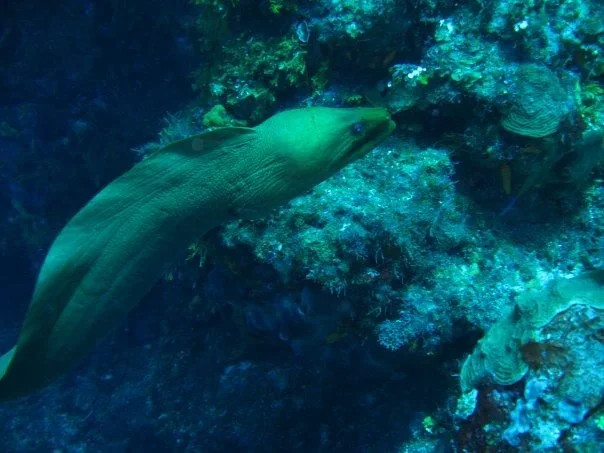
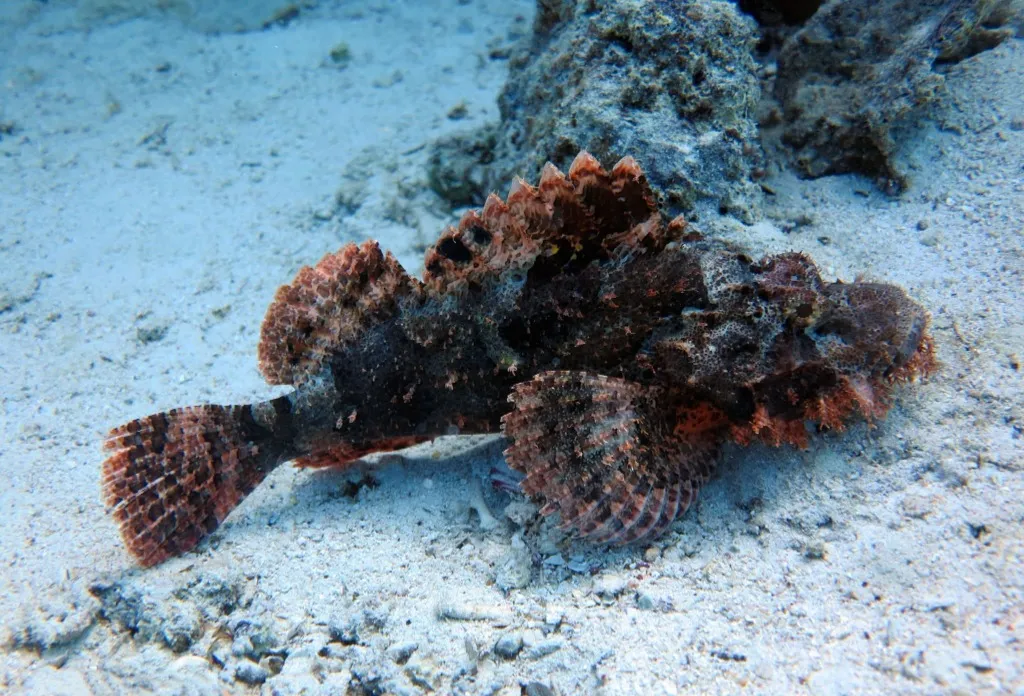
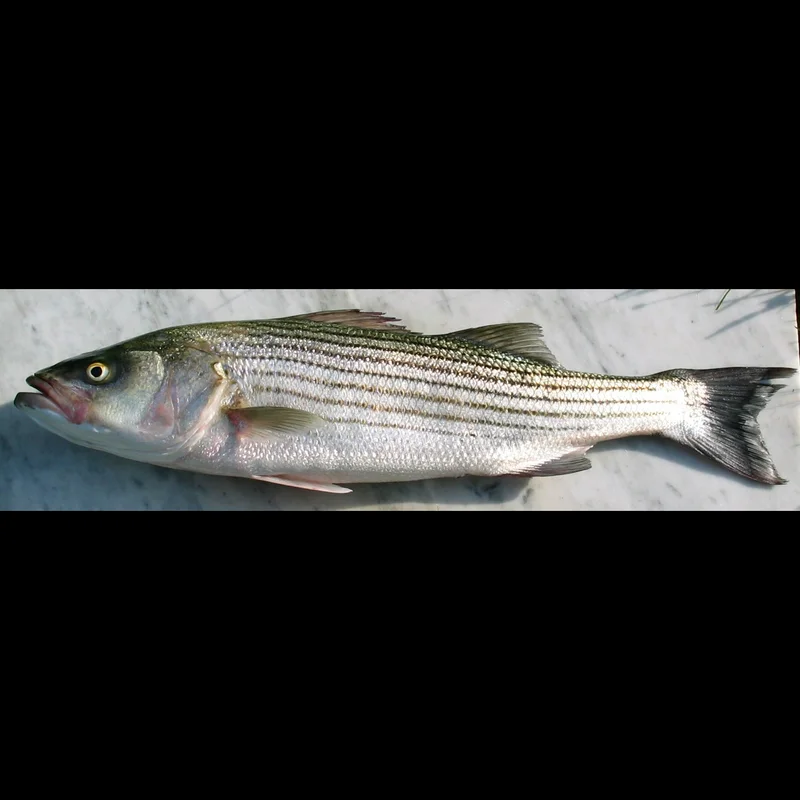
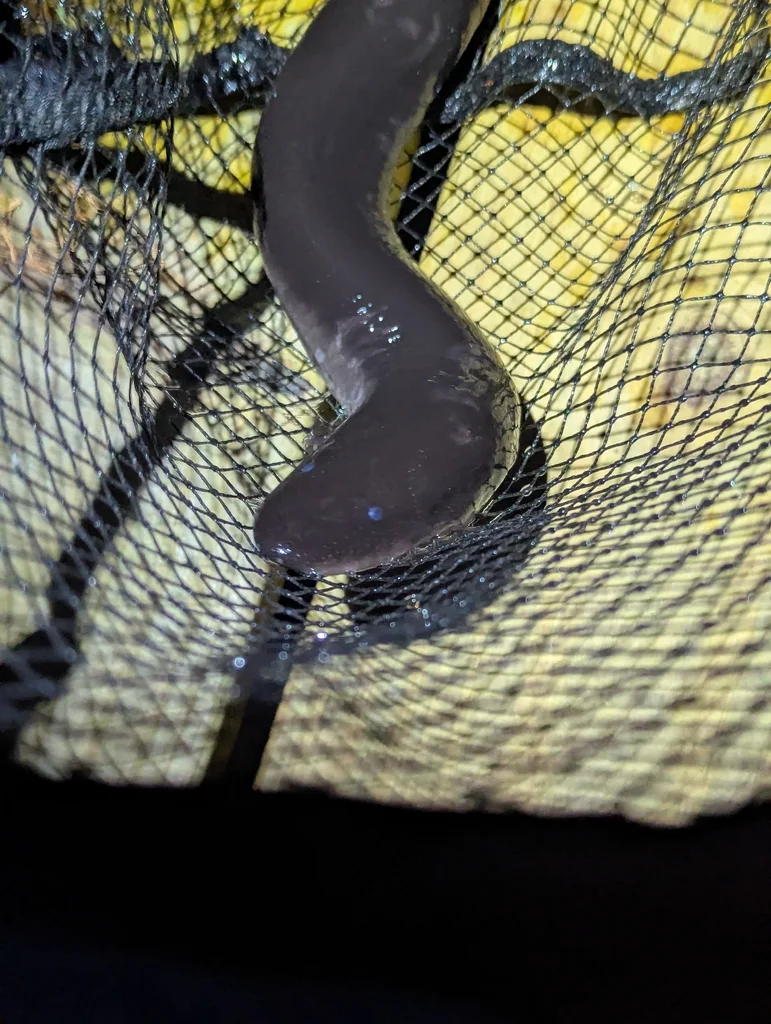
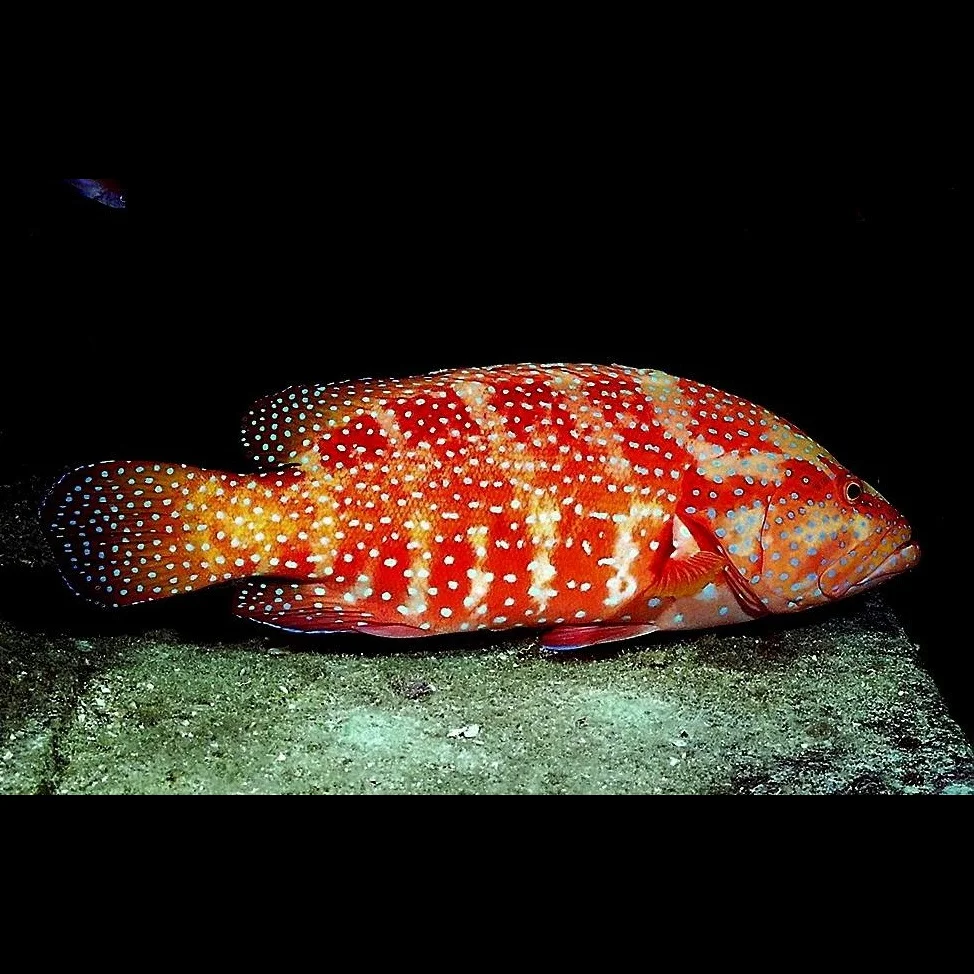
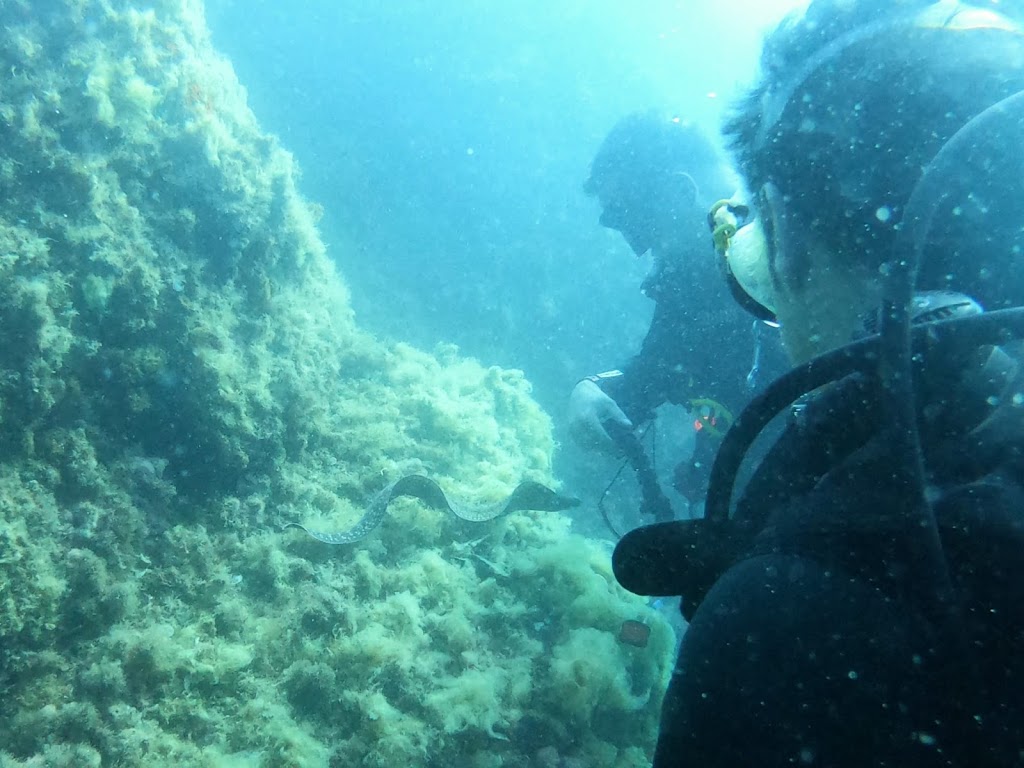
Common sightings include the elusive Moray Eel and Conger Eel, often found within crevices, alongside the well-camouflaged Scorpionfish. Divers frequently encounter schools of sea bass, mackerel, and various wrasse species.
Keep an eye out for numerous nudibranchs showcasing their intricate forms, and regular visits from groupers and St. Peterfish, which add to the site's rich biodiversity. Being an offshore site, it also attracts pelagic visitors, making scanning the blue a rewarding habit.
Dive Sites Near Ullastres III
View all dive sites in SpainDiscover more underwater gems in this area.
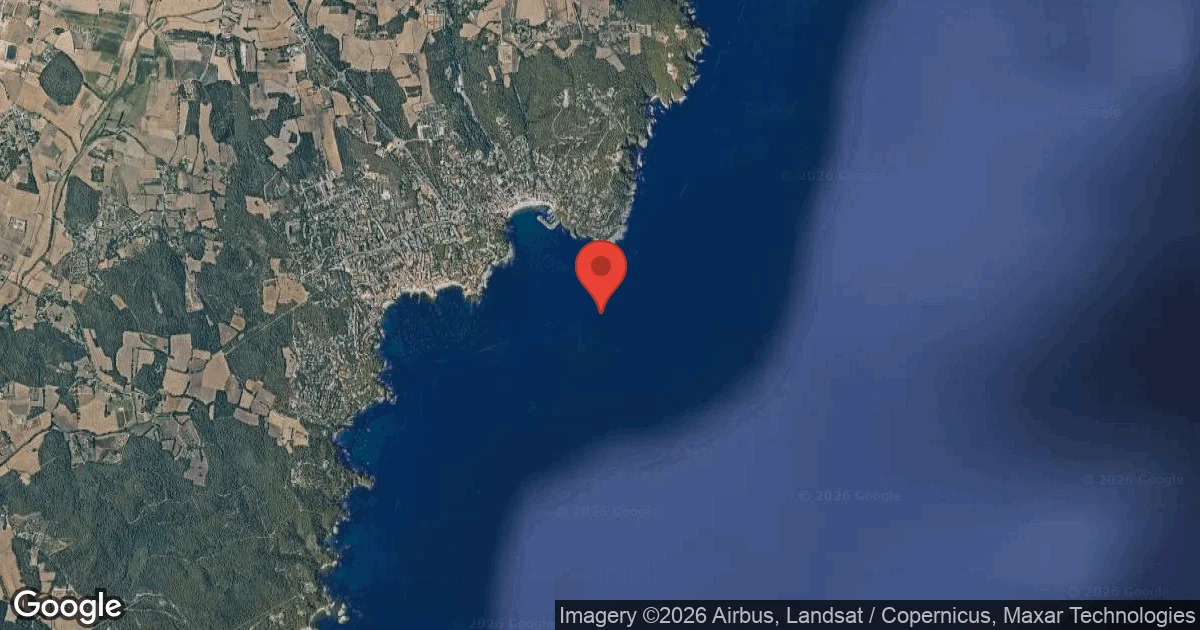
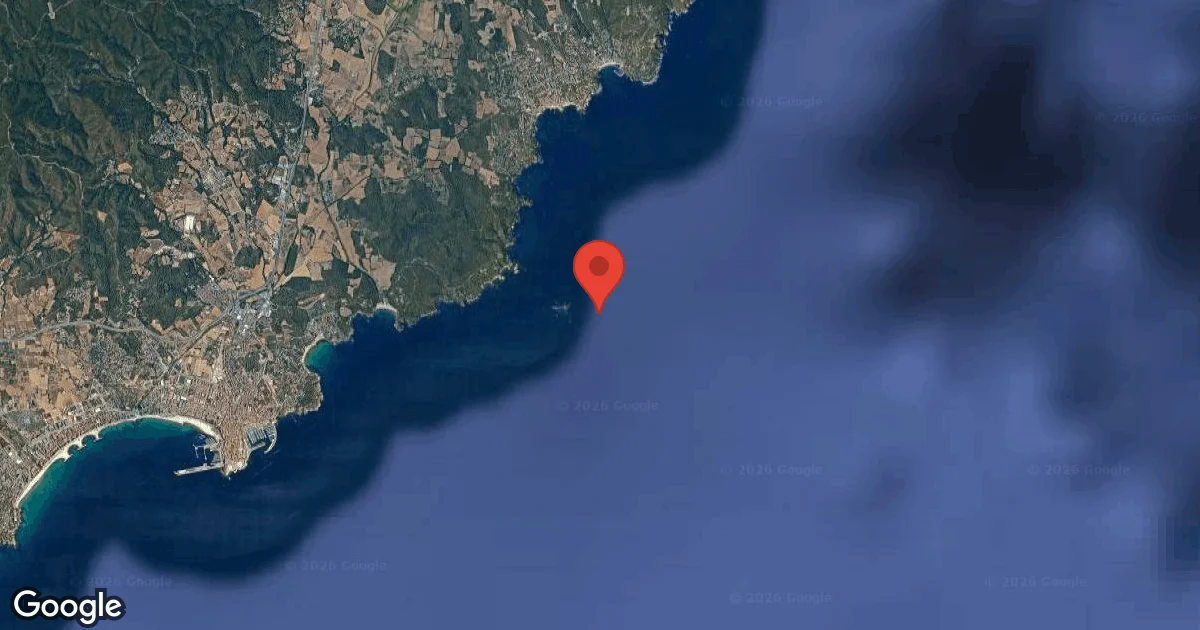
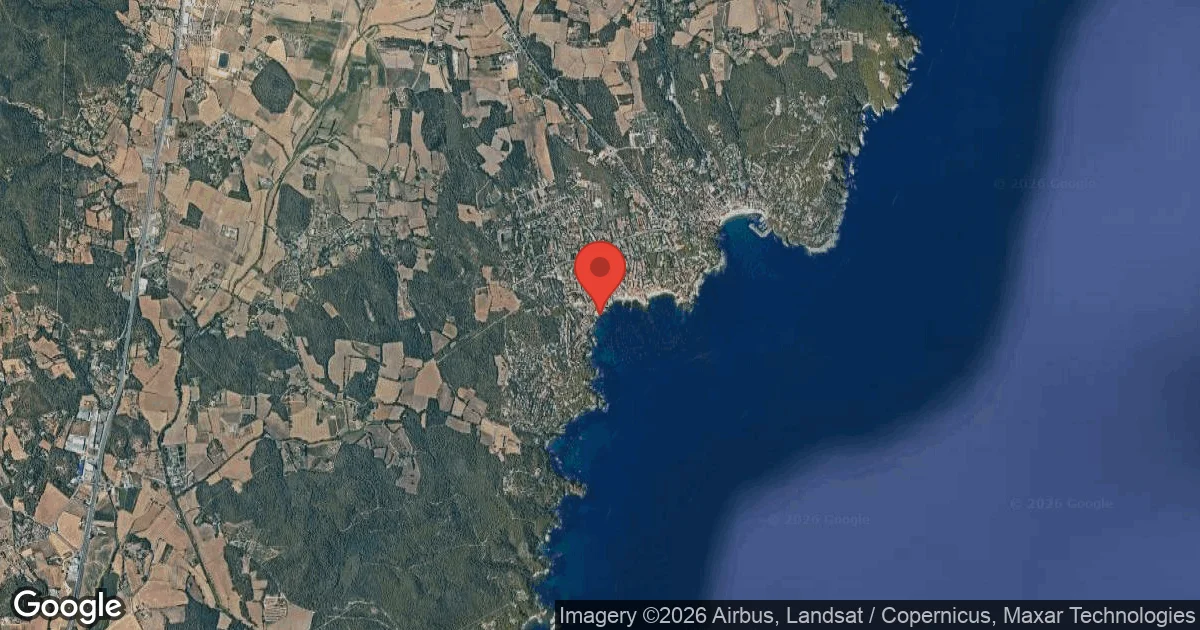
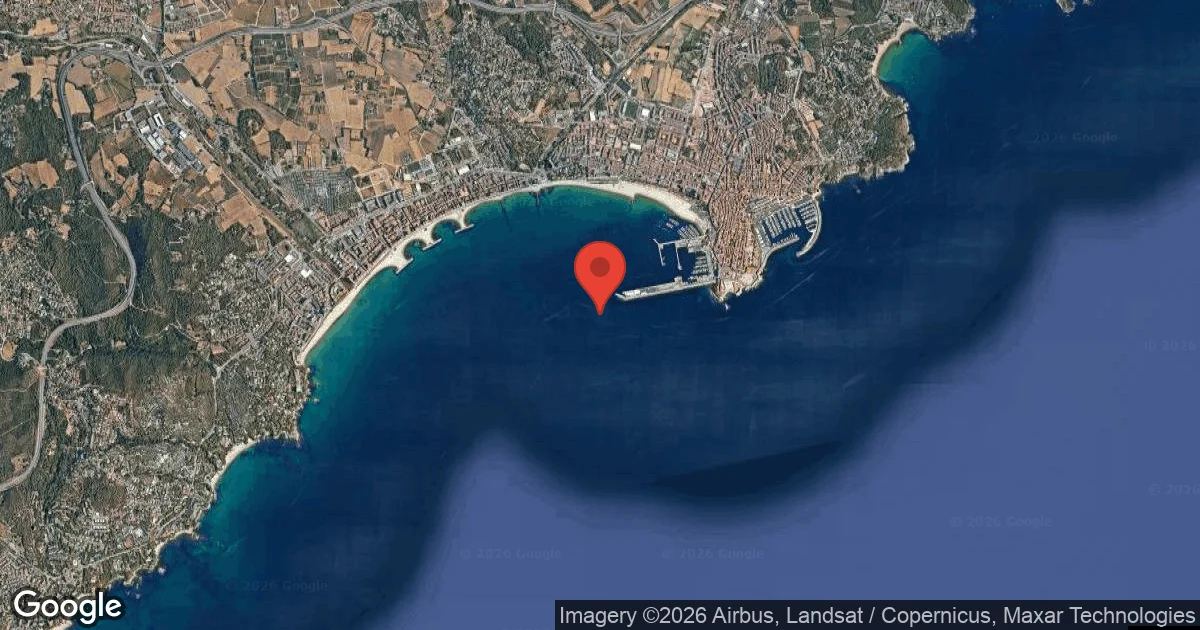
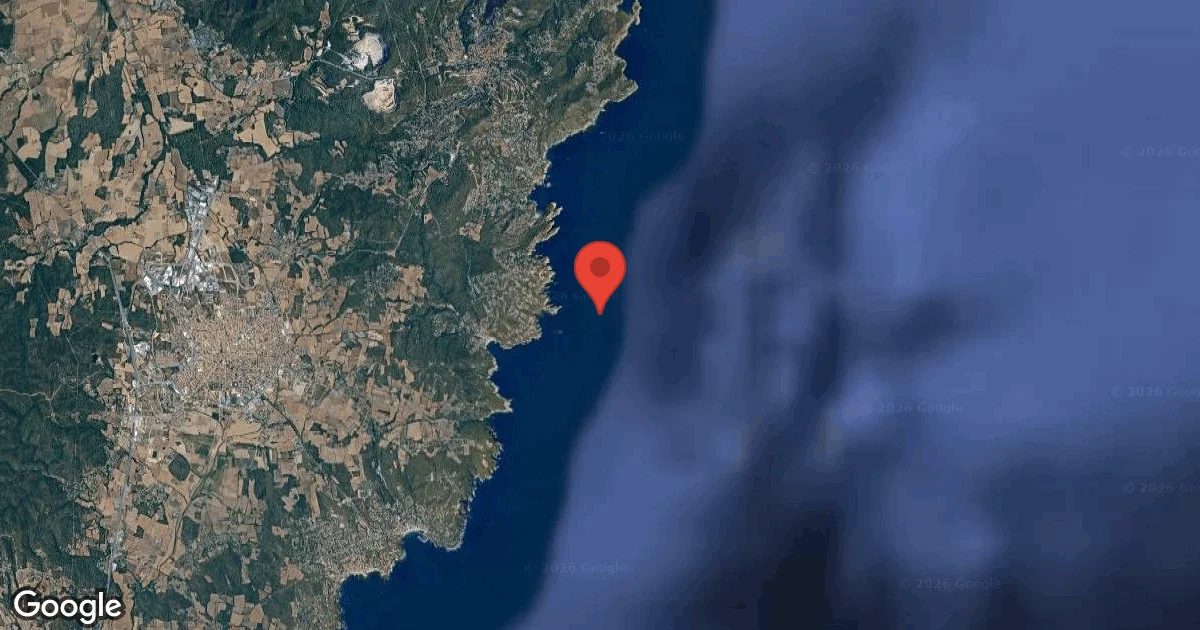
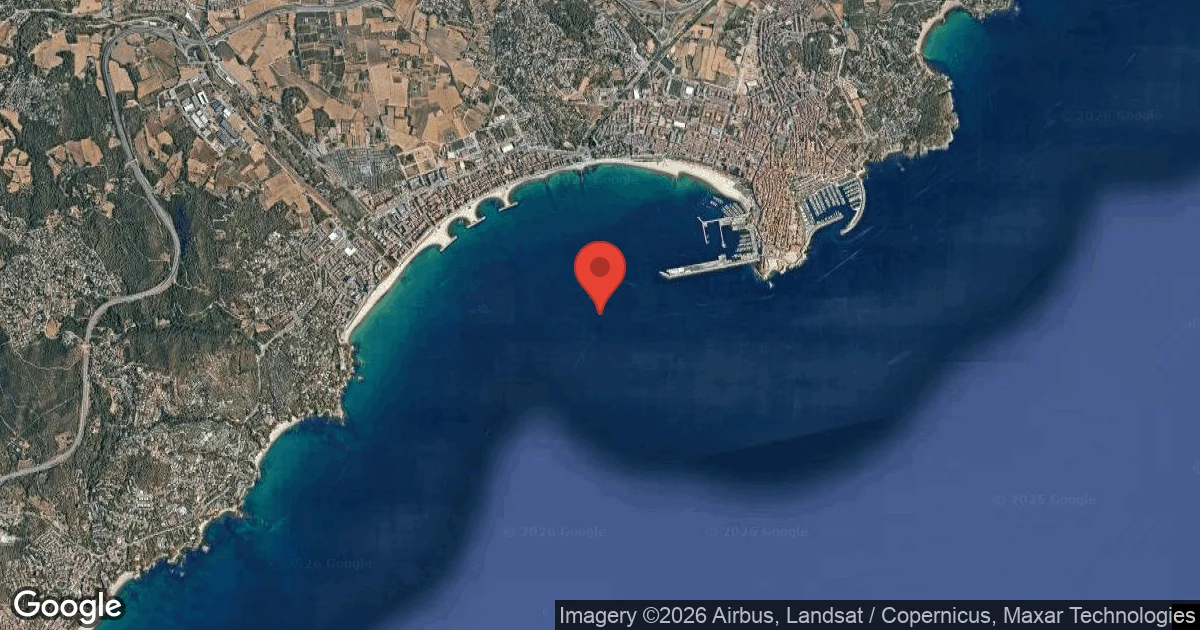
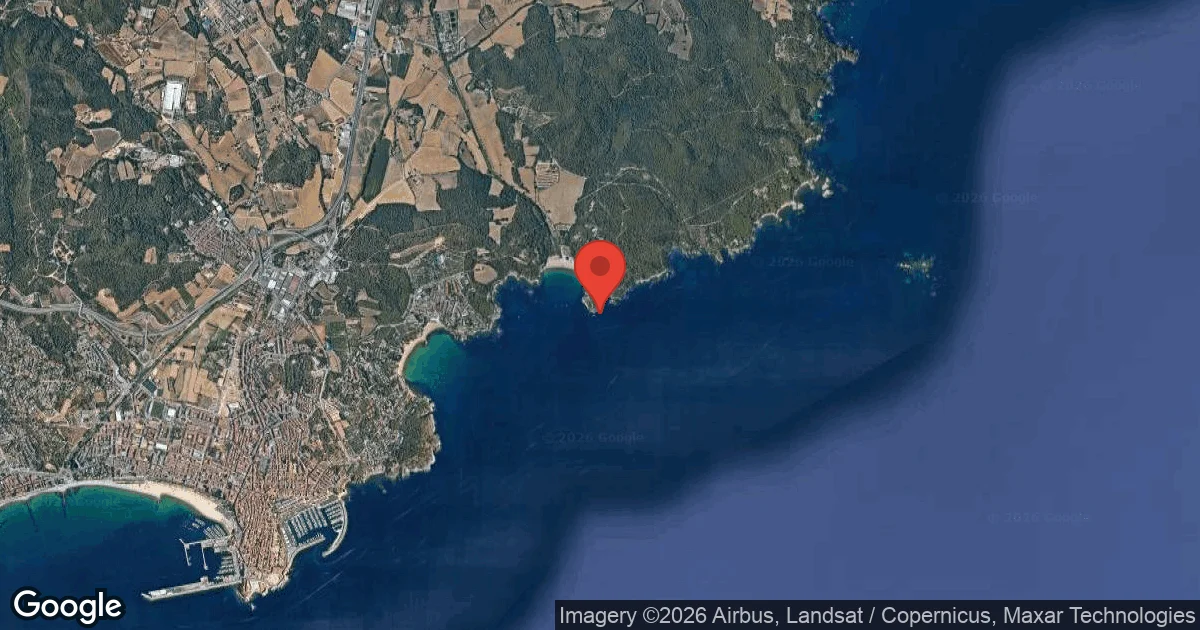
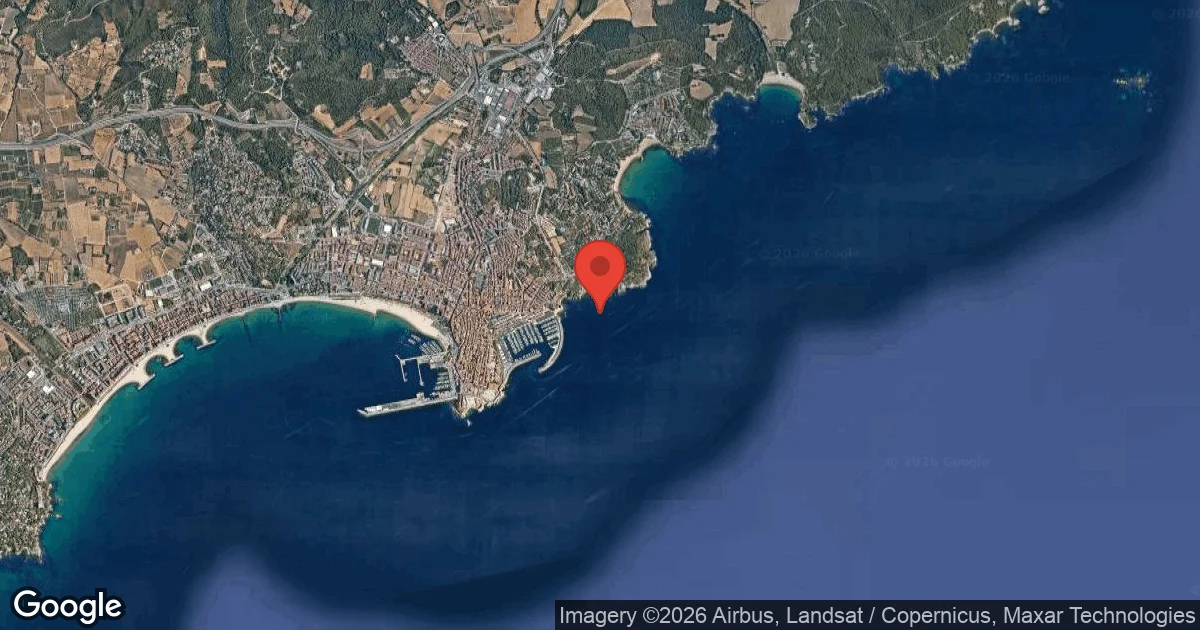
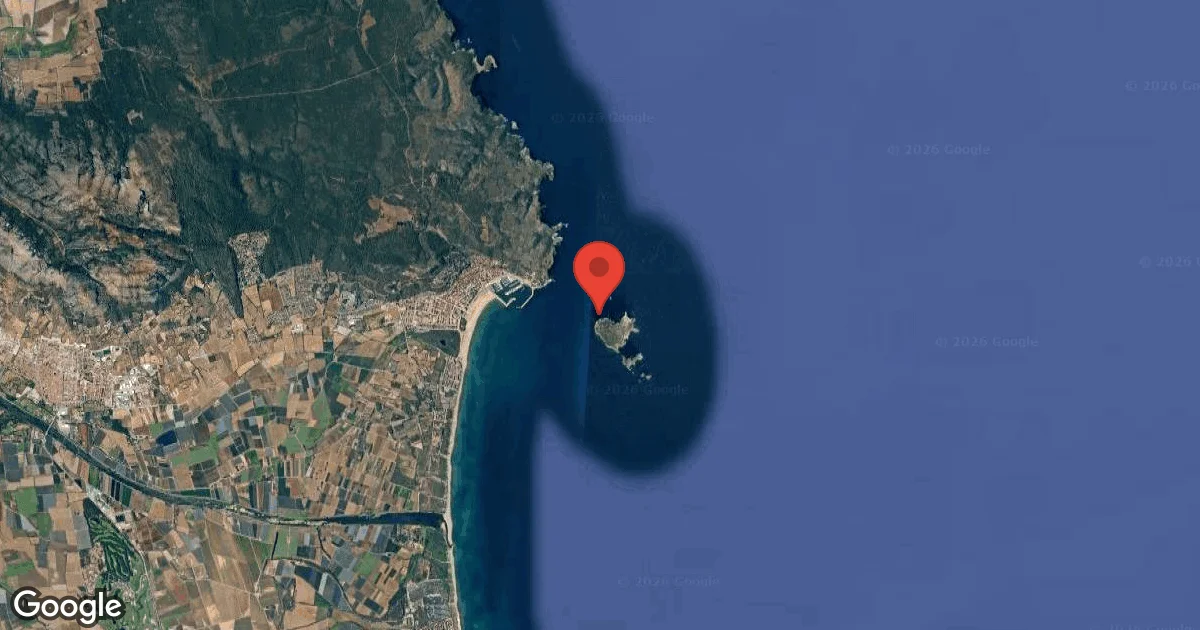
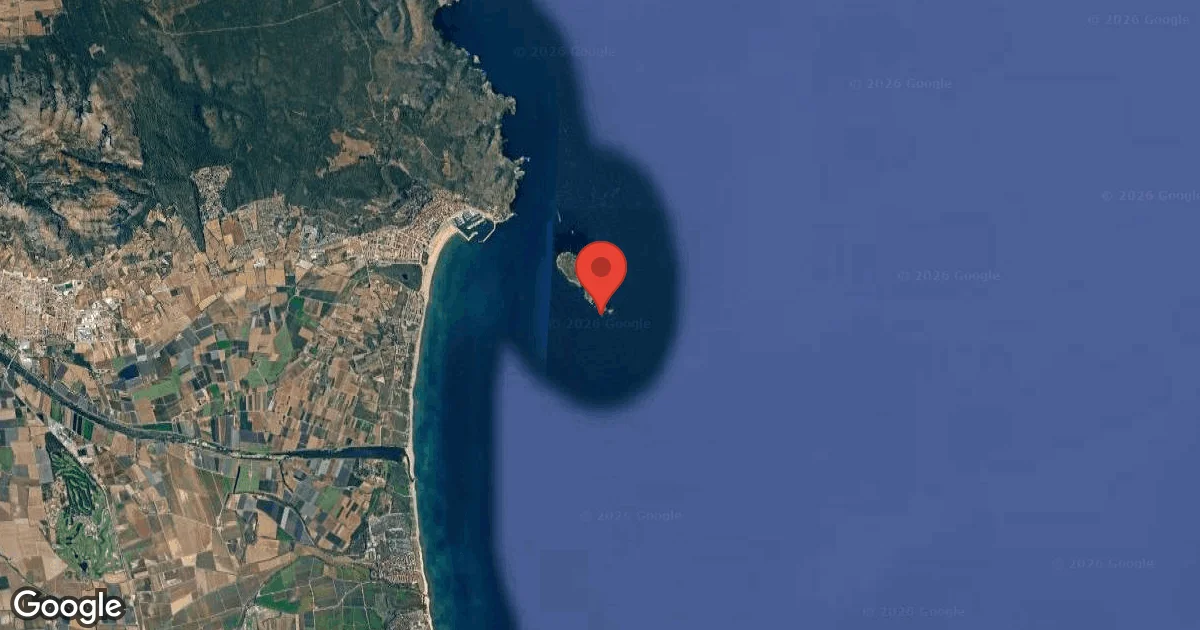
Dive Centers Near Ullastres III
Today: 08:30 - 18:00

Nearest Airports
Nearest airports to help plan travel to this dive area.
Search Flights
Check available flights and routes on Expedia, using the nearby airports listed in this section.
Search Flights on ExpediaFrequently Asked Questions
What is the maximum depth at Ullastres III?
The maximum reported depth for Ullastres III is around 55 meters. However, a typical recreational dive range is often shallower, between 15 and 40 meters.
What certification level is needed for Ullastres III?
Ullastres III is considered an intermediate to advanced dive. A minimum certification of Advanced Open Water (AOW) is recommended due to its depth and potential for currents.
Are there currents at Ullastres III?
Yes, being an exposed open-sea site, Ullastres III often experiences more pronounced currents compared to its more sheltered neighboring pinnacles. Divers should be prepared for variable current conditions.
What marine life can I expect to see?
The site is rich with marine life, including colorful gorgonian sea fans, Moray Eels, Conger Eels, and Scorpionfish. Divers also commonly spot sea bass, mackerel, wrasse, nudibranchs, groupers, and St. Peterfish, with pelagic species visiting occasionally.
Is Nitrox recommended for this dive?
Yes, Nitrox is highly recommended for Ullastres III. It helps extend bottom time, especially when exploring the rewarding mid-depth ranges where the gorgonian walls are most spectacular.
What are the water temperatures like?
Water temperatures range from approximately 13°C / 55°F to 26°C / 79°F. During summer, a thermocline is common, with surface temperatures around 24°C / 75°F dropping to 16-18°C / 61-64°F below about 20 meters.
How good is the visibility at Ullastres III?
Visibility at Ullastres III can vary significantly, ranging from just a few meters to over thirty meters. It frequently averages beyond fifteen meters, offering generally good conditions for exploration.
Planning to dive Ullastres III?
Send one inquiry and receive offers directly from the best verified local dive operators.
Conditions are Excellent
07:00 - 14:00
Optimal conditions expected
Current conditions near Ullastres III show 22° air, 27° sea temperature, 0.5 m waves, and 25 km/h wind. Forecast data is refreshed regularly to ensure accuracy.