
Diving at Htms Chang Wreck (Thailand)
Navigating the HTMS Chang wreck, Thailand's largest artificial reef, demands respect for its impressive structure and depth. While it offers an unparalleled adventure, divers must be proficient in wreck and deep diving. This former US Navy vessel, intentionally sunk to foster marine life, presents an environment where shifting currents can occasionally challenge even experienced divers. Expect an immersive journey into a thriving underwater sanctuary.
As evening covers Htms Chang Wreck, the local air temperature is measured at 27.5°C. The current wave height at the surface is recorded at 0.5 m. These late-day readings characterize the surface conditions for the night.
Dive Site Location & Key Facts
Dive Site Overview
HTMS Chang presents Thailand's largest shipwreck, an imposing artificial reef inviting divers to explore its substantial 100 m / 328 ft framework. A former US Navy landing ship, originally the USS Lincoln County LST-898, it underwent meticulous preparation before scuttling in November 2012.
Its deliberate sinking aimed to cultivate a thriving marine ecosystem, successfully transitioning into a vibrant underwater habitat. The wreck's vast structure, now densely encrusted with a mosaic of shells, hard corals, and gorgonians, offers multiple exploration routes.
Divers can descend into expansive cargo holds, found at depths nearing 30 meters (around 90-95 feet), or navigate a network of intricate passageways and decks. Chang's sheer scale demands more than a single dive to fully appreciate its numerous features and the diverse life it supports.
This destination specifically appeals to advanced divers searching for an engaging and challenging underwater journey. Its skeletal remains have become a critical sanctuary, fostering a rich and constantly evolving array of marine species within its metal contours, acting as a productive nursery and feeding ground.
From imposing bow to stern, the wreck reveals new details with each visit, making it a dynamic environment for sustained exploration.
Conditions are Moderate
Optimal conditions expected
Current conditions near Htms Chang Wreck show 27° air, 29° sea temperature, N/A waves, and 18 km/h wind. Forecast data is refreshed regularly to ensure accuracy.
Best Time to Dive
Planning a dive at HTMS Chang involves considering seasonal conditions to maximize your experience. The prime diving window typically spans January through April, consistently yielding excellent dive scores. During these months, air temperatures average a comfortable 27-29°C / 81-84°F, with minimal rainfall and calmer seas, resulting in clearer visibility and a more tranquil descent. Moderate conditions persist from May to June and October to December, though rain increases in May and wave heights and wind speeds can fluctuate, particularly from November to December. July and September often present moderate dive scores, with higher rainfall and choppier waters due to increased wave heights and wind speeds, which might affect visibility and overall comfort.
PEAK SEASON SCORE
Scores combine air & water temps, waves, wind & rainfall for overall conditions.
BEST MONTHS TO DIVE
Monthly records compiled from satellite and marine observation nodes over the last 3 years. Data provided by Open-Meteo and MET Norway.
Dive Experience & Conditions
Descending onto HTMS Chang reveals a distinct depth profile, with its mast and captain's cabin accessible from about 5 to 12 meters, quickly becoming visible. The main deck rests near 20-23 meters, while the bottom of the wreck reaches down to 30 meters. Its upright positioning provides an impressive view as the ship emerges from the blue. Visibility can vary, often reported around 5 meters; this, while not always extensive, still allows for navigating the ship's central tower and observing its encrusted surfaces. Exploring the entire 100-meter length in a single dive proves ambitious, especially with limited visibility, making multiple dives advantageous for comprehensive exploration.
Dive Difficulty & Safety Guidelines
For a safe and rewarding experience on the HTMS Chang, expert planning is crucial. A minimum certification level of Advanced Open Water Diver is required, with Deep Diver or Wreck Diver specializations highly recommended due to the site's depths and potential for overhead environments. Try dives or snorkeling are not suitable here.
Always conduct a pre-dive safety check and review entry/exit procedures with your dive professional. It's important to discuss environmental awareness, ensuring no contact with the delicate coral growth and the abundant sea urchins.
Staying with your buddy and adhering to turn-around points and air reserves are fundamental for a secure exploration.
Recommended Equipment
Overhead / entanglement risk. Wreck penetration requires proper training.
- Dive Computer
- DSMB
- Primary & Backup Lights
- Wreck Reel
- Cutting Tool
This gear list is based on verified equipment signals for Htms Chang Wreck, Thailand. Always confirm final gear choices with your dive operator, guide, or liveaboard.
Recommended Dive Suit
Forecast trends indicate similar diving conditions over the next few days.
Factors such as dive duration, depth, and activity level can influence how warm a diver feels underwater.
Dive skin or rash guard typically balances flexibility and thermal protection in these temperatures. A hood or vest is suggested for sensitive divers due to surface winds. The surrounding waters at Htms Chang Wreck are currently registering temperatures of roughly 29°C (84°F). Surface air temperatures are resting at 27°C (81°F).
Emergency & Medical Support
Essential information to help you plan your dive trip to HTMS Chang wreck.

Hyperbaric chambers are a critical part of dive safety infrastructure. Availability varies significantly by region, and not all dive areas have immediate access.
Before diving, it's recommended to:
- confirm nearest medical facilities
- check emergency procedures with local dive operators
- ensure dive insurance covers evacuation if required
Divers Alert Network
Diving emergency assistance available through DAN World.
+1-919-684-9111- 24/7 emergency hotline
- Diving medical assistance
- Evacuation coordination
Emergency contacts are provided for reference. Always verify local emergency services before diving.
Marine Life at Htms Chang Wreck
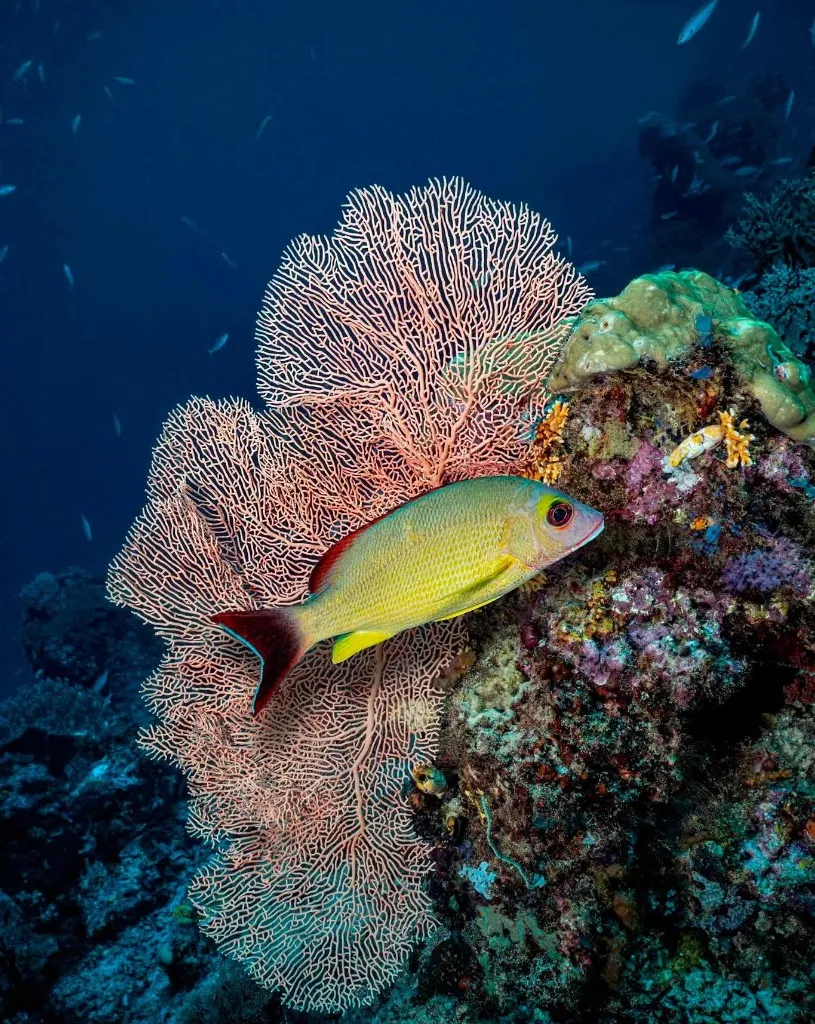
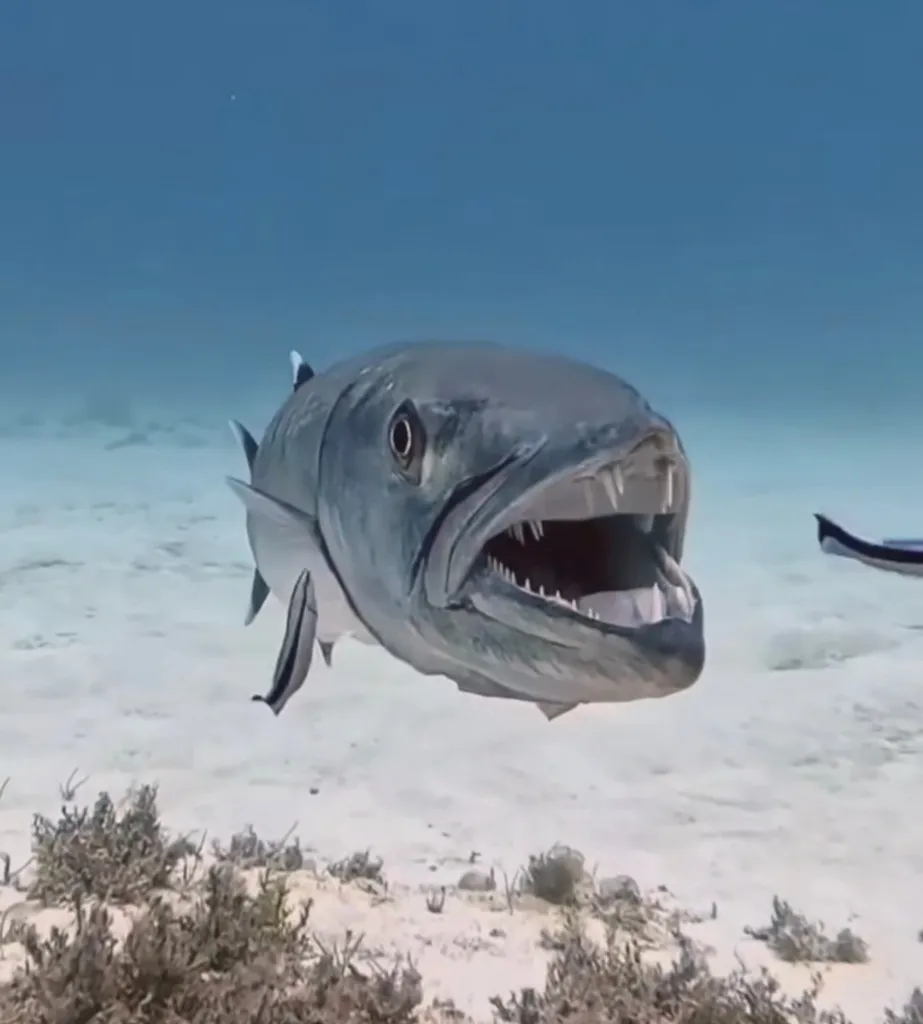
Wreck structure has sculpted an exceptional underwater landscape, serving as a vital habitat for a diverse array of marine species. Schooling barracudas and yellow snapper often swirl dynamically around the conning tower, sometimes in such numbers they momentarily obscure parts of the ship.
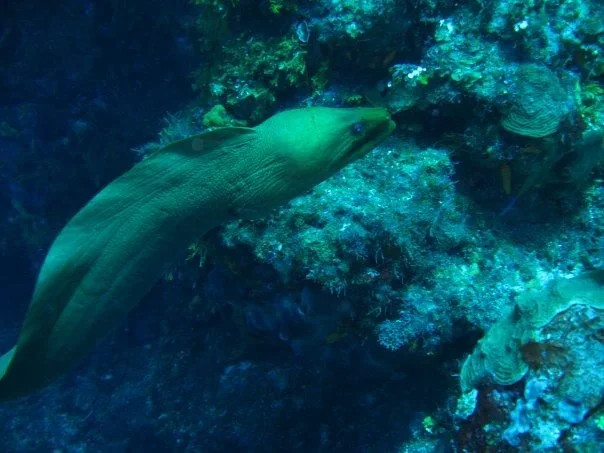
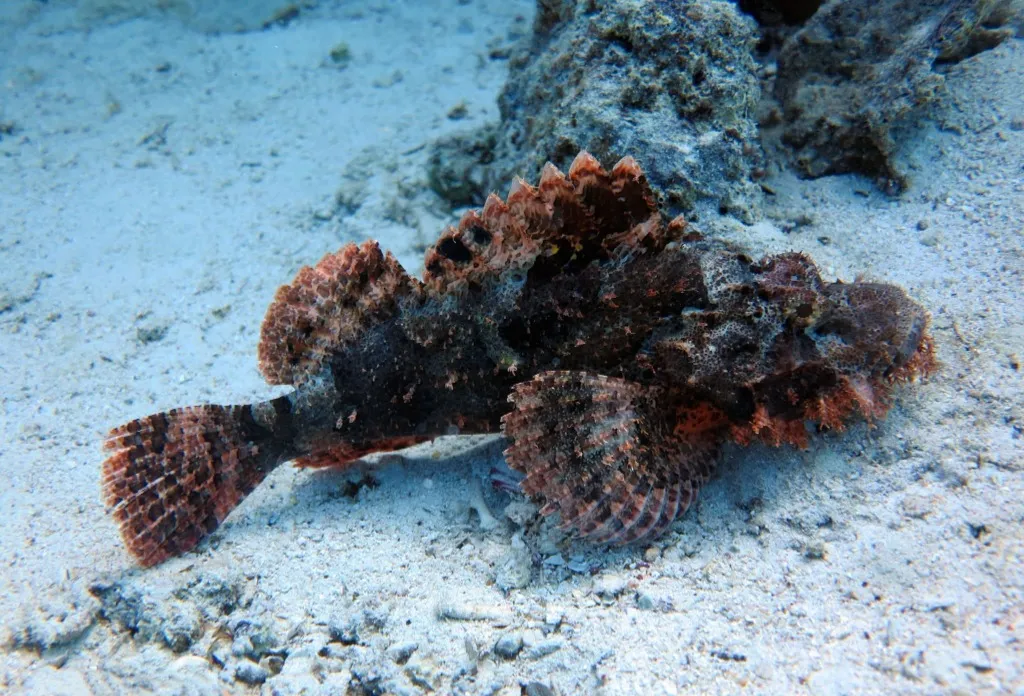
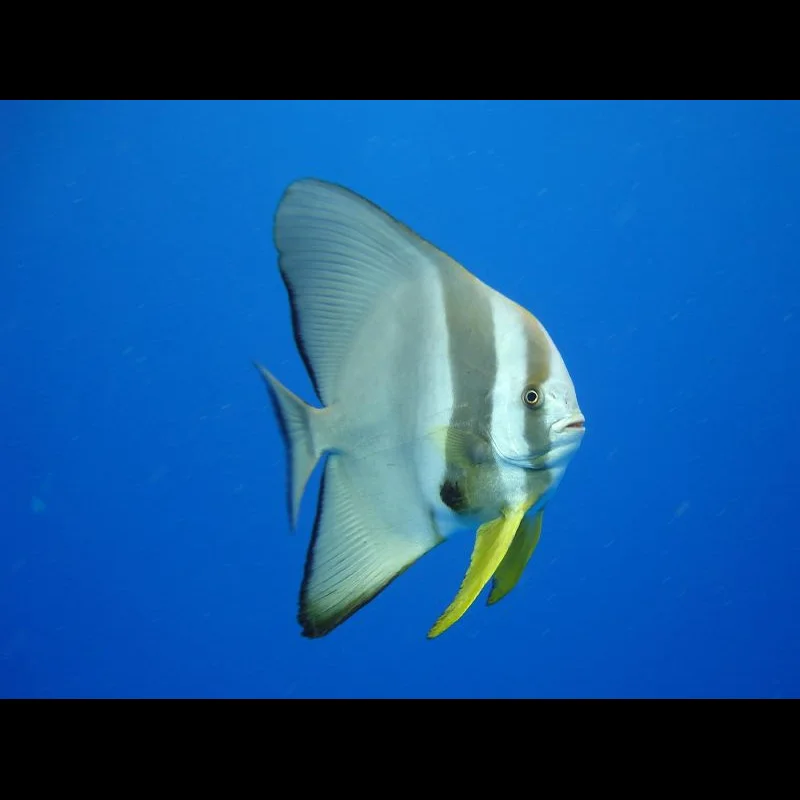
Giant groupers, batfish, lionfish, moray eels, and various reef fish consistently make their home here. Macro life, including squid, octopus, and shrimpfish, thrives in the wreck's many nooks and crannies.
Continually evolving, coral and gorgonians steadily encrust the vessel, further cementing its role as a productive nursery for younger fish.
Dive Sites Near Htms Chang Wreck
View all dive sites in ThailandDiscover more underwater gems in this area.
Dive Centers Near Htms Chang Wreck
Nearest Airports
Nearest airports to help plan travel to this dive area.
Search Flights
Check available flights and routes on Expedia, using the nearby airports listed in this section.
Search Flights on ExpediaFrequently Asked Questions
What is the HTMS Chang wreck?
HTMS Chang is Thailand's largest shipwreck, an artificial reef created from a former US Navy landing ship. It was intentionally sunk in November 2012 to become a dive site and marine sanctuary near Koh Chang.
What is the maximum depth of the dive site?
Maximum depth at the HTMS Chang wreck is 30 m / 100 ft at the bottom. Its main deck lies around 20-23 meters, with parts of the mast reaching up to 5 meters from the surface.
What certification level is required to dive the HTMS Chang?
Divers need a minimum certification of Advanced Open Water Diver. Deep Diver or Wreck Diver certifications are also highly recommended due to the wreck's depth and structure.
What kind of marine life can I expect to see?
Expect to see a wide variety of marine life inhabiting the wreck, including large schools of barracudas and yellow snapper. You can also spot groupers, batfish, lionfish, moray eels, octopus, and numerous reef fish.
When is the best time to dive the HTMS Chang?
Best time to dive is generally from January to April. These months offer the most favorable conditions with calmer seas, higher visibility, and comfortable air temperatures for an optimal diving experience.
Can beginners or snorkelers visit the HTMS Chang?
No, HTMS Chang wreck is not suitable for beginners, try dives, or snorkeling. Its depth and complexity require advanced diving skills and certification.
Planning to dive Htms Chang Wreck?
Send one inquiry and receive offers directly from the best verified local dive operators.
Conditions are Moderate
Optimal conditions expected
Current conditions near Htms Chang Wreck show 27° air, 29° sea temperature, N/A waves, and 18 km/h wind. Forecast data is refreshed regularly to ensure accuracy.