
Diving at Koh Ha (Thailand)
Characterized by a dramatic topography of limestone karsts, Koh Ha (meaning 'Five Islands') forms an aquatic playground southwest of Koh Lanta. Its distinct islands create a sheltered lagoon and various dive sites featuring shallow reefs, vertical walls, and fascinating cave systems. Divers explore depths from the surface down to approximately 30 m / 100 ft, navigating pinnacles and unique swim-throughs that define this captivating destination.
Evening condition tracking at Koh Ha features an air temperature of 25°C. We have recorded wave heights measuring 0.4 m during this period. These figures outline the environmental parameters currently present.
Dive Site Location & Key Facts
Dive Site Overview
Preparing for a descent at Koh Ha reveals a world shaped by remarkable geological formations and diverse marine habitats. This archipelago offers multiple distinct dive experiences, suitable for a range of certification levels.
Koh Haa 1, for instance, challenges those with good buoyancy control to navigate 'The Chimney,' a 13-meter long rock passageway. Its entrance lies around 18 meters, with the exit ascending to approximately 5 meters. A separate tunnel, found between 8 and 9 meters, connects the chimney to a vaulted rock cave, providing refuge for shoals of small fish and numerous nudibranchs.
While its north face features a gently sloping reef ideal for Open Water divers, the south side presents a more advanced profile with a vertical wall reef rich in caves, passageways, and arching swim-throughs. Meanwhile, the clear, shallow waters of Koh Haa Lagoon, typically 0-5 meters deep, provide excellent conditions for beginners practicing skills and are a prime snorkeling location, known for its pristine coral reef and sandy areas.
Conditions are Good
07:00 - 14:00
Optimal conditions expected
Current conditions near Koh Ha show 25° air, 30° sea temperature, 0.3 m waves, and 15 km/h wind. Forecast data is refreshed regularly to ensure accuracy.
Best Time to Dive
The prime diving season for Koh Ha generally spans from November to April, aligning with consistent 'Excellent' dive scores. During these months, average air temperatures hover between 26-28°C / 79-82°F, offering comfortable surface conditions. Rainfall is notably lower from January through March, with minimal rain reported around 1-3 mm. While specific water temperature data isn't consistently reported, the region typically maintains warm, tropical waters suitable for diving year-round. Outside this peak window, diving remains good; however, months like September and November show slightly higher average rainfall (10-12 mm) and increased wave activity, sometimes resulting in 'Good' dive scores rather than 'Excellent'. Divers can expect a range of conditions, but the overall experience remains rewarding.
PEAK SEASON SCORE
Scores combine air & water temps, waves, wind & rainfall for overall conditions.
BEST MONTHS TO DIVE
Monthly records compiled from satellite and marine observation nodes over the last 3 years. Data provided by Open-Meteo and MET Norway.
Dive Experience & Conditions
Beginning your dive here often means entering waters with visibility commonly ranging between 10 and 30 meters (approximately 33 to 100 feet), allowing clear views of the unfolding underwater landscape. As you descend, the topography shifts from the gentle, shallow coral reefs found within the lagoon, reaching depths around 5 meters, to the more pronounced vertical walls and pinnacles of the outer islands that drop to 30 meters. Currents at Koh Ha are typically moderate, though localized conditions may vary depending on the site and tide; the lagoon, however, generally presents calmer conditions. Exploring structures like 'The Chimney' requires precise buoyancy control to navigate its passages. This site offers a progression of challenges, moving from serene, sandy bottom training areas to more intricate cave and swim-through explorations.
Dive Difficulty & Safety Guidelines
Diving at Koh Ha, particularly through its caves and swim-throughs like 'The Chimney,' demands good buoyancy control and situational awareness. While currents are generally moderate, divers should always monitor conditions and be prepared for potential changes, especially when navigating around pinnacles. Adequate dive lighting is essential for exploring any overhead environments, ensuring clear visibility within darker sections of caves.
Adhering to your certification limits is crucial, particularly for deeper wall dives or more complex passages which are better suited for Advanced Open Water certified divers. Always dive with a buddy, maintain appropriate gas management, and practice safe ascent procedures, including safety stops in the calm, shallow lagoon areas.
Recommended Equipment
Overhead environment. Do not enter beyond training and gas planning limits.
- Dive Computer
- DSMB
- Primary & Backup Lights
- Reel / Spool
- Cutting Tool
This gear list is based on verified equipment signals for Koh Ha, Thailand. Always confirm final gear choices with your dive operator, guide, or liveaboard.
Recommended Dive Suit
Thermal protection such as dive skin or rash guard is commonly used for water temperatures in this range. A hood or vest is suggested for sensitive divers due to surface winds.
Divers planning a dive at Koh Ha today will likely encounter water temperatures close to 30°C (87°F). Surface air temperatures are resting at 25°C (77°F).
The next few days appear likely to bring similar environmental conditions.
Emergency & Medical Support
Essential information to help you plan your dive trip to Koh Ha.

Hyperbaric chambers are a critical part of dive safety infrastructure. Availability varies significantly by region, and not all dive areas have immediate access.
Before diving, it's recommended to:
- confirm nearest medical facilities
- check emergency procedures with local dive operators
- ensure dive insurance covers evacuation if required
Divers Alert Network
Diving emergency assistance available through DAN World.
+1-919-684-9111- 24/7 emergency hotline
- Diving medical assistance
- Evacuation coordination
Emergency contacts are provided for reference. Always verify local emergency services before diving.
Marine Life at Koh Ha
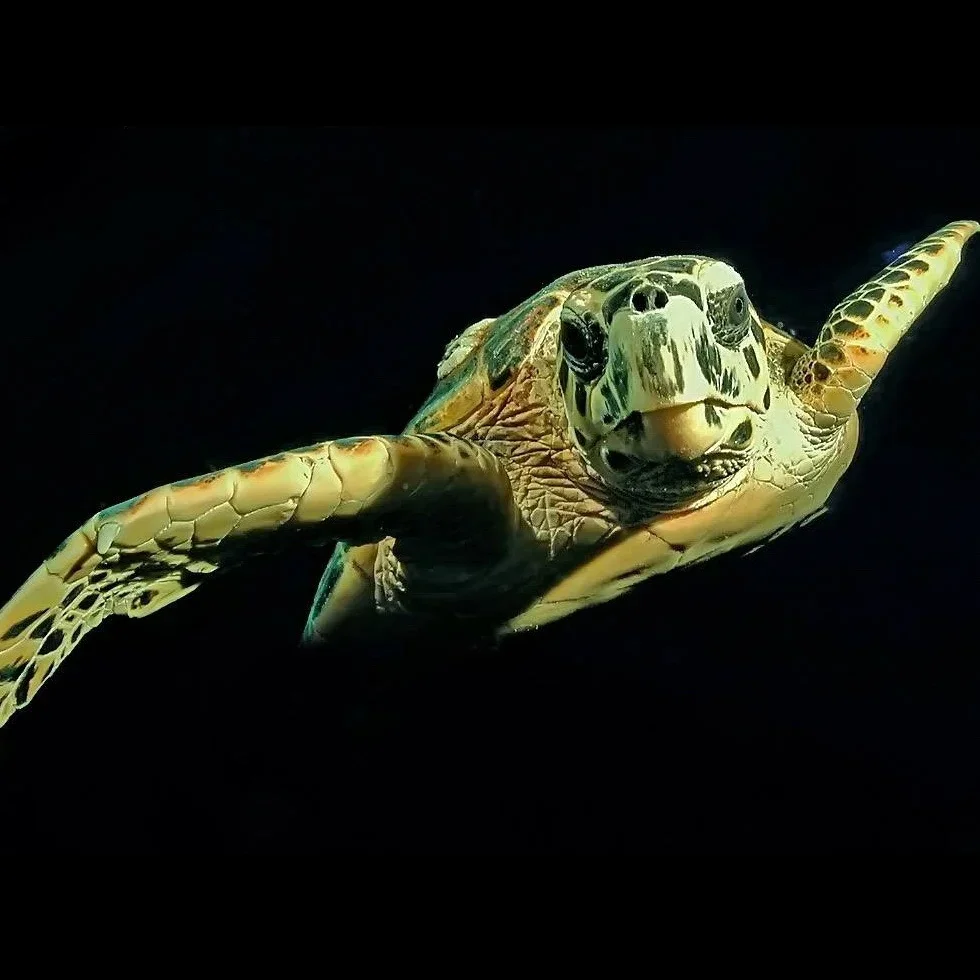
As you immerse yourself in the waters of Koh Ha, your gaze might first fall upon the majestic presence of a whale shark, particularly possible during the high season from November to April. Beyond the larger pelagics, Hawksbill turtles gracefully glide past, while reef rays and blue-dotted rays cruise the sandy bottoms.
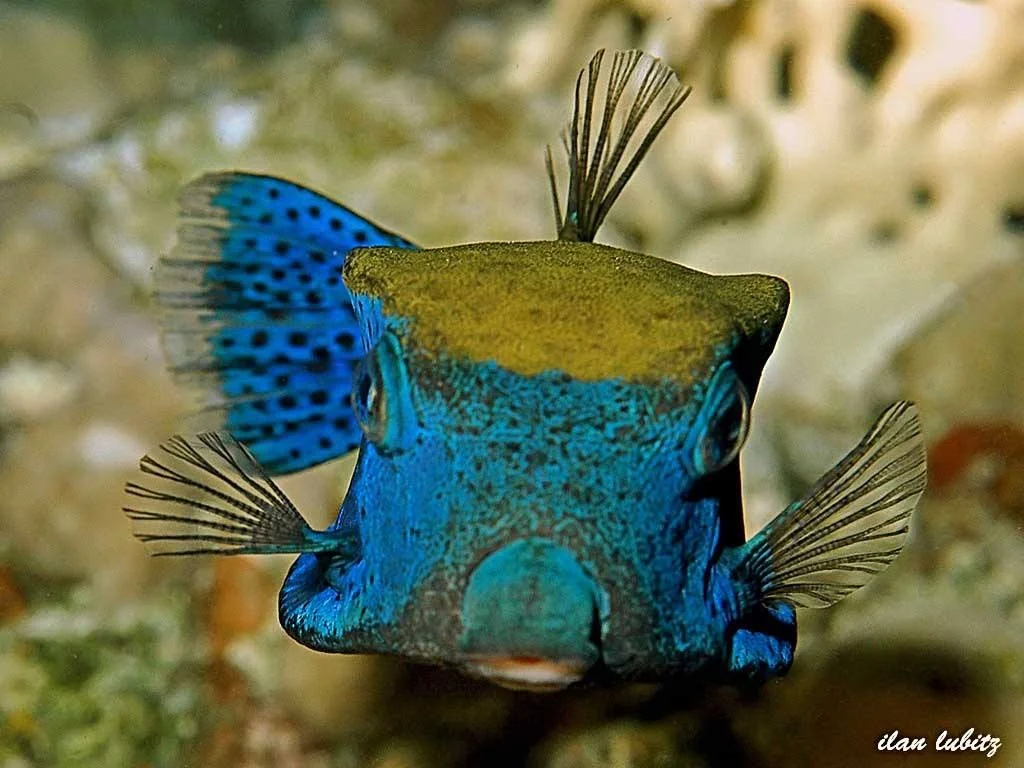
Keep an eye out for blacktip sharks patrolling the reef edges. Looking closer at the vibrant corals and rock formations, you'll encounter a variety of reef fish, including colorful boxfish, clownfish, parrotfish, and pufferfish.
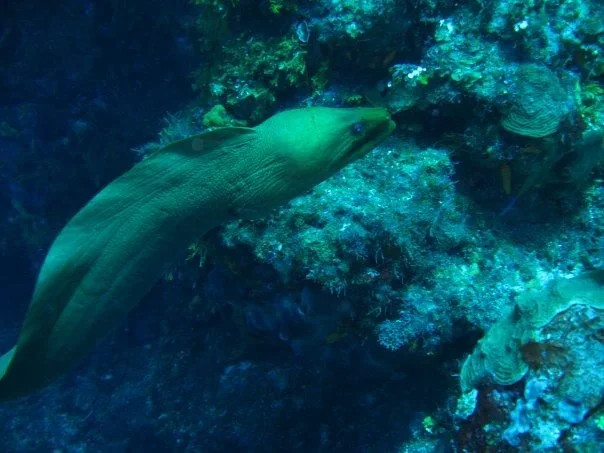
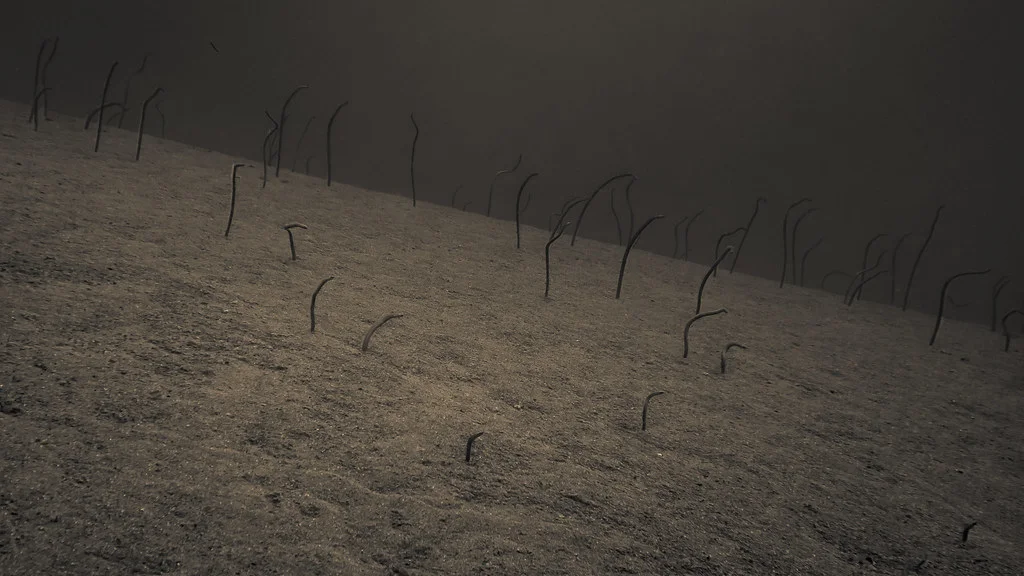
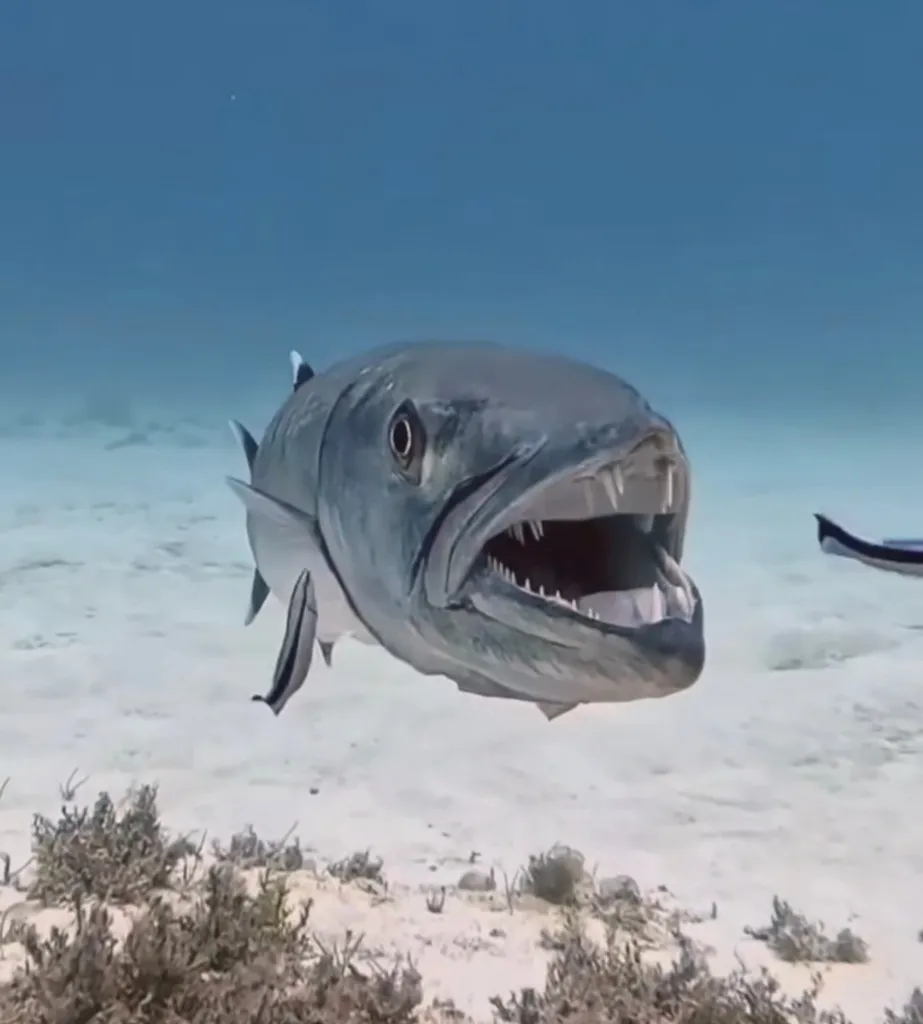
Giant groupers, reported to be among the largest found in the Ko Lanta region, inhabit the deeper sections, alongside large moray eels hidden within crevices. Schools of barracudas and trevallies often swirl in the blue, and macro enthusiasts can discover garden eels, seahorses, and nudibranchs in specific, sheltered spots.
Dive Sites Near Koh Ha
View all dive sites in ThailandDiscover more underwater gems in this area.
Dive Centers Near Koh Ha
Today: 11:00 - 18:00
Nearest Airports
Nearest airports to help plan travel to this dive area.
Search Flights
Check available flights and routes on Expedia, using the nearby airports listed in this section.
Search Flights on ExpediaFrequently Asked Questions
What are the primary dive sites at Koh Ha?
Koh Ha is an archipelago, meaning 'Five Islands,' with distinct dive sites like Koh Haa 1, Koh Haa 2, Koh Haa Lagoon, Koh Haa Yai, and Koh Haa Six. Each offers unique features, from deep walls to shallow reefs.
Is Koh Ha suitable for beginners?
Yes, Koh Ha caters to all diving levels. Shallow, calm areas like Koh Haa Lagoon are excellent for beginners and training, while more advanced sites offer challenges like deeper walls and swim-throughs.
What is 'The Chimney' and what level of diver is it for?
'The Chimney' is a 13-meter rock passageway at Koh Haa 1. Its entrance lies at around 18 meters, with an exit at approximately 5 meters. It requires good buoyancy control and is suitable for certified divers comfortable with overhead environments.
What kind of marine life can I expect to see at Koh Ha?
Divers often encounter whale sharks, Hawksbill turtles, reef rays, and blacktip sharks. The reefs are home to numerous fish species like boxfish, clownfish, parrotfish, pufferfish, large moray eels, and some of the largest groupers in the region. Schools of barracudas and trevallies are also common.
When is the best time of year to dive Koh Ha?
The peak diving season is from November to April, offering excellent dive conditions with lower rainfall and moderate waves. Diving is possible year-round, but some months outside this window may experience slightly higher rainfall or wave activity.
Is snorkeling possible at Koh Ha?
Absolutely. Koh Haa Lagoon, with its clear, shallow waters and pristine coral reef, is considered one of Thailand's best snorkeling spots. The east finger is also recommended for snorkeling, where turtles and clownfish are often seen.
What are the typical dive depths and visibility at Koh Ha?
Depths vary widely across the sites, from the very shallow, typically 0-5 m / 0-16 ft in the lagoon, to over 30 meters (100 feet) on deeper walls. Visibility is consistently good, often ranging from 10 to 30 meters (33 to 100 feet), depending on conditions.
Planning to dive Koh Ha?
Send one inquiry and receive offers directly from the best verified local dive operators.
Conditions are Good
07:00 - 14:00
Optimal conditions expected
Current conditions near Koh Ha show 25° air, 30° sea temperature, 0.3 m waves, and 15 km/h wind. Forecast data is refreshed regularly to ensure accuracy.